Artwork
Waltham Cross
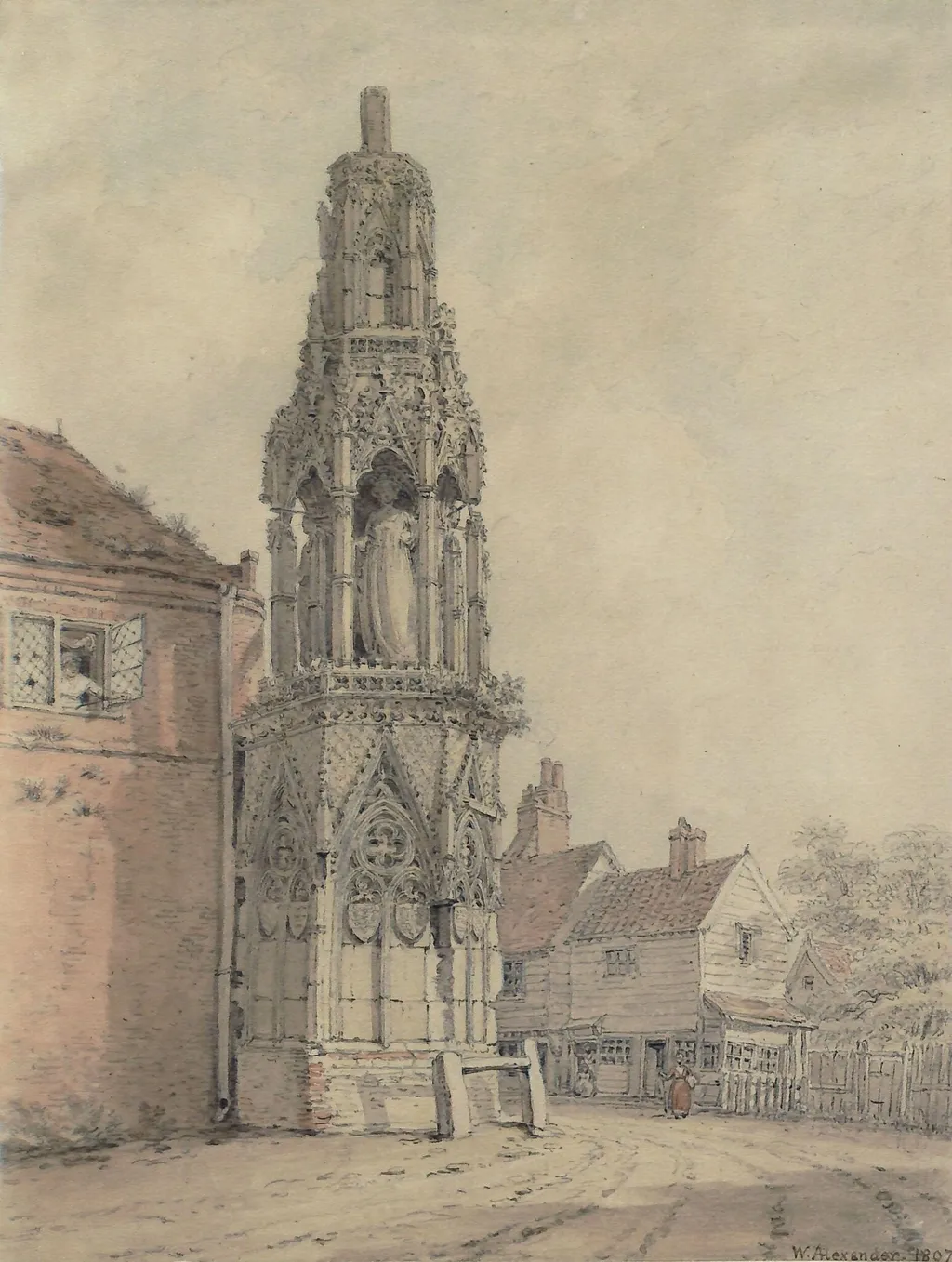
Waltham Cross is a watercolor work on paper by the British Romanticist artist William Alexander. It is held in the collection of the Victoria and Albert Museum.
About this work
Overview
William Alexander’s 1807 watercolour presents a view of Waltham Cross, a medieval stone monument situated within a modest settlement. The work is signed and dated by the artist, confirming its authorship and the early‑nineteenth‑century date. The composition centers on the cross, surrounded by a cluster of simple brick and timber dwellings topped with thatched roofs.
Subject & Meaning
The focal point of the picture is the tall, pointed cross, whose carved ornamentation—swirls, tracery and tiny apertures—suggests its historic and ecclesiastical function. By emphasizing the structure’s weathered surface, Alexander draws attention to the passage of time and the endurance of religious symbols within a rural landscape.
Technique & Style
Executed in watercolour, the drawing employs delicate washes to render the stone’s texture and the surrounding buildings’ modest materials. The artist’s handling of light and shadow accentuates the cross’s roughness, a characteristic approach of early‑1800s British landscape art that sought to convey both natural atmosphere and historical depth.
History & Provenance
Created in 1807, the piece bears Alexander’s signature, confirming its place in his early career. It has been part of the Victoria and Albert Museum’s collection, where it is displayed alongside other contemporaneous works that illustrate the period’s interest in documenting historic architecture through watercolour.
Artist & collection


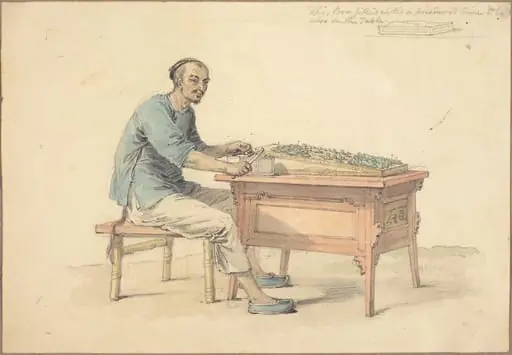 A Chinese Peasant Selling Betel
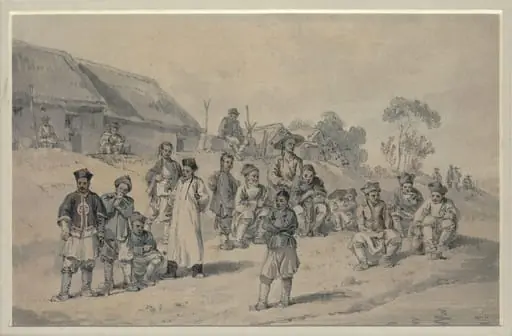 Chinese Observing the British (Lord Macartney's) Embassy
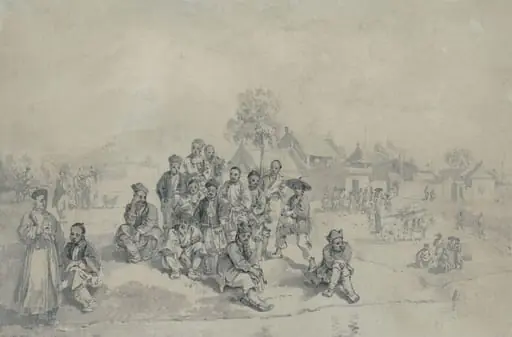 A Scene in China
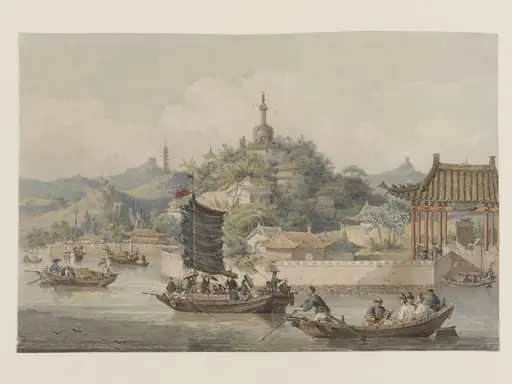 The Emperor of China's Gardens, the Imperial Palace, Peking
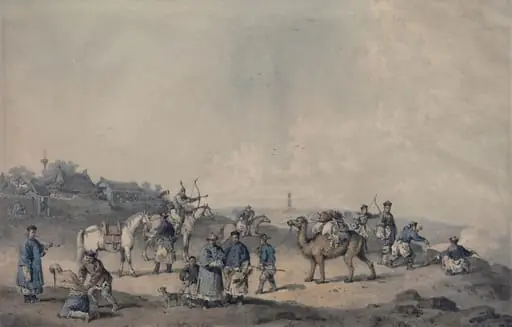 Chinese Soldiers Exercising Outside the Walls of the City
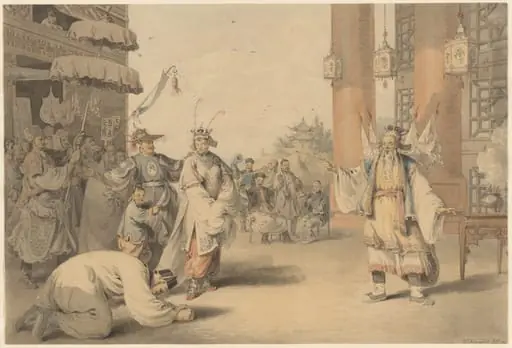 A Scene in an Historical Play Exhibited on the Chinese Stage
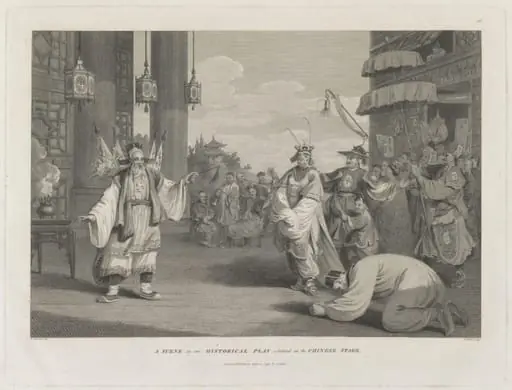 H Beard Print Collection
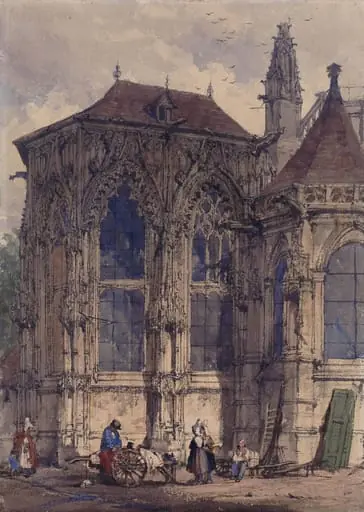 East End of the Church of St. Jacques, Dieppe
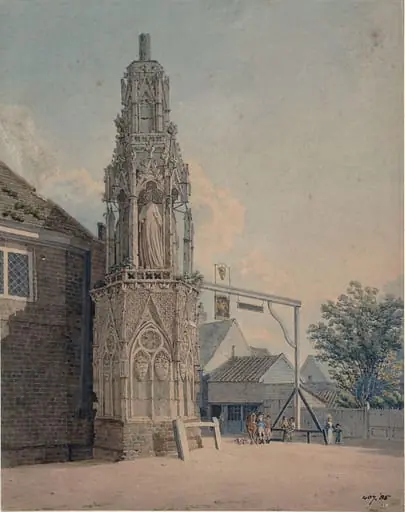 Queen Eleanor's Cross, Waltham Cross, Herts
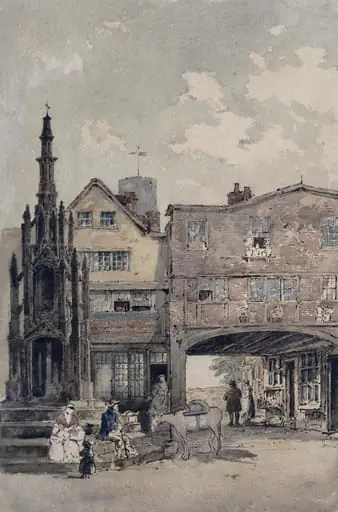 The Butter-Cross, Winchester
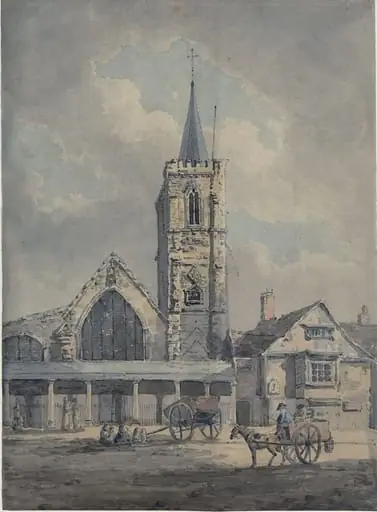 A Church in a Market Place
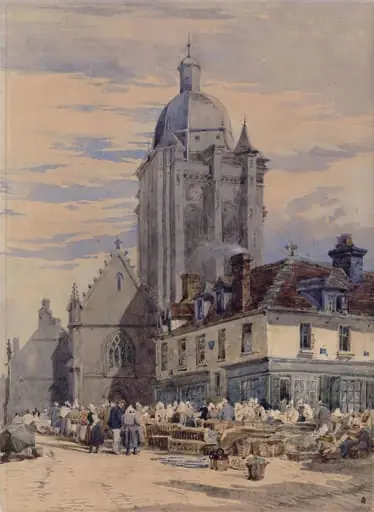 Street View, Mortagne, Normandy
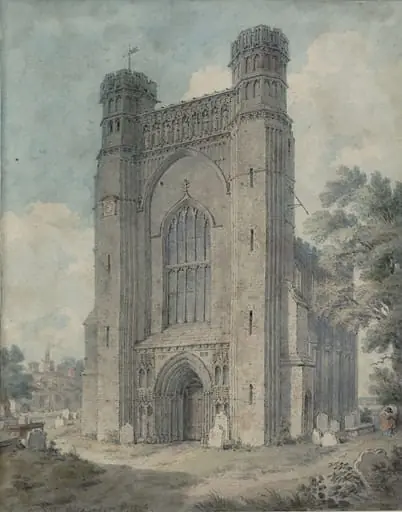 Thorney Abbey, Cambridgeshire
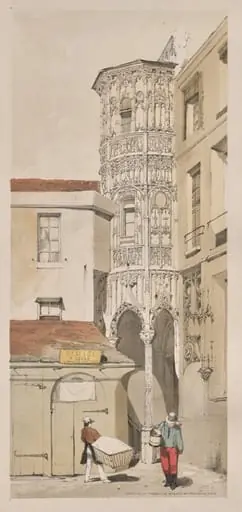 Picturesque Architecture in Paris, Ghent, Antwerp, Rouen: Hôtel de la Tremouille, Rue des Bourbonnois, Paris
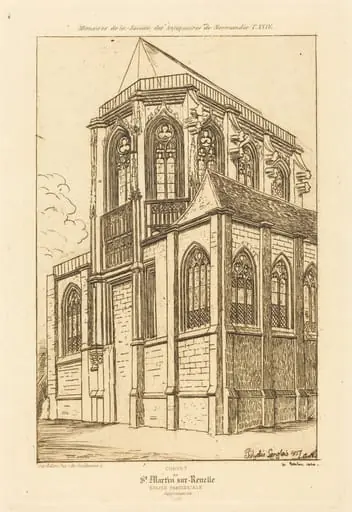 Chevet de St. Martin-sur-Renelle (The Apsis of the Church of St. Martin-sur-Renelle)
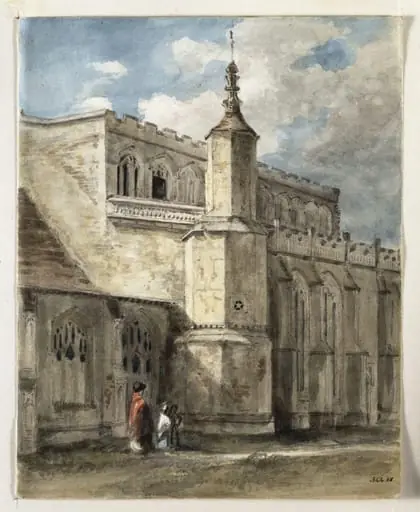 Part of the exterior of East Bergholt Church: the north side
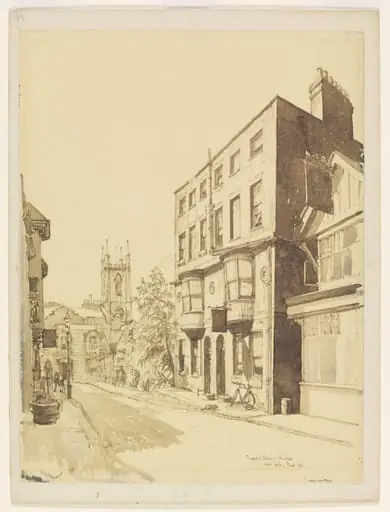 Church Street, (west side) Windsor
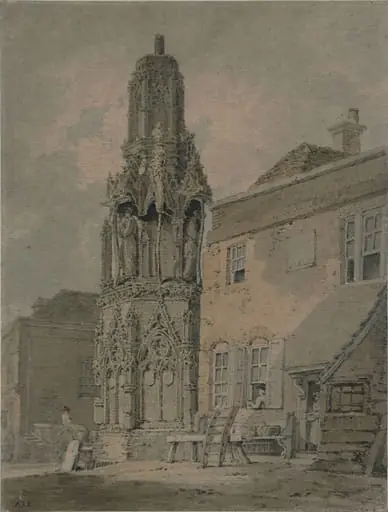 Waltham Cross in 1812
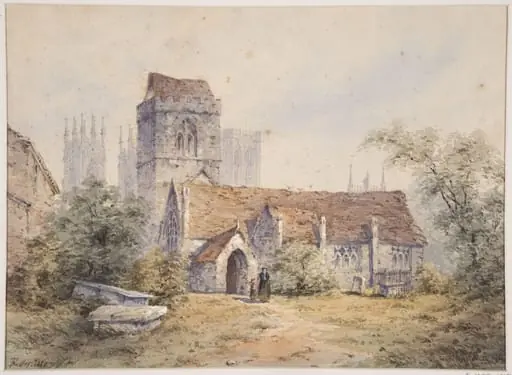 Untitled