Artwork
Untitled
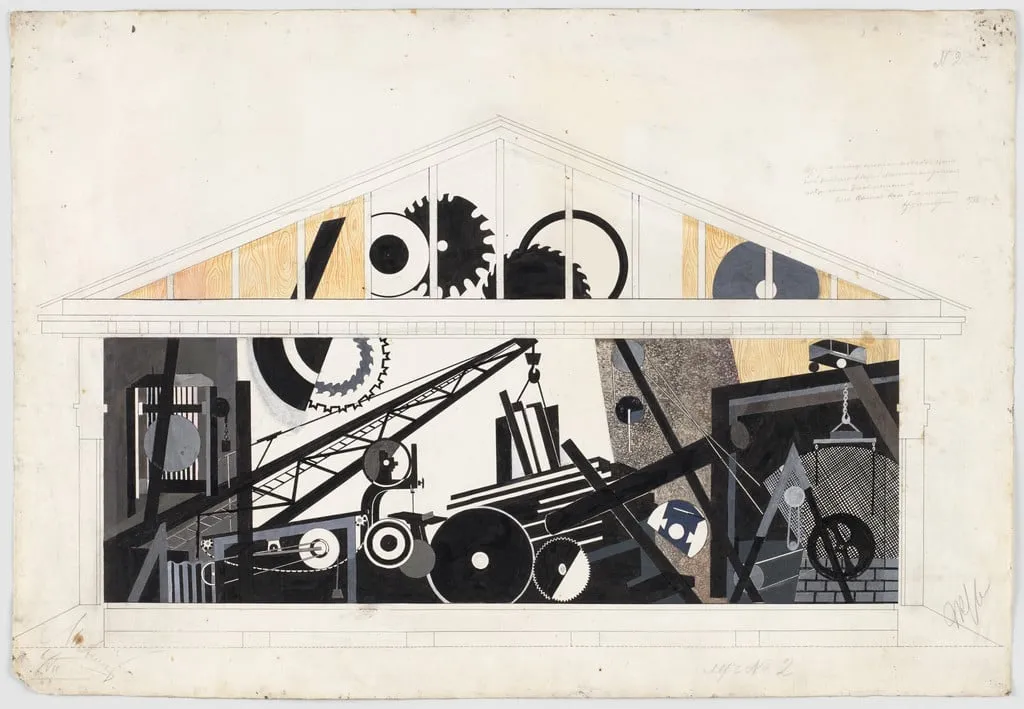
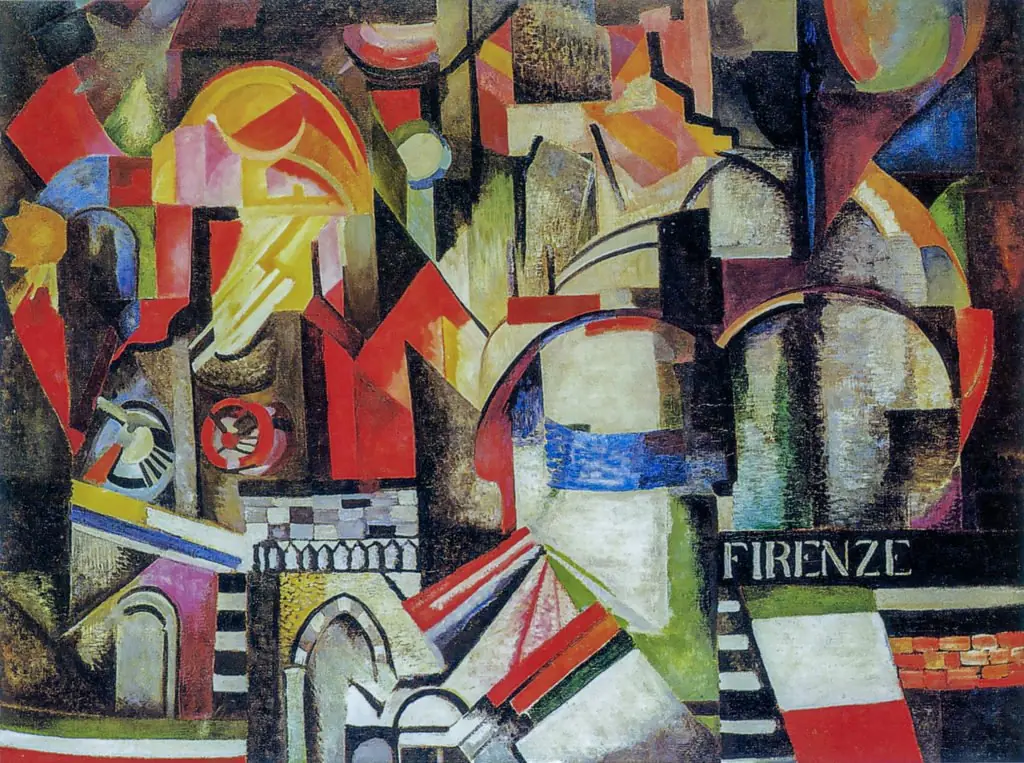
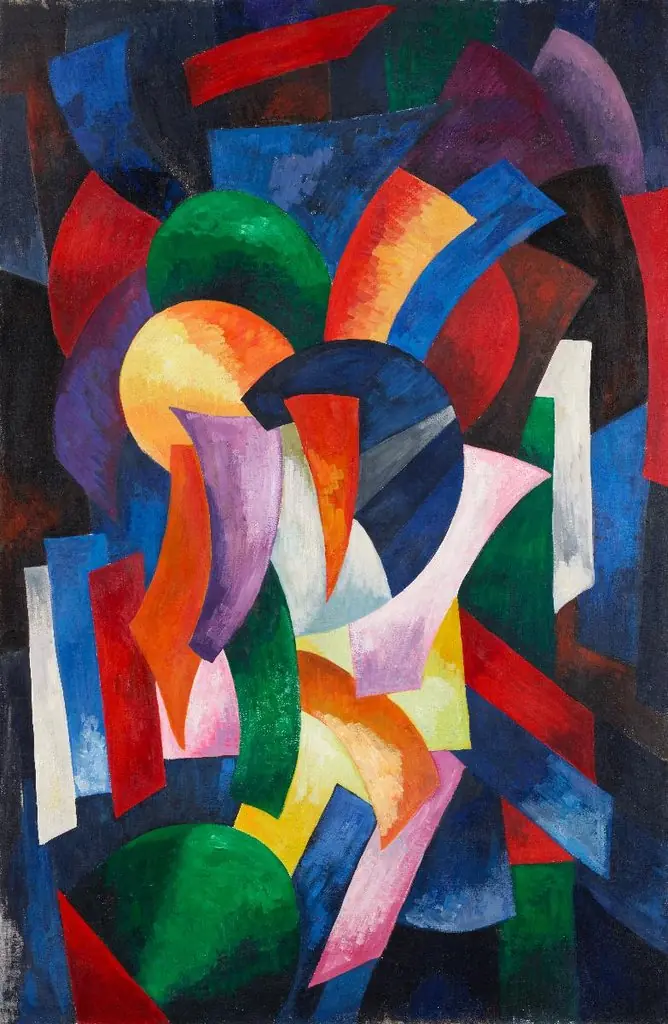
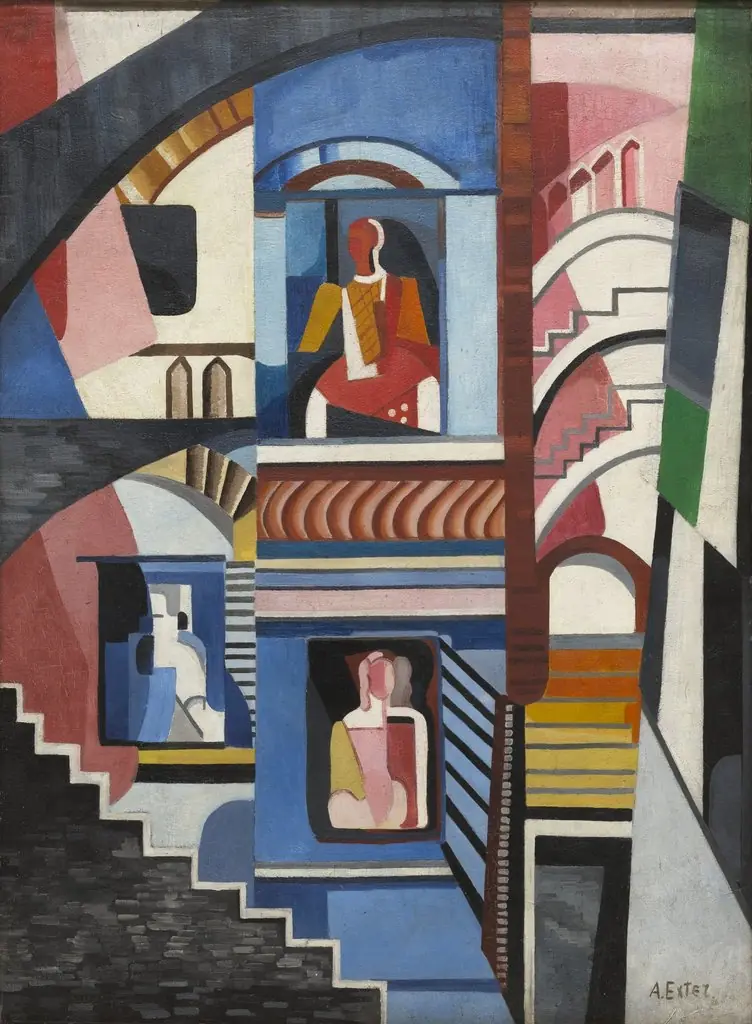
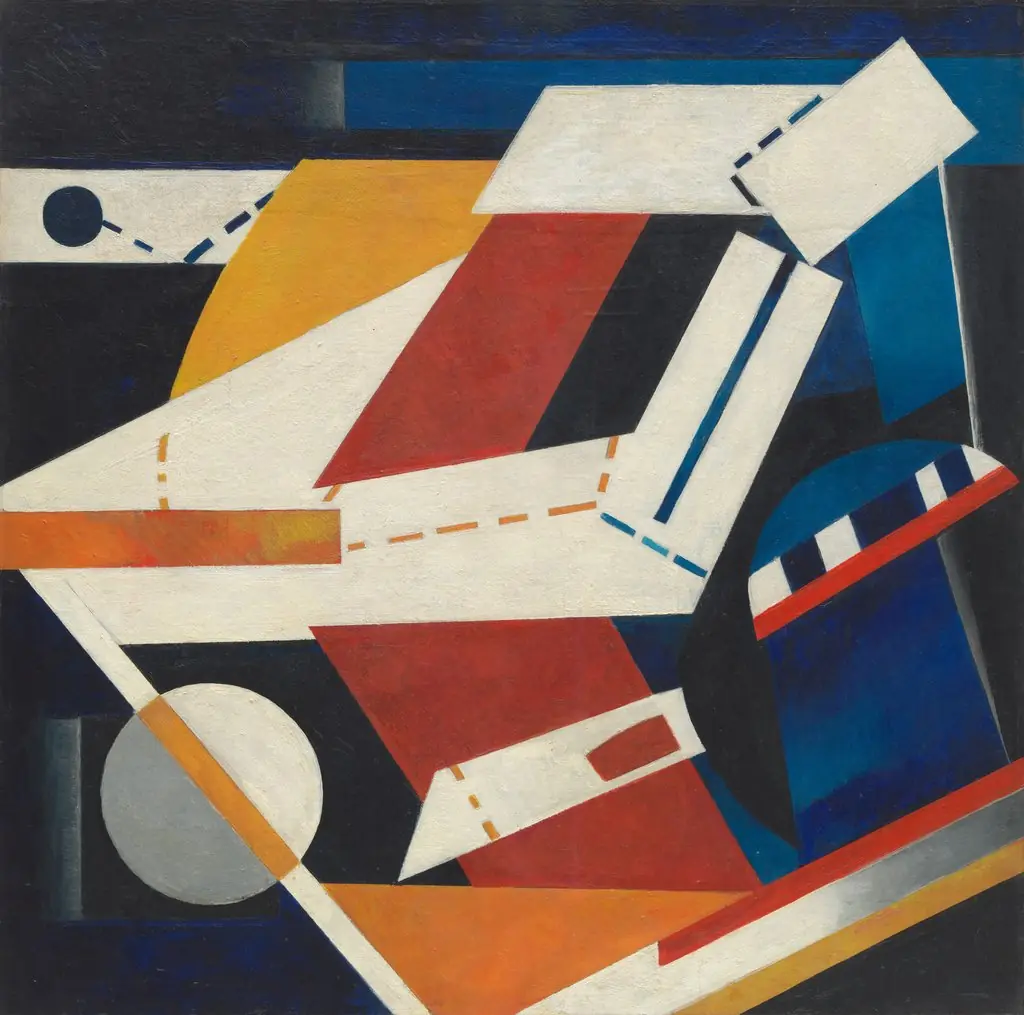
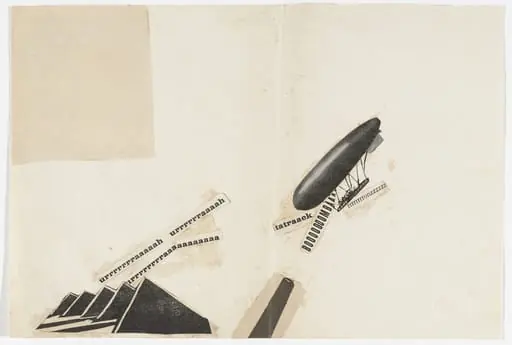
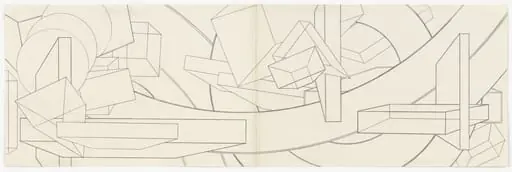
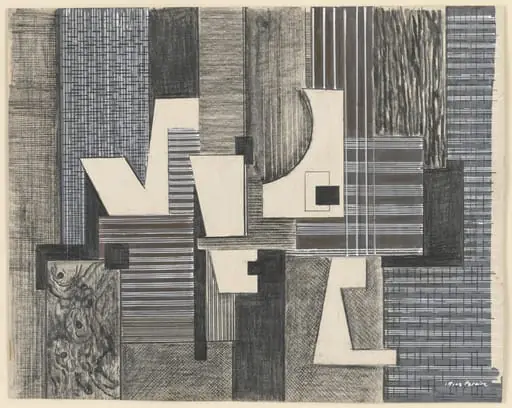
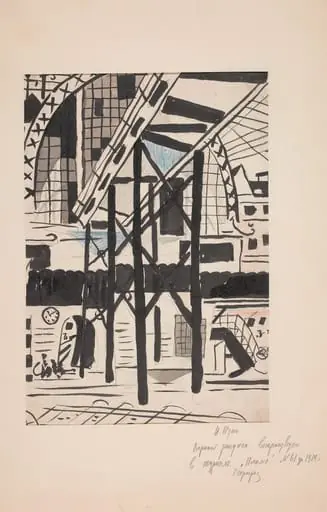
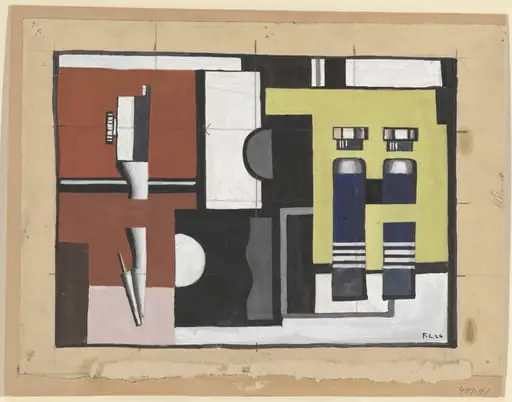
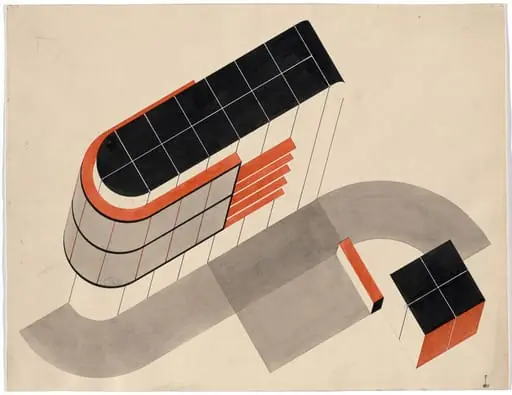
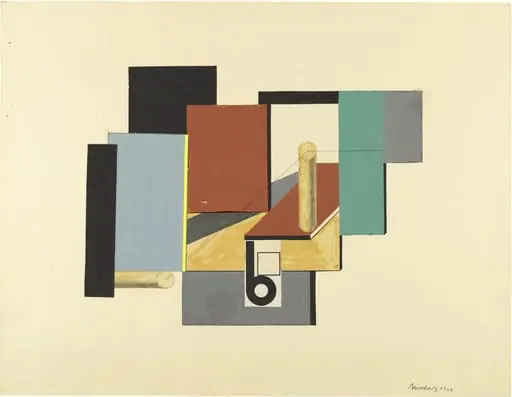
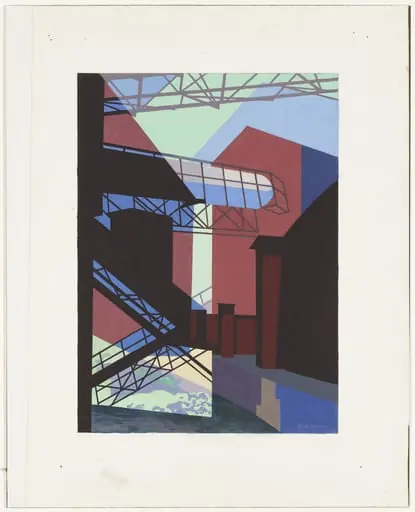
Untitled is a watercolor drawing by Aleksandra Ekster. It dates from 1923 and is held in the collection of the Museum of Modern Art. Created around 1923, this drawing by Alexandra Exter combines gouache, ink, watercolor, and pencil on paper.
About this work
Alexandra Exter built up colors with watercolor glazing—letting thin paint dry between coats to create depth.
This painting shows sharp shapes and bright colors in a layered style. Alexandra Exter built up colors with watercolor glazing—letting thin paint dry between coats to create depth. Her work here was a study for a bigger mural in Moscow’s 1923 agricultural fair.
Exter mixed modern art with practical design. The shapes feel both mechanical and playful, like gears turned into toys. This wasn’t just decoration—it was meant to fit a real building.
Check out more by Exter at The Museum of Modern Art.
Overview
Created around 1923, this drawing by Alexandra Exter combines gouache, ink, watercolor, and pencil on paper. It emerged from her active engagement with modernist movements in both Eastern and Western Europe, reflecting a period of intense artistic exchange. The work functions as a preparatory study for a large-scale mural commissioned for Moscow’s 1923 agricultural exhibition, bridging fine art and applied design.
Subject & Meaning
The composition features abstract, interlocking forms that suggest mechanical elements—gears, levers, and structural fragments—rendered with a sense of playful dynamism. Rather than depicting literal subjects, the piece conveys energy and movement, aligning with avant-garde interests in industrial progress and spatial innovation. Its tone balances precision with whimsy, hinting at the fusion of utility and aesthetic experimentation.
Technique & Style
Exter employed watercolor glazing, layering thin washes that dried between applications to build luminous depth. Gouache provided opaque accents, while ink and pencil defined sharp contours. The result is a structured yet fluid surface where color and line interact with geometric clarity. Her approach merges Cubo-Futurist fragmentation with Constructivist functionalism, emphasizing rhythm over representation.
History & Provenance
The work originated as a study for a mural at the 1923 All-Russia Agricultural Exhibition in Moscow, a state-sponsored project aimed at modernizing public spaces. After relocating to Paris in the early 1920s, Exter maintained ties to Soviet cultural initiatives. The drawing entered The Museum of Modern Art’s collection as part of its broader effort to document transnational modernist practices.
Context
In the early 1920s, artists like Exter navigated the shifting boundaries between revolutionary ideals and artistic autonomy. While Soviet authorities promoted art for public utility, many creators, including Exter, retained experimental approaches. Her work reflects this tension: designed for a civic setting, it retains the formal innovations of European avant-garde circles, connecting Kiev, Moscow, and Paris.
Legacy
Exter’s drawings from this period influenced later generations by demonstrating how abstract composition could serve functional architecture. Her integration of fine art techniques into design projects helped shape the trajectory of modernist interiors and stage design. Though less widely known than her contemporaries, her contributions remain pivotal in understanding the material and spatial ambitions of early 20th-century modernism.
Artist & collection
Artist
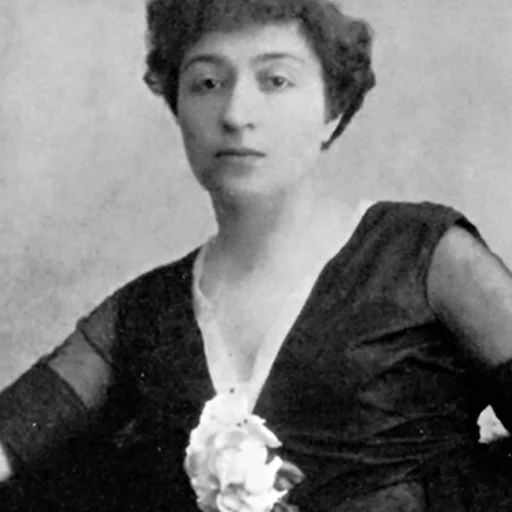
Aleksandra Aleksandrovna Ekster (née Grigorovich; Russian: Алекса́ндра Алекса́ндровна Эксте́р; Ukrainian: Олекса́ндра Олекса́ндрівна Е́кстер; 18 January 1882 – 17 March 1949), also known as Alexandra Exter, was a Russian and French painter…