Artwork
Untitled
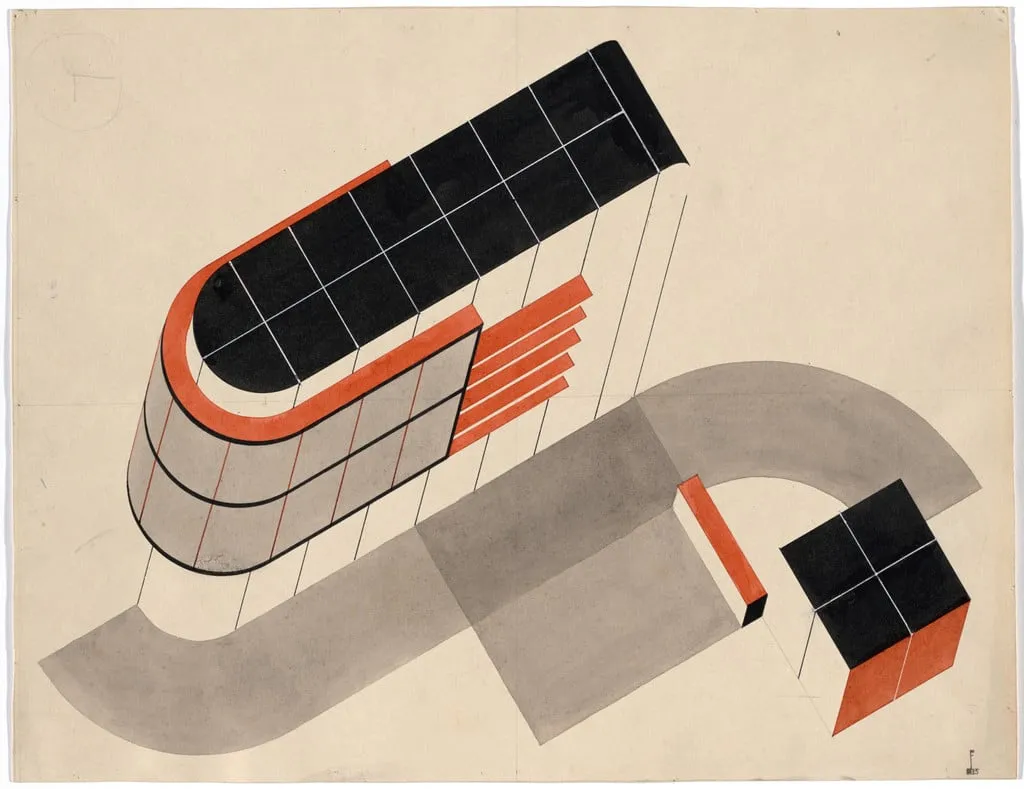
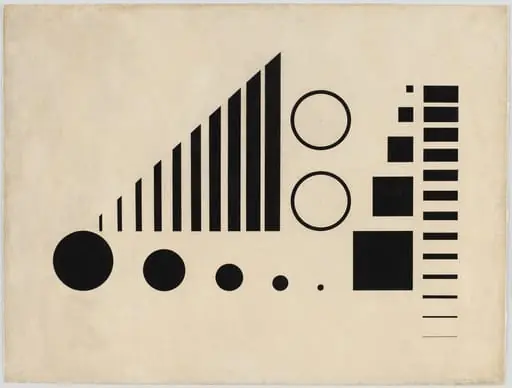
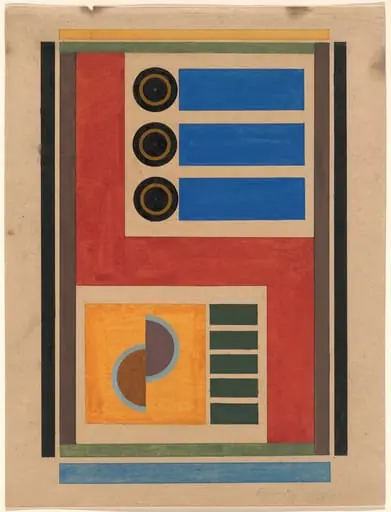
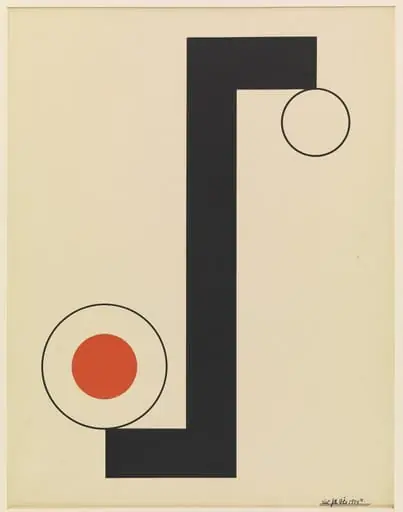
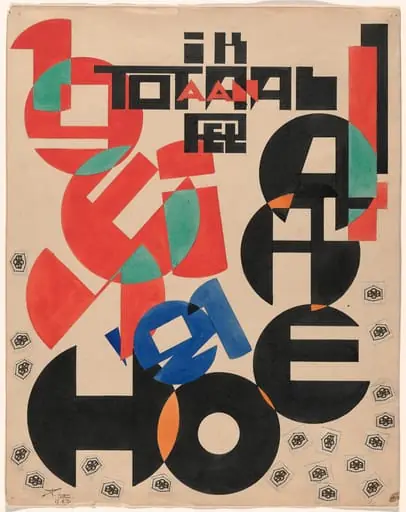
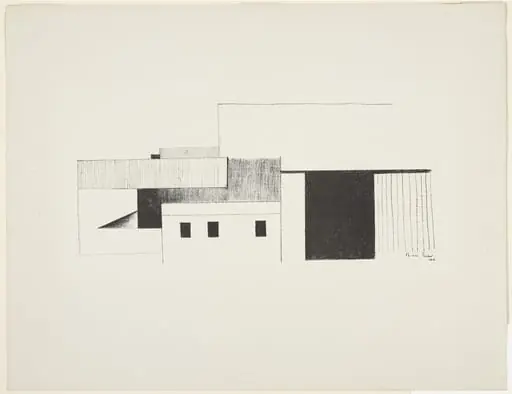
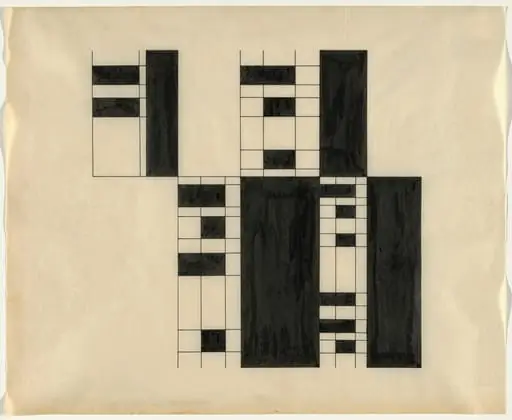
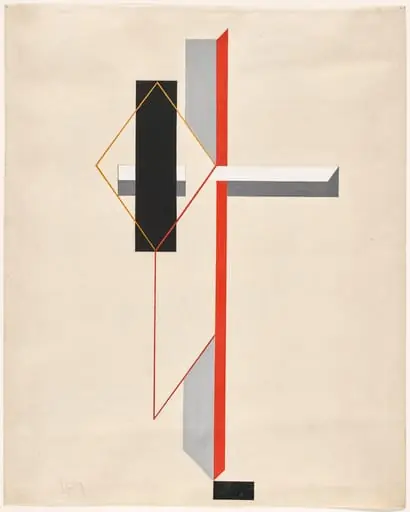
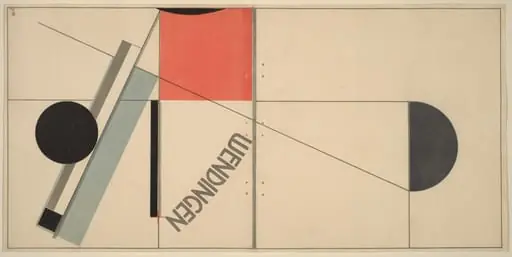
Untitled is a gouache drawing by Fritz Schleifer. It dates from 1925 and is held in the collection of the Museum of Modern Art.
About this work
Overview
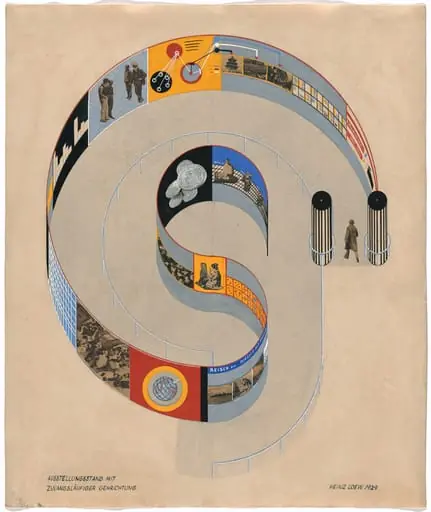
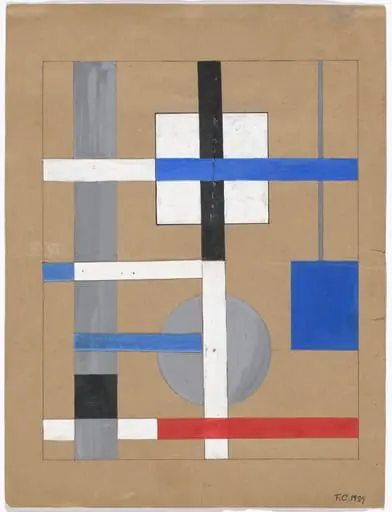
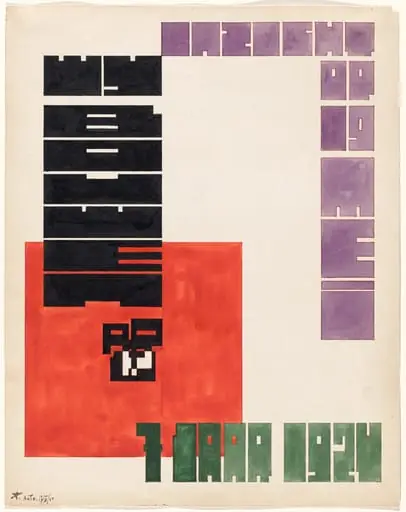
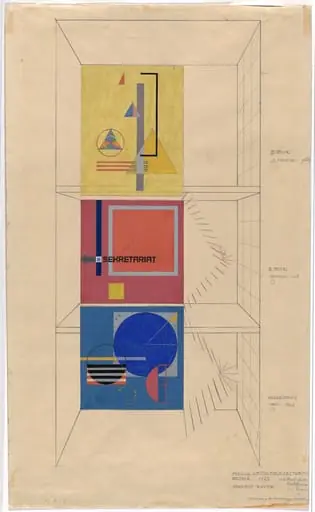
The work presents two abstract, architectural forms suspended above a horizontal plane, rendered with deliberate flatness and limited color.
Created in 1925, this drawing by Fritz Schleifer combines ink, colored ink, gouache, and pencil on paper. It is part of The Museum of Modern Art’s collection. The work presents two abstract, architectural forms suspended above a horizontal plane, rendered with deliberate flatness and limited color. Its materials suggest a focus on texture and opacity, typical of gouache’s use in early 20th-century experimental drawing.
Subject & Meaning
The composition features two non-representational structures that evoke architectural elements without adhering to realistic form. One is elongated and curved, adorned with black squares and internal orange bands; the other is compact, with a single dark aperture and a bright rim. Thin black lines tether them to the ground, suggesting tension or suspension. The forms resist clear interpretation, inviting contemplation of structure, weight, and spatial relationships rather than narrative.
Technique & Style
Schleifer employed gouache for its opaque, matte quality, creating bold, flat areas of color that contrast with the precision of pencil and ink outlines. The orange accents stand out against muted grays and blacks, enhancing the geometric tension. The application is deliberate and controlled, avoiding brushwork texture in favor of clean edges and uniform surfaces. This approach aligns with early modernist tendencies to reduce form to essential shapes.
History & Provenance
The work entered The Museum of Modern Art’s collection in the mid-20th century, likely through acquisitions focused on European modernist drawings. Its date—1925—places it within a period of intense experimentation in Germany and Austria, where artists were redefining abstraction beyond traditional representation. While little is documented about its early ownership, its inclusion in MoMA’s holdings signals its recognition within modernist discourse.
Context
Created during the Weimar Republic, the drawing reflects broader artistic inquiries into abstraction and industrial form. Schleifer’s work shares affinities with contemporaries exploring geometric composition, such as those associated with the Bauhaus or Expressionist print circles. The absence of human figures and the emphasis on mechanical-like shapes suggest an interest in the built environment as a subject divorced from function or narrative.
Legacy
Though not widely exhibited, the drawing contributes to understanding the range of abstract drawing in interwar Europe. Its restrained palette and structural ambiguity influenced later artists interested in non-representational form. As a work on paper, it exemplifies how modest materials could convey complex spatial ideas, bridging the gap between architectural sketch and pure abstraction in modern art.
Artist & collection