Artwork
The Poacher
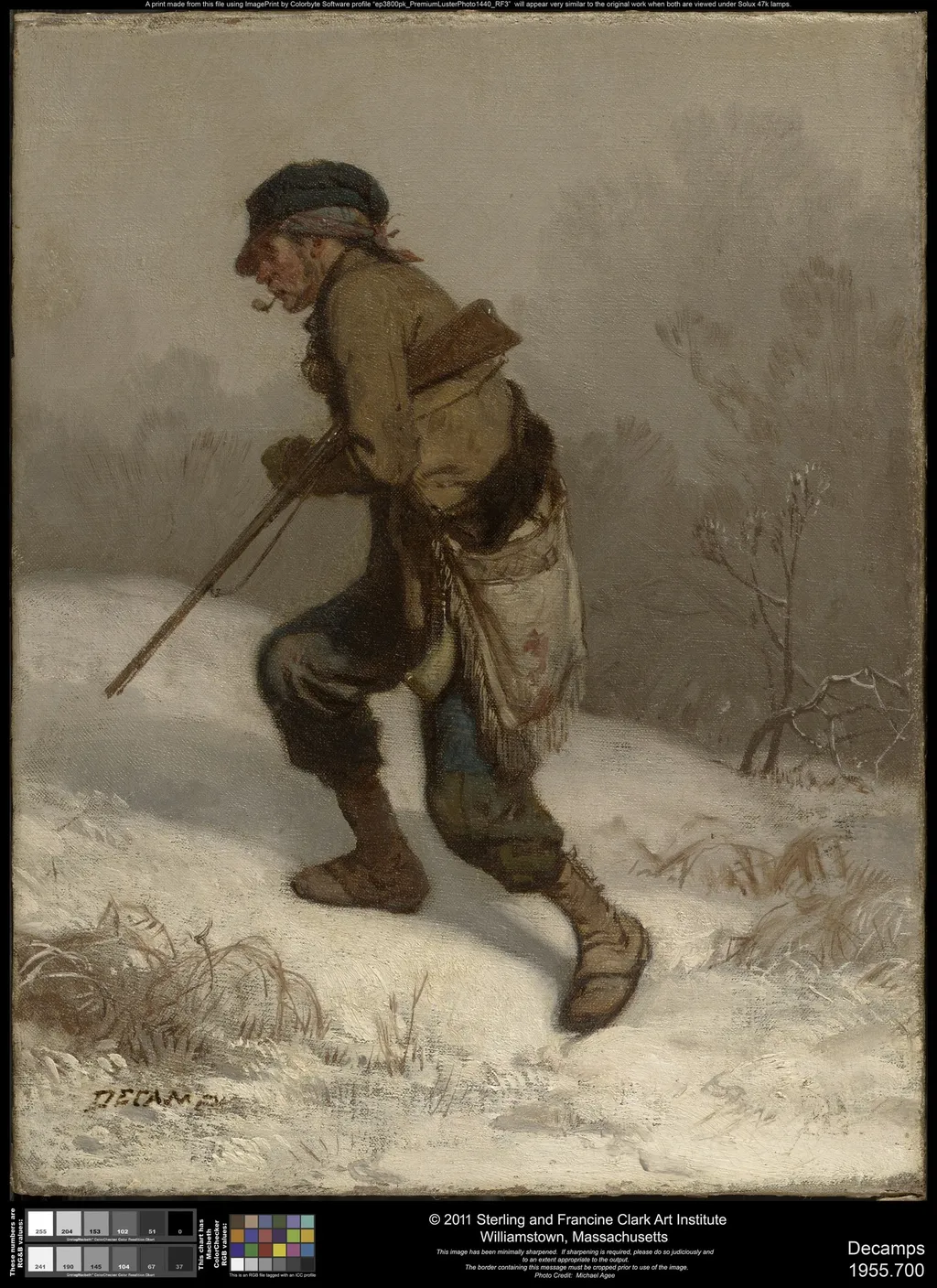
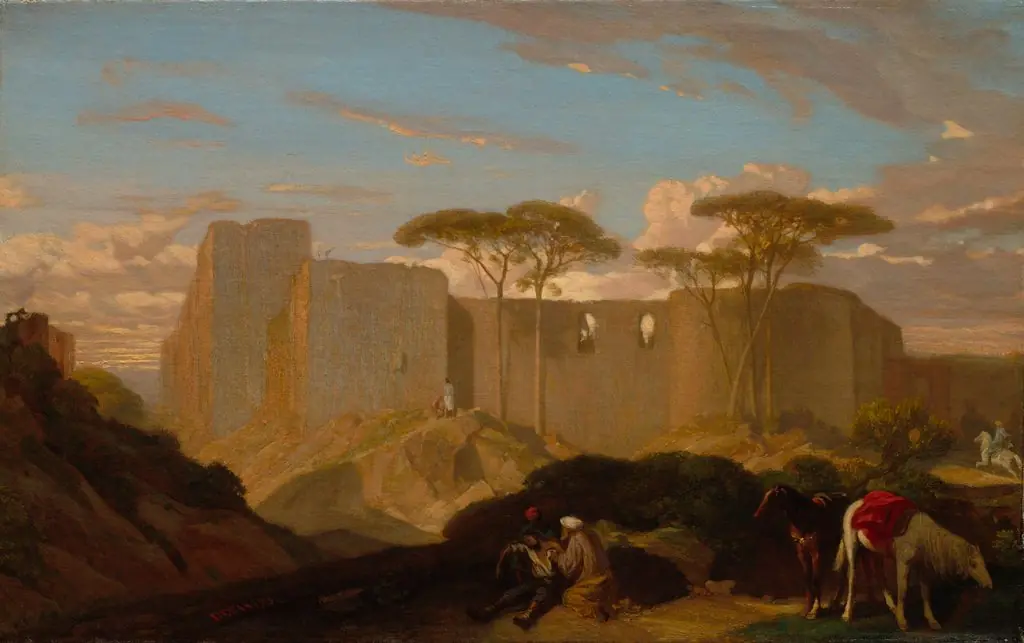
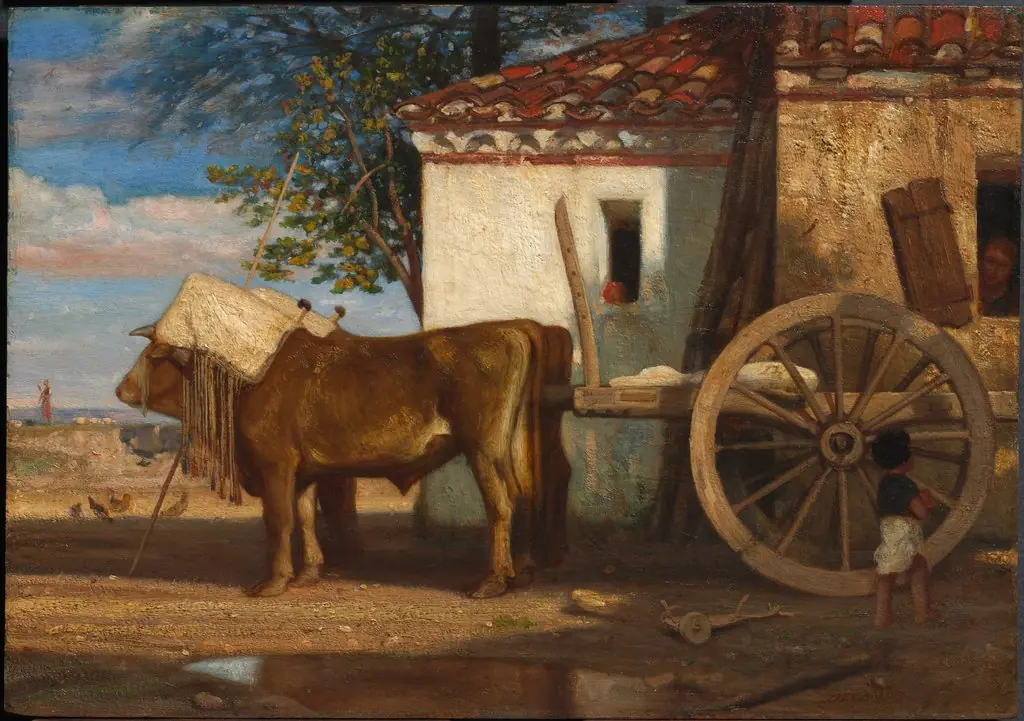
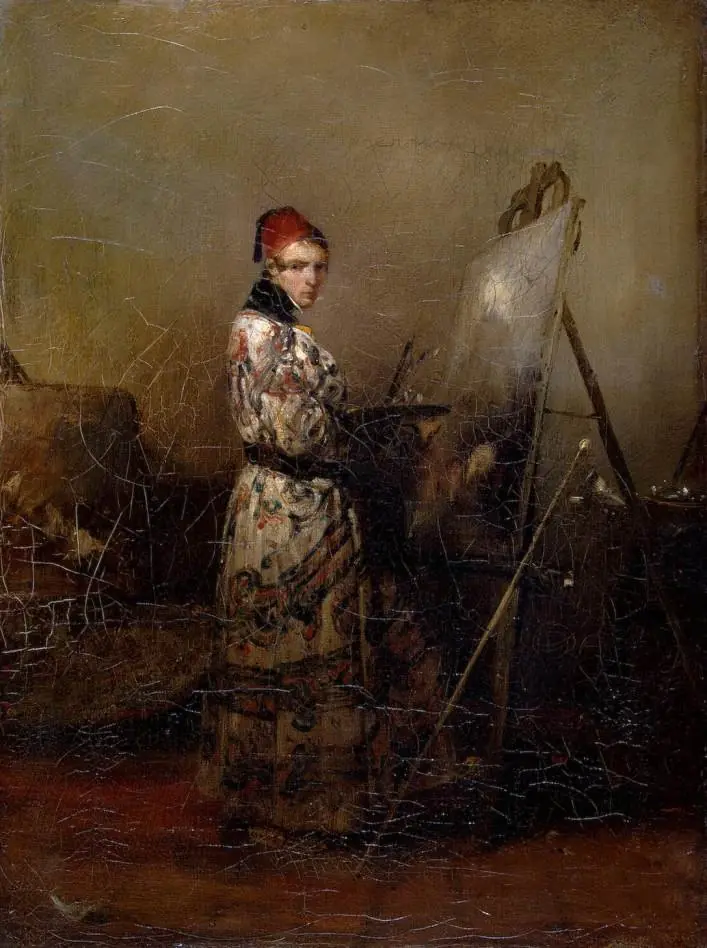
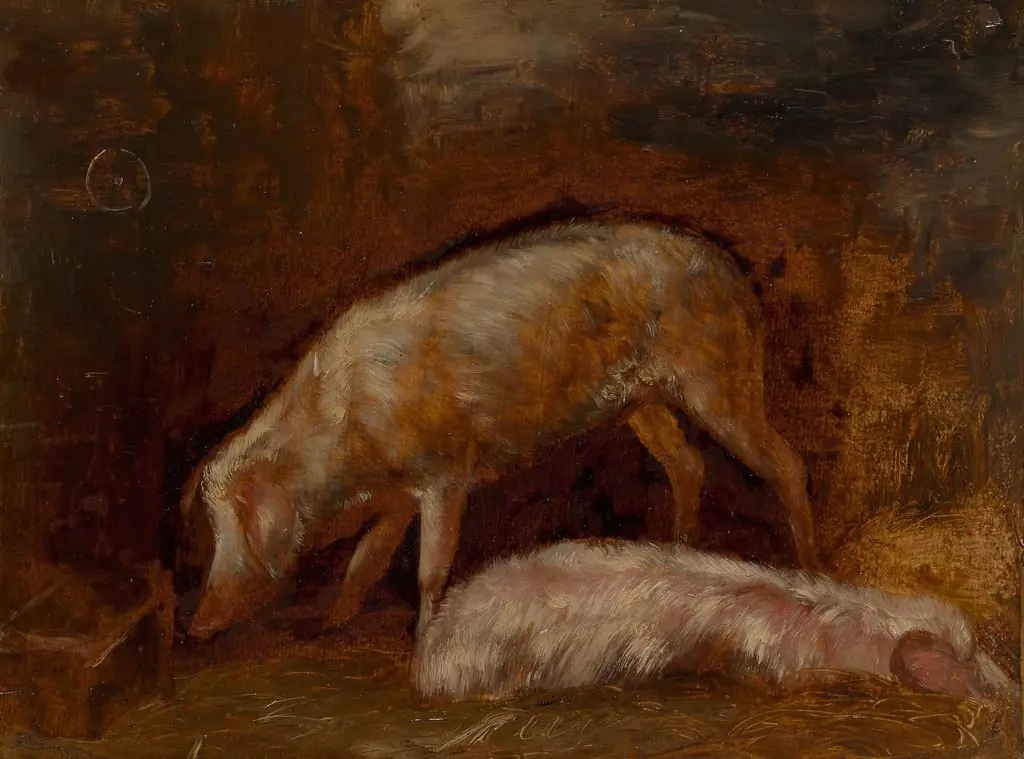
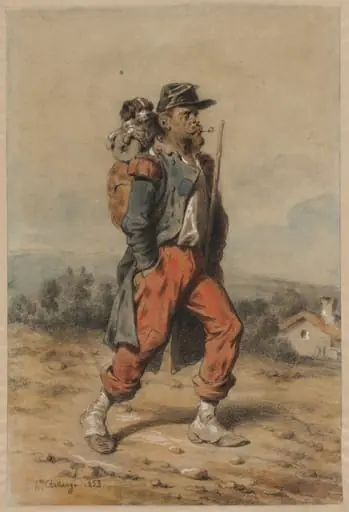
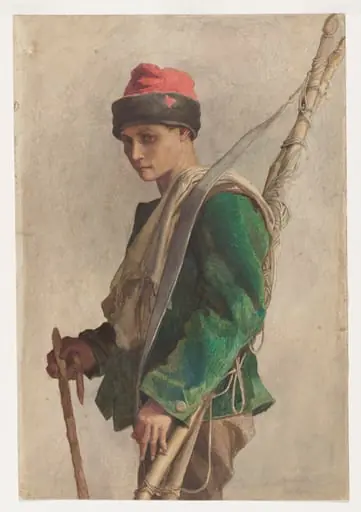
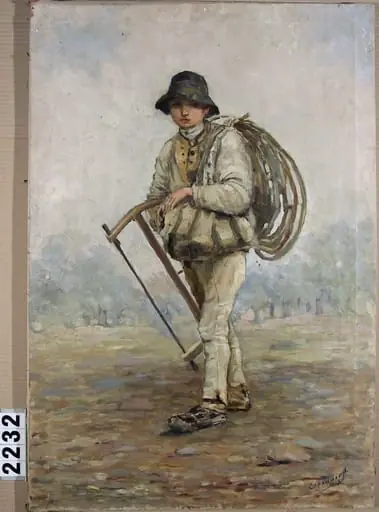
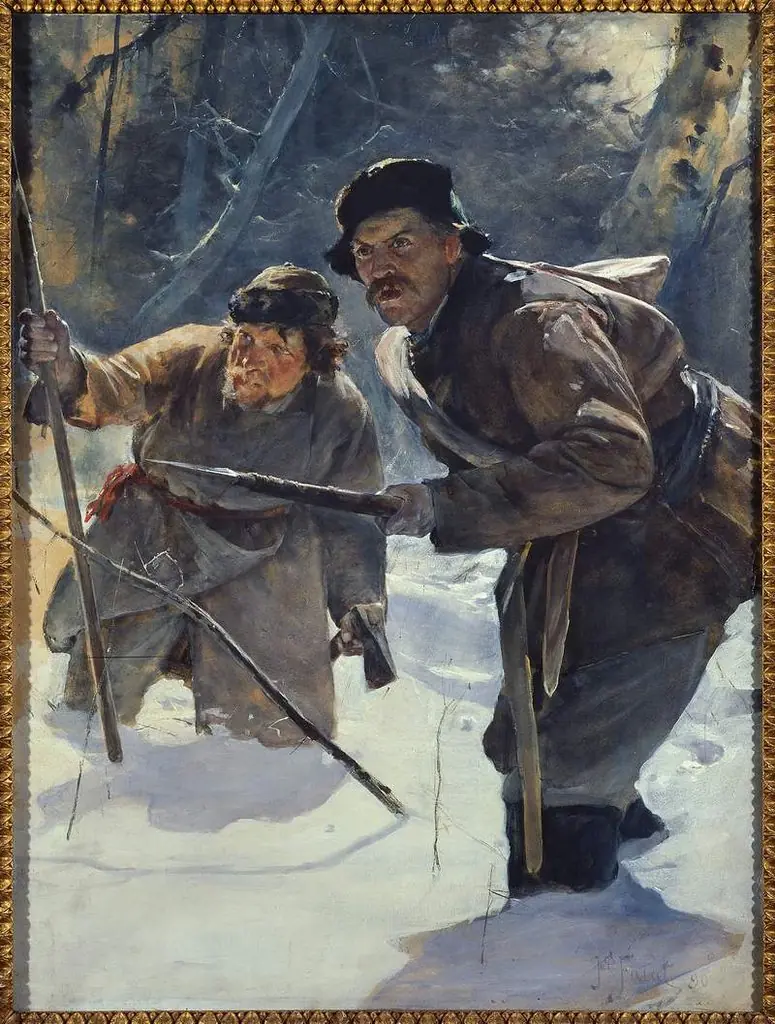
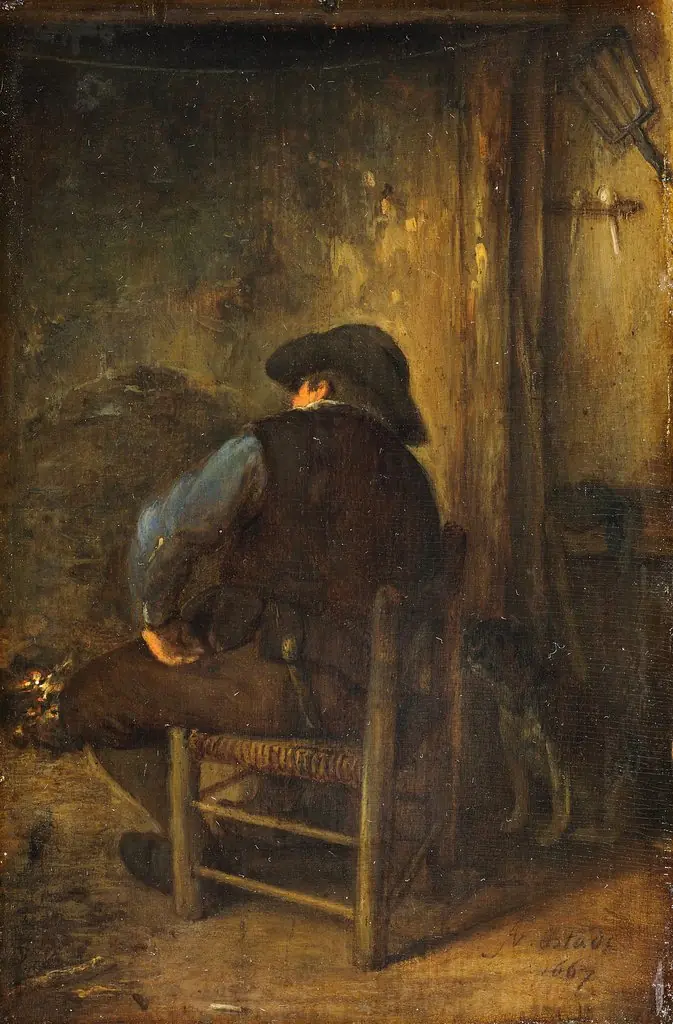
The Poacher is an oil painting by Alexandre Gabriel Decamps. It dates from 1847 and is held in the collection of the Clark Art Institute.
About this work
Overview
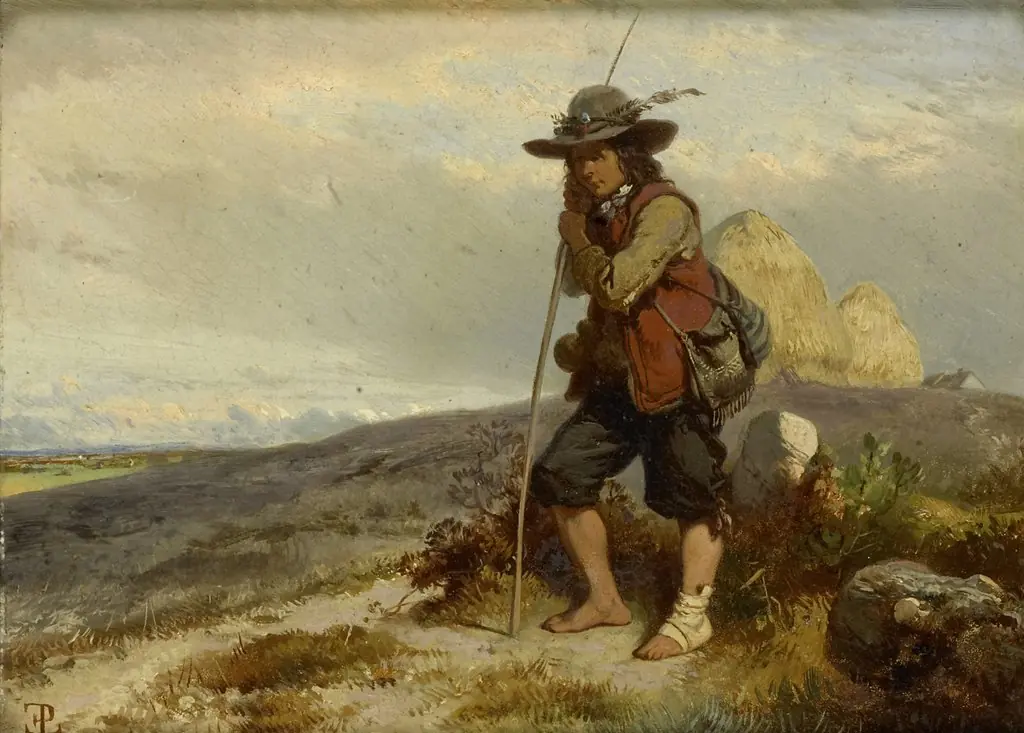
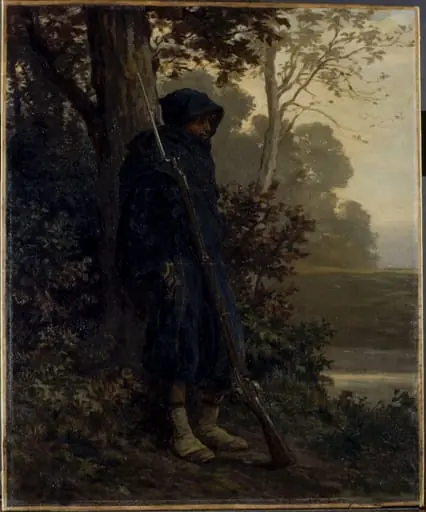
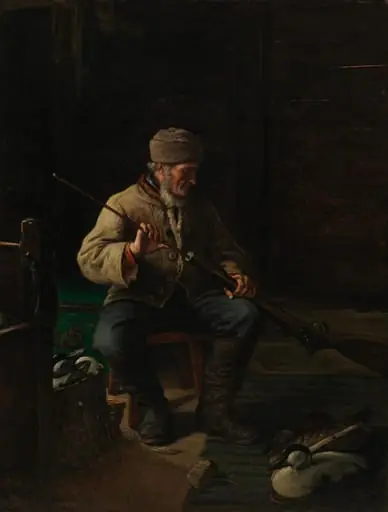
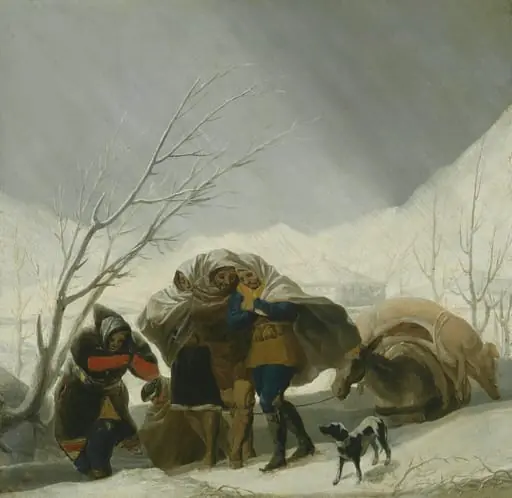
Painted in 1847 by Alexandre Gabriel Decamps, The Poacher is an oil-on-canvas work currently held by the Clark Art Institute. It depicts a solitary figure traversing a winter landscape, rendered with restrained tones and delicate brushwork. The scene avoids dramatic action, instead emphasizing stillness and the quiet tension of a man moving through a cold, isolated environment.
Subject & Meaning
The figure, clad in a fur-lined coat and hat, carries a rifle slung over his shoulder, suggesting an illicit hunt. His solitary presence in the snow-laden wilderness evokes themes of transgression and survival. The painting does not judge the man but invites reflection on his isolation, the cost of subsistence, and the boundary between law and necessity in rural life.
Technique & Style
Decamps employed muted earth tones and soft, blended brushstrokes to convey the hushed atmosphere of a winter day. Light is diffused, not sharply contrasted, avoiding strong chiaroscuro in favor of subtle gradations. The texture of snow, grass, and fur is suggested rather than meticulously detailed, reinforcing the painting’s contemplative mood and emotional restraint.
History & Provenance
Created during Decamps’s mature period, the painting entered the Clark Art Institute’s collection in the 20th century. Its provenance prior to that is not widely documented, though it aligns with Decamps’s broader interest in rural life and the natural world, themes he explored consistently after his early Orientalist works.
Context
In mid-19th century France, genre scenes of rural hardship gained traction among artists reacting against academic idealism. Decamps, influenced by Romanticism and Dutch landscape traditions, focused on the dignity of ordinary figures in nature. The Poacher reflects this shift, portraying a marginalized figure with psychological depth rather than moral condemnation.
Legacy
The painting contributes to a broader 19th-century movement that elevated everyday rural subjects through quiet observation. While not widely reproduced, it remains a significant example of Decamps’s transition from exoticism to intimate realism. Its understated power continues to inform discussions on how art can convey moral ambiguity without overt narrative.
Artist & collection
Artist
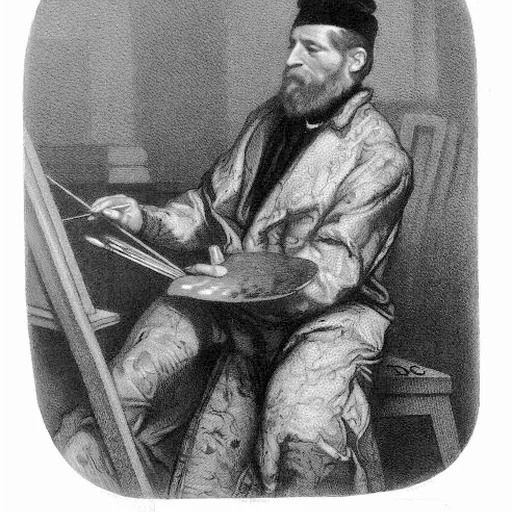
Alexandre-Gabriel Decamps was a French painter noted for his Orientalist works.