Artwork
The Sentinel
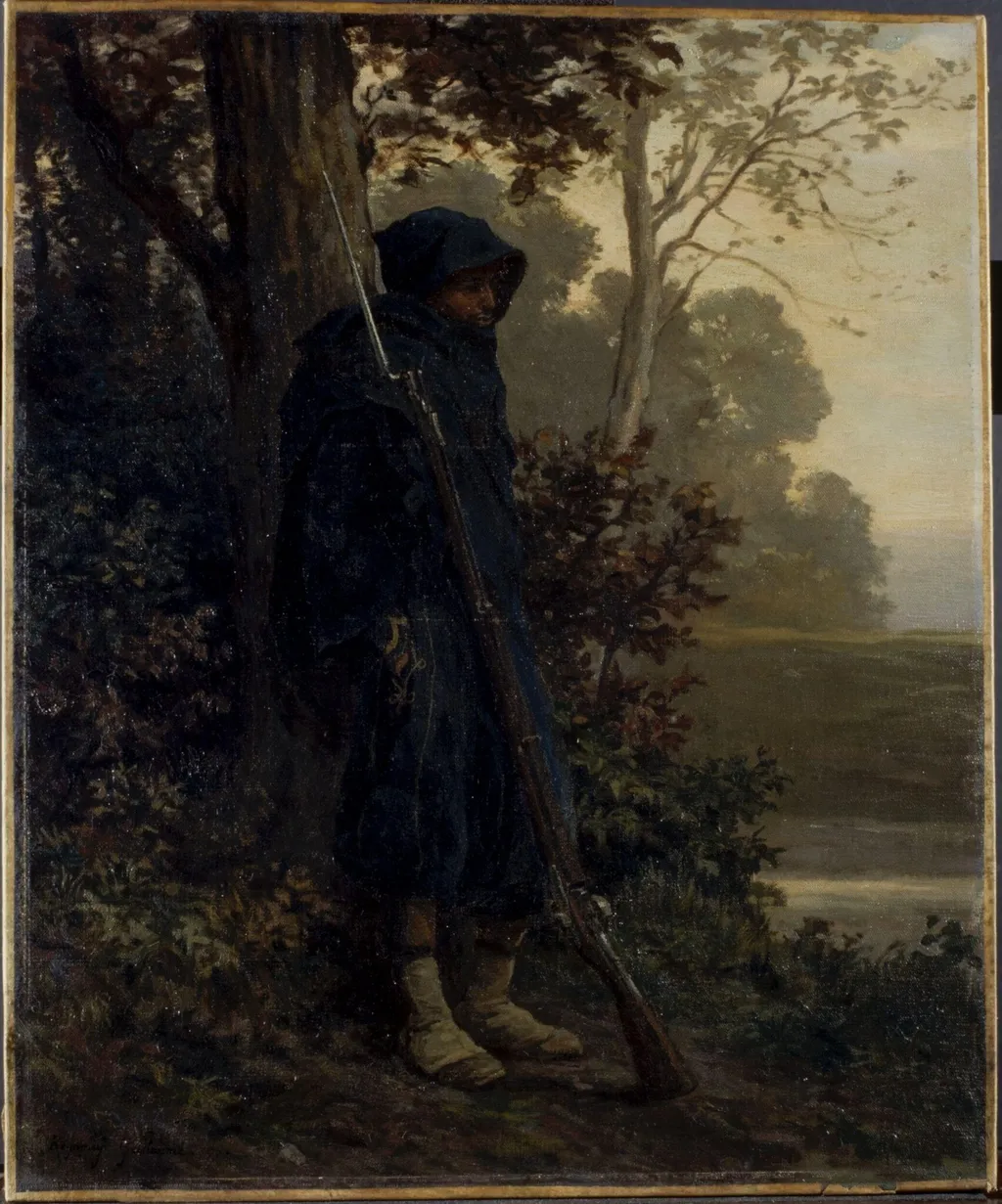
The Sentinel is an oil painting by the French Romanticist artist Guillaume Régamey. It dates from 1870 and is held in the collection of the Victoria and Albert Museum.
About this work
You see a soldier standing alone in a dim, foggy field, rifle slung over his shoulder.
You see a soldier standing alone in a dim, foggy field, rifle slung over his shoulder.
This painting was made in 1870, the year France lost the Franco-Prussian War. Régamey chose not to show battle or glory—just a tired guard in the quiet before dawn. The thick, rough brushstrokes make the mist feel real, almost damp. It’s a small painting, easy to miss, but it holds a whole war in one man’s stillness.
Look up the technique called *impasto* to see how other artists built paint like this.
Overview
Guillaume Régamey, born in Paris in 1837, trained under Horace Lecoq de Boisbaudran and briefly engaged with the avant-garde circles of the 1850s, including the first Salon des Refusés. His artistic output was limited by his early death at 37 in 1875. Though little known during his lifetime, a posthumous exhibition at the École des Beaux-Arts in 1876 preserved his legacy. He focused primarily on equestrian subjects, often set in North African landscapes, with a quiet, observational tone.
Subject & Meaning
The painting depicts an Algerian soldier standing alone at dawn, rifle resting across his shoulder, leaning against a tree in a hazy, open field. Rather than dramatizing conflict, Régamey captures a moment of suspended vigilance. The figure’s stillness and the muted atmosphere suggest exhaustion rather than heroism. Painted in 1870, the year of France’s defeat in the Franco-Prussian War, the image reflects a subdued national mood—contemplative, unglorified, and introspective.
Technique & Style
Régamey employed thick, textured brushwork to render the mist and earth, using impasto to create a tactile sense of damp air and rough terrain. His palette favors ochres, browns, and muted greens, consistent with Orientalist realism’s preference for North African light and terrain. The composition is deliberately sparse, with the soldier placed off-center, enhancing the painting’s quietude. The technique avoids idealization, grounding the scene in physical presence rather than narrative spectacle.
History & Provenance
Created in 1870, the painting emerged during a period of political upheaval in France, yet it was not exhibited publicly during Régamey’s lifetime. After his death in 1875, a retrospective at the École des Beaux-Arts in 1876 included this work among others, helping to establish his reputation. Its small scale and unassuming subject likely contributed to its obscurity until later scholarly attention revived interest in his restrained approach to Orientalist themes.
Context
Régamey’s work aligns with the Orientalist movement’s fascination with North African subjects, but diverges from its typical grandeur. While contemporaries like Gérôme emphasized exotic spectacle, Régamey focused on solitary, unremarkable moments. His choice to depict an Algerian sentinel during France’s colonial presence—amid domestic defeat—adds subtle political resonance. The painting reflects a shift in French art toward quiet realism, away from imperial bravado.
Legacy
Though his career was brief, Régamey’s focus on understated human presence within landscape influenced later realist tendencies in French painting. His work, once overlooked, is now recognized for its emotional restraint and technical sensitivity. The Sentinel stands as a quiet counterpoint to the era’s more bombastic military imagery, offering a meditation on duty, isolation, and the weight of silence in times of national crisis.
Artist & collection
Artist
French painter Guillaume Régamey captured 19th-century military life and animal power in bold oils.

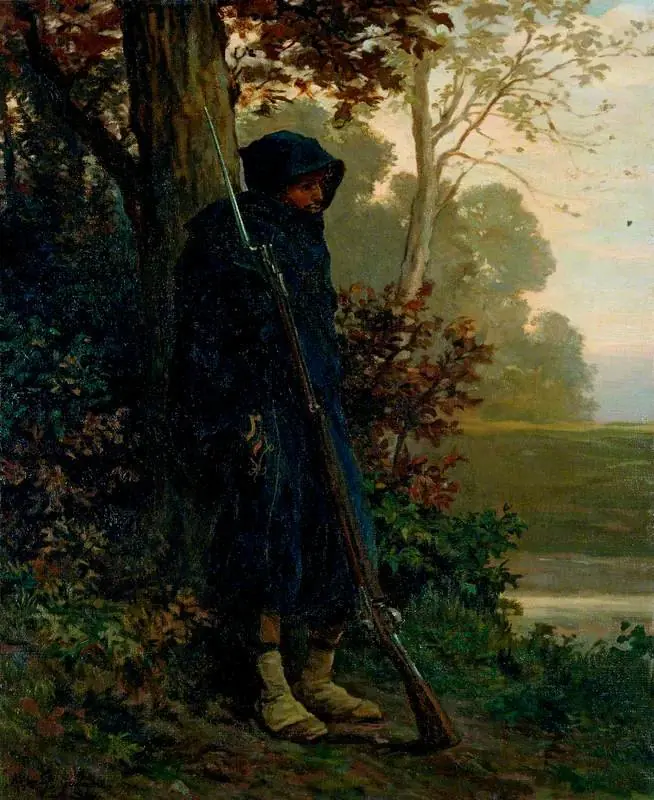 The Sentinel
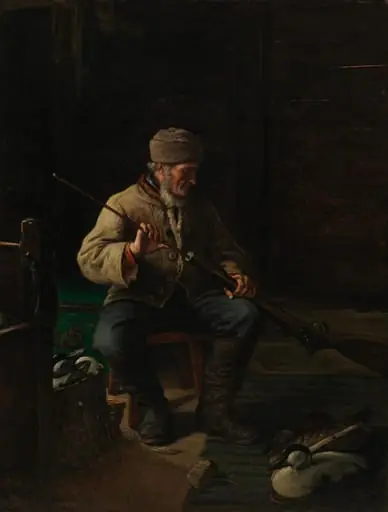 Ennen metsästystä
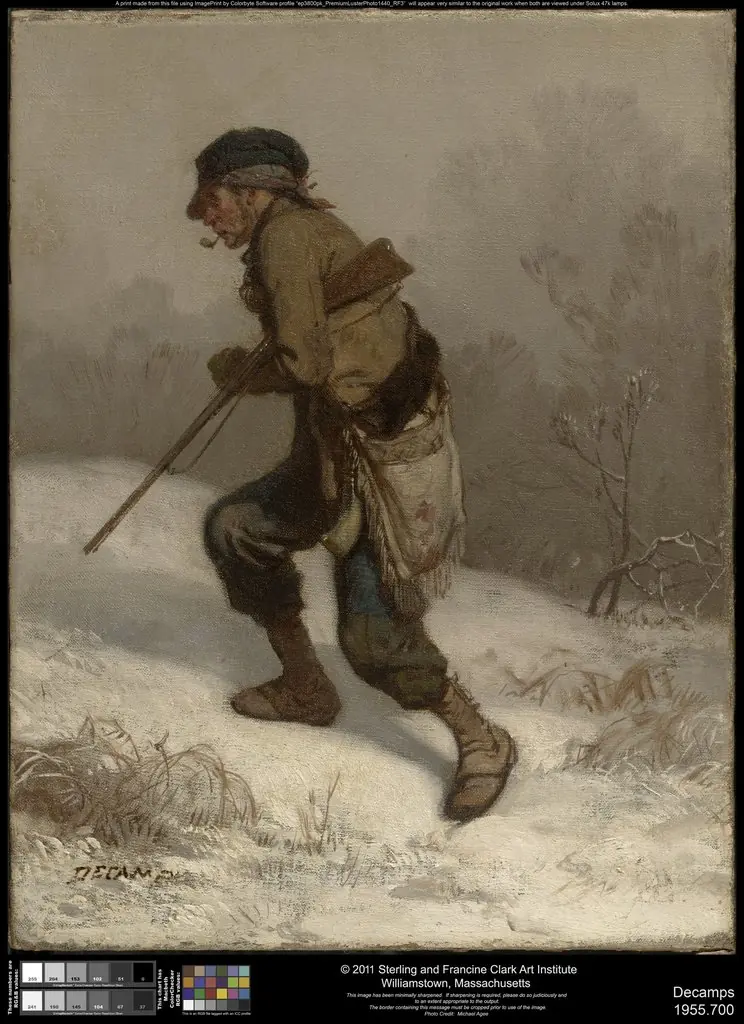 The Poacher
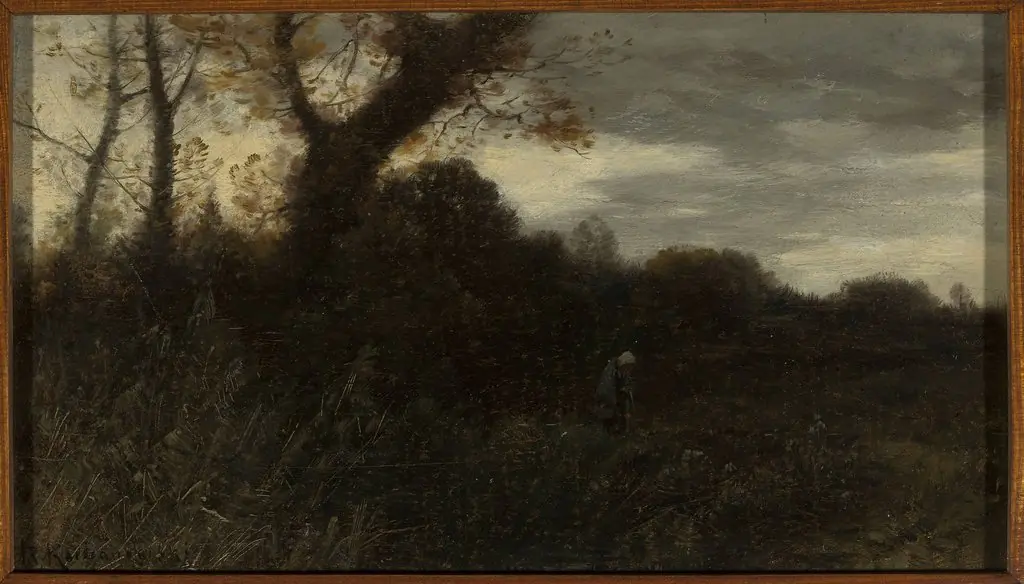 Landscape
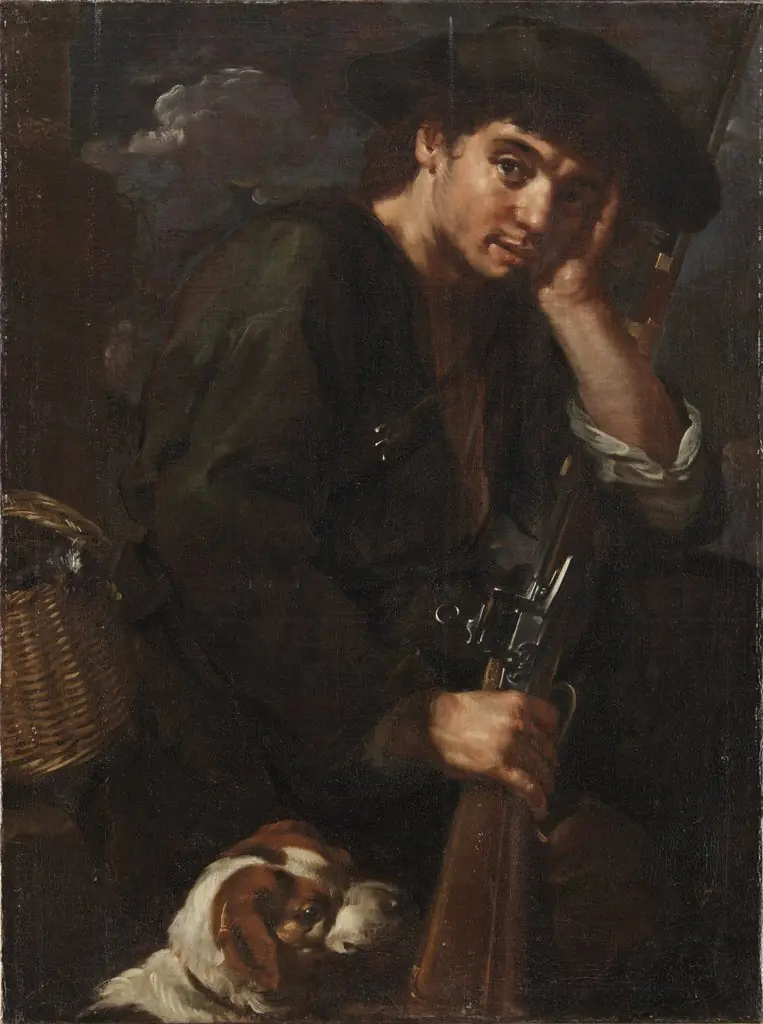 Hunter with his Gun and Dog. (Allegory of "Air")
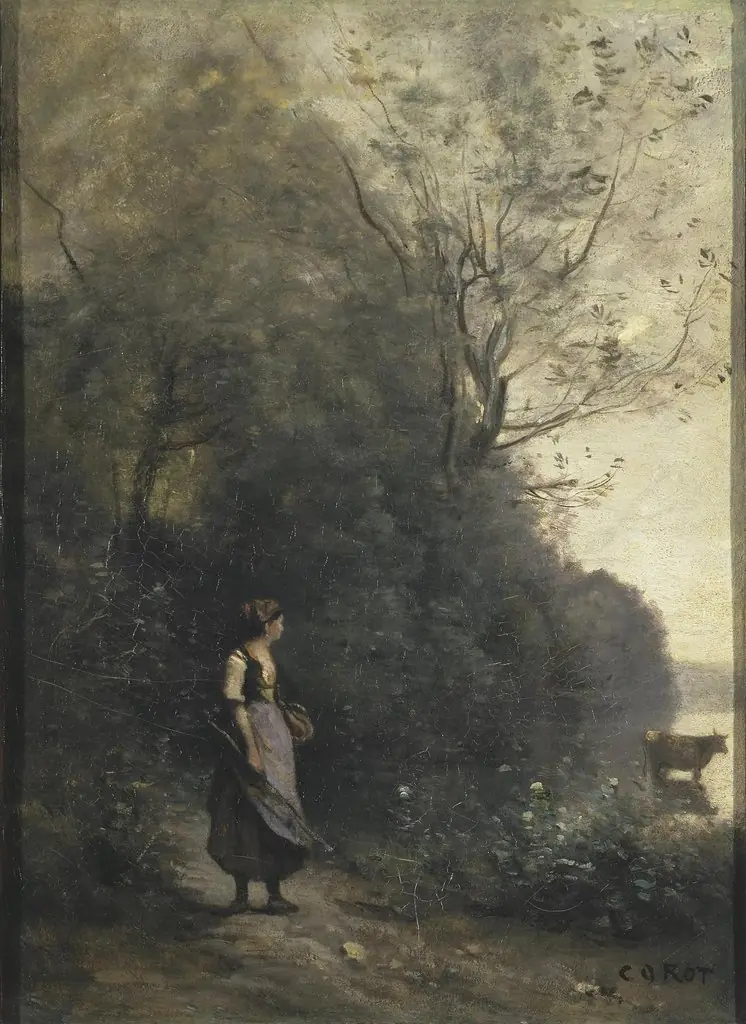 Peasant Girl Grazing a Cow at the a Forest
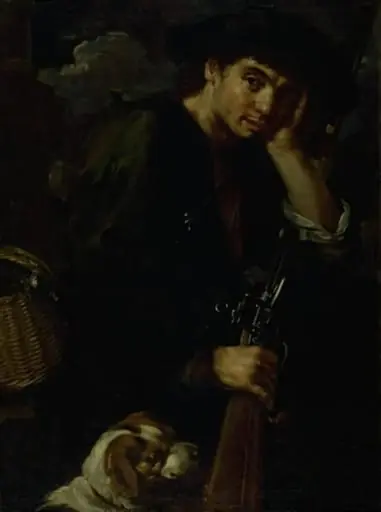 Hunter with his Gun and Dog. (Allegory of "Air")
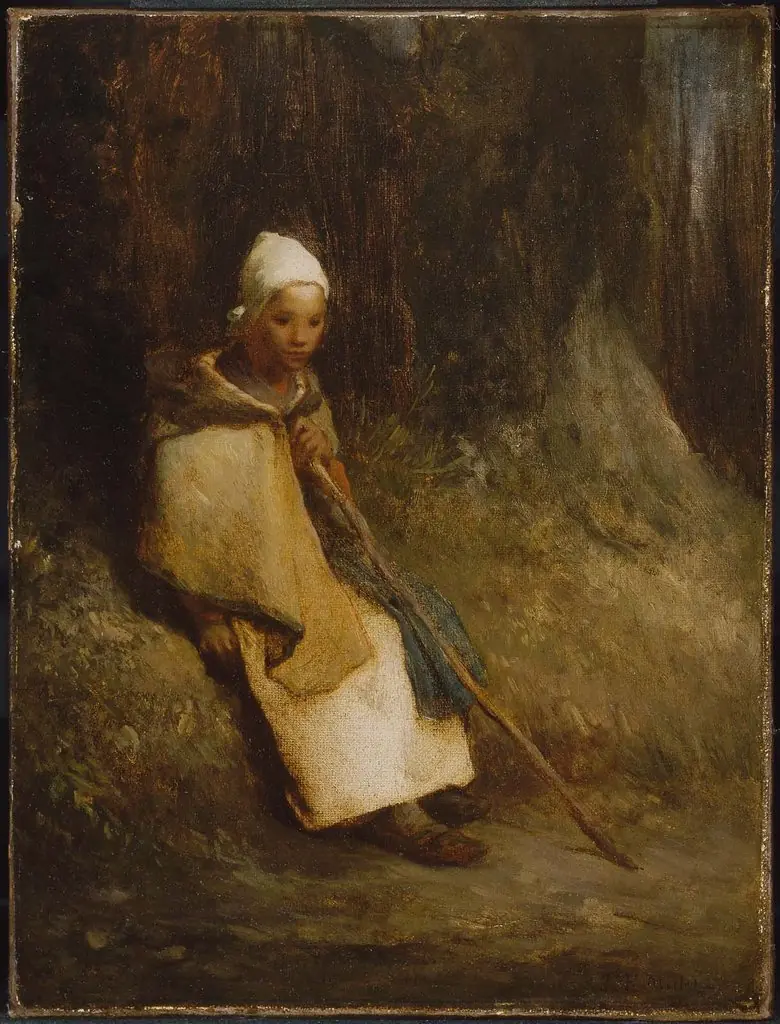 Shepherdess Sitting at the Edge of the Forest
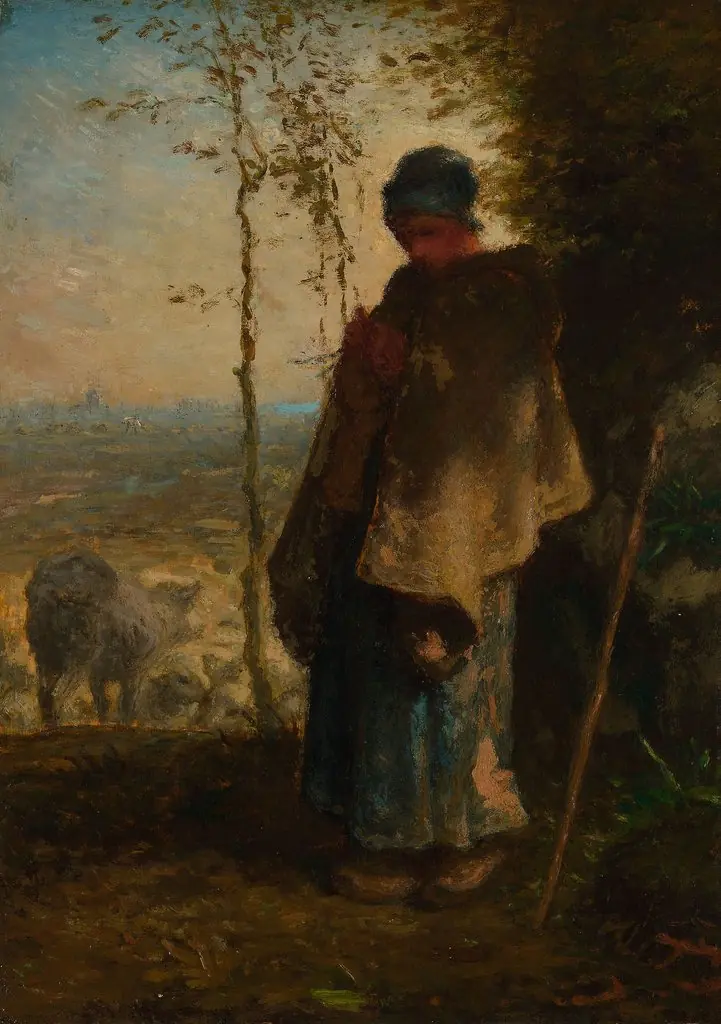 The Little Shepherdess
 Rip Van Winkle Awakening from his Long Sleep
 On a Terrace
 The Shepherdess