Artwork
Coachman
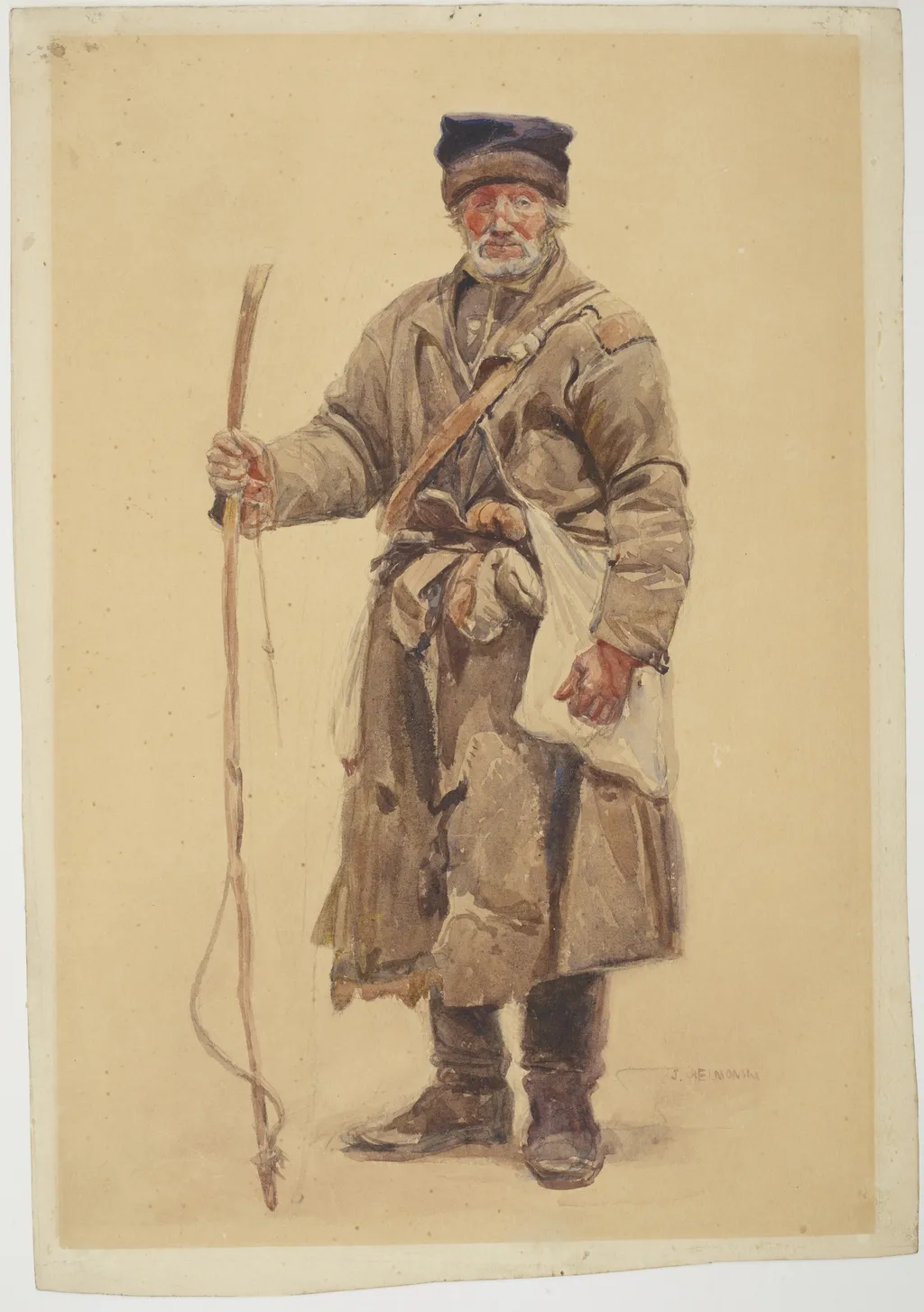
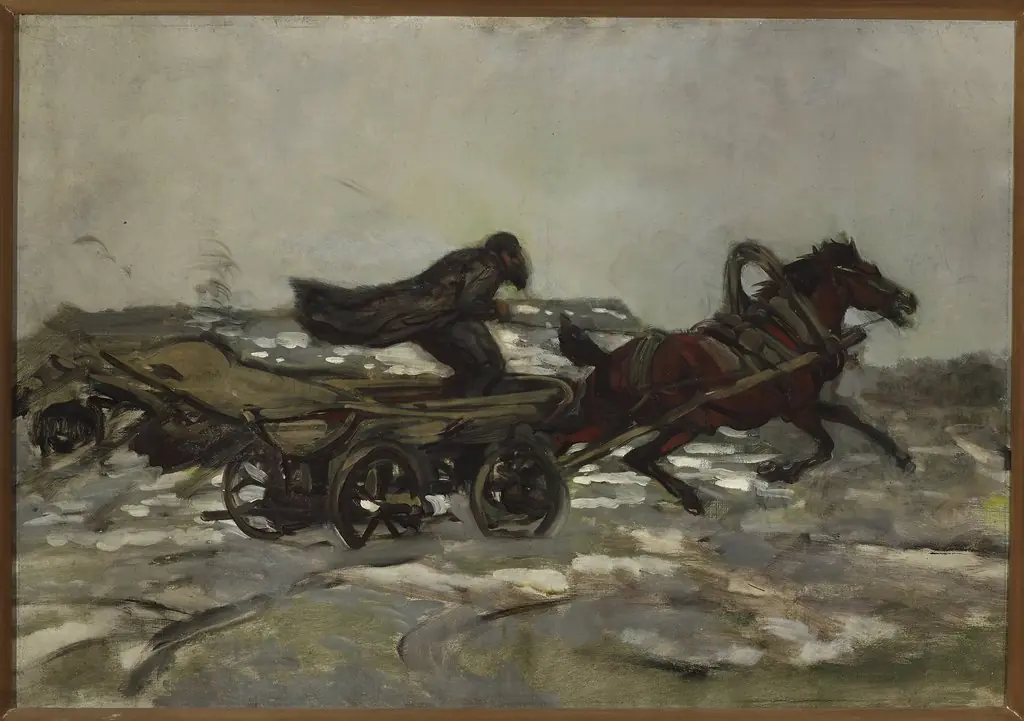
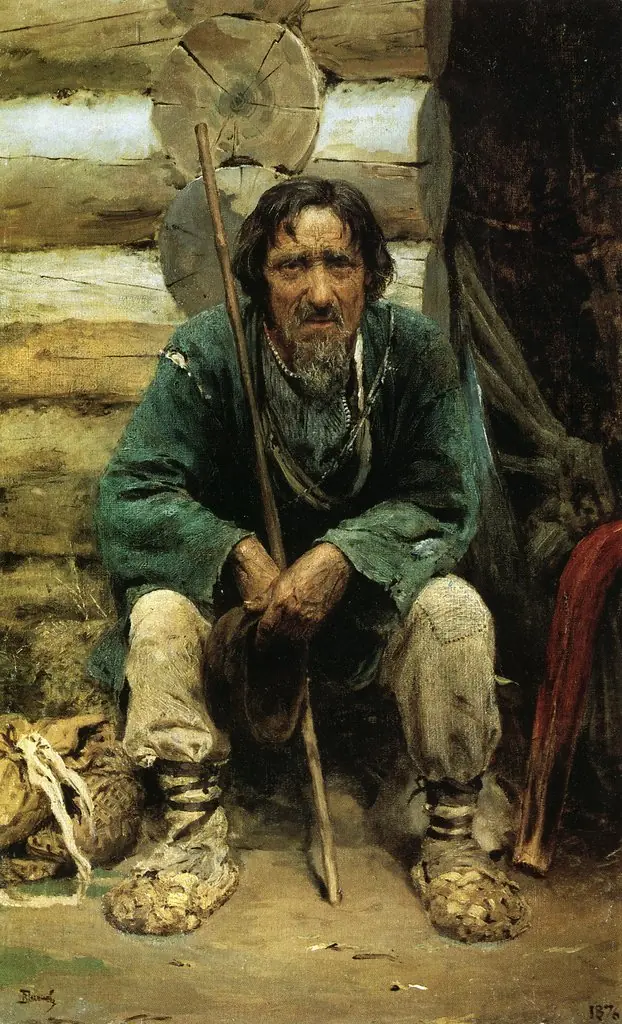
Coachman is an unspecified painting by the Impressionist artist Józef Chełmoński. It dates from 1894 and is held in the collection of the National Museum in Kraków.
About this work
Overview
Coachman is a painting created by Józef Chełmoński in 1894, exemplifying his realistic approach to depicting rural life and social contexts during Poland's period of national division.
Subject & Meaning
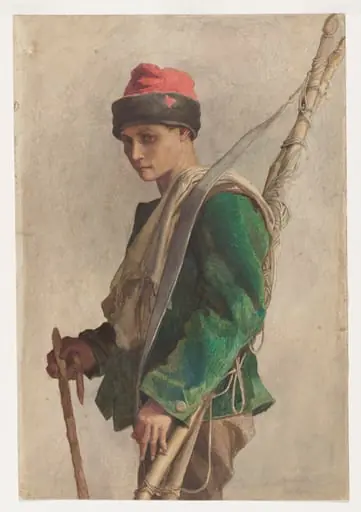
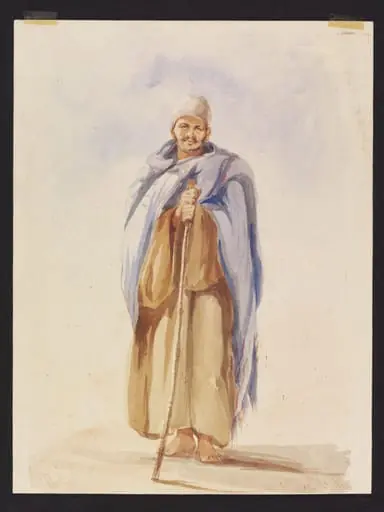
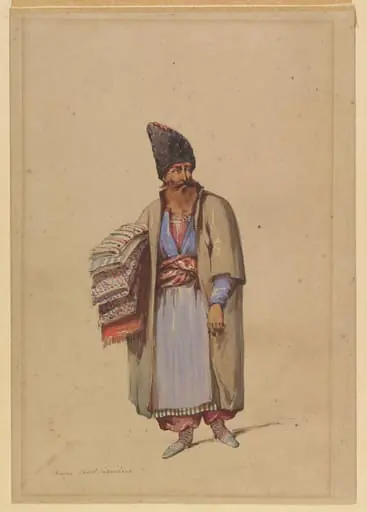
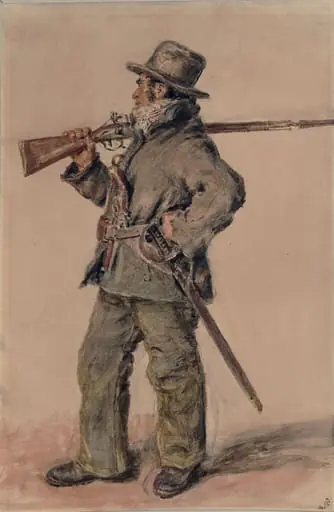
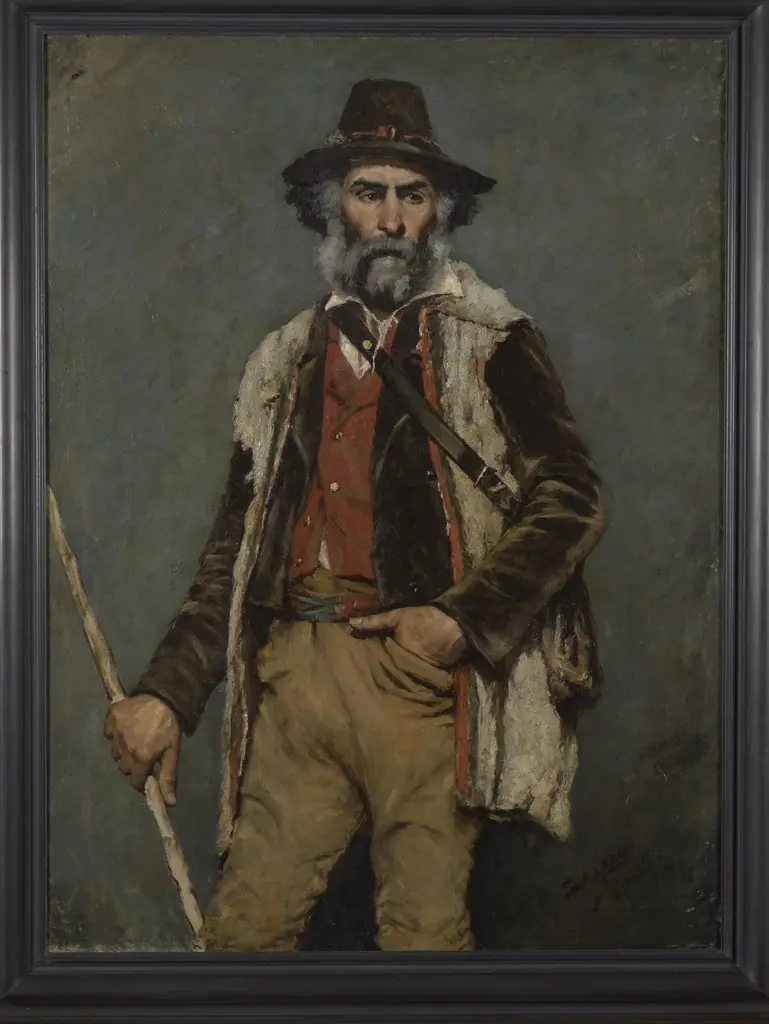
The painting portrays a coachman, identifiable by his attire, long coat, hat, bag, and whip, emphasizing his profession and readiness to drive a horse-drawn vehicle. The focus on a working-class figure reflects Chełmoński's interest in everyday rural life.
Technique & Style
Chełmoński employed chiaroscuro to create depth, with the coachman's face and detailed clothing contrasting against a dark, obscured background, drawing the viewer's attention to the subject. The work aligns with Impressionist tendencies despite its strong realist and figurative elements.
History & Provenance
Painted in 1894, Coachman is part of Chełmoński's late Romantic period output. It is currently housed in the National Museum in Kraków, Poland.
Context
Created during Poland's division, the painting contributes to Chełmoński's broader documentation of rural Polish life, offering a glimpse into the everyday existence of its people during a tumultuous national period.
Legacy
As part of Chełmoński's oeuvre, Coachman represents his contribution to the Impressionist movement's influence on Polish art, particularly in capturing the realities of rural life.
Artist & collection
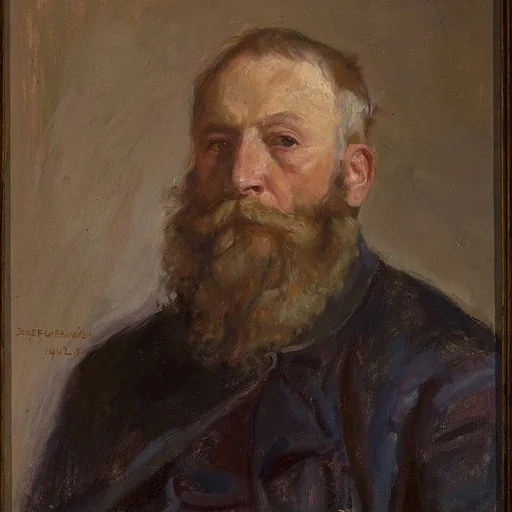
Artist
Józef Marian Chełmoński (7 November 1849 – 6 April 1914) was a Polish painter, known for his realistic paintings of landscapes, rural scenes and genre scenes presenting historical and social contexts of the late Romantic period in…