Artwork
Self-Portrait with an Injured Foot
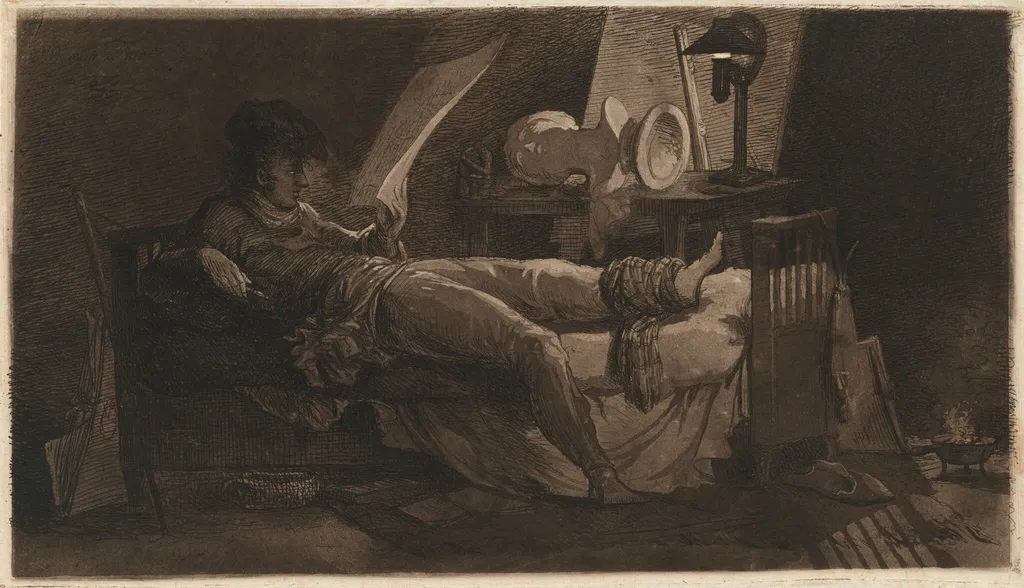
Self-Portrait with an Injured Foot is an ink print by the Romanticist artist Joseph Fischer. It dates from 1798 and is held in the collection of the National Gallery of Art.
About this work
Overview
Created in 1798, this etching and aquatint by Joseph Fischer presents a quiet, introspective moment captured in brown ink.
Created in 1798, this etching and aquatint by Joseph Fischer presents a quiet, introspective moment captured in brown ink. The work is held in the National Gallery of Art in Washington, D.C., and exemplifies Fischer’s engagement with intimate, personal subjects through printmaking. Its subdued tones and careful line work reflect the technical precision characteristic of late 18th-century graphic art.
Subject & Meaning
Fischer depicts himself seated, right foot elevated and wrapped in a bandage, suggesting a recent injury. He holds a sheet of paper, seemingly engaged in writing or reading, his gaze directed inward. The scene conveys solitude and physical vulnerability, transforming personal discomfort into a meditative act. The domestic setting implies that art and reflection persist even amid bodily limitation.
Technique & Style
Fischer employed etching and aquatint to achieve subtle gradations of tone, enhancing the dim, atmospheric interior. The light falls from the right, casting soft shadows that model the figure and objects without harsh contrast. Delicate lines define textures—fabric, paper, wood—while the composition’s simplicity focuses attention on the figure’s stillness and the quiet rhythm of his activity.
History & Provenance
The print was made in 1798 and entered the National Gallery of Art’s collection through established acquisition channels. No earlier ownership records are widely documented, but its preservation suggests it was valued within artistic circles soon after its creation. Fischer’s limited output in printmaking makes this work a rare surviving example of his graphic practice.
Context
In late 18th-century Europe, self-portraiture in print was often used by artists to assert professional identity or document personal circumstances. Fischer’s depiction of injury aligns with a broader trend of introspective, non-idealized imagery, contrasting with grand historical or mythological themes. The domestic setting and ordinary objects reflect a shift toward private, everyday subject matter in graphic arts.
Legacy
Though Fischer is not widely known today, this print remains a quiet testament to the artist’s capacity for self-observation. It contributes to the understated tradition of artist self-representation in print, where vulnerability and routine are rendered with dignity. Its preservation ensures continued access to a personal moment from a lesser-documented figure in art history.
Artist & collection



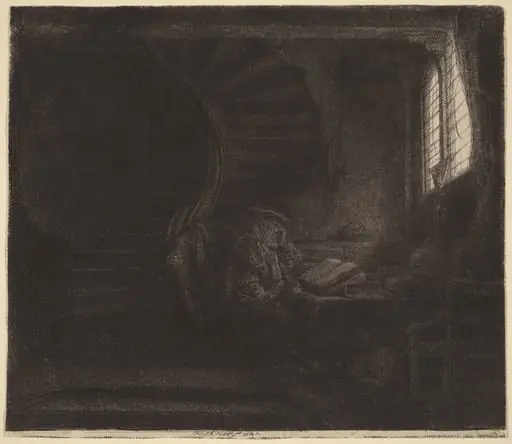 Saint Jerome in a Dark Chamber
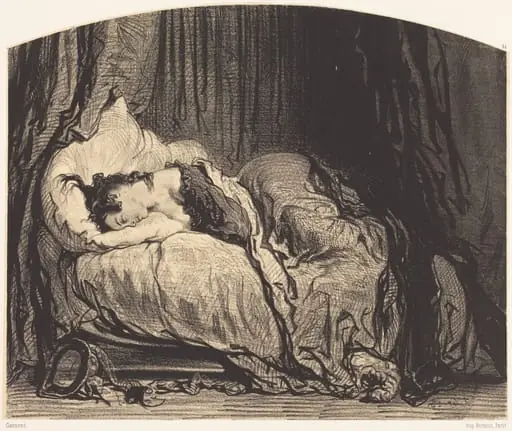 After the Pardon (Il lui sera beaucoup pardonne parce qu'elle a beaucoup danse)
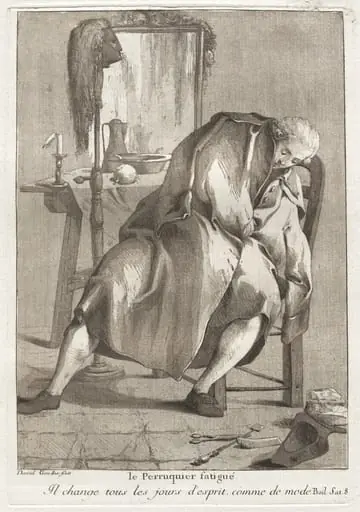 Le Perruquier fatigué (The Tired Wigmaker)
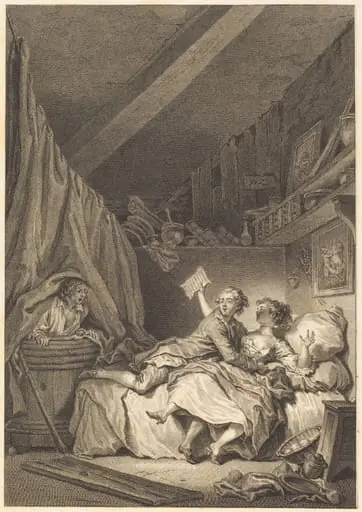 Le savetier
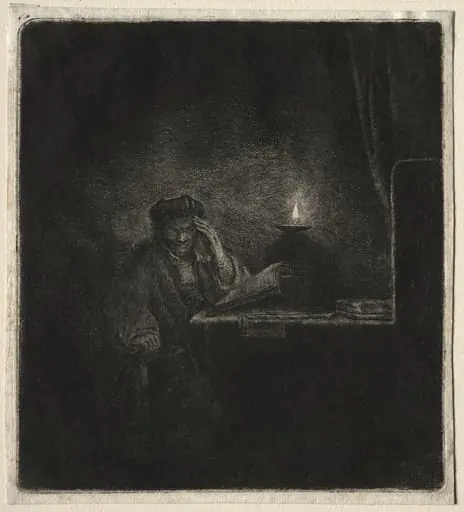 Copy of Student at a Table by Candelight
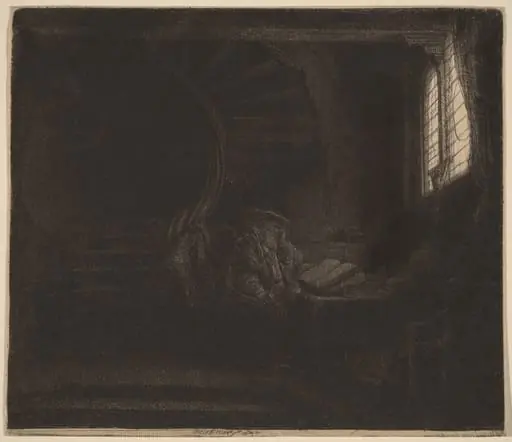 St. Jerome in a Dark Chamber
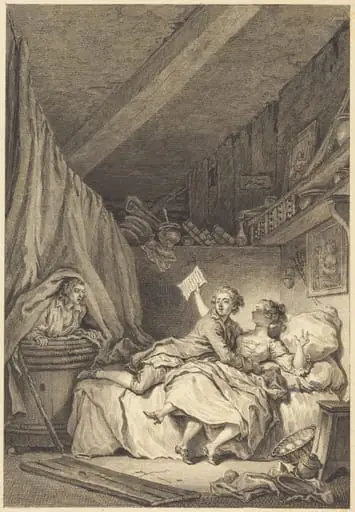 Le savetier
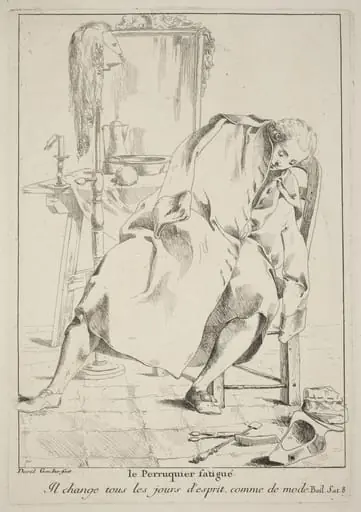 Le Perruquier fatigué (The Tired Wigmaker)
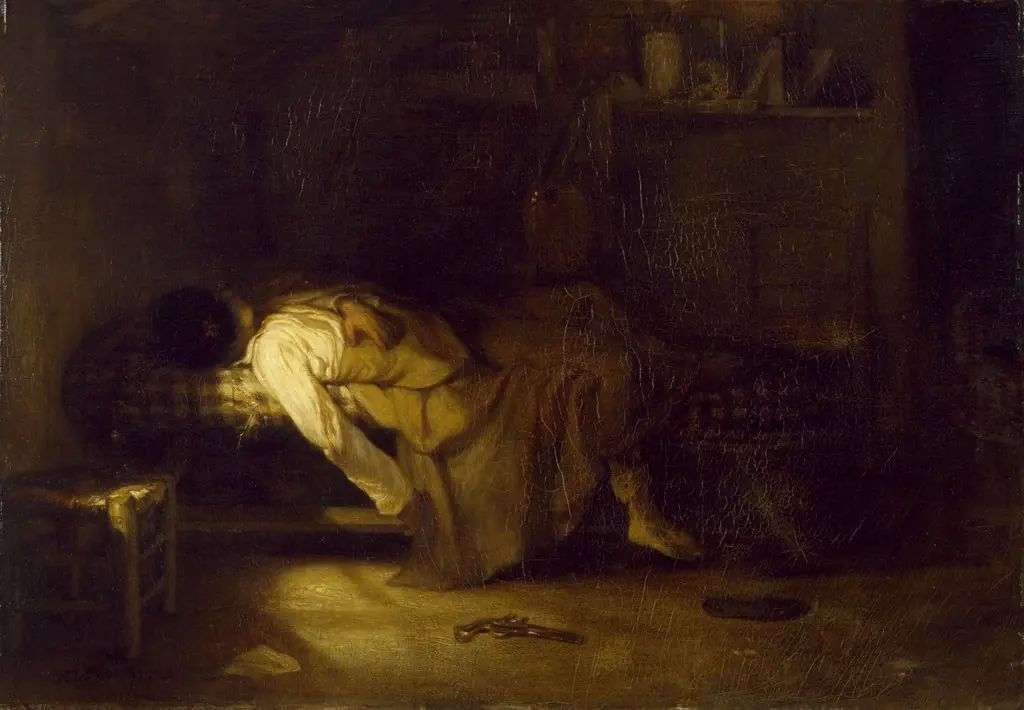 The Suicide
 Student at a Table by Candlelight
 Midnight
 Sleeping Beggar (Mendiant endormi)