Artwork
Spring
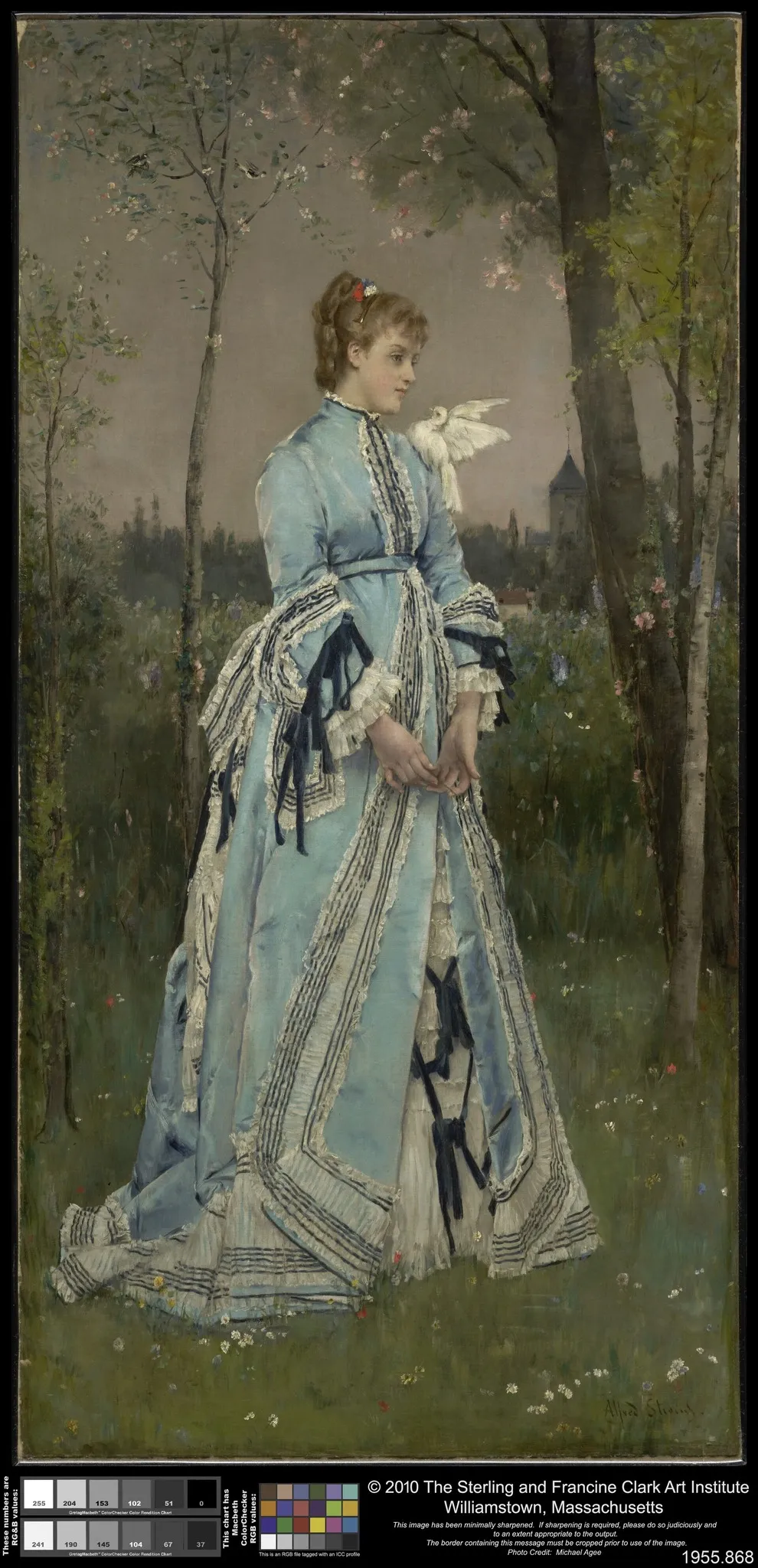
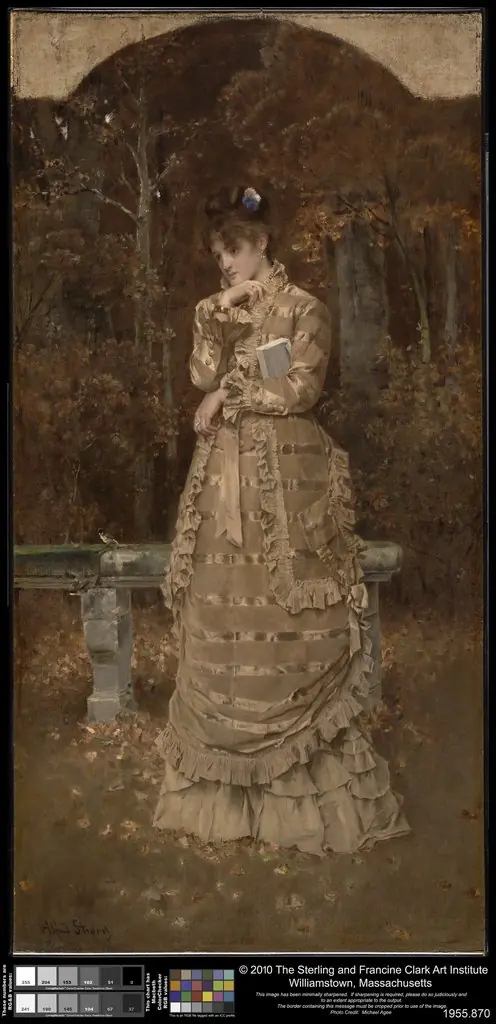
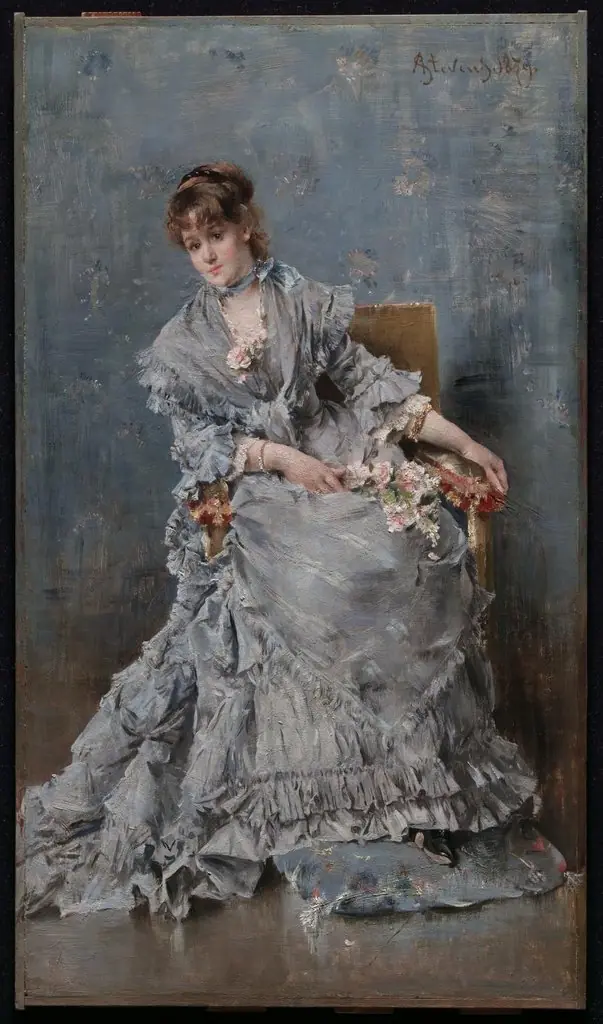
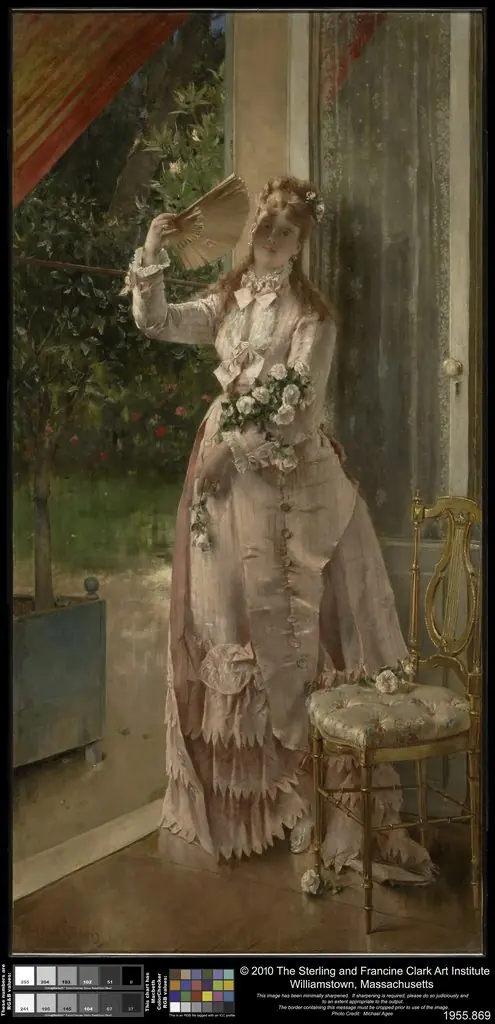
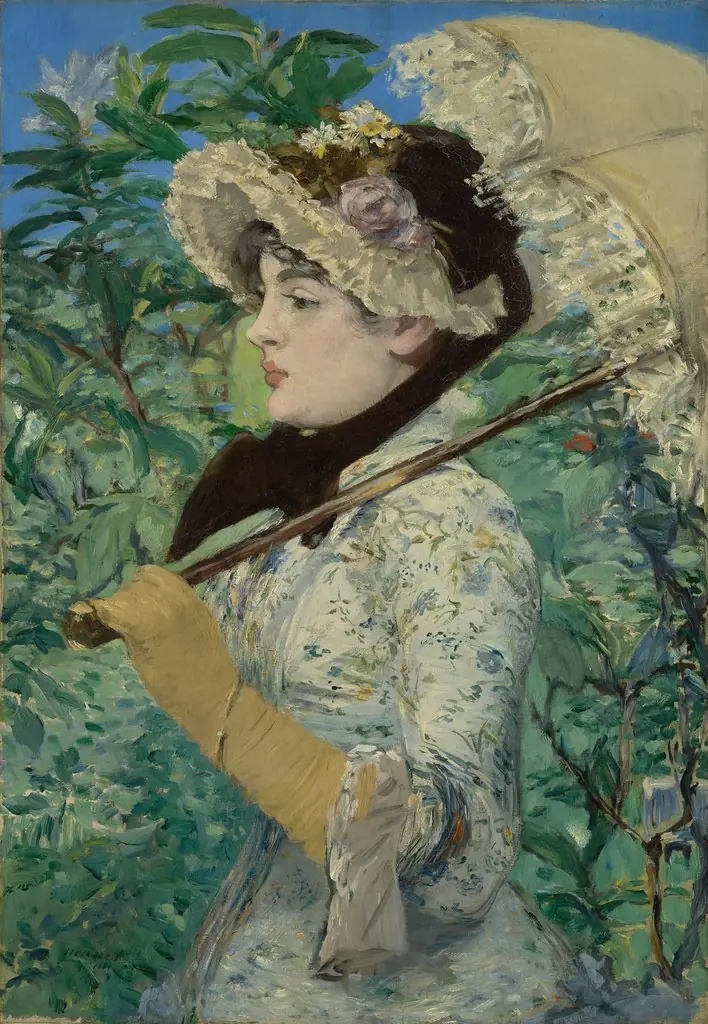
Spring is an oil painting by the Impressionist artist Alfred Stevens. It dates from 1889 and is held in the collection of the Clark Art Institute.
About this work
Overview
Spring, an 1889 oil painting by Belgian artist Alfred Stevens, captures a serene scene of a woman in a lush landscape, exemplifying Stevens' blend of realism and 17th-century Dutch genre influences to portray refined, upper-middle-class life.
Subject & Meaning
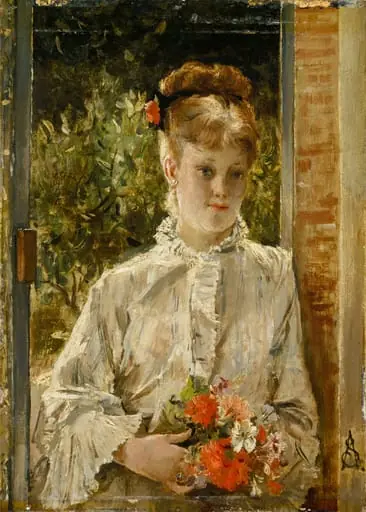
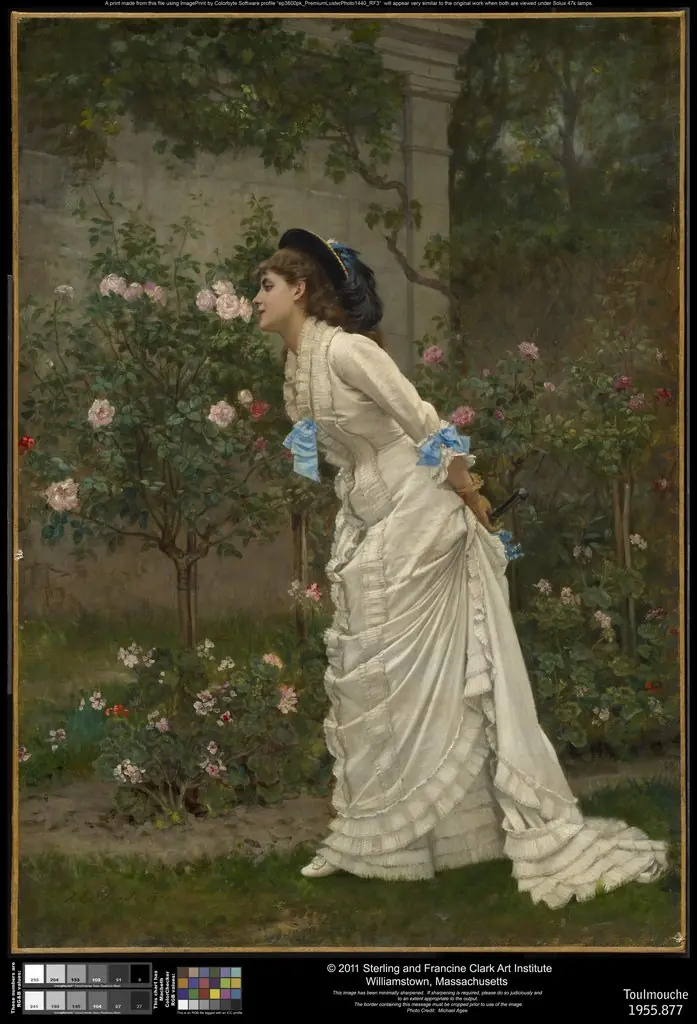
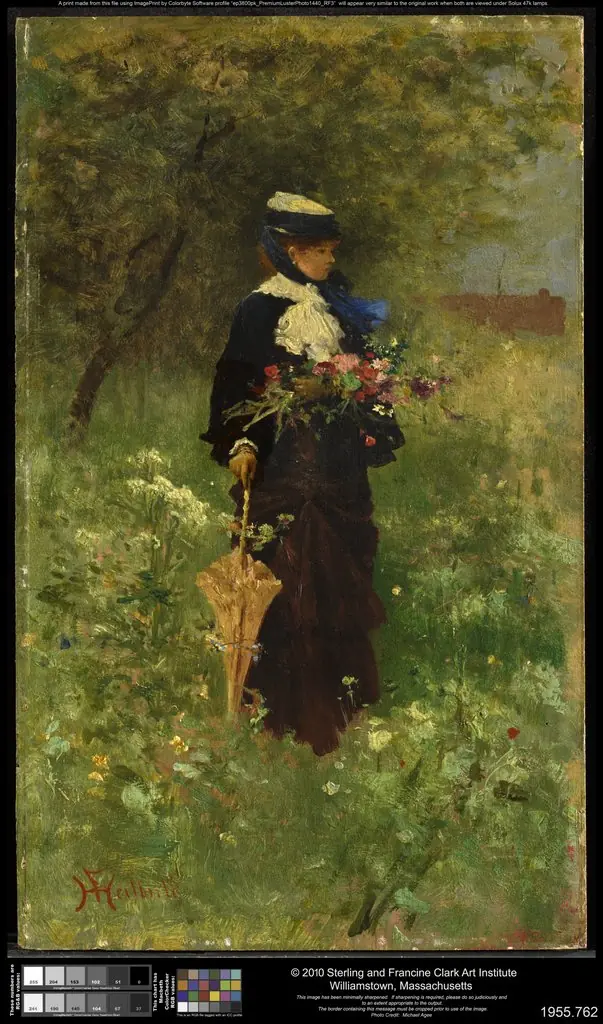
The painting depicts a woman in a light blue dress with white trim and black ribbons, accompanied by a white bird on her shoulder, set against a distant building and trees. Her attire and the peaceful atmosphere convey elegance and refinement, characteristic of Stevens' portrayal of Parisian upper-middle-class life.
Technique & Style
Stevens employs careful detail and a thoughtful use of color to create depth and dimensionality, guiding the viewer's eye into the scene. Notably, his technique involves the use of glazing, a method that enhances the work's luminosity and texture.
History & Provenance
Created in 1889, *Spring* is now part of the collection at the Clark Art Institute, reflecting the institution's interest in 19th-century European art that captures the nuances of modern life with historical artistic sensibilities.
Context
Painted during Stevens' active period in 19th-century Paris, *Spring* situates itself within the broader context of artists blending traditional European painting techniques with contemporary subjects, emphasizing the beauty of everyday, affluent life.
Legacy
While specific legacy details of *Spring* are not widely highlighted, the work contributes to Stevens' reputation for depicting elegant, modern women in serene settings, influencing the perception of upper-class Parisian life in late 19th-century art.
Artist & collection
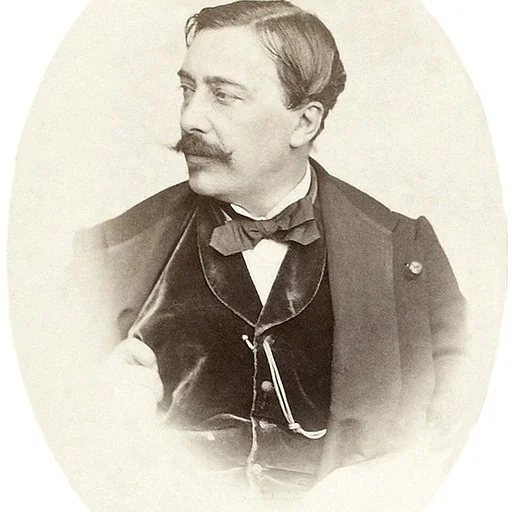
Artist
Alfred Émile Léopold Stevens (11 May 1823 – 24 August 1906) was a Belgian painter, known for his paintings of elegant modern women.