Artwork
Summer
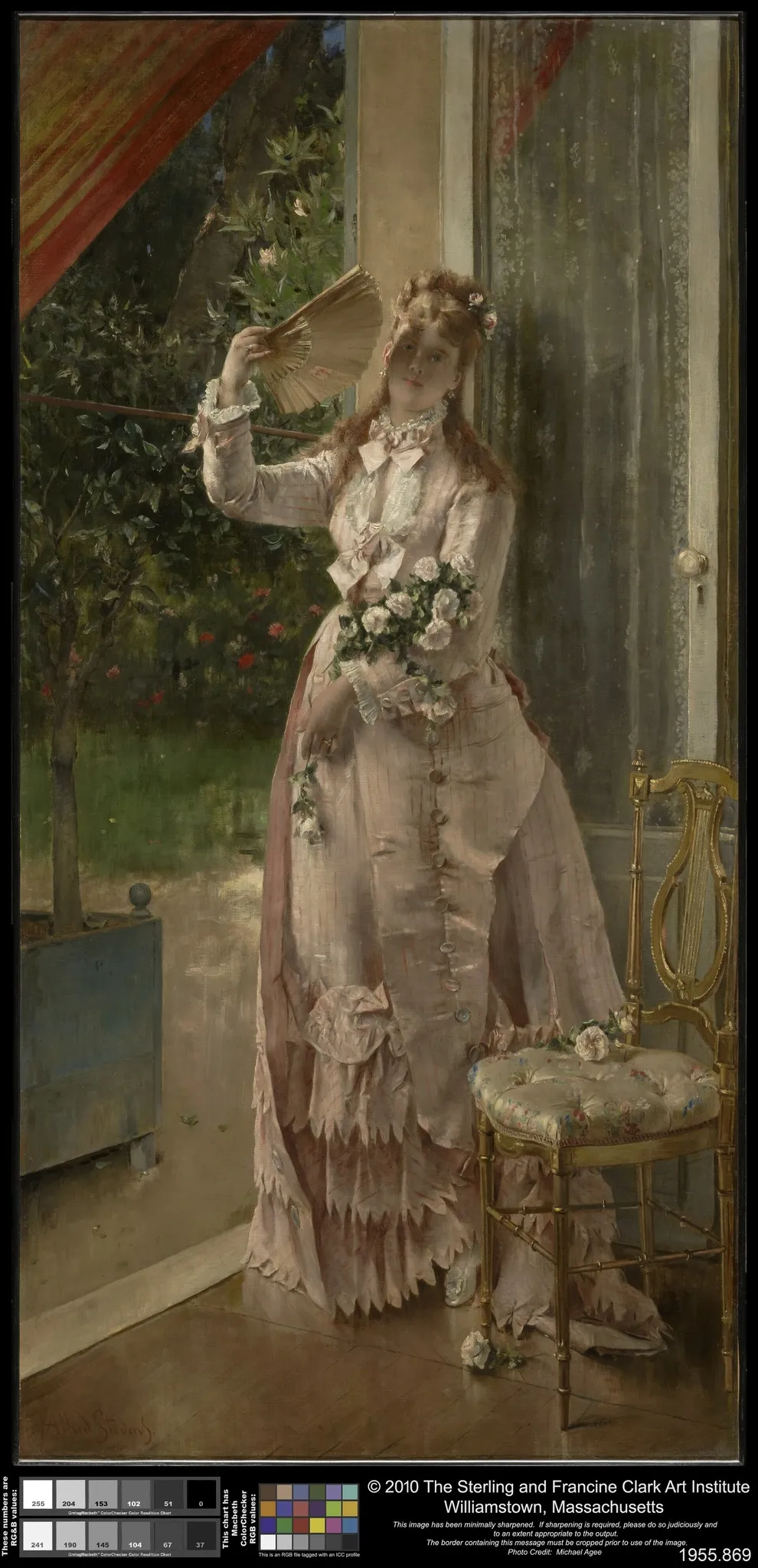
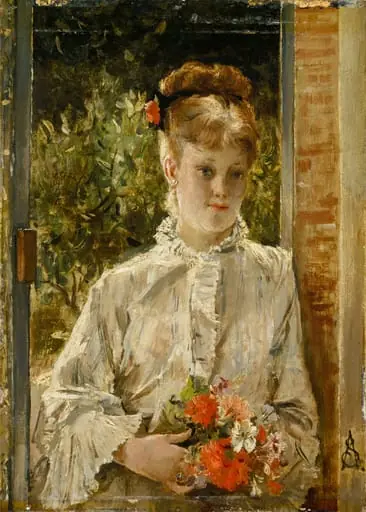
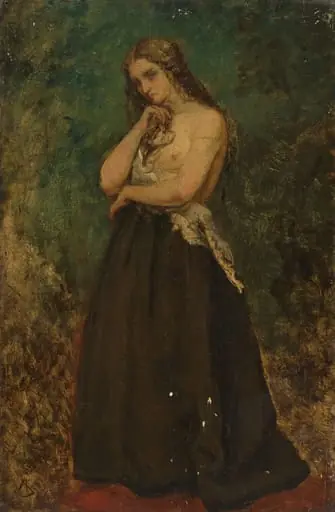
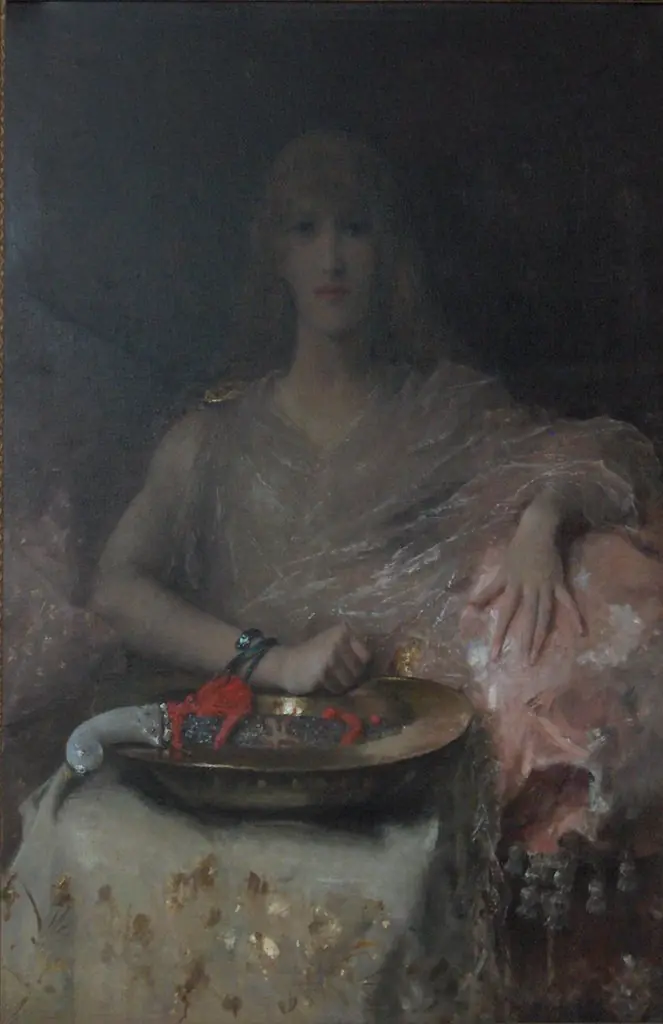
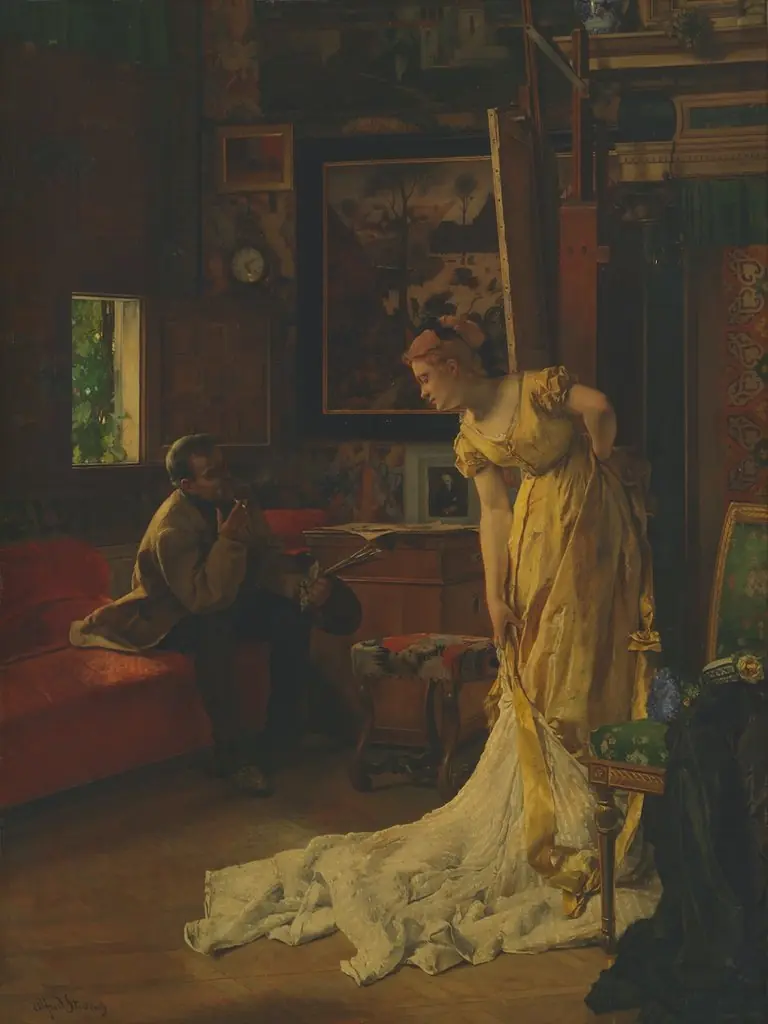
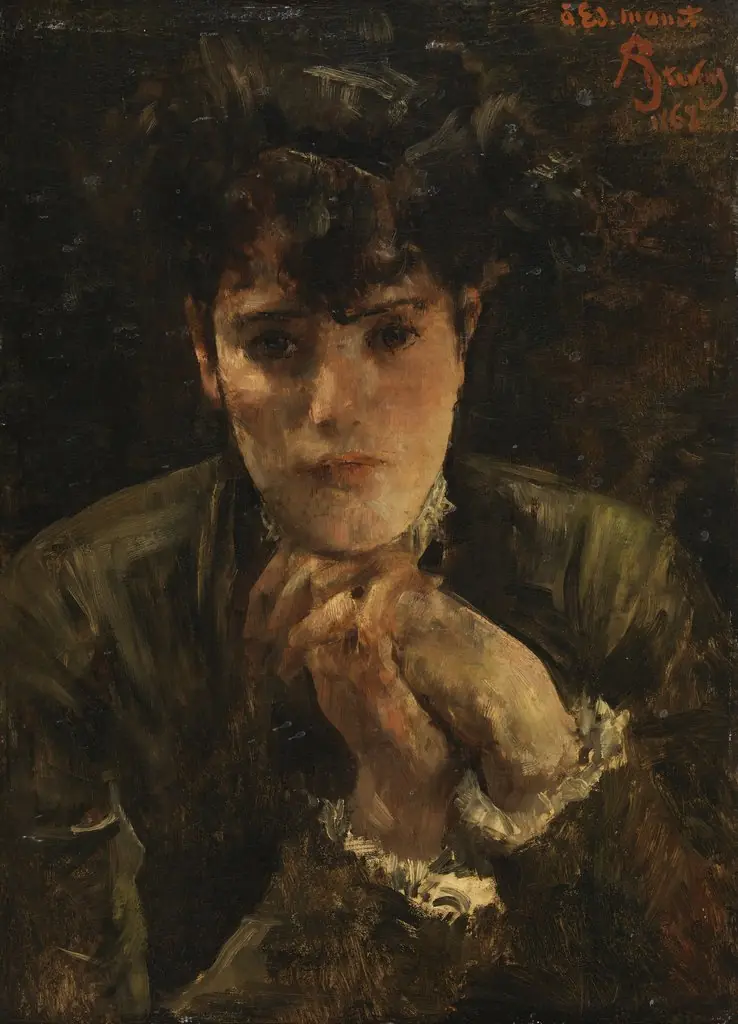
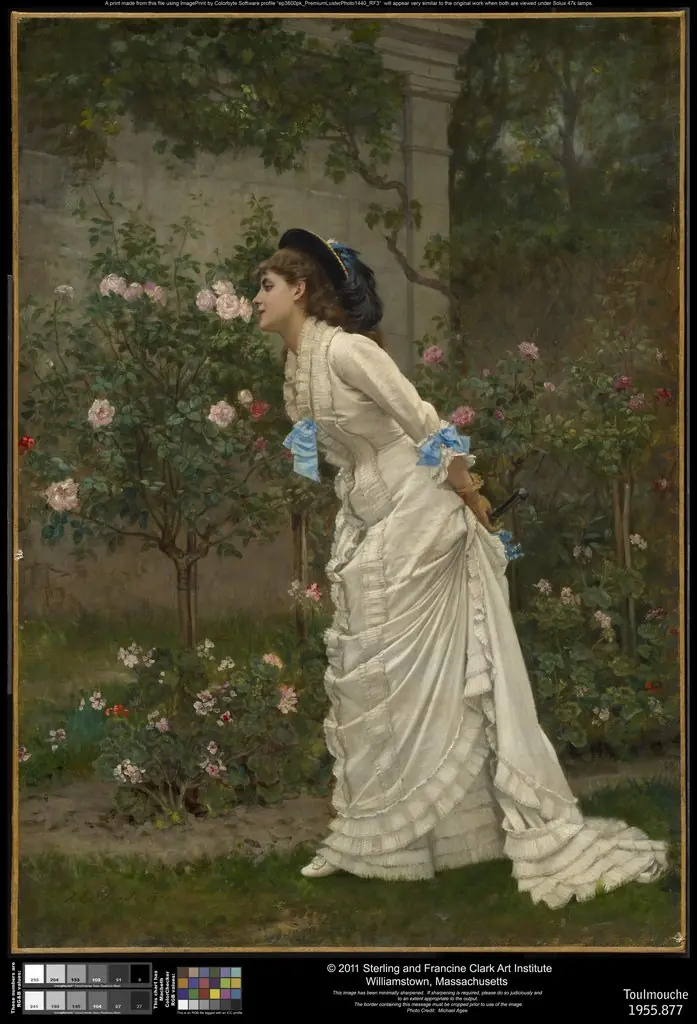
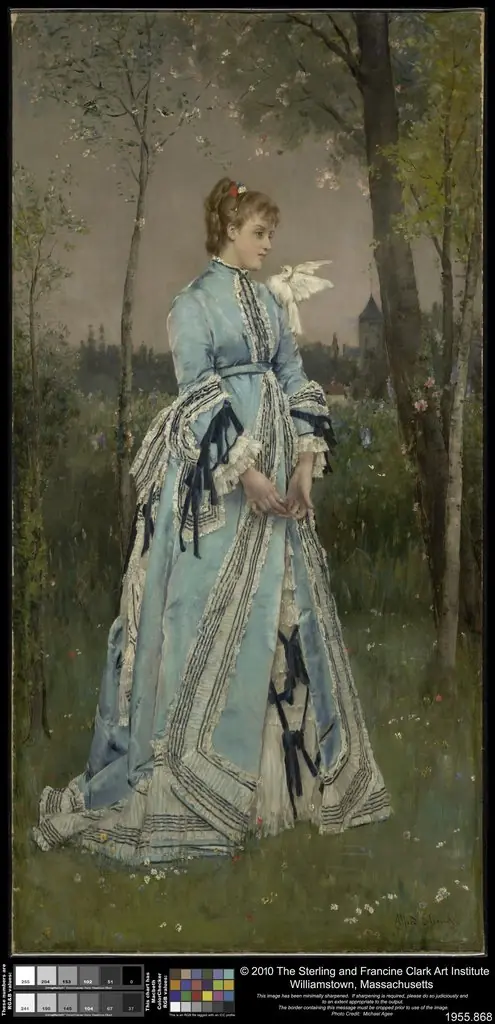
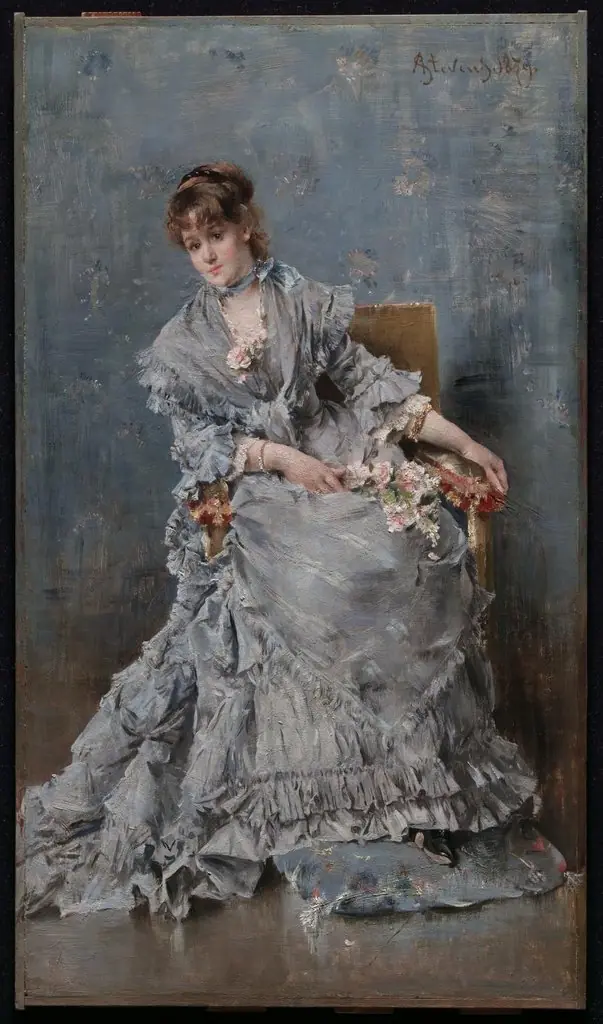
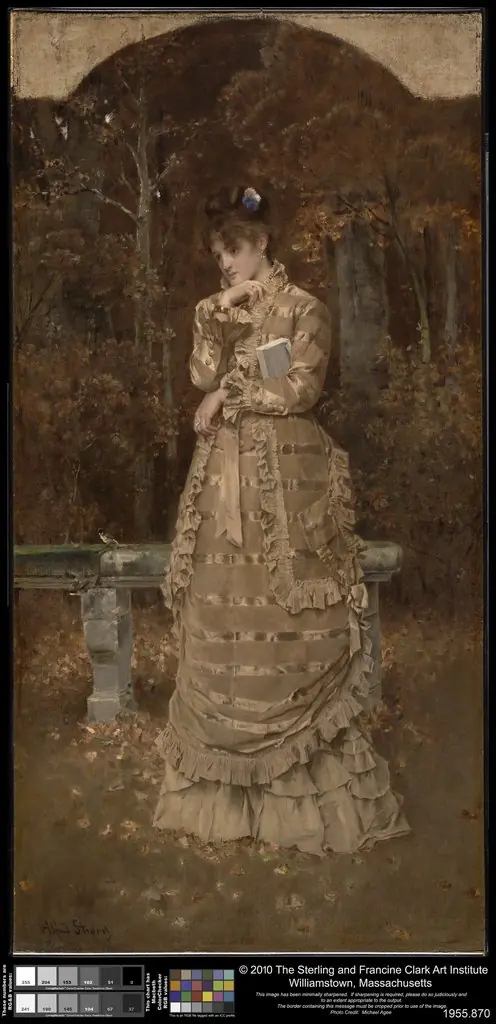
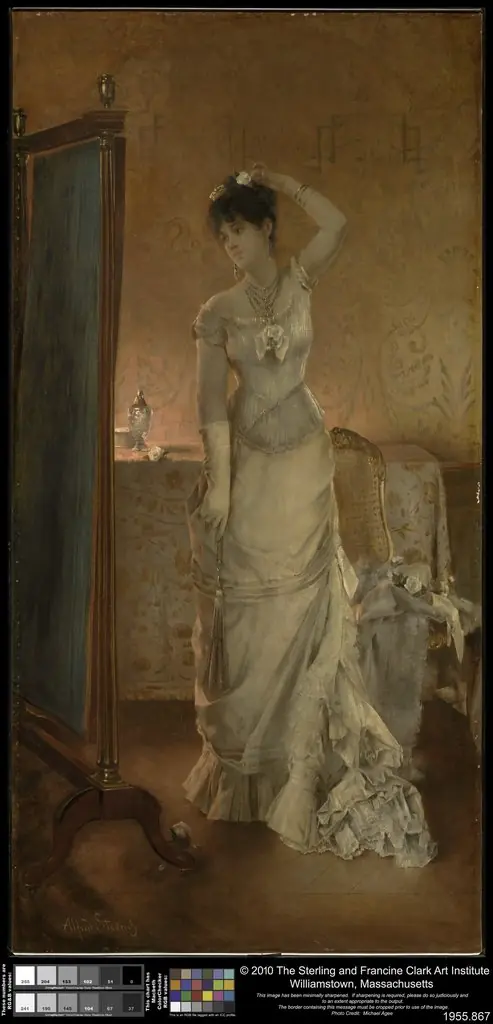
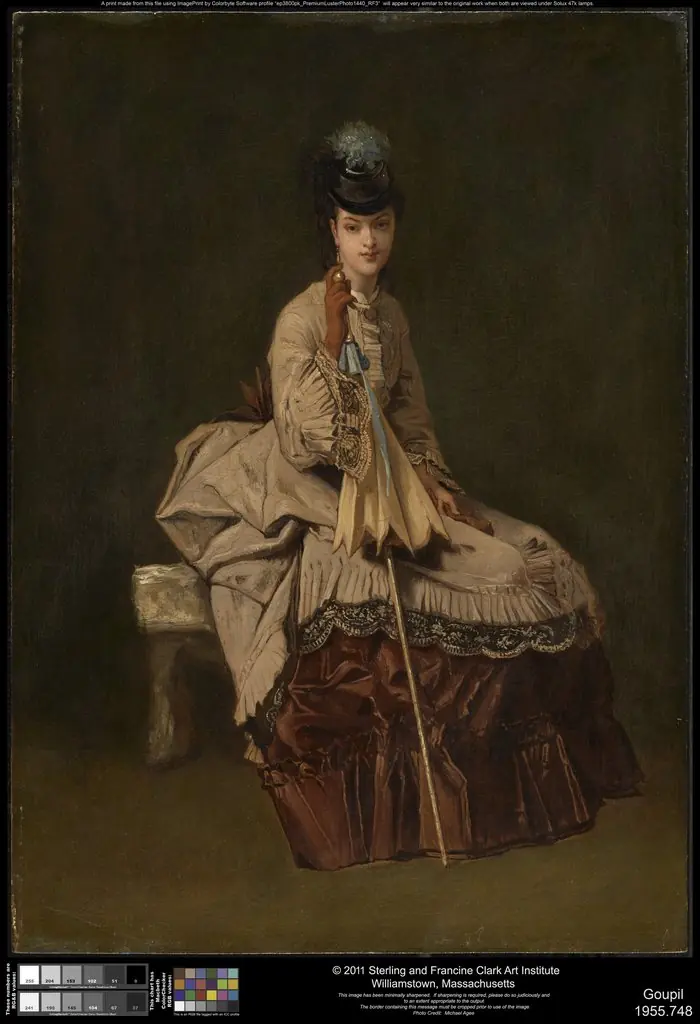
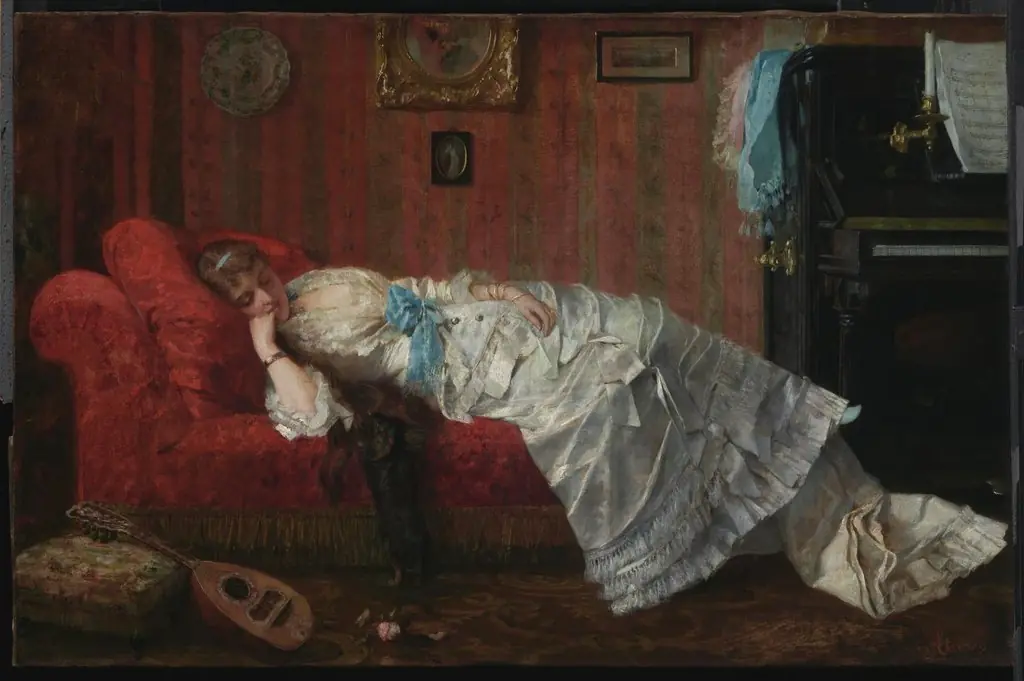
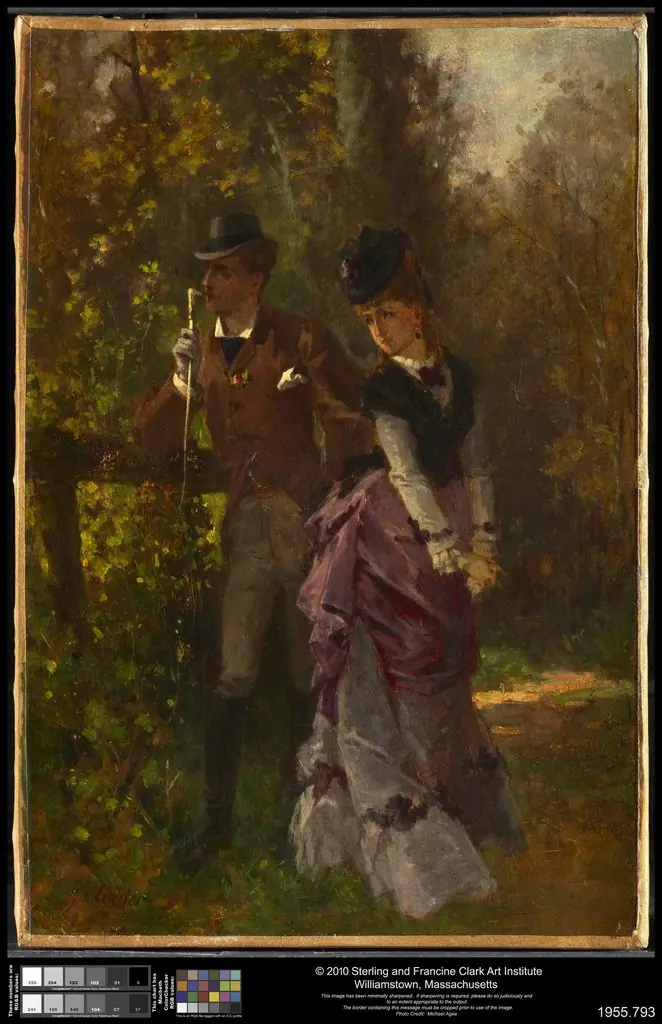
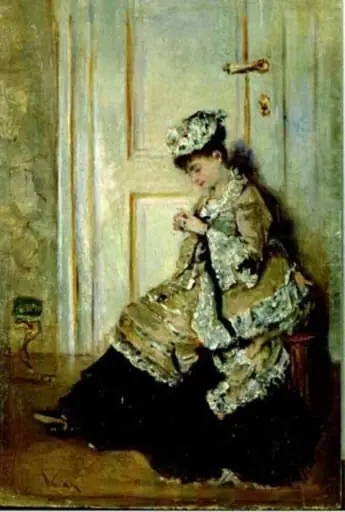
Summer is an oil painting by the Impressionist artist Alfred Stevens. It dates from 1889 and is held in the collection of the Clark Art Institute.
About this work
Overview
It captures a quiet interior moment in late 19th-century Paris, reflecting Stevens’ sustained interest in the domestic lives of upper-middle-class women.
Painted in 1889, *Summer* is an oil on canvas work by Belgian artist Alfred Stevens. It captures a quiet interior moment in late 19th-century Paris, reflecting Stevens’ sustained interest in the domestic lives of upper-middle-class women. Though contemporaneous with Impressionism, Stevens favored a refined, detailed technique over loose brushwork, distinguishing his approach from the movement’s more spontaneous style.
Subject & Meaning
The painting portrays a woman standing in a sunlit room, holding a fan in one hand and a bouquet of flowers in the other. Her high-necked, floral-patterned dress and the presence of a cushioned chair suggest a moment of pause amid daily routine. The open window revealing a lush garden implies a connection between interior calm and the natural world beyond, evoking seasonal tranquility without narrative drama.
Technique & Style
Stevens employed smooth, controlled brushwork and a restrained palette of soft pastels and muted tones to convey light and texture. The rendering of fabric, foliage, and wood grain demonstrates meticulous attention to detail, rooted in 17th-century Dutch genre traditions. Unlike Impressionist contemporaries, he avoided visible brushstrokes, favoring a polished surface that enhances the sense of stillness and order.
History & Provenance
Created in 1889, *Summer* remained in private collections before entering the Clark Art Institute’s holdings. Stevens, active in Paris for much of his career, was well-regarded in his time for his depictions of modern femininity. The painting’s preservation reflects its status as a representative example of his mature style, though it never achieved widespread public recognition beyond academic circles.
Context
In late 19th-century Paris, domestic interiors became a favored subject among artists exploring modern life. Stevens aligned with this trend but resisted the radical breaks of Impressionism, instead drawing from older traditions of realism. His work occupied a middle ground—modern in subject, classical in execution—offering a quiet counterpoint to the era’s more dynamic artistic experiments.
Legacy
Though overshadowed by more avant-garde figures, Stevens’ focus on refined interiors and feminine poise influenced later genre painters and contributed to the persistence of detailed realism in the face of modernist abstraction. *Summer* endures as a subtle testament to the dignity of everyday moments, preserved through careful technique and restrained emotion.
Artist & collection
Artist
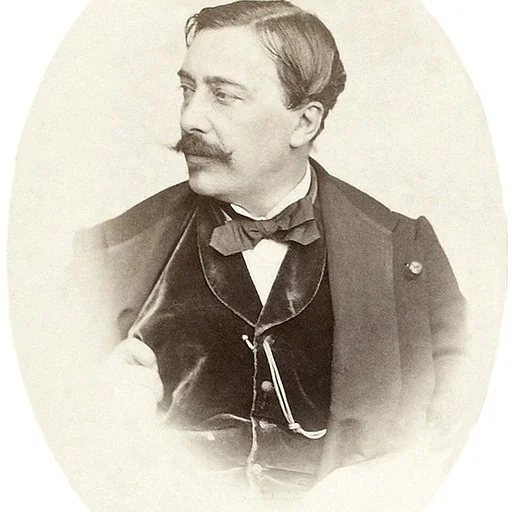
Alfred Émile Léopold Stevens (11 May 1823 – 24 August 1906) was a Belgian painter, known for his paintings of elegant modern women.