Artwork
The Judgement of Paris (cartoon for the south panel of the ceiling, dining room, Dorchester House)
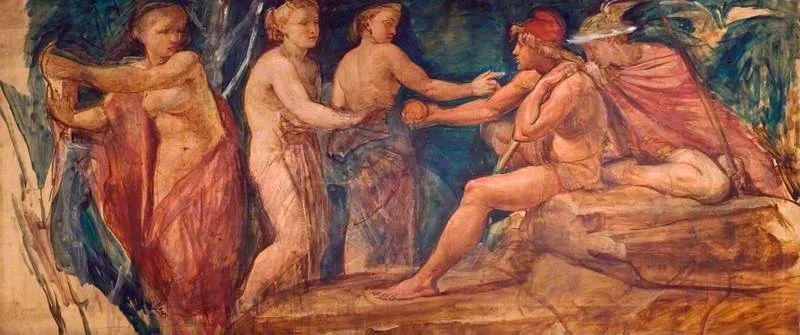
The Judgement of Paris (cartoon for the south panel of the ceiling, dining room, Dorchester House) is an oil painting by Alfred Stevens. It dates from 1860 and is held in the collection of the Victoria and Albert Museum.
About this work
Overview
Painted in 1860 by Belgian artist Alfred Stevens, this oil sketch served as a preparatory study for the south ceiling panel in Dorchester House’s dining room.
Painted in 1860 by Belgian artist Alfred Stevens, this oil sketch served as a preparatory study for the south ceiling panel in Dorchester House’s dining room. It depicts a scene from classical mythology, specifically the moment when Paris, a Trojan prince, is called upon to judge which of three goddesses deserves a golden apple. The work functions as a detailed model for a larger decorative scheme, reflecting Stevens’ engagement with both mythological narrative and interior design.
Subject & Meaning
The scene illustrates the myth of Paris choosing between Hera, Athena, and Aphrodite, each offering him a bribe. The three women on the left represent the goddesses, identifiable by attributes: one holds a bow, suggesting Artemis or Athena; another may carry a scepter or mirror. The two men on the right include Paris, identified by his Phrygian cap and relaxed posture, and an attendant or god. The choice, though unspoken, carries weight—Venus’s promise of love would ultimately trigger the Trojan War.
Technique & Style
Stevens rendered the figures with precise, almost tactile detail, echoing the quiet realism of Dutch Golden Age painting. His brushwork is controlled, emphasizing fabric texture and subtle shifts in light across skin and drapery. The muted palette—dominated by earthy reds, cool blues, and muted browns—creates a somber, intimate tone. The composition is carefully balanced, with figures arranged to guide the eye toward the central gesture of judgment.
History & Provenance
Commissioned for the interior of Dorchester House, a London residence of the 1st Earl of Dorchester, the cartoon was part of a larger decorative program intended to elevate the dining room’s grandeur. Though the ceiling itself was later destroyed during wartime bombing, Stevens’ preparatory oil sketch survived, preserving the original vision for the space. It remains a rare example of 19th-century decorative painting in Britain.
Context
In mid-19th-century Britain, mythological themes were frequently employed in aristocratic interiors to convey cultural refinement. Stevens, though Belgian, was active in London’s artistic circles and known for blending classical subjects with contemporary realism. His approach diverged from the theatricality of academic history painting, favoring restraint and psychological nuance, aligning him with quieter, more introspective trends in Victorian art.
Legacy
The cartoon stands as a testament to Stevens’ skill in translating large-scale decorative projects into intimate, carefully observed studies. While the final ceiling no longer exists, this sketch offers insight into how mythological narratives were adapted for domestic spaces in the Victorian era. It also highlights the transnational nature of 19th-century art, where Belgian artists contributed significantly to British decorative programs.
Artist & collection
Artist
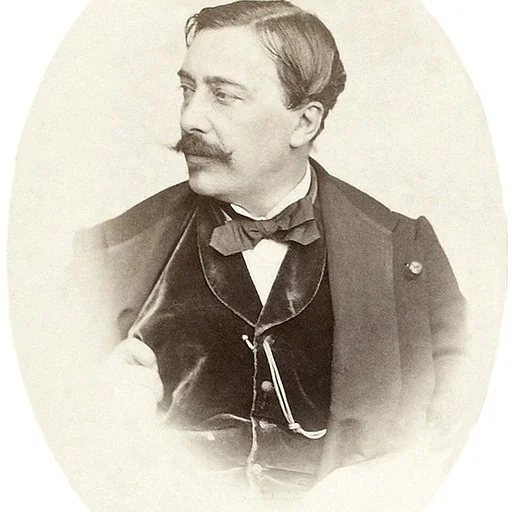
Alfred Émile Léopold Stevens (11 May 1823 – 24 August 1906) was a Belgian painter, known for his paintings of elegant modern women.


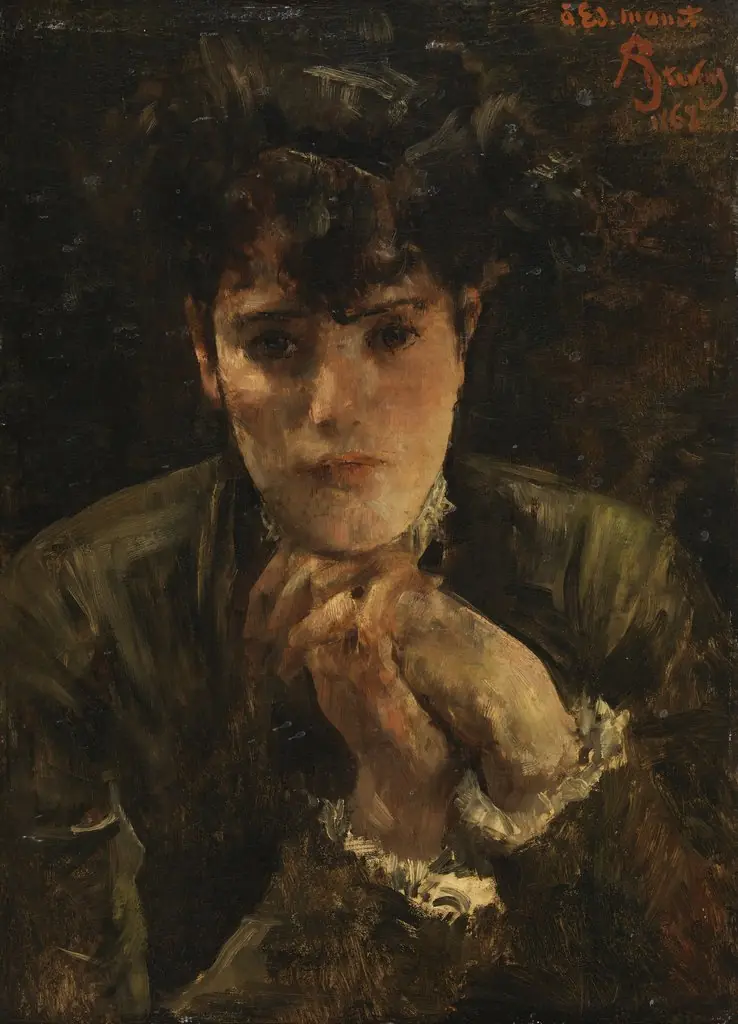
 Paris's Judgement
 Reclining Figure (decorative panel)
 Vulcan hands Thetis the shield for Achilles
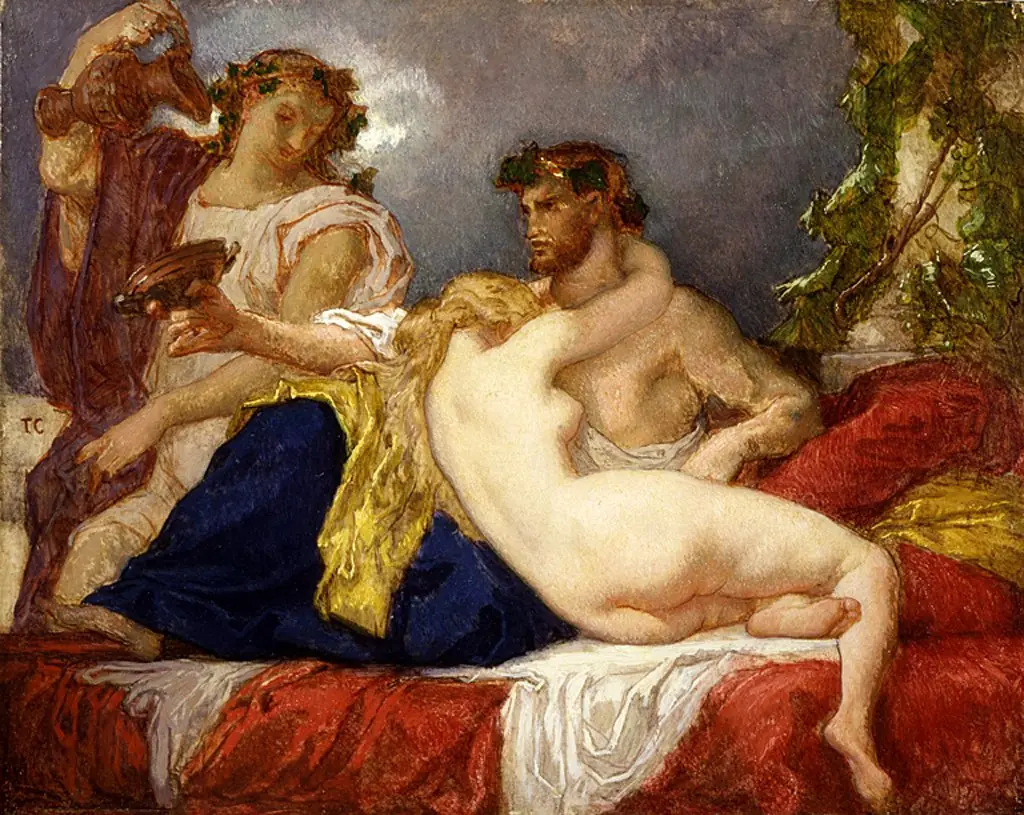 Horace and Lydia
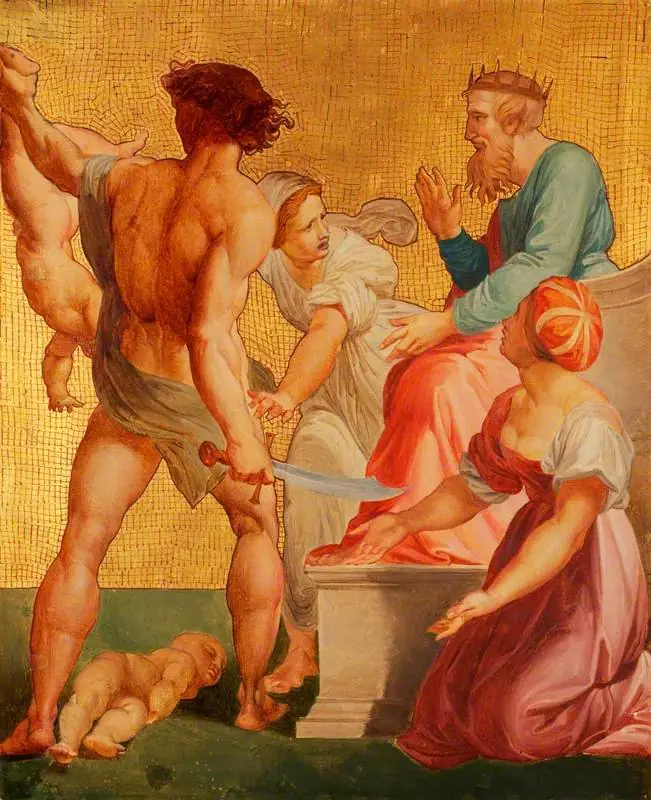 The Judgment of Solomon (after Raphael)
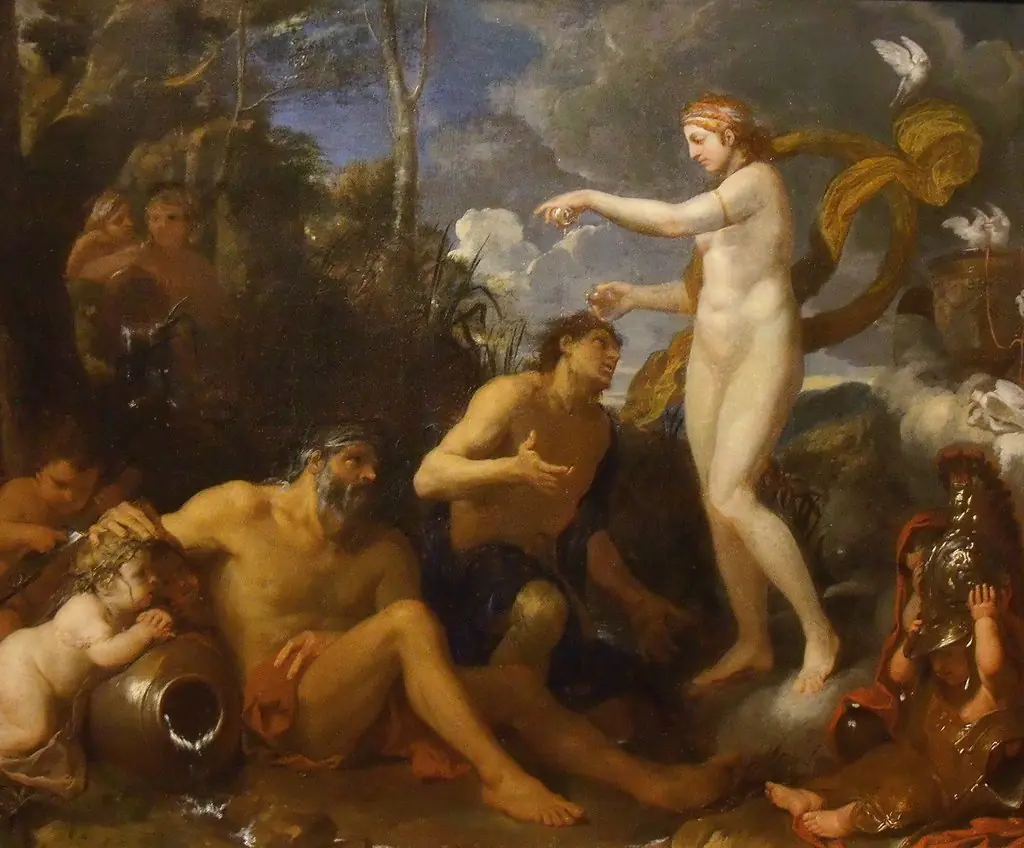 The deification of Aeneas
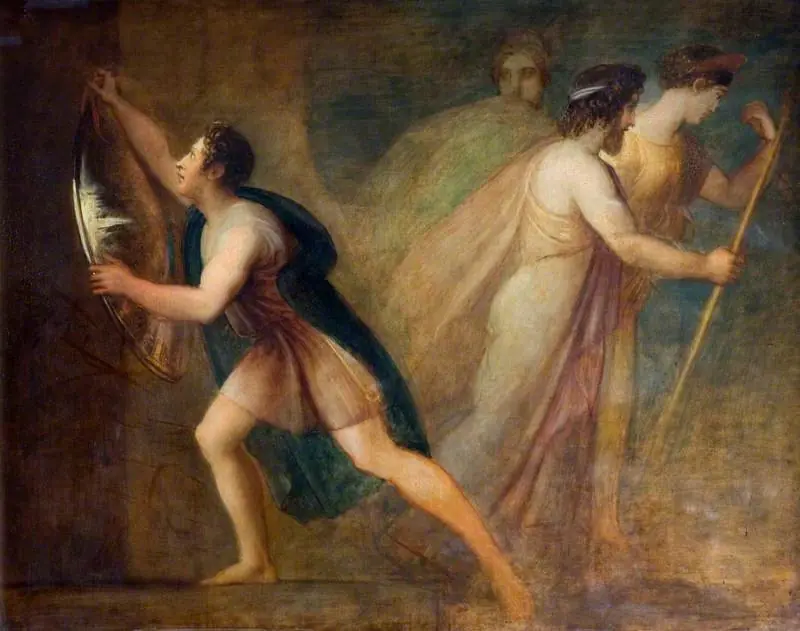 Orestes Hanging up the Shield of Agamemnon
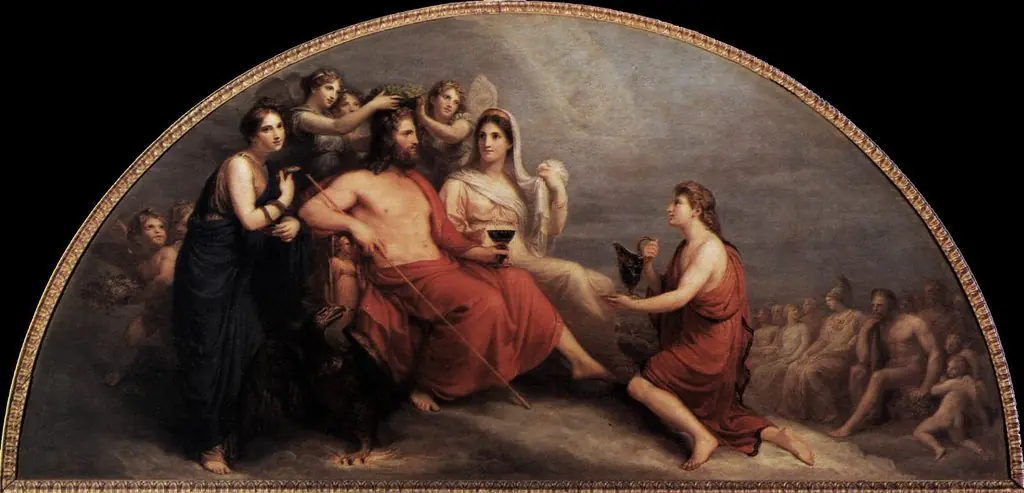 The Olympus (Jupiter, Crowned with Myrtle By the Hours, Proffers a Goblet to Ganymede to Be Served Nectar)
 Ceres, Bachus și Venus
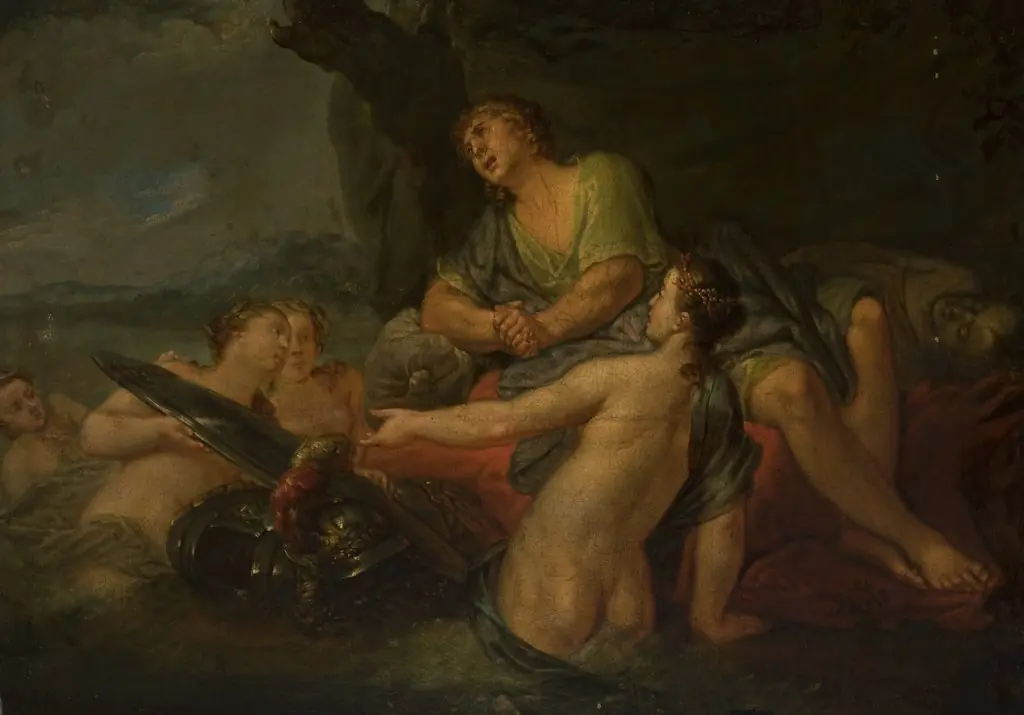 Mythological Scene
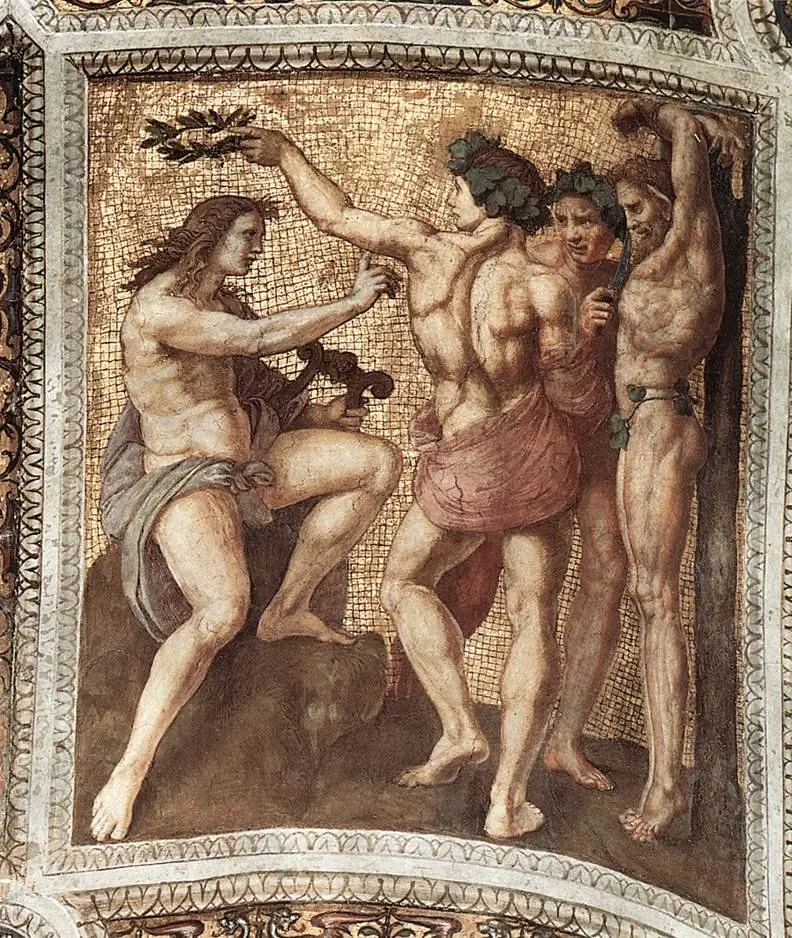 Apollo and Marsyas
 The Judgment of Paris