Artwork
Scandinavian Landscape
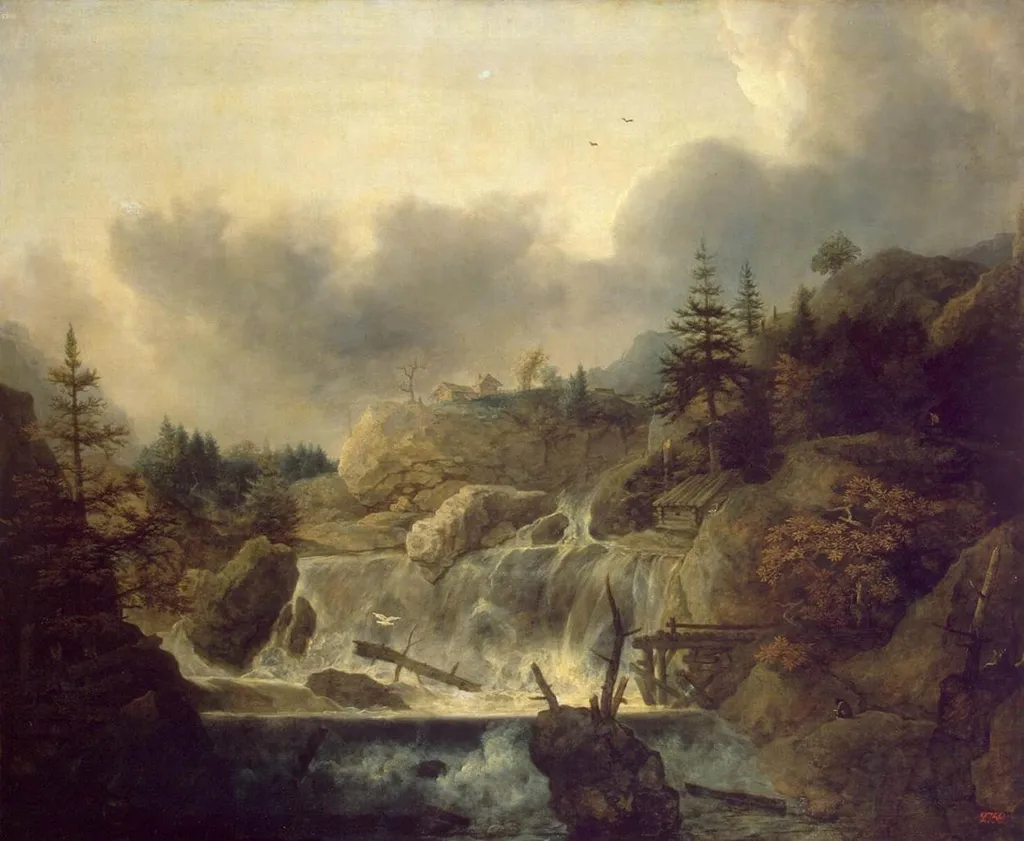
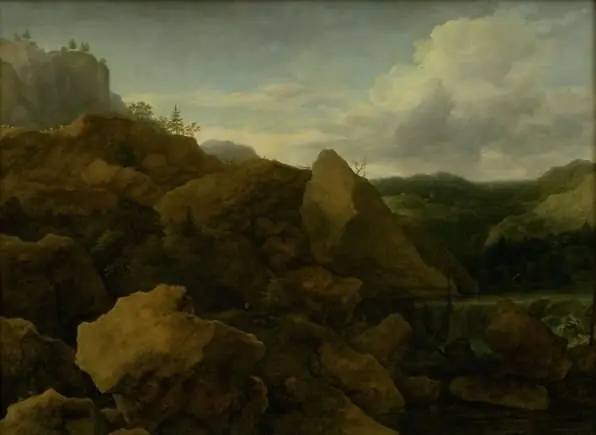
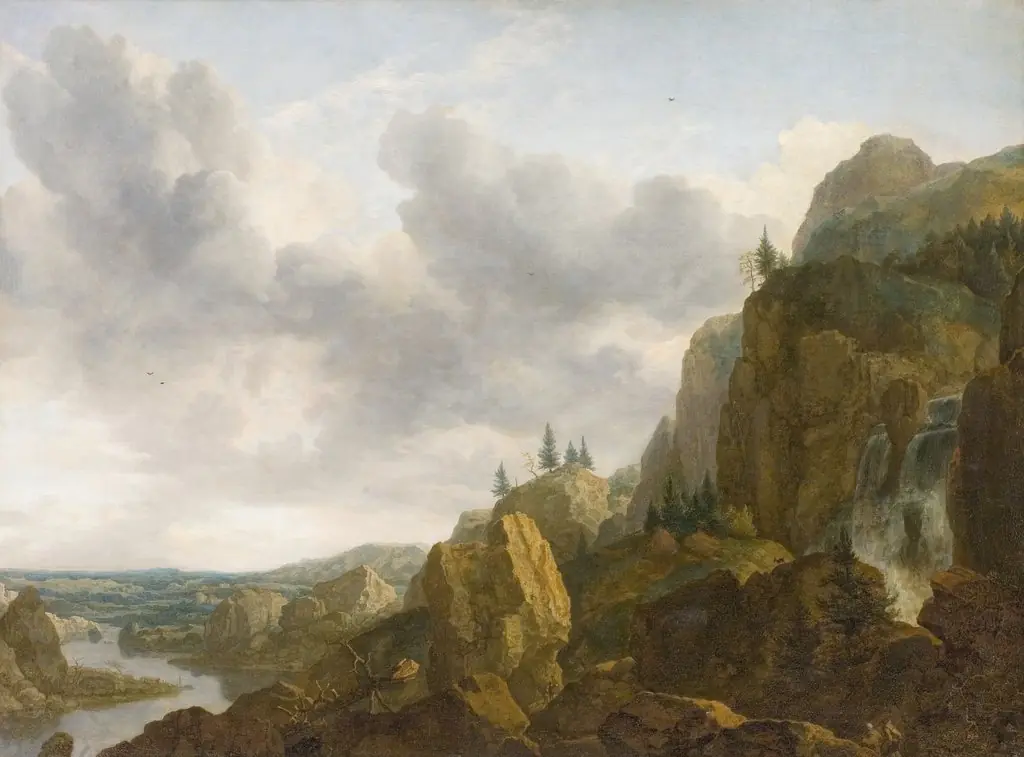
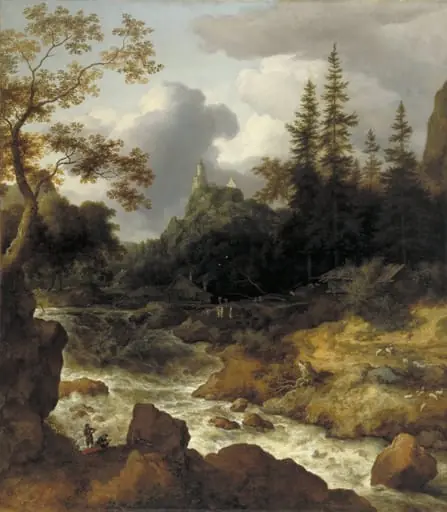
Scandinavian Landscape is an oil painting by Allart van Everdingen. It dates from 1647 and is held in the collection of the Hermitage Museum. Painted in 1647 by Allaert van Everdingen, this oil-on-canvas work depicts a tranquil Nordic scene.
About this work
Overview
Painted in 1647 by Allaert van Everdingen, this oil-on-canvas work depicts a tranquil Nordic scene.
Painted in 1647 by Allaert van Everdingen, this oil-on-canvas work depicts a tranquil Nordic scene. Though Dutch by birth, Everdingen drew inspiration from his travels to Norway and Sweden, translating their rugged terrain into a composed, atmospheric landscape. The painting resides in the State Hermitage Museum’s collection, where it stands as an early example of Northern European landscape painting infused with personal observation rather than idealized convention.
Subject & Meaning
The scene centers on a cascading waterfall nestled among dark, weathered rocks and dense conifers. Fallen logs drift in the pool below, while birds trace faint arcs across a muted, overcast sky. There is no human presence, emphasizing nature’s quiet autonomy. The composition conveys stillness and elemental continuity, reflecting a 17th-century fascination with nature’s untouched grandeur, not as sublime spectacle but as serene, enduring reality.
Technique & Style
Everdingen employed subtle gradations of oil pigment to render atmospheric depth, with cool grays and muted greens dominating the palette. The waterfall’s movement is suggested through loose, fluid brushwork, while the foliage and rocks are defined with textured strokes that imply roughness without overt detail. His approach blends Dutch precision with a Nordic sense of mood, avoiding theatricality in favor of restrained, observational realism.
History & Provenance
Created after Everdingen’s journey to Scandinavia in the early 1640s, the painting reflects firsthand sketches and impressions gathered during his travels. It entered the Hermitage collection in the 18th or 19th century, likely through imperial acquisitions of Northern European works. Its survival through centuries of political change underscores its quiet significance within the museum’s broader holdings of Dutch and Nordic art.
Context
In mid-17th-century Holland, landscape painting flourished as a distinct genre, often celebrating local terrain. Everdingen diverged by turning northward, bringing back images of wilder, less cultivated scenery. His work contributed to a growing European interest in distant natural environments, positioning Scandinavia not as mythic frontier but as a place of tangible, observable beauty worthy of artistic record.
Legacy
Everdingen’s Scandinavian landscapes influenced later artists seeking authentic natural settings beyond the Dutch lowlands. Though not widely celebrated in his lifetime, his focus on northern topography helped expand the geographic scope of Dutch landscape painting. Today, this work remains a quiet testament to the value of direct observation in shaping artistic vision during a period of expanding geographic curiosity.
Artist & collection
Artist
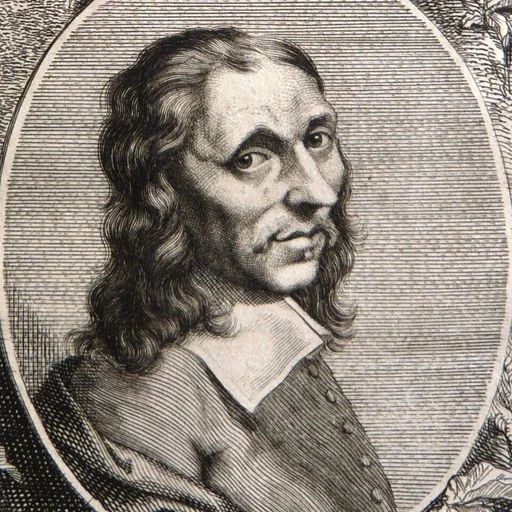
Allaert van Everdingen (Dutch pronunciation: ; bapt. 18 June 1621 – 8 November 1675 (buried)), was a Dutch Golden Age painter and printmaker in etching and mezzotint.

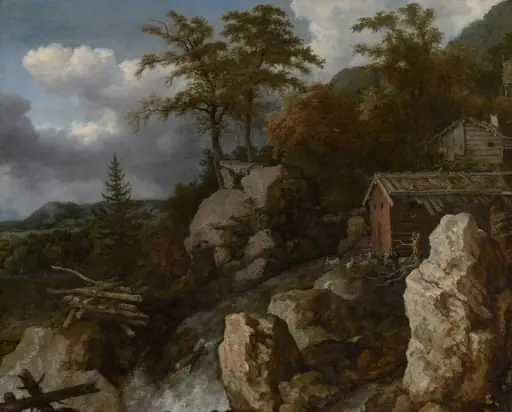
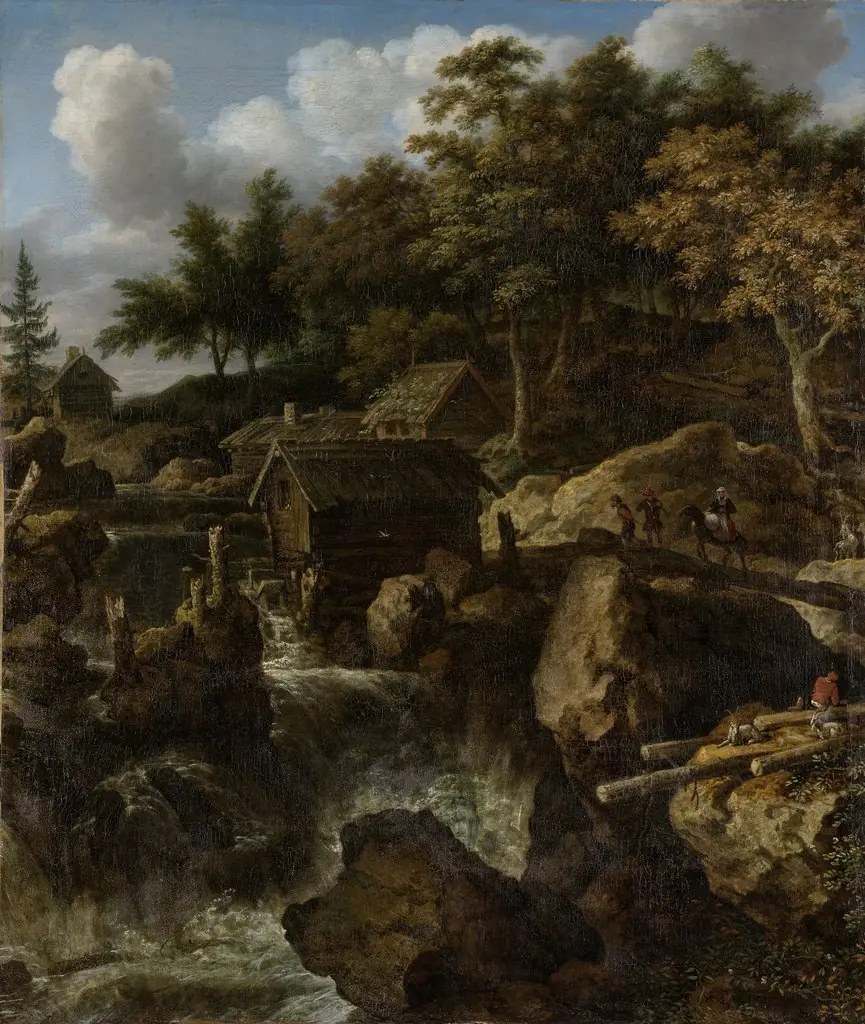
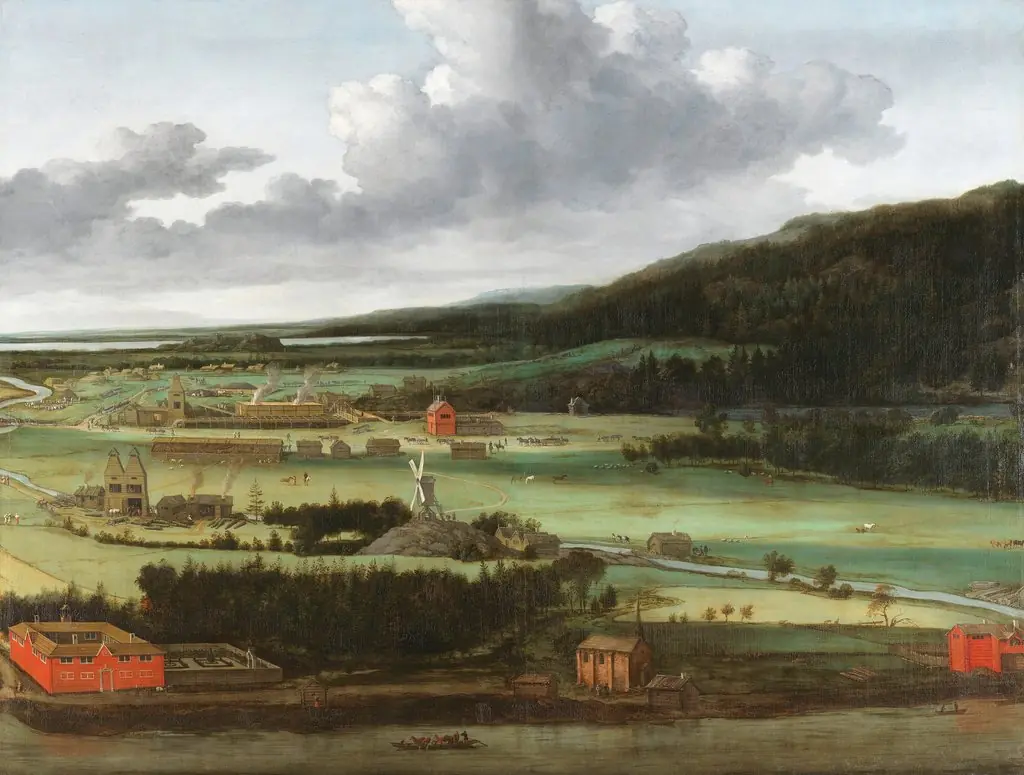
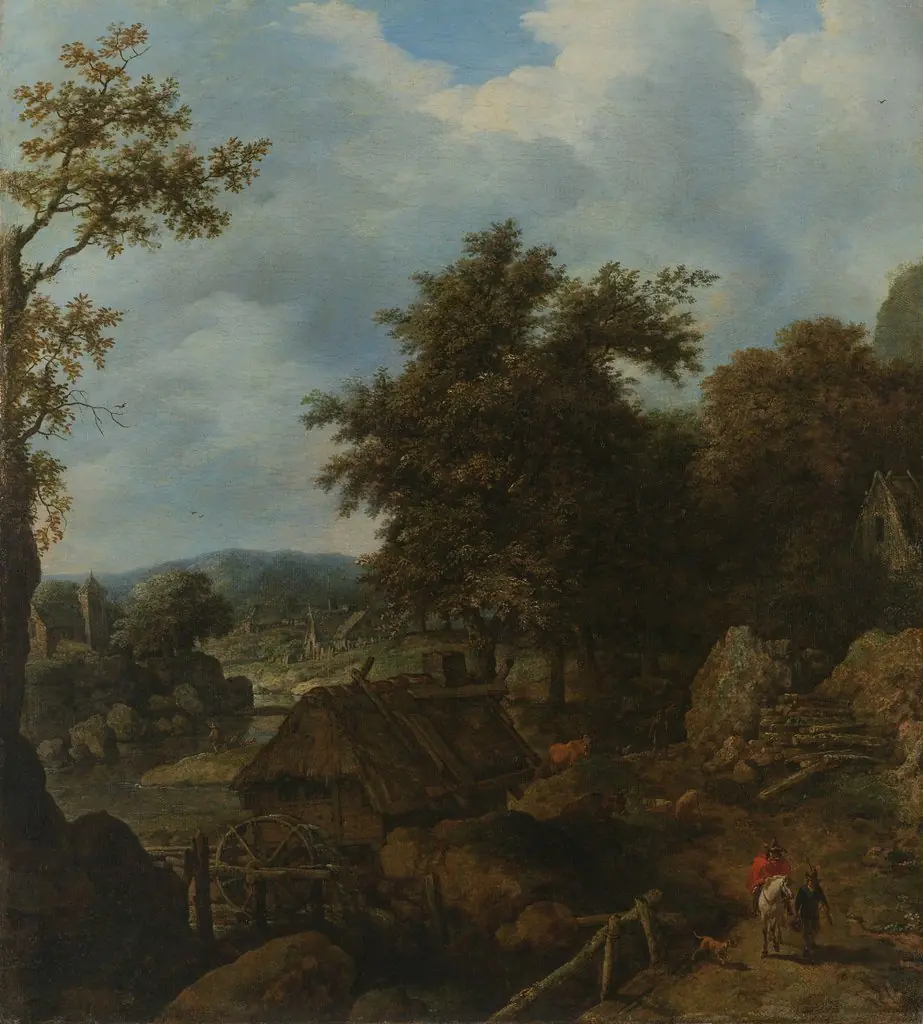
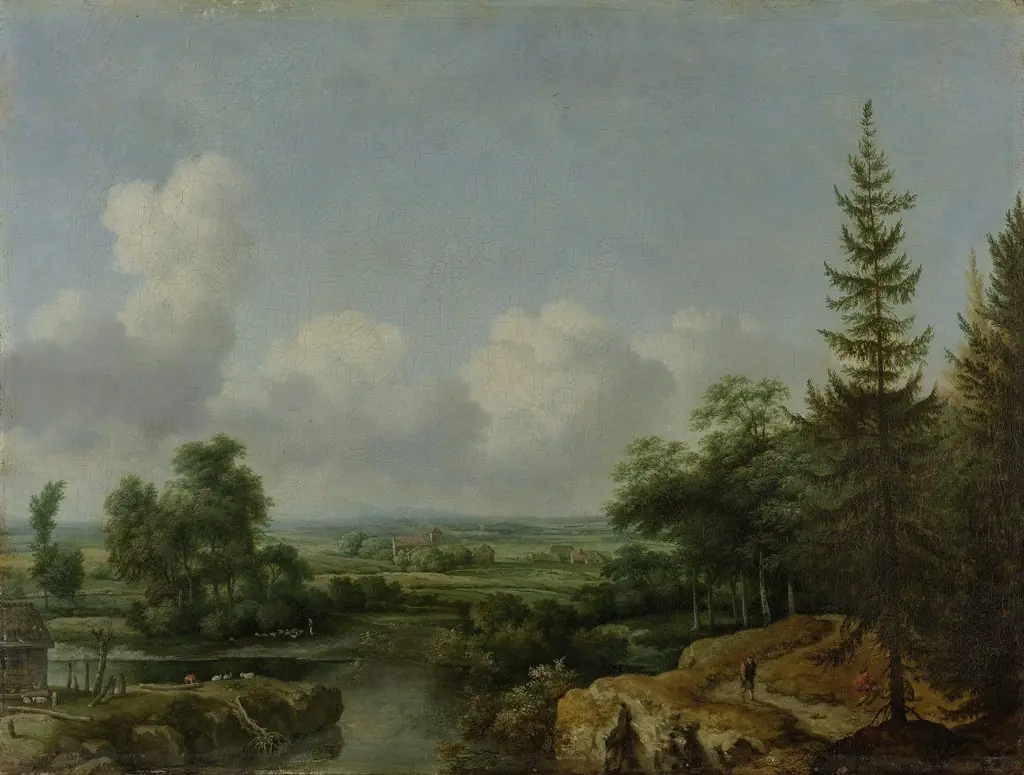
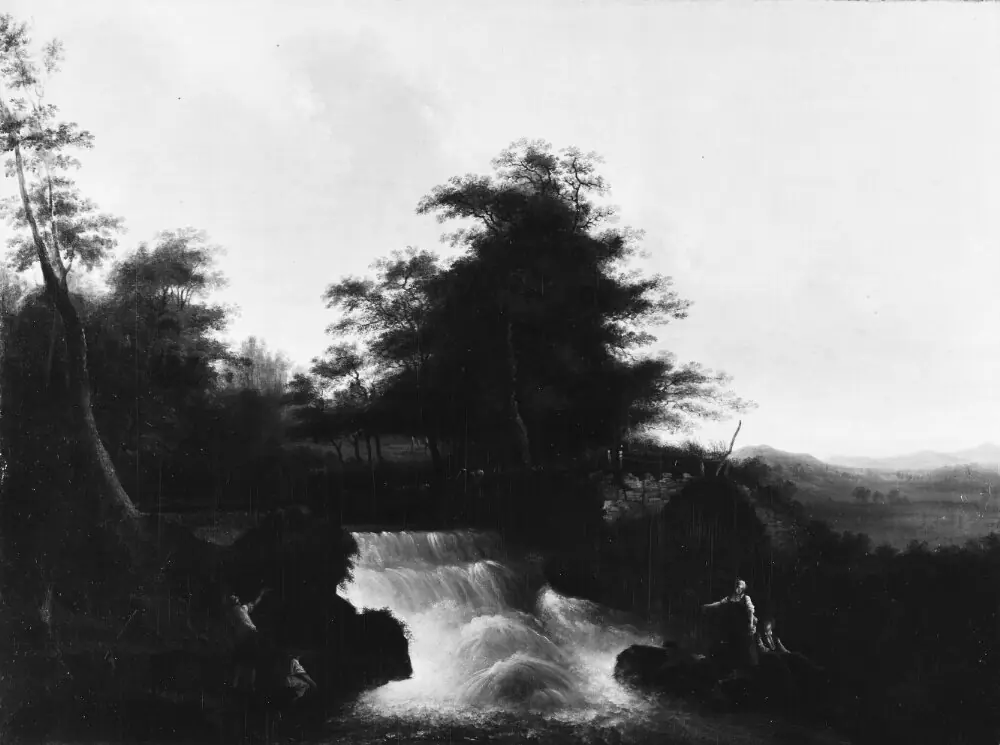 Landscape with Waterfall
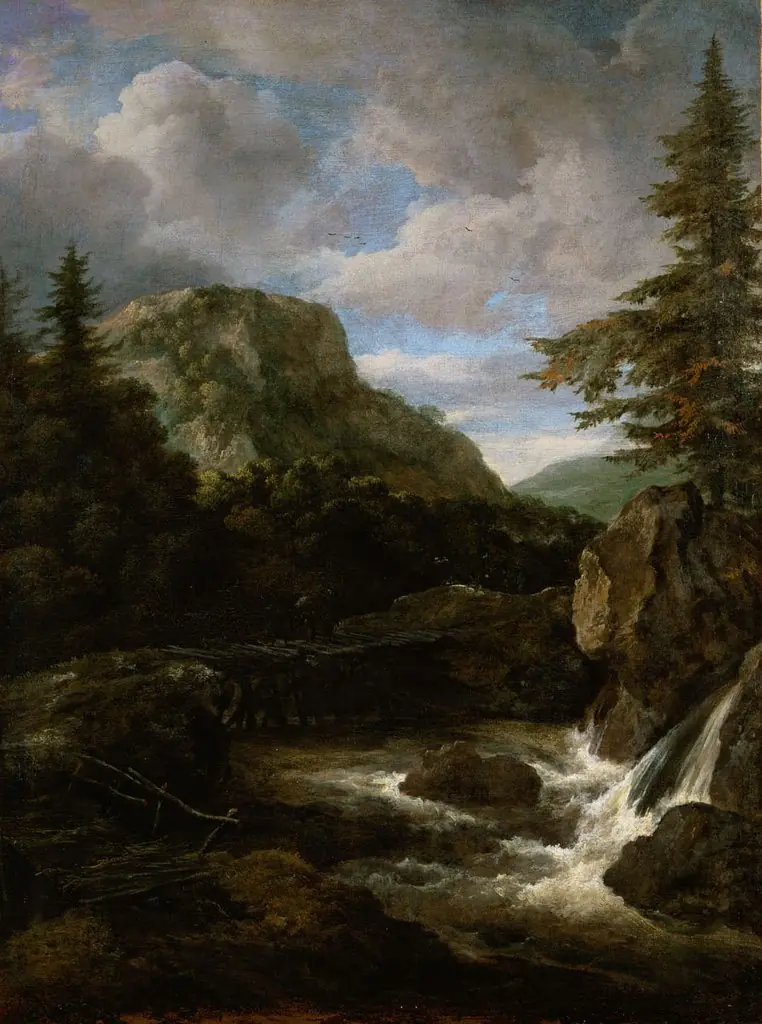 Mountain Landscape with Waterfall
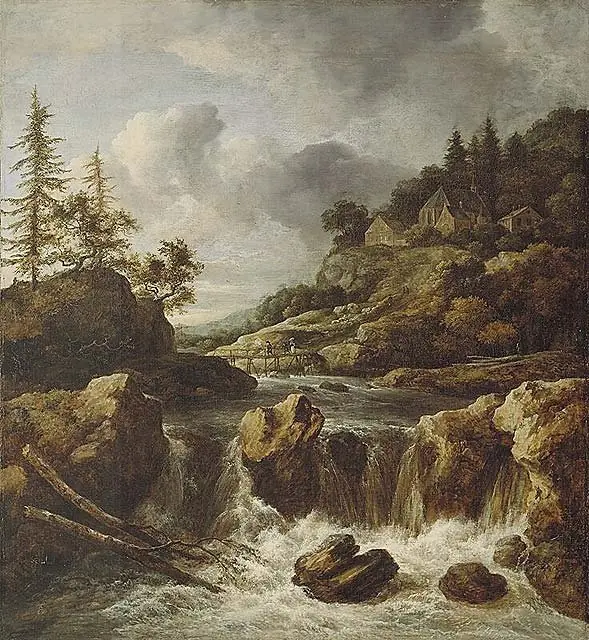 A Waterfall with village, footbridge and pine trees
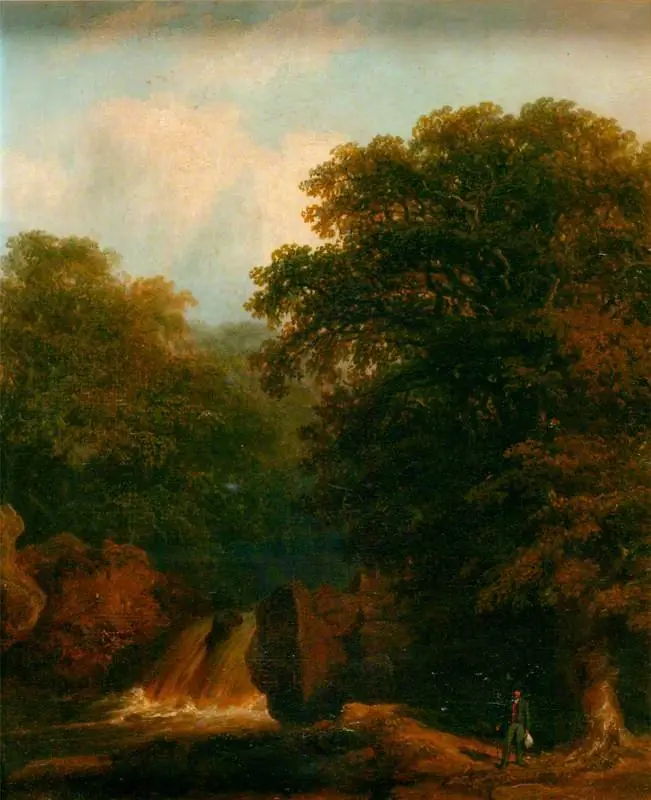 A Waterfall
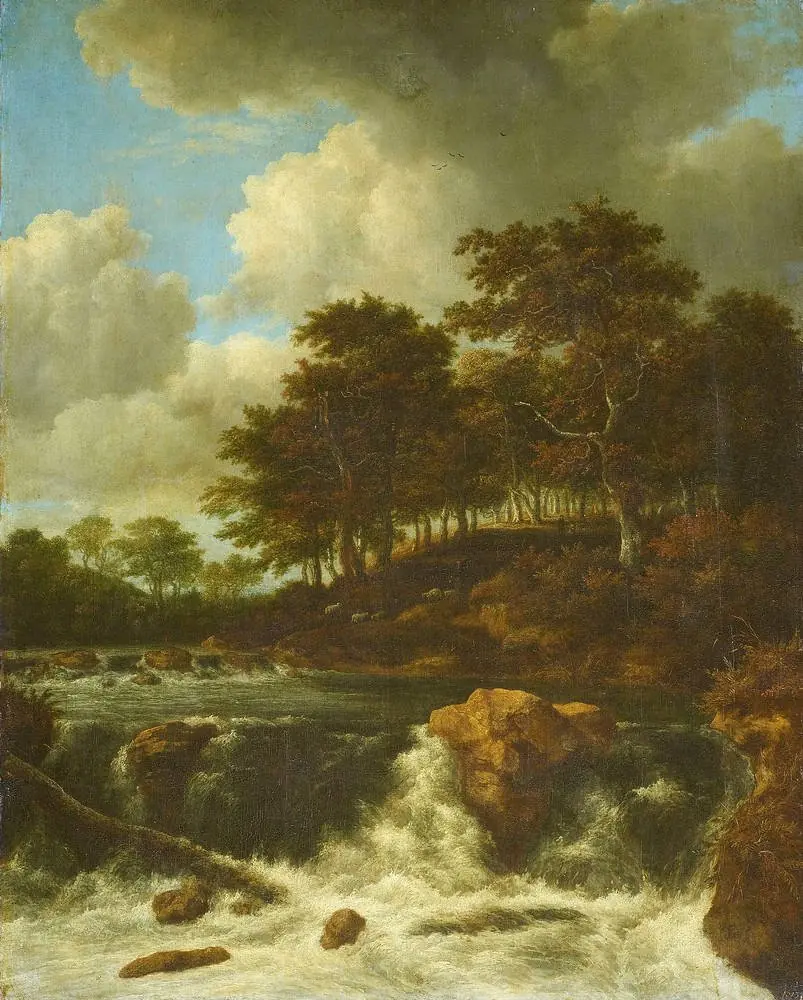 The Waterfall in front of the Wooded Slope
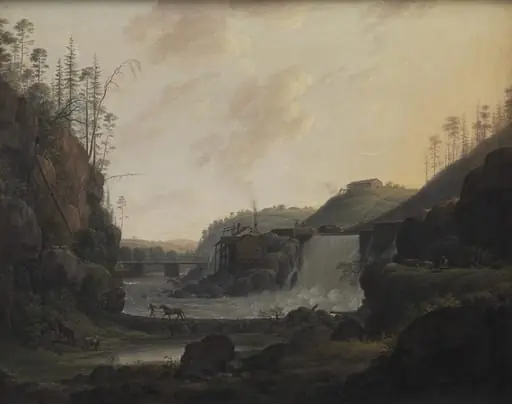 River Landscape with a Waterfall near Bogstad in Norway
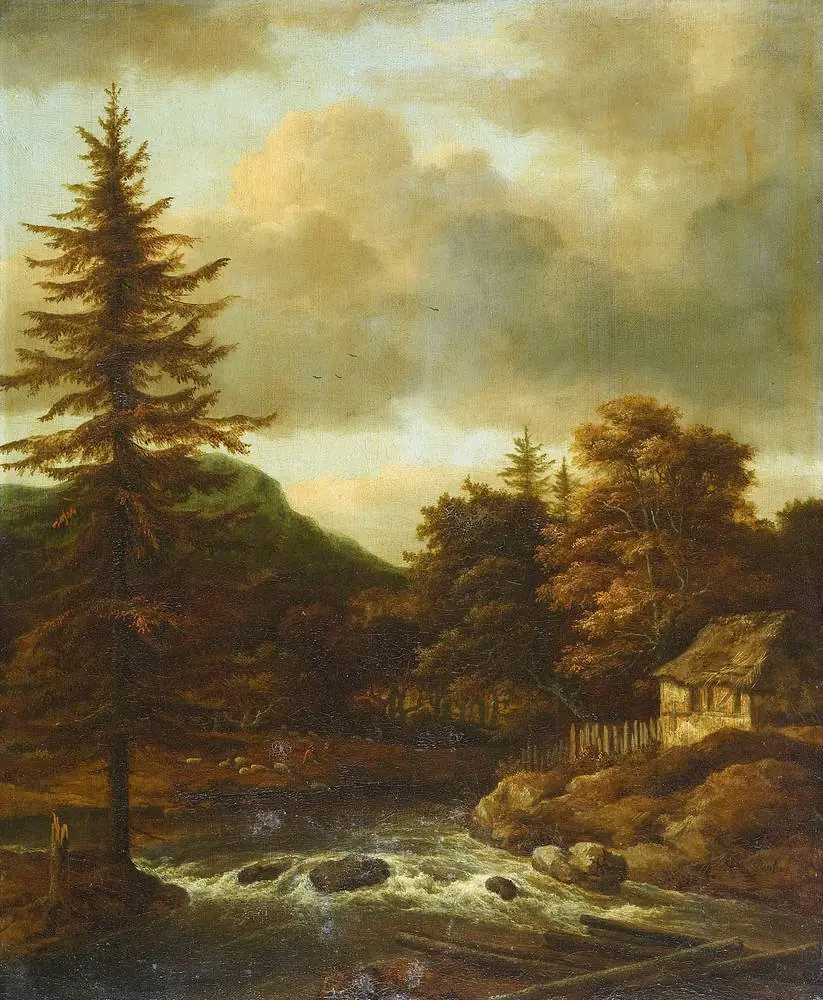 Waterfall with Pine tree
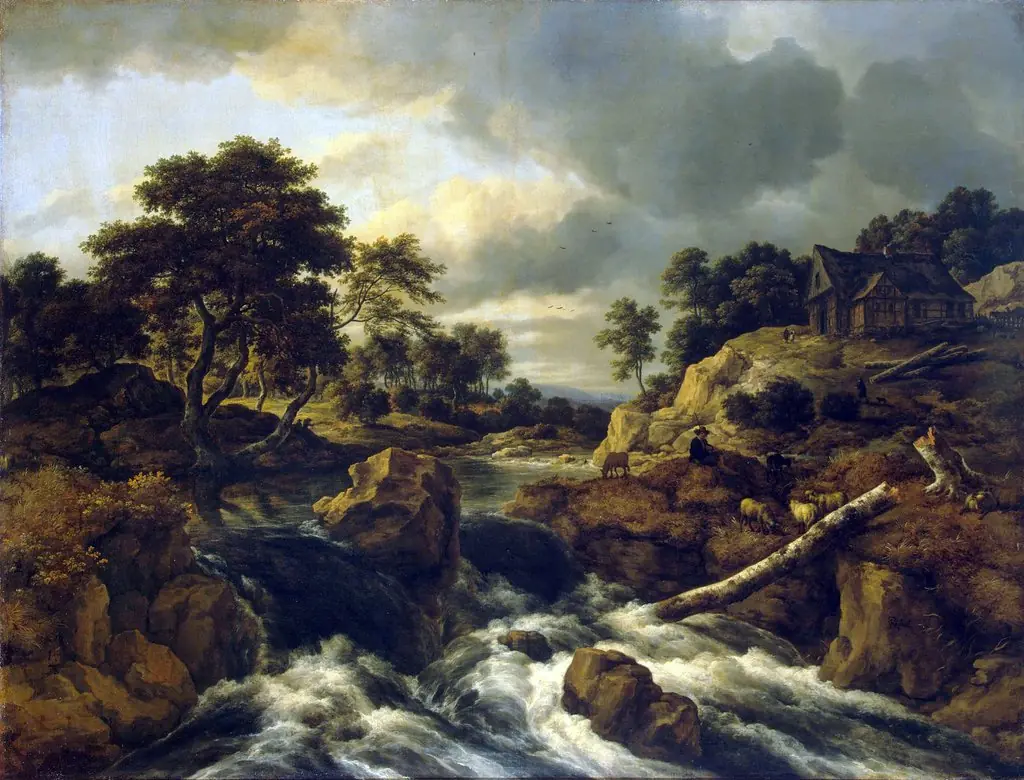 Waterfall in a hilly landscape
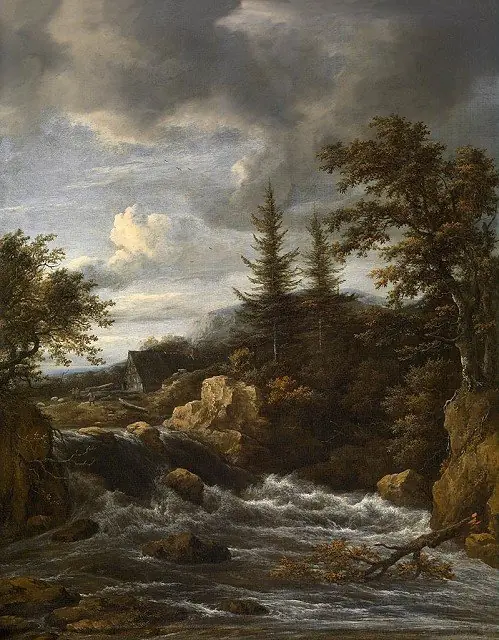 Waterfall in Norway
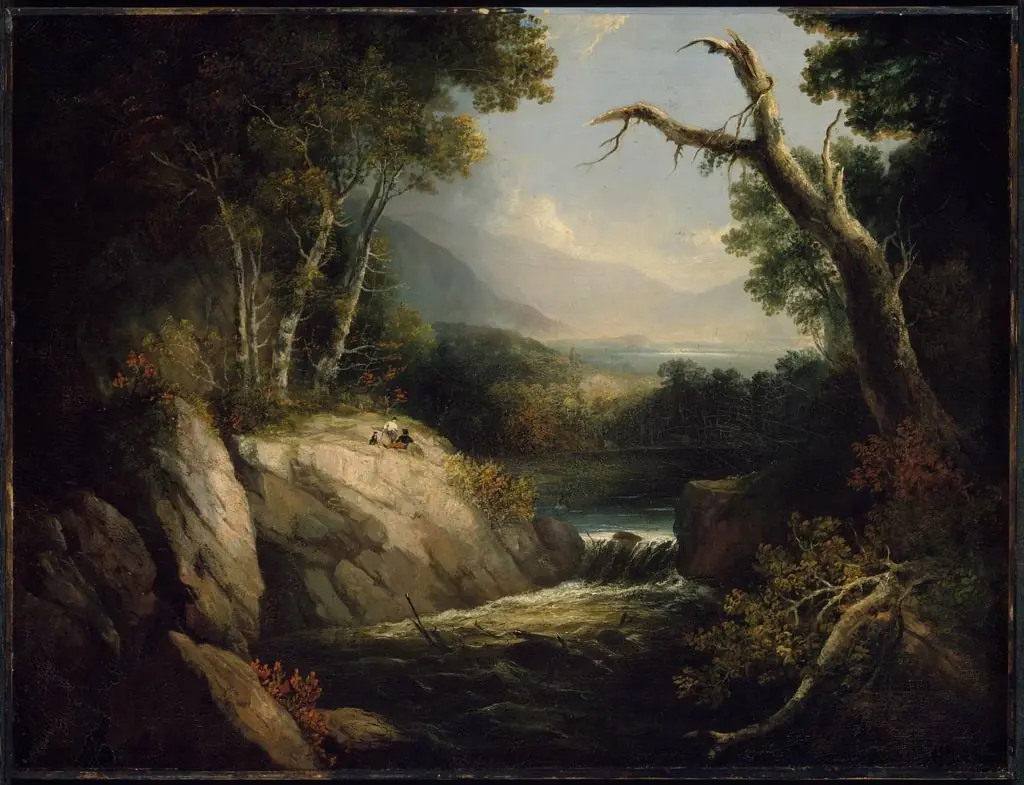 Lakes and Mountains
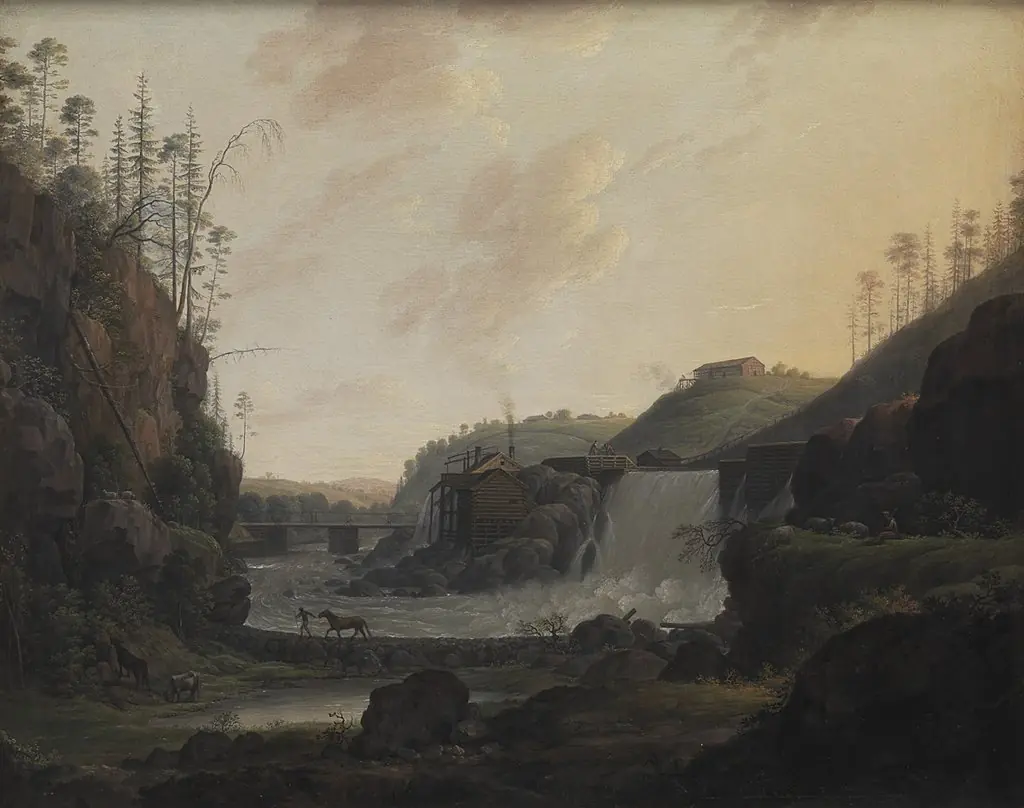 River Landscape with a Waterfall near Bogstad in Norway
 Norwegian Scenery