Artwork
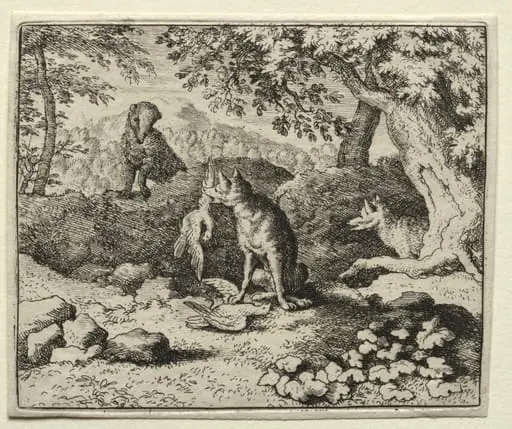
Reynard the Fox: A New Accusation by the Wolf
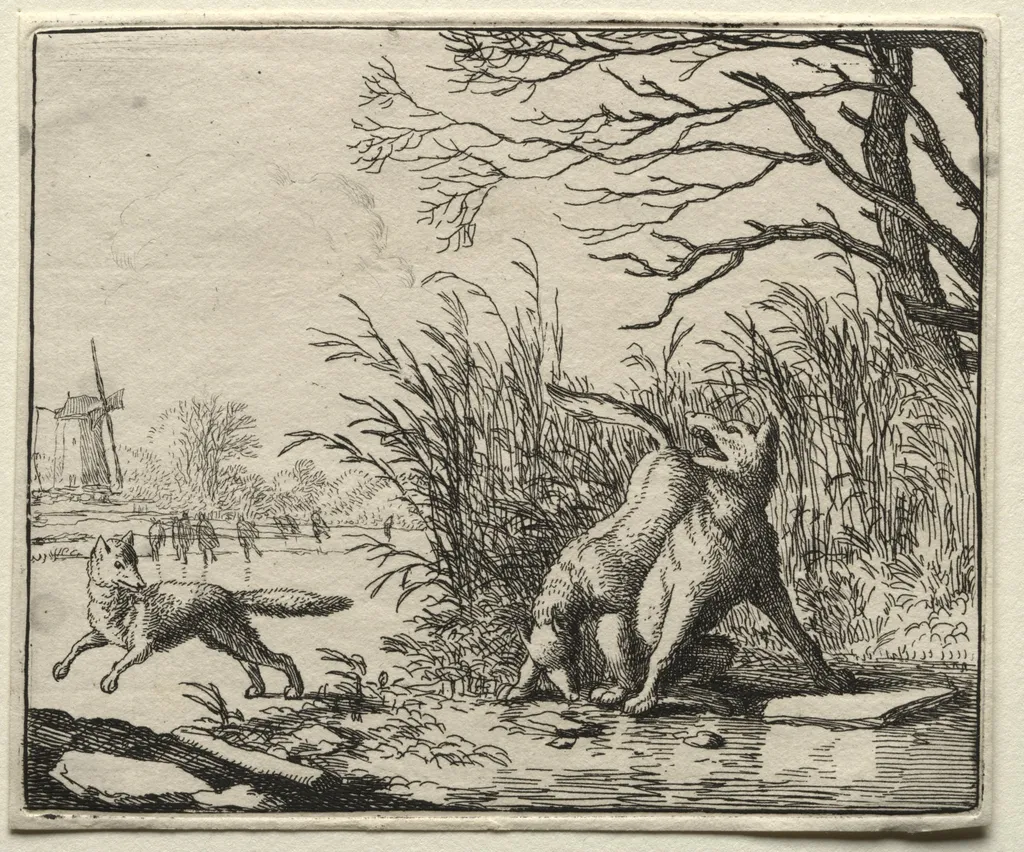
Reynard the Fox: A New Accusation by the Wolf is a print by the Baroque artist Allart van Everdingen. It dates from 1662 and is held in the collection of the Cleveland Museum of Art.
About this work
Overview
Created in 1662 by Dutch artist Allart van Everdingen, this etching illustrates a moment from the medieval Reynard the Fox cycle.
Created in 1662 by Dutch artist Allart van Everdingen, this etching illustrates a moment from the medieval Reynard the Fox cycle. The work captures a tense courtroom-like gathering of animals, with the wolf presenting a fresh charge against the fox. Van Everdingen, known for his landscape prints, applied his skill in line and tone to this narrative scene, translating oral folklore into a quiet, composed visual drama.
Subject & Meaning
The scene draws from a long-standing European beast fable tradition in which animals personify human social roles. Here, the wolf’s accusation reflects themes of justice, deception, and power dynamics. The fox, often portrayed as cunning, stands accused before a jury of other animals, whose postures suggest skepticism or indifference. The narrative hinges on moral ambiguity, common in medieval tales that critique authority and social hypocrisy.
Technique & Style
Van Everdingen employed fine-line etching to render texture and expression with precision. The animals’ postures and facial details are rendered through subtle gradations of ink, avoiding overt caricature. While not using chiaroscuro in the dramatic Baroque sense, he modulated tone to suggest depth and emotional weight, grounding the fantastical subject in a believable, intimate space.
History & Provenance
The print entered the Cleveland Museum of Art’s collection as part of its broader holdings in Northern European prints. Its creation in 1662 places it within a period when Dutch artists frequently revisited folk narratives as subjects for printmaking. Though not widely reproduced in its time, it reflects a niche interest in allegorical animal tales among educated collectors.
Context
In 17th-century Holland, interest in medieval fables persisted as both entertainment and moral commentary. Van Everdingen’s etching aligns with a broader trend of illustrating literary and folk sources in print form, accessible to a growing middle-class audience. The Reynard cycle, popular across Europe, offered a safe vehicle for social critique under the guise of animal stories.
Legacy
This print remains a quiet example of how Dutch Golden Age artists adapted older narratives into visual art. While not as celebrated as van Everdingen’s landscapes, it contributes to understanding the range of his subject matter and the endurance of medieval allegory in early modern visual culture. It continues to be studied for its nuanced depiction of social tension through non-human figures.
Own this work as a print
Artist & collection
Artist
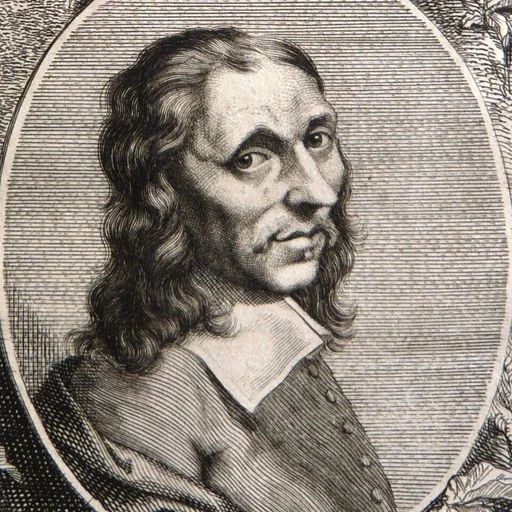
Allaert van Everdingen (Dutch pronunciation: ; bapt. 18 June 1621 – 8 November 1675 (buried)), was a Dutch Golden Age painter and printmaker in etching and mezzotint.


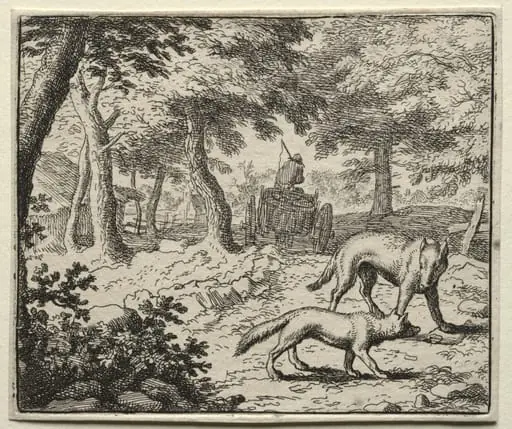 Reynard the Fox: The Badger's Defense of Reynard
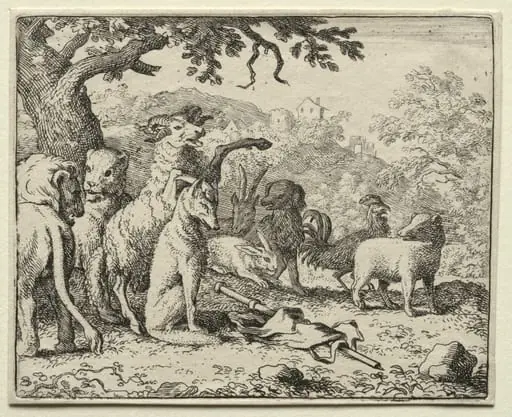 Reynard the Fox: The Benediction Given to Reynard
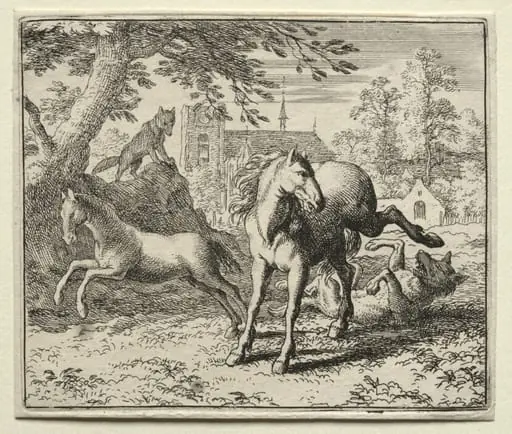 Reynard the Fox: Reynard Tricks the Wolf
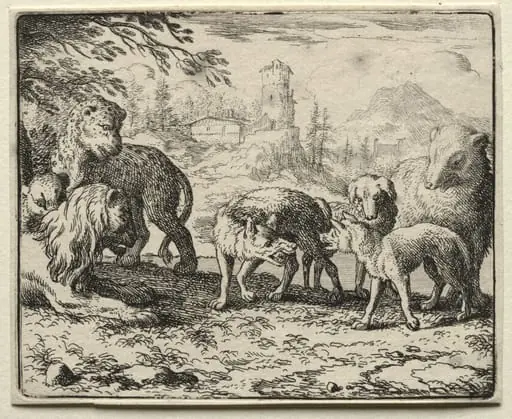 Reynard the Fox: The Condemnation of Reynard
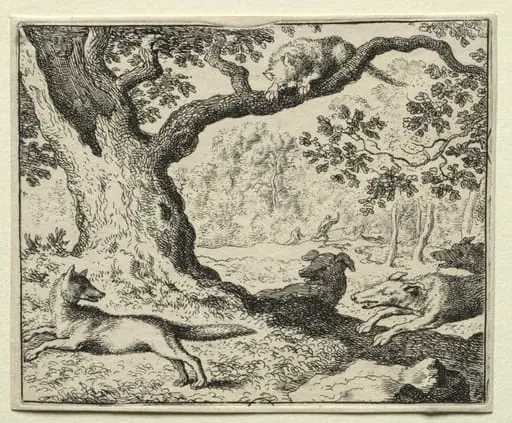 Reynard the Fox: The Disloyal Cat
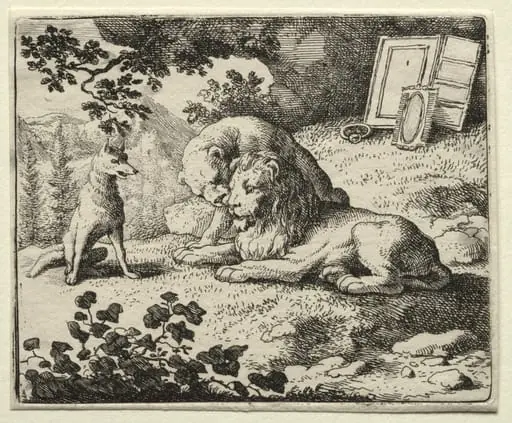 Reynard the Fox: Reynard Promises Gifts to the Lion
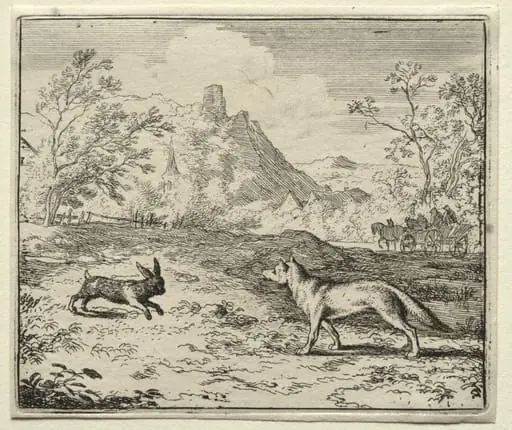 Reynard the Fox: Reynard and the Rabbit
 Reynard the Fox: Badger Comes to Warn Reynard