Artwork
Reynard the Fox: The Complaint of the Cock
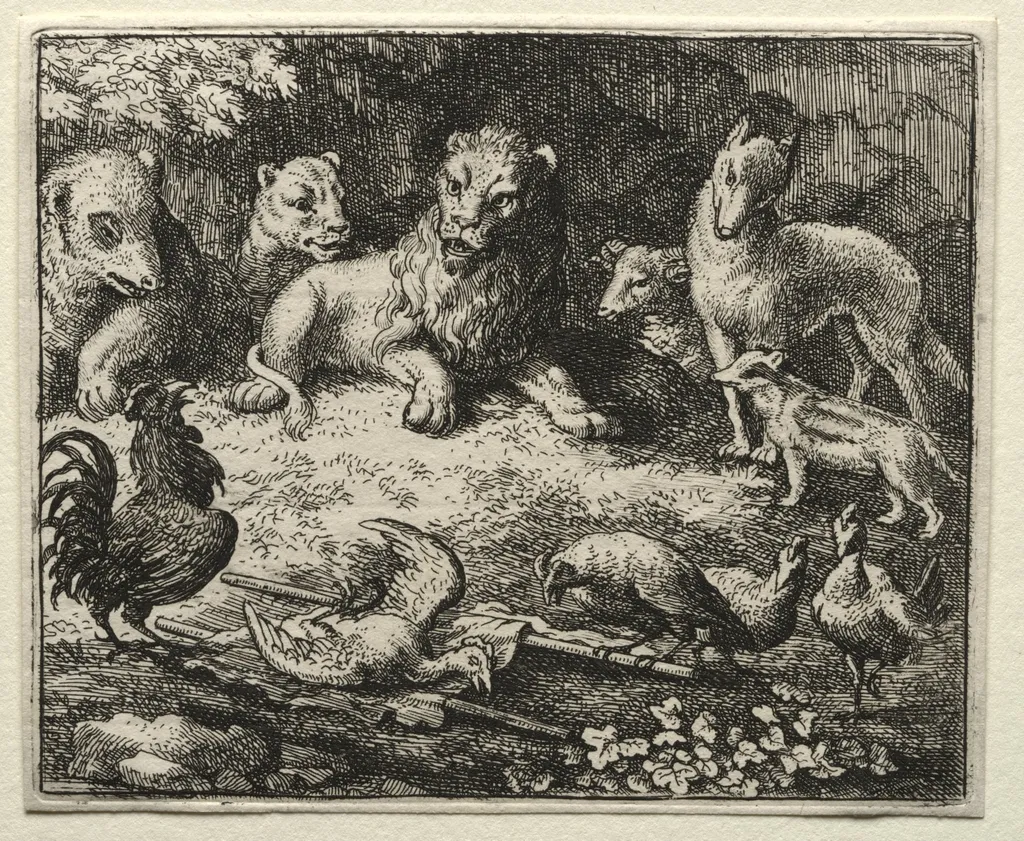
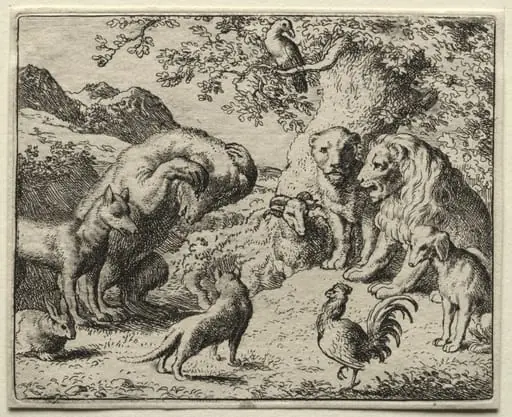
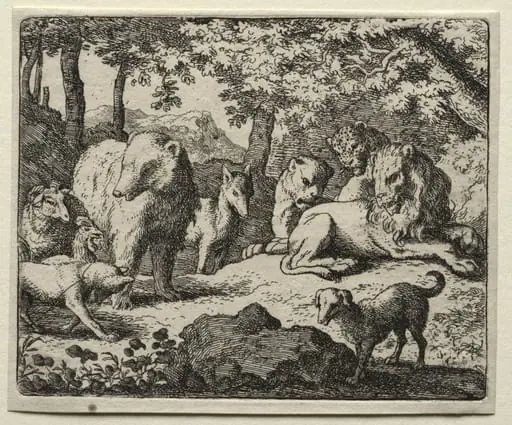
Reynard the Fox: The Complaint of the Cock is a print by the Baroque artist Allart van Everdingen. It dates from 1662 and is held in the collection of the Cleveland Museum of Art.
About this work
Overview
Created in 1662 by Dutch artist Allart van Everdingen, this etching illustrates a scene from the medieval Reynard the Fox fable cycle.
Created in 1662 by Dutch artist Allart van Everdingen, this etching illustrates a scene from the medieval Reynard the Fox fable cycle. Van Everdingen, known for his graphic work, translated literary and folk narratives into intimate black-and-white prints. The piece belongs to a broader Dutch tradition of moralizing animal tales, rendered with precision and atmospheric depth. It is held in the collection of the Cleveland Museum of Art.
Subject & Meaning
The print captures the moment when Reynard, the cunning fox, holds a rooster captive, its body tense and eyes wide. A sheep and lamb observe passively, while a dog lies motionless nearby, suggesting helplessness or complicity. The scene reflects the fable’s theme of deception and vulnerability, where the weak fall prey to clever predators. No overt moral is stated, but the tension implies consequences of naivety and silence.
Technique & Style
Van Everdingen employed etching with strong, incised lines and controlled chiaroscuro to shape form and mood. Deep shadows define the fox’s fur and the rocky terrain, while delicate hatching renders grass and foliage. The small scale heightens the intimacy of the scene, drawing attention to facial expressions and posture. The contrast between the fox’s alert stance and the dog’s stillness adds psychological weight to the narrative.
History & Provenance
The print was made during the height of Dutch printmaking, when illustrated fables were widely circulated among literate urban audiences. Van Everdingen’s reputation as a graphic artist grew through such works, which were often collected as standalone images. This impression entered the Cleveland Museum of Art’s collection through documented acquisitions, preserving its place in the history of Northern European print culture.
Context
Reynard stories, originating in medieval Europe, remained popular in the Netherlands as allegories of social behavior. Van Everdingen’s version aligns with a trend among Dutch artists to adapt folklore into visual form, blending realism with symbolic narrative. The print reflects a cultural moment when moral lessons were conveyed through accessible, secular imagery rather than religious iconography.
Legacy
Van Everdingen’s etching contributes to the enduring visual language of animal fables in Northern art. While less known than his landscapes, this work exemplifies his skill in translating literary tension into graphic form. It remains a reference point for scholars studying the intersection of print, folklore, and moral storytelling in the Dutch Golden Age.
Artist & collection
Artist
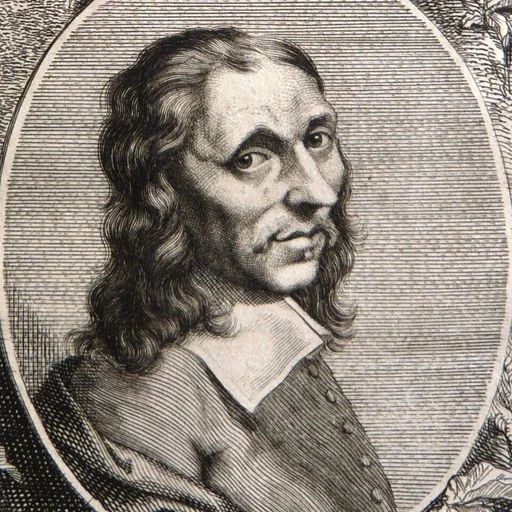
Allaert van Everdingen (Dutch pronunciation: ; bapt. 18 June 1621 – 8 November 1675 (buried)), was a Dutch Golden Age painter and printmaker in etching and mezzotint.

 Reynard the Fox: The Complaint of the Bear
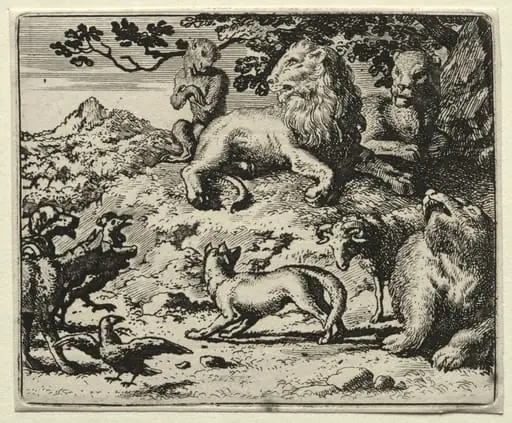 Reynard the Fox: The Animals Complain of Reynard's Pardon
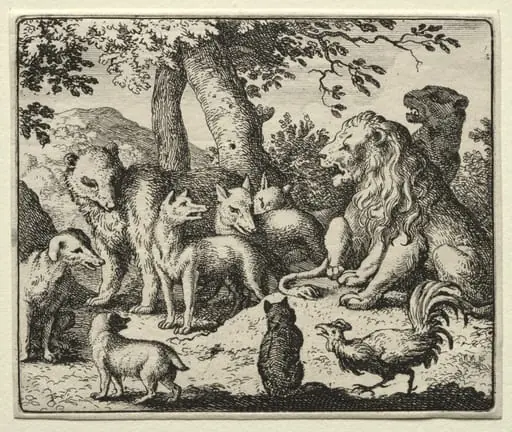 Reynard the Fox: Reynard Exonerates Himself
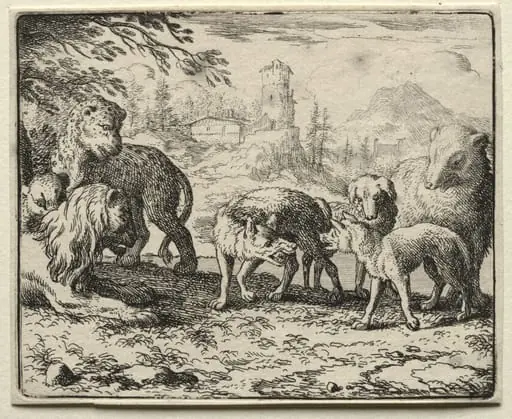 Reynard the Fox: The Condemnation of Reynard
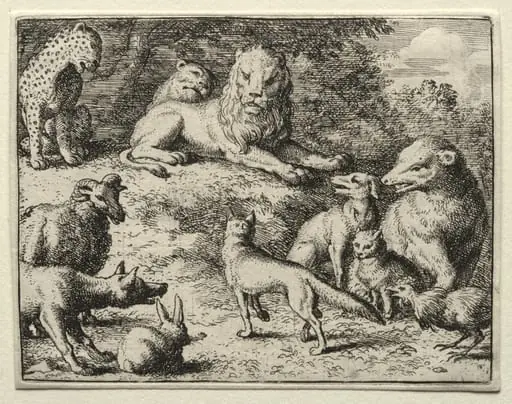 Reynard the Fox: Reynard Appears at Court
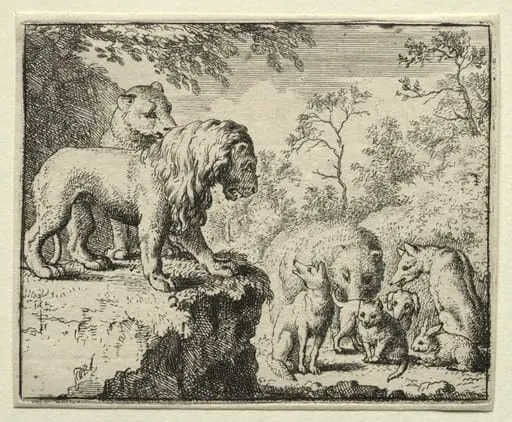 Reynard the Fox: The Pardon of Reynard
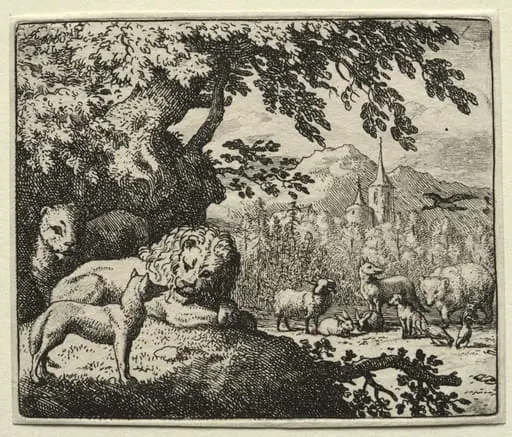 Reynard the Fox: Reynard Continues His Story
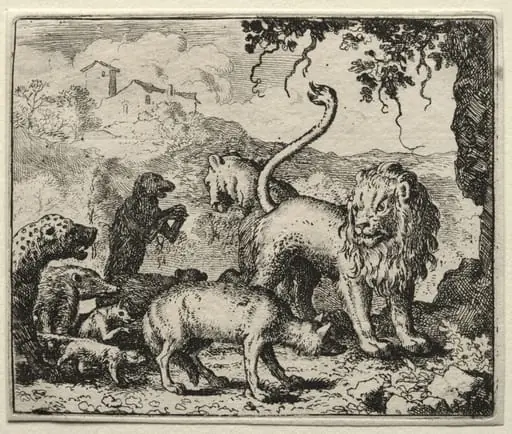 Reynard the Fox: First Complaint of the Wolf
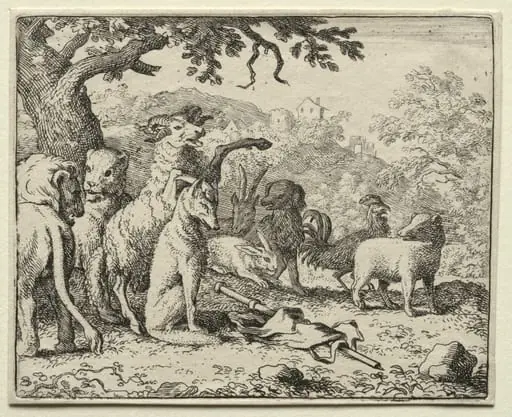 Reynard the Fox: The Benediction Given to Reynard
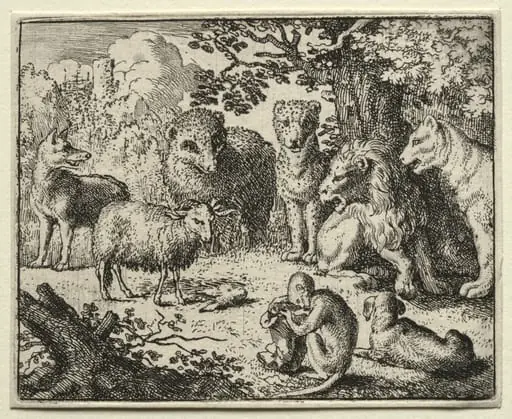 Reynard the Fox: The Arrival of the Packet
 Reynard the Fox: The Suspension of the Sentence