Artwork
Reynard the Fox: The Wolf in the Monkey's Den
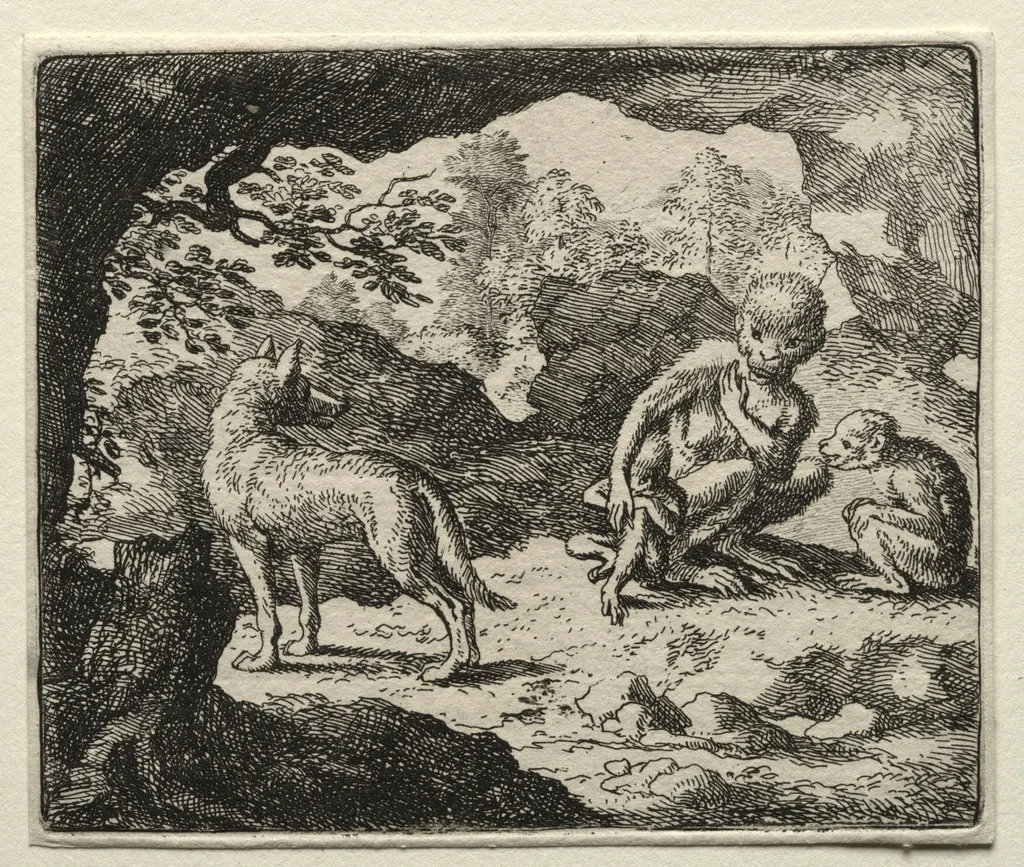
Reynard the Fox: The Wolf in the Monkey's Den is a print by the Baroque artist Allart van Everdingen. It dates from 1662 and is held in the collection of the Cleveland Museum of Art.
About this work
Overview
Created in 1662 by Dutch artist Allart van Everdingen, this etching illustrates a scene from the medieval Reynard the Fox tales.
Created in 1662 by Dutch artist Allart van Everdingen, this etching illustrates a scene from the medieval Reynard the Fox tales. Rendered in black and white with fine, incised lines, the print captures a moment of tension between three animals. Van Everdingen, known for his landscape and narrative prints, used the medium of etching to convey both movement and psychological stillness within a naturalistic setting.
Subject & Meaning
The scene draws from a folkloric episode in which Reynard, the cunning fox, observes a conflict between a wolf and a monkey. Rather than intervening, the fox stands apart, poised to exploit the outcome. The fox’s calm posture contrasts with the wolf’s aggression and the monkey’s desperate grip, suggesting a narrative of opportunism. The image reflects the trickster’s role as a passive beneficiary of chaos, a common theme in European moral tales.
Technique & Style
Van Everdingen employed etching to achieve sharp contrasts and intricate textures. The dark, dense lines of the forest backdrop frame the figures, while the animals are rendered with finer, more deliberate strokes. Chiaroscuro is used not for theatrical effect but to define form and spatial depth, enhancing the sense of a quiet, watchful moment. The rough, uneven lines in the foliage suggest an untamed natural world, reinforcing the tale’s rustic setting.
History & Provenance
The print entered the Cleveland Museum of Art’s collection as part of its broader holdings in Dutch Golden Age prints. Though the specific provenance prior to the 20th century is not fully documented, the work aligns with van Everdingen’s known output from the 1660s, a period when he produced numerous illustrations of folk narratives. Its survival in good condition reflects its continued interest among collectors of Northern European graphic art.
Context
During the 17th century, Reynard stories remained popular across Northern Europe, often adapted into prints and broadsheets for public consumption. Van Everdingen’s version reflects a shift from purely didactic medieval versions to more nuanced, visually driven interpretations. His landscape sensibility, honed through travels to Scandinavia, informs the atmospheric depth of the scene, blending folklore with a distinctly Dutch naturalism.
Legacy
This print contributes to the broader tradition of animal fables in Northern European art, where moral ambiguity is conveyed through subtle gesture and composition. Van Everdingen’s approach influenced later illustrators of folk tales, particularly in the use of etching to capture narrative tension without overt symbolism. The work remains a quiet example of how printmaking could elevate oral tradition into refined visual storytelling.
Artist & collection
Artist
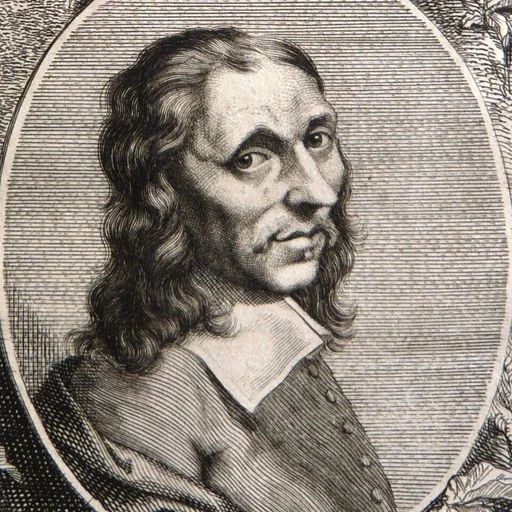
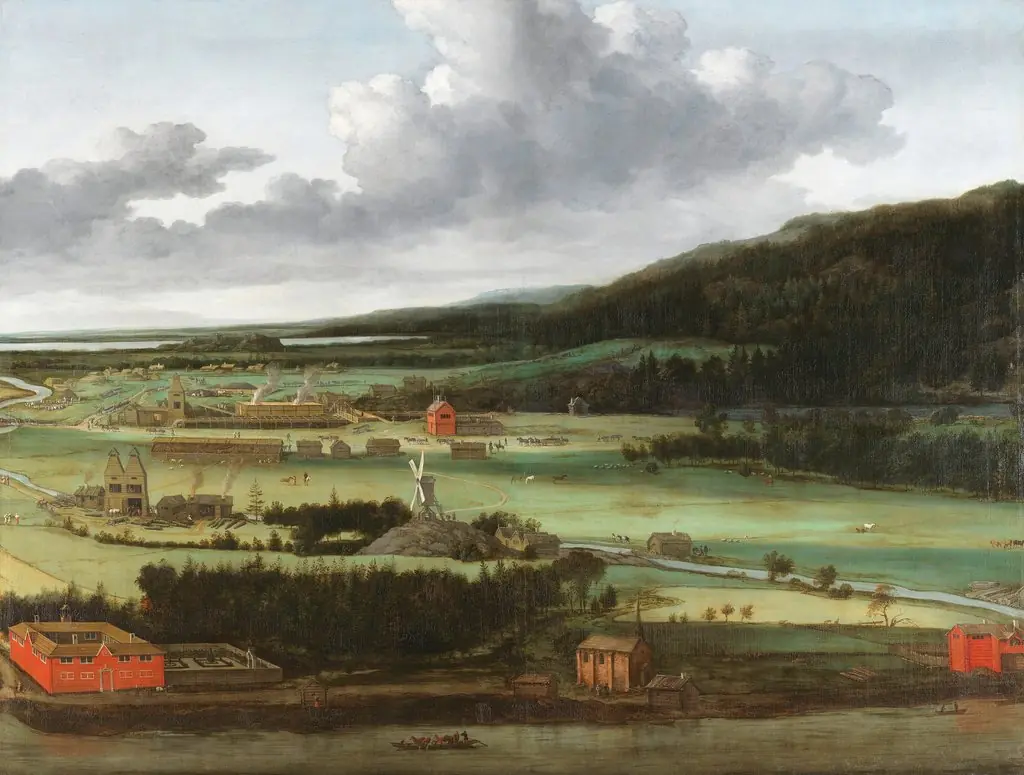
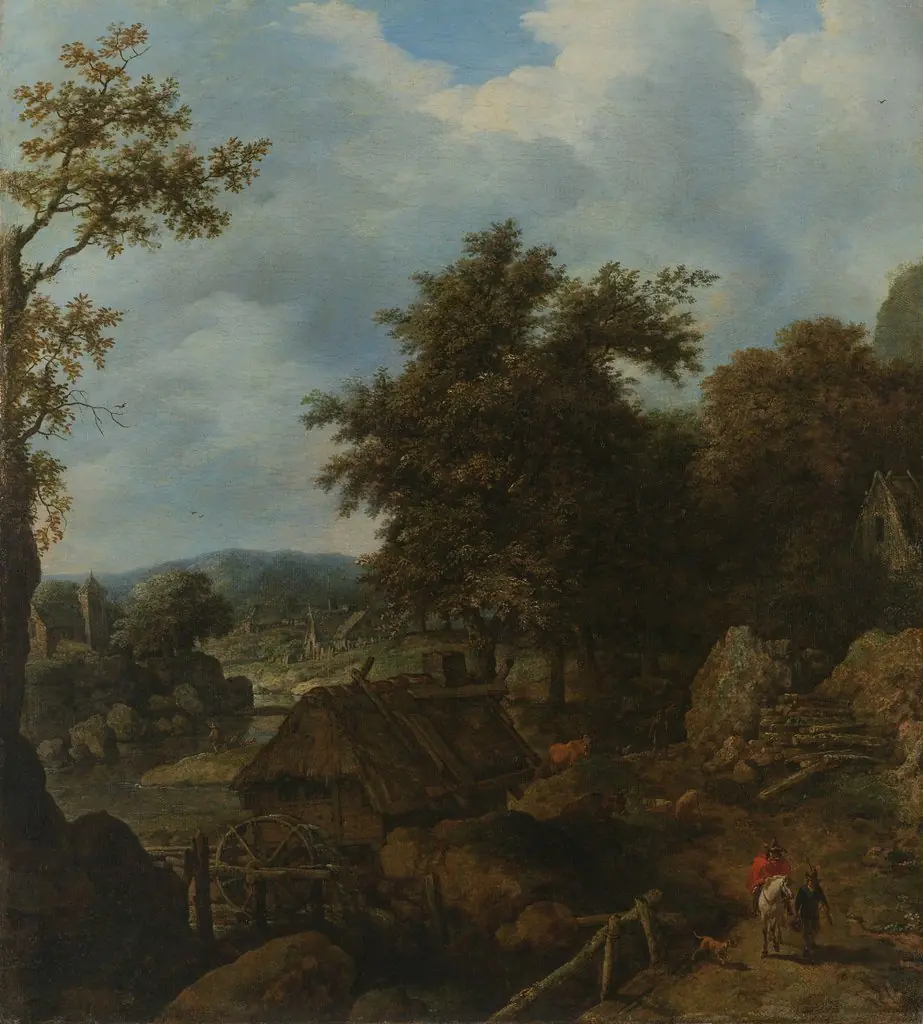
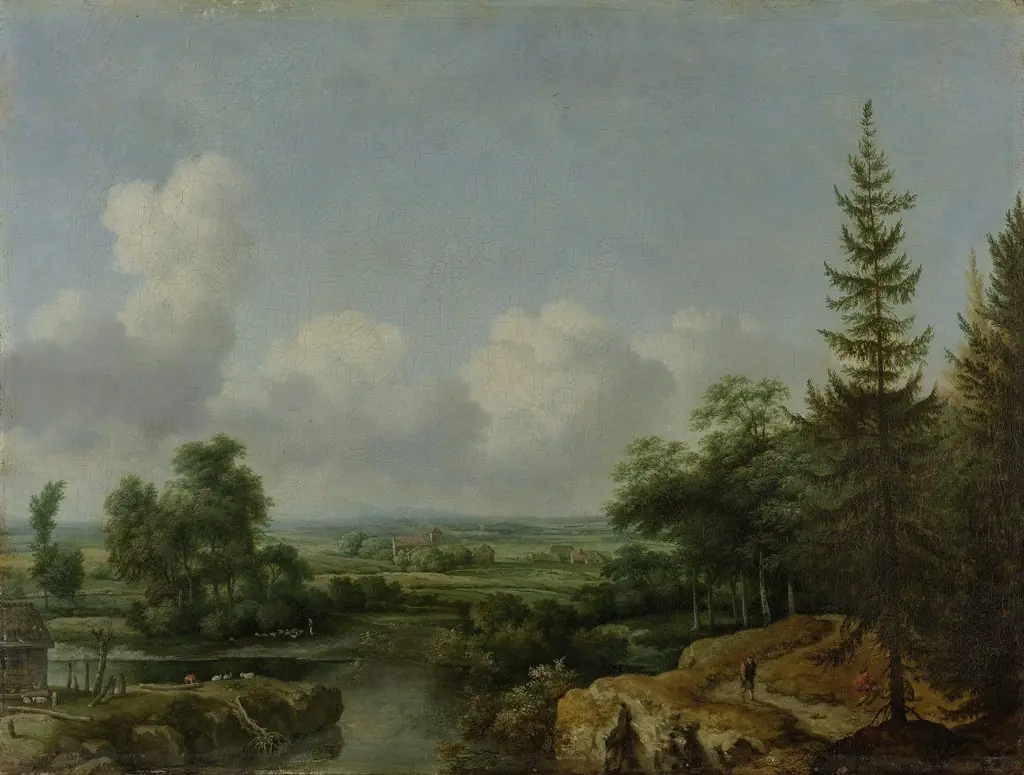
Allaert van Everdingen (Dutch pronunciation: ; bapt. 18 June 1621 – 8 November 1675 (buried)), was a Dutch Golden Age painter and printmaker in etching and mezzotint.

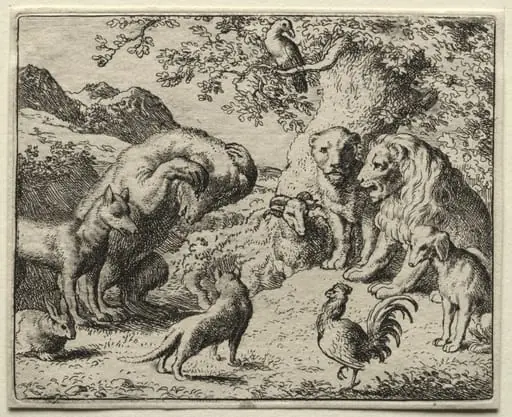 Reynard the Fox: The Complaint of the Bear
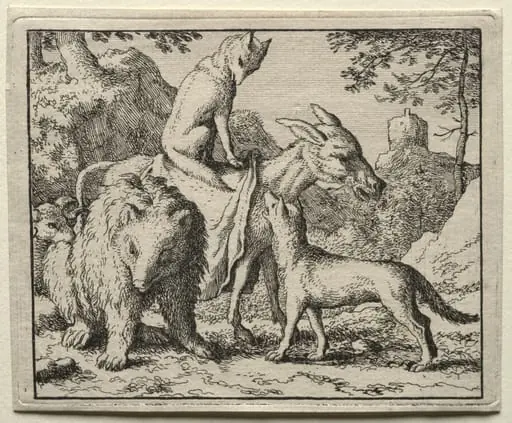 Reynard the Fox: Reynard and his Companions
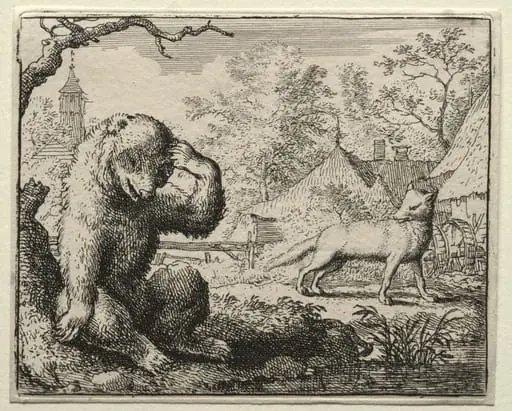 Reynard the Fox: Reynard Chides the Injured Bear
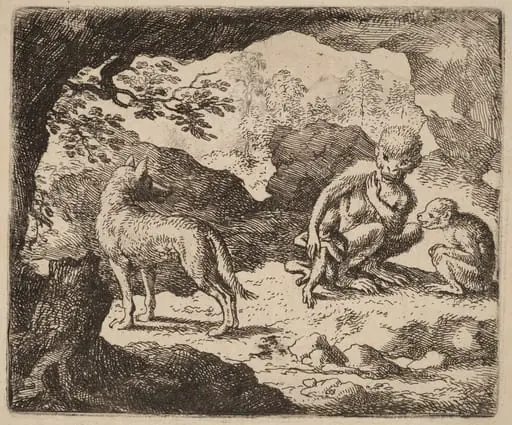 The Wolf and the Monkeys
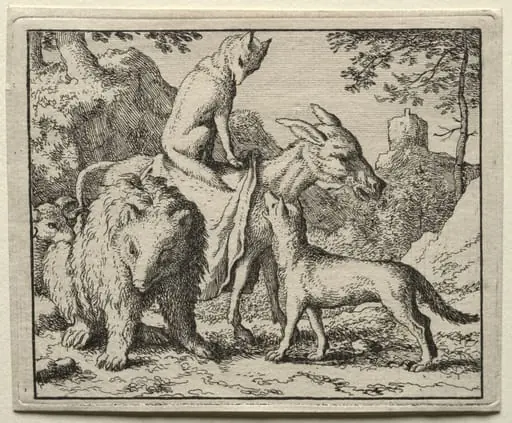 Reynard the Fox
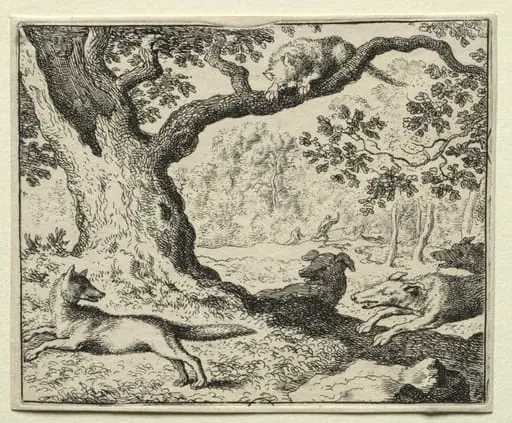 Reynard the Fox: The Disloyal Cat
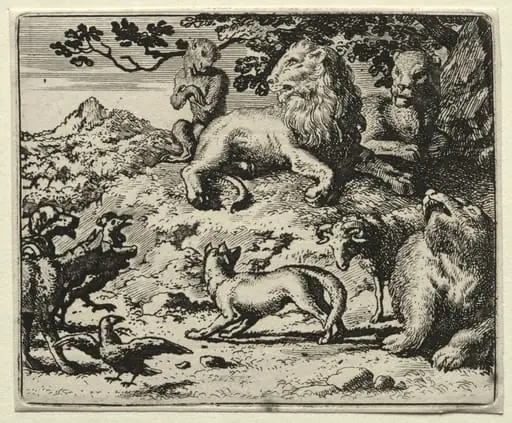 Reynard the Fox: The Animals Complain of Reynard's Pardon
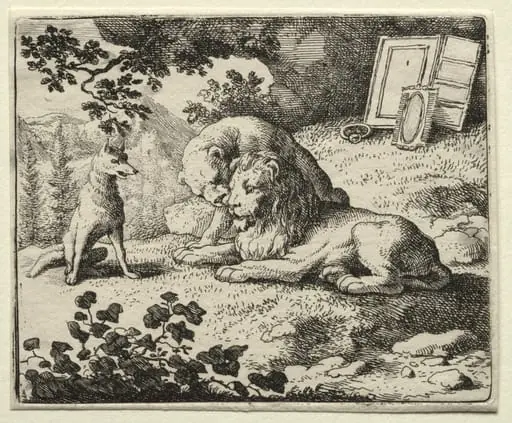 Reynard the Fox: Reynard Promises Gifts to the Lion
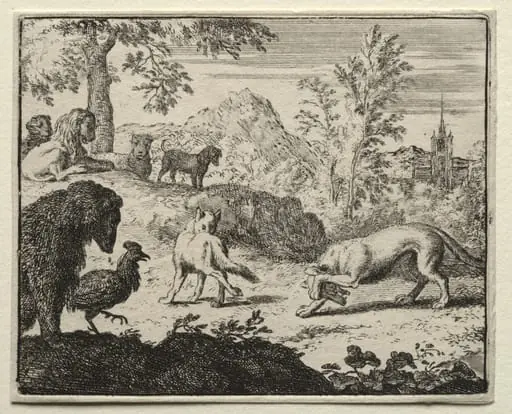 Reynard the Fox: The Combat Between Reynard and the Wolf
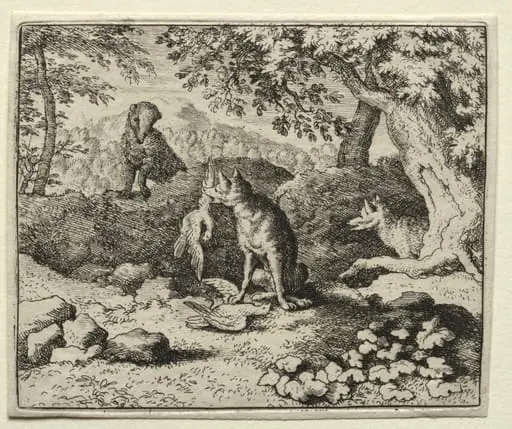 Reynard the Fox: Badger Comes to Warn Reynard