Artwork
The Abbey Farm
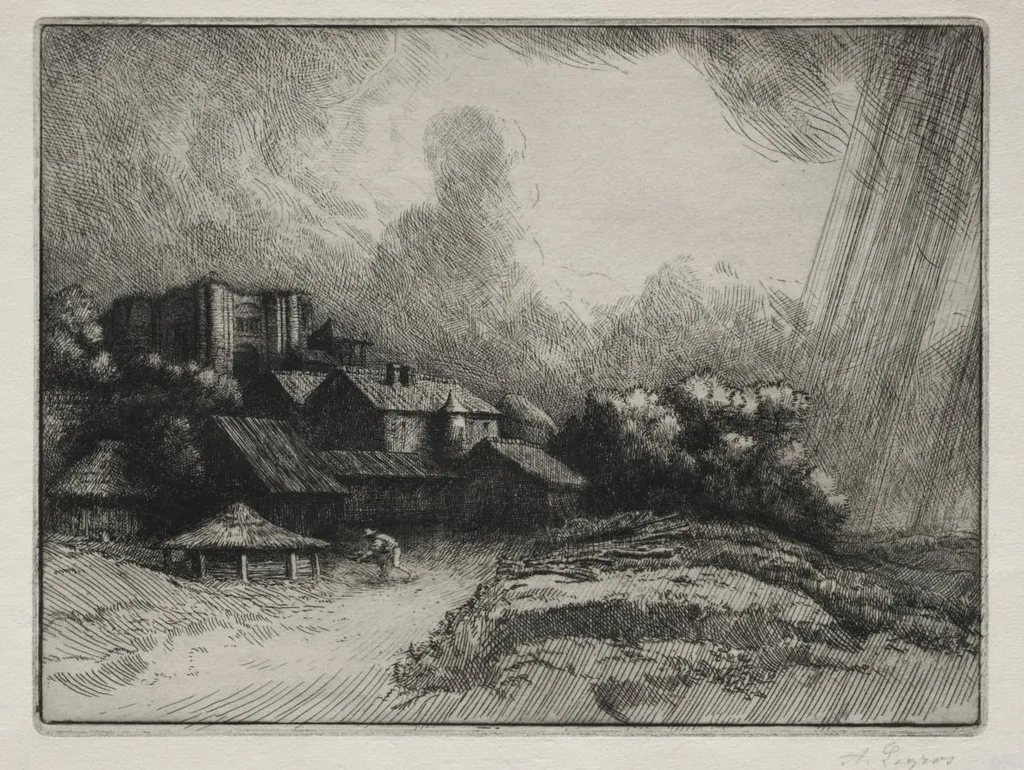
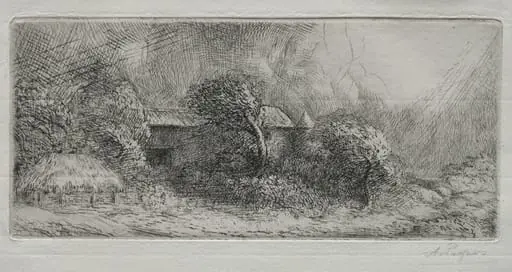
The Abbey Farm is a print by the Impressionist artist Alphonse Legros. It dates from 1884 and is held in the collection of the Cleveland Museum of Art.
About this work
Overview
The work exemplifies Legros’s interest in the quiet rhythms of rural life and his mastery of printmaking techniques that emphasize mood over precision.
Created in 1884 by Alphonse Legros, The Abbey Farm is a drypoint print depicting a rural English landscape. It resides in the collection of The Cleveland Museum of Art. The composition captures a moment of quiet solitude amid natural elements, rendered with minimal detail and a focus on atmospheric tone. The work exemplifies Legros’s interest in the quiet rhythms of rural life and his mastery of printmaking techniques that emphasize mood over precision.
Subject & Meaning
The scene portrays a solitary figure near a modest thatched structure, possibly engaged in daily labor such as tending livestock or gathering tools. The surrounding landscape—rolling hills, scattered trees, and open fields—suggests an unidealized, working countryside. The looming storm and sudden flash of lightning introduce tension, implying nature’s indifference to human activity. The image avoids narrative drama, instead conveying the quiet persistence of rural existence.
Technique & Style
Legros employed drypoint, a printmaking method that produces rich, velvety lines by scratching directly into a metal plate. His brushwork is swift and suggestive, using loose, expressive strokes to define forms rather than delineate them. Shadows dominate the composition, with light emerging only in the brief flash of lightning. This restrained approach prioritizes emotional resonance over detail, aligning with the aesthetic of late 19th-century tonal printmaking.
History & Provenance
The print was made in 1884 during Legros’s time in England, where he taught at Slade School of Fine Art. It entered the Cleveland Museum of Art’s collection in the 20th century, likely through a donation or acquisition focused on European graphic arts. Its preservation reflects the museum’s interest in works that bridge French and British artistic traditions of the period, particularly those rooted in realism and printmaking.
Context
Legros worked within the Realist movement, which sought to depict ordinary life without romanticization. The Abbey Farm reflects this ethos, avoiding grandeur in favor of humble, unembellished scenes. Contemporary artists across Europe were turning to printmaking as a medium for personal expression, often using it to explore light, weather, and labor. Legros’s work aligns with this trend, emphasizing atmosphere and quiet observation over spectacle.
Legacy
The Abbey Farm stands as an example of how printmaking could convey emotional depth with minimal means. Legros’s influence extended through his teaching, shaping a generation of British artists who valued tonal subtlety and direct observation. While not widely reproduced, the print remains a quiet testament to the dignity of rural labor and the expressive potential of ink on paper in the late 19th century.
Artist & collection

Artist
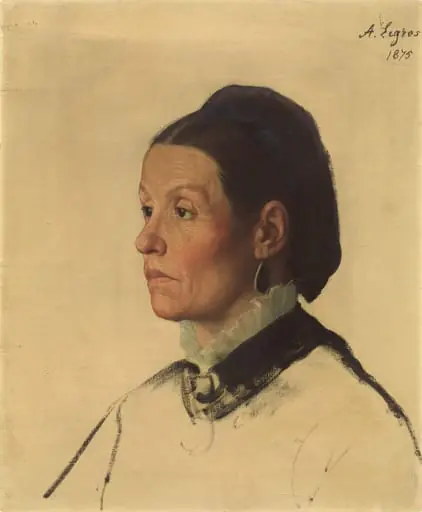
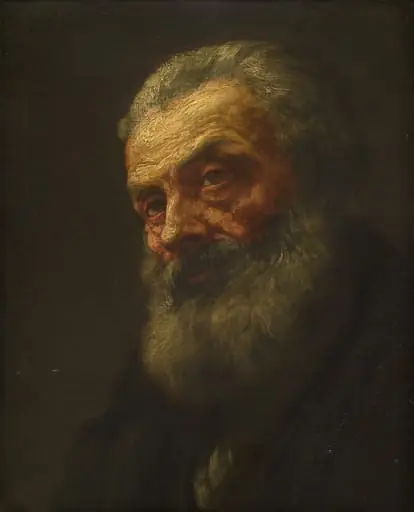
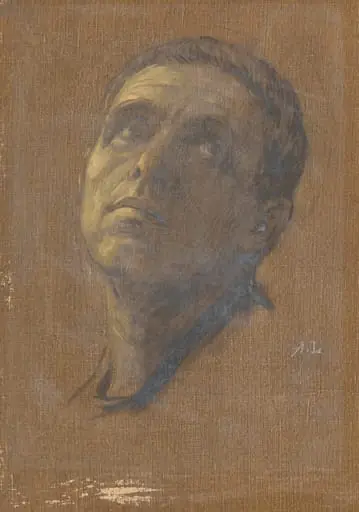
Alphonse Legros (French pronunciation: ; 8 May 1837 – 8 December 1911) was a French, later British, painter, etcher, sculptor, and medallist.

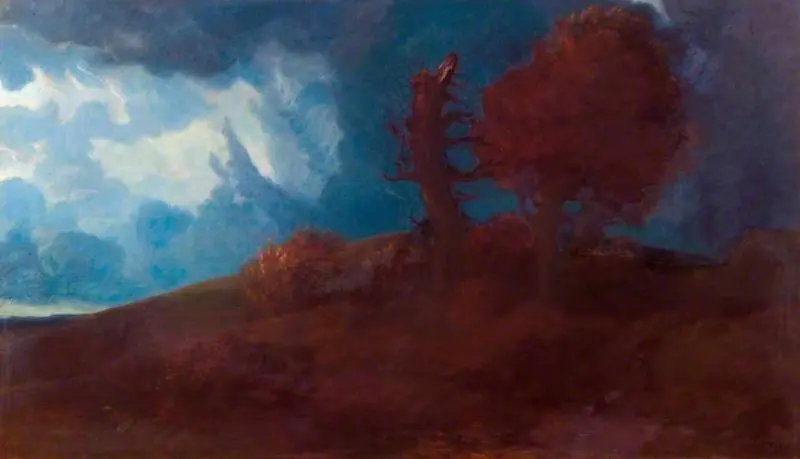
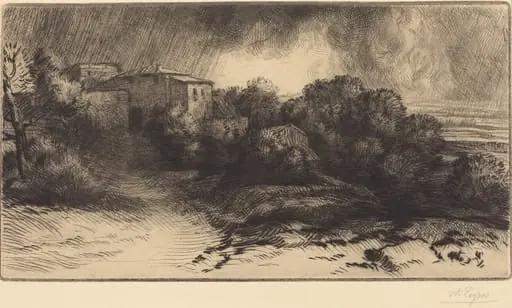 View of a Farm Seen in a Storm (La ferme de Brieux (Effet d'orage))
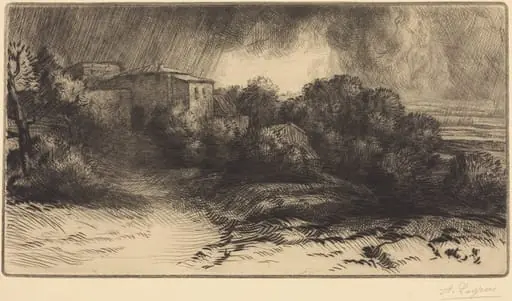 View of a Farm Seen in a Storm (La ferme de Brieux (Effet d'orage))
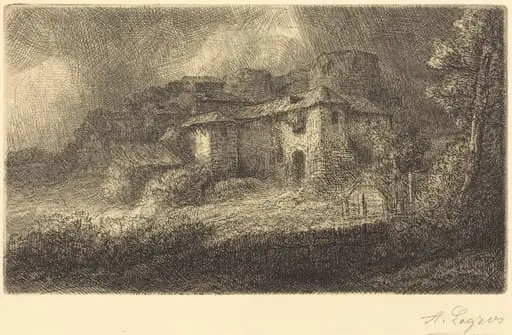 Ruins of a Chateau (Les ruines du chateau)
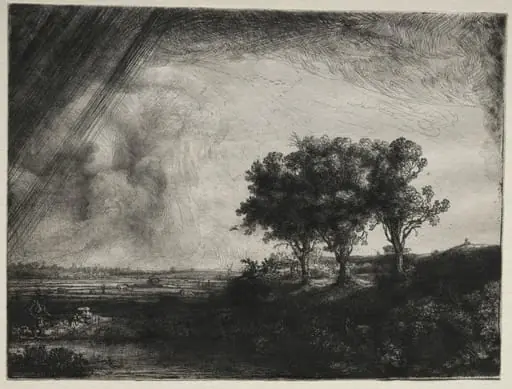 The Three Trees
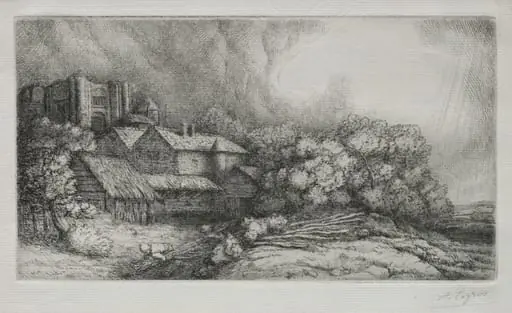 The Abbey Farm (La Ferme de l'abbaye)
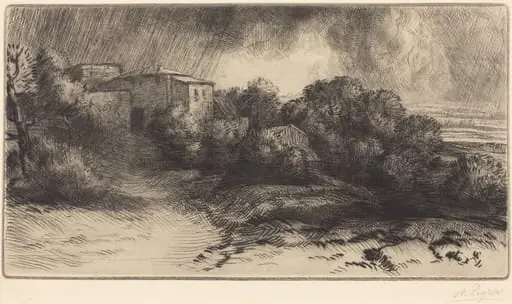 La Ferme de Brieux (Effect d'orage) (Farm at Brieux in a Storm)
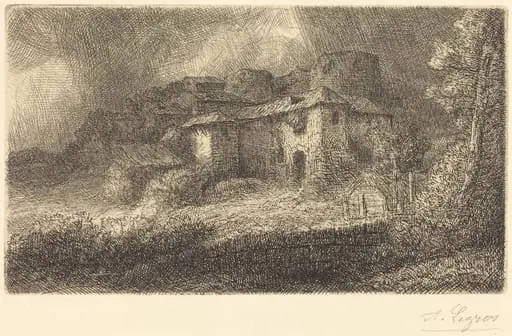 Ruins of a Chateau (Les ruins du chateau)
 Chailli: effet d'orage
 A Storm