Artwork
The Entry into Jerusalem
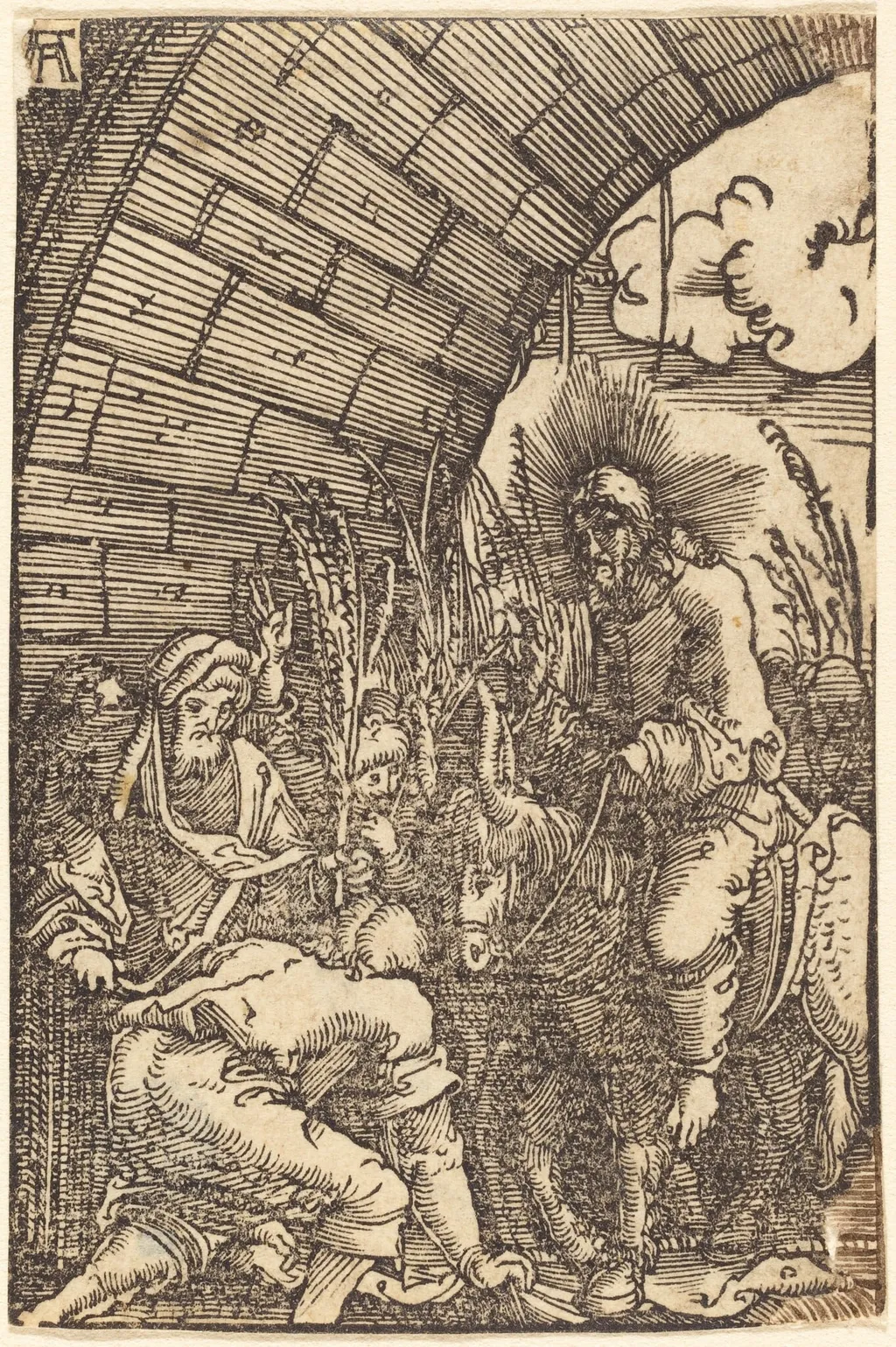
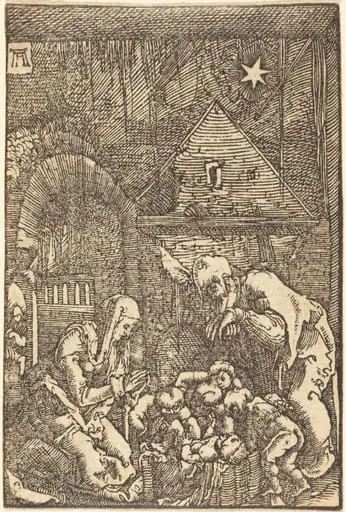
The Entry into Jerusalem is an ink print by the Renaissance artist Albrecht Altdorfer. It dates from 1513 and is held in the collection of the National Gallery of Art.
About this work
Overview
The Entry into Jerusalem is a woodcut on laid paper created by Albrecht Altdorfer around 1513. As a prominent figure of the Danube School and member of the Nuremberg Little Masters, Altdorfer showcases his technical skill in this print.
Subject & Meaning
The work depicts the biblical scene of Christ's arrival in Jerusalem. Central to the composition is Christ on a donkey, surrounded by welcoming figures holding branches, likely symbolizing celebration or peace, set before an arched gateway.
Technique & Style
Characterized by expressive, colorful landscapes, the woodcut reflects Altdorfer's emphasis on natural settings for biblical narratives, a hallmark of the Danube School. The detailed engraving aligns with the meticulous standards of the Nuremberg Little Masters.
History & Provenance
Created circa 1513 in Regensburg, the piece exemplifies Altdorfer's contribution to the German Renaissance as a painter, engraver, and architect. Specific provenance details are not provided.
Context
The Entry into Jerusalem situates within the broader Renaissance tradition of illustrating biblical themes amidst vivid, naturalistic backgrounds, a style for which Altdorfer and the Danube School were renowned.
Legacy
As part of Altdorfer's oeuvre, the work contributes to the enduring influence of the Danube School's landscape-centric approach to religious and historical subjects in European art.
Artist & collection
Artist
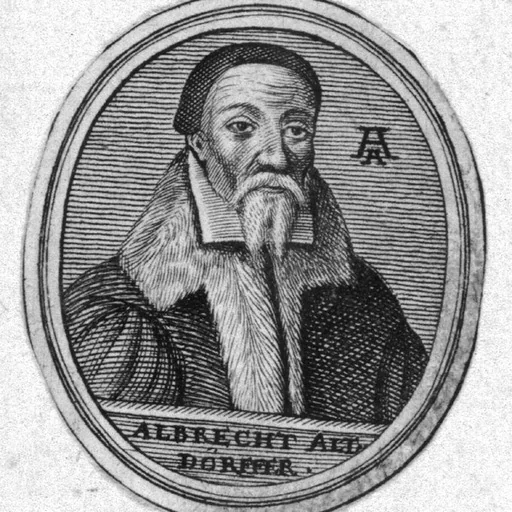
Albrecht Altdorfer (c. 1480 – 12 February 1538) was a German painter, engraver and architect of the Renaissance working in Regensburg. Along with Lucas Cranach the Elder and Wolf Huber he is regarded to be the main…