Artwork
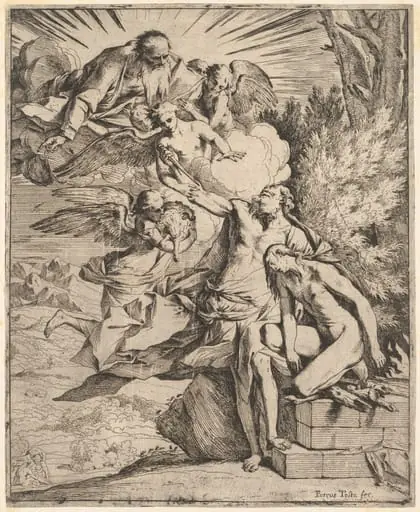
Sacrifice of Isaac
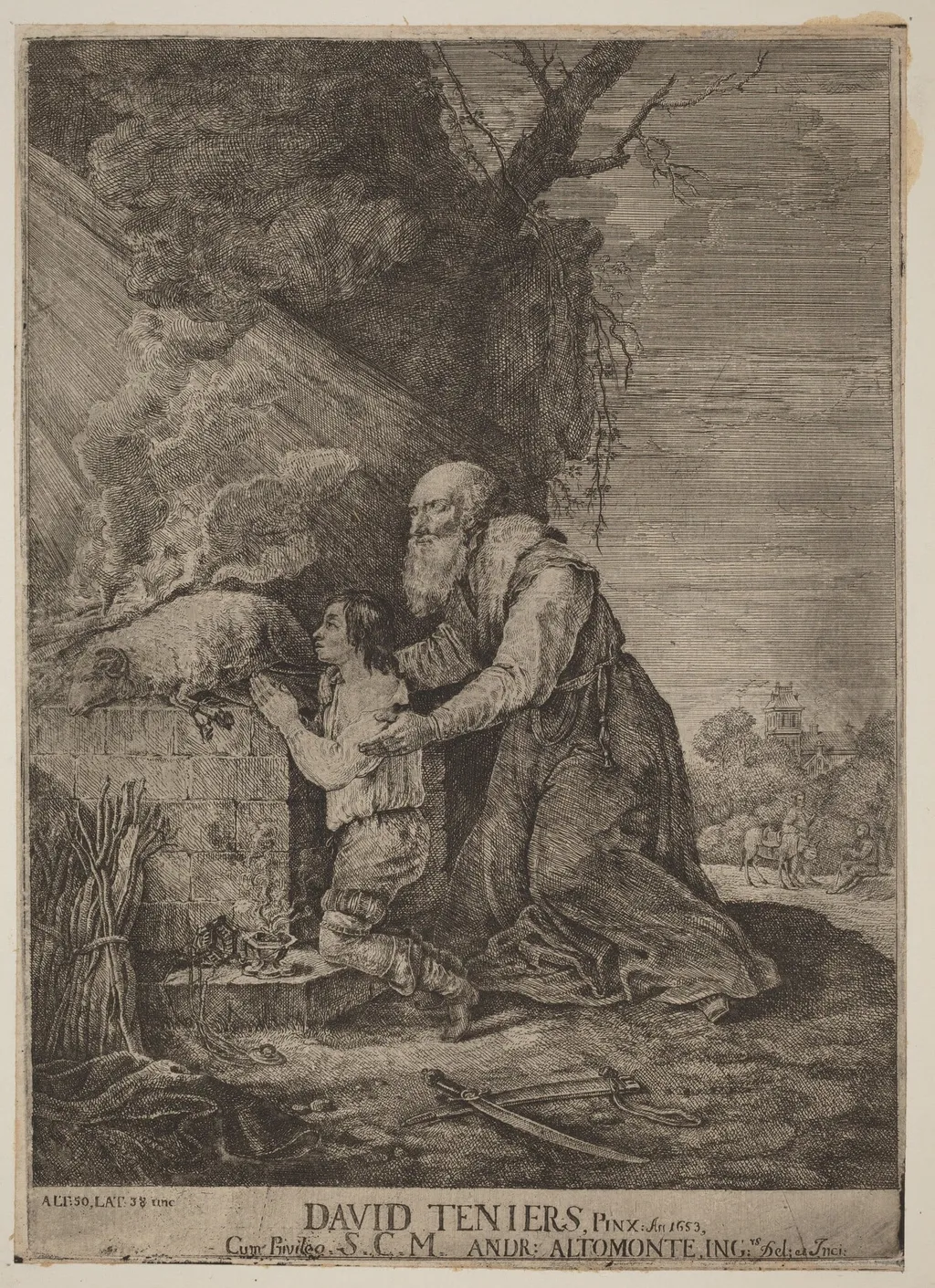
Sacrifice of Isaac is an ink print by the Baroque artist Andreas Altomonte. It dates from 1740 and is held in the collection of the National Gallery of Art.
About this work
Overview
Andreas Altomonte’s 1740 etching titled “Sacrifice of Isaac” depicts a dramatic moment from the biblical narrative in which Abraham prepares to offer his son Isaac as a sacrifice. The composition centers on a bearded elder kneeling beside a younger figure, his hand gripping the youth’s wrist while reaching for a knife, set against a stark rocky backdrop and a distant town.
Subject & Meaning
The work visualizes the test of faith described in Genesis, emphasizing the tension between obedience and compassion. The elder’s strained posture and the youth’s apprehensive stance convey the emotional weight of the impending sacrifice, while the flickering fire and looming cliff underscore the peril and divine intervention that ultimately halts the act.
Technique & Style
Altomonte employed the etching process, incising fine lines into a metal plate to achieve delicate modeling of the figures and textured landscape. The contrast between the crisp, controlled lines of the characters and the rough, cross‑hatched treatment of the rocks creates depth, while subtle shading suggests the glow of the small fire on the ground.
Context
Created in the mid‑18th century, the print reflects the period’s continued interest in biblical subjects rendered with dramatic chiaroscuro. Altomonte, known primarily for his frescoes, applied his experience with large‑scale narrative composition to the intimate scale of printmaking, allowing wider dissemination of the story.
Legacy
While not as widely reproduced as other biblical prints, Altomonte’s “Sacrifice of Isaac” demonstrates the capacity of etching to convey complex emotional narratives. The work remains a reference point for scholars examining the intersection of religious iconography and print techniques in the Austrian Baroque tradition.
Artist & collection


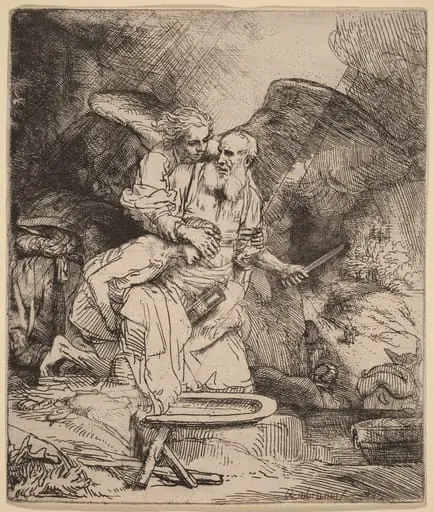 Abraham's Sacrifice
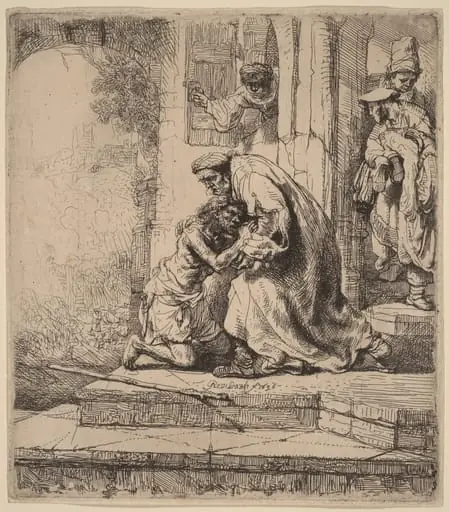 The Return of the Prodigal Son
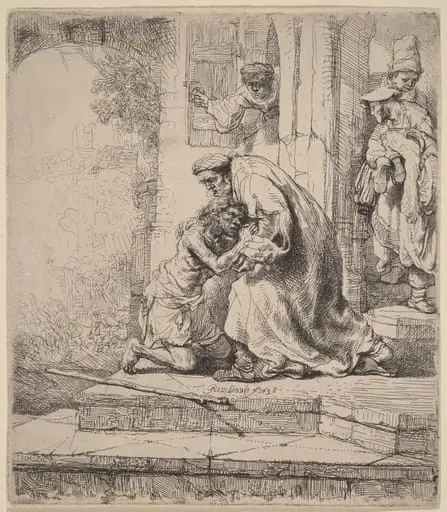 Return of the Prodigal Son
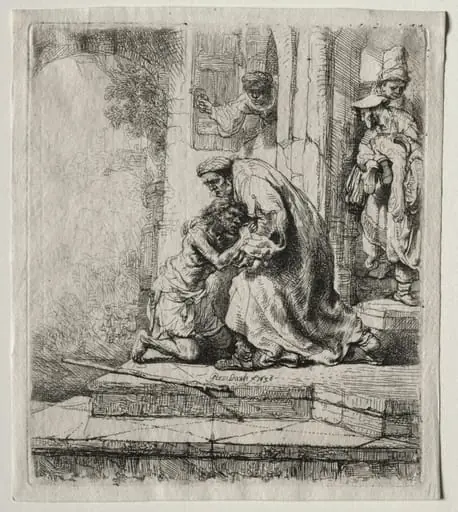 Return of the Prodigal Son
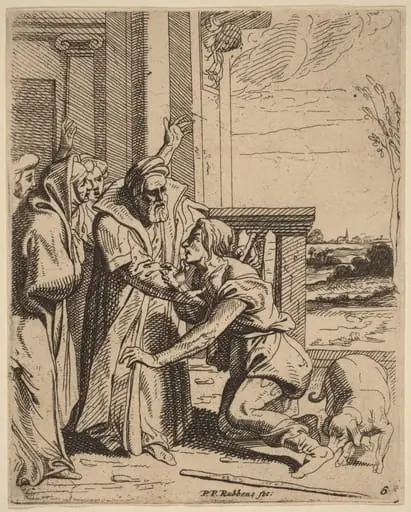 The Prodigal Son Received by His Father
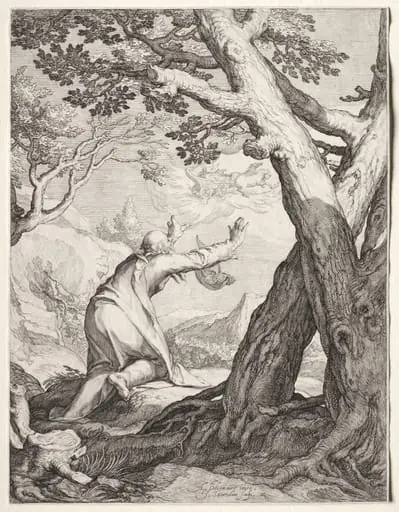 Elisha and Elijah's Chariot of Fire
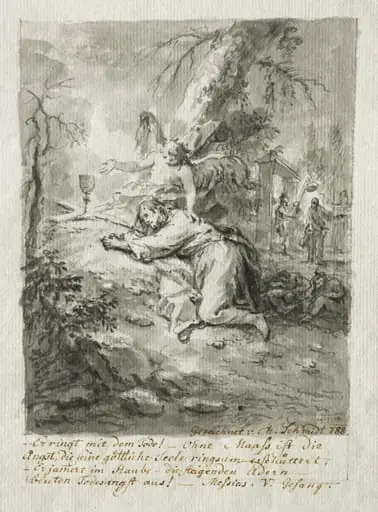 Christ on the Mount of Olives, The Flagellation, Christ Crowned with Thorns, The Crucifixion
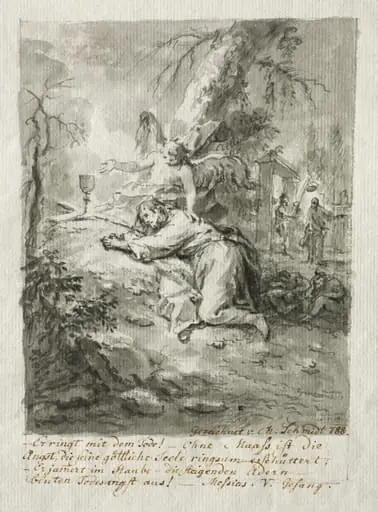 Christ on the Mount of Olives
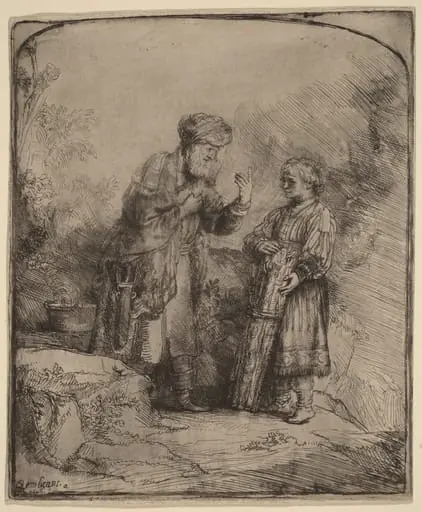 Abraham and Isaac
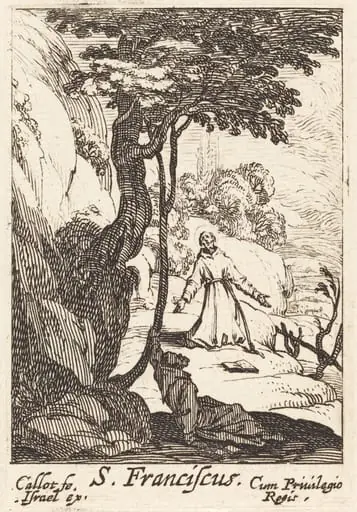 Saint Francis
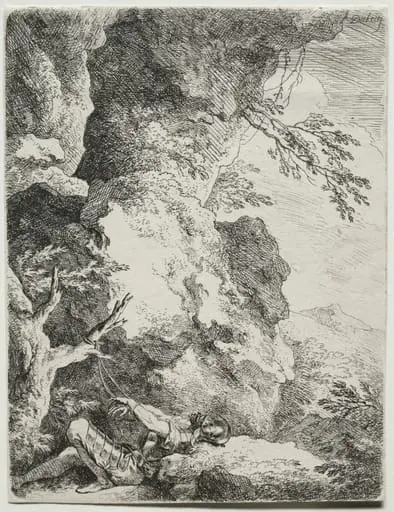 St. William, The Hermit Saint
 The Sacrifice of Abraham