Artwork
Abraham's Sacrifice
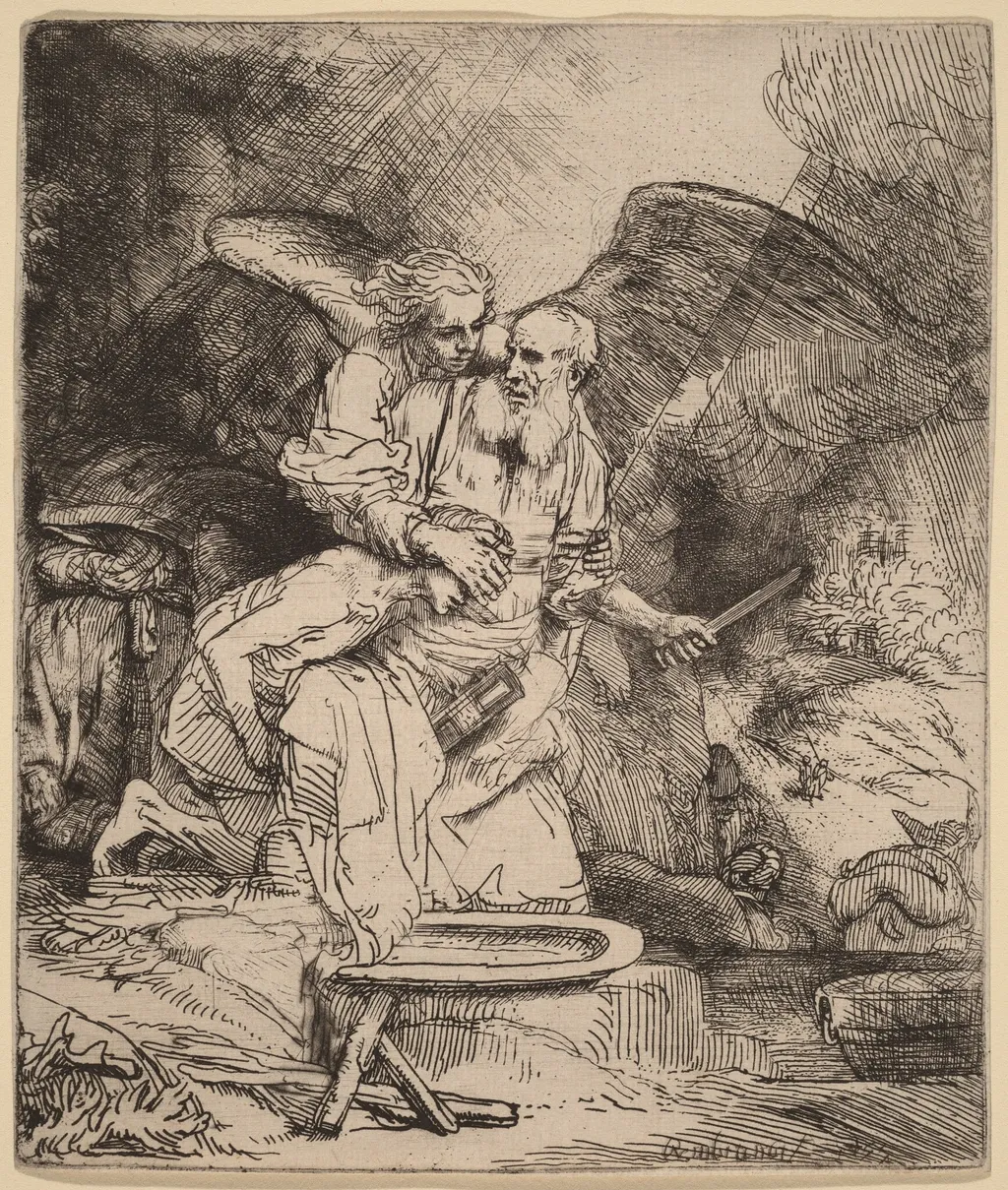
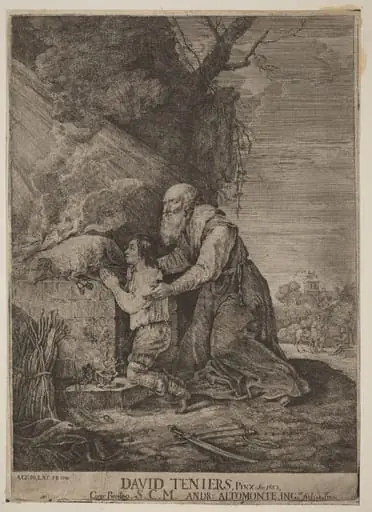
Abraham's Sacrifice is an ink print by the Baroque artist Rembrandt. It dates from 1655 and is held in the collection of the National Gallery of Art.
About this work
Overview
Created in 1655, this print by Rembrandt van Rijn bears the title Abraham’s Sacrifice. Executed as an etching with dry‑point elements, the work measures the dramatic moment of the biblical narrative through stark contrasts of light and shadow, rendered on a metal plate rather than a painted surface.
Subject & Meaning
The composition centers on an elderly figure, his beard flowing, kneeling on uneven terrain while clutching a knife in one hand and a bound, lifeless form in the other. A sturdy ram with pronounced, curved horns stands behind him, poised as the substitute offering, encapsulating the tension between obedience and divine mercy inherent in the story.
Technique & Style
Rembrandt employed traditional etching alongside dry‑point, allowing ink to settle in incised lines that produce deep, velvety blacks and textured surfaces. The artist’s characteristic use of heavy, expressive strokes creates a chiaroscuro effect, emphasizing the physicality of the figures and the somber atmosphere of the scene.
History & Provenance
The plate was cut in the mid‑seventeenth century, a period when Rembrandt was refining his printmaking practice. Surviving impressions have passed through several notable collections, reflecting the work’s continued scholarly interest and its presence in major European print holdings.
Artist & collection
Artist
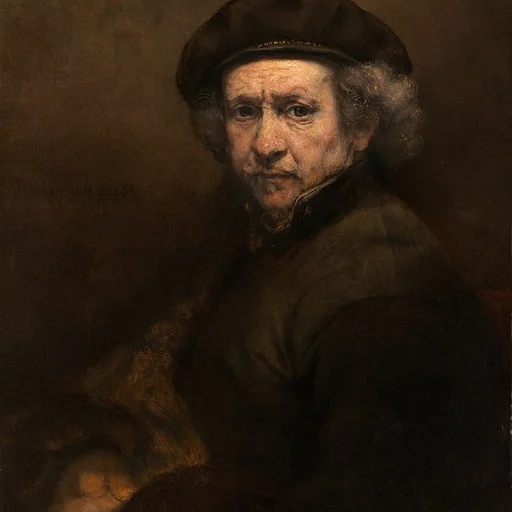
Rembrandt Harmenszoon van Rijn (15 July 1606 – 4 October 1669), known mononymously as Rembrandt, was a Dutch Golden Age painter, printmaker, and draughtsman.

 Sacrifice of Isaac
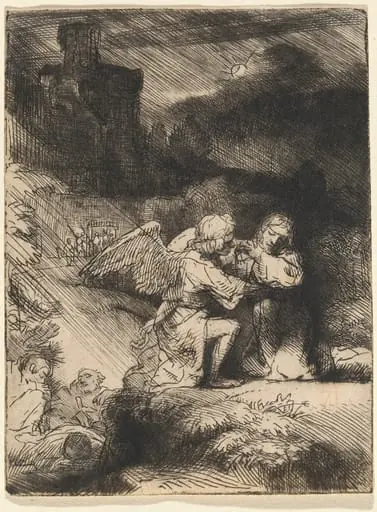 The Agony in the Garden
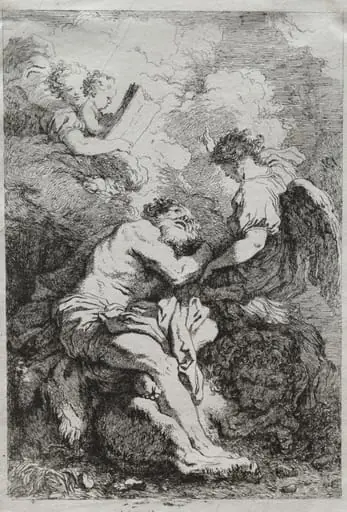 Saint Jerome
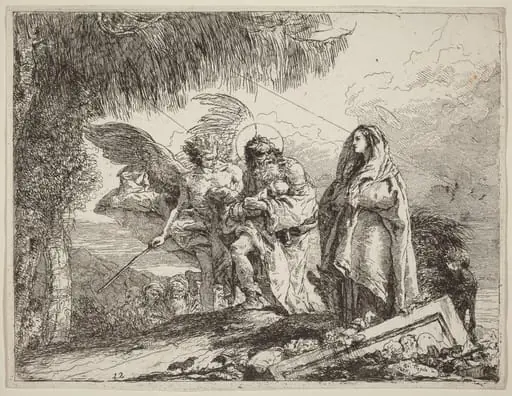 The Flight, Holy Family Walking with Angel
 The Flight, Holy Family Walking with Angel
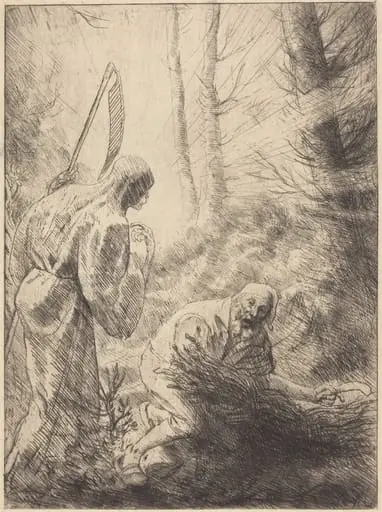 Death and the Woodcutter, 2nd plate (La Mort de le bucheron)
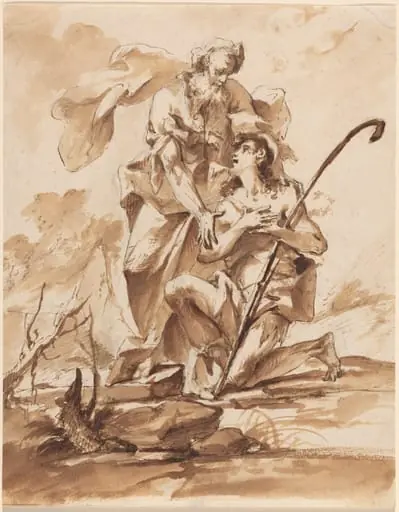 Return of the Prodigal Son
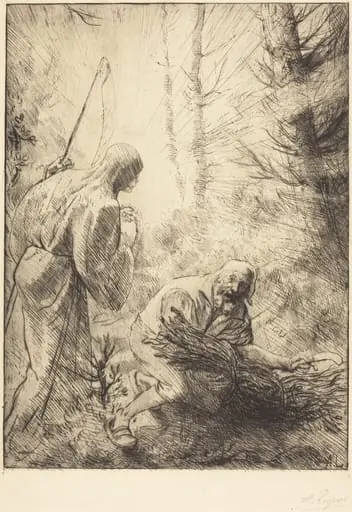 Death and the Woodcutter, 2nd plate (La mort et le bucheron)
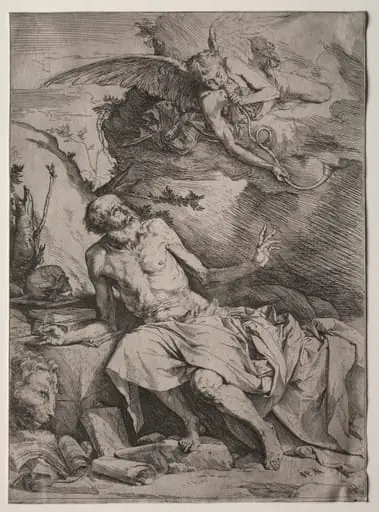 Saint Jerome
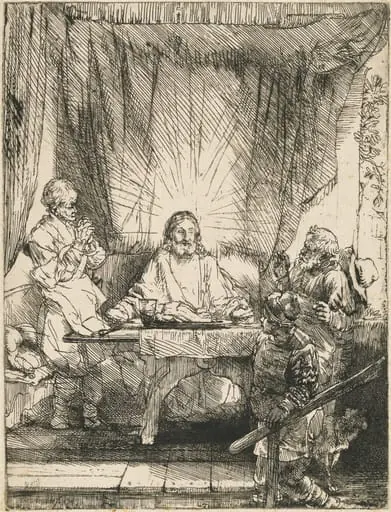 Christ at Emmaus: the Larger Plate
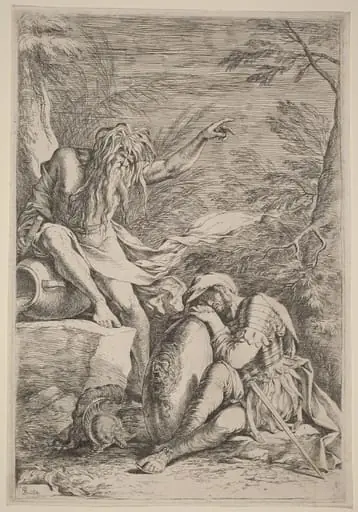 The Dream of Aeneas
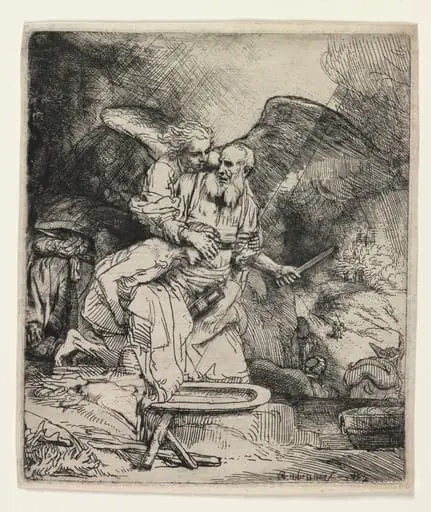 Abraham's Sacrifice