Artwork
Pepene roșu
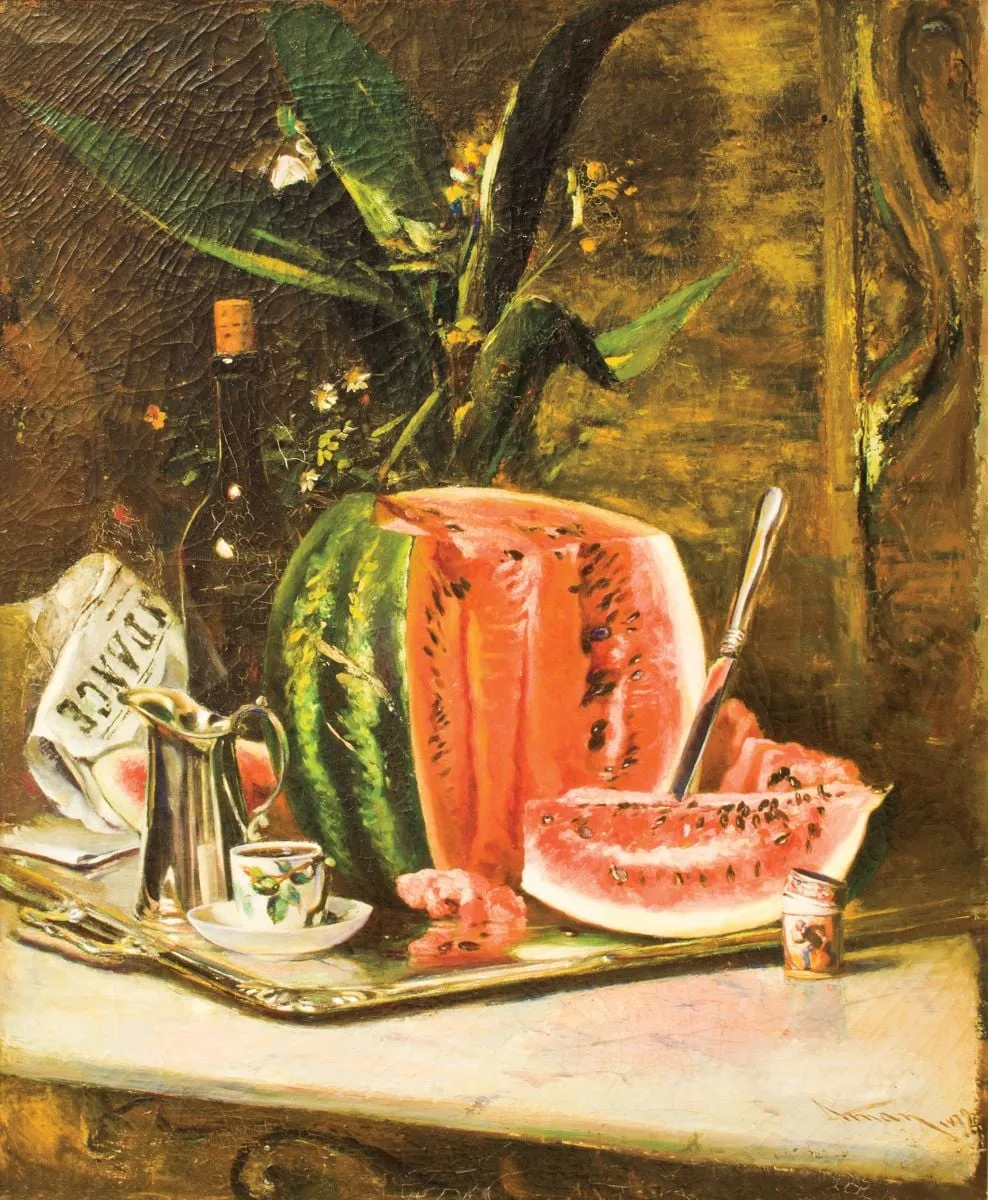
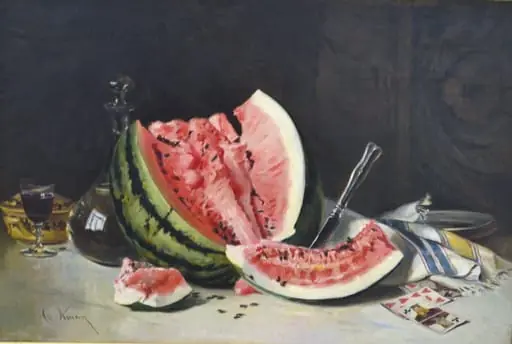
Pepene roșu is a print by the Impressionist artist Theodor Aman. It dates from 1879 and is held in the collection of the Bucharest Municipality Museum.
About this work
Overview
The work titled *Pepene roșu* was executed in 1879 by Romanian artist Theodor Aman, who was active as a painter, engraver and educator. It presents a still‑life composition centered on a sliced red watermelon, accompanied by a knife and a modest cup, set against a warm, earthy backdrop. The piece belongs to the collection of the Museum of Ethnography.
Subject & Meaning
The painting focuses on the interior view of a watermelon, its pink interior exposed and glistening, suggesting a moment of everyday domestic activity. The inclusion of simple kitchen objects such as the knife and cup grounds the scene in ordinary life, reflecting Aman’s interest in portraying quotidian subjects with a quiet, observational tone.
Technique & Style
Aman renders the fruit’s rind and flesh with careful attention to texture, using soft lighting to model the curved surfaces and convey a sense of juiciness. The palette relies on warm earth tones for the background, which serve to heighten the vivid reds and greens of the watermelon, while the brushwork remains controlled, emphasizing form over decorative flourish.
History & Provenance
Created toward the end of Aman’s career, *Pepene roșu* entered the holdings of the Museum of Ethnography, where it remains on display. The work exemplifies the artist’s broader output of genre scenes that document Romanian daily life and material culture during the late nineteenth century.
Artist & collection
Artist
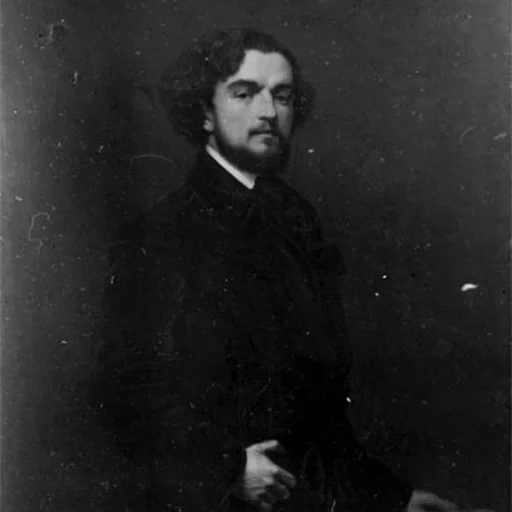
Theodor Aman (20 March 1831 – 19 August 1891) was a Romanian painter, engraver and art professor. He mostly produced genre and history scenes.
 Natură moartă cu pepeni
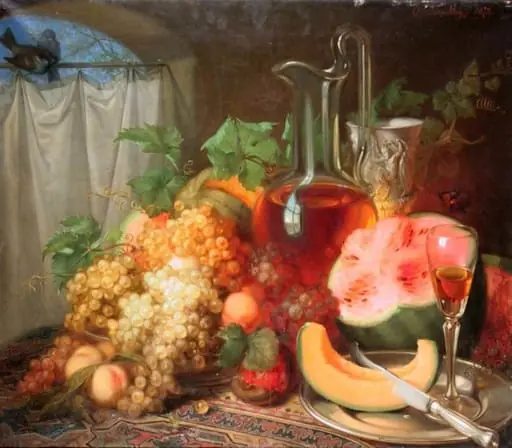 Natură moartă cu două păsări
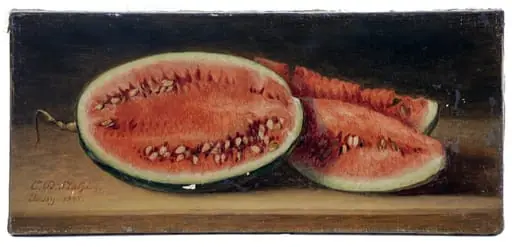 Pepene verde (Harbuz, jumătate cu două bucăți alăturate)
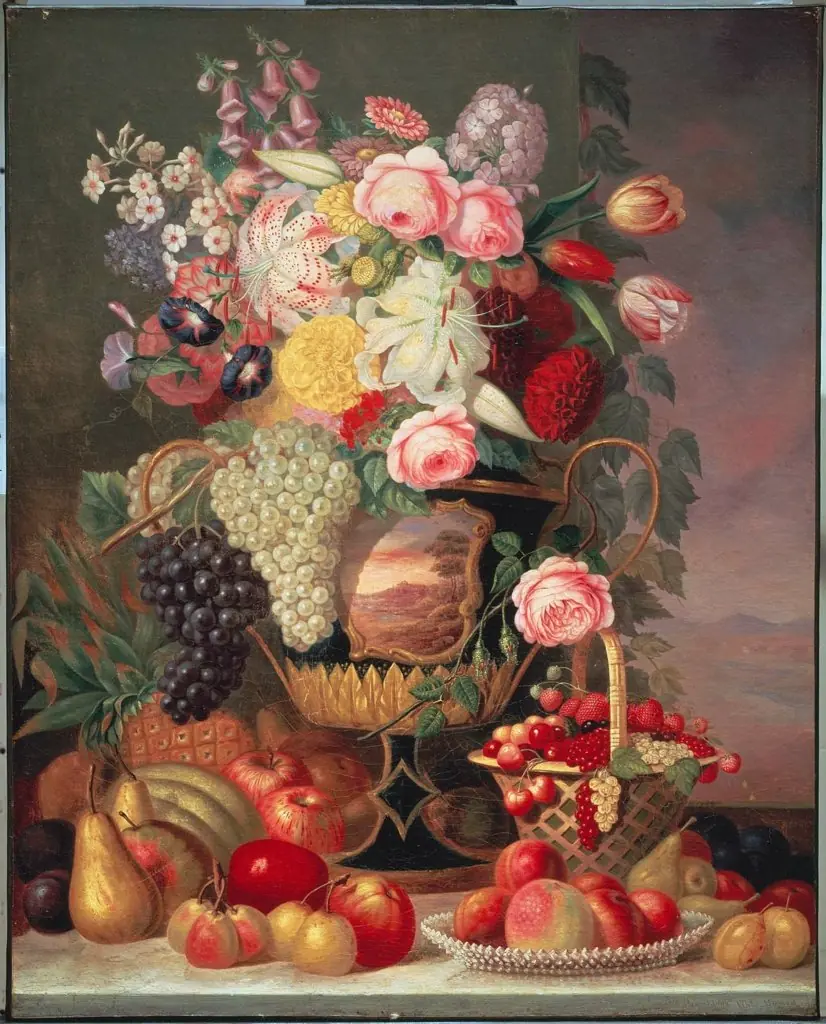 Fruit and Flower Piece
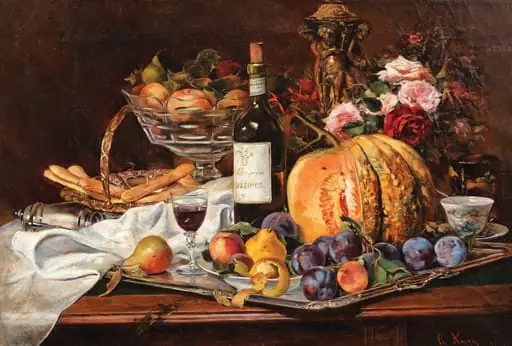 Natură statică cu fructe și sticlă de vin
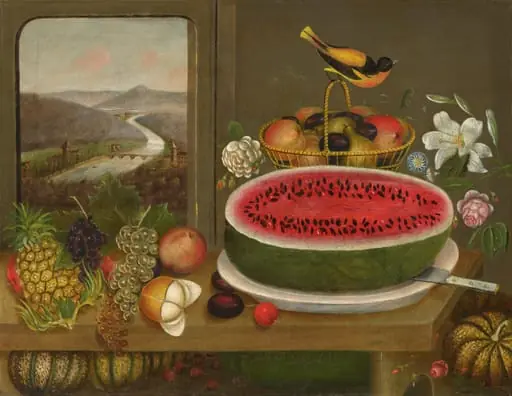 Fruit and Baltimore Oriole
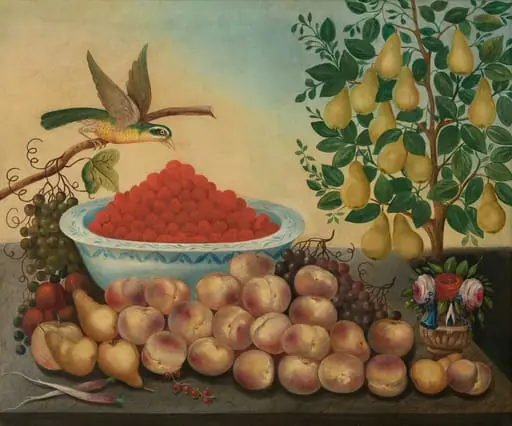 Still Life: Fruit, Bird, and Dwarf Pear Tree
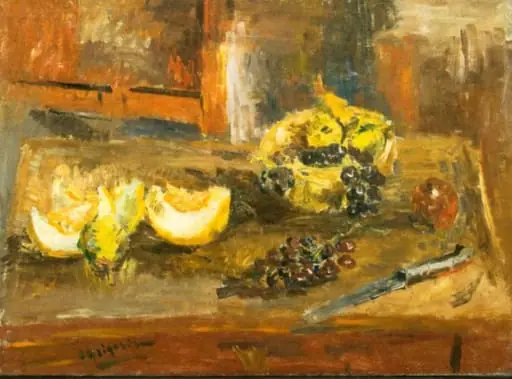 Fructe
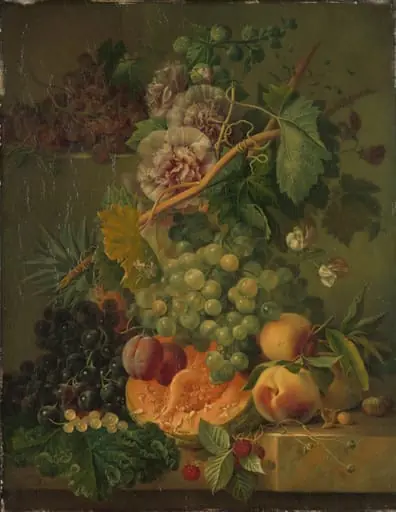 Still Life with Flowers and Fruits
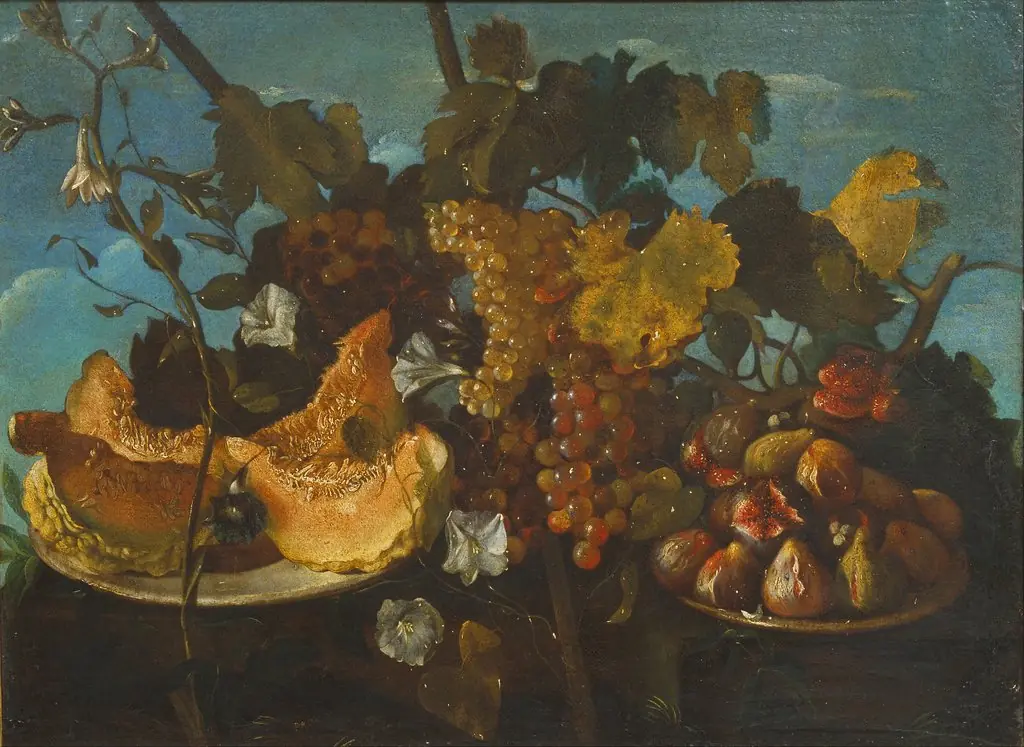 Still Life with Grapes, Figs and Pumpkin
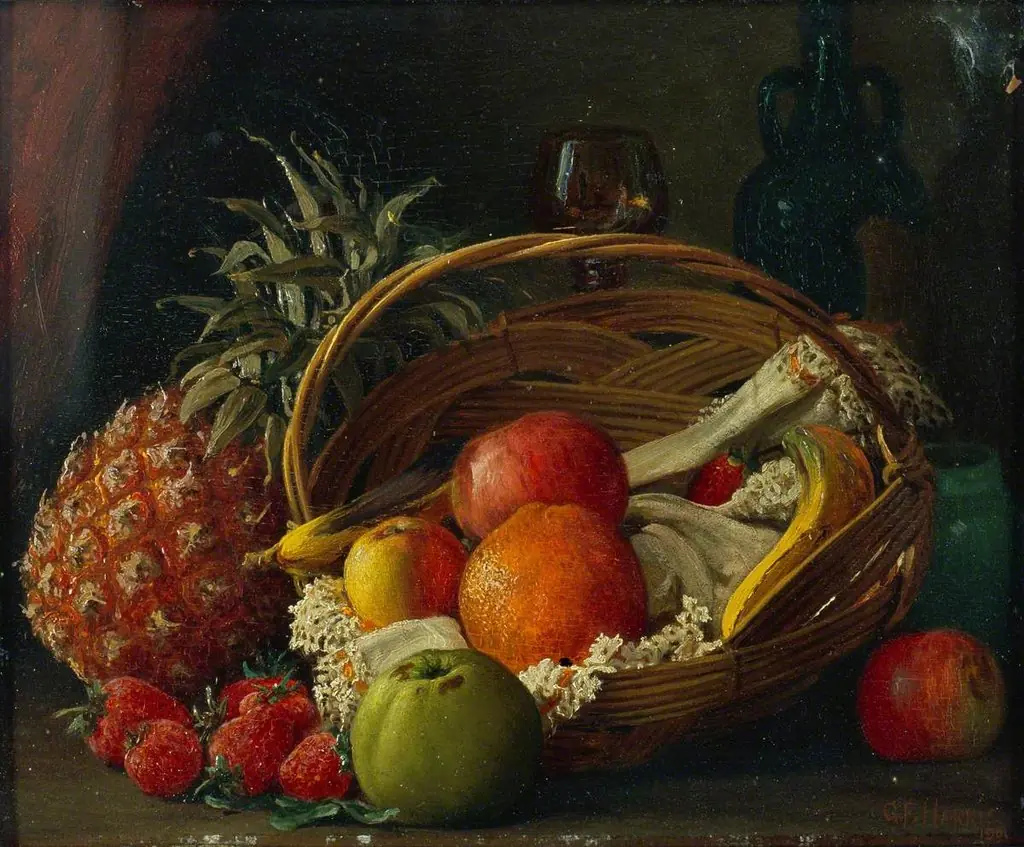 Still Life of Fruit in a Basket, a Pineapple Alongside and Wine Bottle and Glass Behind
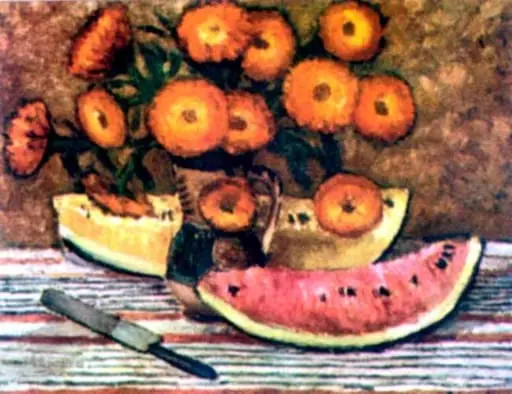 Natură moartă cu pepene