Artwork
Portret (bărbat)
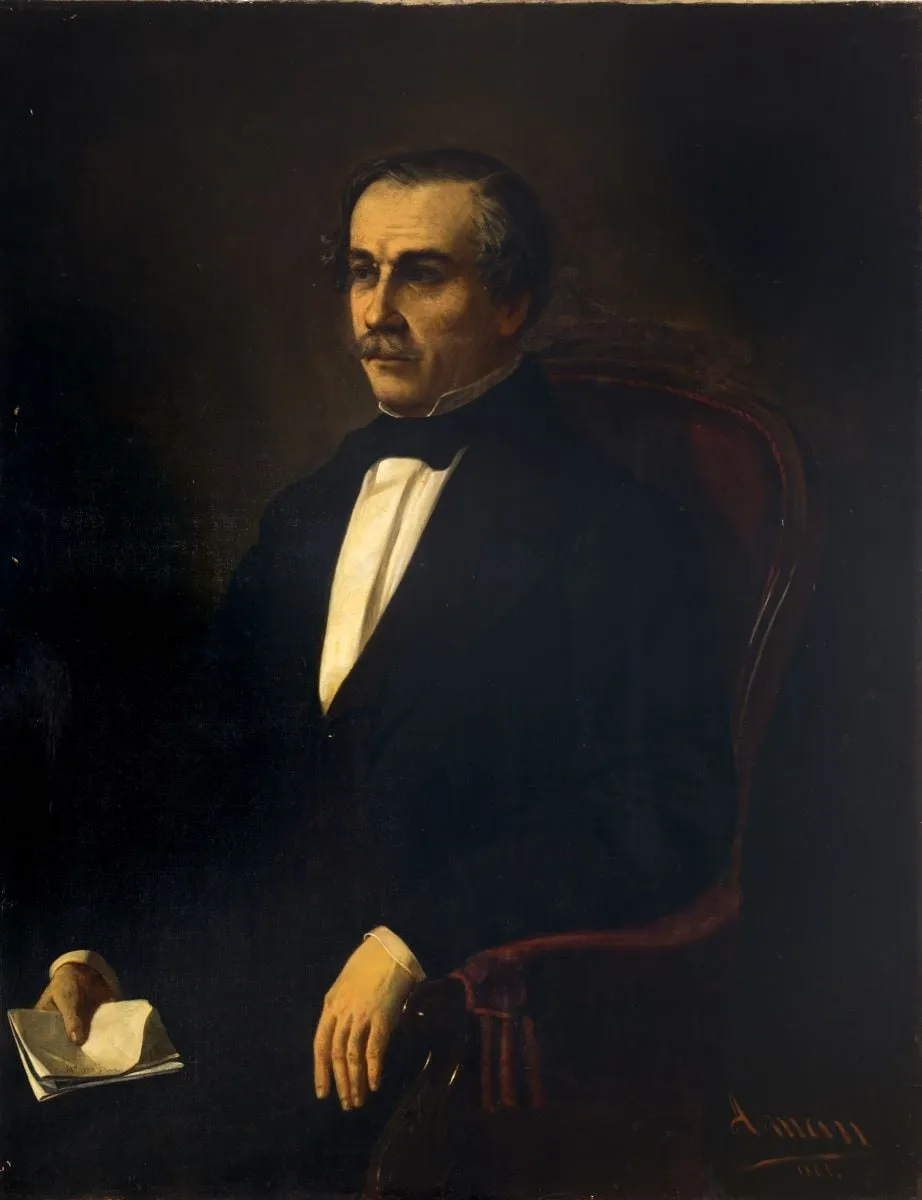
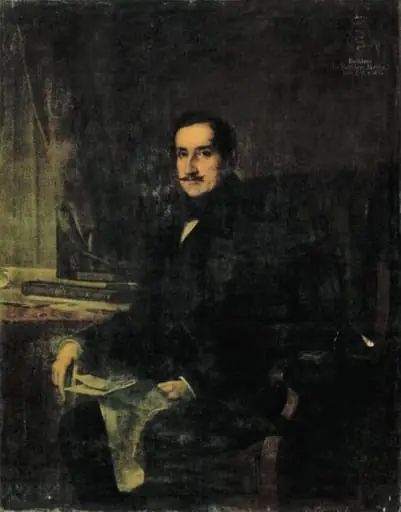
Portret (bărbat) is a print by the Impressionist artist Theodor Aman. It dates from 1861 and is held in the collection of the Bucharest Municipality Museum.
About this work
Overview
The work resides in the Museum of Ethnography’s collection, reflecting its cultural significance beyond artistic technique.
Painted in 1861 by Theodor Aman, this portrait depicts an unidentified man in formal attire. Aman, primarily recognized for historical and genre subjects, here turns to intimate portraiture. The work resides in the Museum of Ethnography’s collection, reflecting its cultural significance beyond artistic technique. The composition is restrained, focusing on the sitter’s presence rather than elaborate detail.
Subject & Meaning
The subject is a man dressed in a dark suit with a crisp white collar, seated calmly in a chair. He holds a small book or sheet of paper in his left hand, suggesting literacy or contemplation. The absence of contextual elements directs attention to his demeanor—composed, reserved, and introspective. The portrait conveys dignity through stillness rather than symbolism.
Technique & Style
Aman employs chiaroscuro to model the face and hands, using sharp contrasts between light and shadow to create volume. The dark, unadorned background isolates the figure, enhancing the three-dimensionality of his form. Brushwork is precise but not overly refined, favoring naturalism over idealization. The technique draws from European traditions while maintaining a quiet, local sensibility.
History & Provenance
Created in 1861, the portrait entered the Museum of Ethnography’s holdings early in its history. Its acquisition suggests the institution valued it as a representation of Romanian social types rather than as a work of elite portraiture. No documentation of the sitter’s identity survives, reinforcing the painting’s role as a cultural artifact over a personal commemoration.
Context
In mid-19th century Romania, portraiture was emerging as a distinct genre alongside national historical painting. Aman, as an educator and artist, helped shape this transition. This work reflects a broader interest in documenting ordinary individuals with dignity, aligning with emerging nationalist ideals that sought to define Romanian identity through everyday life.
Legacy
Though not among Aman’s most celebrated works, this portrait exemplifies his ability to merge technical discipline with emotional restraint. It remains a quiet reference point in Romanian art history, illustrating how academic training was adapted to capture the character of individuals outside aristocratic circles. Its preservation underscores its value as a record of 19th-century Romanian visual culture.
Artist & collection
Artist
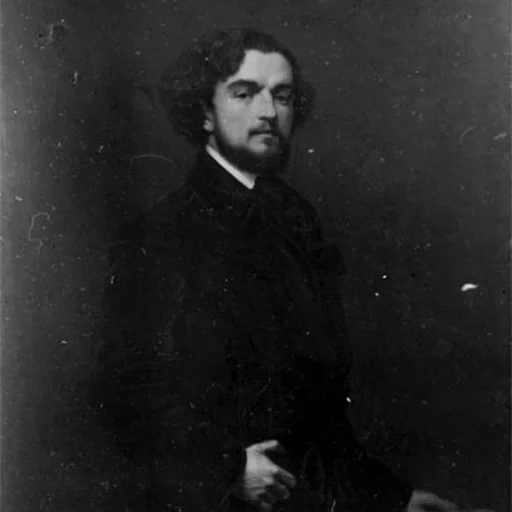
Theodor Aman (20 March 1831 – 19 August 1891) was a Romanian painter, engraver and art professor. He mostly produced genre and history scenes.
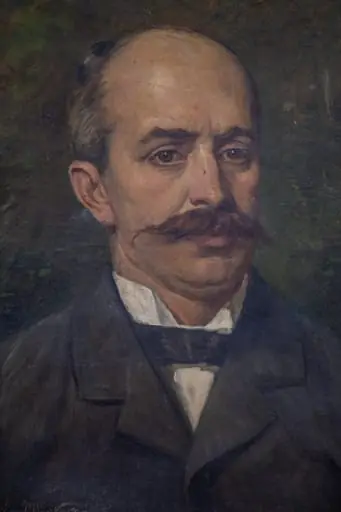 Portret de bărbat
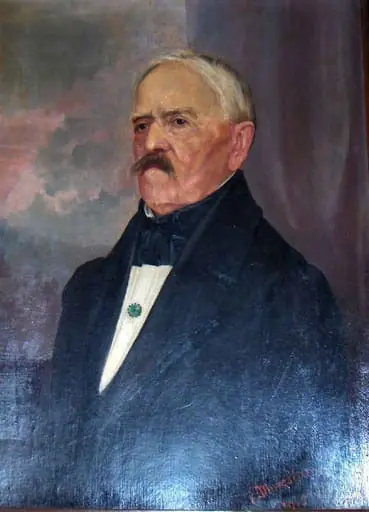 Portret de bărbat
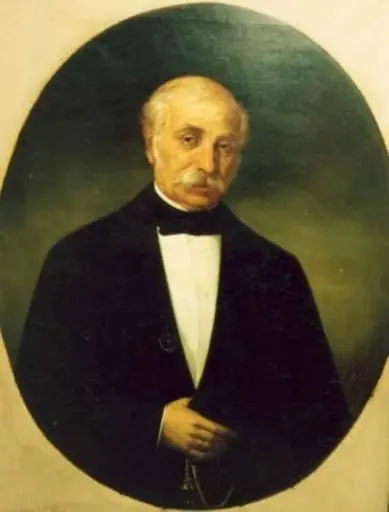 Lazăr Kalinderu
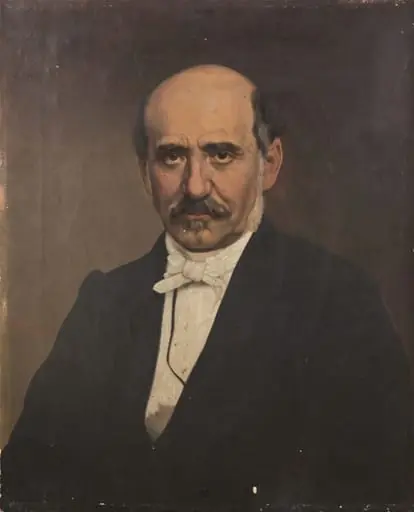 Portret lui Ștefan Ferechide?
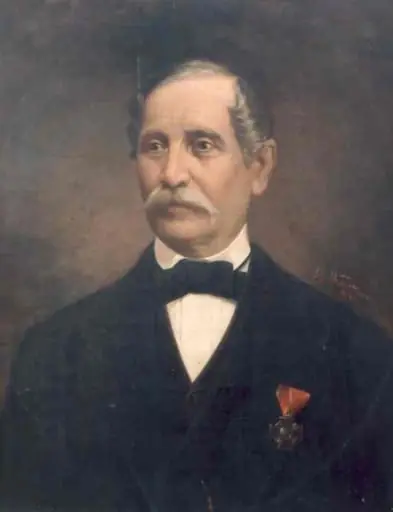 Mihail Pencovici
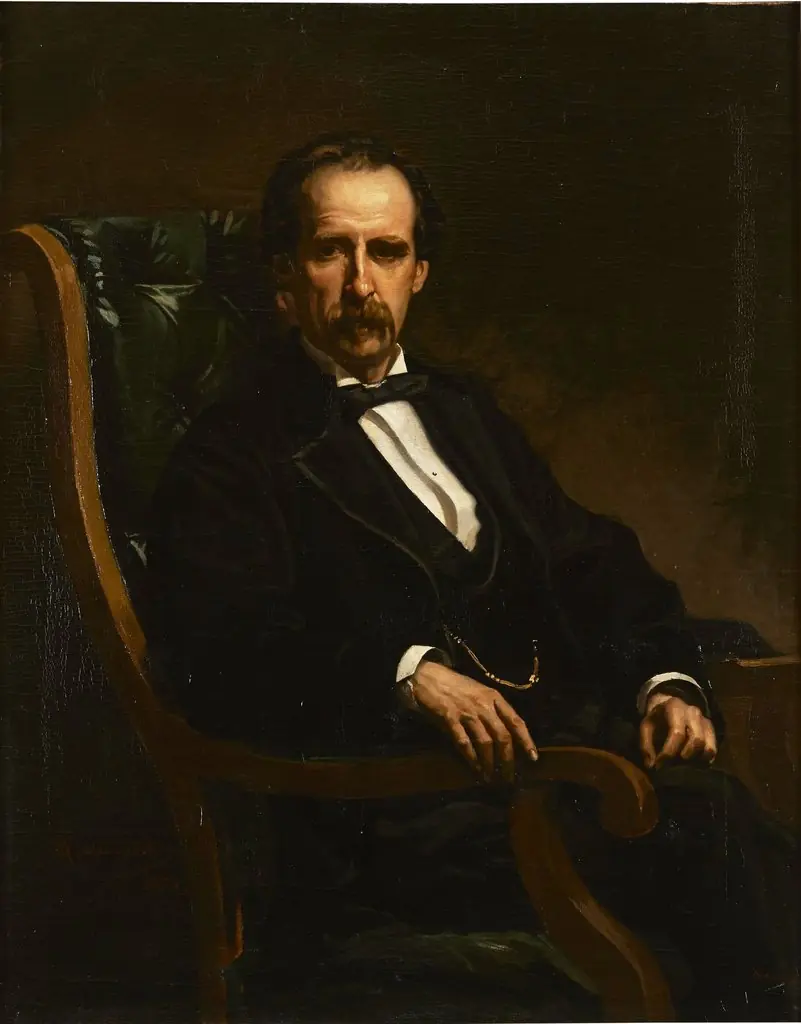 El escritor Enrique Pérez Escrich
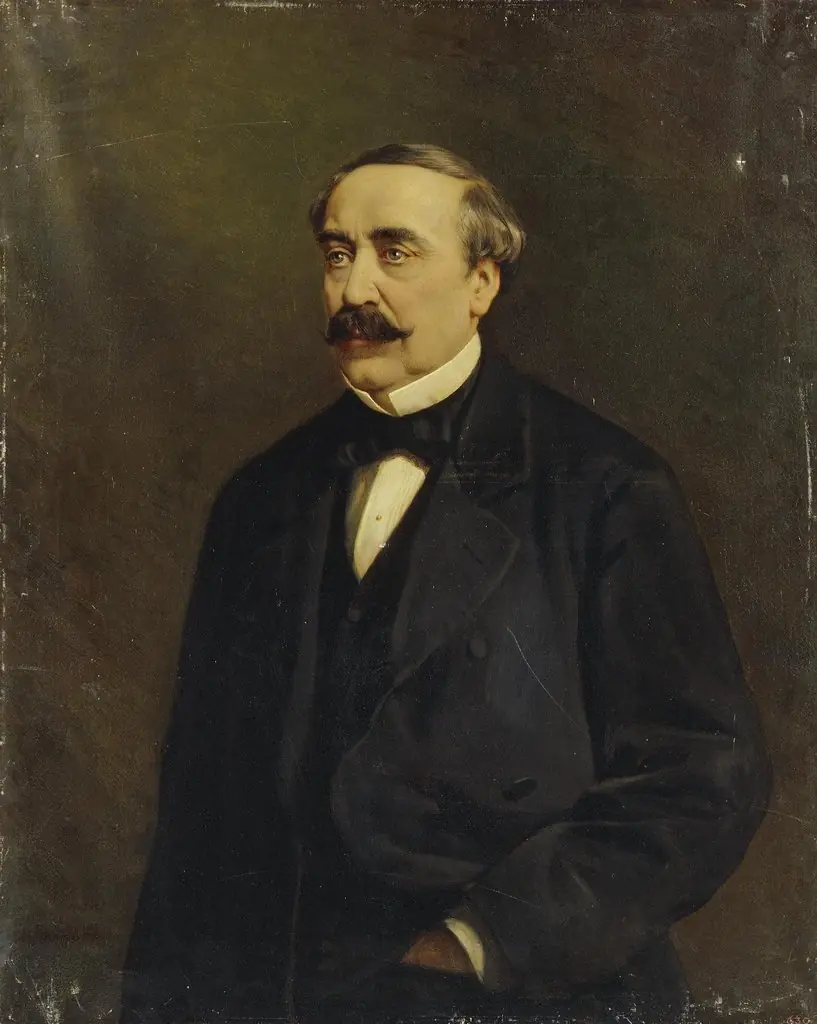 Portrait of the Mining Engineer Nikolay Teplov
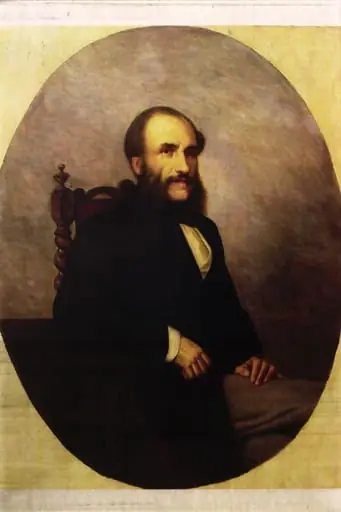 Barbu Catargiu
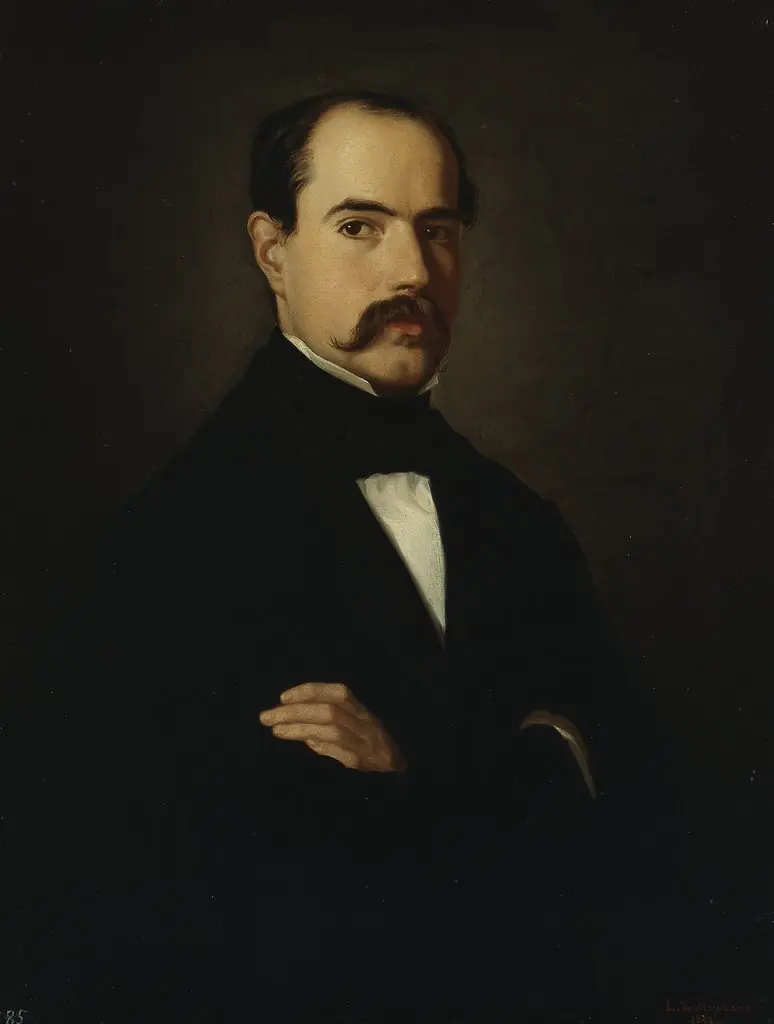 El pintor Francisco Sainz
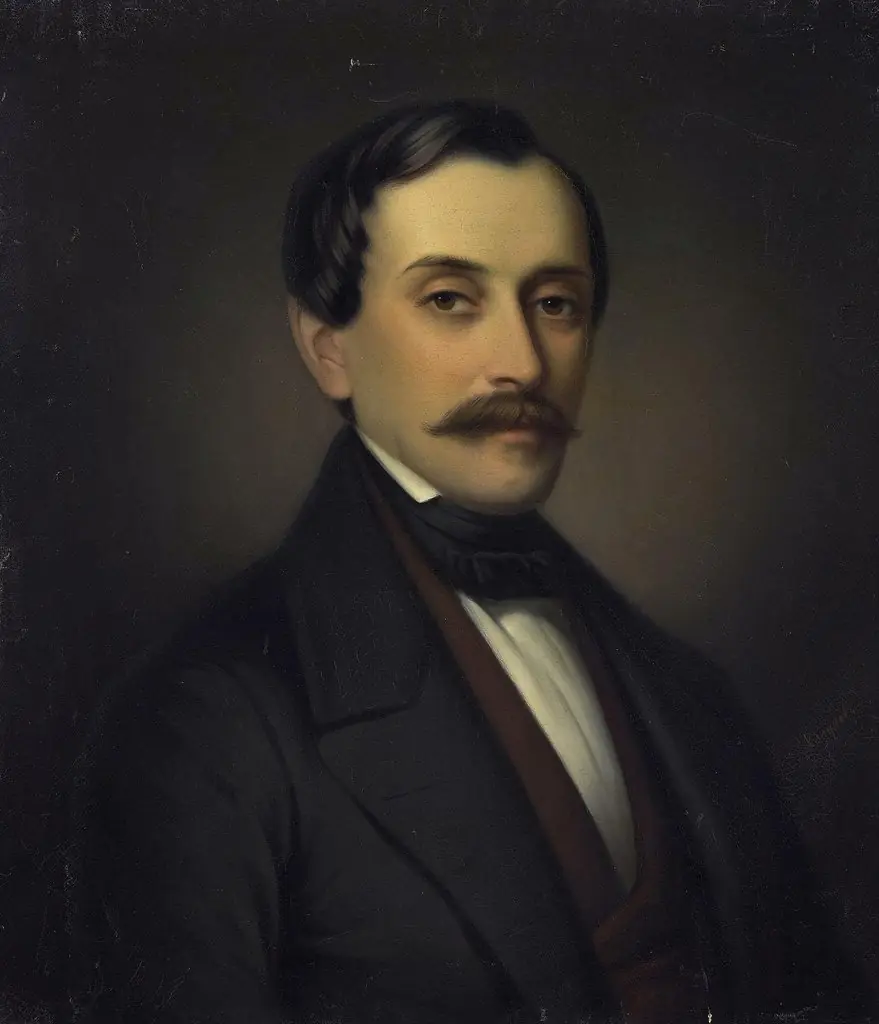 Portrait of Prince Nikolai Yusupov
 Bethleni Gr.Bethlen Janos
 Parch. Robert Williams, Y Wernddu