Artwork
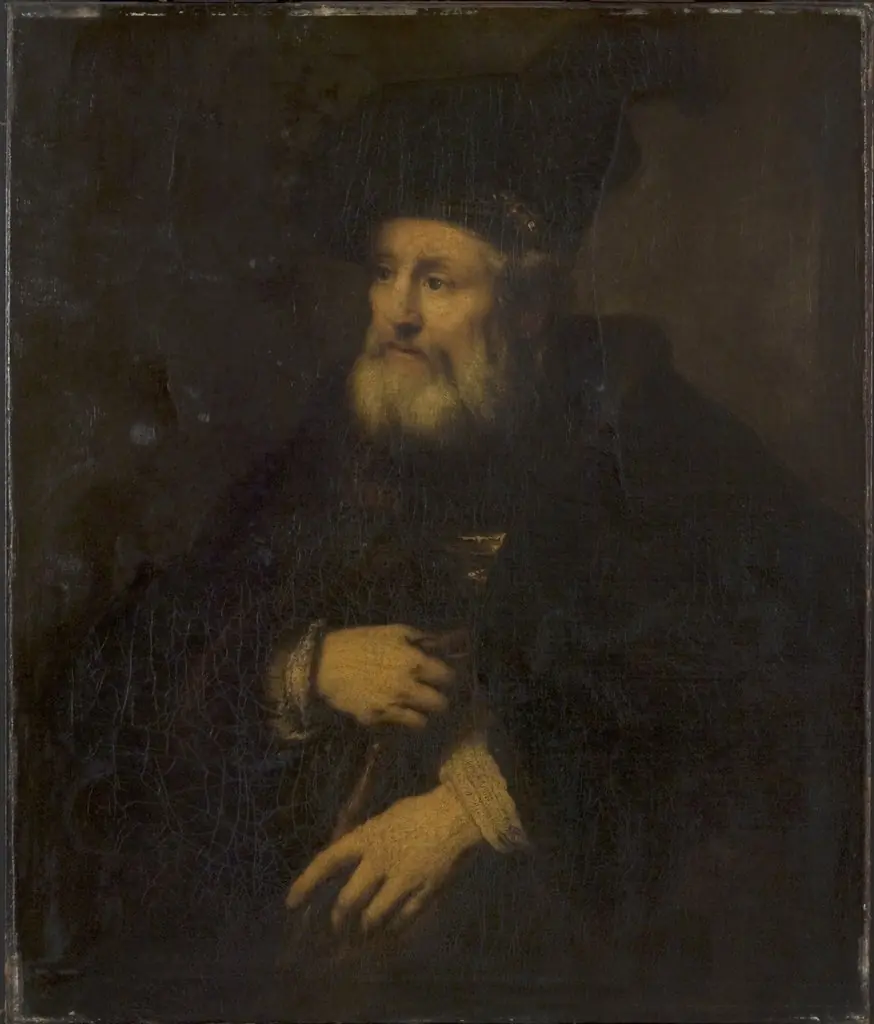
Portretul unui egumen
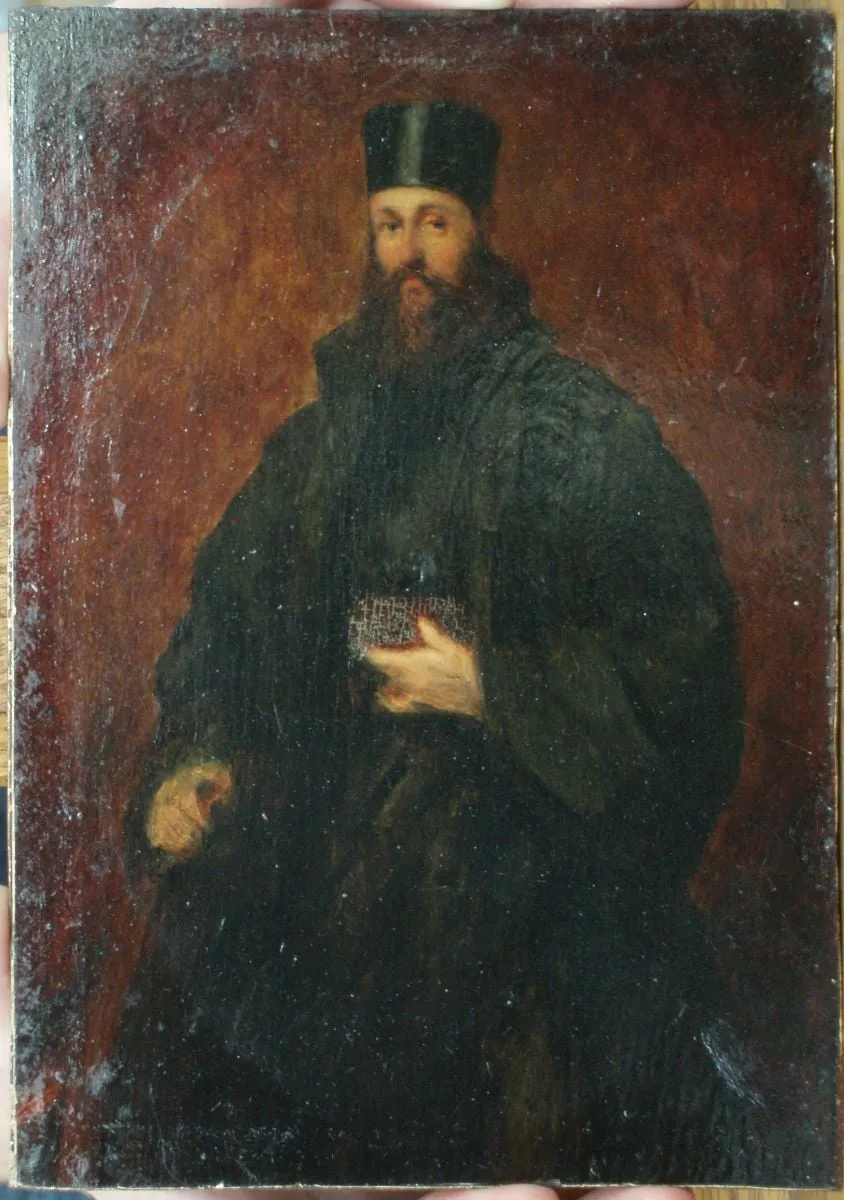
Portretul unui egumen is a print by Theodor Aman. It dates from 1871 and is held in the collection of the Bucharest Municipality Museum.
About this work
Overview
Aman, a key figure in 19th-century Romanian art, applied his skill in both painting and engraving to create a restrained yet psychologically present image.
Painted around 1871 by Theodor Aman, this portrait captures an Orthodox monastery abbot, or egumen, in a quiet, introspective pose. Aman, a key figure in 19th-century Romanian art, applied his skill in both painting and engraving to create a restrained yet psychologically present image. The work reflects his interest in documenting Romanian religious and cultural life during a period of national artistic consolidation.
Subject & Meaning
The subject is identified as an egumen, a spiritual leader in the Eastern Orthodox tradition. His solemn expression and modest attire suggest humility and devotion. The small object held in his left hand—possibly a prayer book or relic—hints at his clerical duties. The portrait avoids grandeur, emphasizing inner character over status, aligning with monastic ideals of simplicity and contemplation.
Technique & Style
Aman employs chiaroscuro to model the abbot’s face with subtle gradations of light and shadow, lending depth and volume. Visible brushwork on the robe introduces texture, suggesting fabric worn through use. The dark, reddish-brown background isolates the figure, focusing attention on his features. The palette is muted, dominated by blacks, browns, and deep grays, reinforcing the portrait’s quiet dignity and restrained realism.
History & Provenance
Created during Aman’s mature period, the painting emerged from his engagement with Romanian ecclesiastical figures, a recurring theme in his oeuvre. It likely originated from his time in Iași or Bucharest, centers of religious and artistic life. The work remained within Romanian collections, reflecting its cultural significance, though its exact early ownership is not documented in public records.
Context
In the late 19th century, Romanian artists sought to define a national identity through depictions of local clergy, peasants, and historical figures. Aman’s portrait of the egumen fits this trend, offering a dignified representation of religious leadership outside Western ecclesiastical conventions. It contrasts with idealized European portraiture by emphasizing authenticity over ornamentation.
Legacy
The portrait stands as an example of Aman’s contribution to Romanian realism, influencing later generations of artists to portray spiritual and civic figures with psychological nuance. Its understated composition and attention to texture helped establish a visual language for Romanian religious portraiture, distinct from academic traditions of the time.
Artist & collection
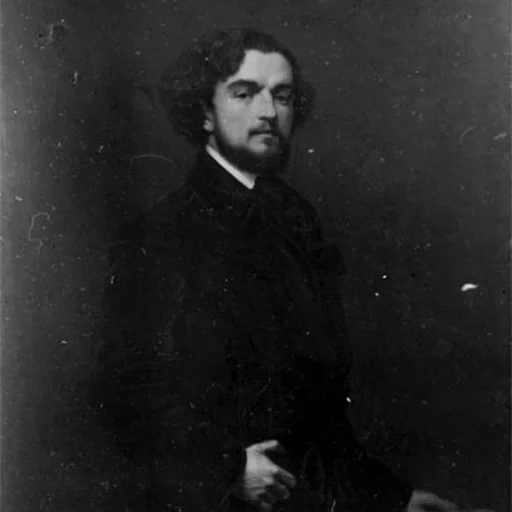
Artist
Theodor Aman (20 March 1831 – 19 August 1891) was a Romanian painter, engraver and art professor. He mostly produced genre and history scenes.
 Bildnis eines Prokurators von S. Marco
 Old Man in Fanciful Costume Holding a Stick
 Cap de bărbat
 Portrait of a Man
 Bildnis eines bärtigen Mannes
 Portrait of a white-bearded man in an armchair
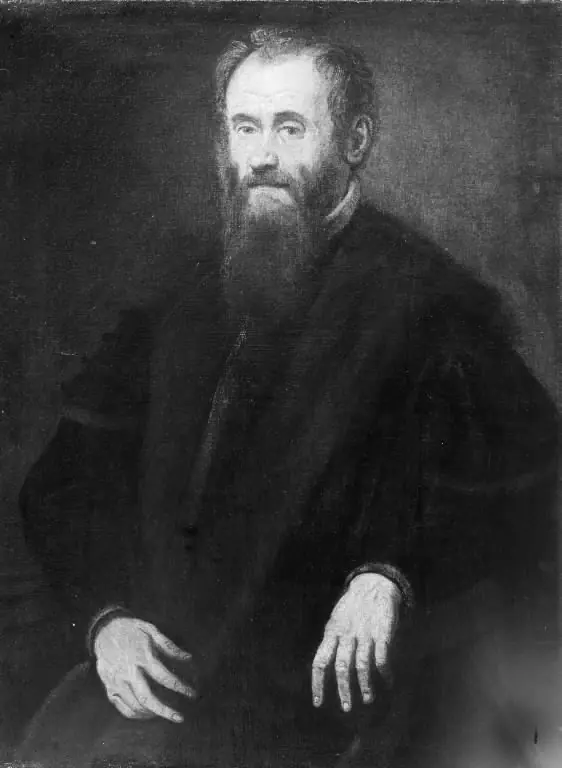 Portrait of a Man
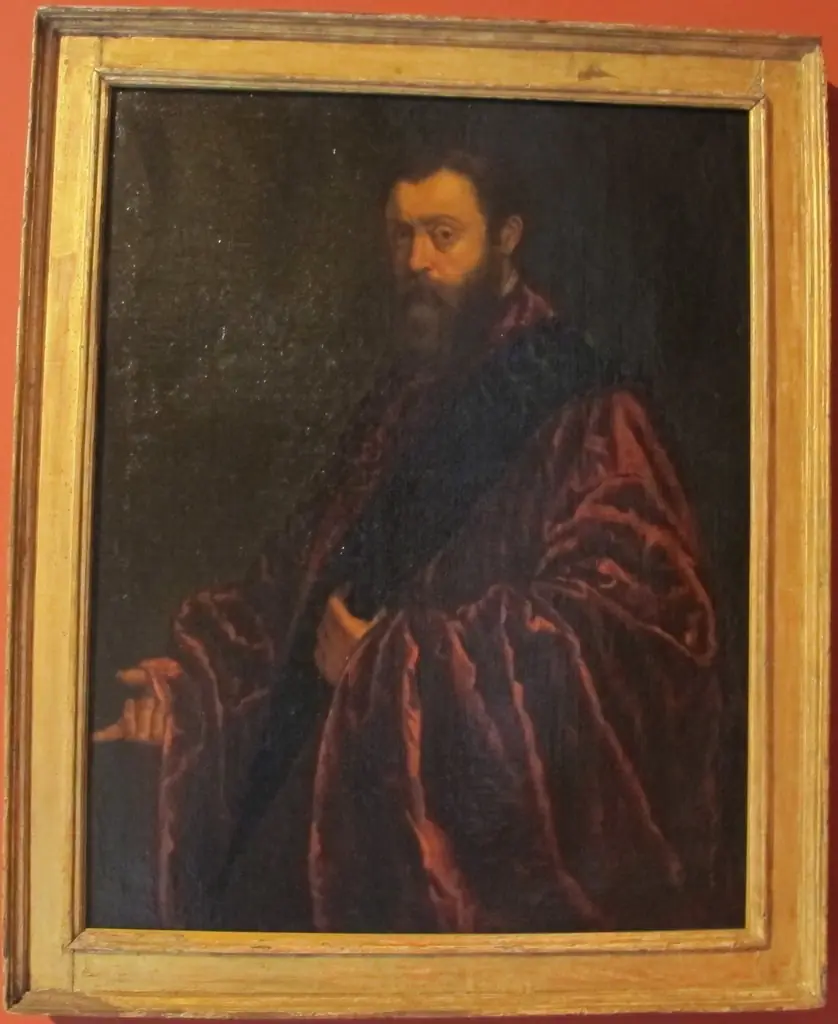
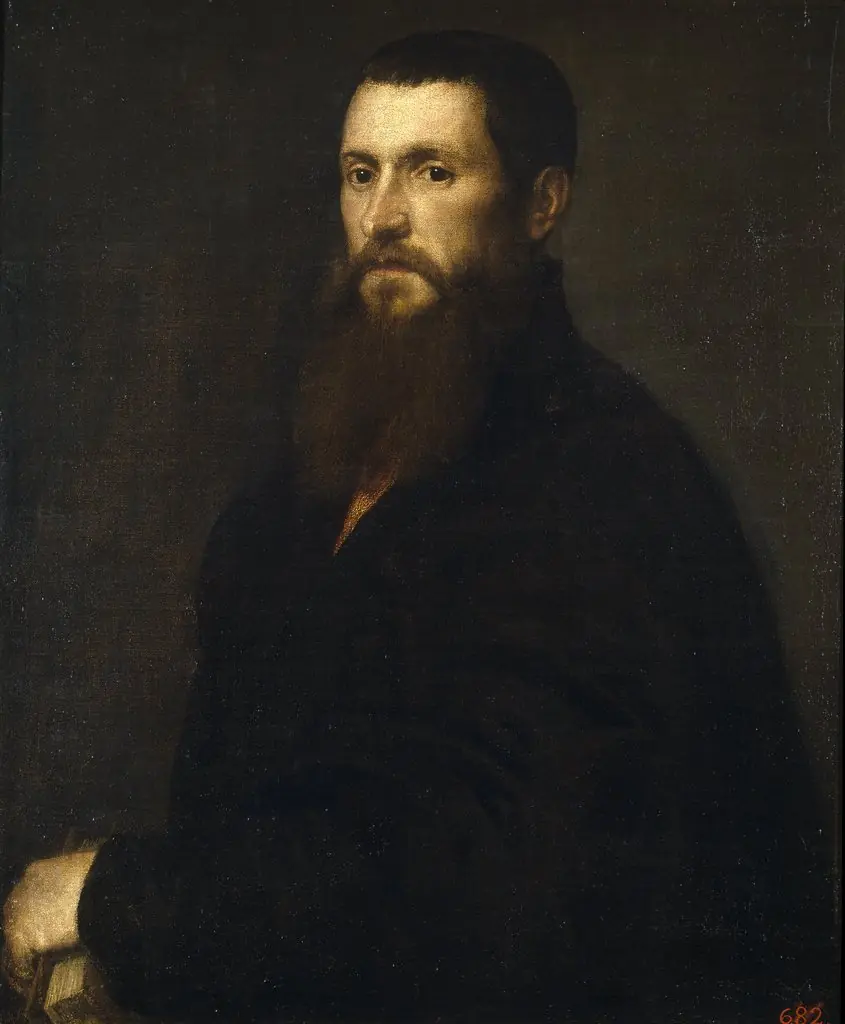 Daniele Barbaro, Patriarch of Aquileia
 Portret de bărbat cu barbă
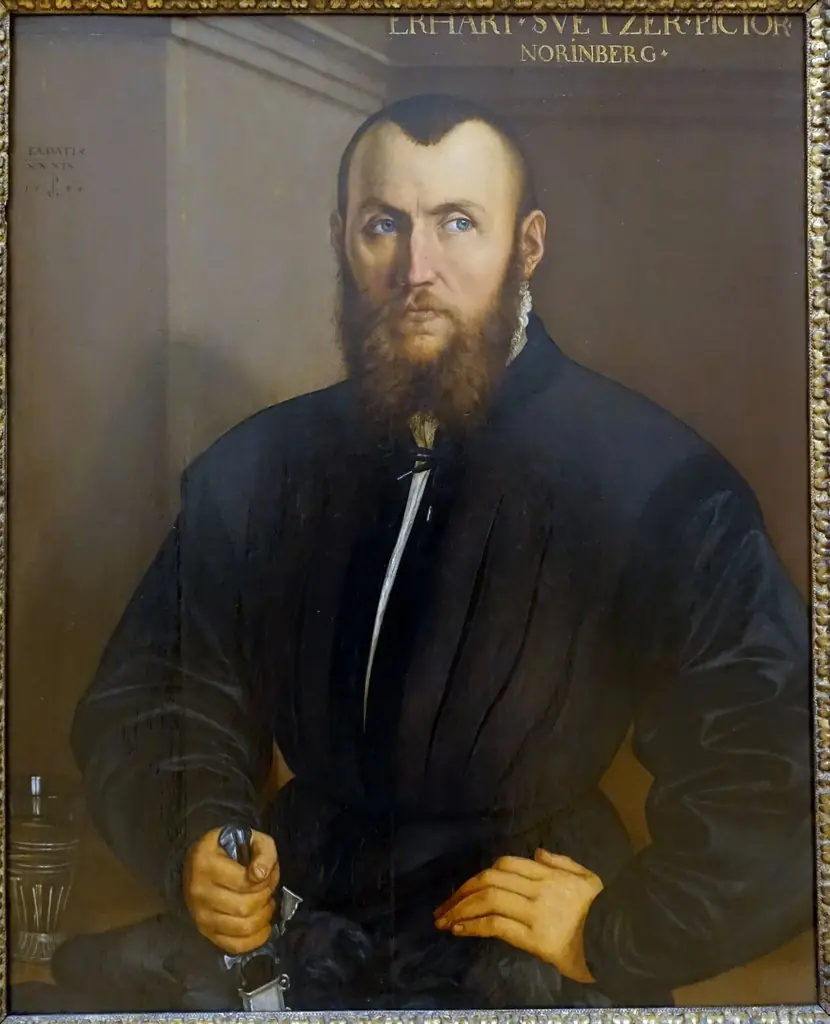 The Painter Erhard Schwetzer from Nuremberg
 Gustav Vasa (1496-1560), kung av Sverige
 Portrait of Willem van Lokhorst (1514-64)