Artwork
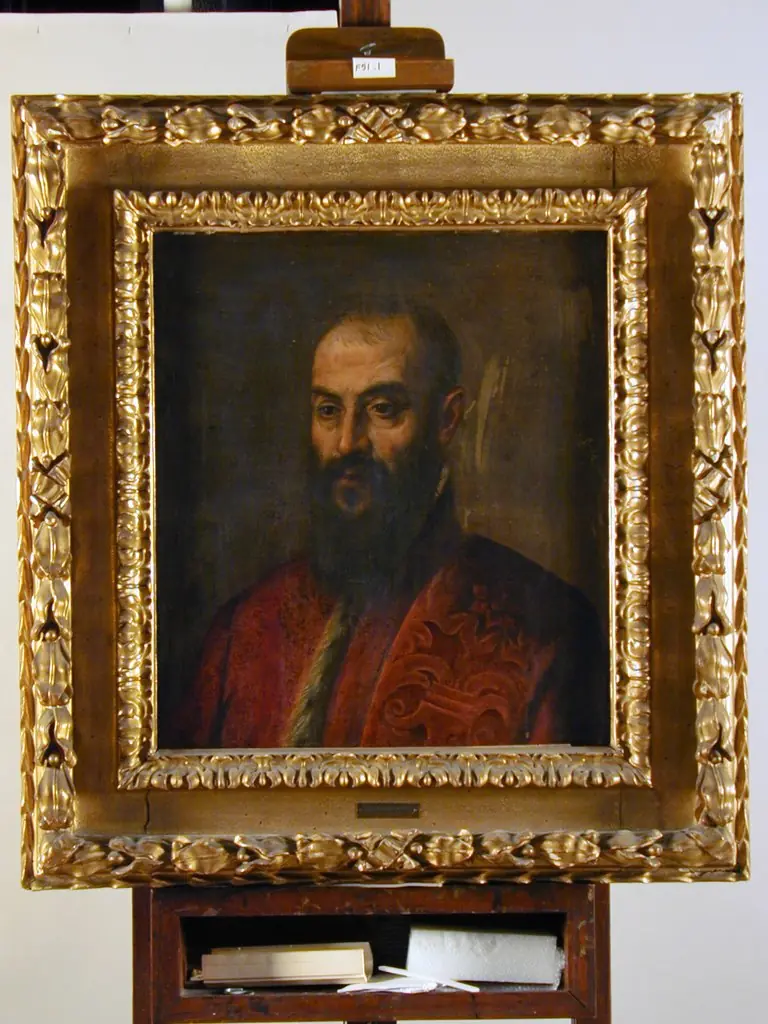
Bildnis eines Prokurators von S. Marco
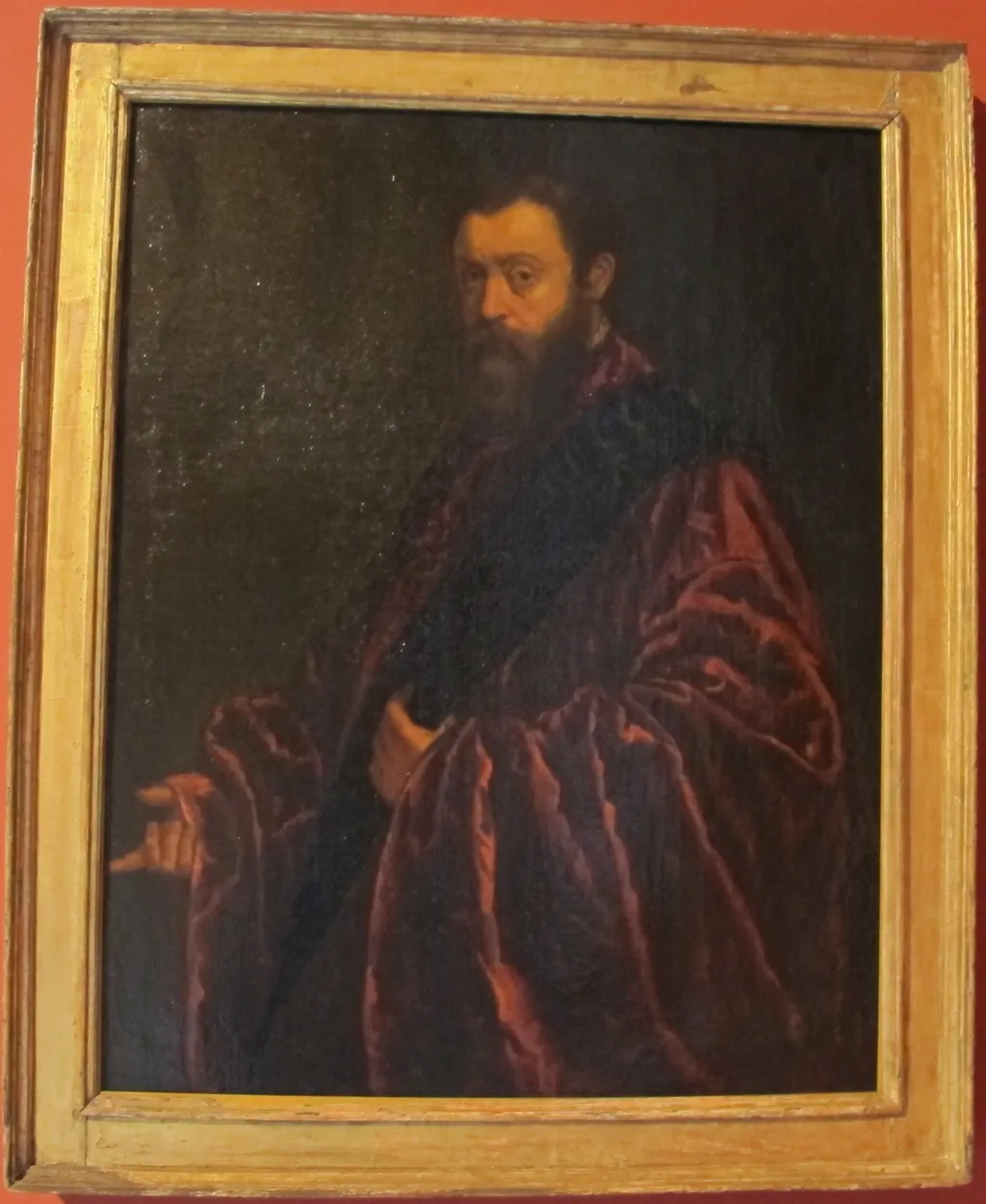
Bildnis eines Prokurators von S. Marco is a paint painting by Domenico Tintoretto. It dates from 1607 and is held in the collection of the Gemäldegalerie Berlin.
About this work
Overview
Painted around 1607 by Domenico Tintoretto, this portrait portrays a Venetian official associated with St. Mark’s. Executed in oil on canvas, the work is part of the Gemäldegalerie Berlin’s collection. It presents a half-length figure against a deep, unmodulated background, emphasizing the subject’s presence through focused lighting and restrained composition.
Subject & Meaning
The sitter is identified as a procurator of St. Mark’s, a high-ranking administrative role in Venetian government. Dressed in a rich red robe, he embodies civic authority. His direct gaze and composed demeanor convey gravitas and quiet confidence, reflecting the dignity expected of such officials. The absence of symbols or settings shifts focus entirely to his character and status.
Technique & Style
Tintoretto employs chiaroscuro to model the figure with strong contrasts between light and shadow, lending volume to the face, hands, and fabric. The brushwork is precise yet fluid, particularly in the rendering of the robe’s folds and the beard’s texture. The dark background isolates the subject, enhancing the three-dimensionality achieved through careful tonal gradations.
History & Provenance
The painting entered the Gemäldegalerie Berlin’s holdings in the 19th century, likely through acquisition from a private collection. Its attribution to Domenico Tintoretto has been consistently supported by stylistic analysis and archival records. No significant alterations or restorations are documented, preserving its original condition.
Context
In early 17th-century Venice, portraiture of civic leaders often emphasized solemnity and institutional authority. Domenico, son of Jacopo Tintoretto, continued his father’s legacy but with greater restraint. This portrait aligns with Venetian traditions of dignified representation, distinct from the theatricality of courtly imagery elsewhere in Europe.
Legacy
The work stands as a representative example of late Mannerist portraiture in Venice, illustrating the transition toward naturalism without overt Baroque drama. It contributes to the understanding of how civic identity was visually constructed in the Republic’s final decades, offering insight into the visual culture of Venetian governance.
Artist & collection

Artist
Domenico Robusti, also known as Domenico Tintoretto, was an Italian painter from Venice. He grew up under the tutelage of his father, the renowned painter Jacopo Tintoretto.

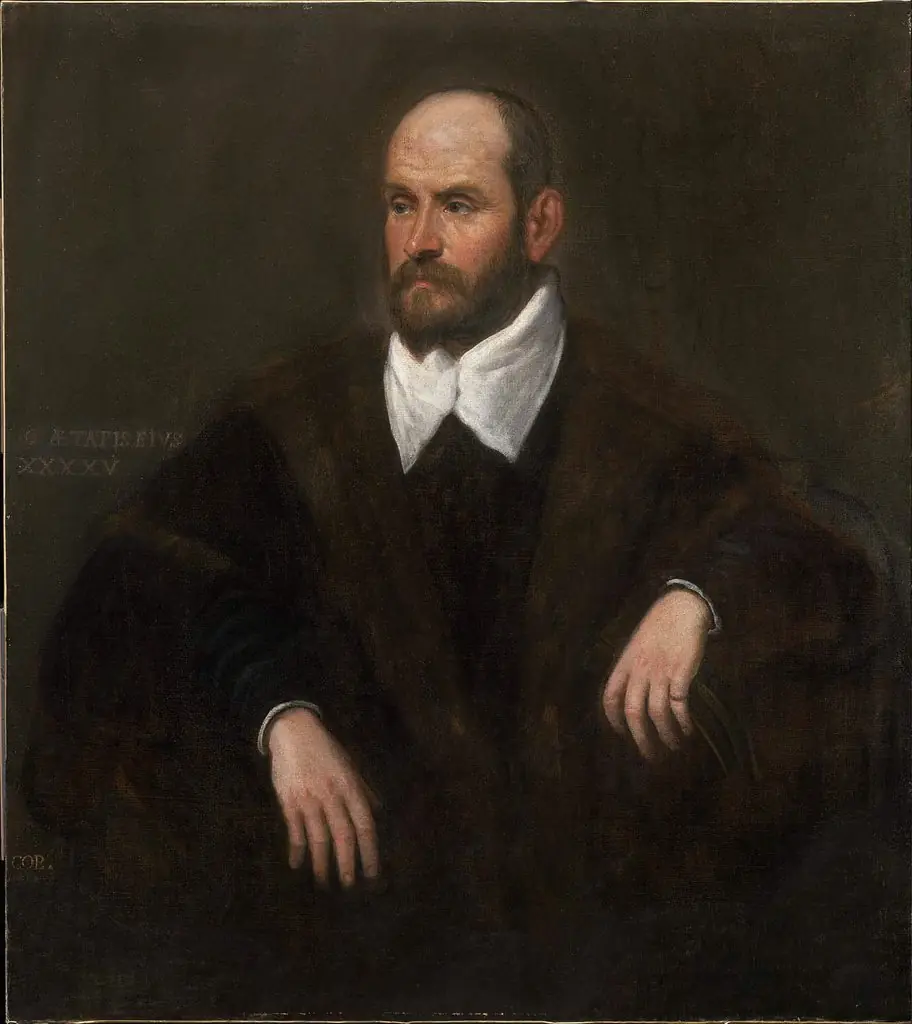
 Portrait of a Man
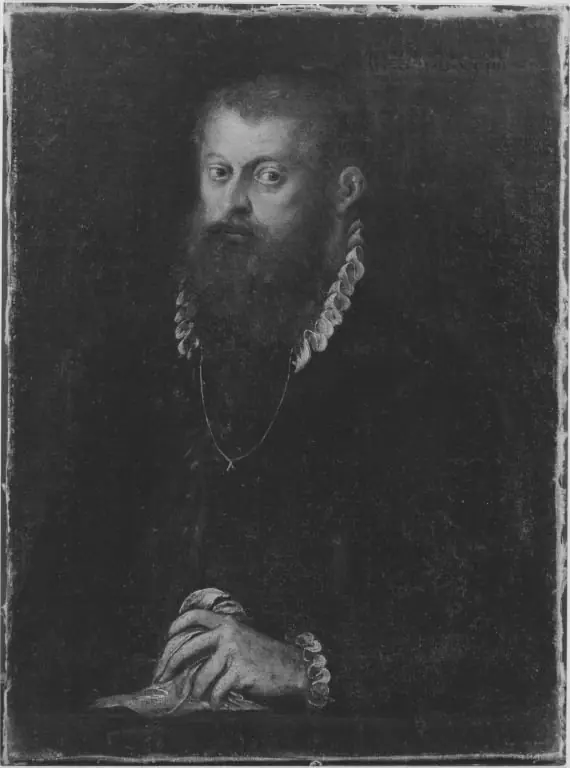 Bildnis eines unbekannten Mannes
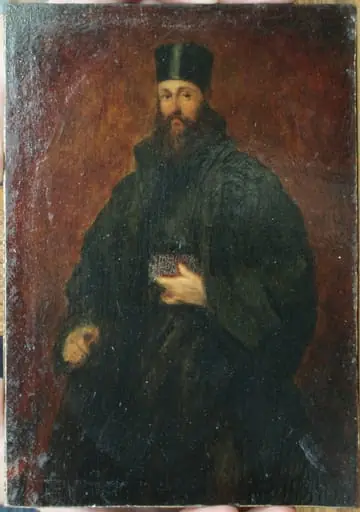 Portretul unui egumen
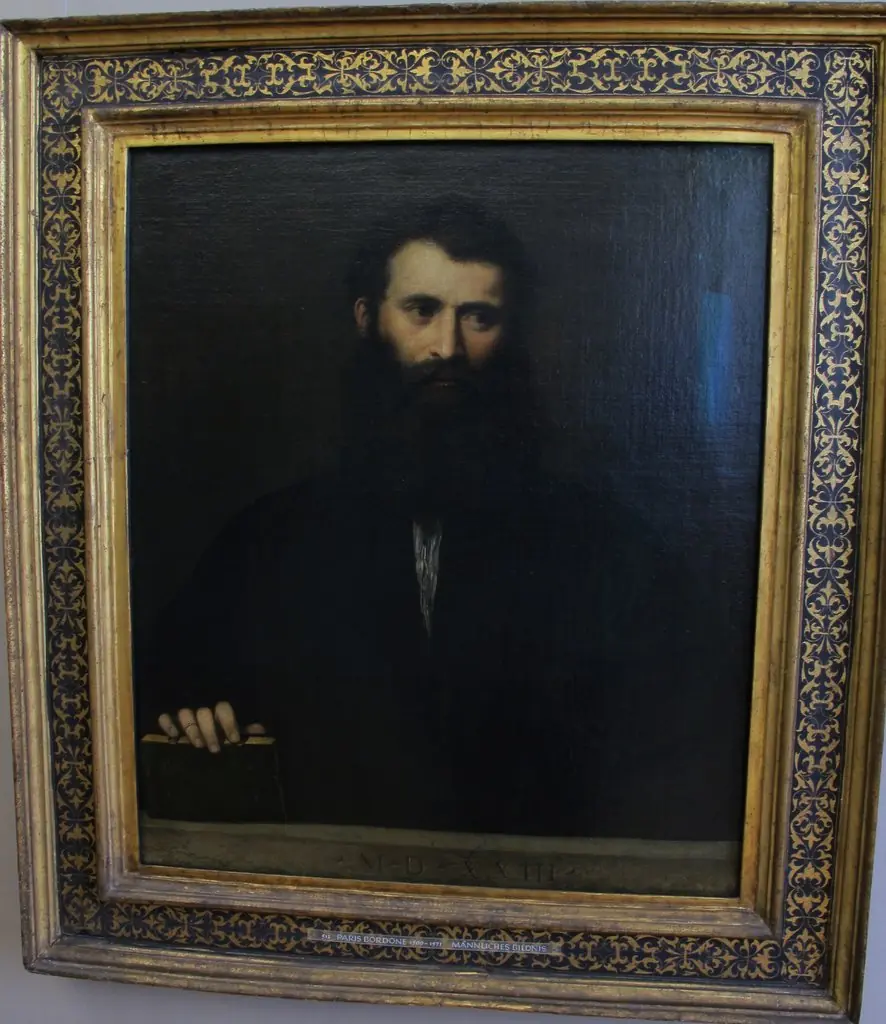 Bildnis eines bärtigen Mannes
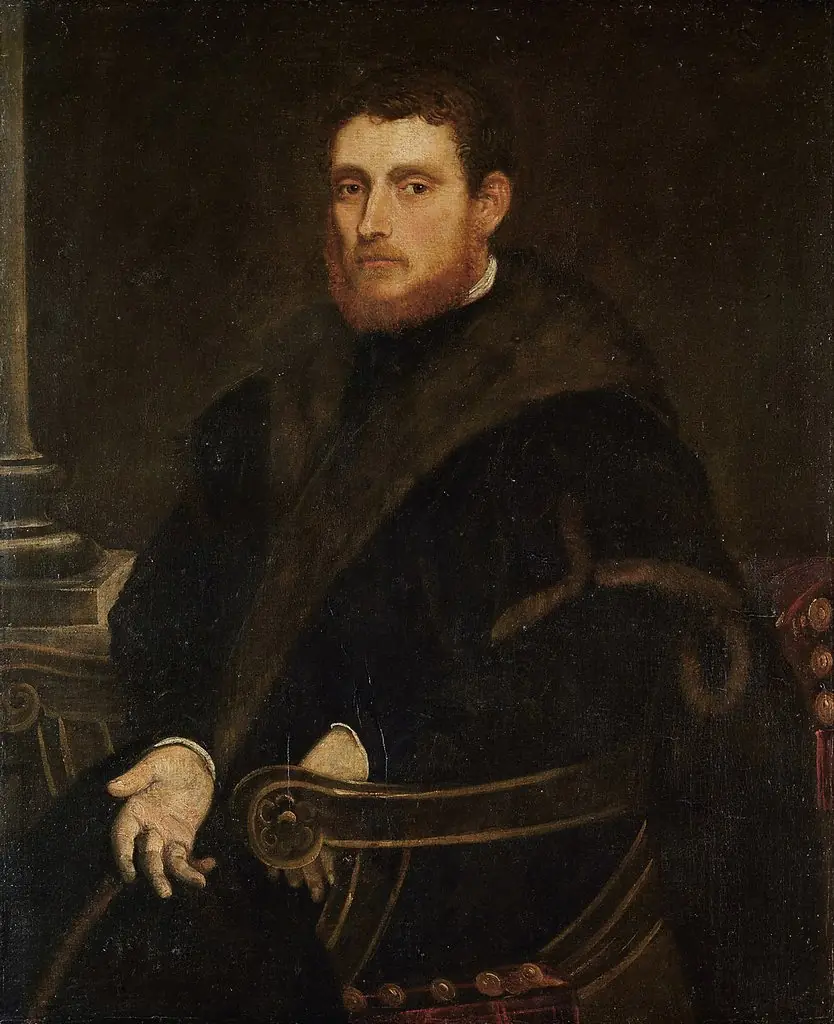 Bildnis eines jungen rotbärtigen Mannes im Lehnstuhl
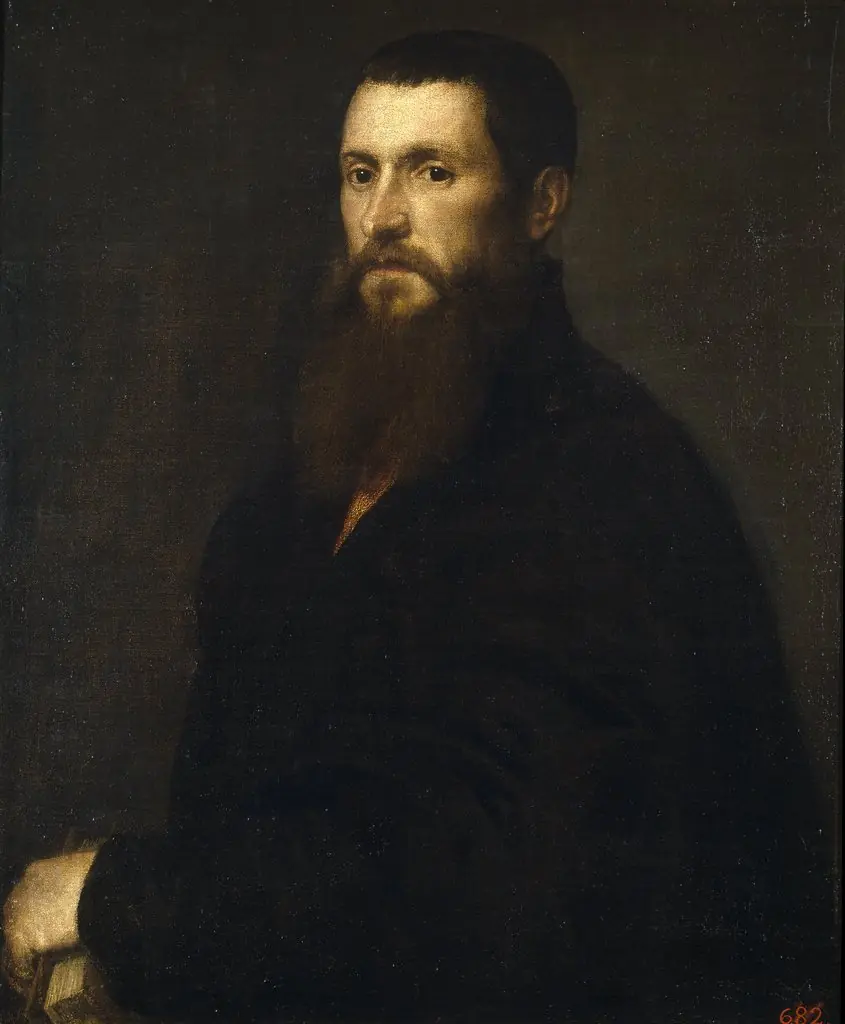 Daniele Barbaro, Patriarch of Aquileia
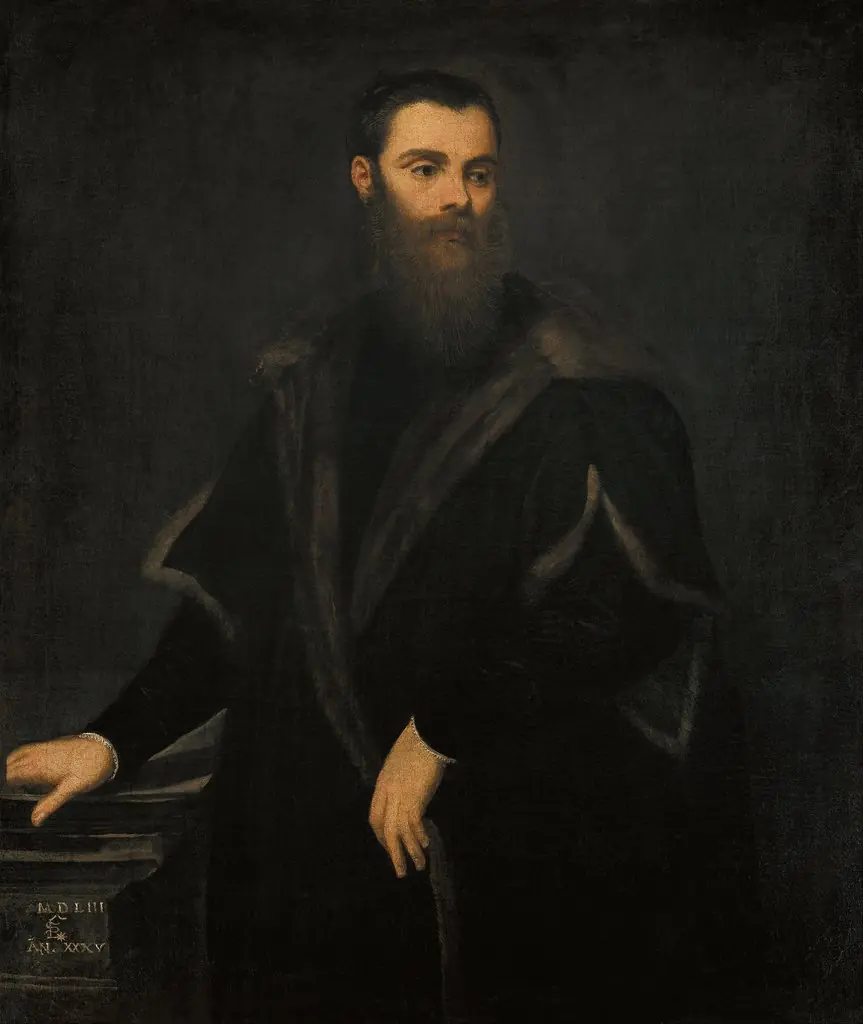 Lorenzo Soranzo
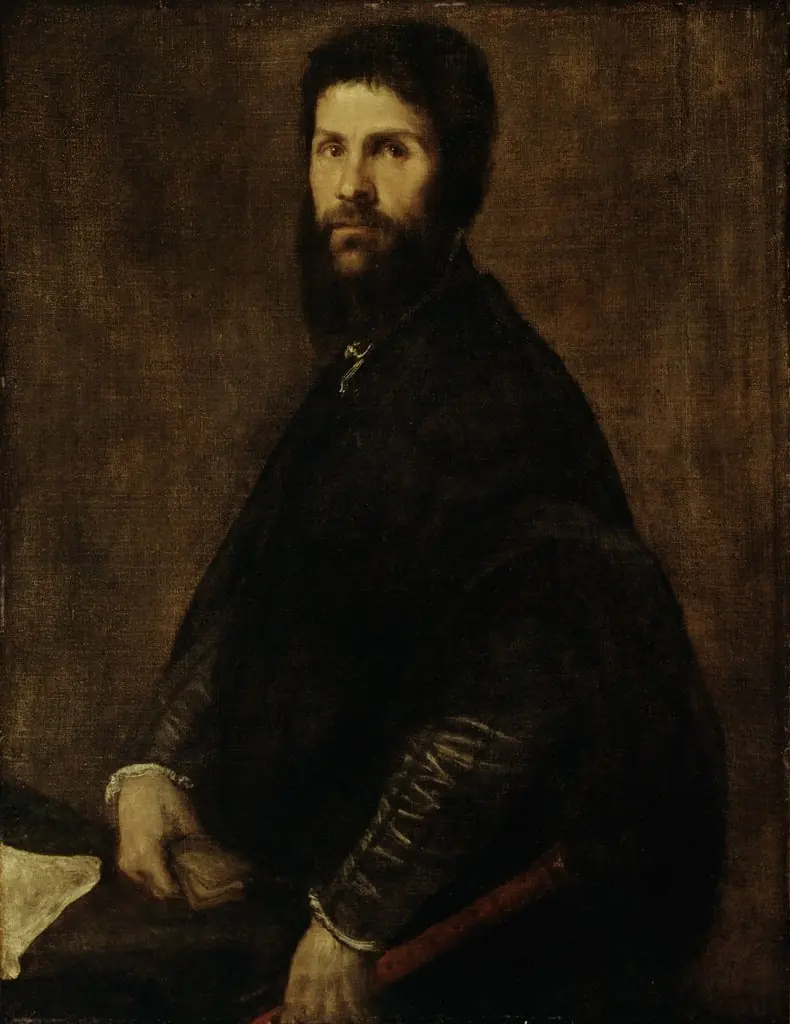 Man Holding a Flute
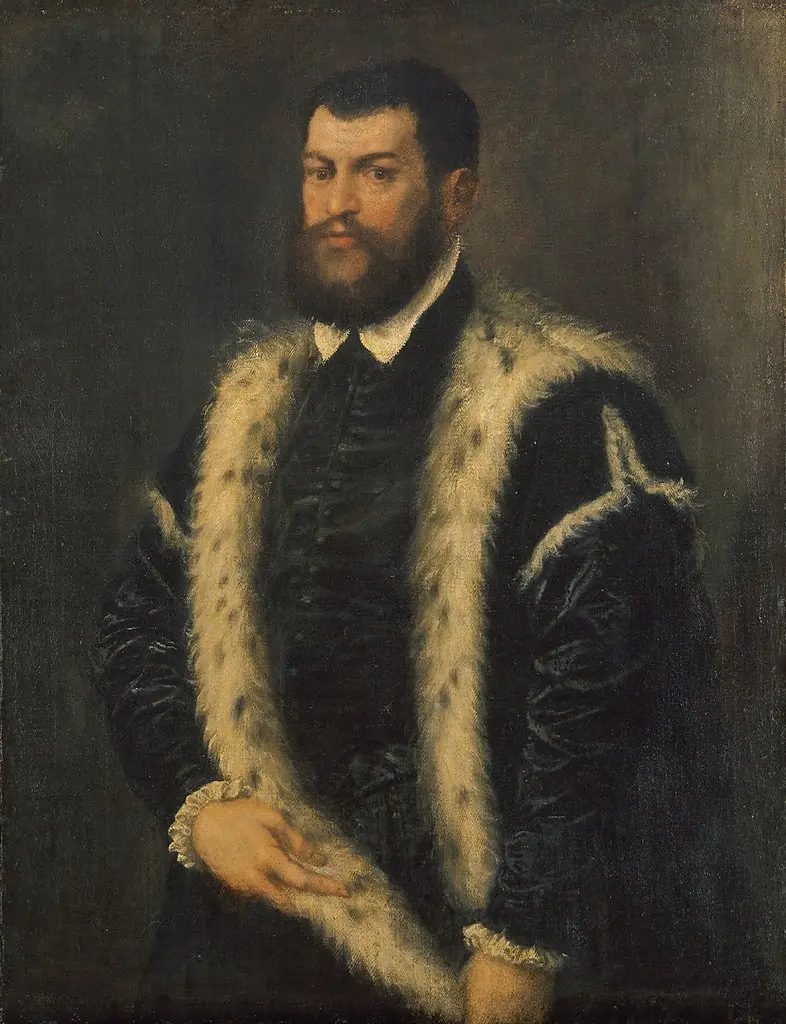 Man with Ermine Coat
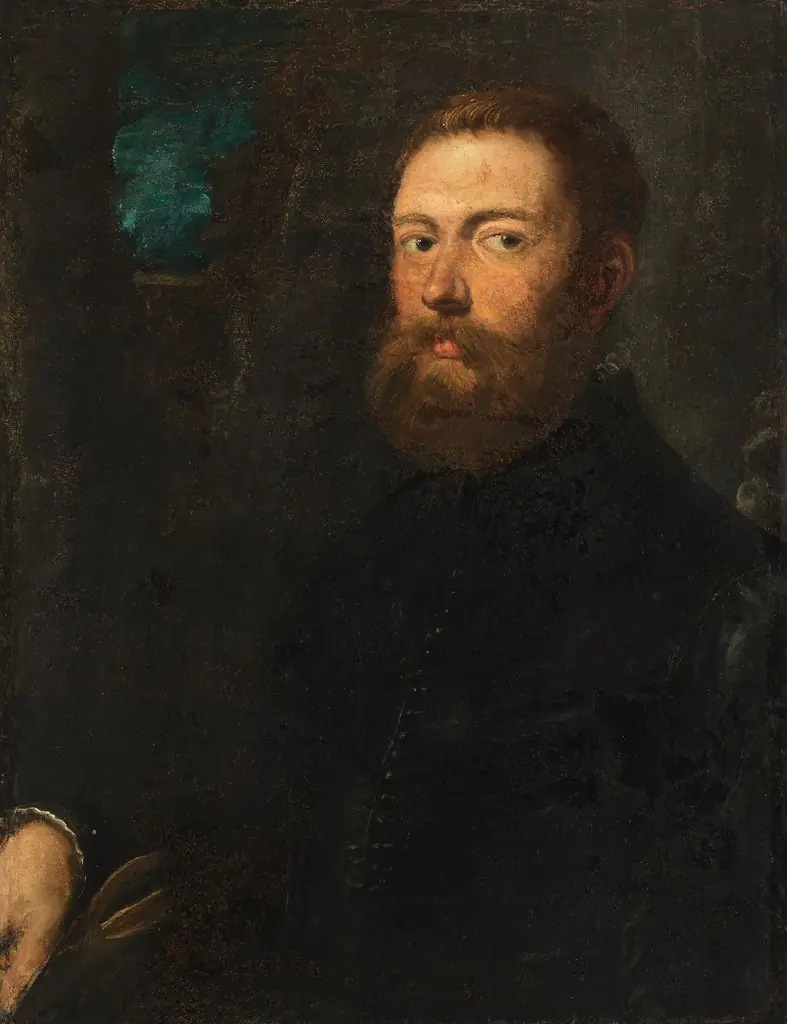 Bildnis eines Mannes
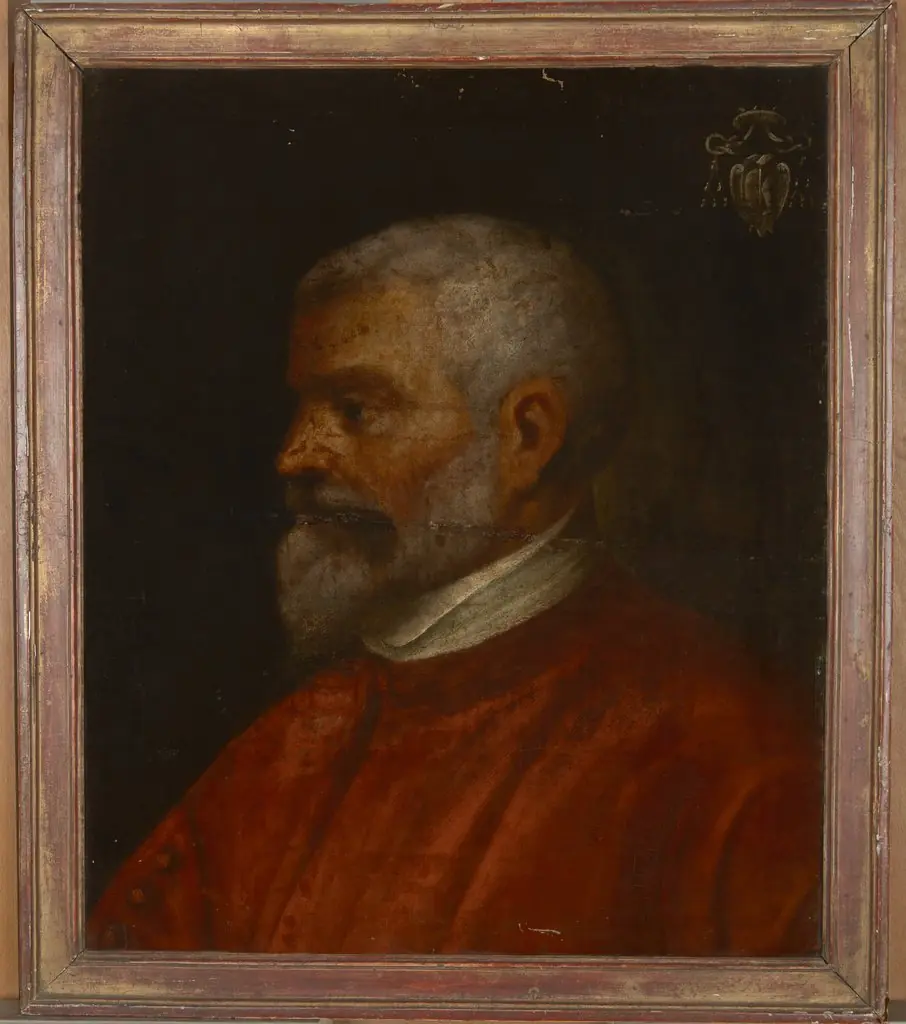 Portret kardynała Stanisława Hozjusza (1504-1579), biskupa warmińskiego
 Mater Dolorosa