Artwork
The Painter Erhard Schwetzer from Nuremberg
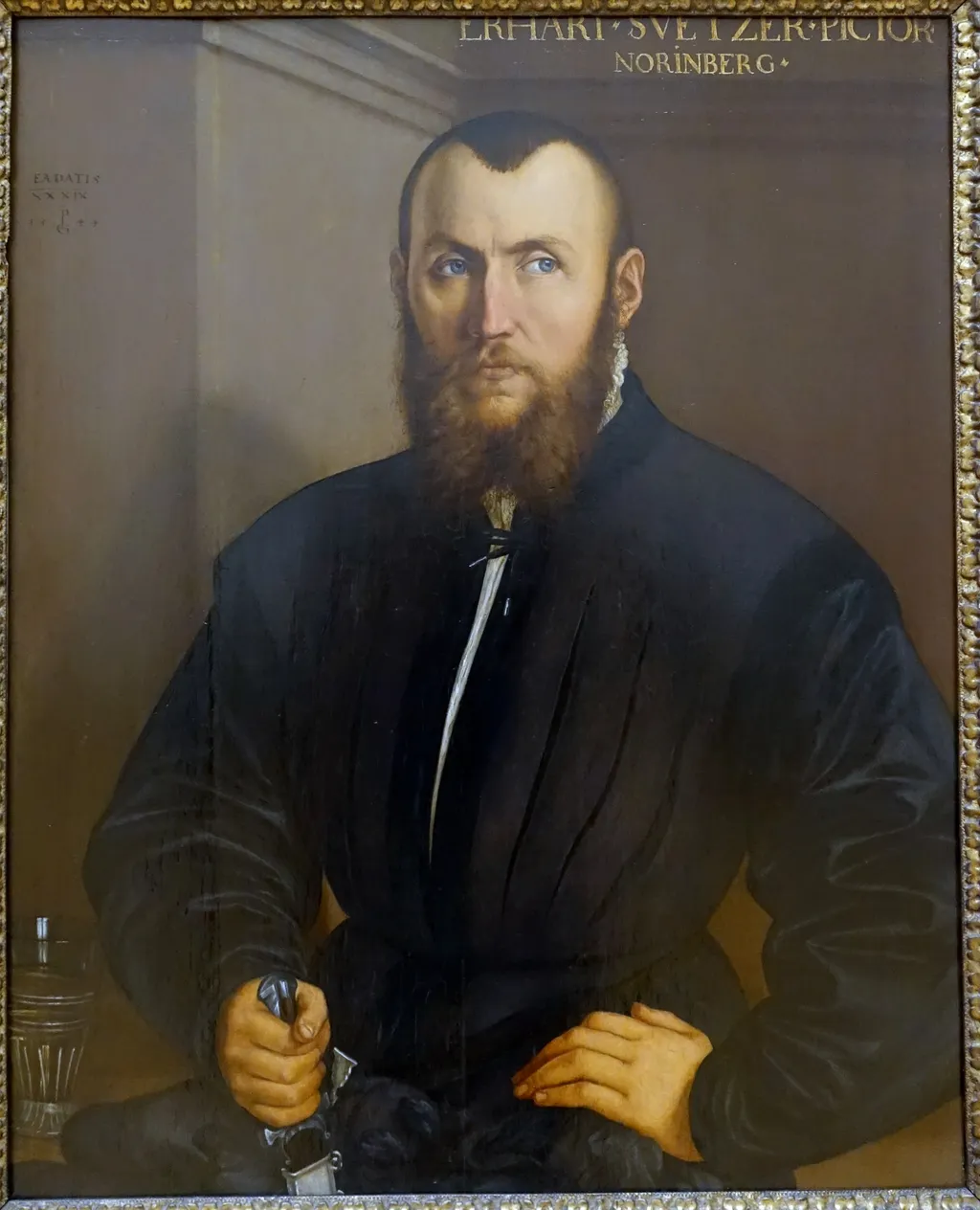
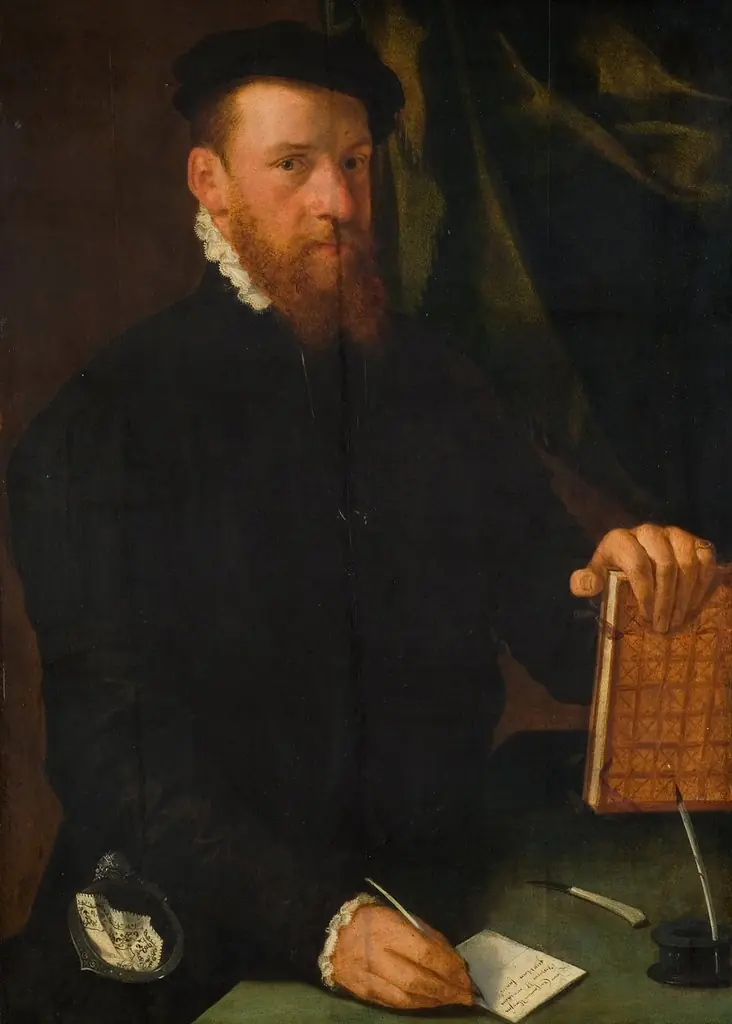
The Painter Erhard Schwetzer from Nuremberg is a paint painting by the Northern Renaissance artist Georg Pencz. It dates from 1544 and is held in the collection of the Gemäldegalerie Berlin. Painted in 1544, this small portrait captures Erhard Schwetzer, a man from Nuremberg, in a restrained yet intimate composition.
About this work
Overview
Painted in 1544, this small portrait captures Erhard Schwetzer, a man from Nuremberg, in a restrained yet intimate composition.
Painted in 1544, this small portrait captures Erhard Schwetzer, a man from Nuremberg, in a restrained yet intimate composition. Executed in oil on panel, the work reflects the Northern Renaissance tradition of detailed portraiture. Its modest scale and focused subject suggest a private commission rather than a public display. The artist, Georg Pencz, was known for his precision and ability to convey character through subtle observation.
Subject & Meaning
Erhard Schwetzer is depicted with a stern expression, direct gaze, and dignified posture, suggesting a man of status or professional standing. The dagger he holds may indicate personal defense, civic duty, or a symbol of authority. His dark robe and minimal adornment emphasize sobriety and self-possession. The plain background and concise inscription reinforce a focus on the individual, typical of humanist ideals in 16th-century German society.
Technique & Style
Pencz employs chiaroscuro to model the sitter’s face and clothing with quiet intensity, creating volume without dramatic contrast. Fine brushwork renders the texture of fabric, beard, and skin with meticulous care. The composition is tightly framed, eliminating distractions to heighten psychological presence. The inscription, faint but legible, anchors the portrait in time and identity, reflecting the Northern Renaissance emphasis on individuality and record.
History & Provenance
The painting was created in Nuremberg during Pencz’s mature period, after his training under Albrecht Dürer and exposure to Italian art. Its survival suggests it remained in private hands, likely within Schwetzer’s family or local circle. No documented public exhibition history exists prior to modern collection records, indicating its enduring role as a personal keepsake rather than a widely circulated work.
Context
In mid-16th-century Nuremberg, portraiture flourished among the merchant and artisan classes as expressions of civic identity. Pencz, part of a generation bridging Dürer’s legacy and emerging Mannerist trends, blended German realism with Italian compositional clarity. Schwetzer’s portrait reflects this synthesis: grounded in local tradition, yet informed by broader European artistic currents.
Legacy
Though not widely known outside specialist circles, this portrait exemplifies the quiet power of Northern Renaissance portraiture. Pencz’s ability to convey character through restraint influenced later German artists. The work remains a testament to the era’s focus on individual dignity and the artist’s role as a recorder of personal presence, rather than a glorifier of status.
Artist & collection
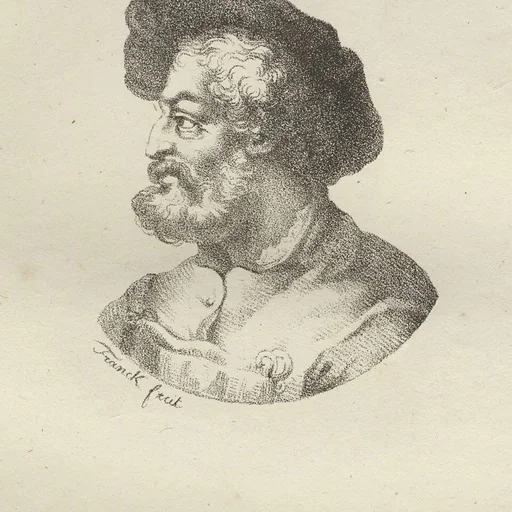
Artist
Georg Pencz (c. 1500 – 11 October 1550) was a German engraver, painter and printmaker. Pencz was probably born in Westheim near Bad Windsheim/Franconia. He travelled to Nuremberg in 1523 and joined Albrecht Dürer’s…

 Männliches Bildnis
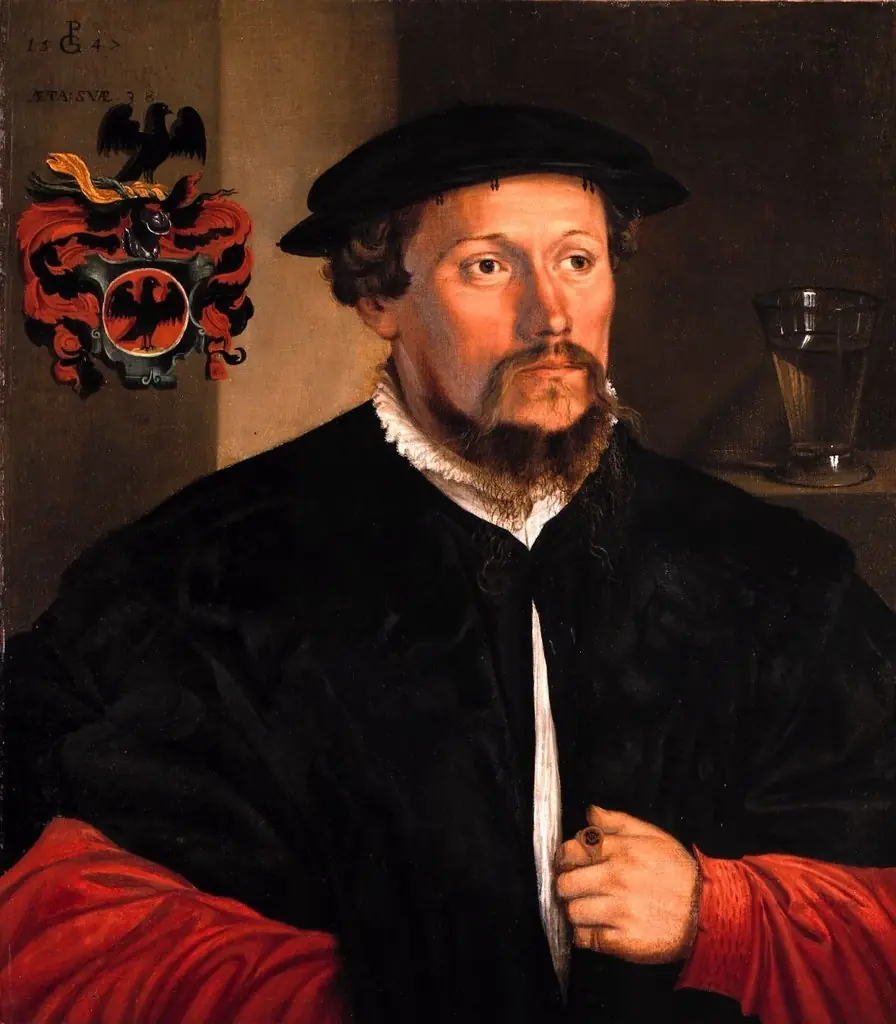
 Portrait of Willem van Lokhorst (1514-64)
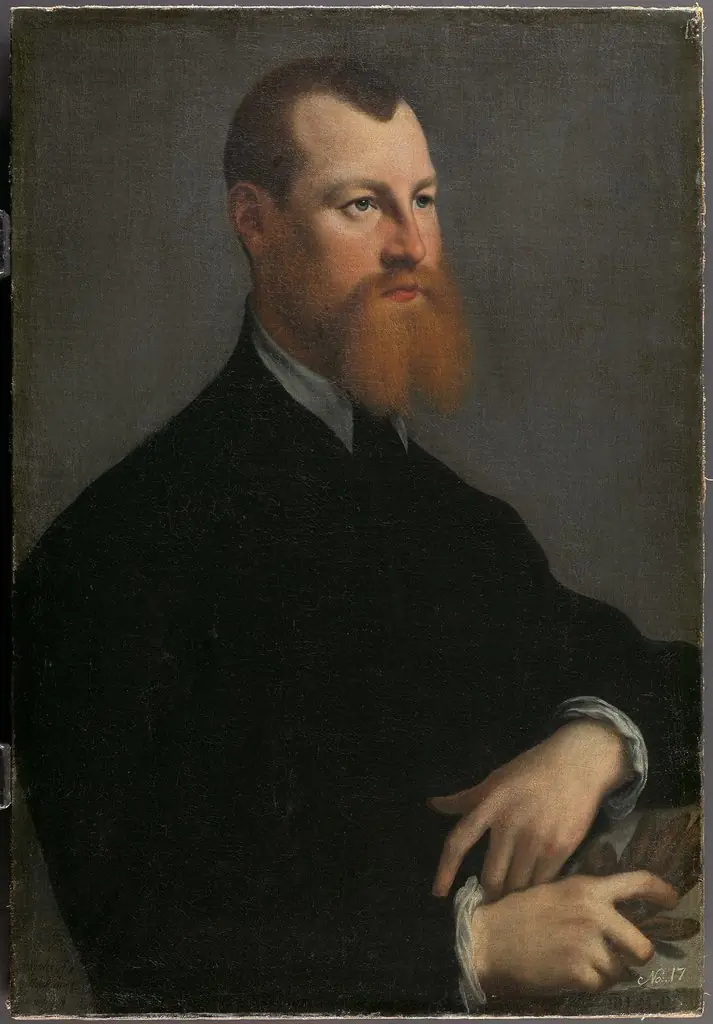 Portrait of Sigismund Augustus (1520-1572) with gloves
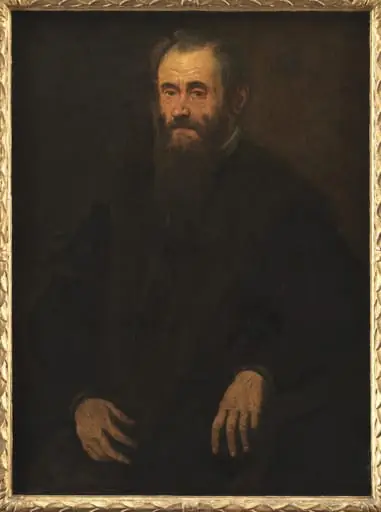 Portrait of a Man
 Portret de bărbat cu barbă
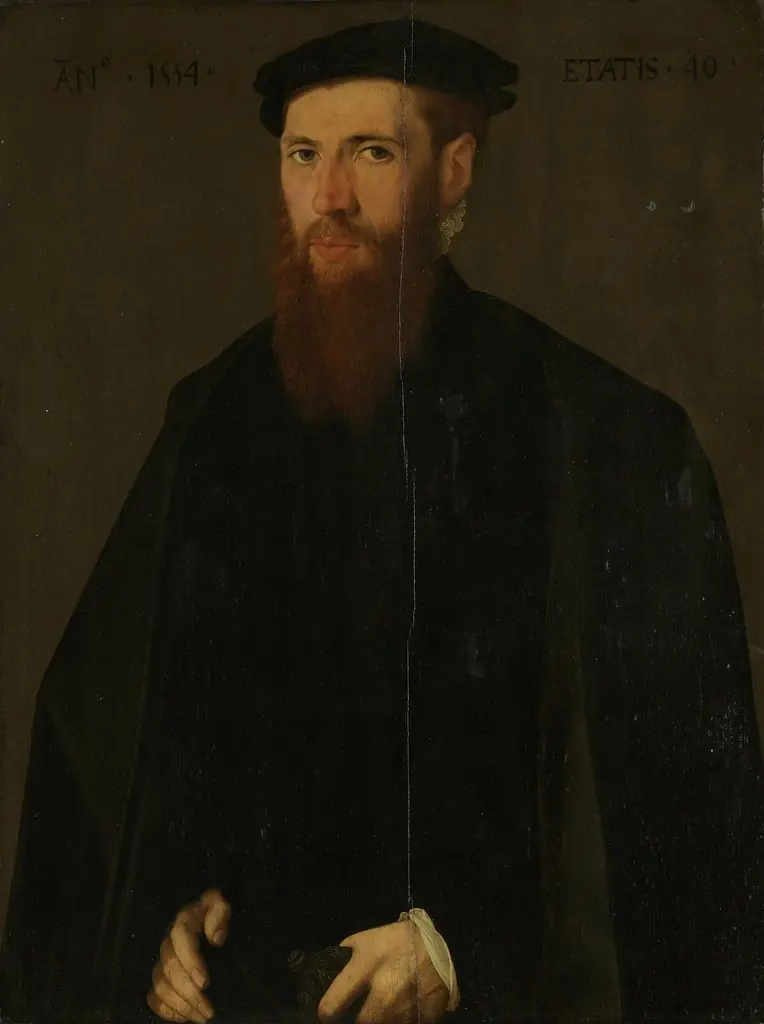 Portrait of Willem van Lokhorst (1514-64)
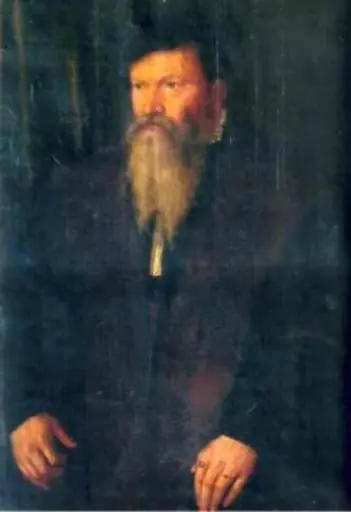 Portret de bărbat cu barbă
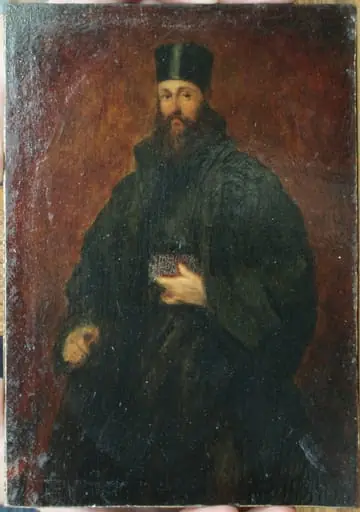 Portretul unui egumen
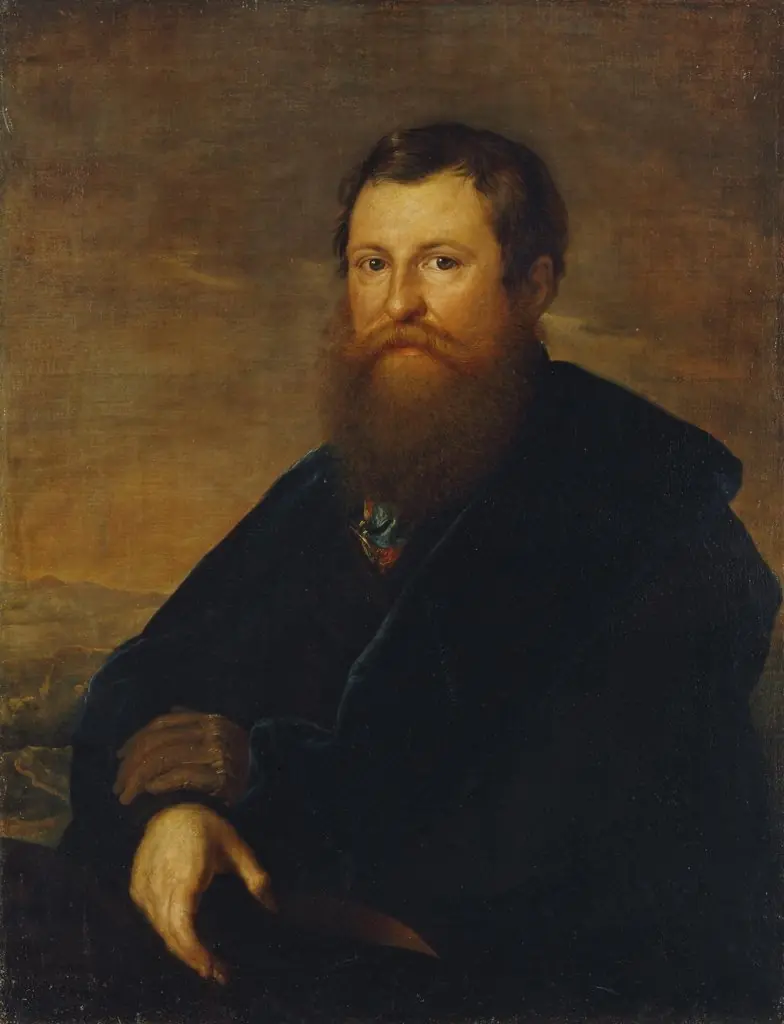 Portrait of the Merchant Alexander Sapozhnikov
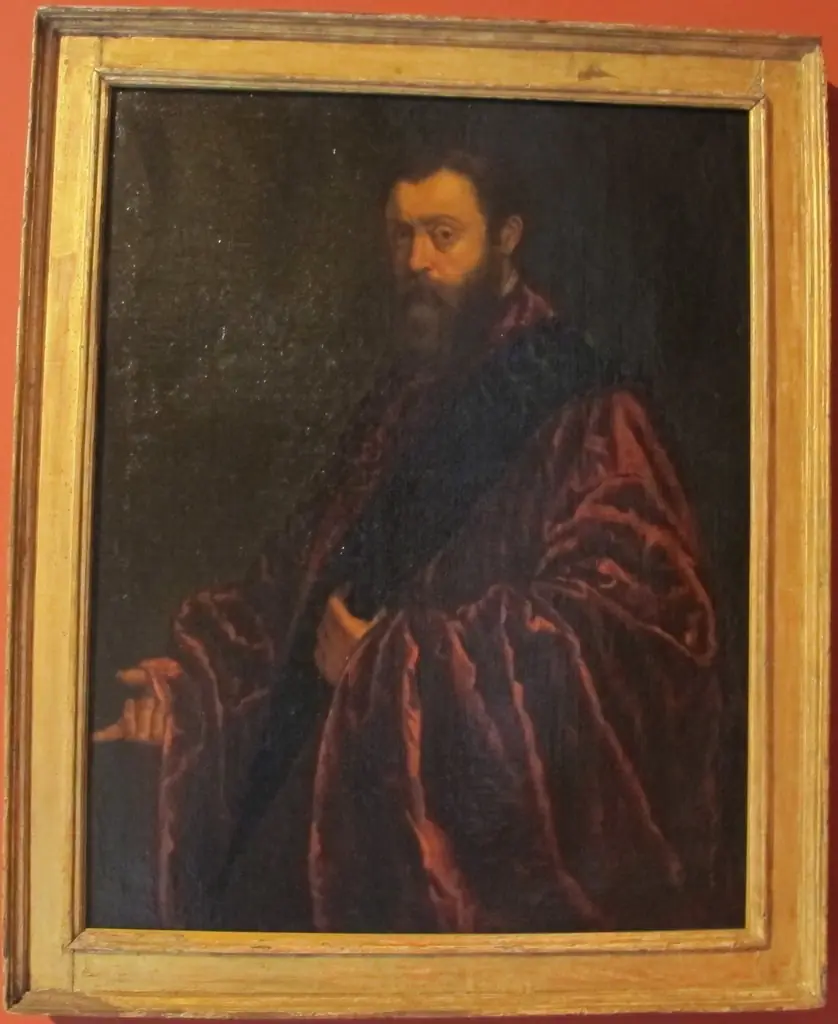 Bildnis eines Prokurators von S. Marco
 Bildnis eines Mannes
 Portrait of Marcantonio Barbaro (1518-1595) as ambassador to Constantinople