Artwork
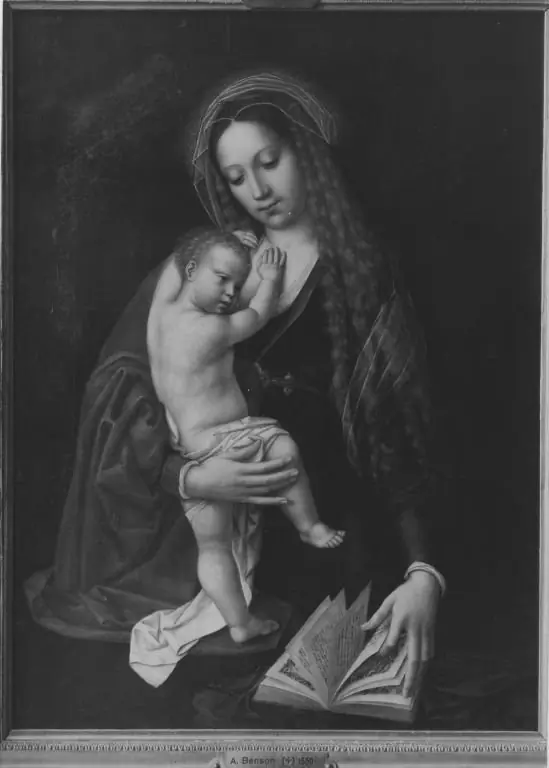
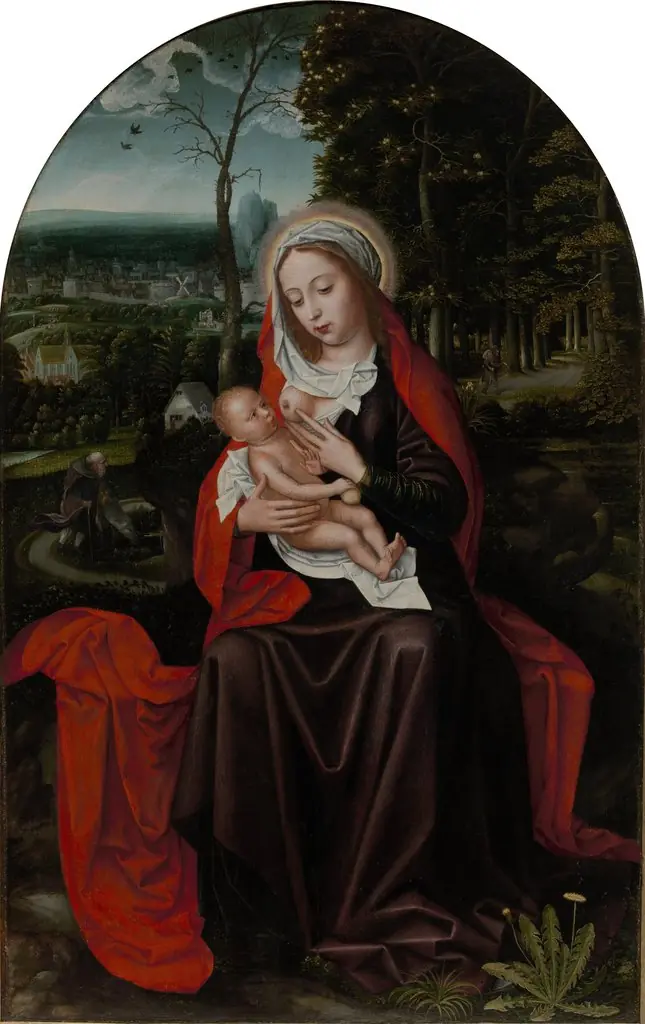
A Virgem do Leite
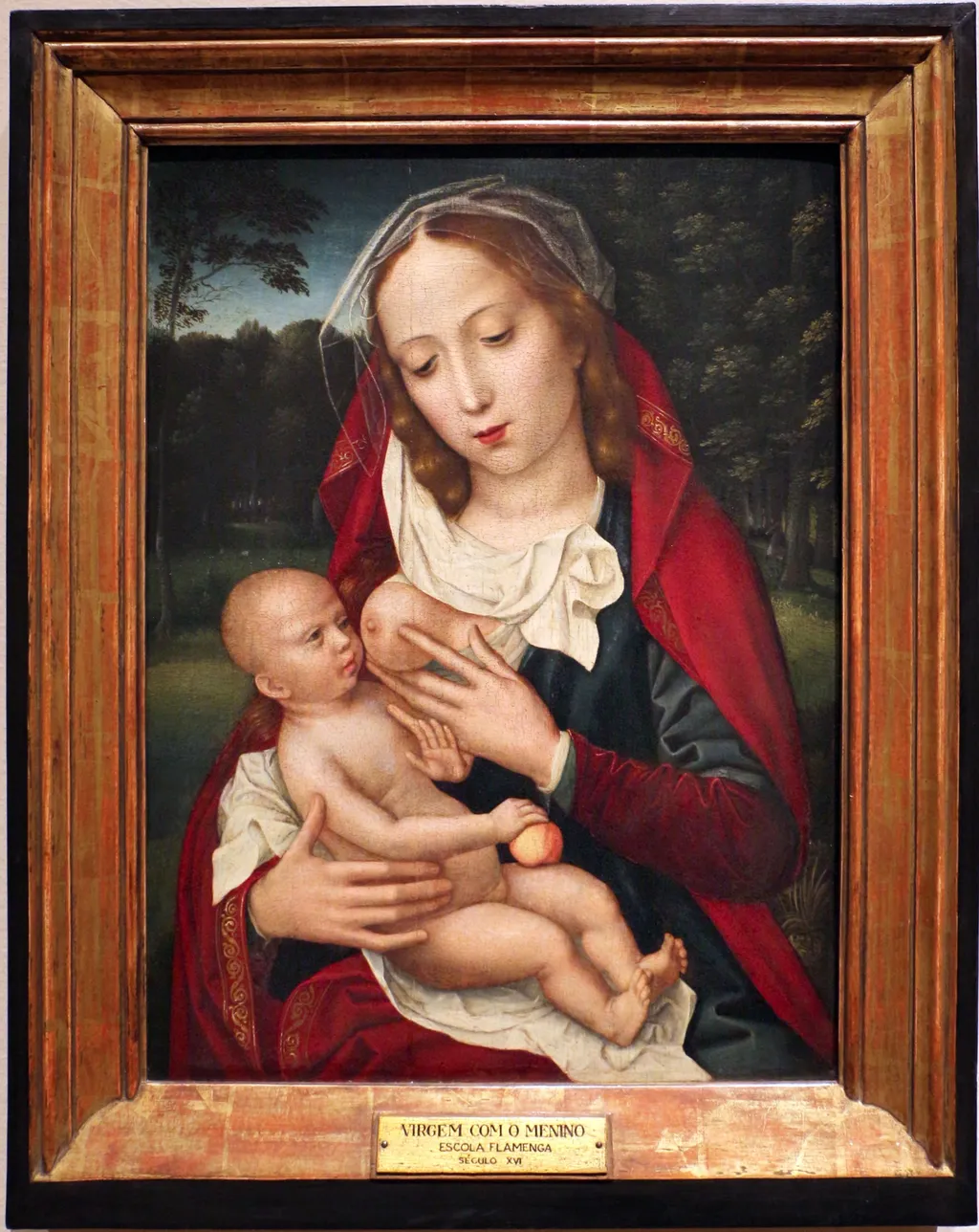
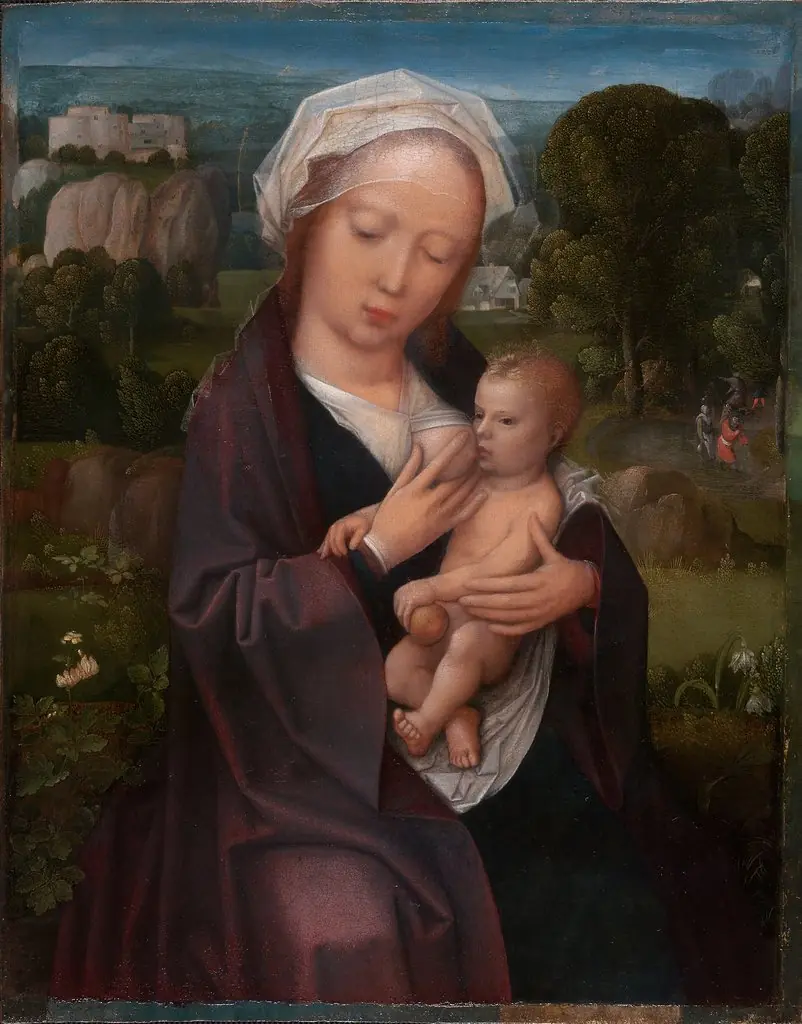
A Virgem do Leite is an unspecified painting by the Northern Renaissance artist Ambrosius Benson. It dates from 1510 and is held in the collection of the National Museum of Ancient Art.
About this work
Overview
The painting is now held in the National Museum of Ancient Art in Lisbon, where it is recognized for its quiet emotional tone and refined detail.
Painted around 1510 by Ambrosius Benson, a Northern Renaissance artist active in the Low Countries, this work presents the Nursing Madonna, a devotional subject popular in early 16th-century religious art. Though details of Benson’s life remain sparse, his output centered on intimate sacred scenes. The painting is now held in the National Museum of Ancient Art in Lisbon, where it is recognized for its quiet emotional tone and refined detail.
Subject & Meaning
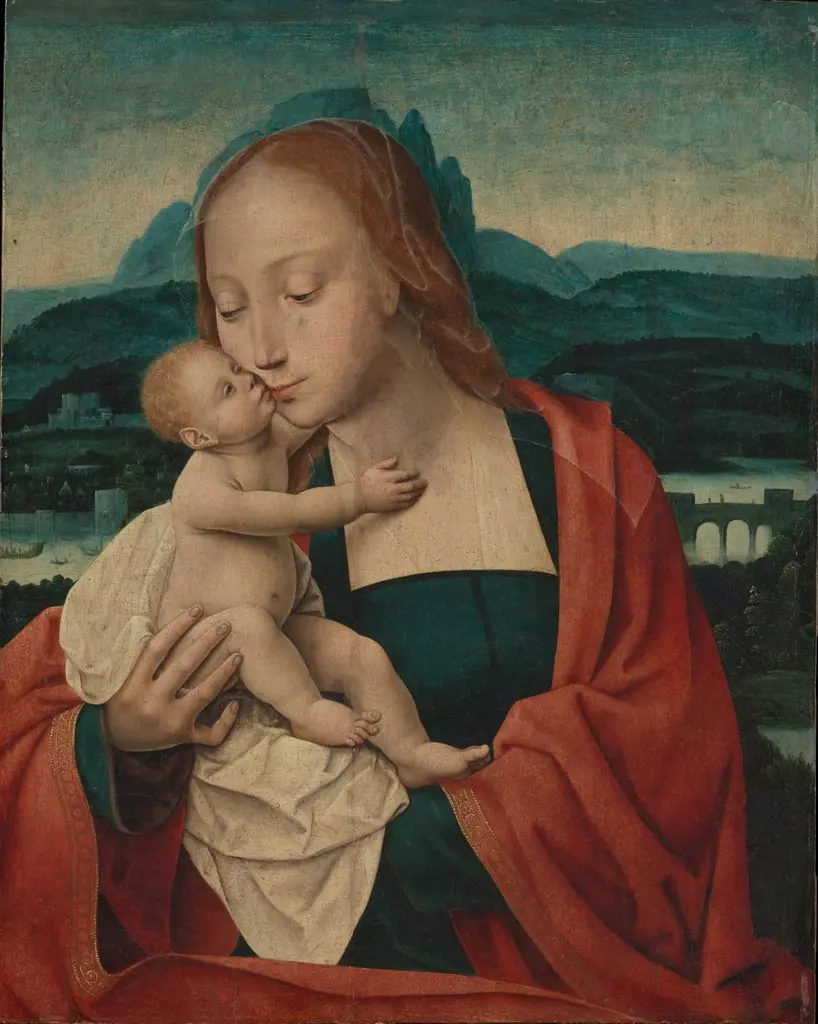
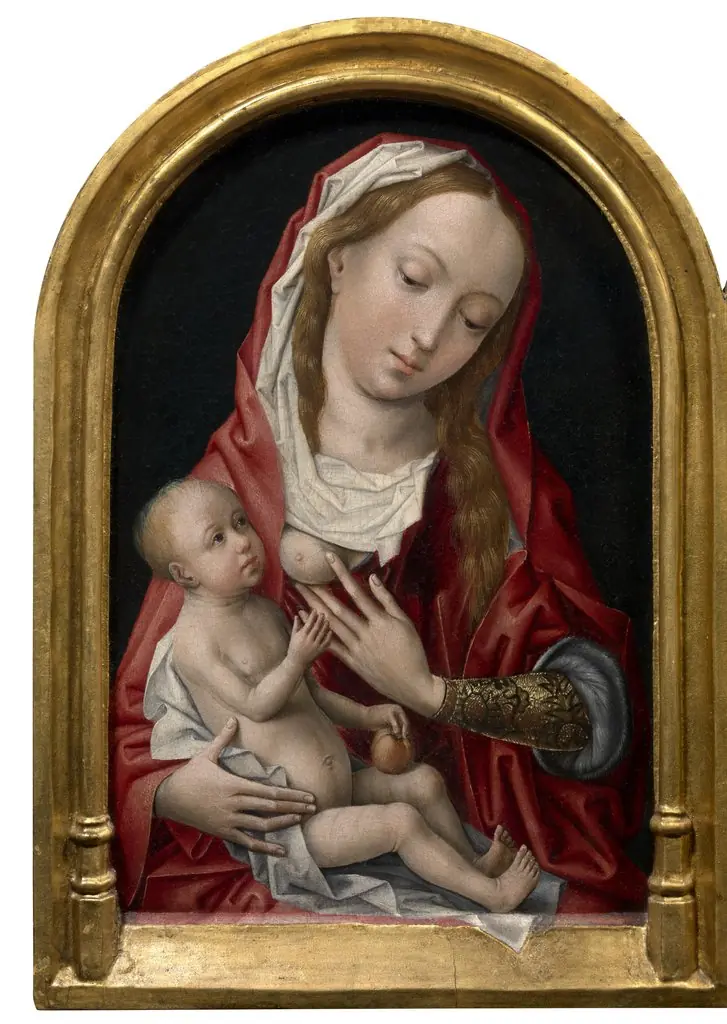
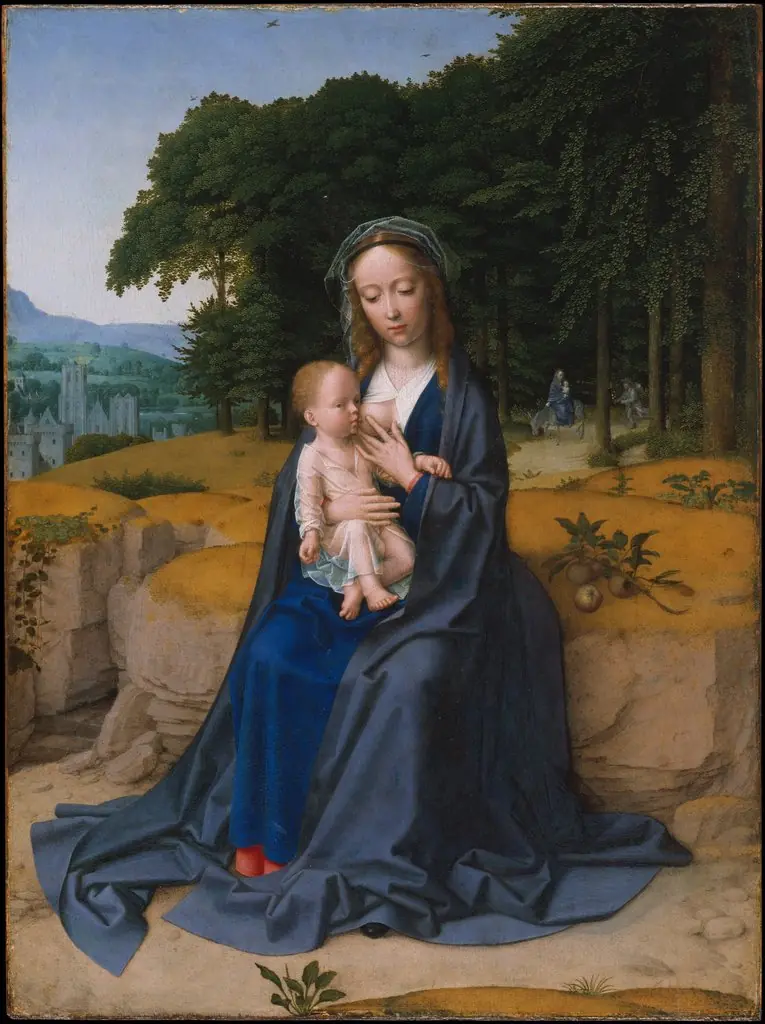
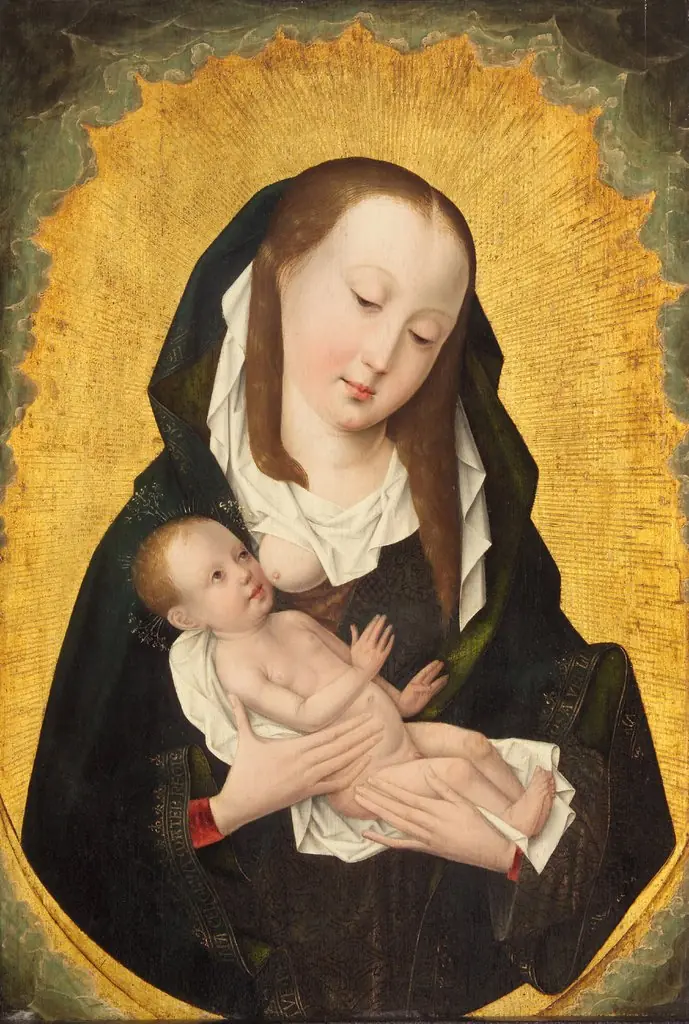
The image shows the Virgin Mary breastfeeding the Christ Child, a motif emphasizing maternal tenderness and divine humanity. The child’s reach toward an apple alludes to the Fall of Man and Christ’s redemptive role, while his grasp of Mary’s finger suggests a bond between the divine and the earthly. Mary’s composed expression and modest attire reflect traditional ideals of purity and humility, grounding the sacred in domestic realism.
Technique & Style
Benson employs oil on panel with meticulous brushwork, rendering textures like fabric, skin, and foliage with subtle precision. The Virgin’s dark blue robe and crimson cloak contrast against the pale scarf and the child’s bare skin, creating visual harmony. Soft shadows define form without harsh lines, and the dim forest backdrop recedes into muted tones, focusing attention on the figures’ quiet interaction.
History & Provenance
The painting’s early ownership is undocumented, but it entered the collection of the National Museum of Ancient Art in Lisbon in the 19th century, likely as part of a broader acquisition of Portuguese and Netherlandish works. Its survival through centuries suggests it was valued in private or ecclesiastical settings before institutional preservation.
Context
During the early 1500s, devotional images of the Nursing Madonna were widespread in Northern Europe, often commissioned for personal prayer. Benson’s version reflects the influence of Italian Renaissance naturalism, adapted through the detailed realism characteristic of Flemish painting. The scene avoids grandeur, favoring intimacy—a shift toward private spirituality in post-medieval Christianity.
Legacy
Though Benson is not among the most widely studied Northern Renaissance painters, this work exemplifies the period’s blending of spiritual symbolism with everyday observation. Its preservation and display highlight the enduring appeal of tender, humanized religious imagery in European art, offering insight into how faith was visually negotiated in domestic contexts.
Artist & collection
Artist
Ambrosius Benson (c. 1495/1500 – 1550) was an Italian painter who became a part of the Northern Renaissance. While many surviving paintings have been attributed, there is very little known of him from records, and he…