Artwork
Sibilla Persica (The Persian Sibyl)
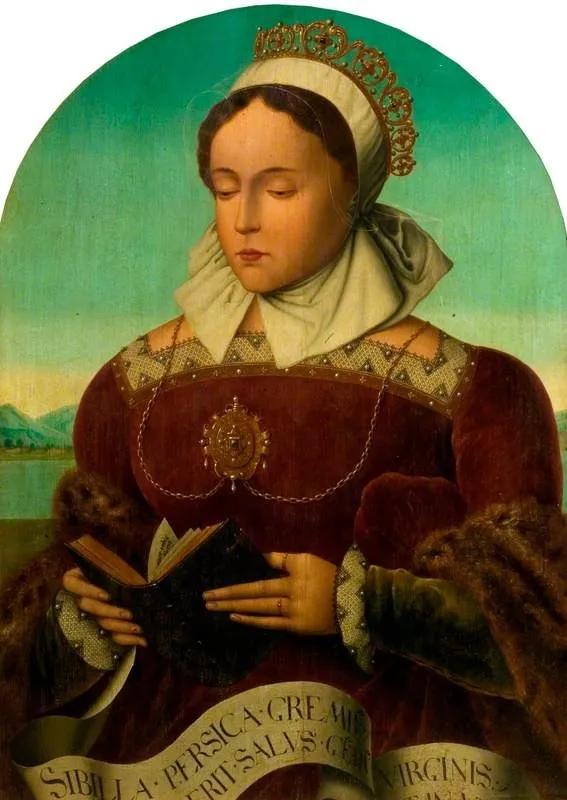
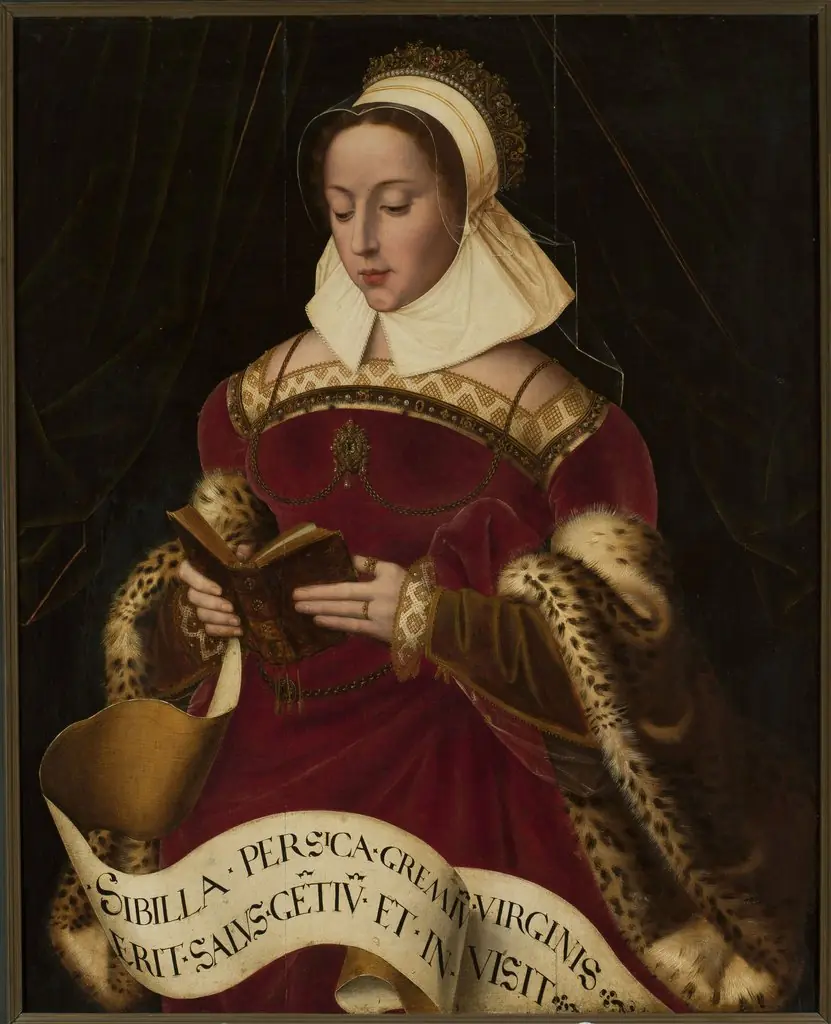
Sibilla Persica (The Persian Sibyl) is an oil painting by the Northern Renaissance artist Ambrosius Benson. It dates from 1532 and is held in the collection of the Victoria and Albert Museum. Created circa 1532, this oil painting portrays a female figure identified as the Persian Sibyl.
About this work
Overview
Created circa 1532, this oil painting portrays a female figure identified as the Persian Sibyl. She is dressed in a vivid red garment, a white veil covering her hair, and a fur‑trimmed sleeve, while a golden crown rests upon her head. A book rests in her hands, and a banner bearing inscription appears at the lower edge of the composition.
Subject & Meaning
The work presents the Sibyl, a prophetic figure from classical antiquity, here rendered with attributes of learning—a book—and regal insignia, suggesting both wisdom and elevated status. The combination of scholarly and noble symbols reflects the Renaissance interest in merging pagan prophecy with Christian moral frameworks, positioning the Sibyl as a conduit of timeless insight.
Technique & Style
Executed in the Northern Renaissance idiom, the painting displays meticulous attention to texture and material, evident in the sheen of the red fabric, the delicate rendering of the fur trim, and the reflective quality of the gold crown. The artist employs layered oil glazes to achieve depth, while the composition remains grounded in a domestic interior that emphasizes realistic detail.
History & Provenance
The painting entered the collection of the Victoria and Albert Museum, where it remains part of the museum’s holdings of Northern Renaissance art.
The canvas is attributed to Ambrosius Benson, an Italian‑born painter who worked in the Low Countries during the early sixteenth century. Though biographical records are sparse, Benson operated a productive workshop known for religious commissions and portraiture. The painting entered the collection of the Victoria and Albert Museum, where it remains part of the museum’s holdings of Northern Renaissance art.
Context
During the period when the work was produced, Northern artists frequently adapted classical subjects for contemporary audiences, integrating familiar clothing and settings. This practice reflected a broader cultural movement that sought to reconcile ancient mythological themes with the visual language of everyday life, thereby making such figures accessible to a Renaissance public.
Artist & collection
Artist
Ambrosius Benson (c. 1495/1500 – 1550) was an Italian painter who became a part of the Northern Renaissance. While many surviving paintings have been attributed, there is very little known of him from records, and he…

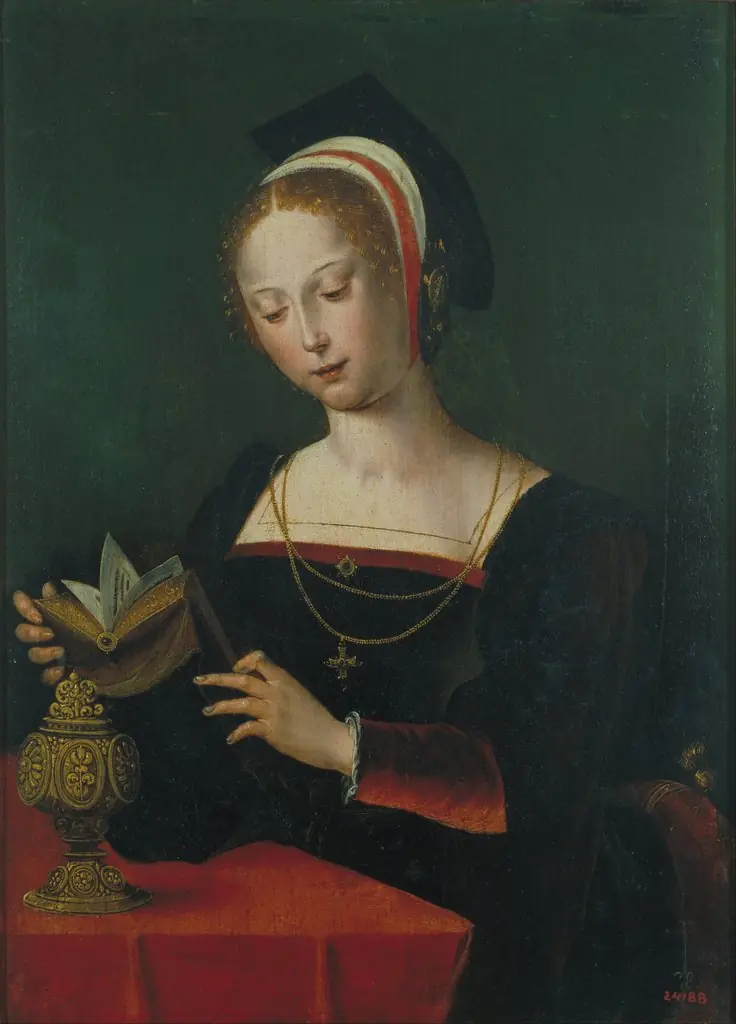 Saint Mary Magdalene
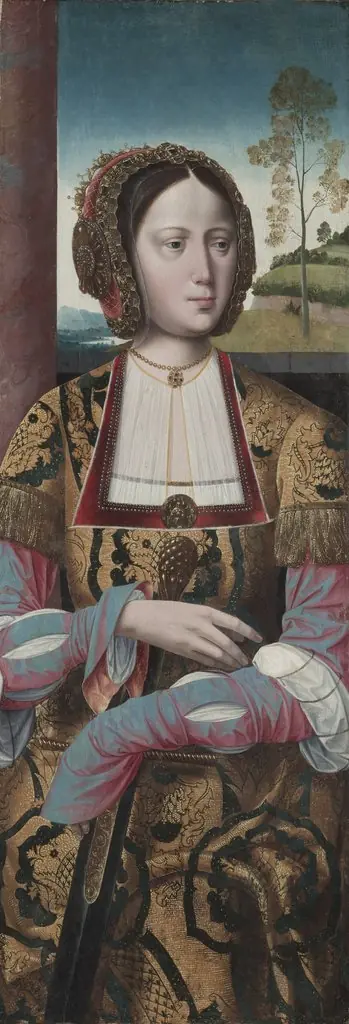 Saint Catherine
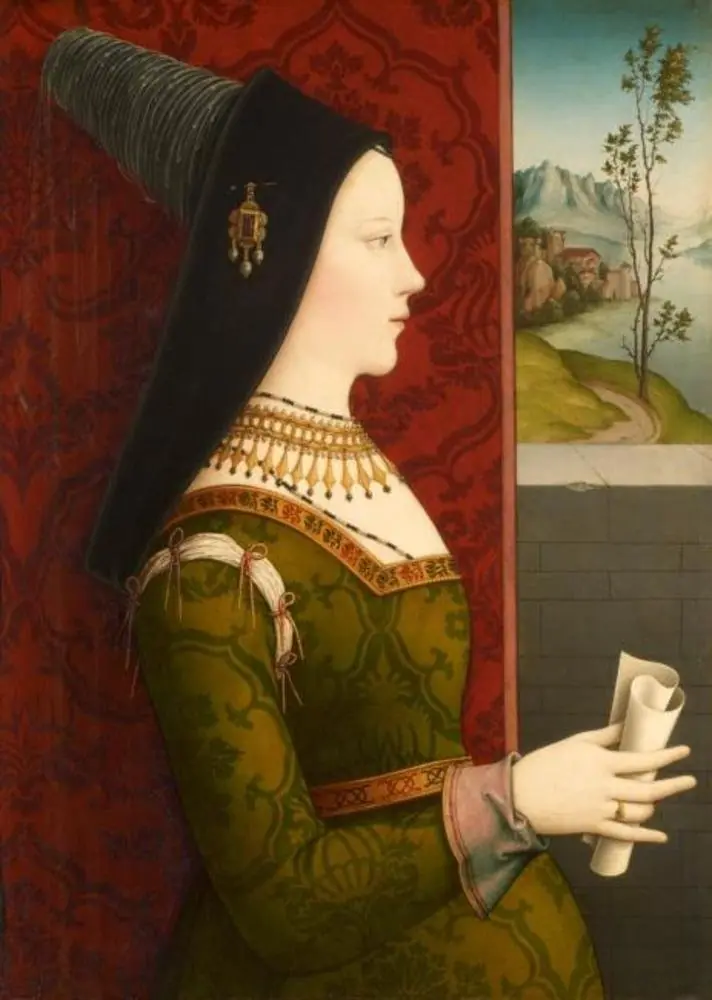 Portrait of Mary of Burgundy
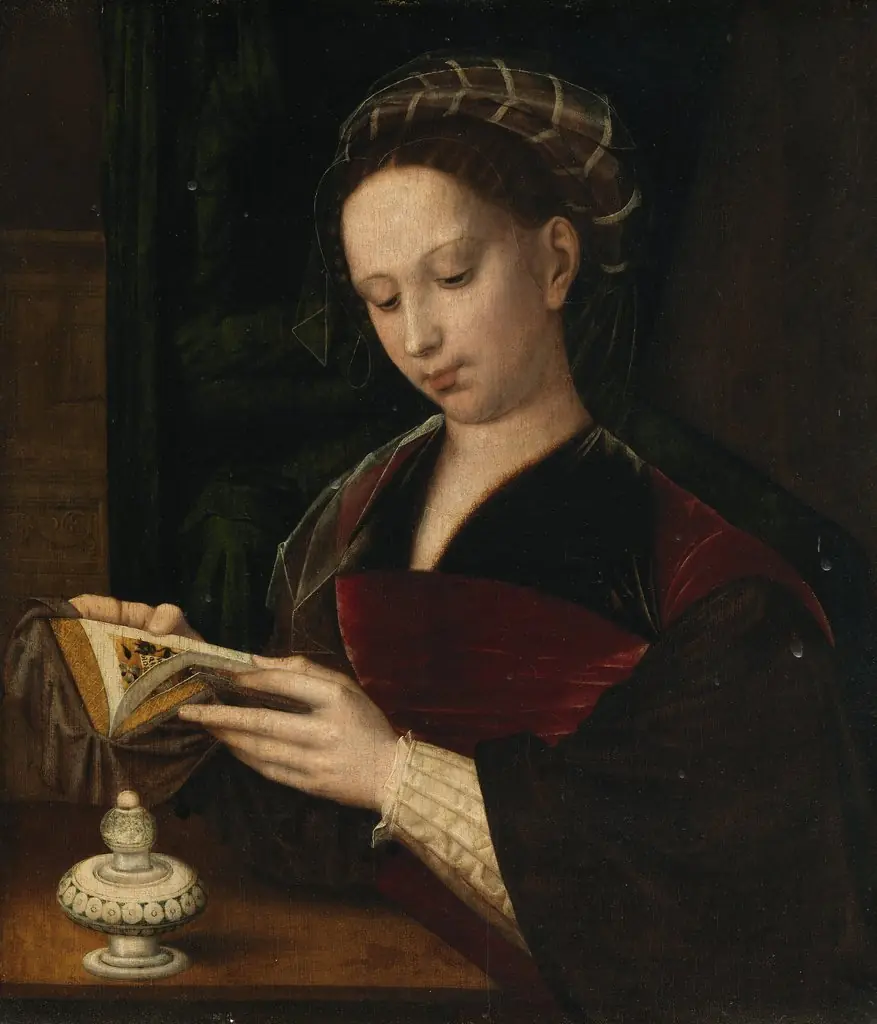 The Magdalen Reading
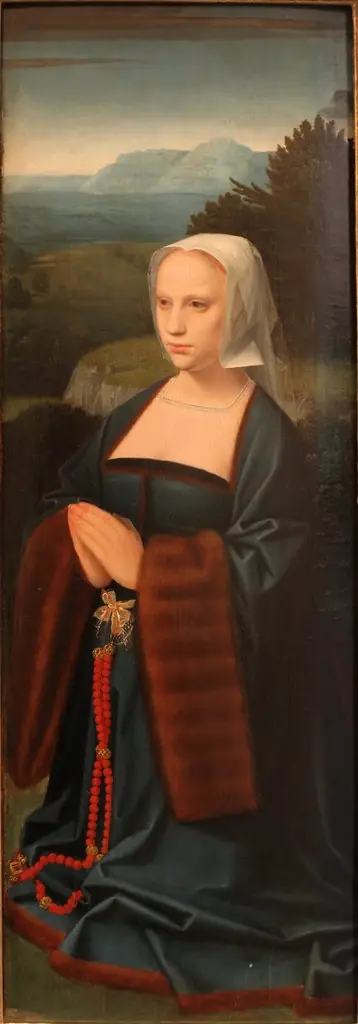 Female donor
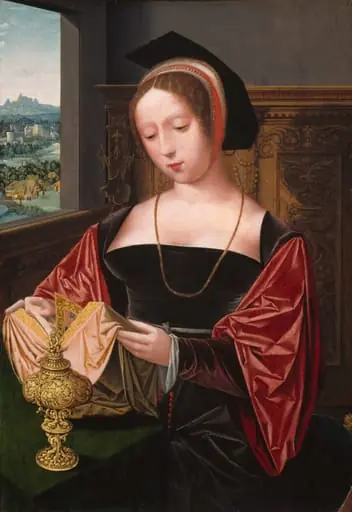 A Lady Reading (Saint Mary Magdalene)
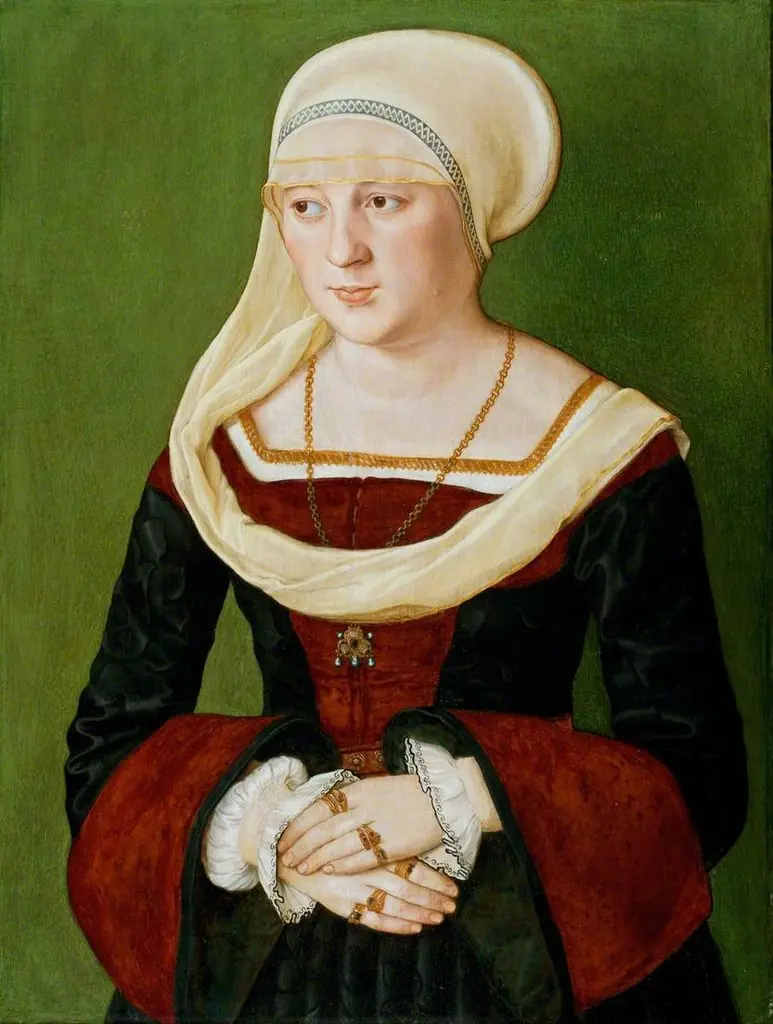 Portrait of Anna Scheit, née Mem(m)inger
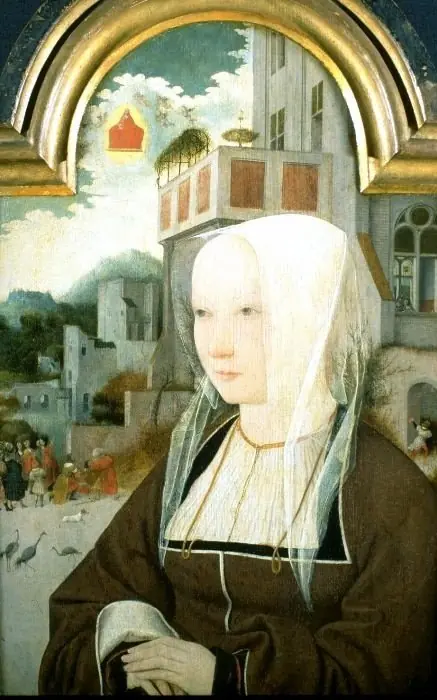 Portrait of a lady, with the Tiburtine Sibyl foretelling the advent of Christ to the emperor Augustus
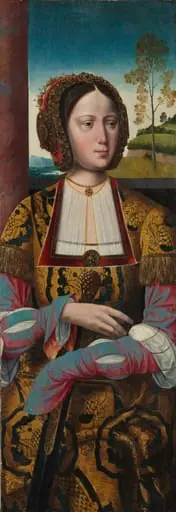 Saint Catherine
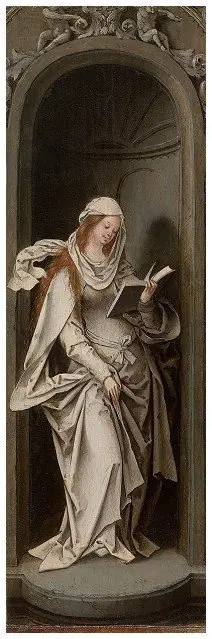 Annunciation (Mary)
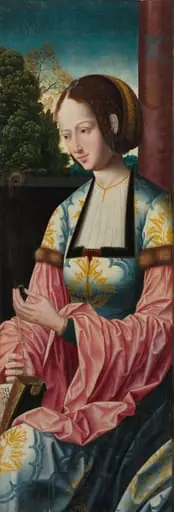 Saint Barbara
 Persian Sybil