Artwork
Annunciation (Mary)
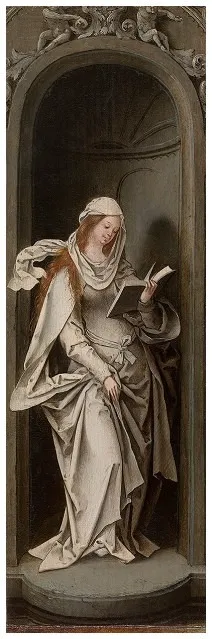
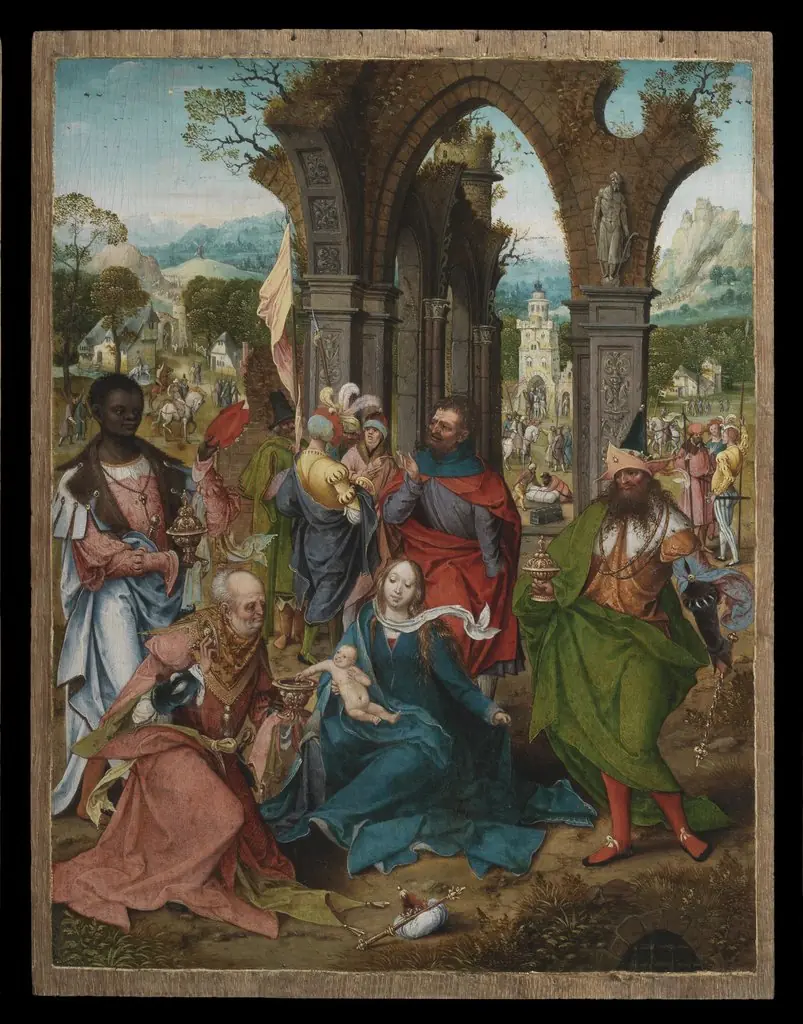
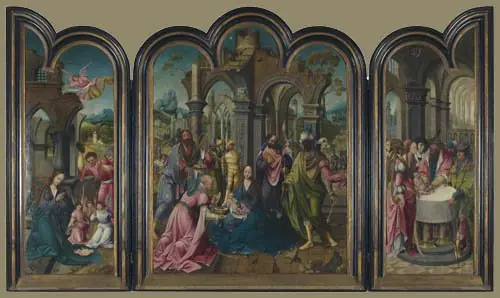
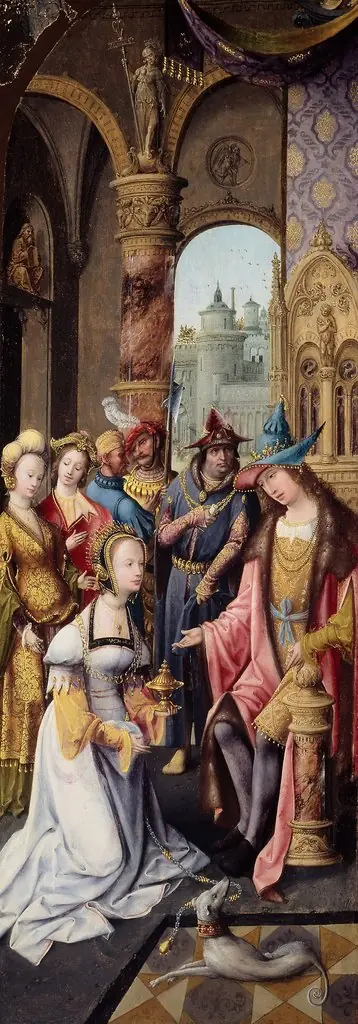
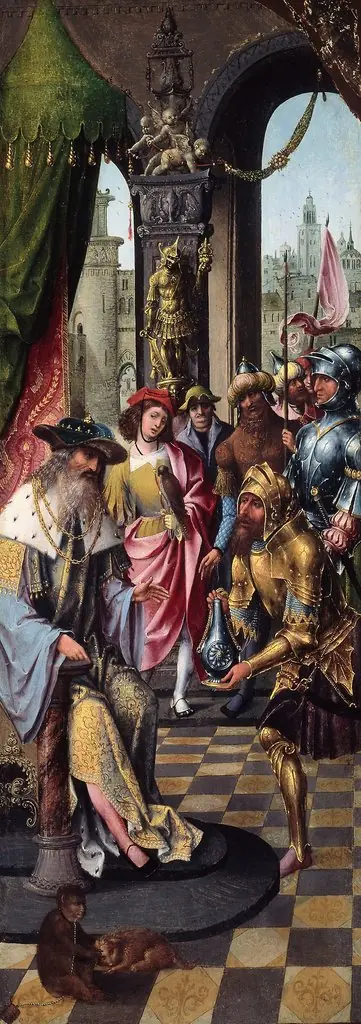
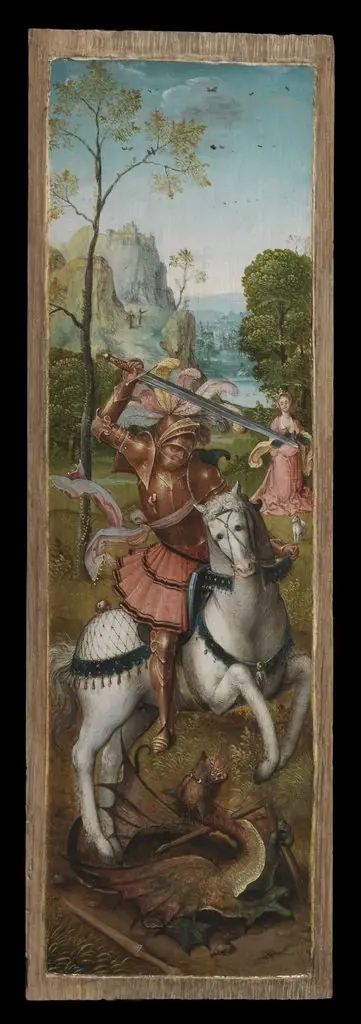
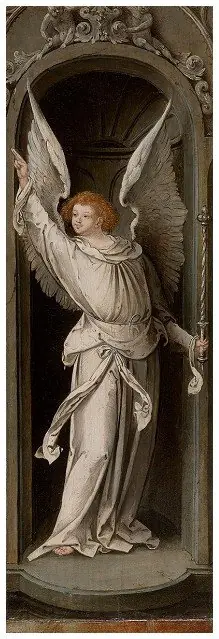
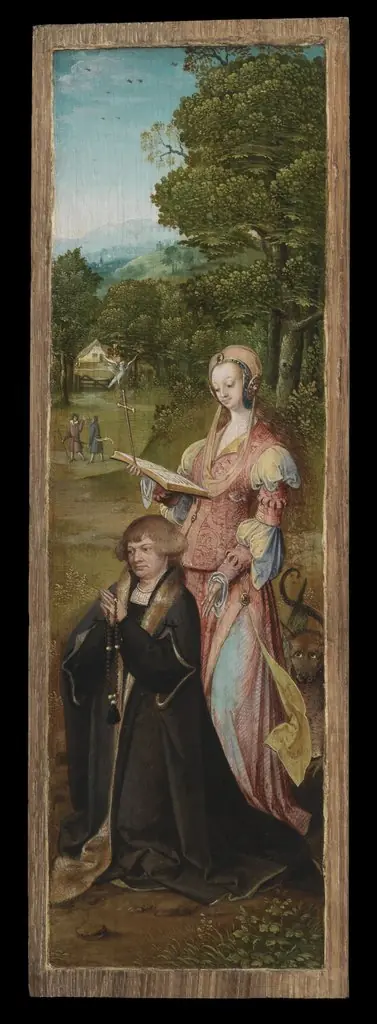
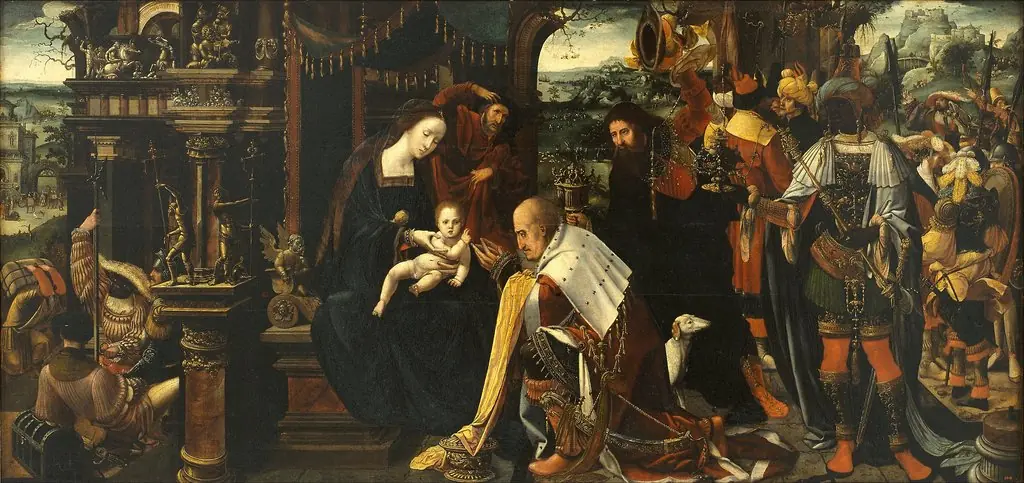
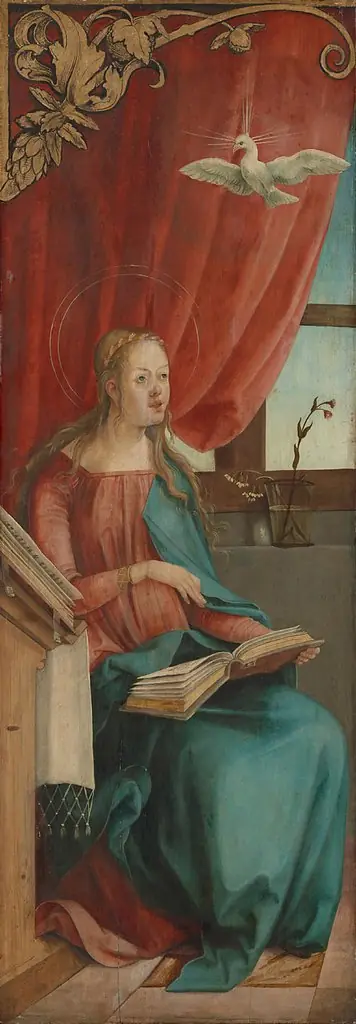
Annunciation (Mary) is an oil painting by the Northern Renaissance artist Master of the Antwerp Adoration. It dates from 1519 and is held in the collection of the Royal Museum of Fine Arts Antwerp.
About this work
Overview
It belongs to the Northern Renaissance tradition and is held in the Royal Museum of Fine Arts Antwerp.
Painted in 1519, this oil-on-panel work is attributed to the Master of the Antwerp Adoration, an anonymous Flemish artist active in Antwerp during the early 16th century. It belongs to the Northern Renaissance tradition and is held in the Royal Museum of Fine Arts Antwerp. The painting captures a quiet moment of divine revelation, rendered with meticulous detail and a restrained palette, typical of regional workshop practices of the time.
Subject & Meaning
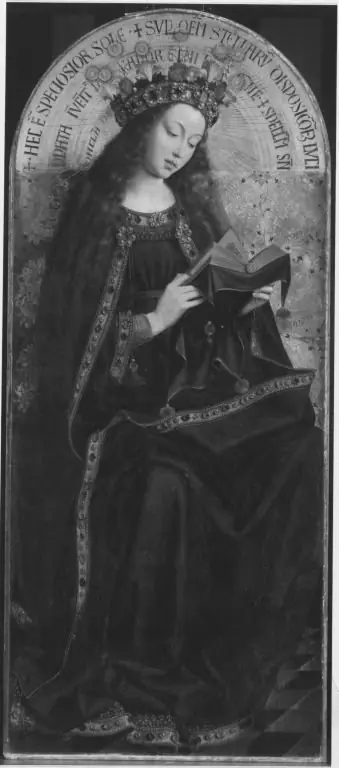
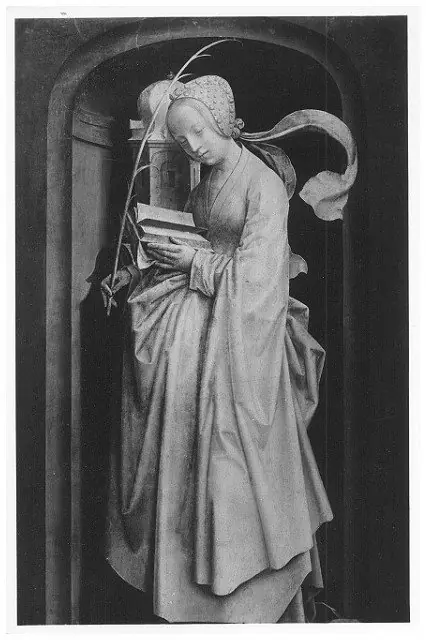
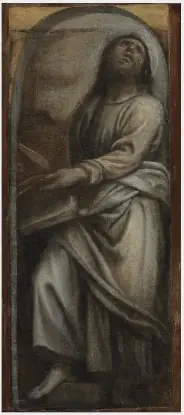
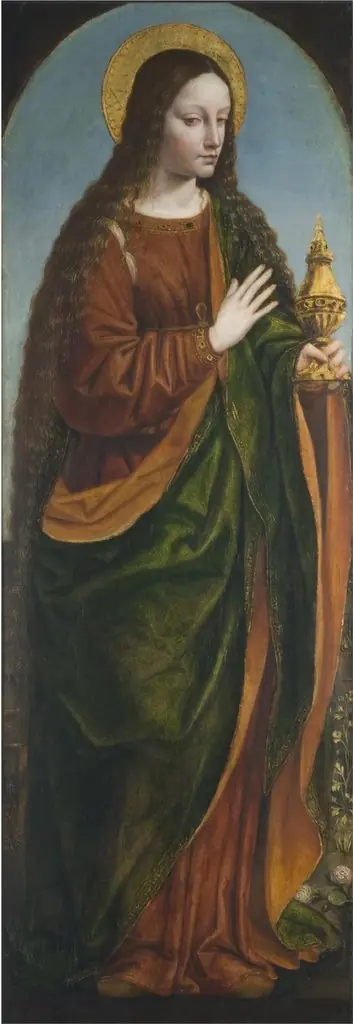
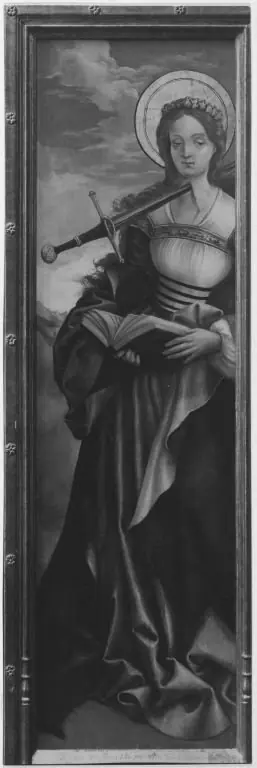
The scene depicts the Virgin Mary at the moment of the Annunciation, as described in the Gospel of Luke. She stands in a doorway, book in hand, suggesting her devotion and literacy. The pen she holds implies her role as a scribe of divine will. Her subtle expression conveys quiet acceptance rather than shock, reflecting a contemplative interpretation common in Northern devotional art of the period.
Technique & Style
The artist employs chiaroscuro to model the figure against a dark, undefined background, enhancing the three-dimensionality of Mary’s form. Her garments are rendered with fine brushwork, emphasizing folds and textures. The carved doorframe displays intricate Gothic detailing, a hallmark of Antwerp Mannerism. The composition avoids dramatic action, favoring stillness and introspection, characteristic of the artist’s known approach.
History & Provenance
The painting entered the collection of the Royal Museum of Fine Arts Antwerp in the 19th century, though its earlier ownership is undocumented. It has been consistently attributed to the Master of the Antwerp Adoration since the early 20th century, a name coined by scholars to group works sharing stylistic traits. Some researchers have linked this hand to the Master of Linnich, but no definitive identification has been established.
Context
Created during a period of religious upheaval, the painting reflects the enduring role of Marian devotion in Flemish Catholic culture. Antwerp’s thriving art market produced numerous devotional panels for private and ecclesiastical use. This work aligns with a trend toward intimate, psychologically nuanced portrayals of sacred figures, moving away from earlier Gothic rigidity toward humanized spirituality.
Legacy
Though the artist’s identity remains unknown, the painting exemplifies the refined craftsmanship of Antwerp’s workshop system. Its quiet intensity influenced later Northern painters who favored emotional restraint over theatricality. The work continues to be studied as a representative example of early 16th-century Flemish devotional art, valued for its compositional balance and subtle narrative depth.
Artist & collection
Artist
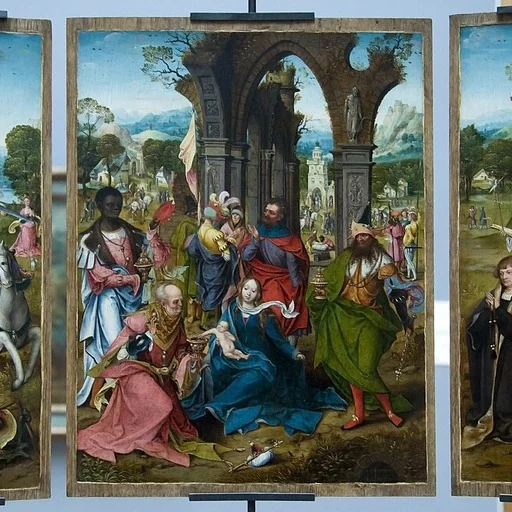
Master of the Antwerp Adoration
The Master of the Antwerp Adoration (active 1500 – 1520) was a Flemish painter in the style of Antwerp Mannerism, whose compositions are typically filled with agitated figures in exotic, extravagant clothes.