Artwork
Two Graces
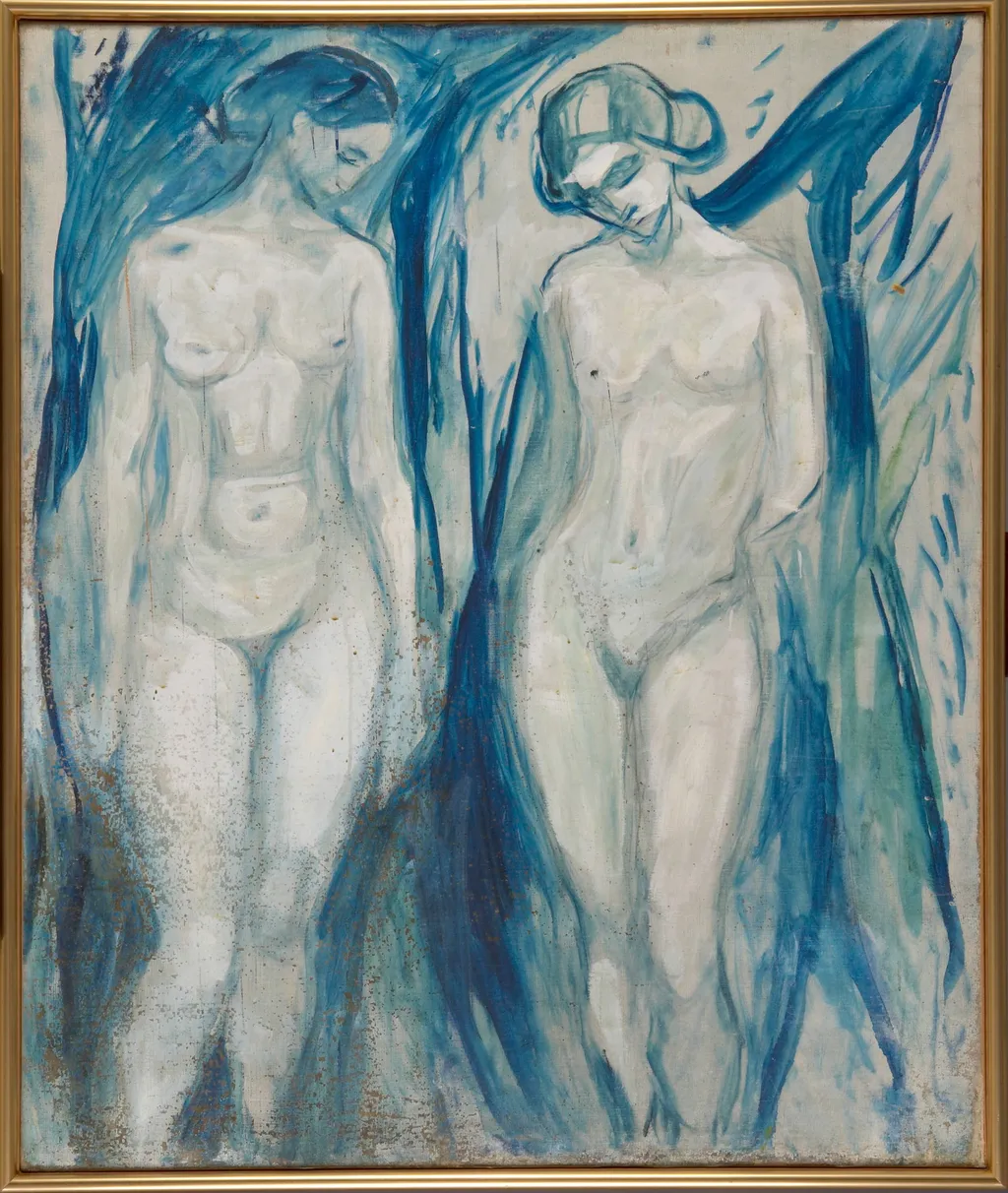
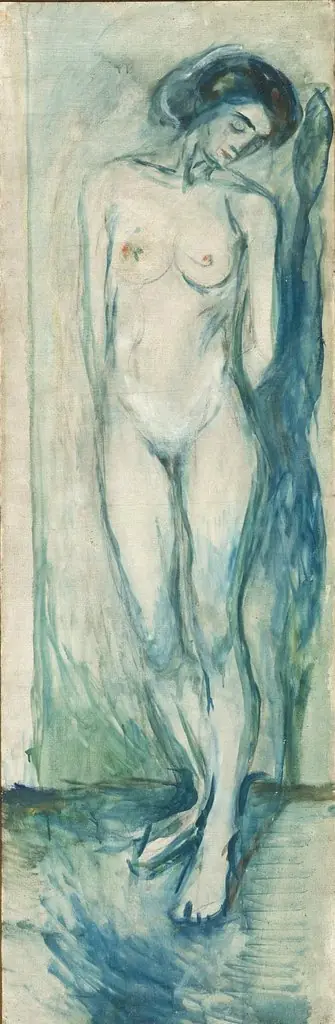
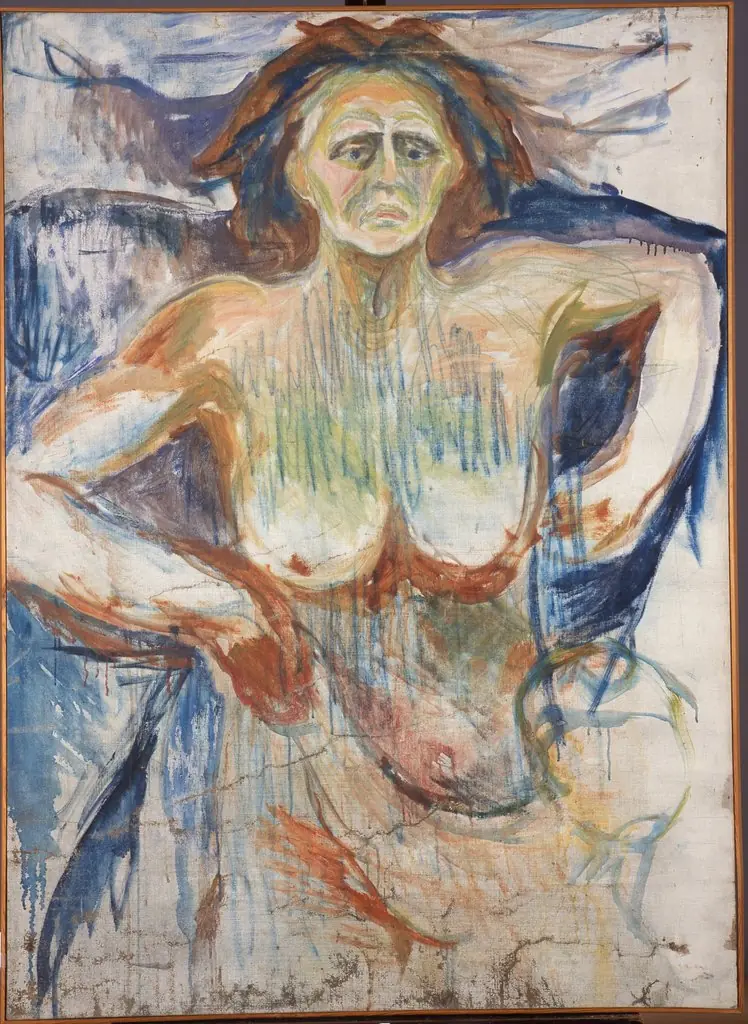
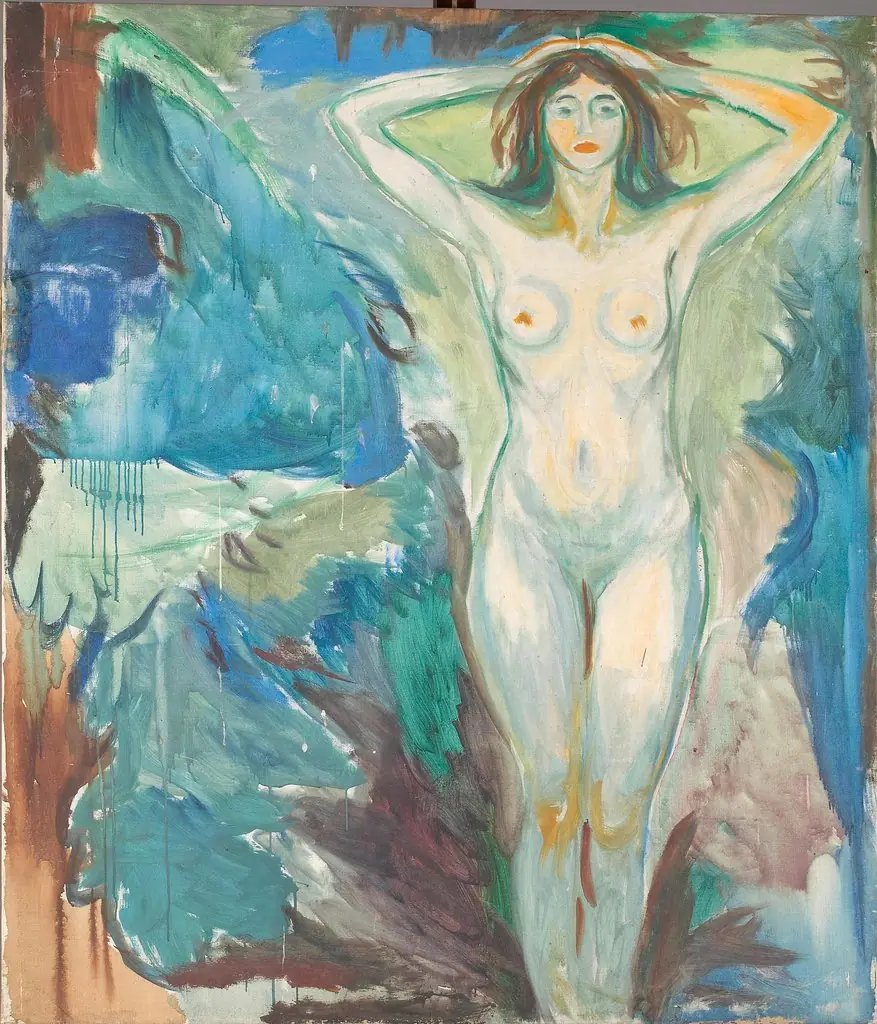
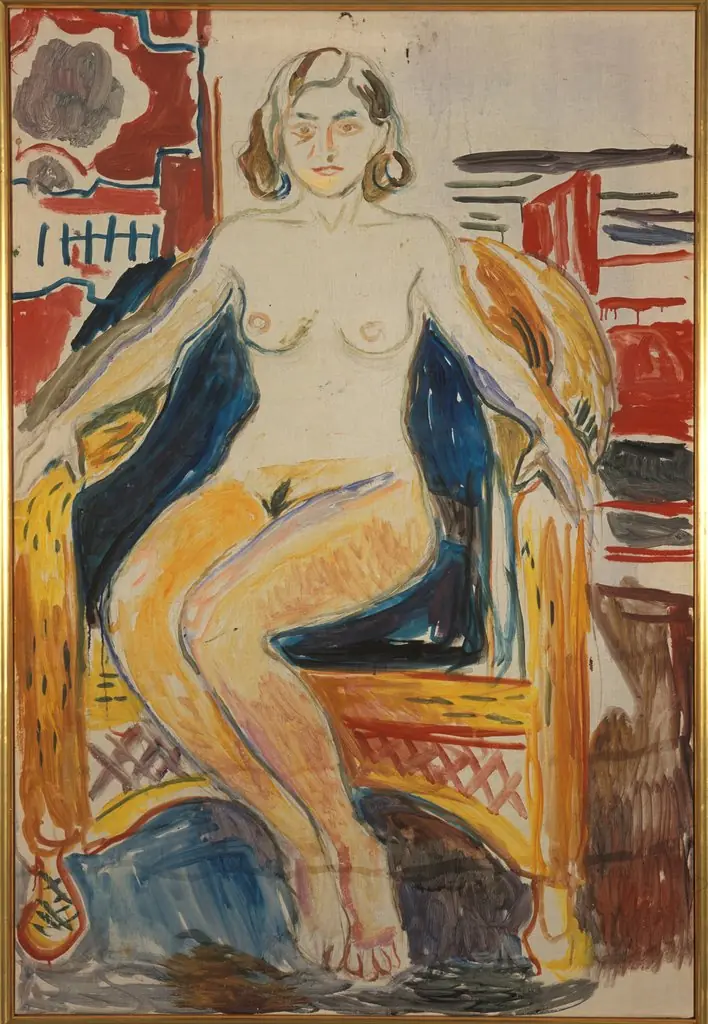
Two Graces is an oil painting by the Post-Impressionist artist Edvard Munch. It dates from 1927 and is held in the collection of the Munch Museum.
About this work
Overview
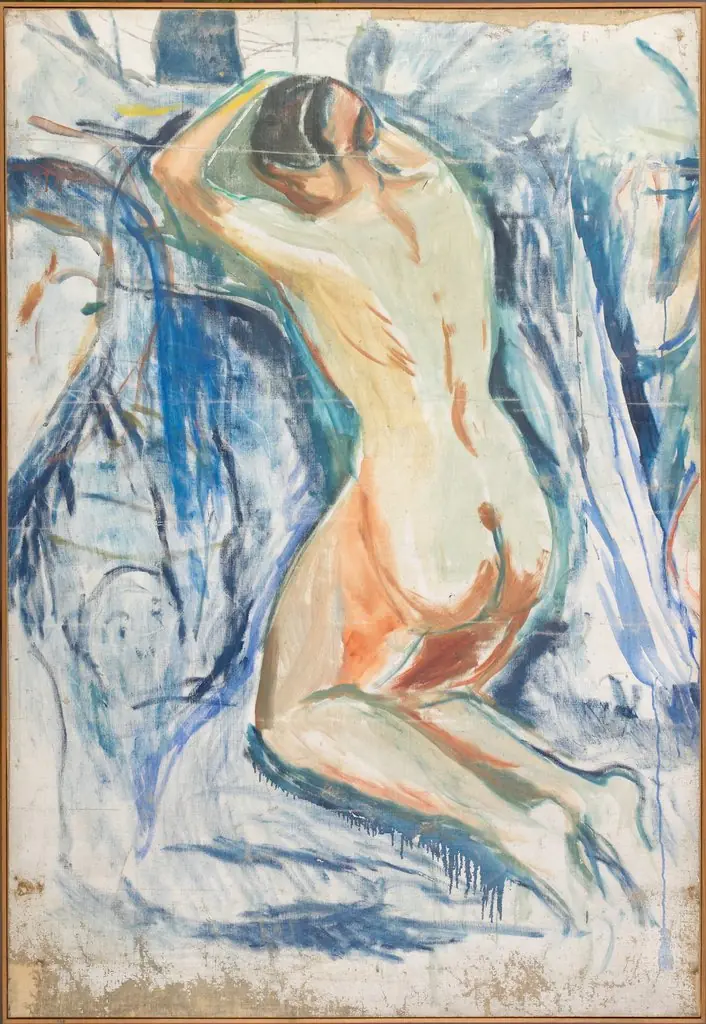
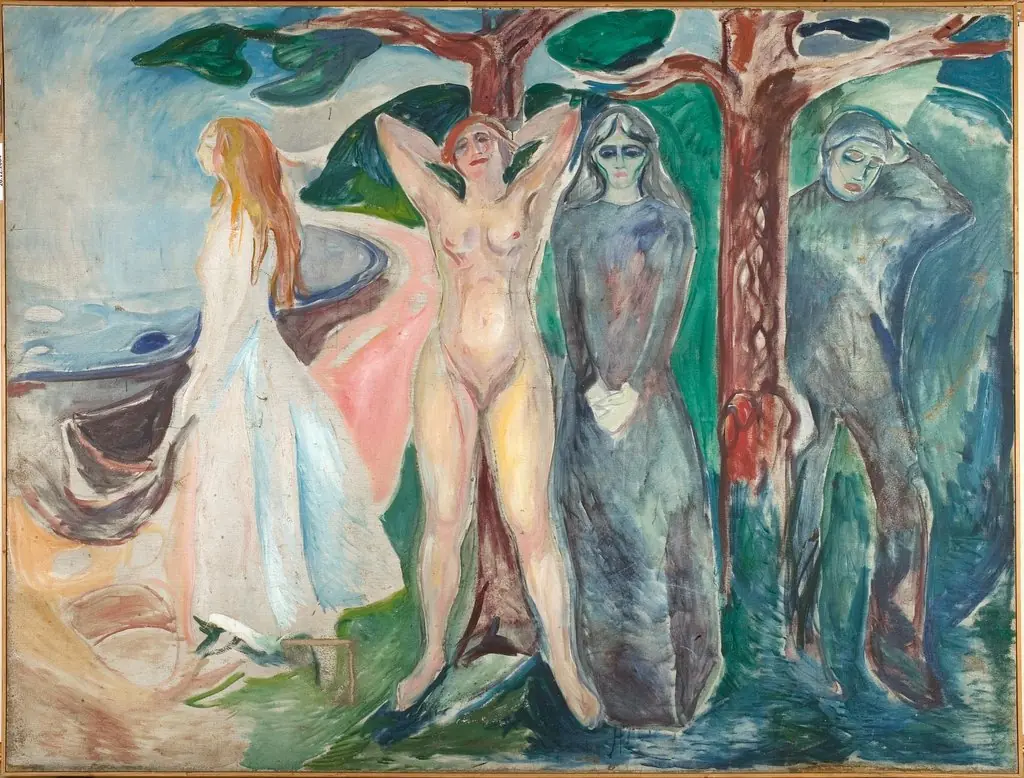
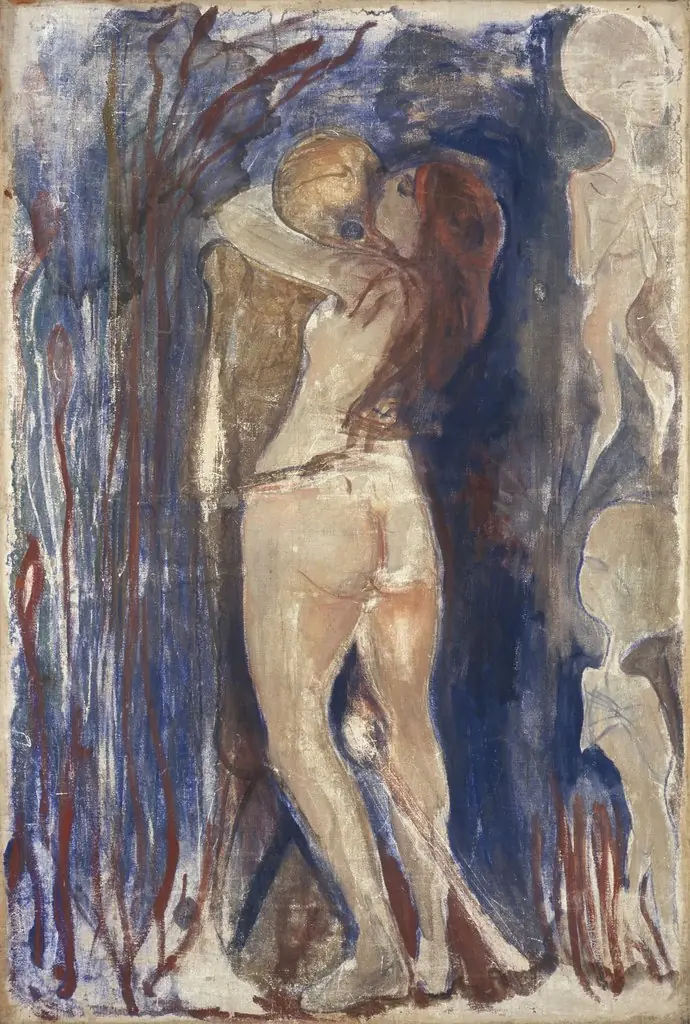
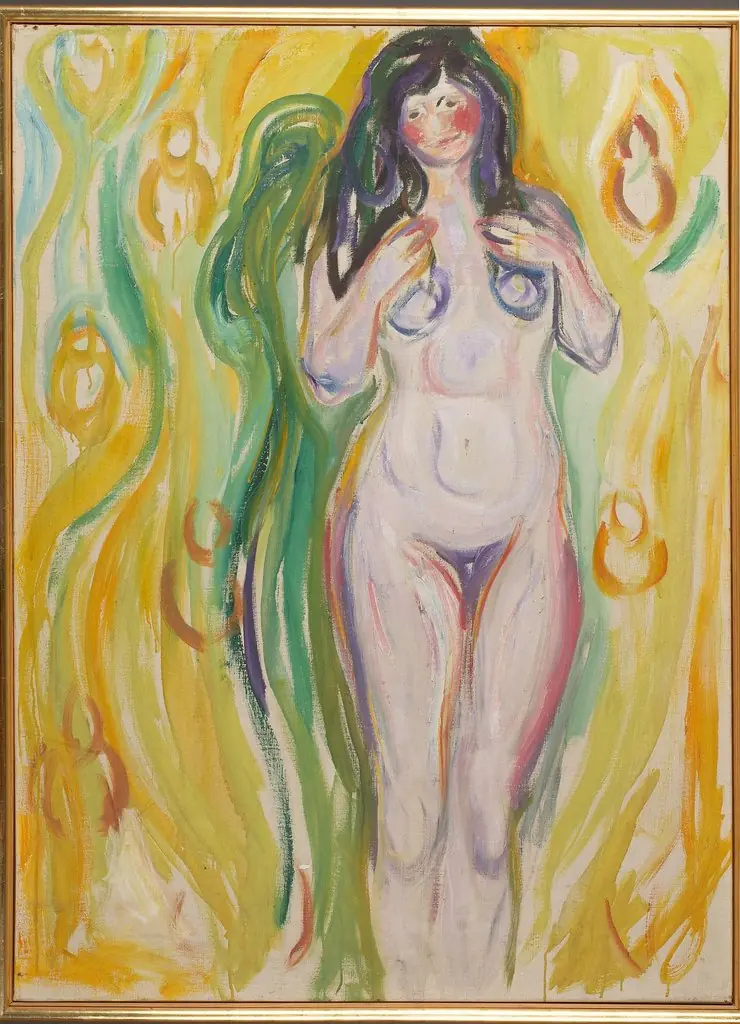
It depicts two nude female figures standing side by side, rendered in a restrained palette of blues, whites, and muted browns.
Painted in 1927, *Two Graces* is an oil on canvas work by Norwegian artist Edvard Munch. It depicts two nude female figures standing side by side, rendered in a restrained palette of blues, whites, and muted browns. The painting reflects Munch’s later period, where his focus shifted toward quiet introspection and formal experimentation, moving away from the intense psychological drama of his earlier works like *The Scream*.
Subject & Meaning
The two figures, loosely inspired by classical representations of the Graces, are presented without narrative context or symbolic props. Their postures—one glancing sideways, the other gazing downward—suggest a contemplative stillness rather than mythological action. Munch avoids idealization, emphasizing human vulnerability and solitude, aligning the figures more with quiet, existential presence than allegory.
Technique & Style
Munch employed loose, visible brushwork to define the figures’ forms, prioritizing texture and atmosphere over precise detail. The background merges washes of blue and white with gestural strokes, creating a sense of ambient space rather than defined scenery. The limited color palette enhances the painting’s meditative tone, while the unfinished quality of the edges invites the viewer to engage with the work’s emotional resonance rather than its realism.
History & Provenance
Created during Munch’s later years, *Two Graces* remained in the artist’s personal collection until his death in 1944. It was subsequently transferred to the Munch Museum in Oslo, established to house his oeuvre. The painting’s provenance is well-documented, reflecting Munch’s deliberate curation of his legacy and his preference for institutional preservation over private sale.
Context
In the 1920s, Munch distanced himself from the Expressionist movements he had helped shape, turning toward more subdued themes and simplified forms. *Two Graces* reflects this shift, echoing classical motifs through a modern, introspective lens. His earlier associations with literary nihilists and psychological exploration gave way to a quieter engagement with the human body and its quiet dignity in solitude.
Legacy
Though less widely known than *The Scream*, *Two Graces* exemplifies Munch’s enduring interest in the emotional weight of the human form. Its presence in the Munch Museum underscores its role as a key work in his late career, illustrating his evolution from dramatic symbolism to a more restrained, contemplative aesthetic that influenced later generations of Nordic figurative painters.
Artist & collection
Artist
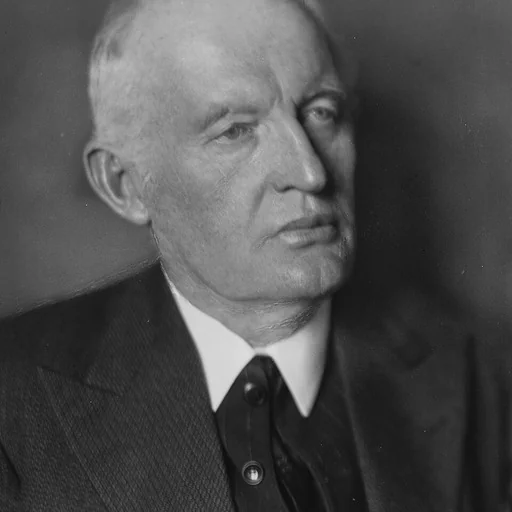
Edvard Munch ( MUUNK; Norwegian: ; 12 December 1863 – 23 January 1944) was a Norwegian painter.