Artwork
Tree of Temperance
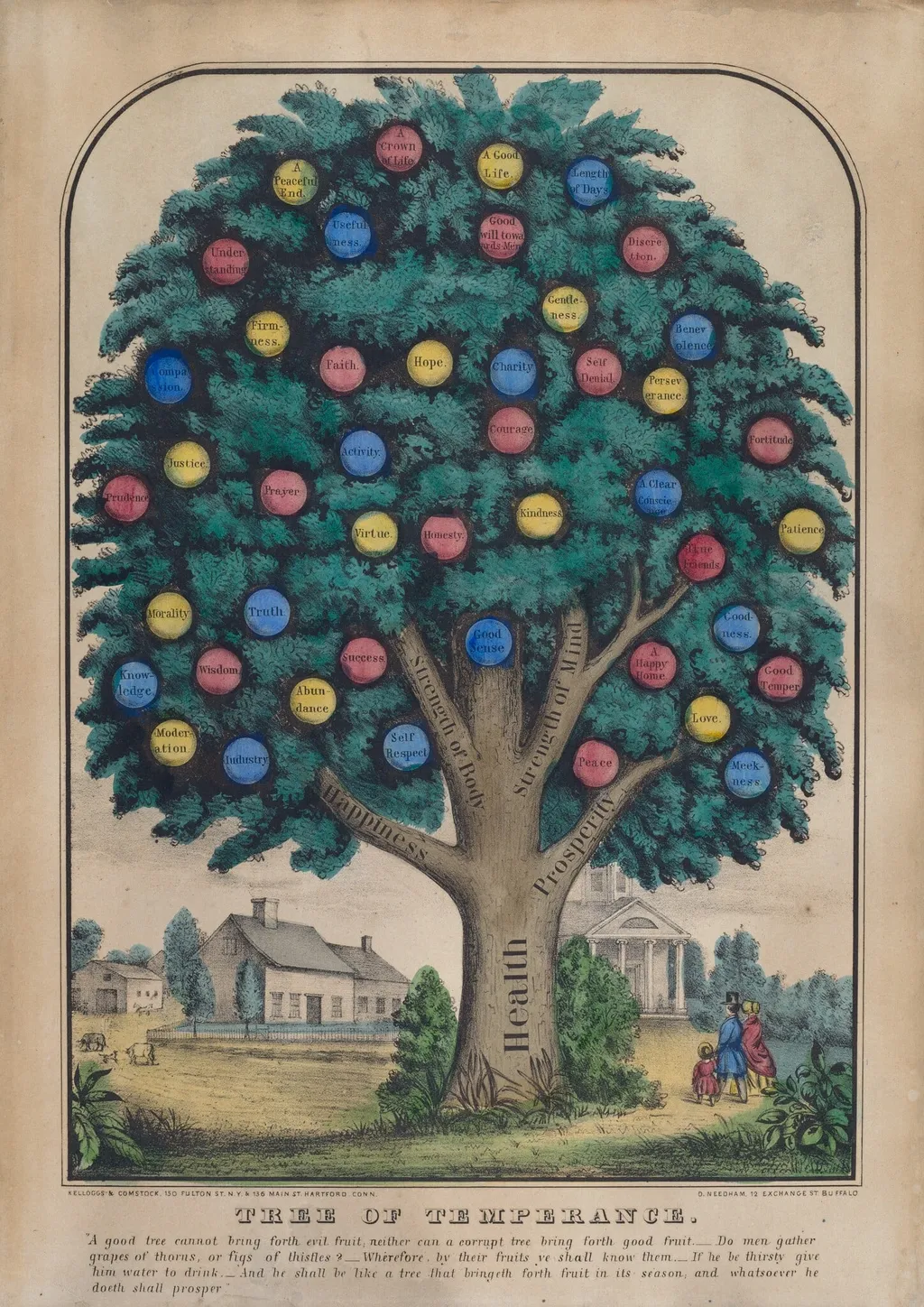
Tree of Temperance is an ink print by the Romanticist artist American 19th Century. It dates from 1848 and is held in the collection of the National Gallery of Art.
About this work
Overview
Tree of Temperance is a hand‑colored lithographic print that depicts a broad‑trunked tree laden with multicolored, round fruits. Each fruit bears a single word—such as “Happiness,” “Health,” and “Prosperance”—suggesting a visual catalogue of desirable life conditions. A modest house and a few figures appear in the background, grounding the scene in a domestic landscape.
Subject & Meaning
The central motif of the tree functions as an allegorical device, with the labeled fruits symbolising various virtues or blessings. By presenting these concepts as tangible, harvestable objects, the work invites contemplation of the relationship between nature, abundance, and human well‑being.
Technique & Style
Executed as a lithograph, the image combines the reproducible qualities of printmaking with hand‑applied colour, giving each fruit a distinct hue. The composition balances detailed line work with a softer, painted surface, reflecting the decorative yet narrative tendencies common to late‑18th‑century illustrative prints.
History & Provenance
The piece originates from the period when hand‑colored lithography was popular for disseminating moral and educational imagery. Specific details about its creator, date of production, or ownership trail are not provided in the source material.
Context
Although not directly linked to a single artistic movement, the work’s allegorical content and sentimental tone align with the broader Romantic interest in nature as a conduit for moral and emotional expression.
Artist & collection

Artist
This artist painted everyday American life in the 1800s. Look at *Farmhouse in Mahantango Valley*—a quiet, sunlit scene of rural Pennsylvania. *Boy and Girl* shows two children standing close, their faces turned toward…


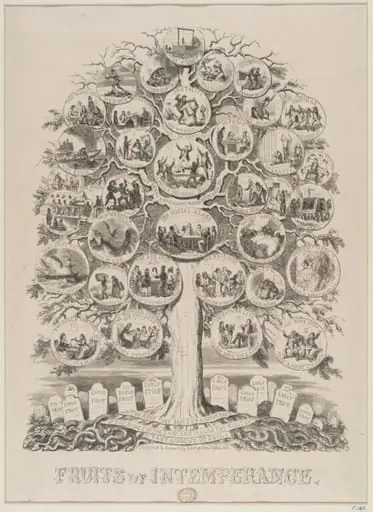 Fruits of Intemperance
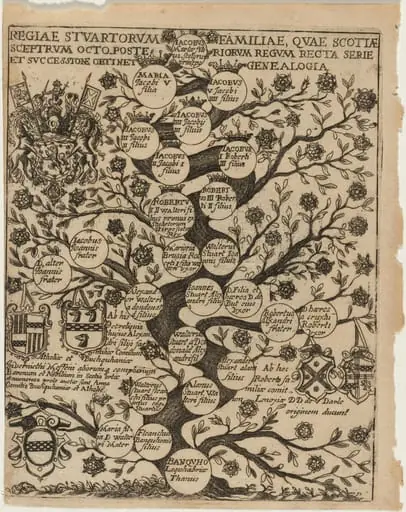 Family Tree of the Stuarts Stemming From Banquho
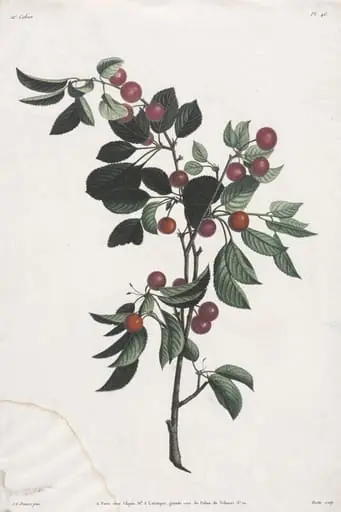 Collection des fleurs et des fruits: Branches de Cérises précoce
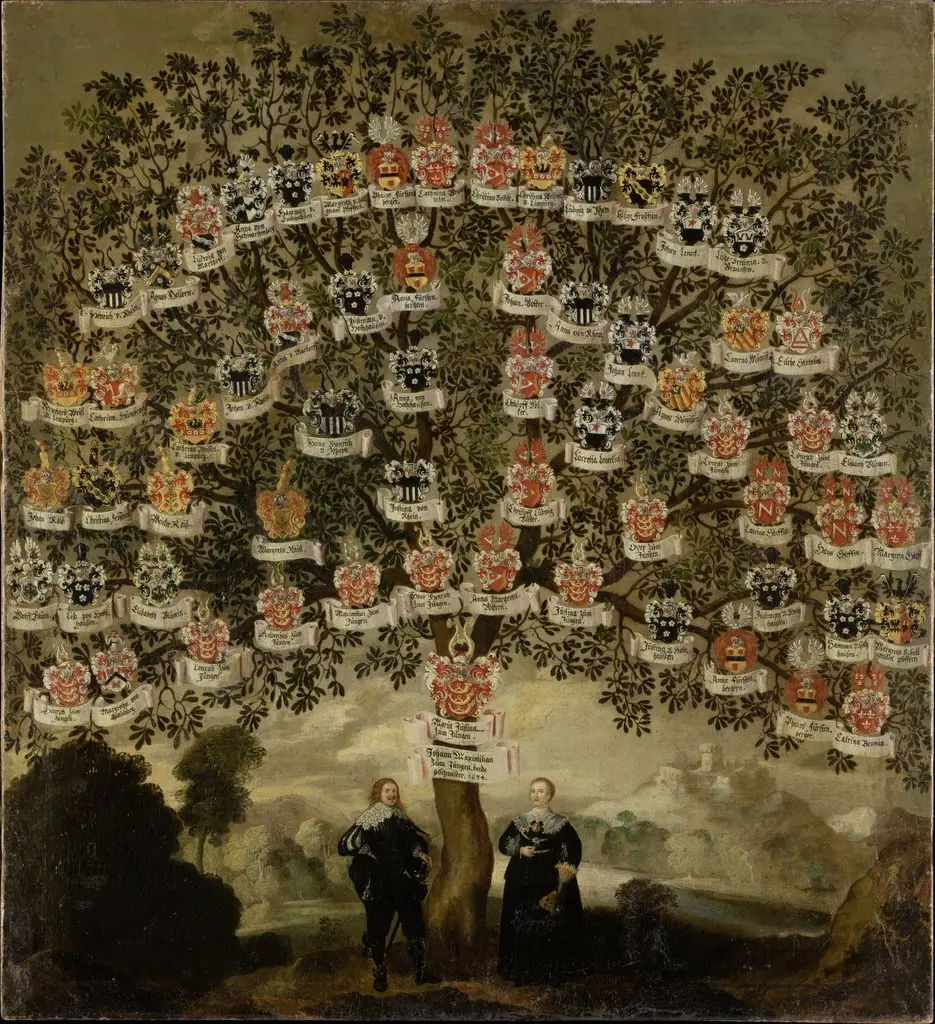 Genealogical Tree of Maria Justina and Johann Maximilian zum Jungen
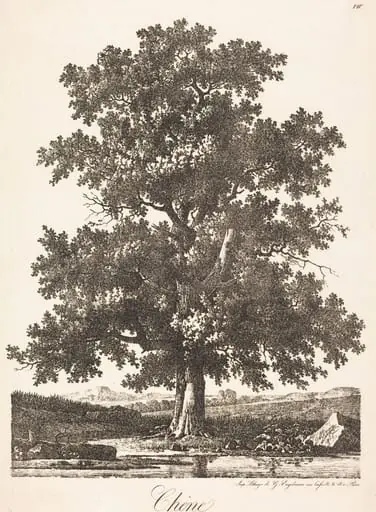 Chene (Oak Tree)
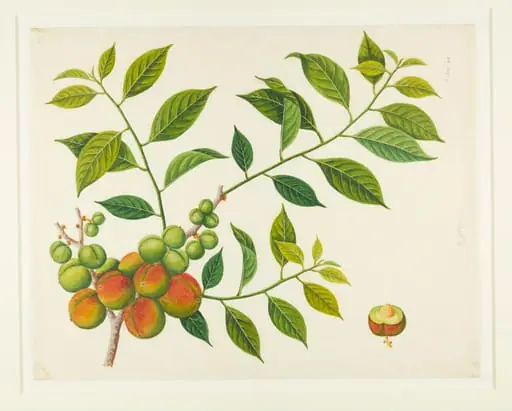 Prunes
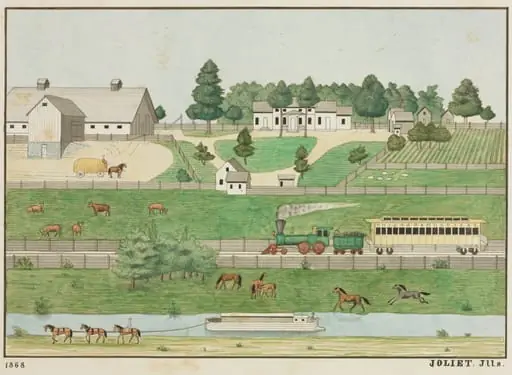 Landscape, Joliet, Illinois
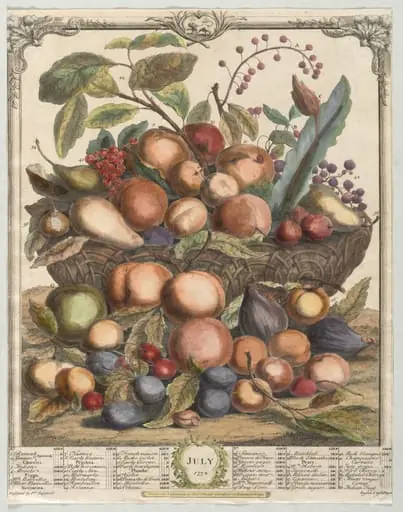 Twelve Months of Fruit: July
 Farmstead in Passing Storm
 Twelve Months of Flowers: July