Artwork
Los mulatos de Esmeraldas
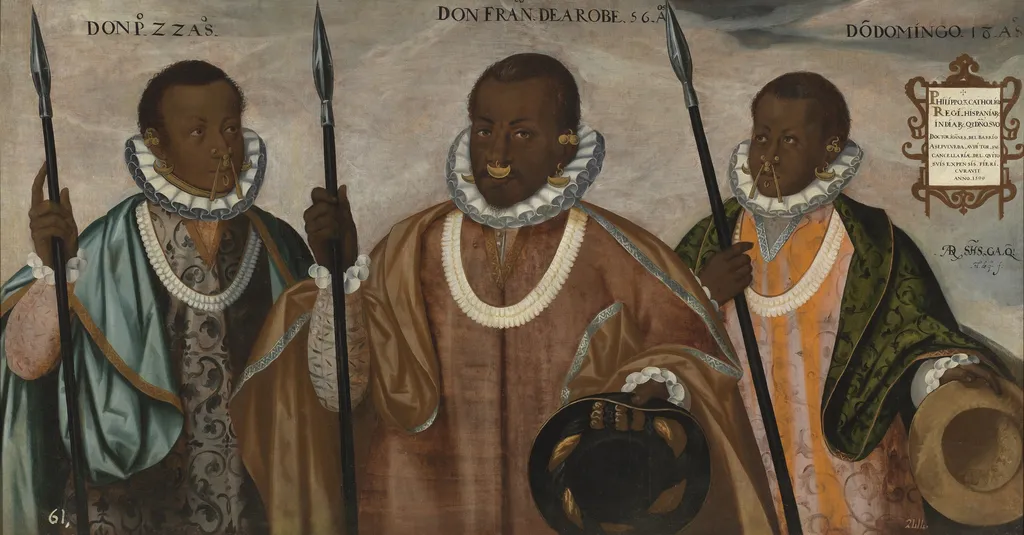
Los mulatos de Esmeraldas is an oil painting by the Mannerist artist Andrés Sánchez Gallque. It dates from 1600 and is held in the collection of the Museo del Prado.
About this work
Overview
Los mulatos de Esmeraldas is an oil on canvas painted in 1599 by Andrés Sánchez Gallque, a mestizo artist of the Quito School.
Los mulatos de Esmeraldas is an oil on canvas painted in 1599 by Andrés Sánchez Gallque, a mestizo artist of the Quito School. The work depicts three dark‑skinned men in elaborate attire, each bearing a spear topped with a flag. Their faces are highlighted by chiaroscuro, and they wear gold earrings and nose rings. The painting is currently in the Prado Museum’s collection, displayed at the Museo de América.
Subject & Meaning
The three figures represent Francisco de Arobe, a leader of a Maroon community on Ecuador’s coast, and his sons Pedro and Domingo. Their dignified dress and the inclusion of their names emphasize their status as chiefs who had negotiated a treaty with the Spanish Crown, illustrating the conversion and emancipation of escaped African slaves who became village heads.
Technique & Style
Sánchez Gallque employs a clear chiaroscuro to model the subjects’ faces, creating a striking contrast between light and shadow. The vivid green and orange robes, along with the brown coat and white ruff, demonstrate a blend of European fashion and local ornamentation. The precise rendering of metalwork—chains, earrings, and spears—reflects the artist’s skill in rendering texture and material.
History & Provenance
Commissioned by Juan del Barrio de Sepúlveda, a judge of the Real Audiencia of Quito, the painting was intended as a gift for King Philip III, documenting the successful conversion of the Maroon population. It is the earliest known signed and dated colonial South American painting, notable for the artist’s self‑identification as an indigenous Andean painter.
Context
In the late 16th century, the Spanish empire faced challenges from runaway African slaves—known as Maroons—who established autonomous settlements along the Pacific coast. The portrait records a diplomatic encounter between these leaders and colonial authorities, reflecting broader processes of negotiation, conversion, and the integration of African‑descended peoples into colonial society.
Artist & collection
Artist
Andrés Sánchez Gallque painted a rare 16th-century portrait of two Afro-Ecuadorian men in colonial dress, “Los mulatos de Esmeraldas,” finished in 1599.

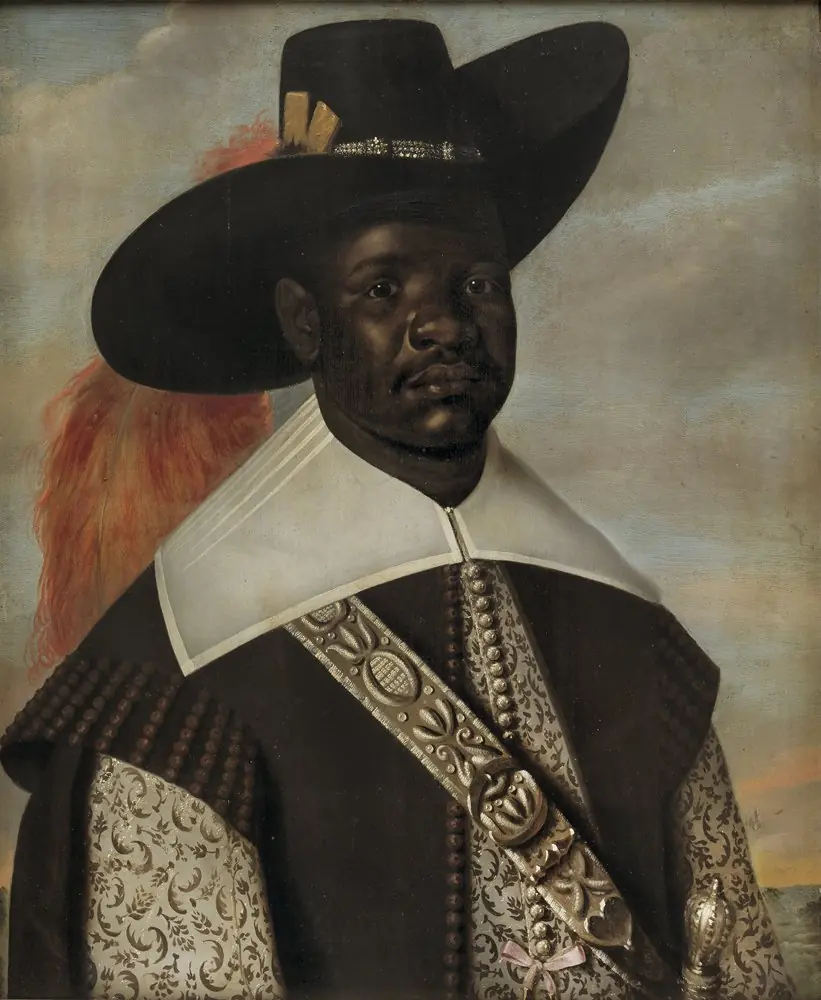 Don Miguel de Castro, Emissary of Congo
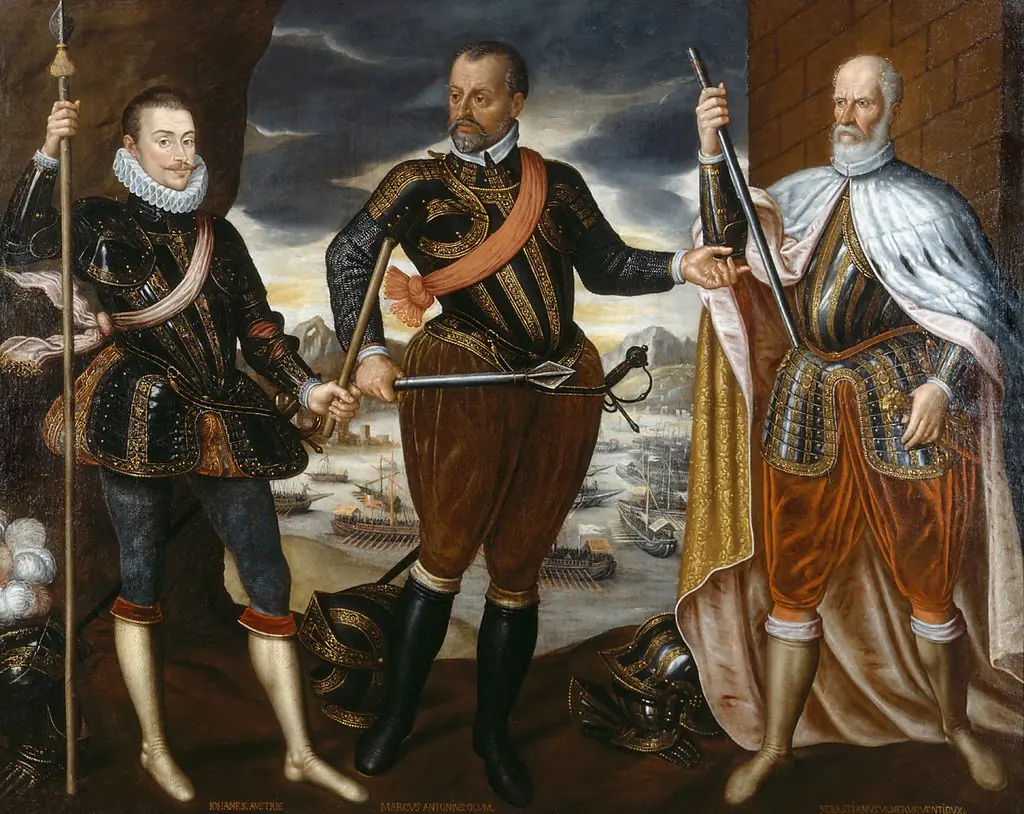 Die Sieger der Seeschlacht von Lepanto 1571
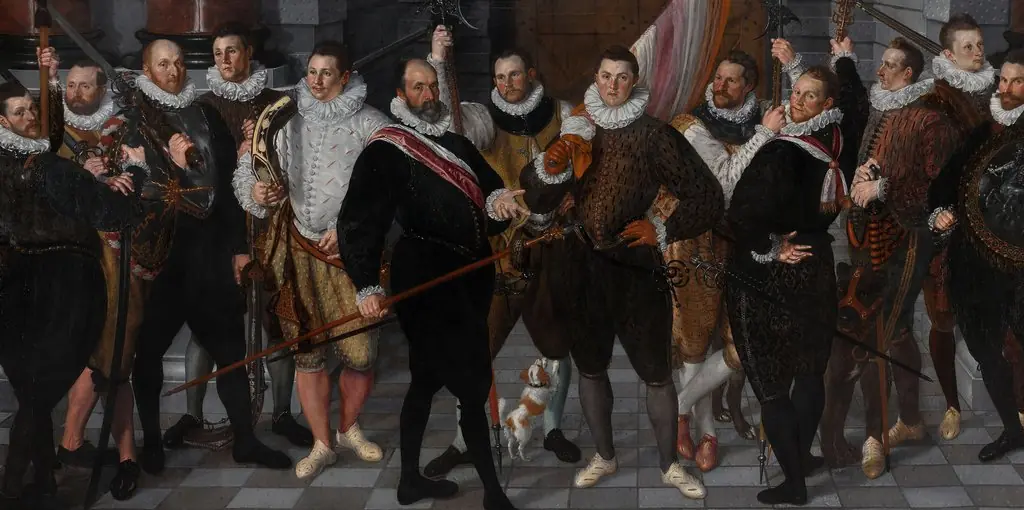 The Company of Captain Dirck Jacobsz Rosecrans and Lieutenant Pauw
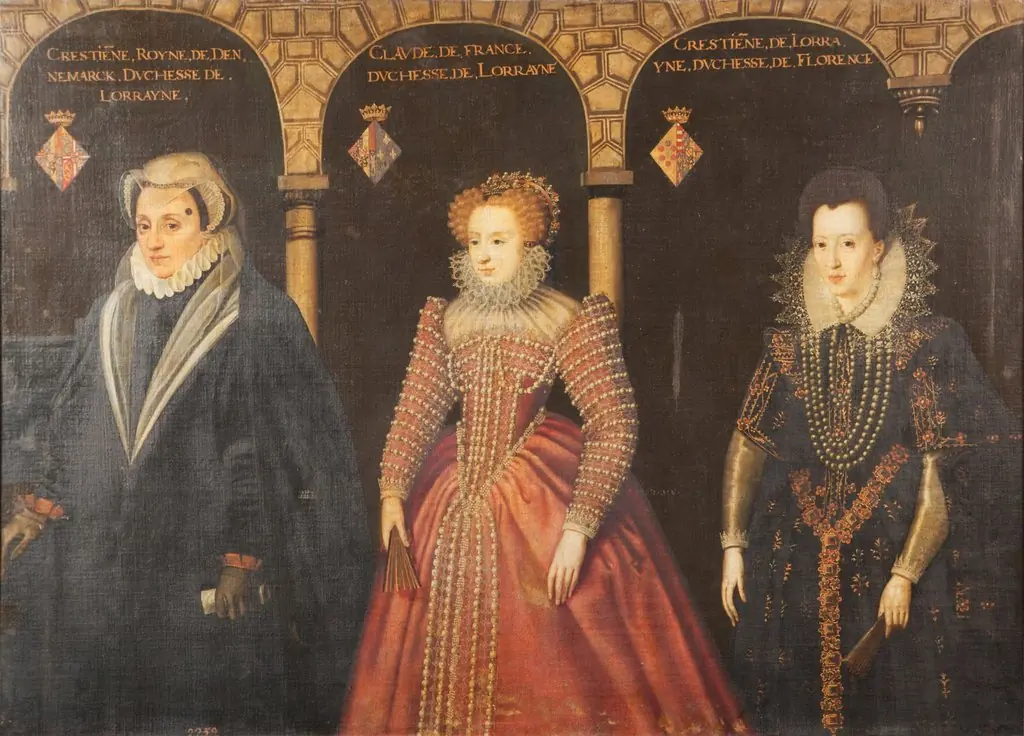 Portrait of Christina of Denmark, Claude of Valois and Christina of Lorraine
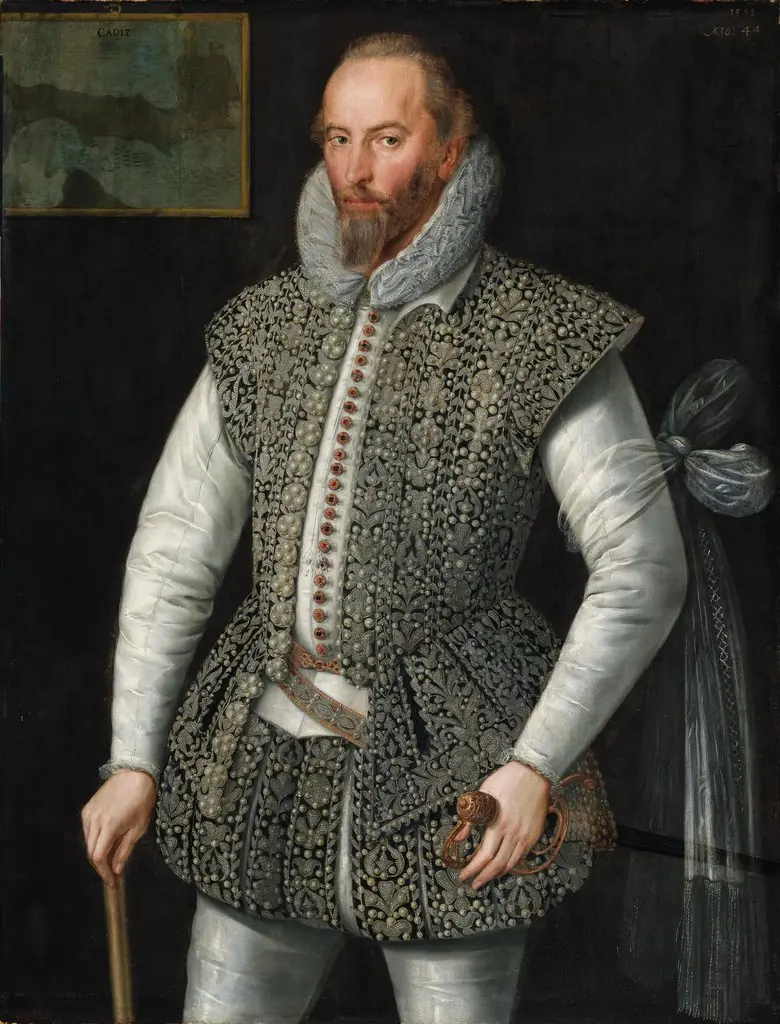 Portrait of Sir Walter Raleigh (1522-1618), Soldier and Historian
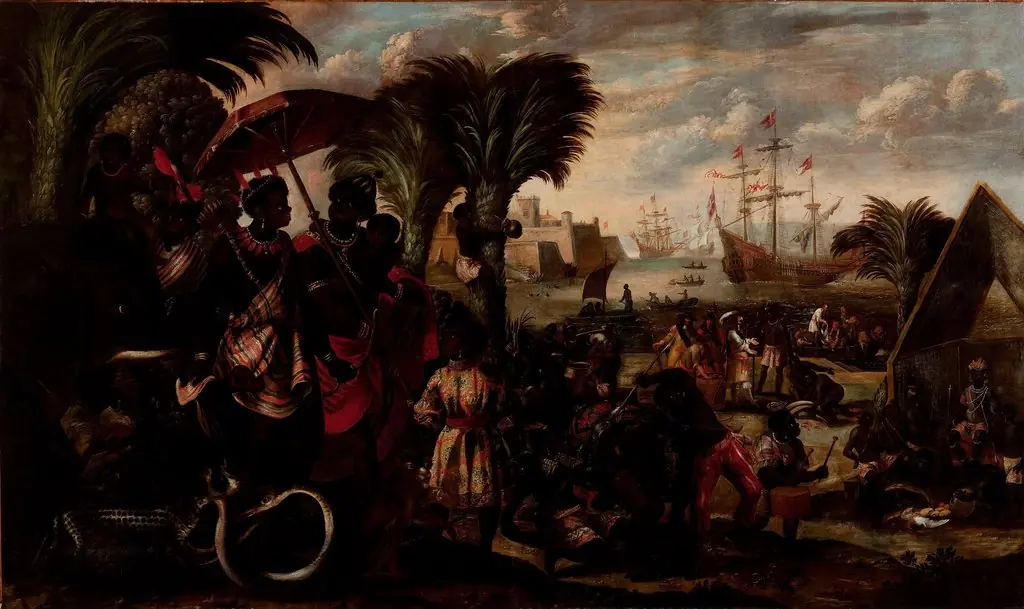 Africa
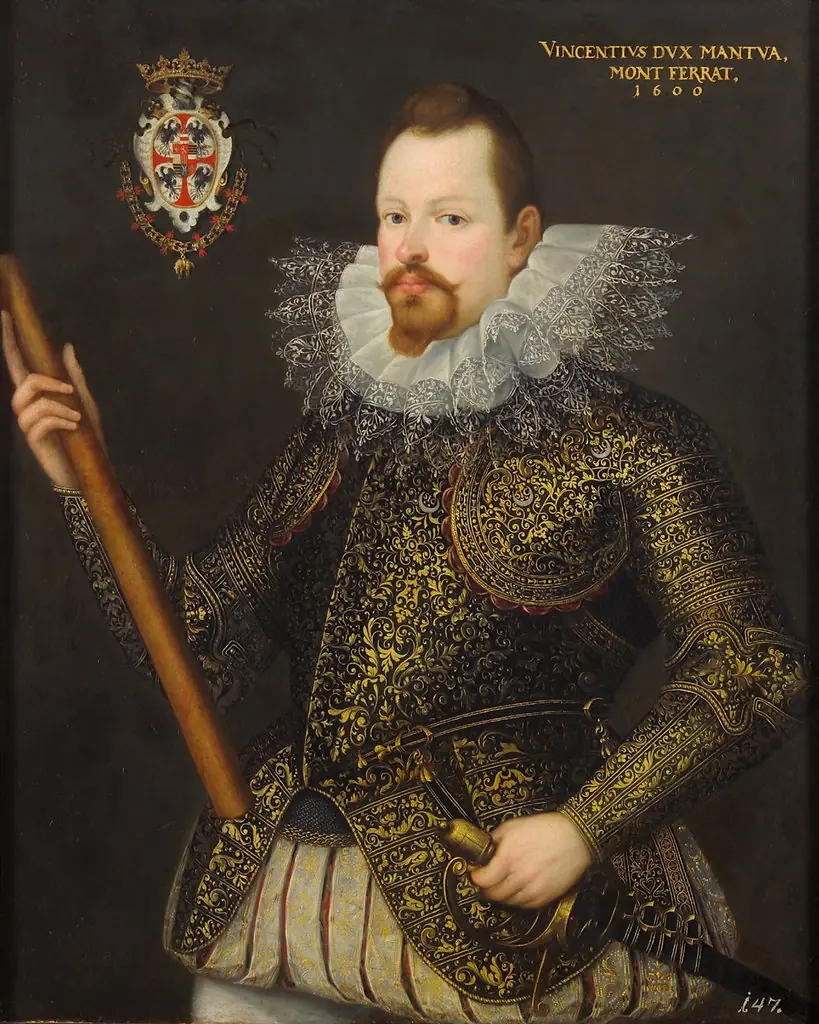 Portrait of Vicenzo Gonzaga, Duke of Mantua
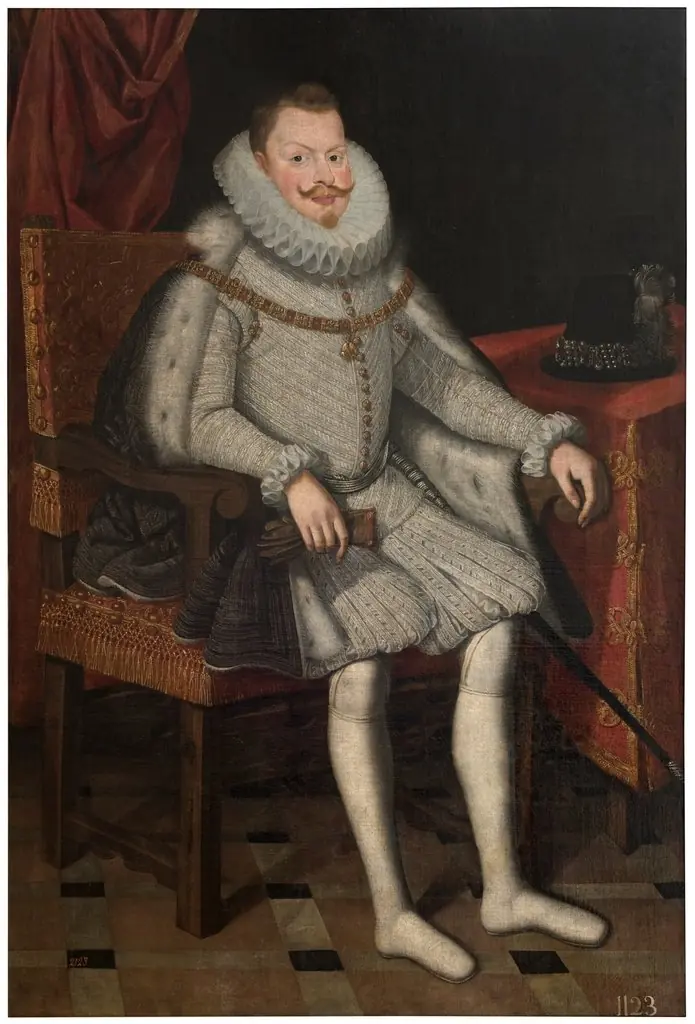 Felipe III rey de España sedente
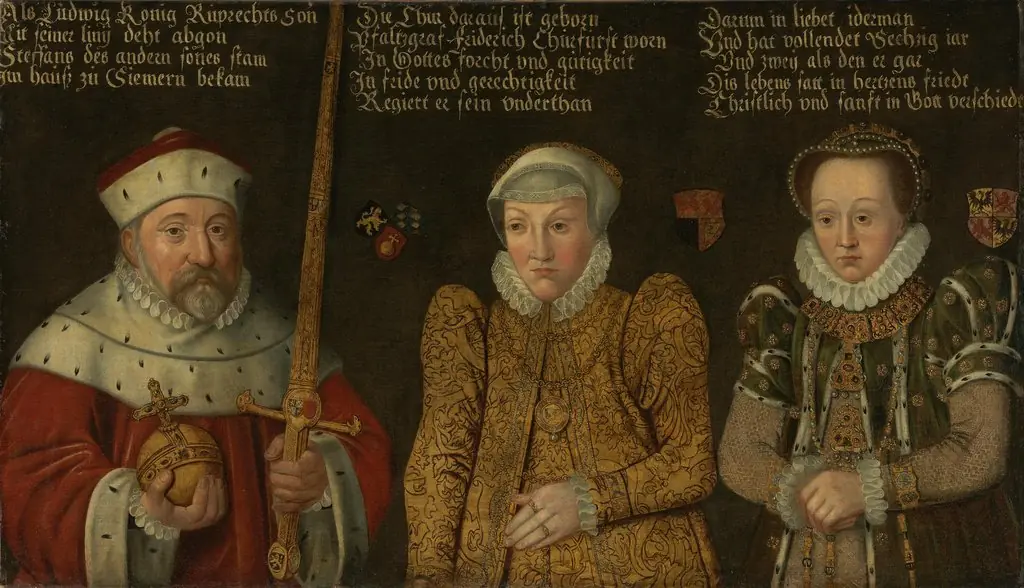 Bildnis des Kurfürsten Friedrich III. von der Pfalz (1515-1576) mit Gemahlinnen Maria von Brandenburg-Kulmbach und Amalia von Neuenar
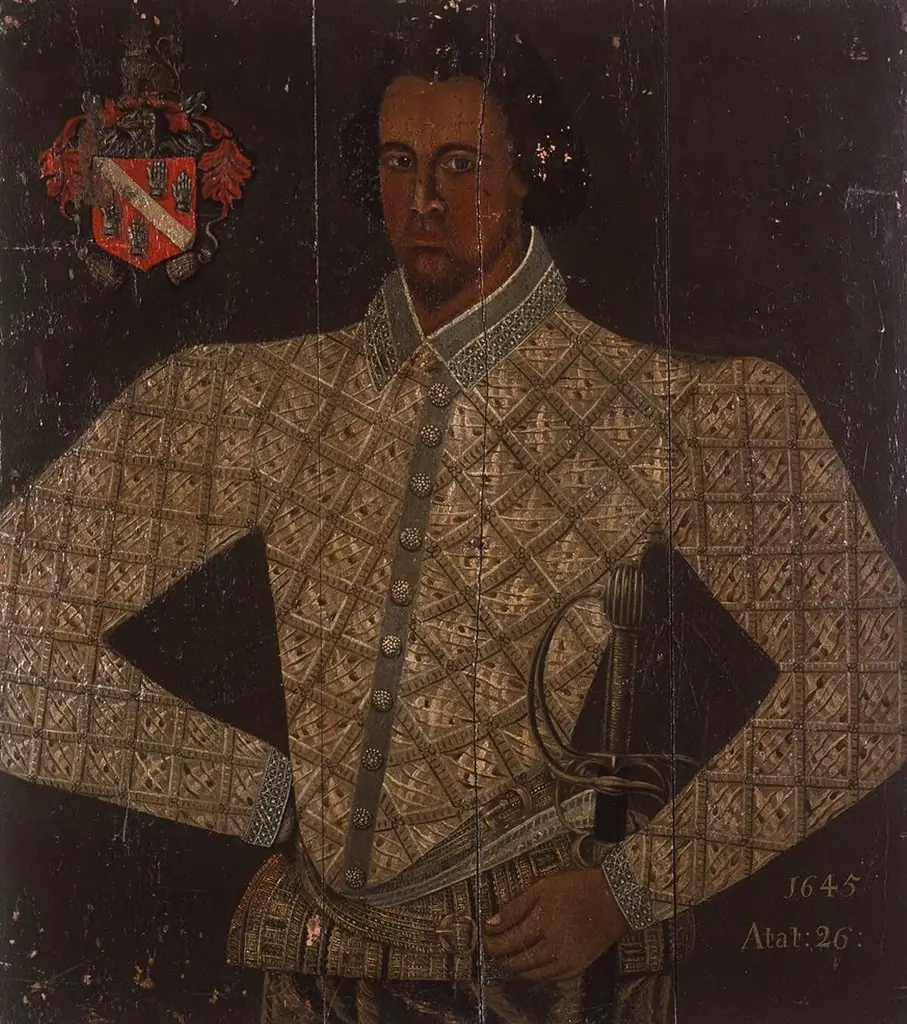 Portrait of a gentleman of the Lovedon family
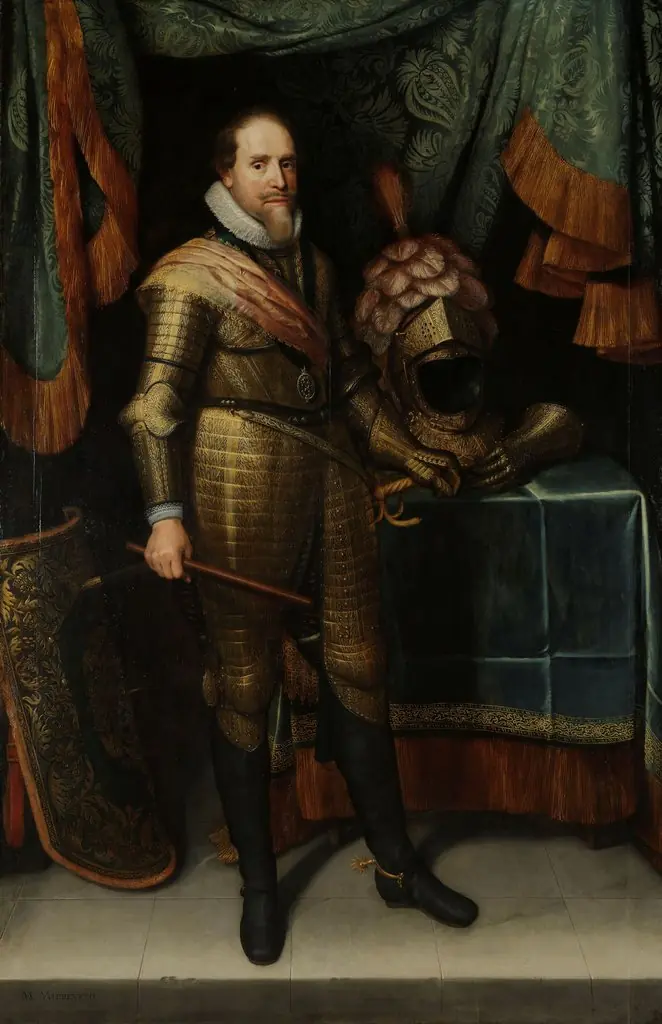 Maurice, Prince of Orange
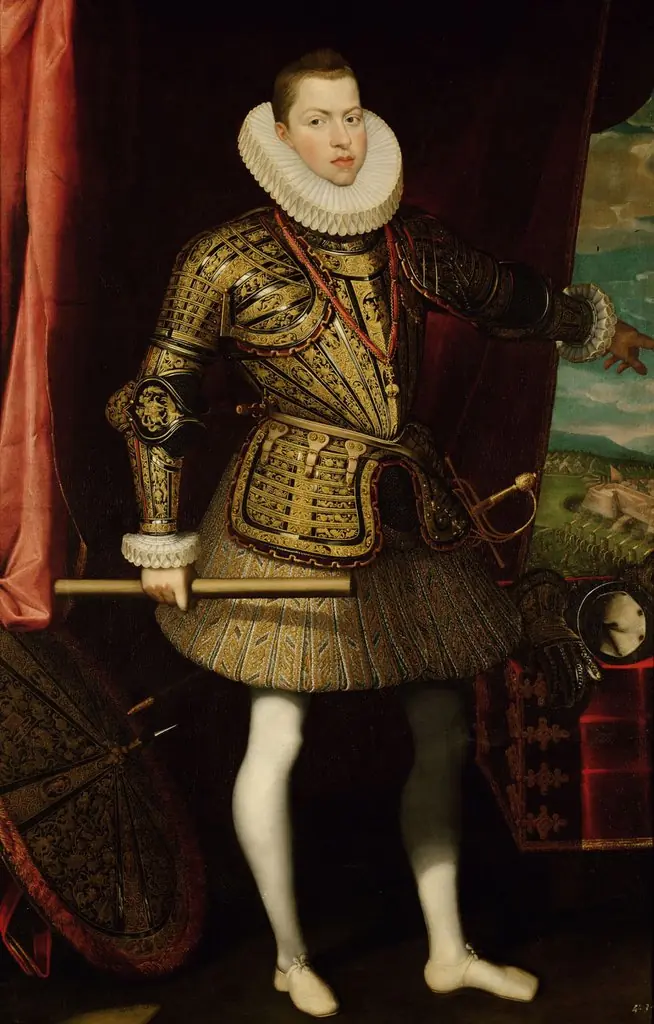 König Philipp III.(1578-1621) von Spanien, Bildnis in ganzer Figur als General der Infanterie (Im Hintergrund: Die Belagerung von Ostende 1601-1604)