Artwork
Bonaparte à Milan
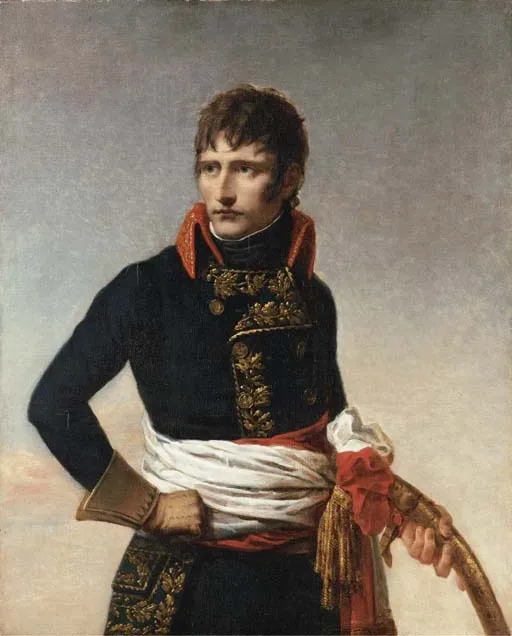
Bonaparte à Milan is an oil painting by the Neoclassicist artist Andrea Appiani. It dates from 1800 and is held in the collection of the Montreal Museum of Fine Arts.
About this work
Overview
Painted in 1800 by Andrea Appiani, *Bonaparte à Milan* is an oil portrait of Napoleon Bonaparte during his campaign in northern Italy.
Painted in 1800 by Andrea Appiani, *Bonaparte à Milan* is an oil portrait of Napoleon Bonaparte during his campaign in northern Italy. Appiani, a leading figure in Italian Neoclassicism, captured the French general in a moment of composed authority, aligning with the era’s preference for dignified, restrained representation. The work resides in the Montreal Museum of Fine Arts, where it serves as a visual record of Napoleon’s early political stature.
Subject & Meaning
The portrait presents Napoleon in full military dress, emphasizing his role as a commander rather than a monarch. His posture—hand on sword, cane in the other—suggests readiness and control. The white sash and red collar denote rank and affiliation, while the somber background isolates him as a figure of focused intent. The image conveys legitimacy through formality, reflecting the transition from revolutionary leader to institutional authority.
Technique & Style
Appiani employed smooth brushwork and muted tonal gradations to achieve a polished, sculptural effect. The gold embroidery on the uniform is rendered with precision, contrasting subtly against the dark fabric. The gray background, softly transitioning from light to shadow, avoids distraction and enhances the figure’s presence. The composition follows Neoclassical ideals: balanced, orderly, and devoid of theatricality.
History & Provenance
Commissioned during Napoleon’s occupation of Milan, the painting was likely intended to affirm his authority in Lombardy. Appiani, then active in Milan’s artistic circles, was well-positioned to produce such a portrait. After passing through private collections, it entered the Montreal Museum of Fine Arts in the 20th century, where it remains part of its European art holdings.
Context
Created at the height of Napoleon’s military successes, the portrait aligns with a broader trend of visual propaganda across Europe. Neoclassical aesthetics were favored to evoke the gravitas of ancient republics and empires, lending Napoleon’s rule an air of historical continuity. Appiani’s work reflects how art was used to stabilize political identity during turbulent times.
Legacy
Though less widely known than portraits by David or Gérard, Appiani’s depiction of Napoleon contributes to the visual lexicon of early 19th-century leadership. Its restrained elegance distinguishes it from more flamboyant contemporary images, offering a quieter, more introspective view of power. The painting remains a key example of Italian Neoclassicism applied to political portraiture.
Artist & collection
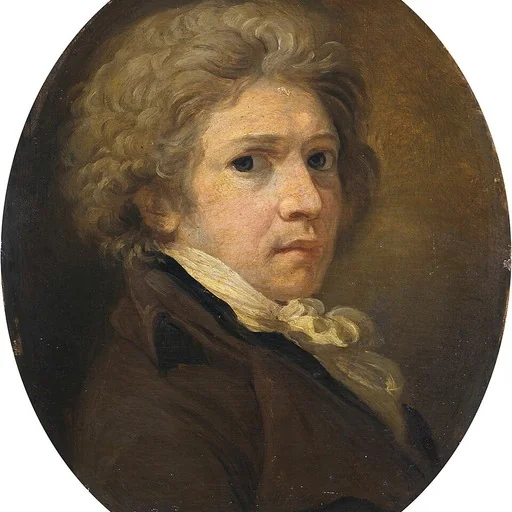
Artist
Andrea Appiani (31 May 1754 – 8 November 1817) was an Italian neoclassical painter. He is known as "the elder", to distinguish him from his great-nephew Andrea Appiani, a historical painter in Rome.

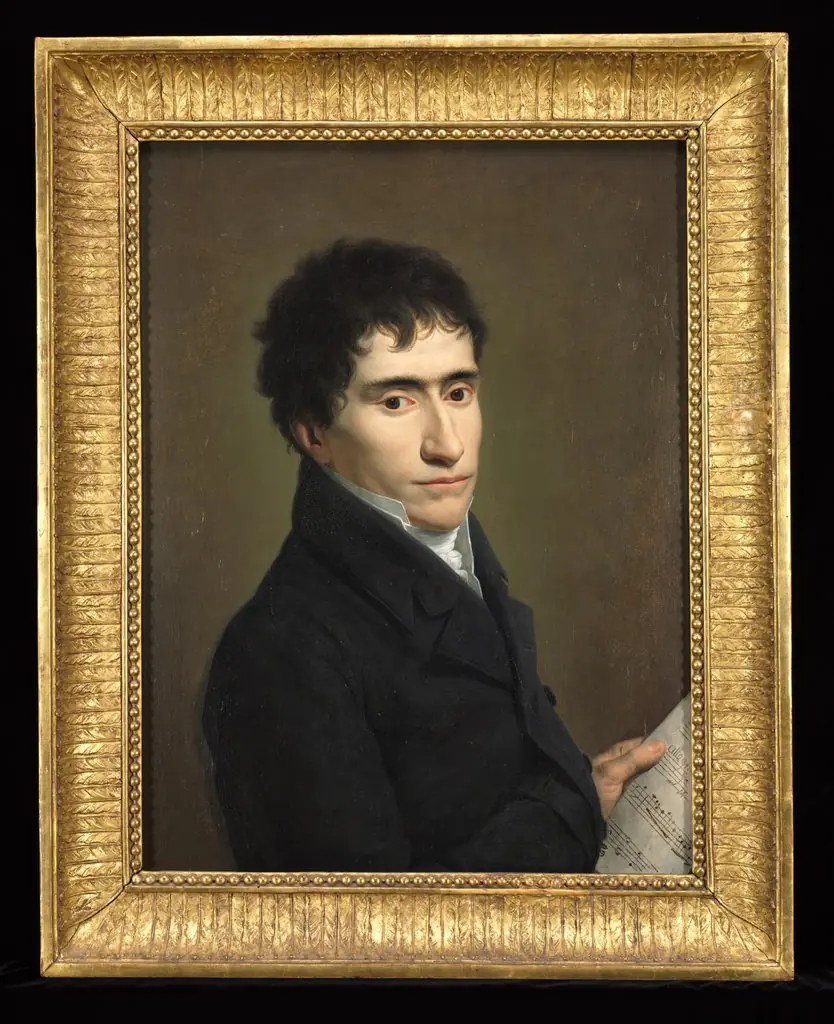 Portrait of a Musician
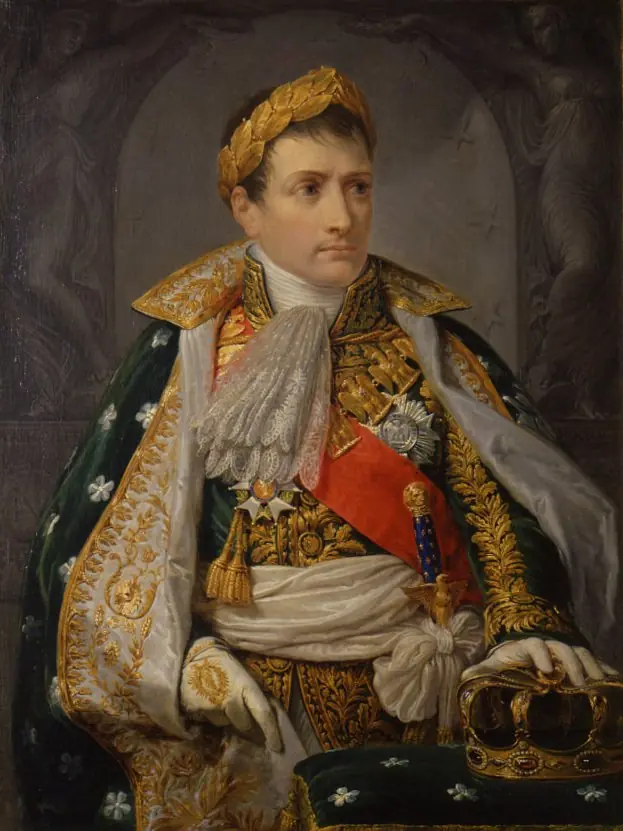 Napoleon I Bonaparte
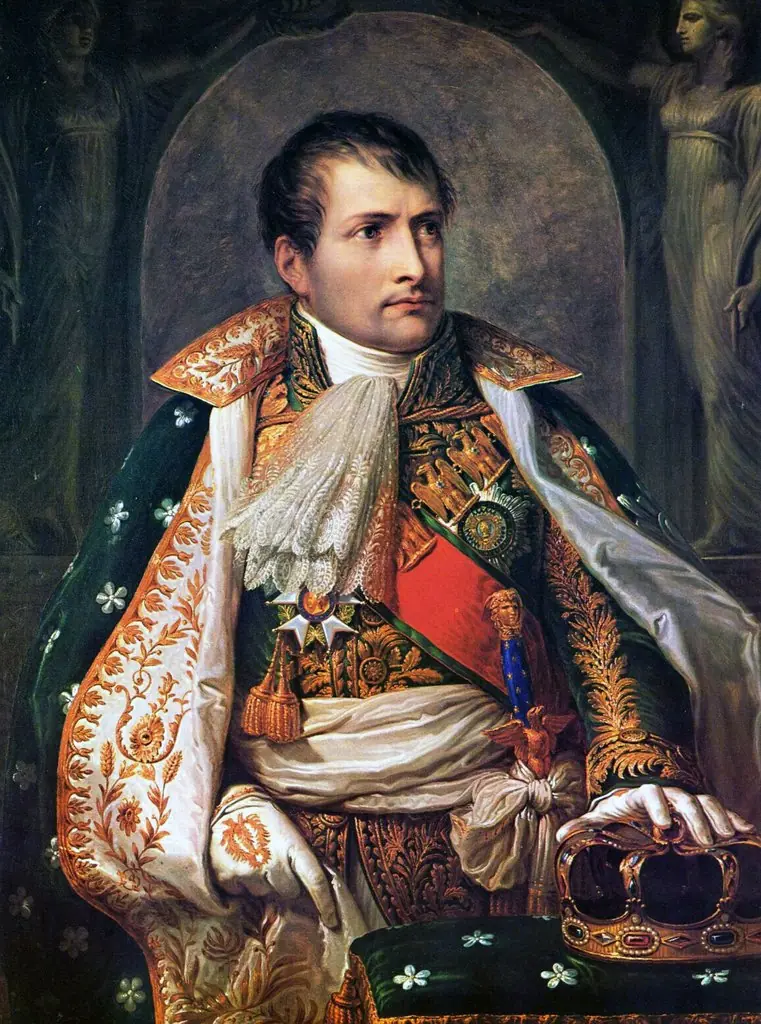 Napoleon I of France
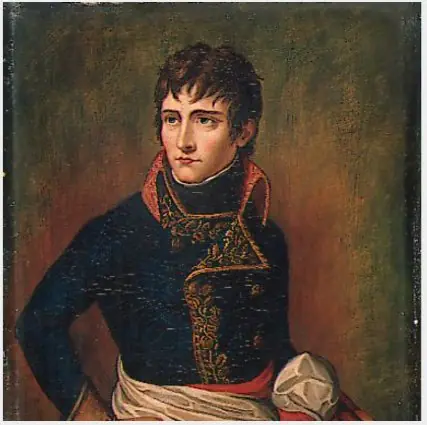 Portrait of Napoleon Bonaparte (1769-1821), as a General of the Army of the Revolution
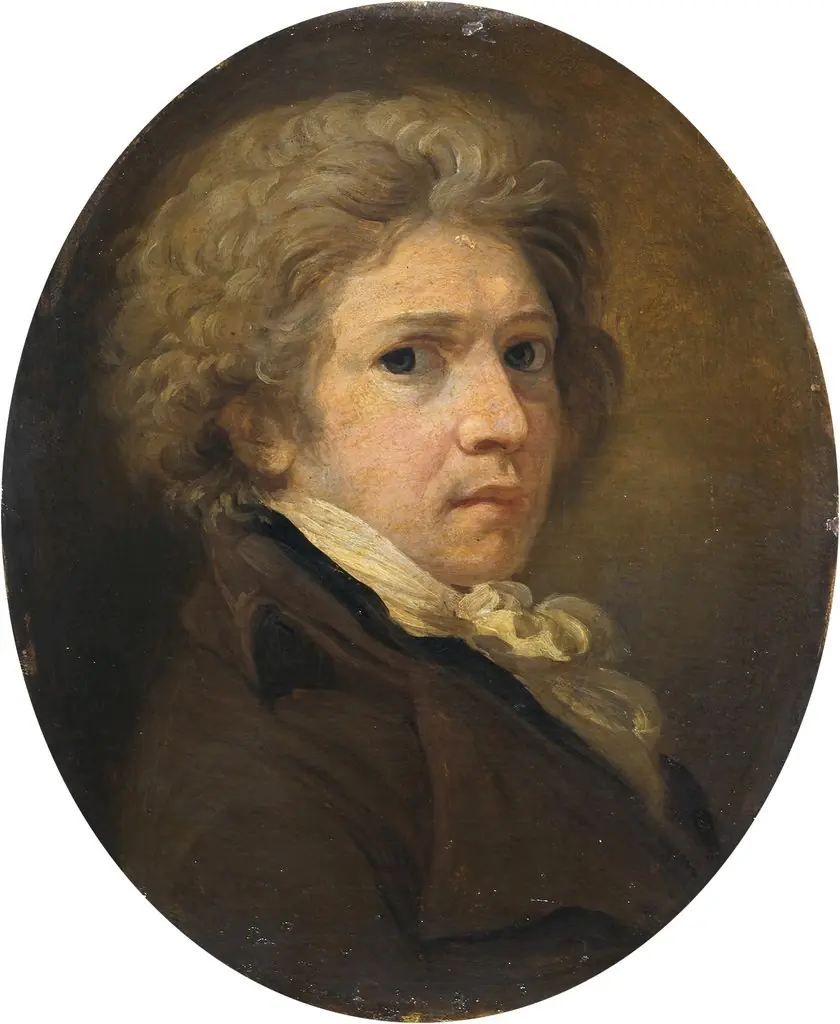 Self-portrait
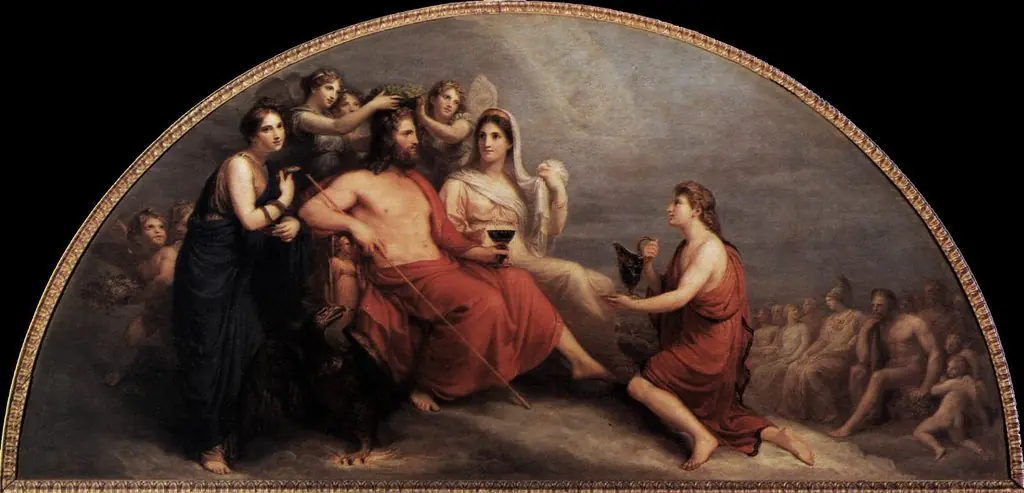 The Olympus (Jupiter, Crowned with Myrtle By the Hours, Proffers a Goblet to Ganymede to Be Served Nectar)
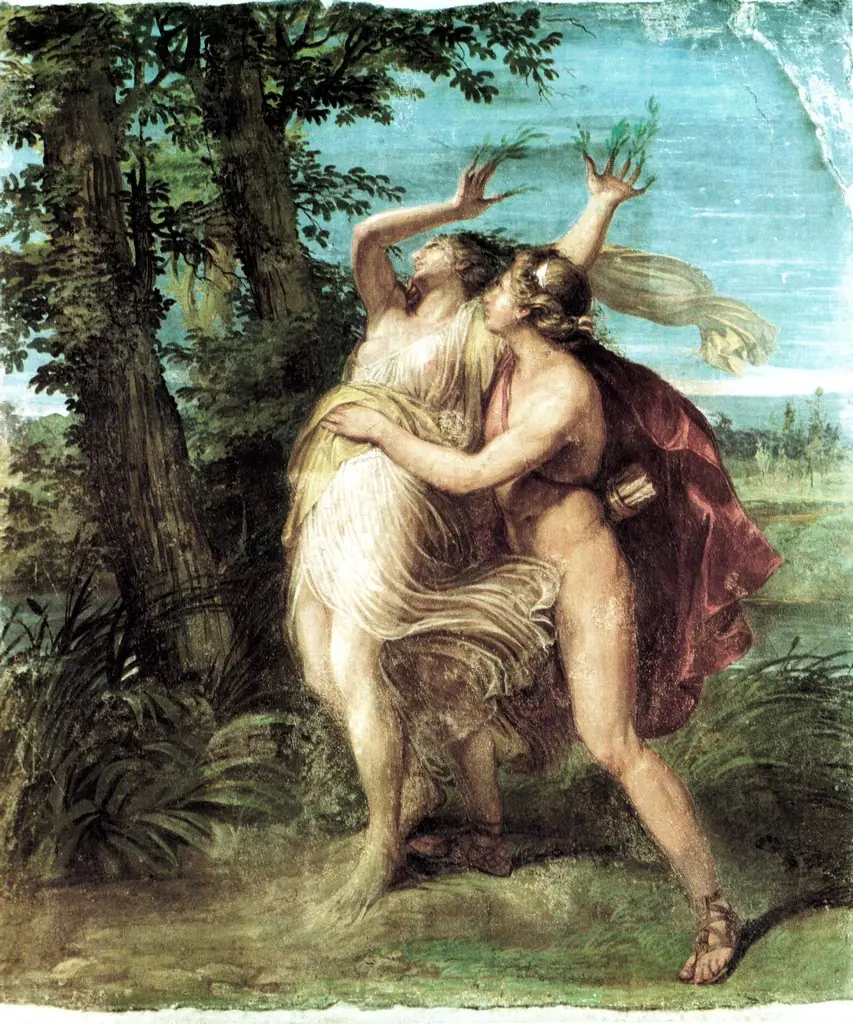 Apollo and Daphne
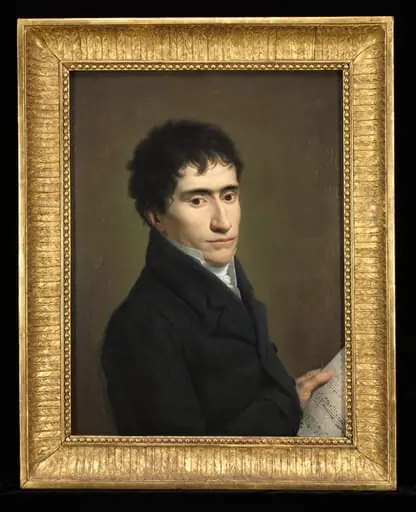 Portrait of a Musician
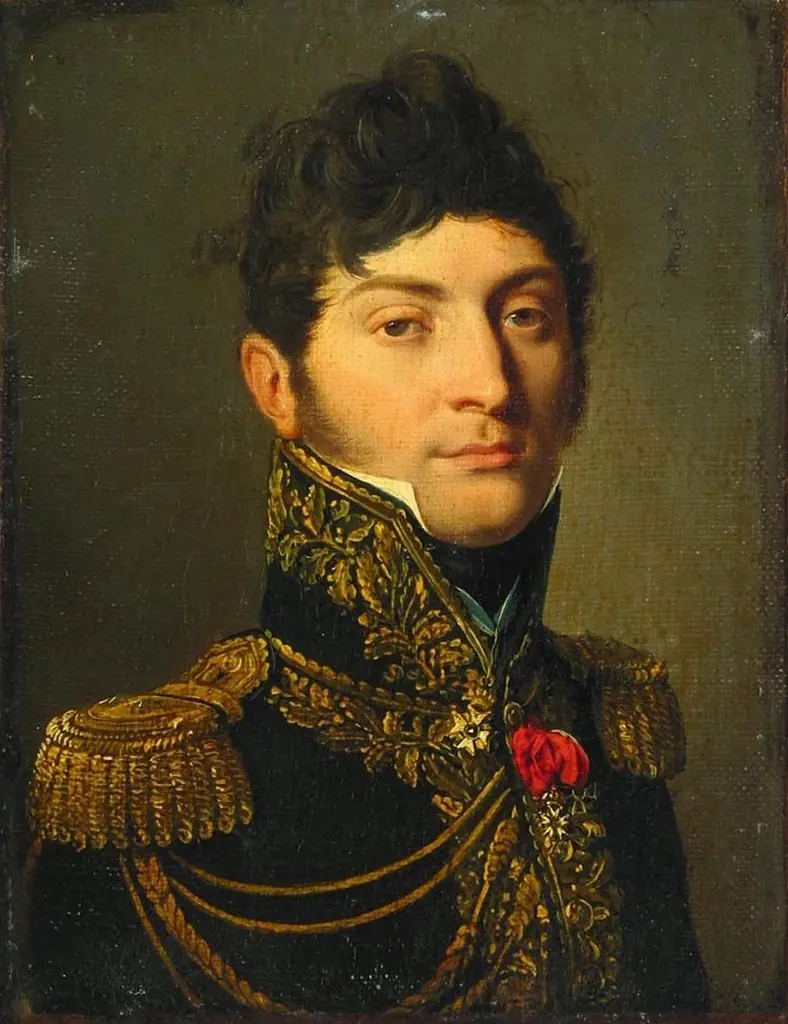 Portrait of de Michel du Roс, the Count de Frioul
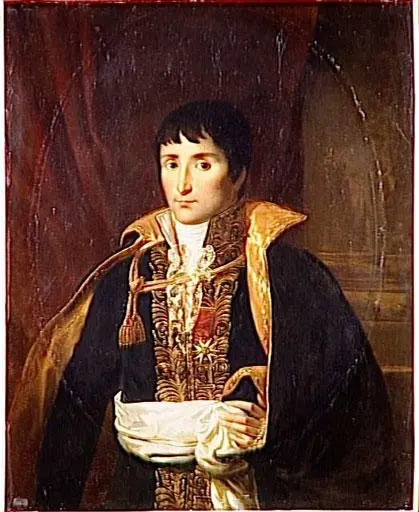 Lucien Bonaparte, Prince de Canino (1755-1840)
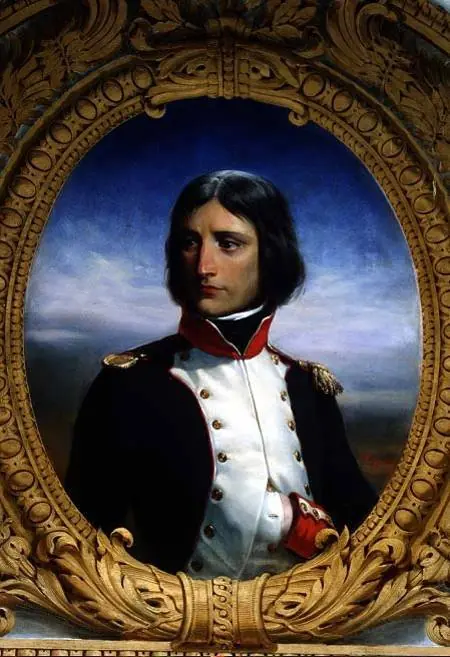 Napoleon Bonaparte
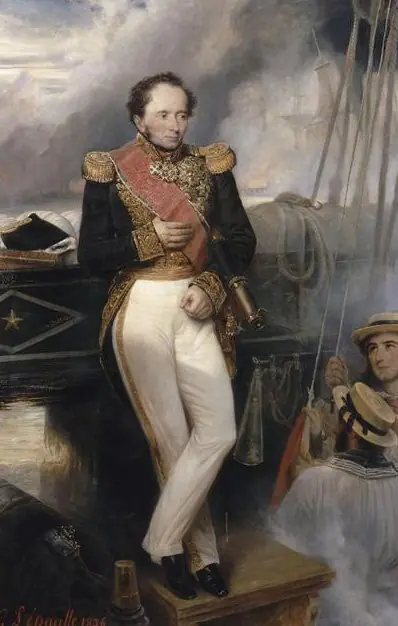 Henri Gauthier, count of Rigny, vice-admiral (1783-1835)
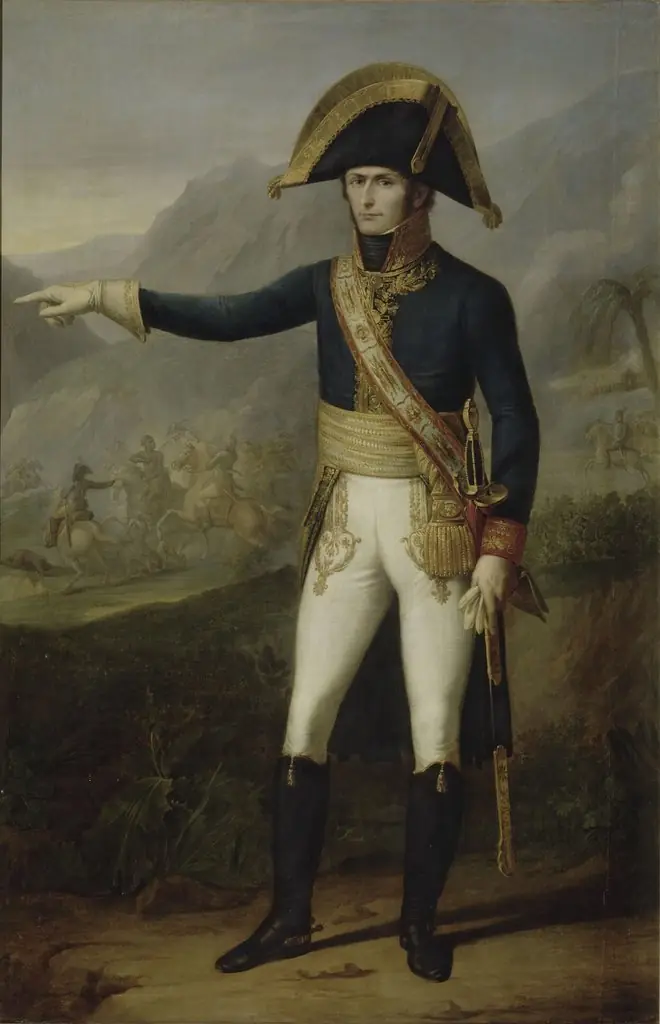 Charles-Emmanuel Leclerc, general-in-chief of the army of Saint-Domingue (1772-1802)
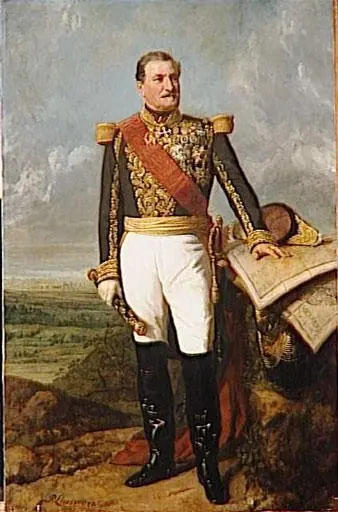 Elie-Frédéric Forey, Marshal
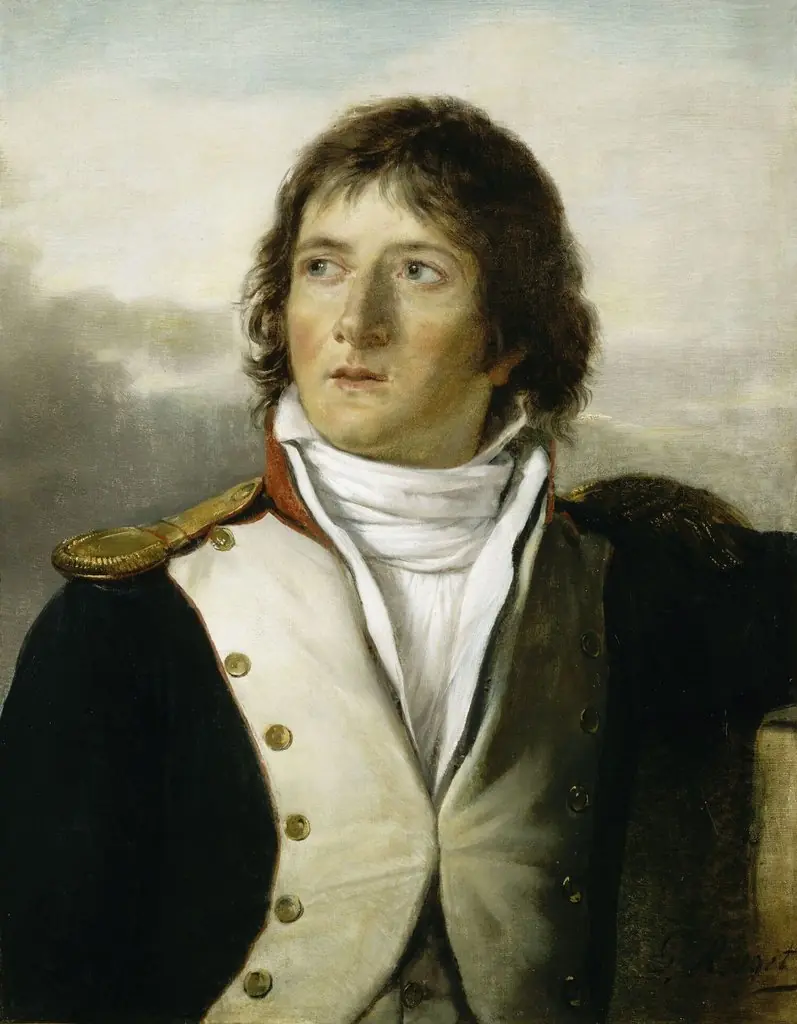 Laurent Gouvion Saint-Cyr, later Marshal and Marquis of Empire
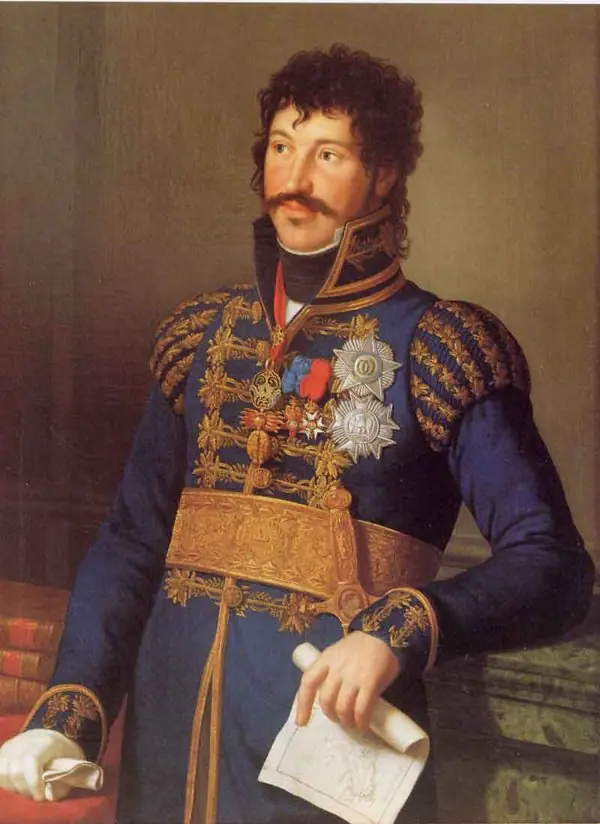 Porträt des Joachim Murat (1767-1815)
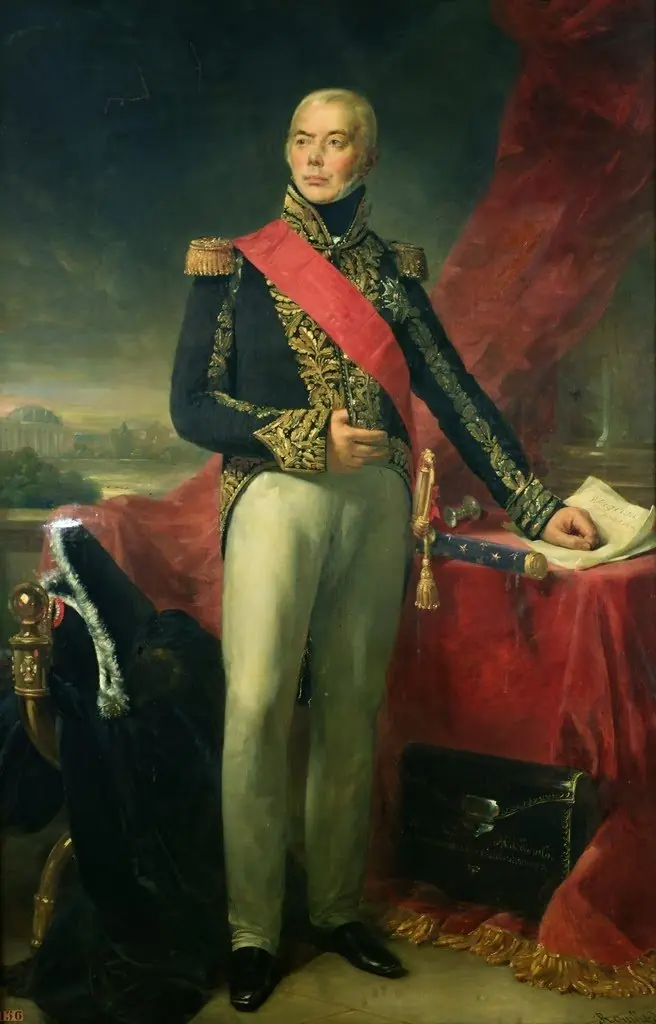 Etienne-Joseph-Jacques-Alexandre MacDonald, Duke of Taranto, Marshal of France (1765-1840)
 Georges Mouton, Count of Lobau