Artwork
Lucien Bonaparte, Prince de Canino (1755-1840)
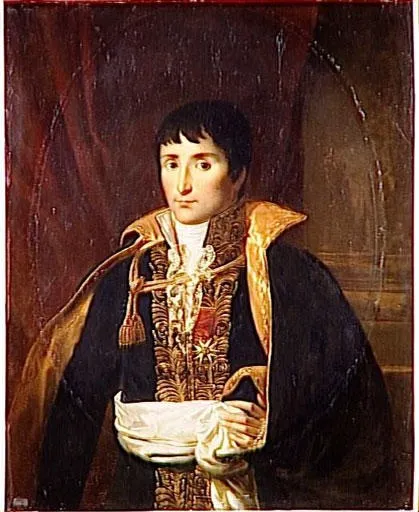
Lucien Bonaparte, Prince de Canino (1755-1840) is an oil painting by Robert Lefèvre. It is held in the collection of the Palace of Versailles.
About this work
Overview
The portrait presents the subject in formal attire against a dark, neutral background, emphasizing his status through restrained elegance.
Robert Lefèvre painted Lucien Bonaparte, Prince de Canino, in the early 19th century using oil on canvas. The portrait presents the subject in formal attire against a dark, neutral background, emphasizing his status through restrained elegance. Lefèvre, a French artist active in Paris, was known for his precise rendering of aristocratic and political figures, aligning his work with the prevailing neoclassical aesthetic of the era.
Subject & Meaning
Lucien Bonaparte, Napoleon’s younger brother, held the title Prince de Canino after his marriage into an Italian noble family. The portrait captures him in ceremonial dress, including a gold-embroidered jacket and white sash, symbols of his political and dynastic role. His composed posture and direct gaze convey authority without ostentation, reflecting the dignity expected of a Bonaparte in exile or semi-retirement after his estrangement from Napoleon.
Technique & Style
Lefèvre employed smooth brushwork and muted tonal contrasts to achieve a refined realism. The fabric of the jacket is rendered with subtle highlights to suggest texture without distraction, while the white sash and shirt provide a quiet focal point. The background’s deep shadow isolates the figure, a compositional choice rooted in academic portraiture and influenced by the clarity and restraint of Jacques-Louis David’s approach.
History & Provenance
The portrait was likely commissioned during Lucien’s later years, possibly after his return to France in the 1830s. It entered the collection of the Palace of Versailles, where it remains today as part of the museum’s broader representation of the Bonaparte family’s cultural legacy. Its preservation reflects the institution’s interest in documenting the political figures who shaped post-revolutionary France.
Context
Painted in the decades following the fall of Napoleon, this portrait belongs to a period when former imperial elites sought to reestablish their social standing through visual representation. Lefèvre’s style, though less dramatic than David’s, continued the tradition of using portraiture to affirm lineage and authority. The work reflects the persistence of aristocratic imagery even as France transitioned through successive regimes.
Legacy
Lefèvre’s portrait of Lucien Bonaparte endures as a quiet testament to the complex legacy of the Bonaparte family beyond Napoleon’s reign. It illustrates how portraiture functioned as a tool of identity preservation among exiled or diminished nobility. The painting contributes to the historical record of early 19th-century French visual culture, capturing a figure caught between revolution and tradition.
Artist & collection
Artist
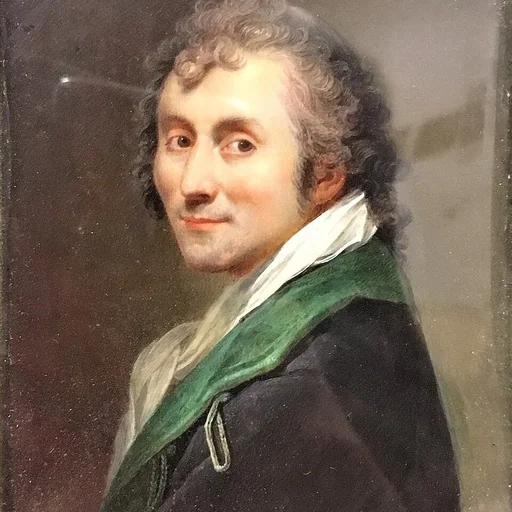
Robert Jacques François Faust Lefèvre (French pronunciation: , 24 September 1755, in Bayeux – 3 October 1830, in Paris) was a French painter of portraits, history paintings and religious paintings.

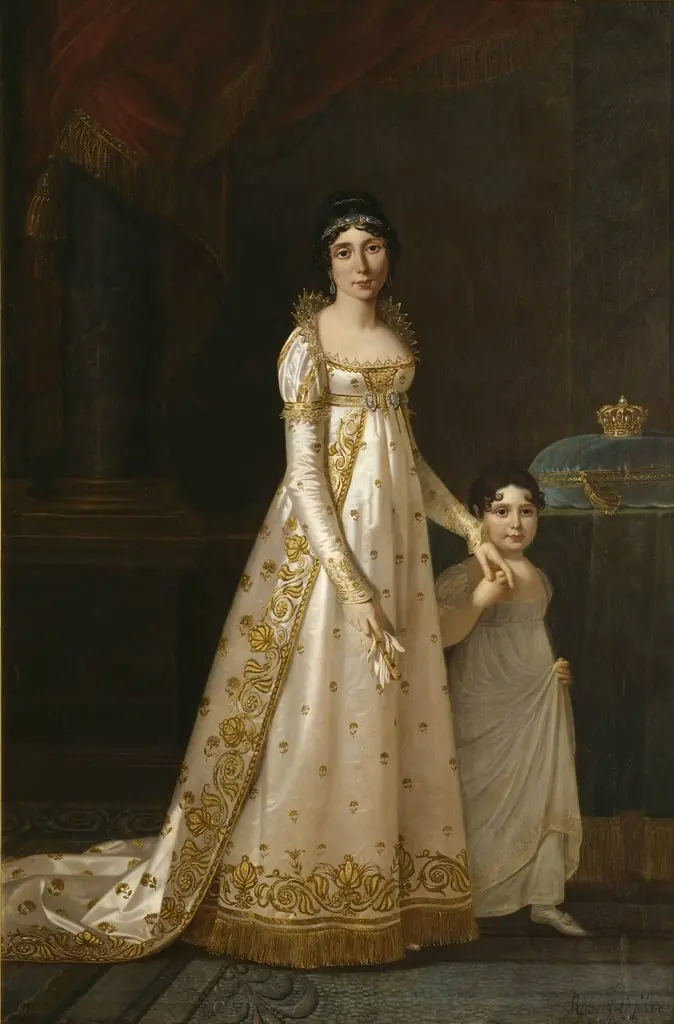 Marie-Julie Clary, Queen of Naples (1777-1845)
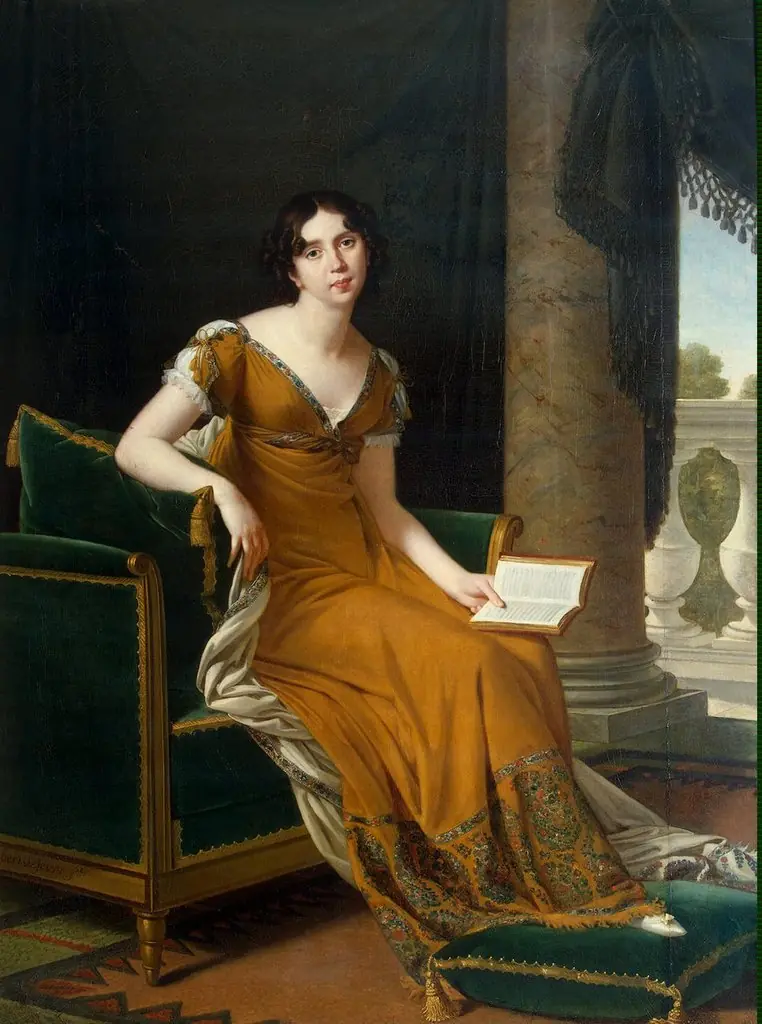 Portrait of Elisabeth Demidova
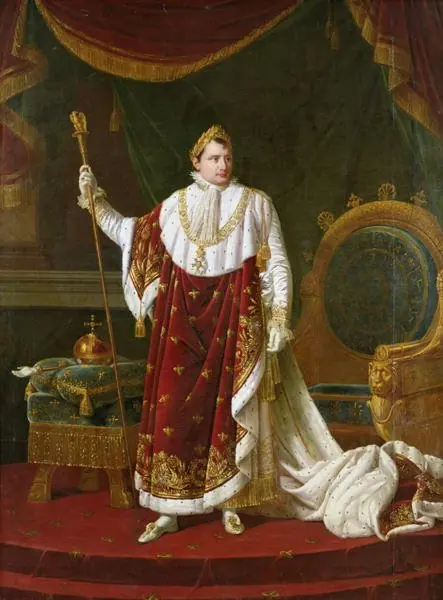 Napoleon I, Emperor of the French
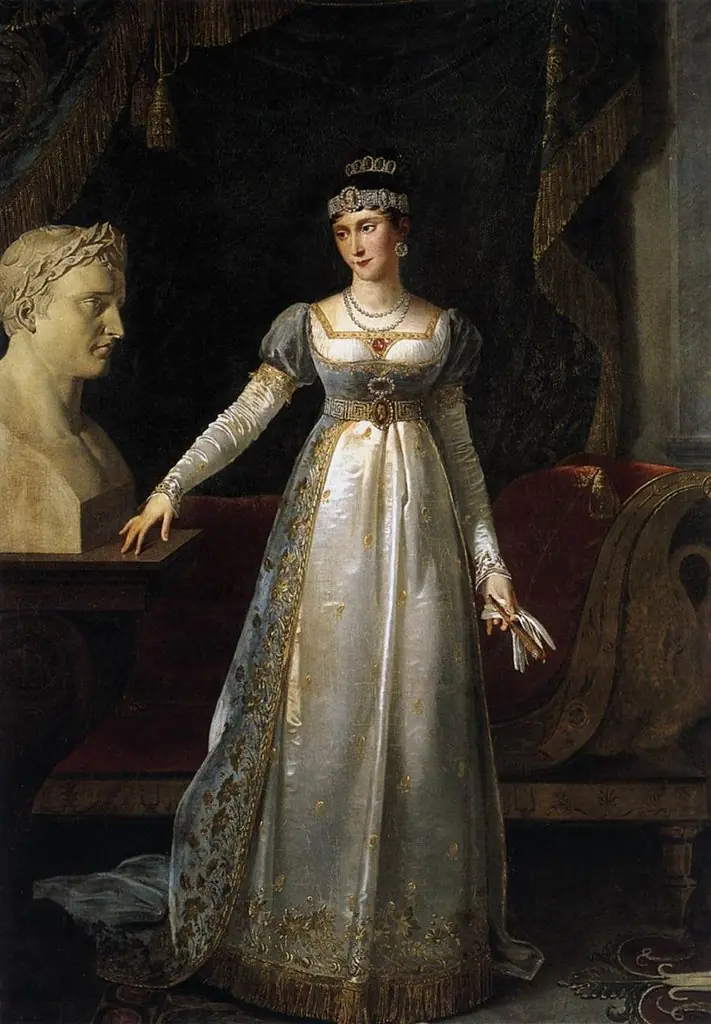 Pauline Bonaparte, Duchess of Guastalla, Princess Borghese
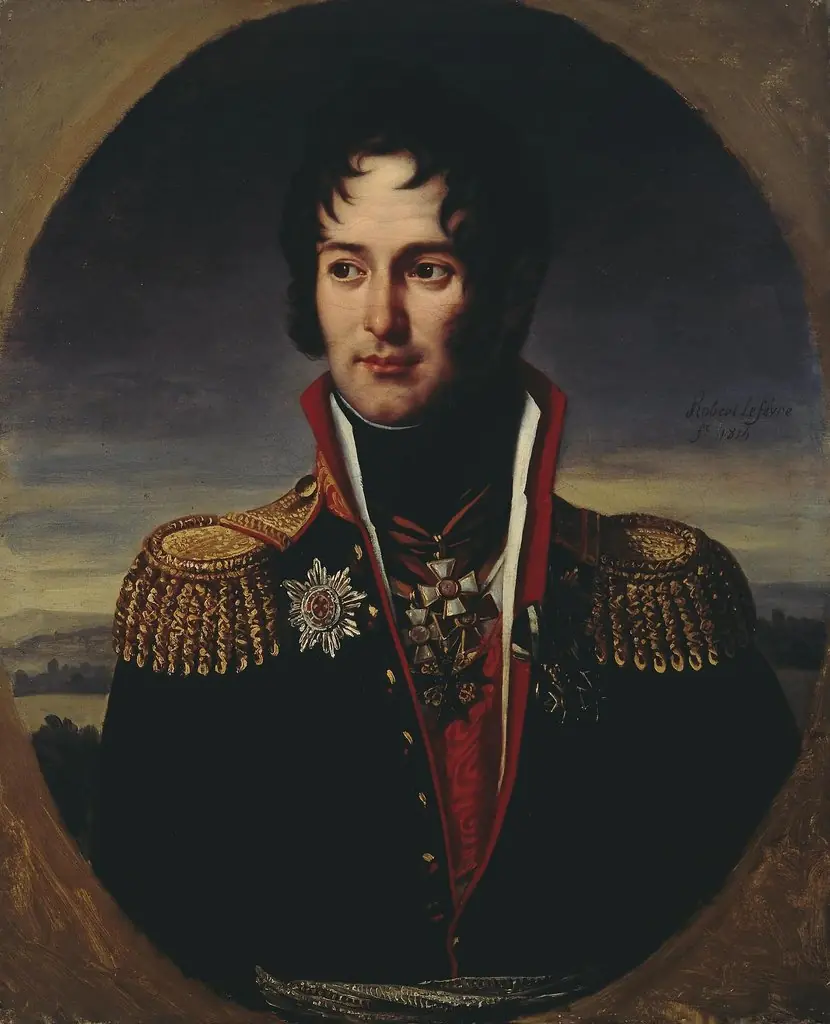 Portrait of General Piotr Chicherin
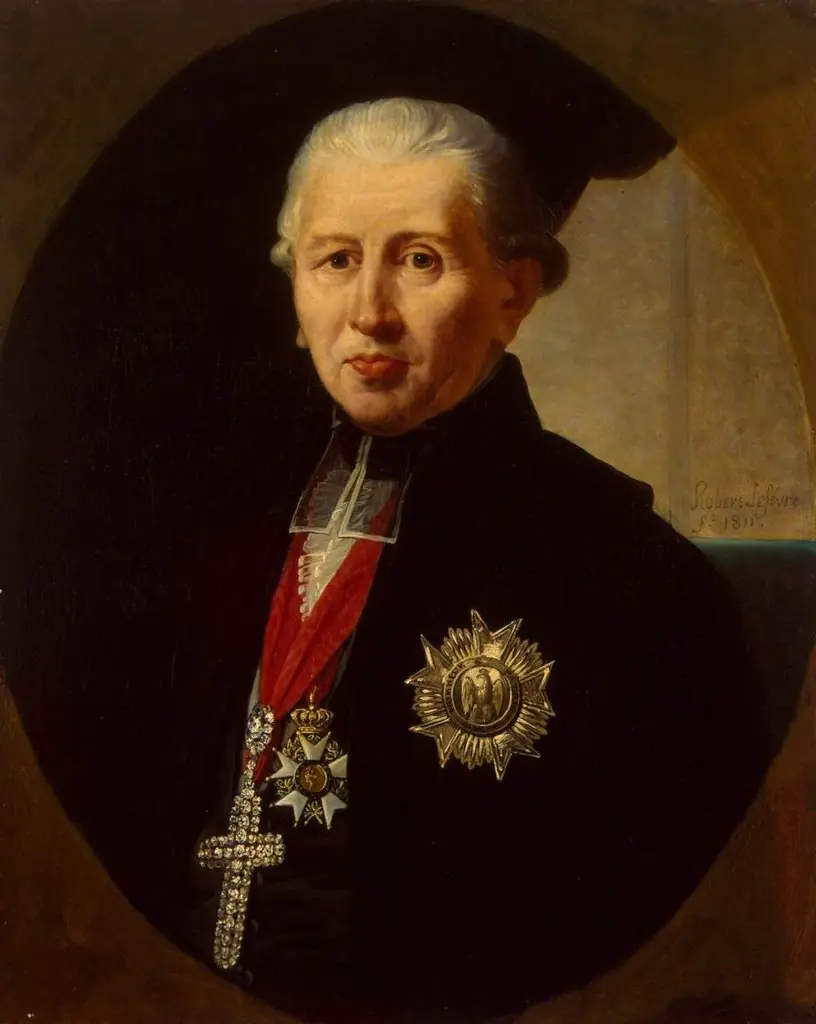 Portrait of Karl Theodor von Dalberg
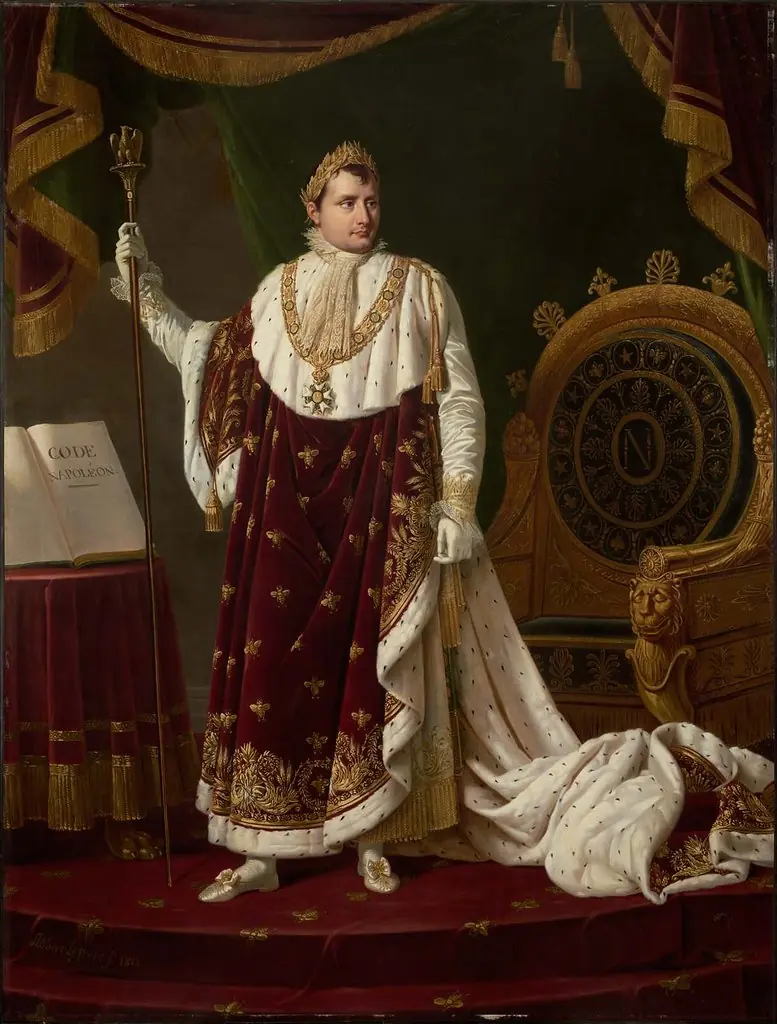 Portrait of Napoleon I in His Coronation Robes
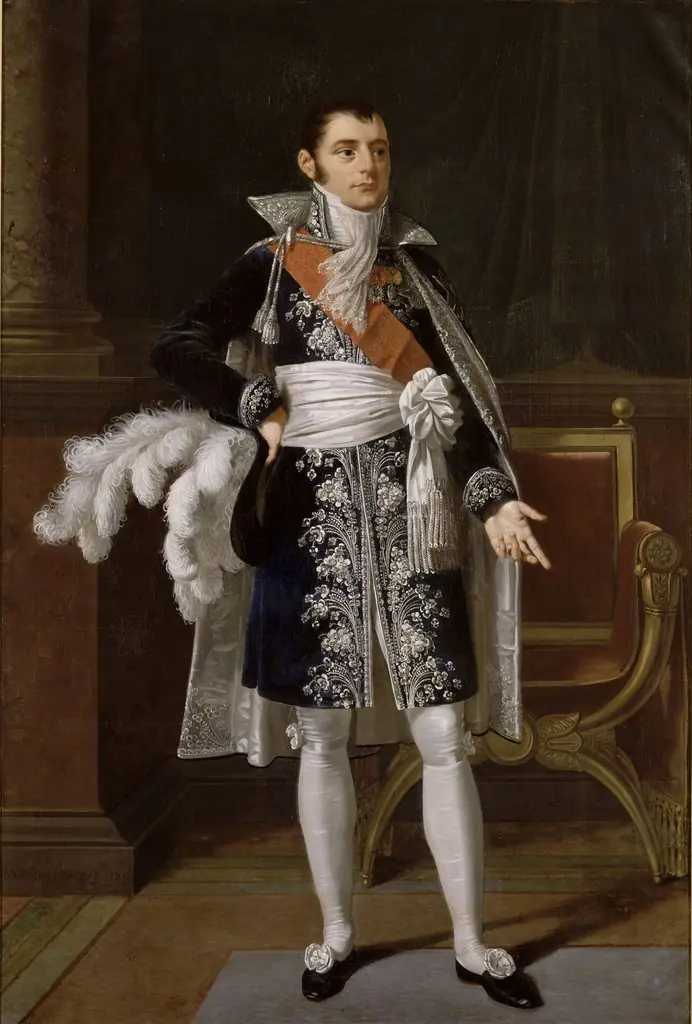 Portrait of Anne-Jean-Marie-René Savary, Duke of Rovigo (1774-1833)
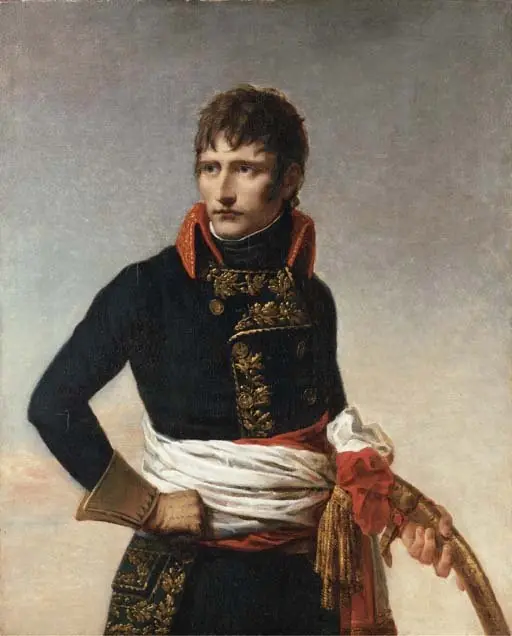 Bonaparte à Milan
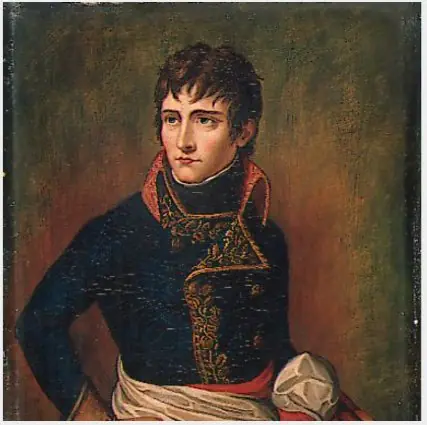 Portrait of Napoleon Bonaparte (1769-1821), as a General of the Army of the Revolution
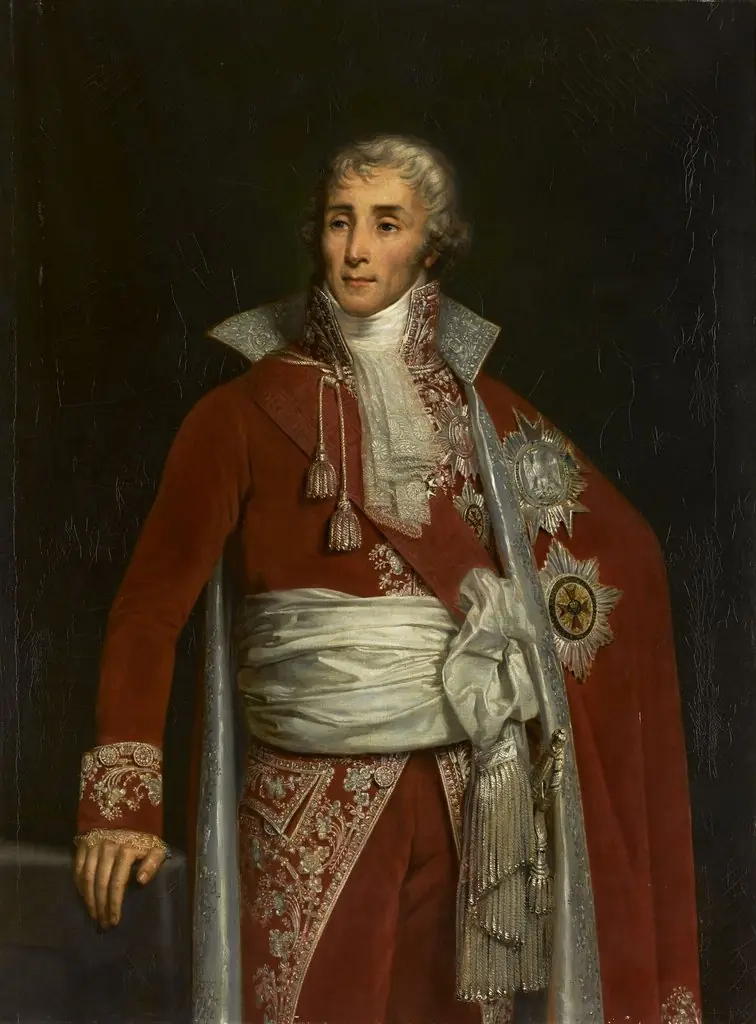 Joseph Fouché, Duke of Otranto
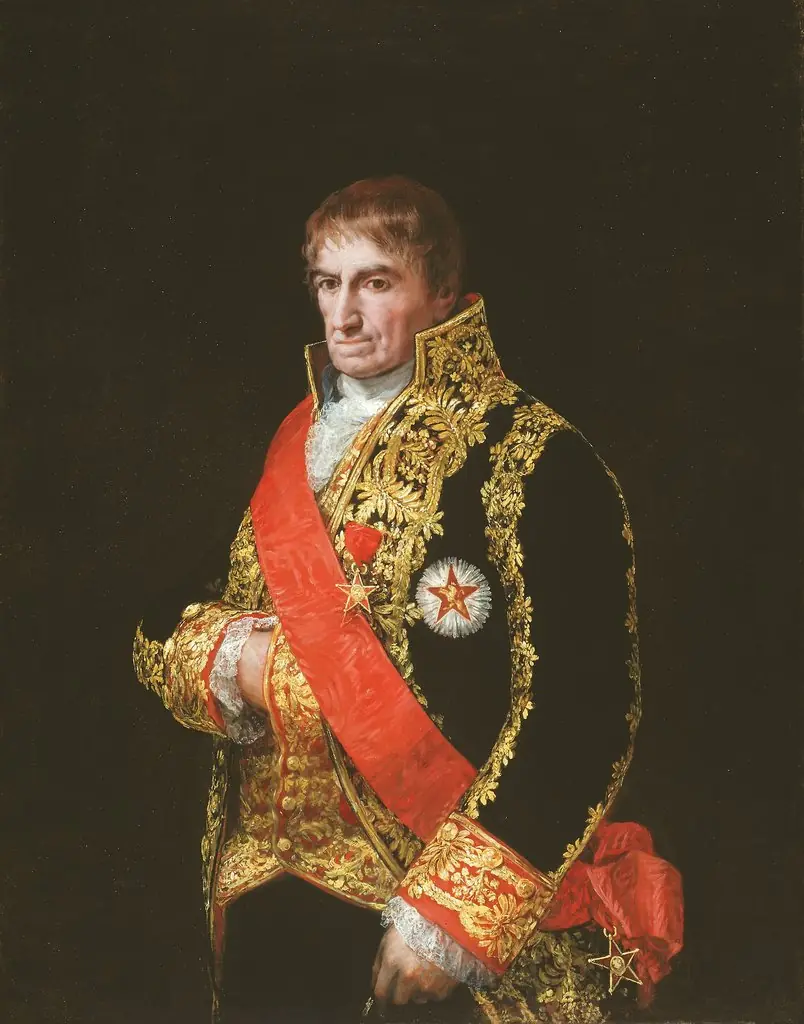 Portrait of General José Manuel Romero
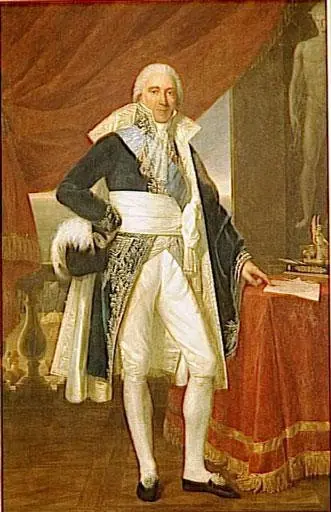 Jean-Baptiste Collin, comte de Sussy (1750-1826)
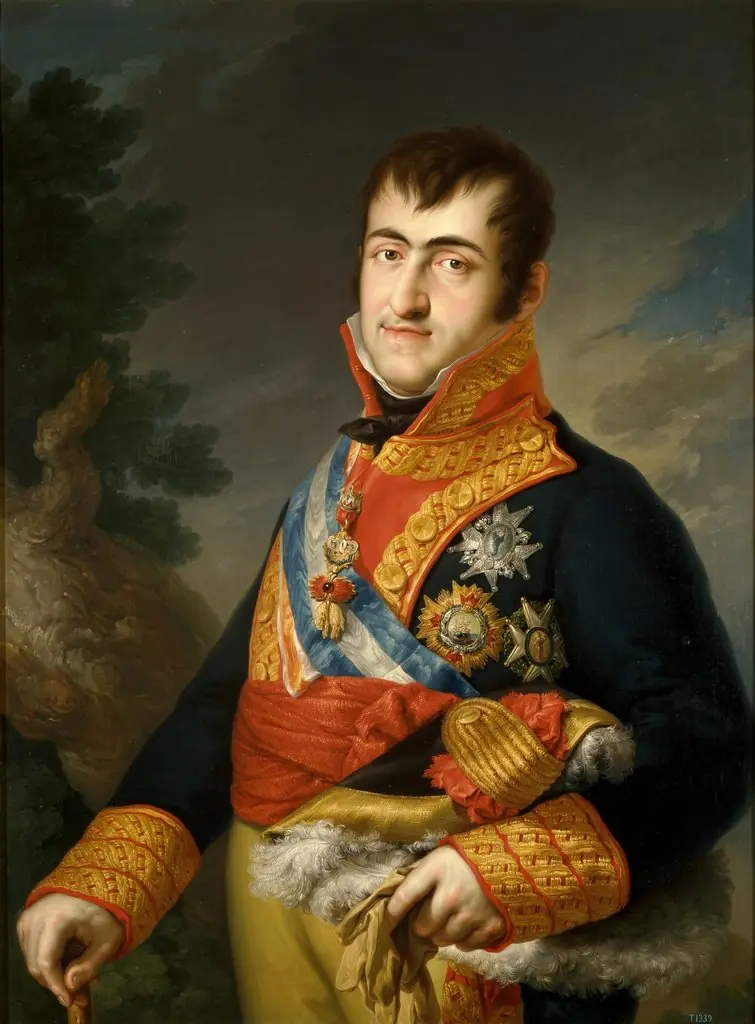 Ferdinand VII in the Uniform of a Captain-general
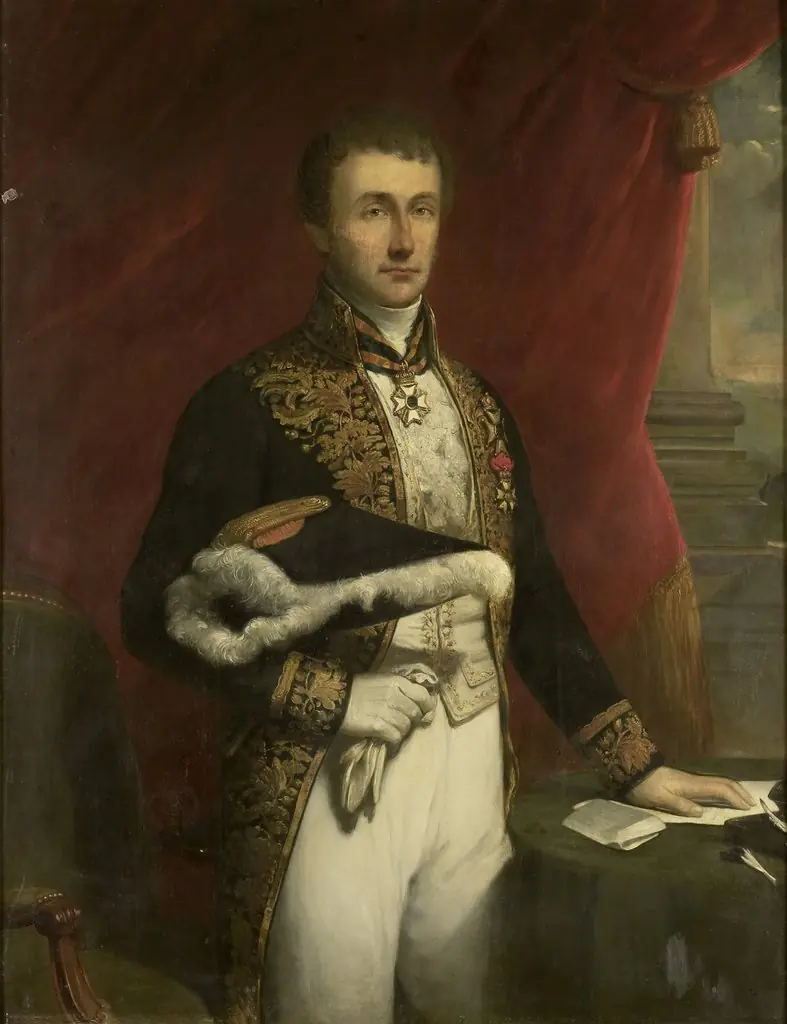 Pieter Merkus (1787–1844). Gouverneur-generaal (1841–1844)
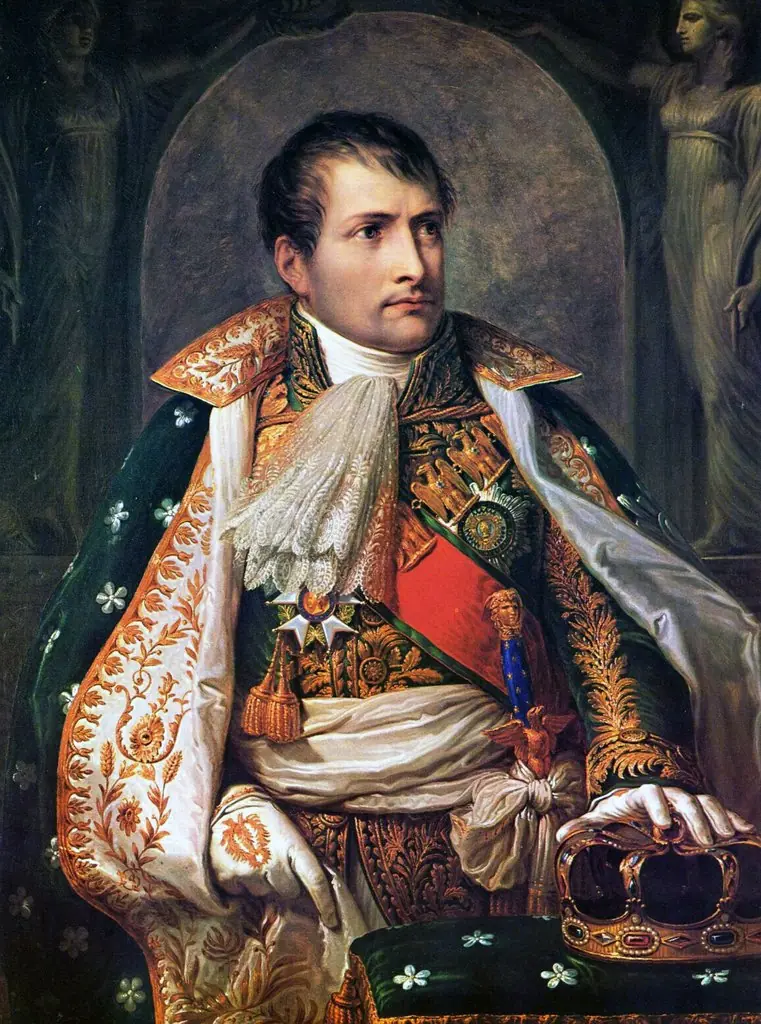 Napoleon I of France
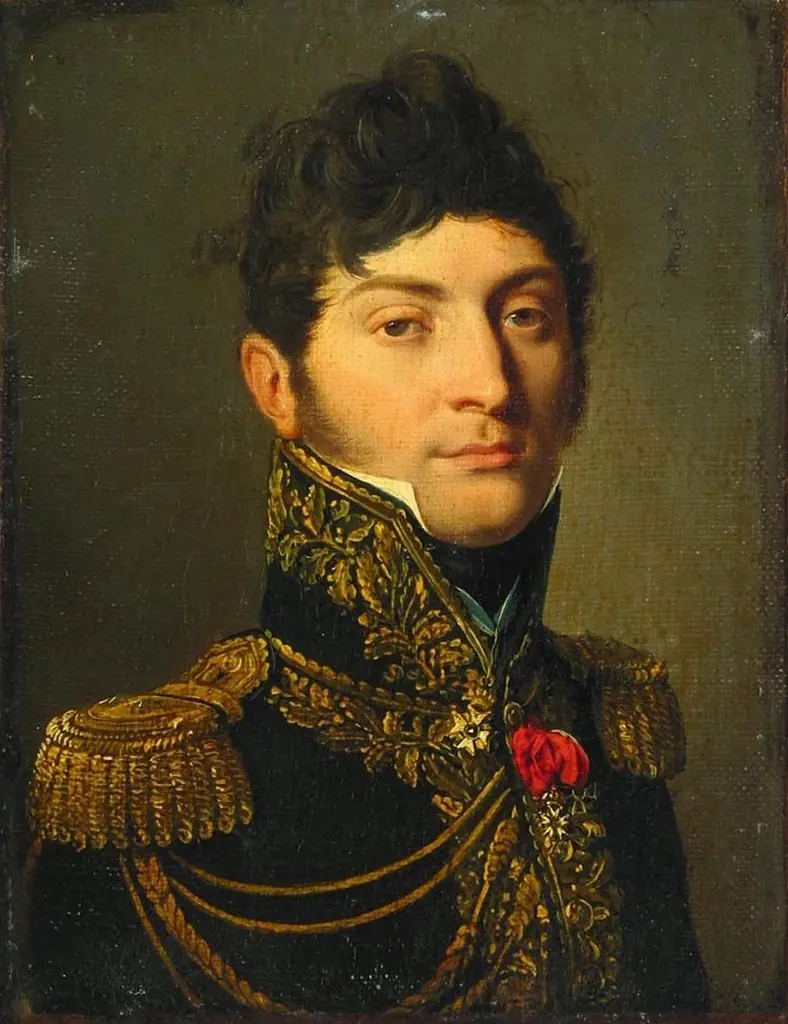 Portrait of de Michel du Roс, the Count de Frioul
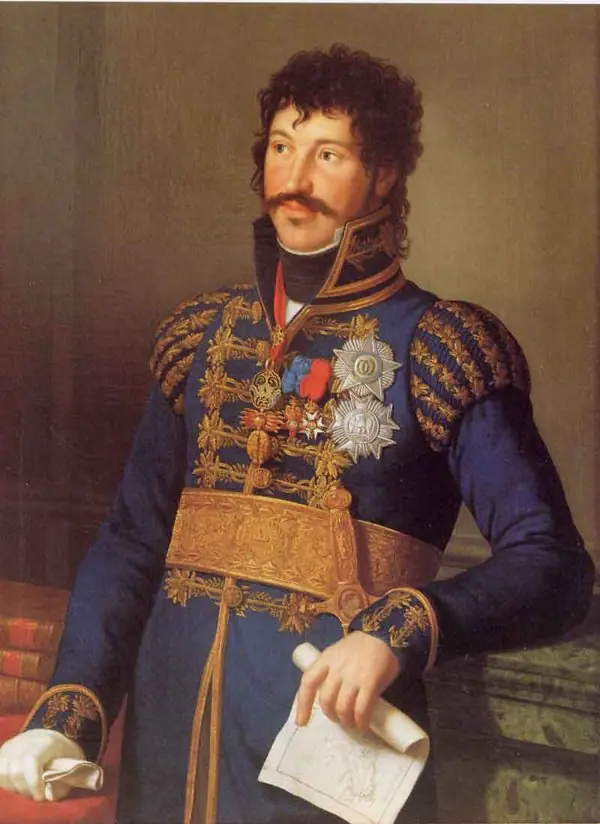 Porträt des Joachim Murat (1767-1815)
 Portrait of Isaac Jan Alexander Gogel
 Portrait of Isaac Jan Alexander Gogel