Artwork
Apollo and Daphne
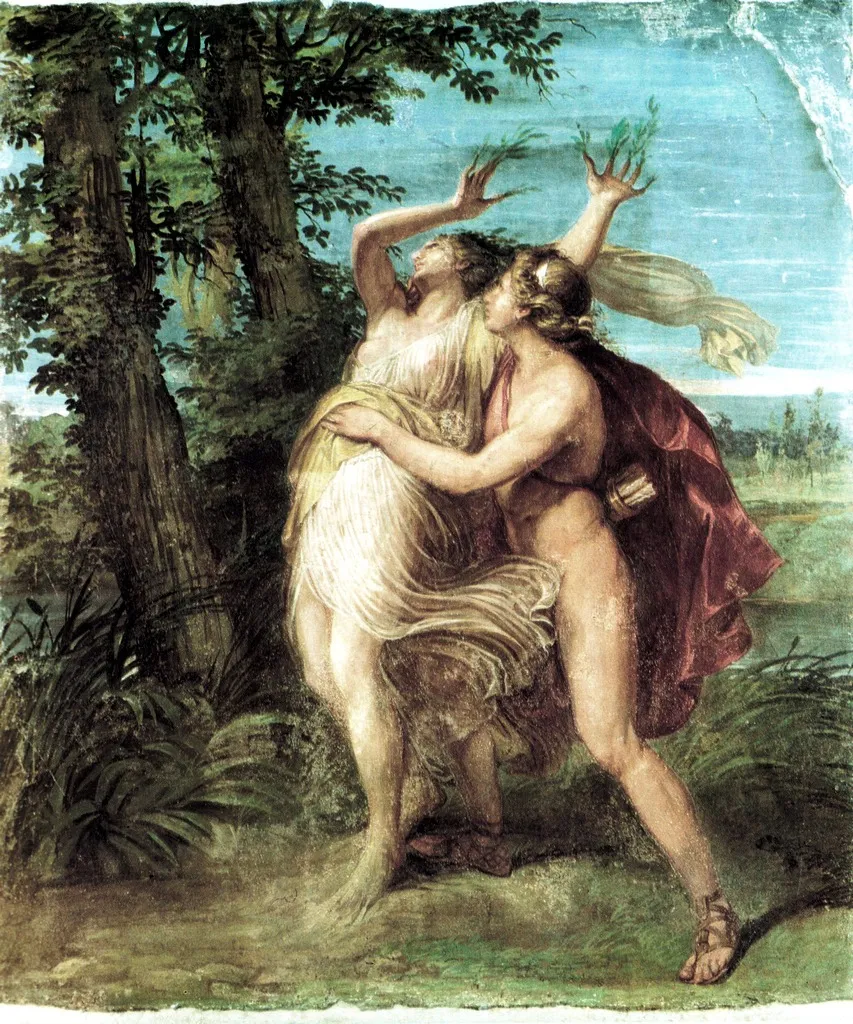
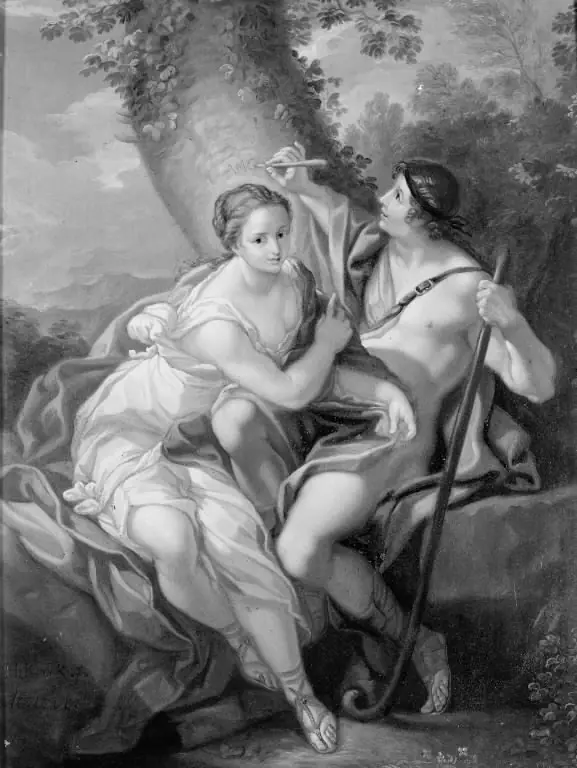
Apollo and Daphne is an oil painting by Andrea Appiani. It dates from 1799 and is held in the collection of the Pinacoteca di Brera.
About this work
Overview
Painted in 1799 by Andrea Appiani, *Apollo and Daphne* is an oil-on-canvas work rooted in neoclassical tradition.
Painted in 1799 by Andrea Appiani, *Apollo and Daphne* is an oil-on-canvas work rooted in neoclassical tradition. Appiani, an Italian artist active in Milan during the late 18th and early 19th centuries, rendered this mythological scene with formal clarity and restrained emotion. The painting resides in the Pinacoteca di Brera, where it exemplifies the period’s revival of classical themes through disciplined composition and refined technique.
Subject & Meaning
The painting illustrates the moment from Ovid’s *Metamorphoses* when Daphne, fleeing Apollo’s pursuit, begins her transformation into a laurel tree. Her raised arm and twisting posture suggest the onset of bark forming on her skin, while Apollo, reaching toward her, remains unaware of her impending change. The scene captures transition rather than climax, emphasizing inevitability over drama, in keeping with neoclassical restraint.
Technique & Style
Appiani employed chiaroscuro to model the figures with subtle gradations of light and shadow, lending volume without theatricality. The drapery of their robes flows with classical grace, rendered in smooth, even brushwork. The landscape behind them is softly rendered, avoiding distraction, while the figures dominate the frame with balanced, sculptural poses. Color is muted, favoring pale tones against a hazy sky to sustain a contemplative mood.
History & Provenance
Commissioned during Appiani’s peak years in Milan, the painting entered the Pinacoteca di Brera’s collection in the early 19th century, likely through state acquisition following Napoleonic reorganization of art holdings. It has remained there since, with no documented changes in ownership. Its preservation reflects its status as a representative work of Lombard neoclassicism rather than a celebrated outlier.
Context
Appiani worked amid the cultural shift from Baroque exuberance to Enlightenment-inspired order. His mythological subjects aligned with state-sponsored ideals of moral clarity and classical virtue. *Apollo and Daphne* reflects this ethos: it avoids emotional excess, instead presenting myth as a quiet, inevitable natural law. The painting resonates with contemporary interest in antiquity, fueled by archaeological discoveries and academic study.
Legacy
Though not widely reproduced, the painting remains a key example of Lombard neoclassicism. Appiani’s restrained interpretation of myth influenced regional artists who favored intellectual poise over dramatic intensity. Its presence in the Brera underscores its role as a pedagogical reference for formal composition and mythological narrative within 19th-century Italian art academies.
Artist & collection
Artist
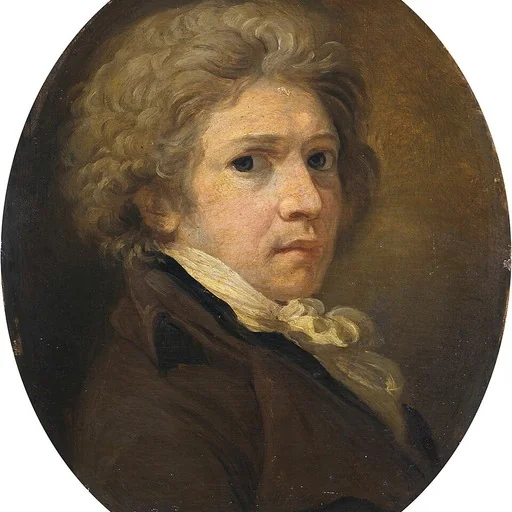
Andrea Appiani (31 May 1754 – 8 November 1817) was an Italian neoclassical painter. He is known as "the elder", to distinguish him from his great-nephew Andrea Appiani, a historical painter in Rome.

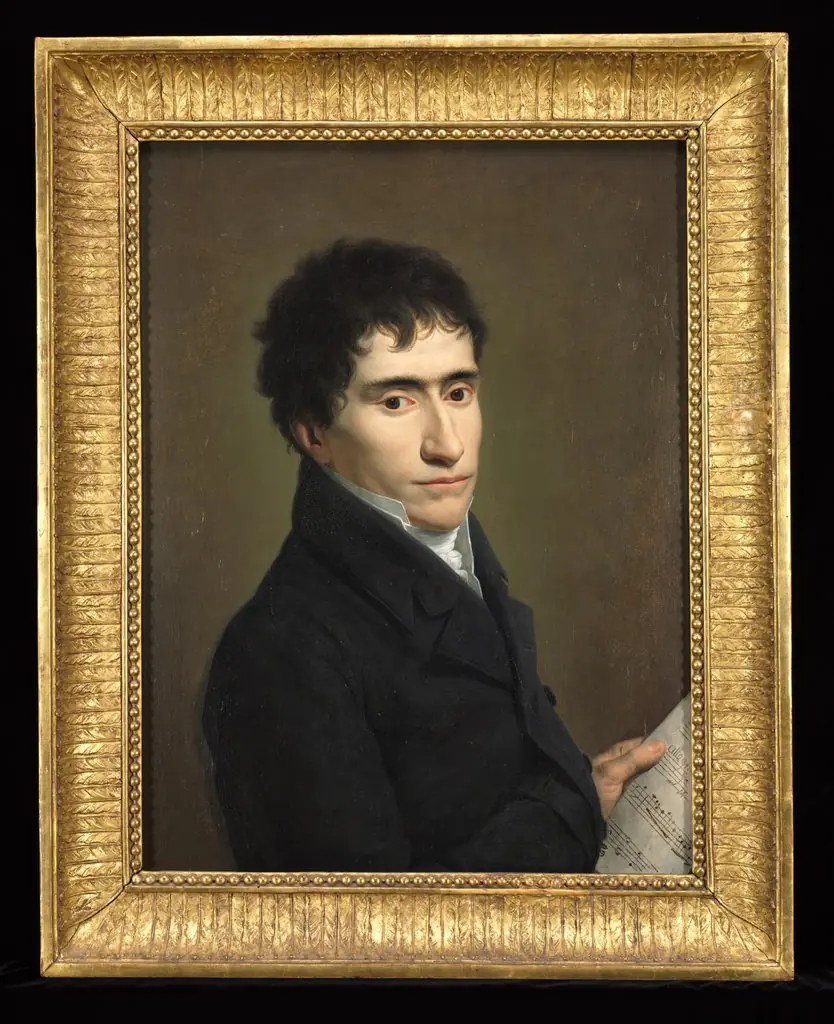 Portrait of a Musician
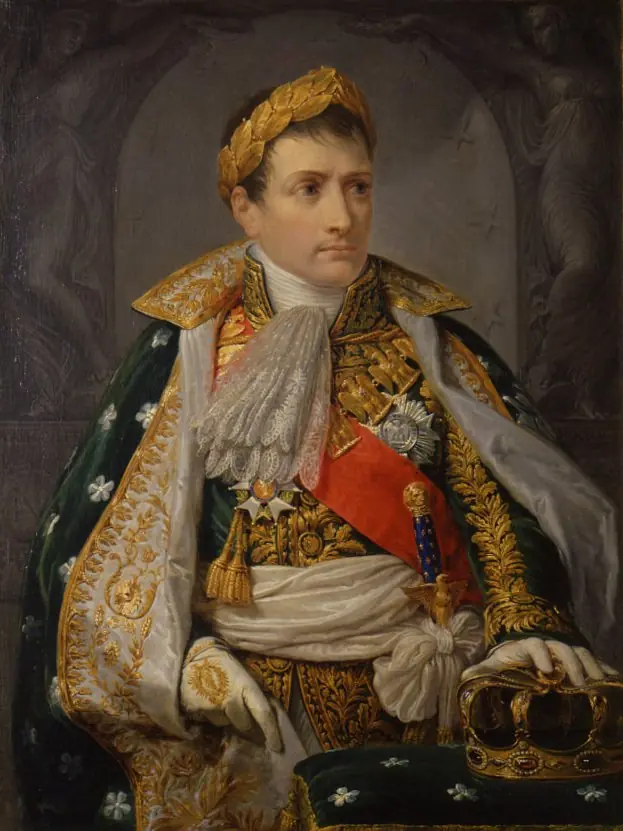 Napoleon I Bonaparte
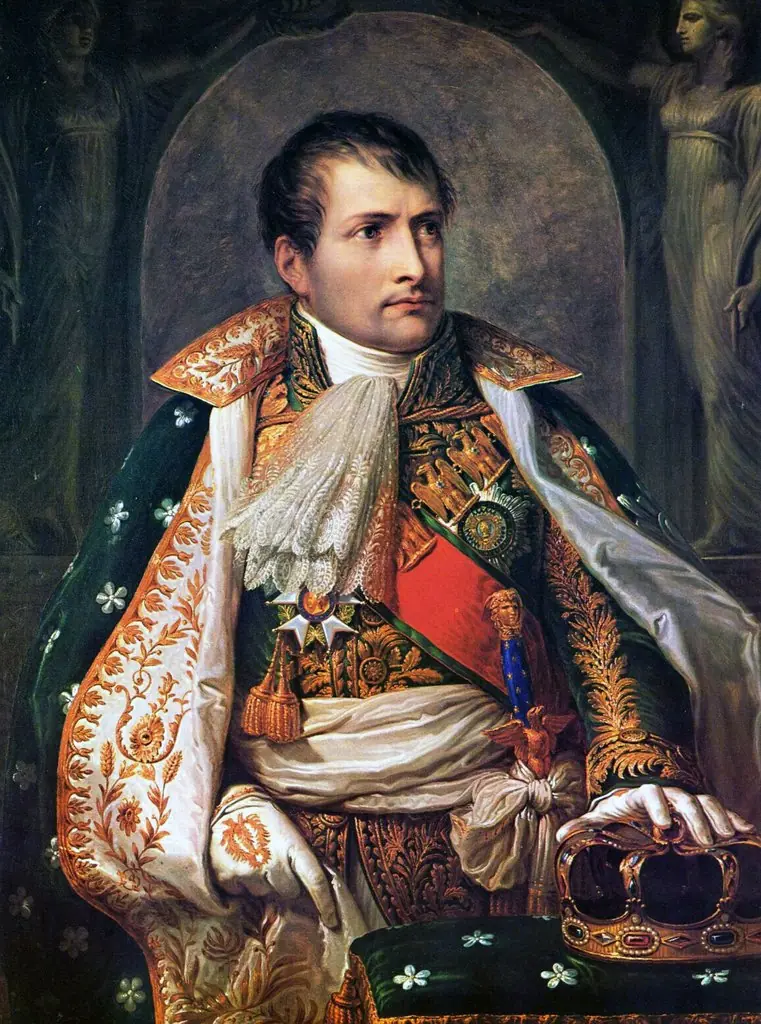 Napoleon I of France
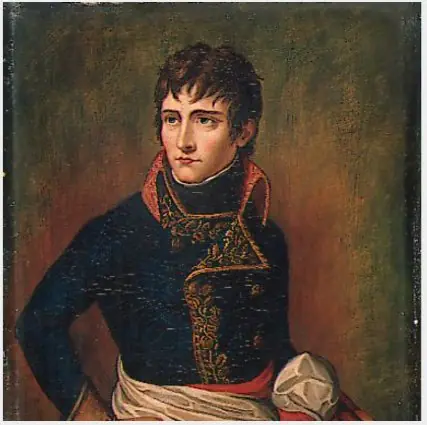 Portrait of Napoleon Bonaparte (1769-1821), as a General of the Army of the Revolution
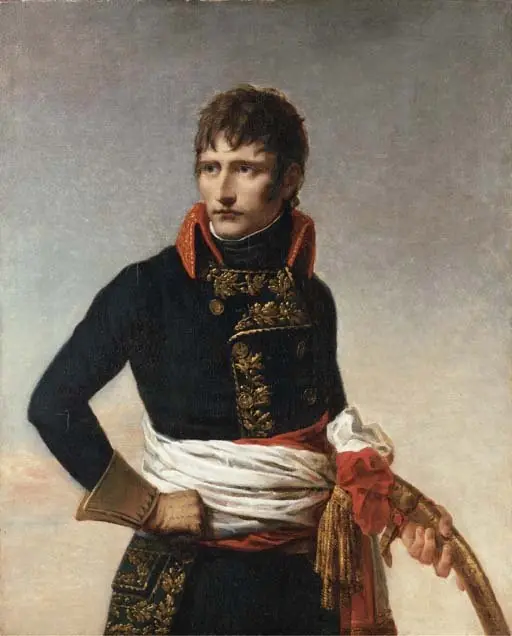 Bonaparte à Milan
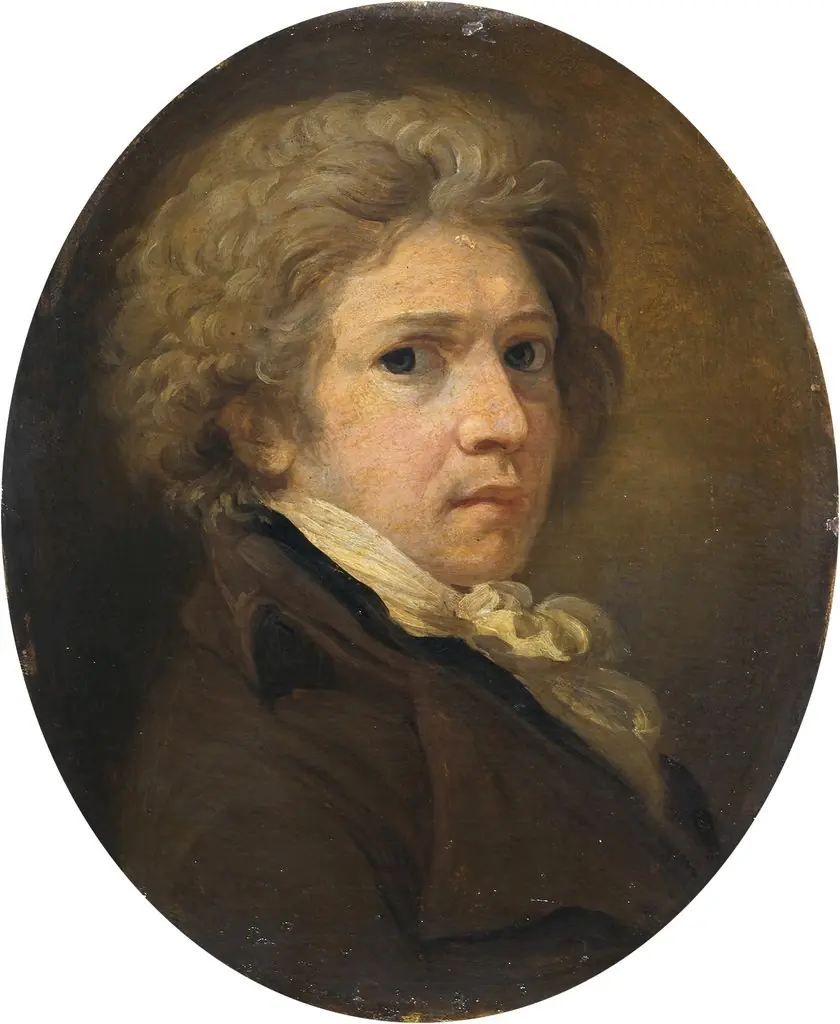 Self-portrait
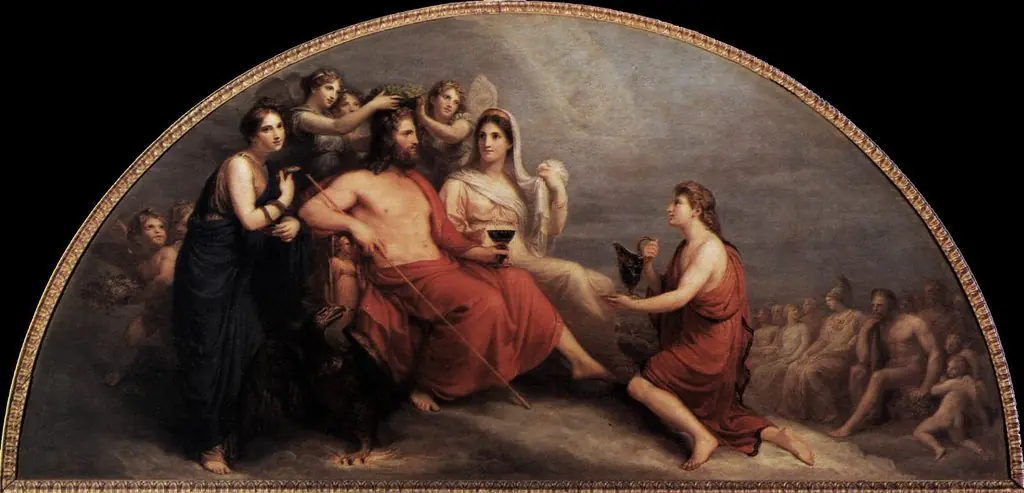 The Olympus (Jupiter, Crowned with Myrtle By the Hours, Proffers a Goblet to Ganymede to Be Served Nectar)
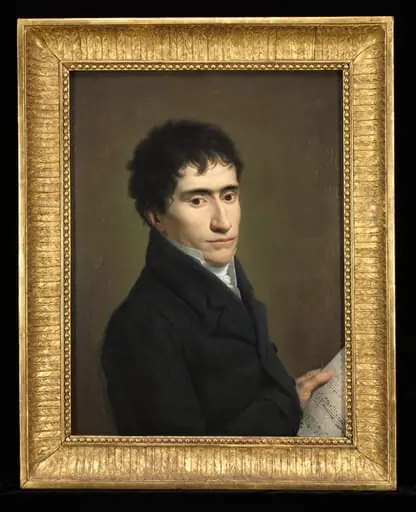 Portrait of a Musician