Artwork
Fiestas Lupercales
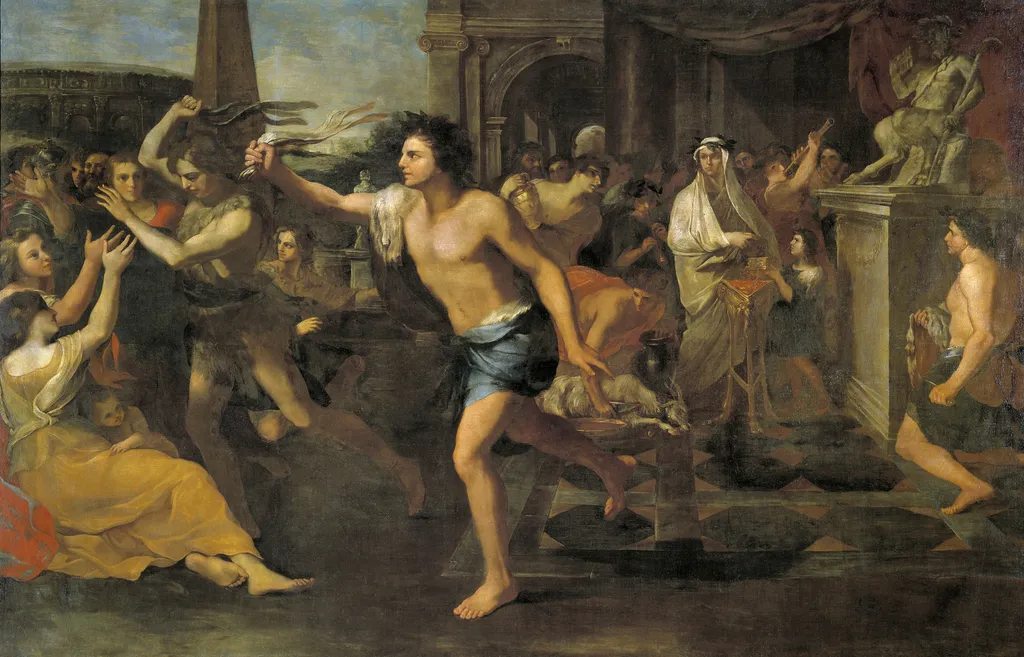
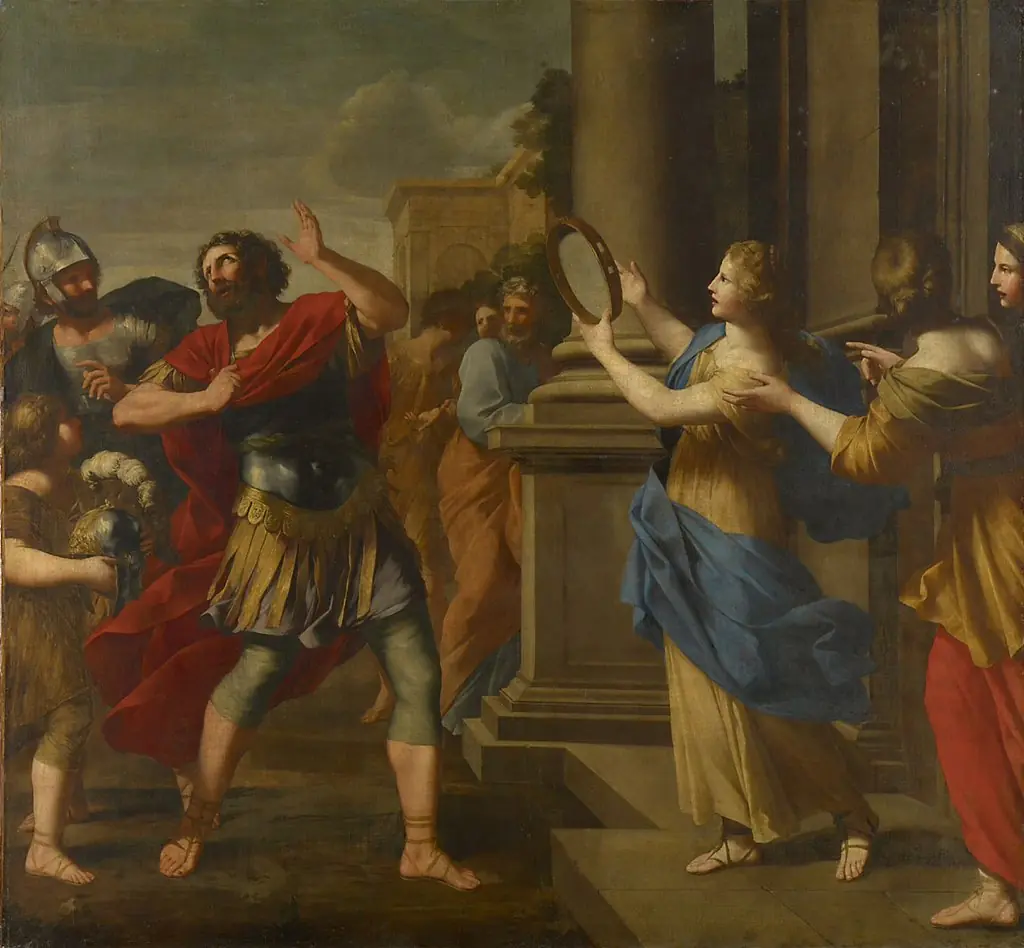
Fiestas Lupercales is an oil painting by the Early Baroque Italian artist Andrea Camassei. It dates from 1635 and is held in the collection of the Museo del Prado.
About this work
Overview
Created in 1635 by the Roman Baroque artist Andrea Camassei, this oil painting portrays the ancient Roman celebration known as Lupercalia. Executed during Camassei’s period of patronage by the Barberini family, the work is part of the early Italian Baroque repertoire and is presently housed in the Museo del Prado.
Subject & Meaning
The composition centers on a semi‑nude male figure who strides forward, arm raised as if directing the revelry. Around him, participants in flowing garments—some kneeling, others standing—engage in the festival’s rites, while a veiled woman holds a reflective object, suggesting ritual symbolism linked to the Lupercalian customs.
Technique & Style
Camassei employs pronounced chiaroscuro, contrasting illuminated figures with a deep, shadowed backdrop. Warm golden tones dominate the drapery, offset by cooler blues in the recesses, enhancing the three‑dimensionality of the crowd and emphasizing the central figure’s bare chest against the surrounding darkness.
History & Provenance
Commissioned under the patronage of the Barberini family, the painting entered the Spanish royal collection before being transferred to the Museo del Prado, where it remains on display as part of the museum’s Baroque holdings.
Context
Lupercalia, a spring rite honoring the god Lupercus, was a popular subject for Baroque artists seeking to dramatize ancient Roman rituals. Camassei’s treatment reflects contemporary interest in classical antiquity, aligning with the Barberini’s cultural agenda to associate their patronage with Rome’s illustrious past.
Own this work as a print
Artist & collection
Artist
Andrea Camassei (November 1602 – 18 August 1649) was an Italian Baroque painter and engraver mainly active in Rome under the patronage of the Barberini.

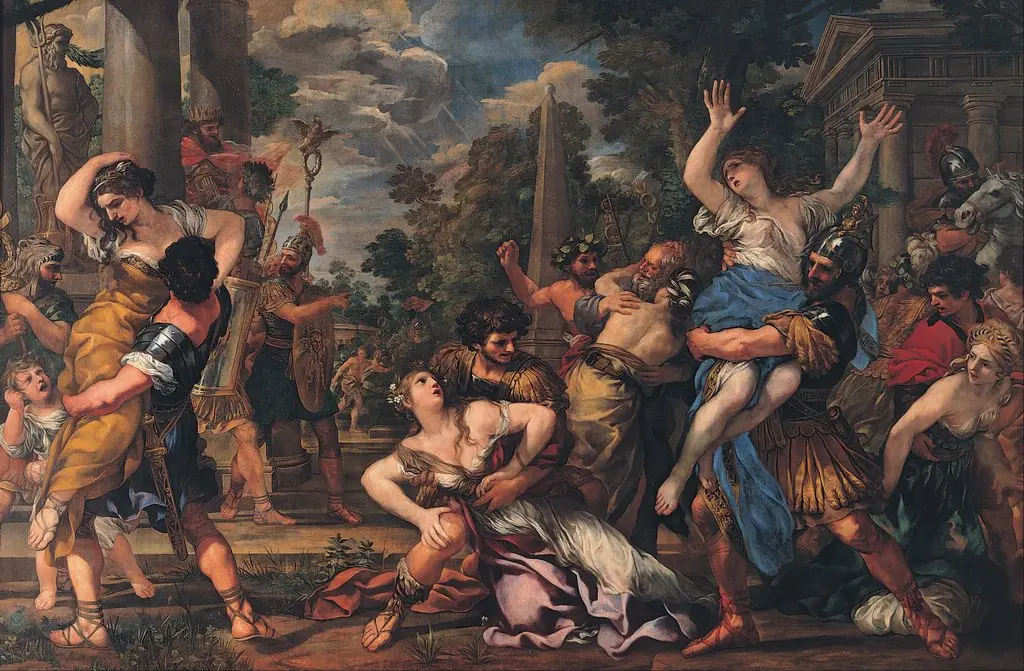 Rape of the Sabines
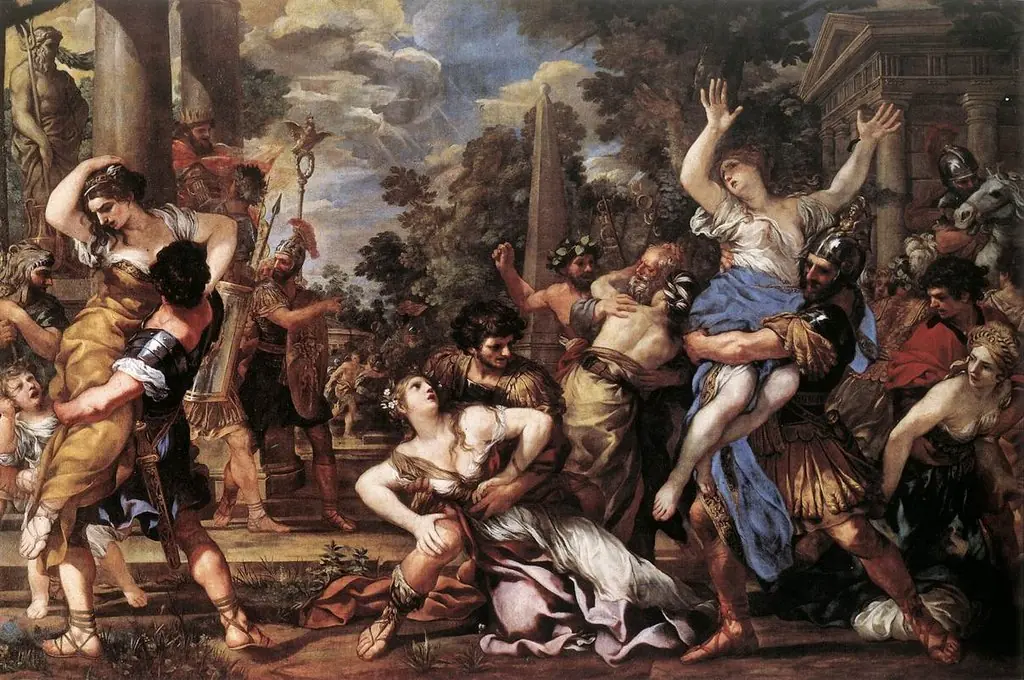 Rape of the Sabine Women
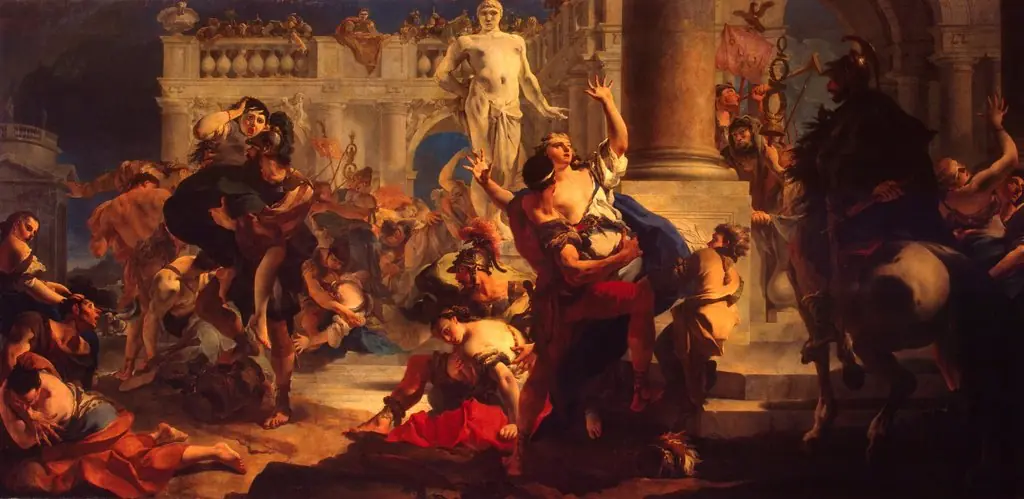 Rape of the Sabine Women
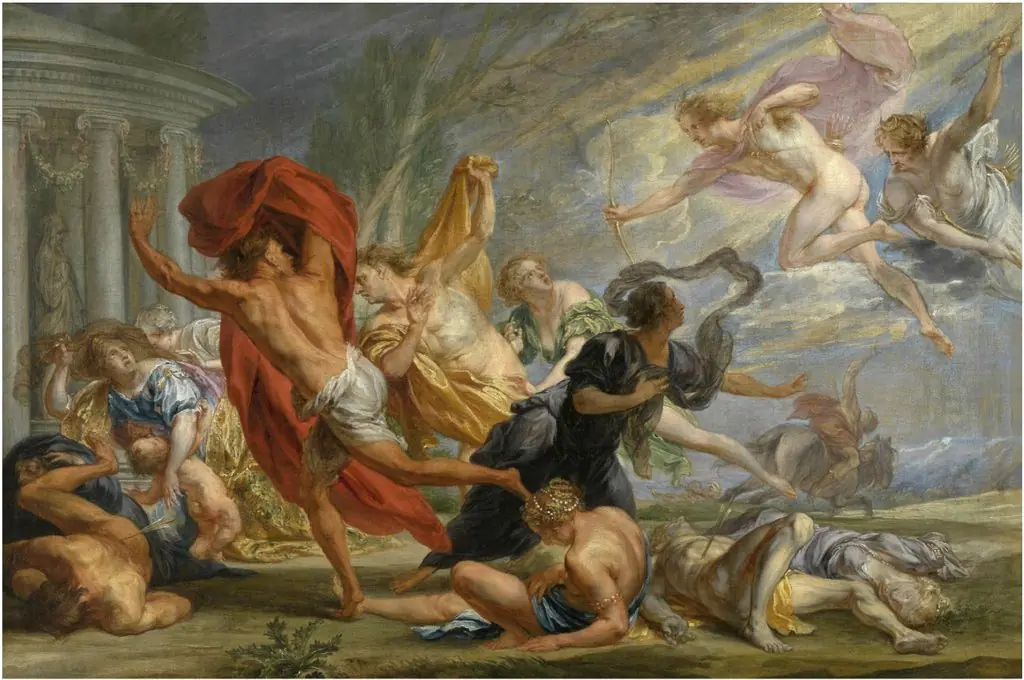 Apollo and Diana Kill Niobe's Children
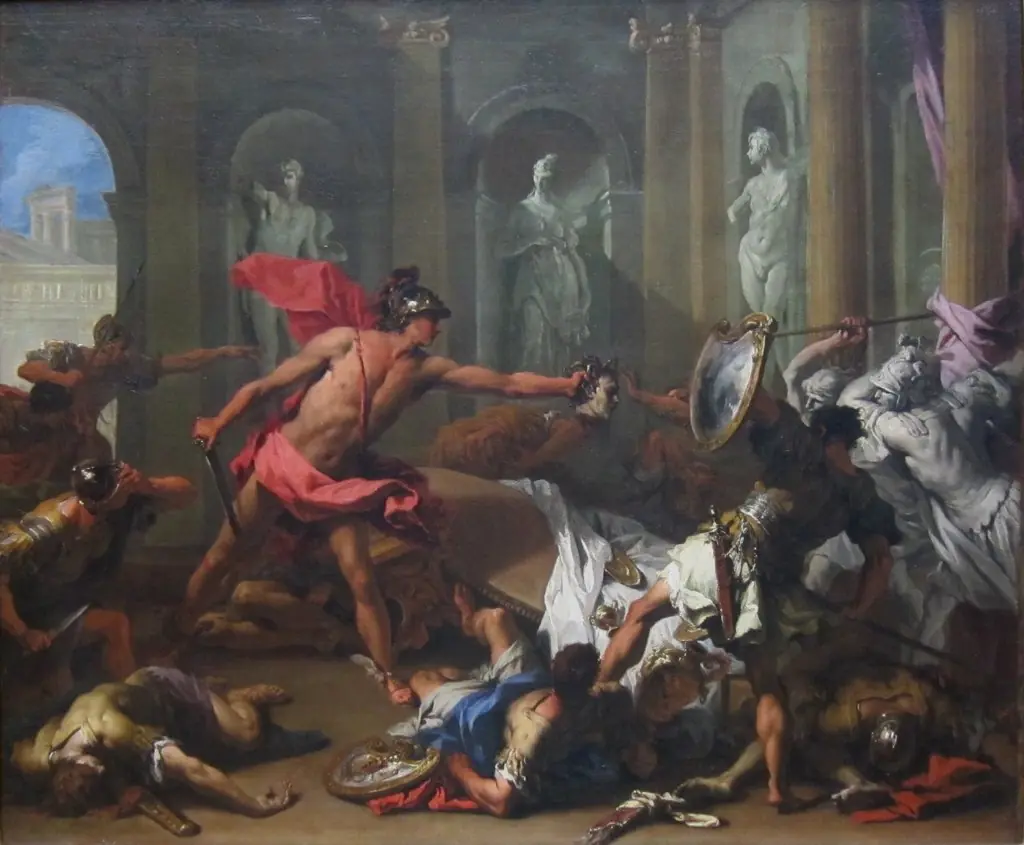 Perseo affronta Fineo con la testa di Medusa
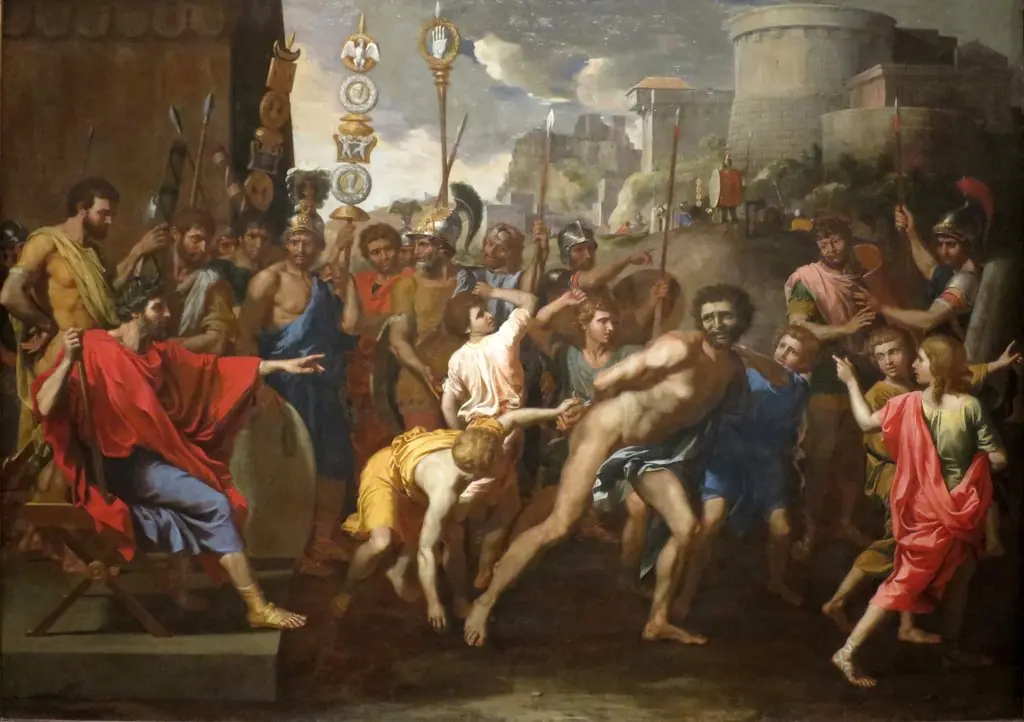 Camillus and the Schoolmaster of Falerii
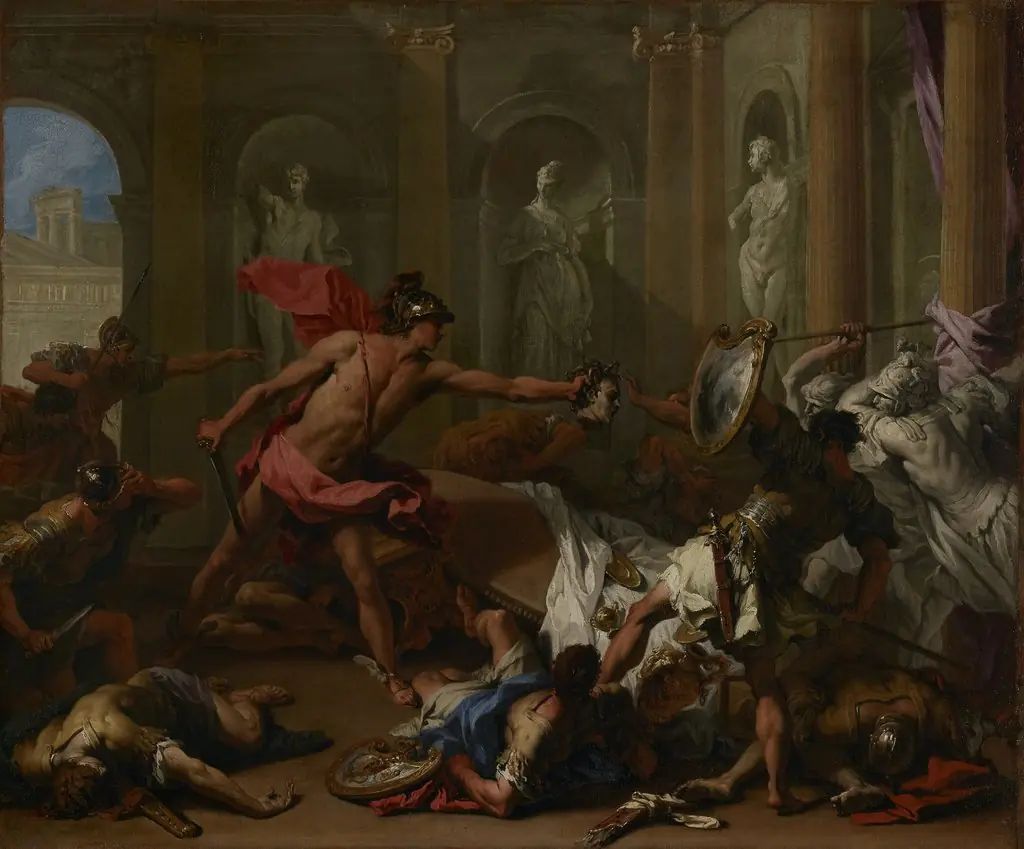 Perseus Confronting Phineus with the Head of Medusa
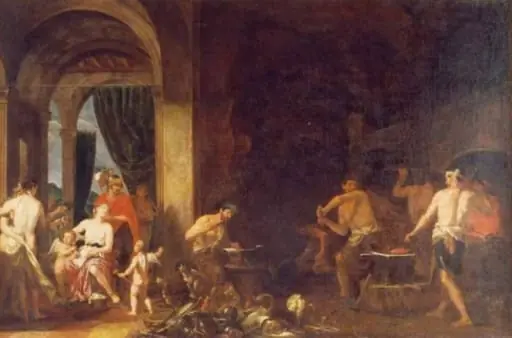 Atelierul lui Vulcan
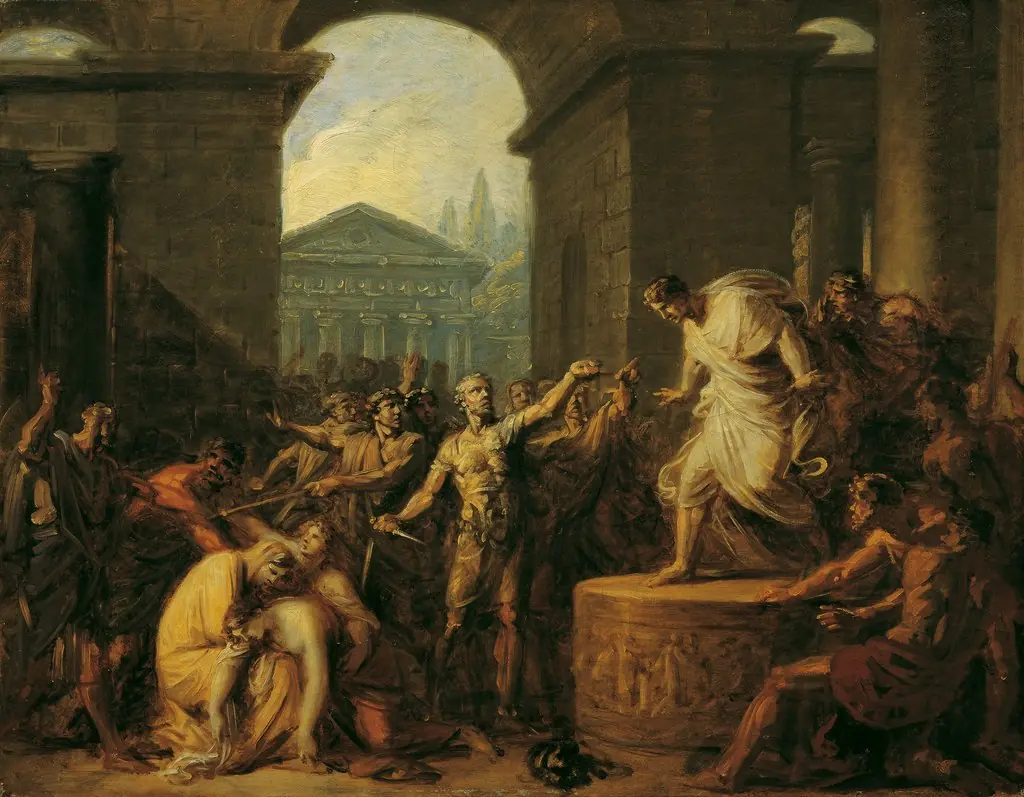 The Death of Virginia
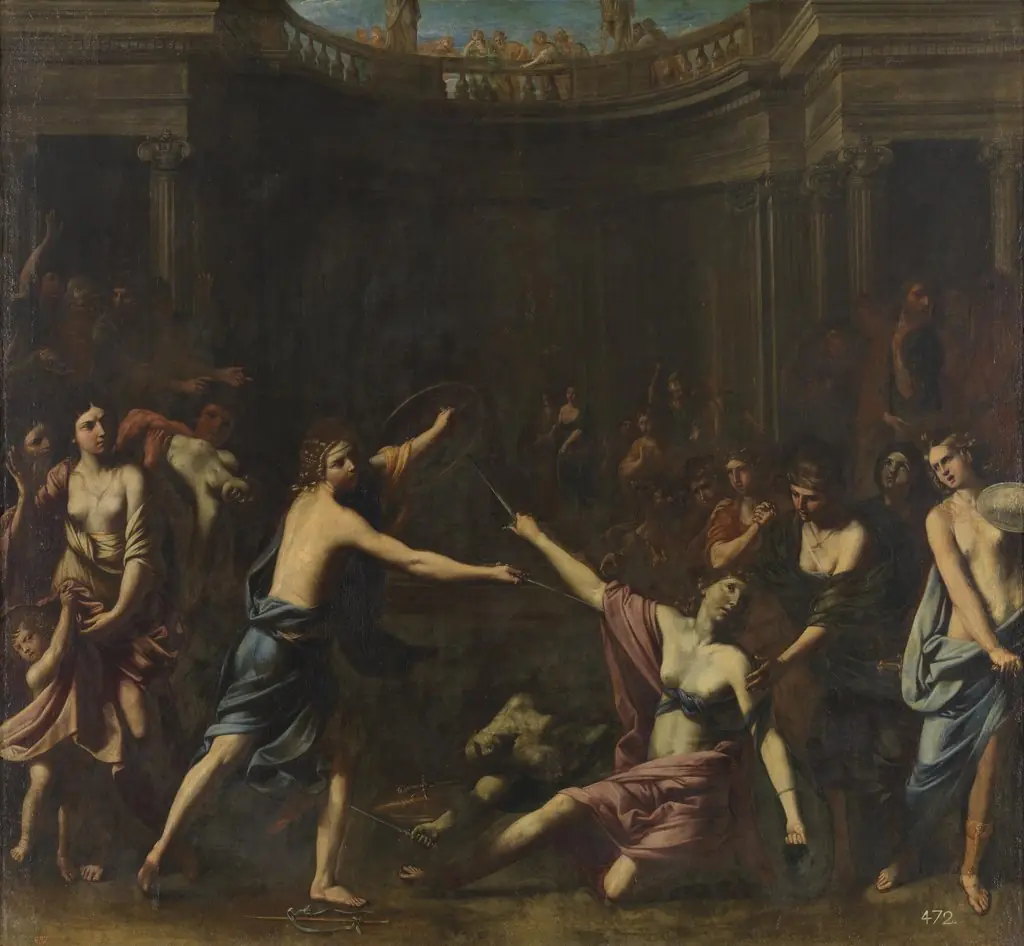 Women Gladiators
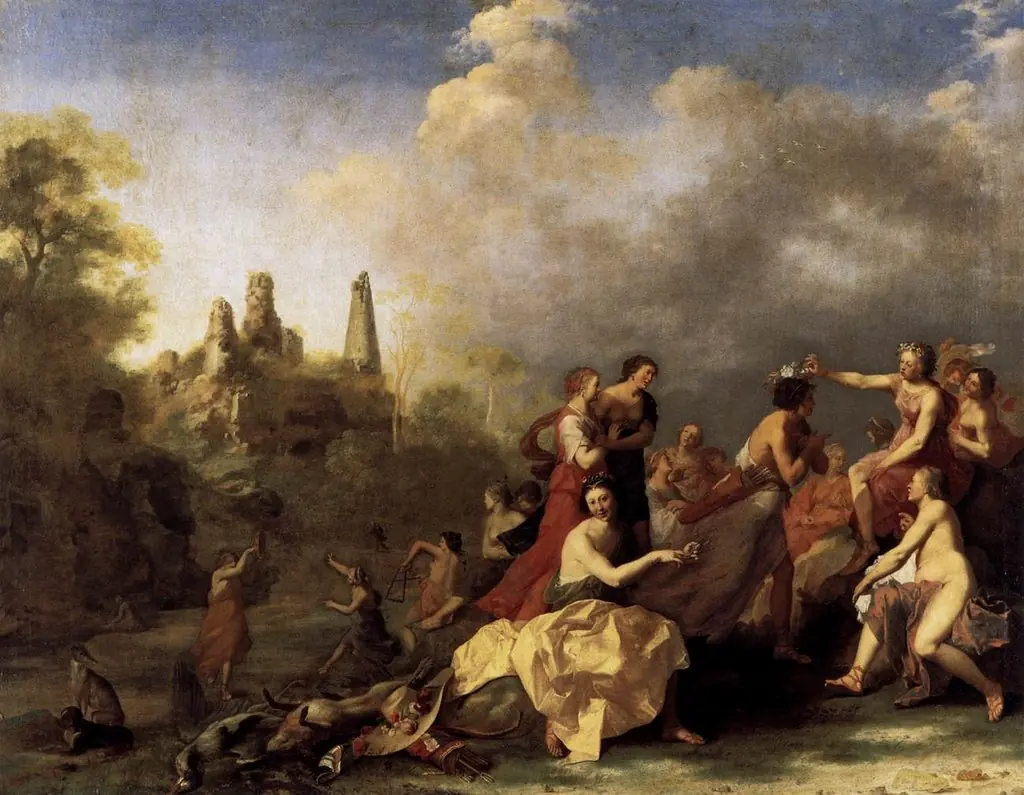 The coronation of Mirtillo after the kissing contest (Guarini, Il Pastor Fido)
 Jephta erblickt seine Tochter