Artwork
Women Gladiators
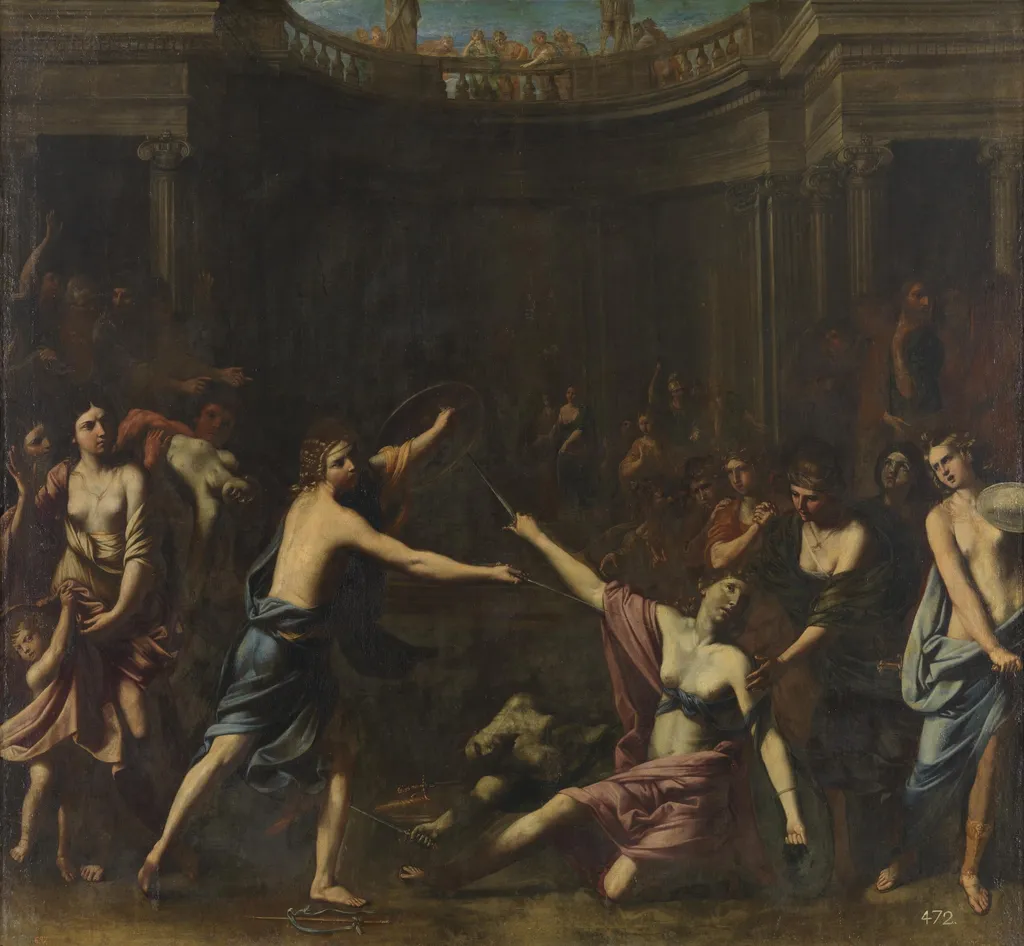
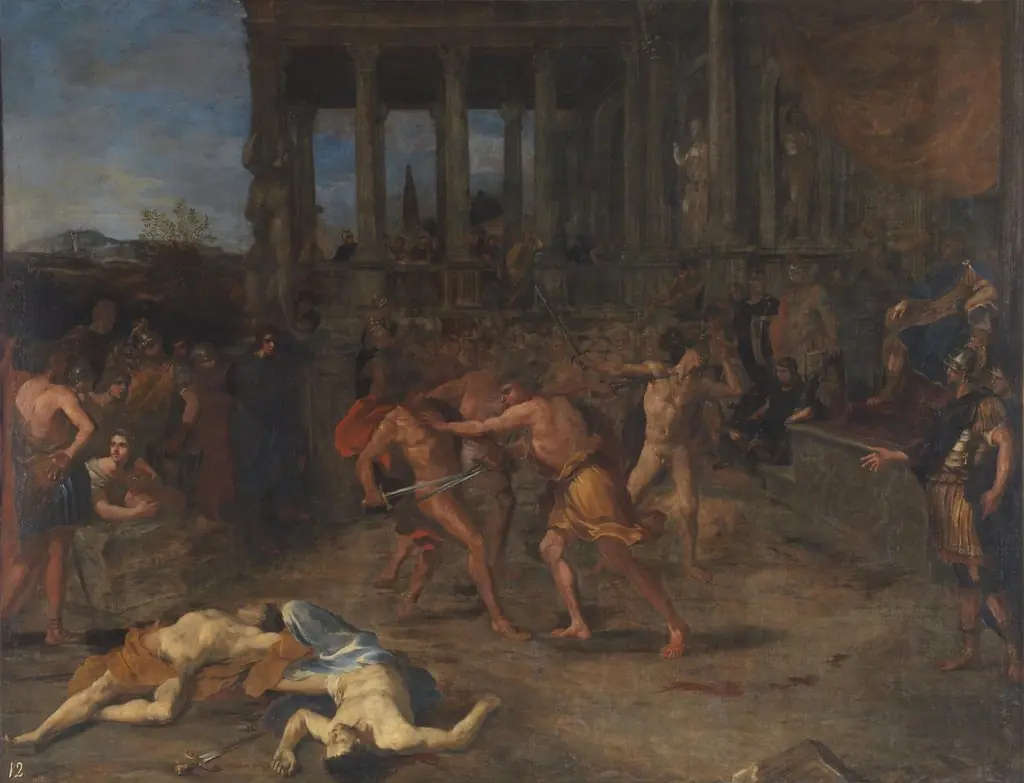
Women Gladiators is an oil painting by the Early Baroque Italian artist Andrea Vaccaro. It dates from 1601 and is held in the collection of the Museo del Prado.
About this work
Overview
Andrea Vaccaro’s *Women Gladiators* (1601) is an oil painting that captures a staged combat between women dressed in classical attire. The composition places the combatants in the foreground, illuminated against a darker, spectator-filled background, creating a stark contrast that emphasizes the immediacy of the action.
Subject & Meaning
The work portrays a rare tableau of female gladiators, a motif that hints at both the spectacle of ancient arenas and contemporary curiosity about gender roles. By foregrounding the combatants, Vaccaro invites viewers to consider the physicality and agency of the women within a traditionally male-dominated arena.
Technique & Style
Vaccaro employs the chiaroscuro technique associated with Caravaggio, using a bright, focused light on the figures while the surrounding space recedes into shadow. The oil medium allows for rich, layered coloration and fine modeling of flesh, while the overall palette remains subdued, reinforcing the painting’s dramatic tension.
History & Provenance
Created in Naples during the early Baroque period, the painting reflects the city’s vibrant artistic market under Spanish rule. *Women Gladiators* entered the collection of the Museo del Prado, where it remains part of the museum’s holdings of Italian Baroque works.
Context
Vaccaro, known primarily for religious commissions, occasionally explored secular subjects, and this piece exemplifies his engagement with popular theatrical themes of the time. The depiction of a gladiatorial spectacle aligns with the 17th‑century fascination with antiquity and the theatricality of public entertainments.
Own this work as a print
Artist & collection
Artist
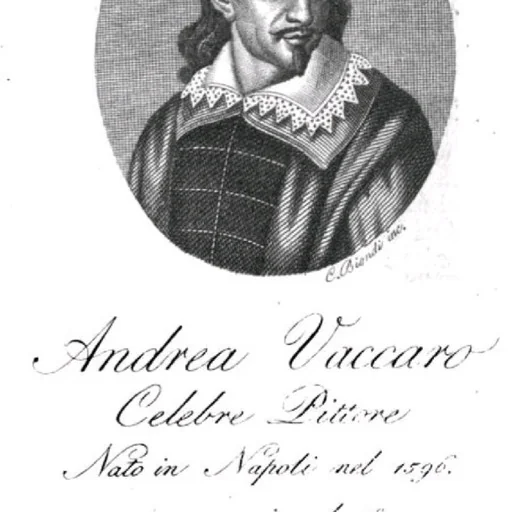
Andrea Vaccaro (baptised on 8 May 1604 – 18 January 1670) was an Italian painter of the Baroque period.


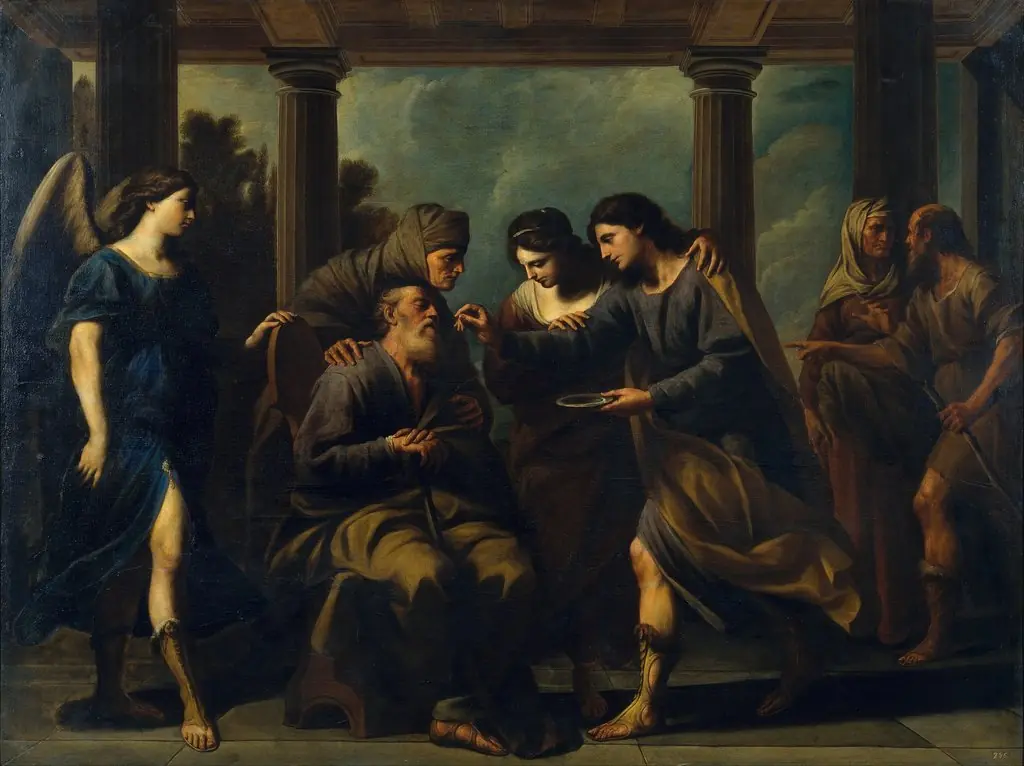
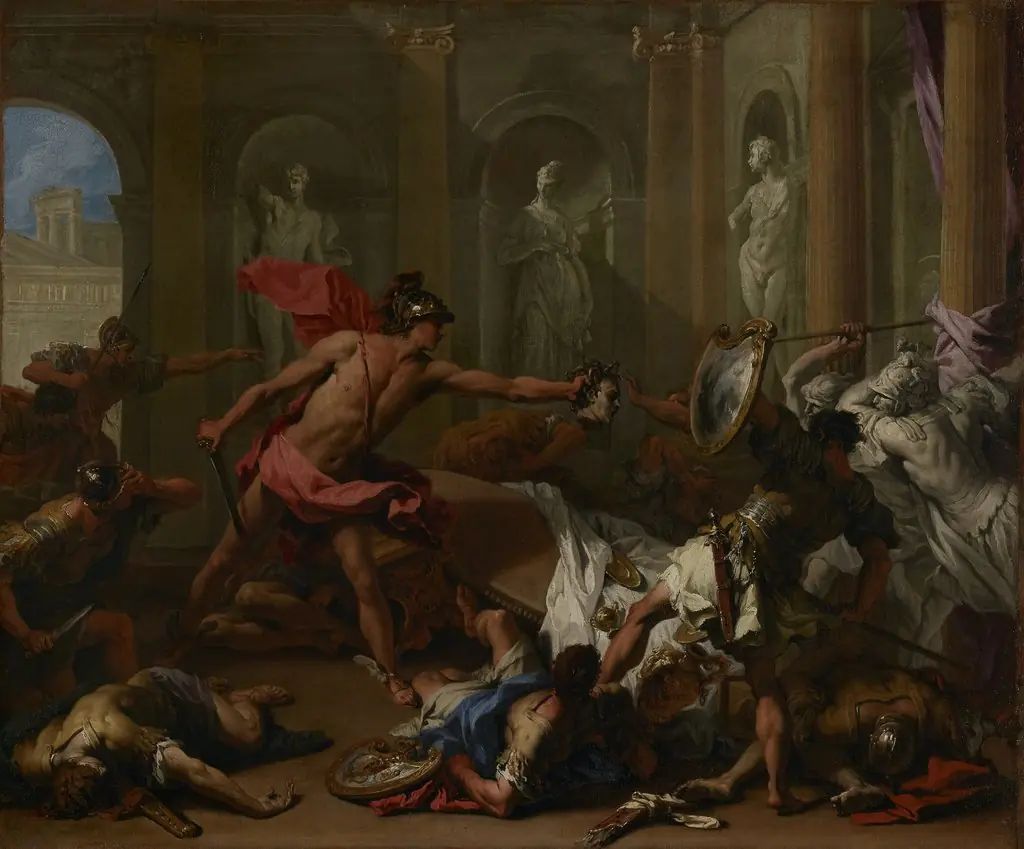 Perseus Confronting Phineus with the Head of Medusa
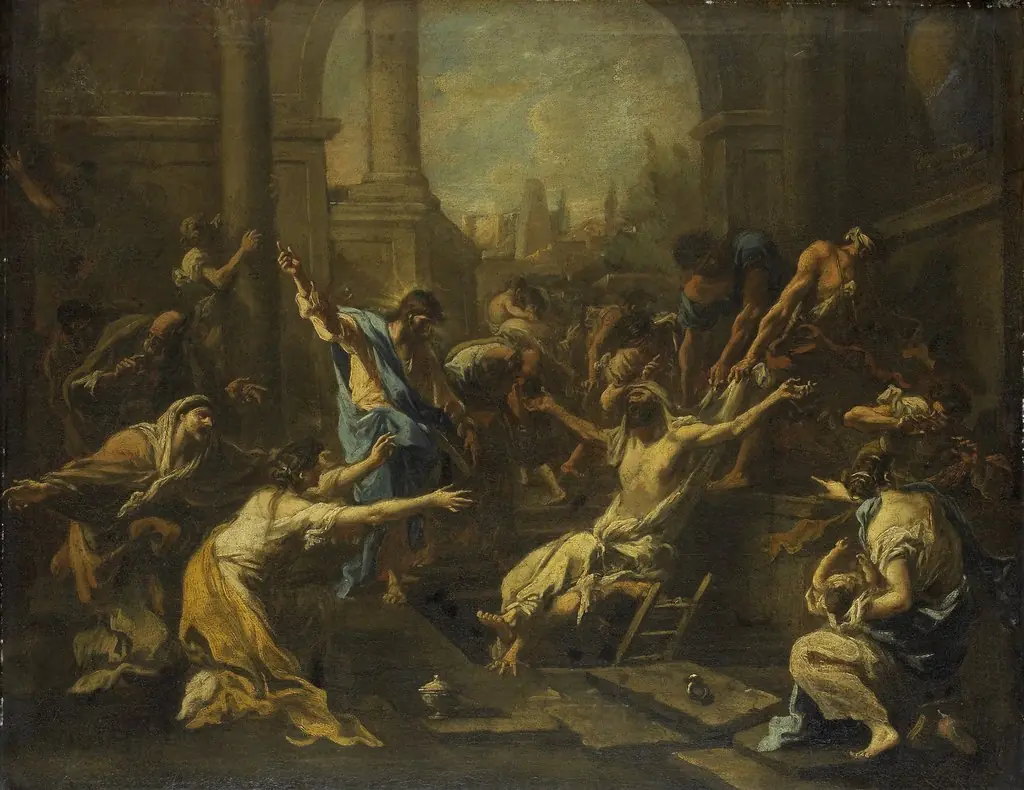 The Raising of Lazarus
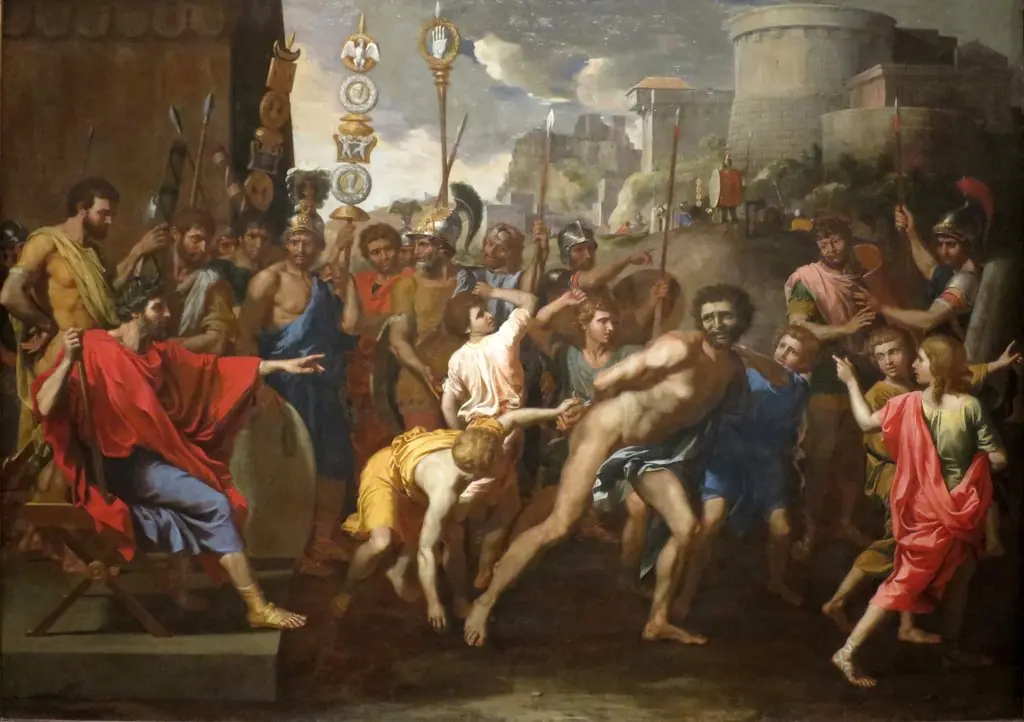 Camillus and the Schoolmaster of Falerii
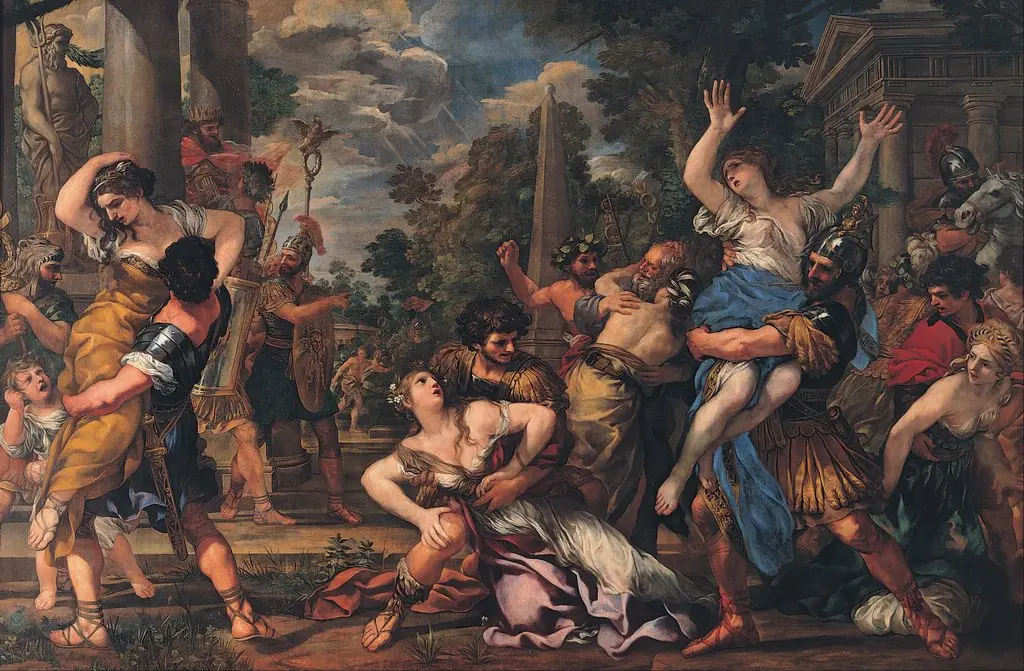 Rape of the Sabines
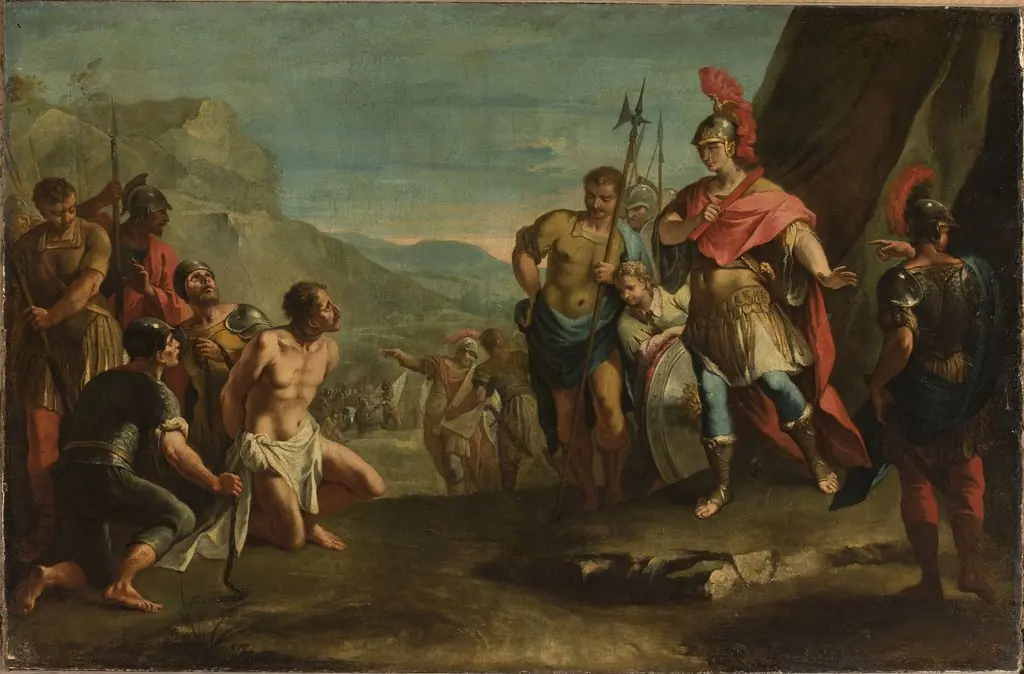 Killer of Darius before Alexander (King Porus and Alexander the Great)
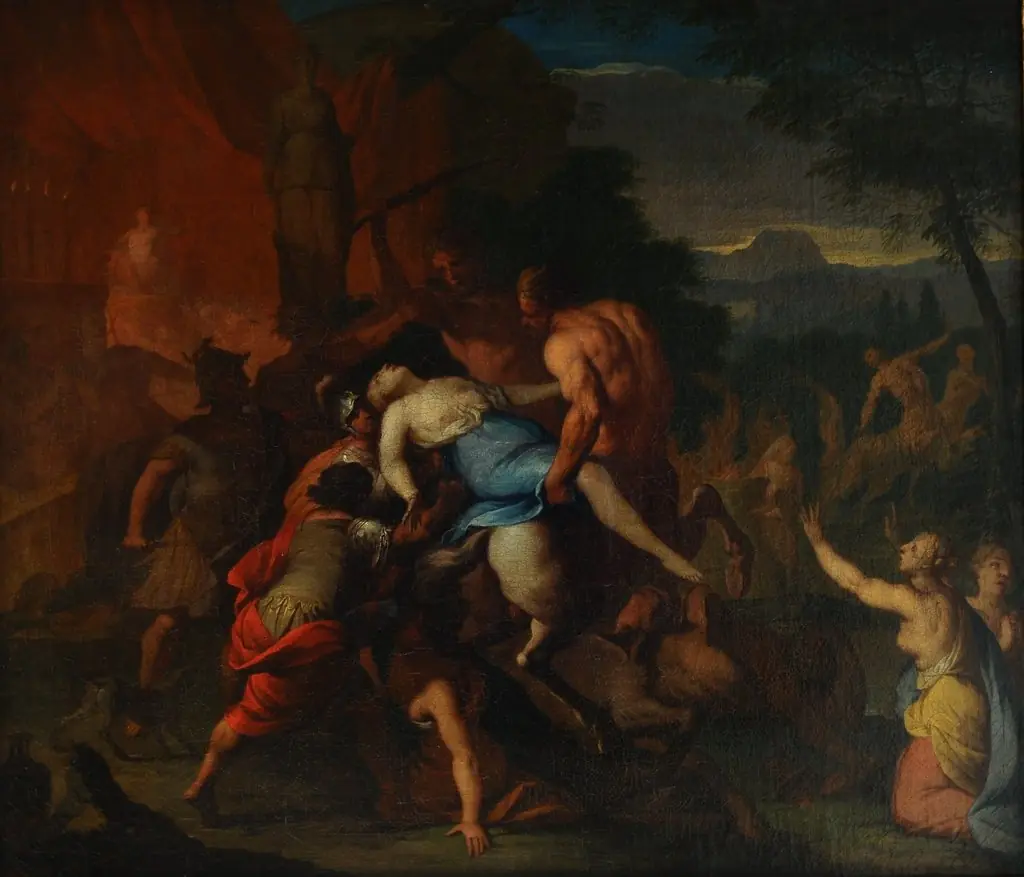 Combate de centauros y lapitas. (Tit. Ant.: Centauros e ilotas)
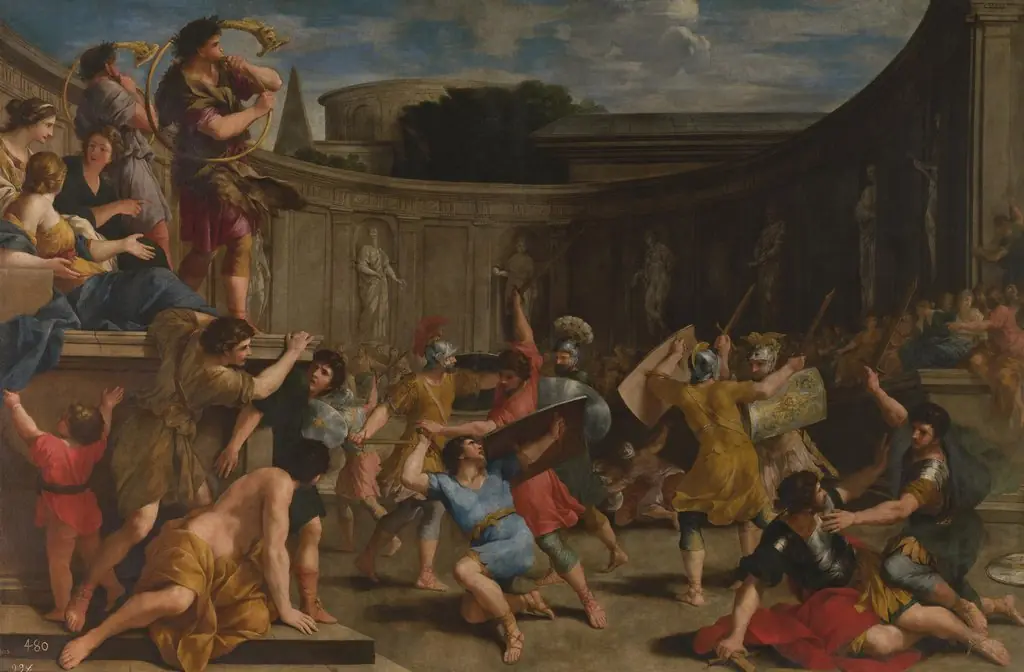 Roman Gladiators with Wooden Swords
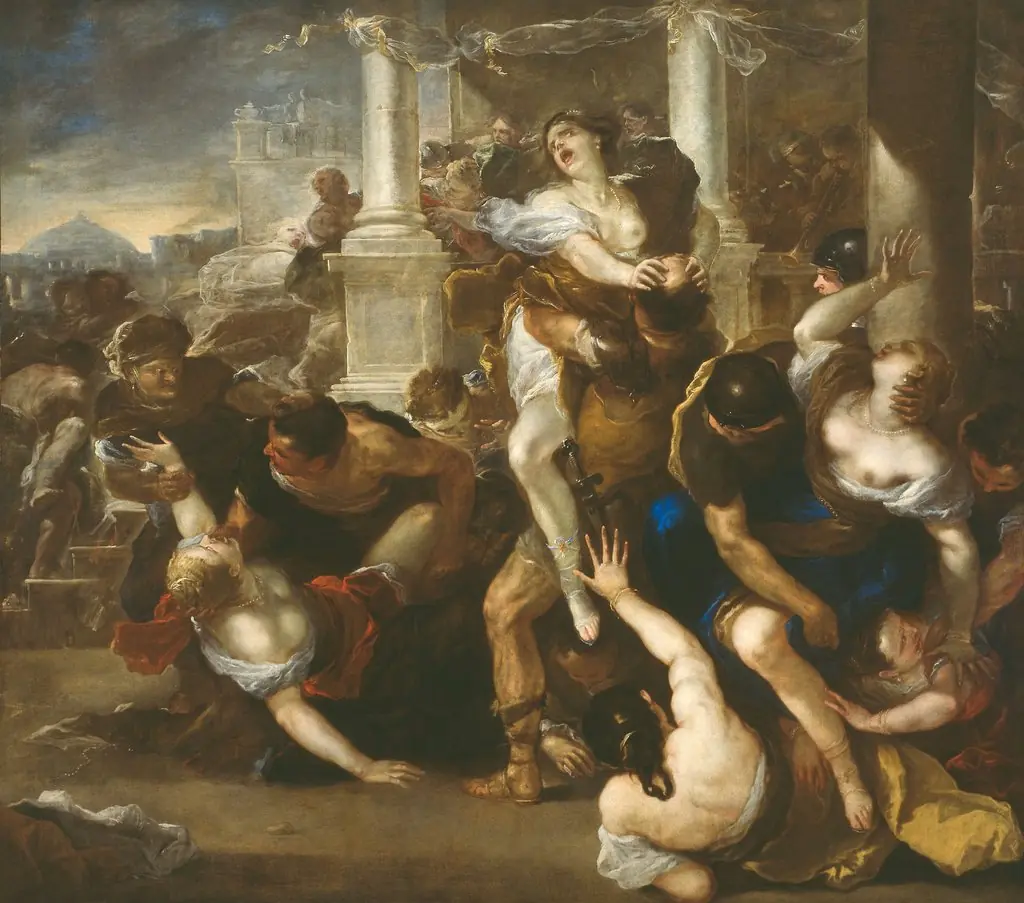 The Abduction of the Sabine Women
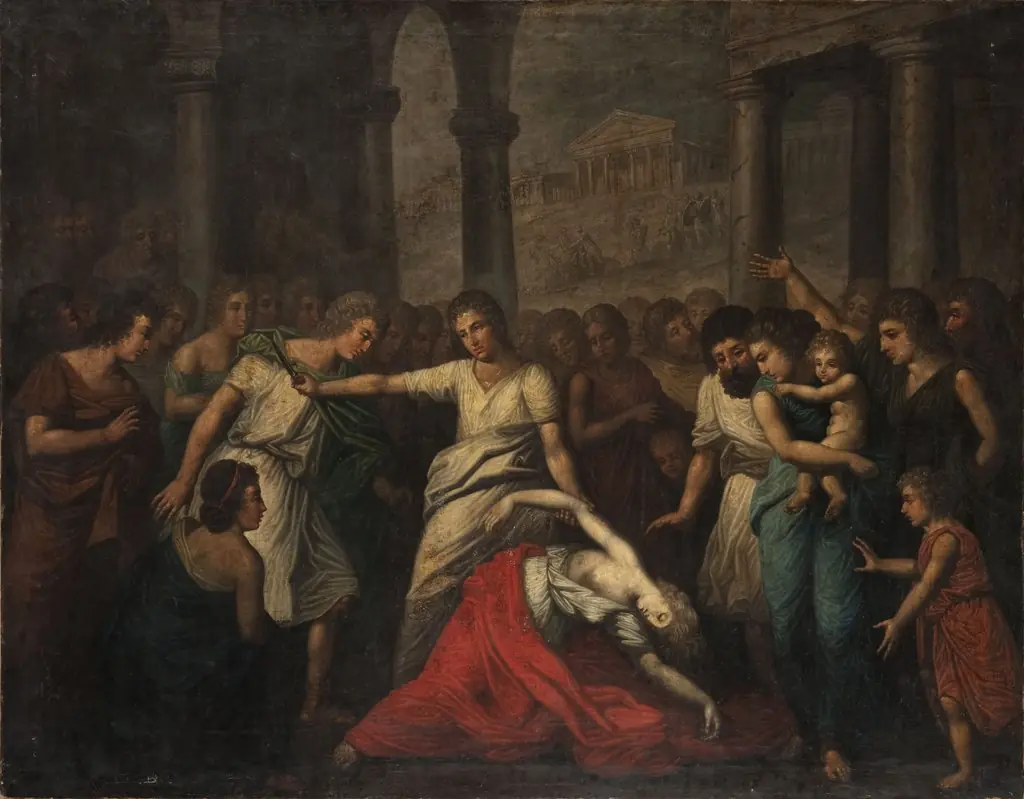 Death of Virginia
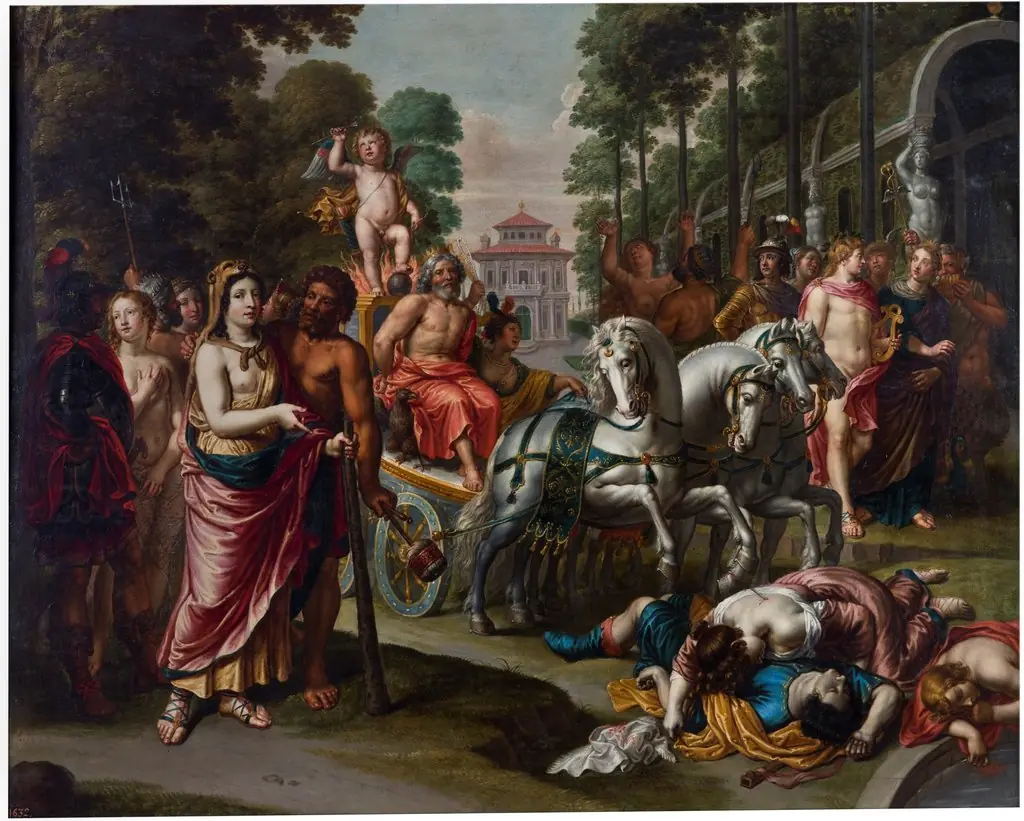 Triumph of Love
 The Abduction of the Sabine Women
 Gladiators Fighting