Artwork
Portrait of a Woman with a Basket of Spindles
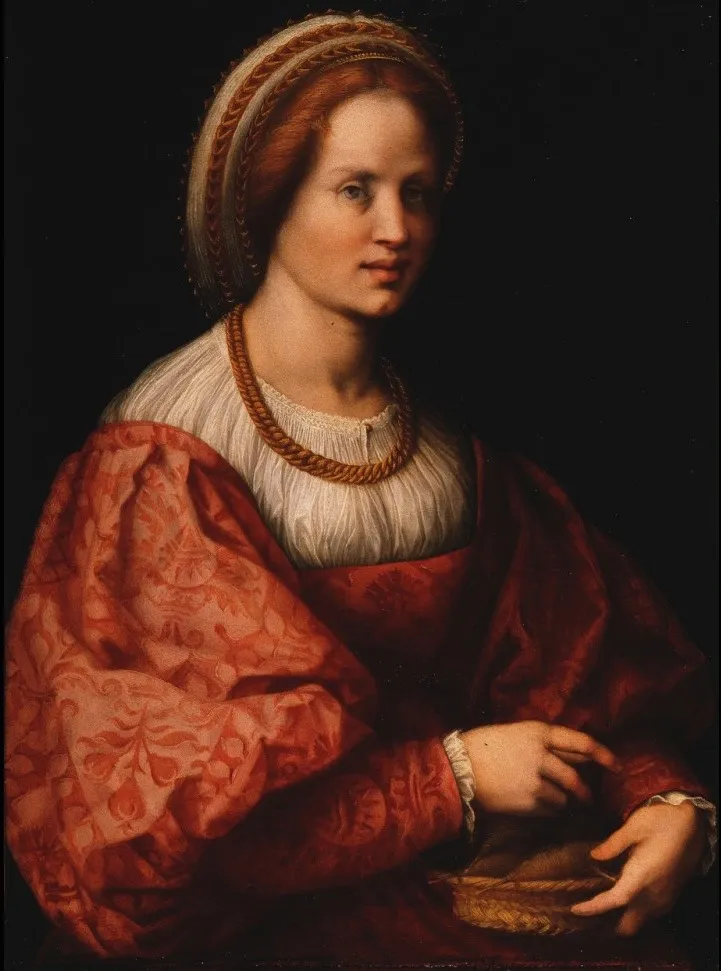
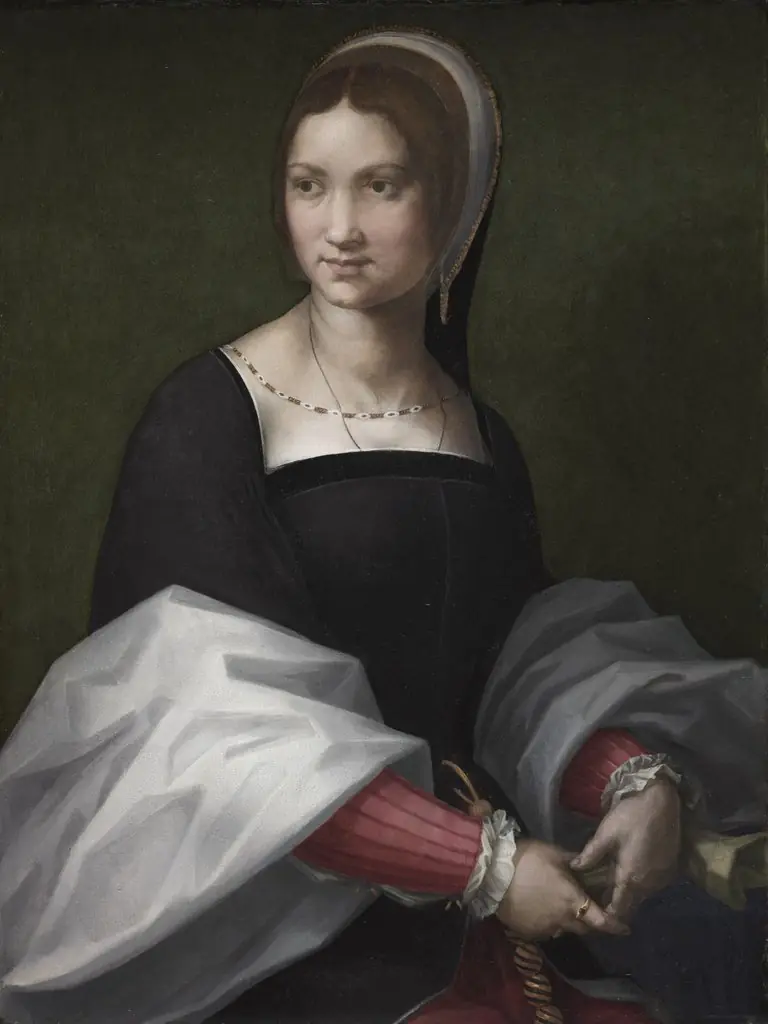
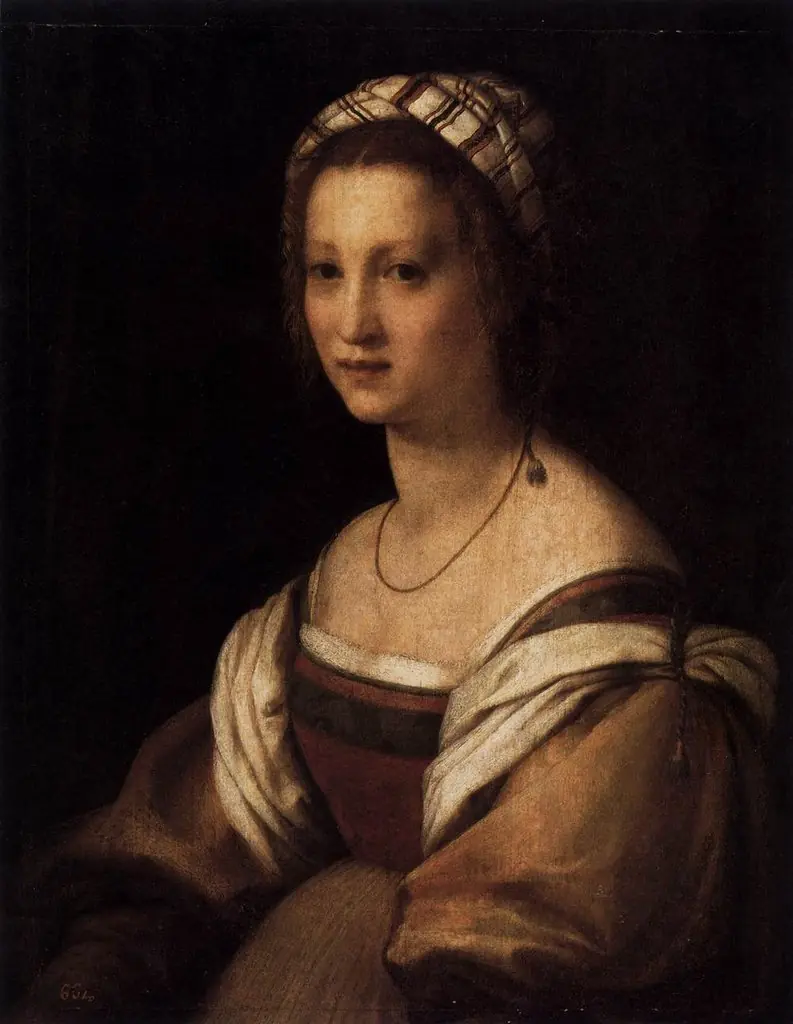
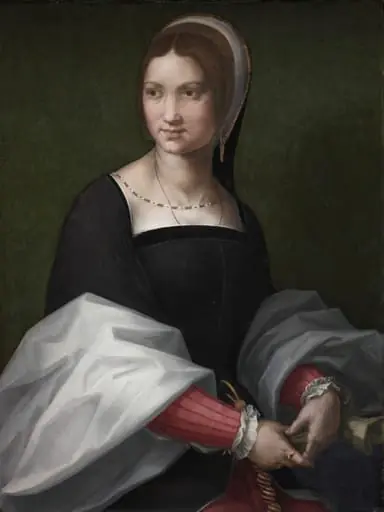
Portrait of a Woman with a Basket of Spindles is an oil painting by the High Renaissance artist Andrea del Sarto. It dates from 1514 and is held in the collection of the Uffizi Gallery. An oil-on-panel portrait dating to approximately 1514–1515, this work depicts a woman holding a wicker basket filled with spindles.
About this work
Overview
It resides in the Uffizi Gallery in Florence, having entered the Medici collection by 1773 and been displayed in the Sala dell'Ermafrodito by 1784.
An oil-on-panel portrait dating to approximately 1514–1515, this work depicts a woman holding a wicker basket filled with spindles. It resides in the Uffizi Gallery in Florence, having entered the Medici collection by 1773 and been displayed in the Sala dell'Ermafrodito by 1784. The painting underwent restoration in 1996. Its authorship remains debated, with attributions ranging from Andrea del Sarto to Pontormo and even lesser-known pupils or contemporaries.
Subject & Meaning
The subject is a woman engaged in textile work, her hands cradling a basket of spindles—tools used in spinning thread. Her composed expression and modest attire suggest domestic virtue, a common theme in Renaissance portraiture. The inclusion of spinning equipment may reference female labor, moral industry, or even allegorical associations with patience and craft, though no explicit narrative or symbolic program is documented.
Technique & Style
The artist employs oil glazes to build subtle tonal transitions, particularly in the rendering of the woman’s face and the folds of her dress. Chiaroscuro defines the volume of her form against a dark, neutral background. The intricate floral patterns on the sleeves and the textured wicker basket reveal careful observation. The palette—dominated by red and white—contrasts sharply with the deep background, enhancing the figure’s presence without theatricality.
History & Provenance
The painting entered the Medici collection by 1773, as noted on its reverse. By 1784, it was recorded in the Palazzo Pitti’s Sala dell'Ermafrodito before eventually being transferred to the Uffizi. Its attribution has shifted over centuries: early records favored Andrea del Sarto, but later scholars proposed Pontormo, members of the Puligo circle, or even a follower of Sarto. A 1996 restoration clarified surface details but did not resolve the authorship debate.
Context
Painted during a period of intense artistic exchange in Florence, the work reflects the influence of Raphael’s portraiture, particularly in its serene composure and soft modeling. If the artist had traveled to Rome around 1515, exposure to La Velata might explain stylistic parallels. Yet the dress’s cut and the painting’s restrained elegance also align with Florentine workshop practices of the early 1510s, suggesting a local response to broader Renaissance ideals.
Legacy
Though not widely exhibited as a central work, the portrait remains a point of scholarly discussion regarding attribution and the boundaries between major Florentine painters of the early 16th century. Its quiet dignity and technical precision continue to inform studies of female portraiture and workshop practices. The unresolved authorship underscores the complexity of artistic identity in a period when stylistic influence often blurred individual hands.
Artist & collection
Artist
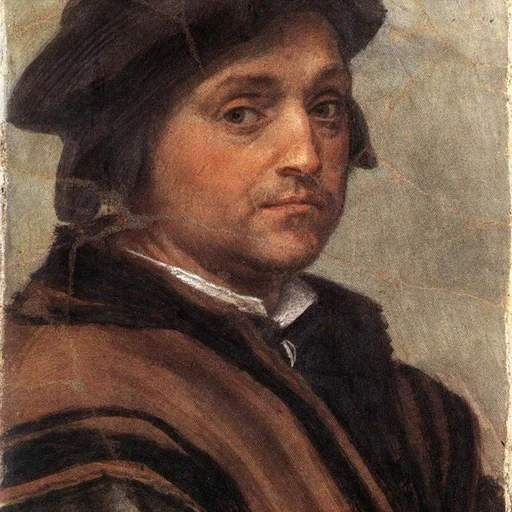
Andrea del Sarto was an Italian painter from Florence, whose career flourished during the High Renaissance and early Mannerism.