Artwork
Vallombrosa Altarpiece
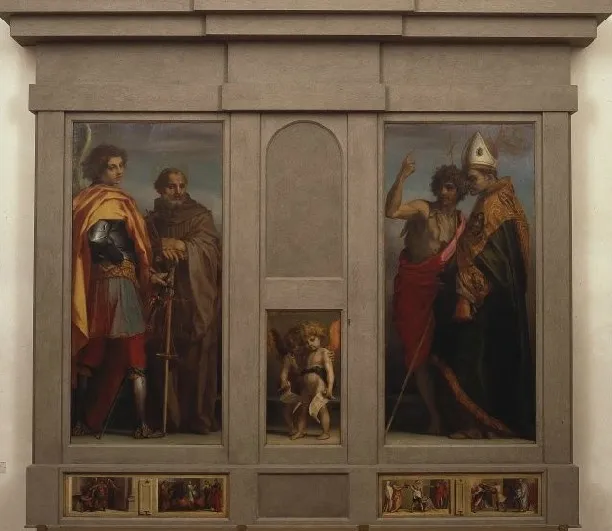
Vallombrosa Altarpiece is a fresco painting by the High Renaissance artist Andrea del Sarto. It dates from 1528 and is held in the collection of the Uffizi Gallery.
About this work
Overview
Painted in 1528 by Andrea del Sarto, the Vallombrosa Altarpiece is a fresco commissioned for a monastic setting in Vallombrosa.
Painted in 1528 by Andrea del Sarto, the Vallombrosa Altarpiece is a fresco commissioned for a monastic setting in Vallombrosa. It was later moved to the Uffizi Gallery in Florence, where it remains today. The work is structured in three vertical panels, with the central space left intentionally empty, suggesting it was designed to accommodate a movable altarpiece or relic. Its execution reflects the refined naturalism of early 16th-century Florentine painting.
Subject & Meaning
The left panel depicts two male figures, one holding a sword, likely representing saints or monastic patrons of the Vallombrosan Order. The right panel shows a bishop in rich vestments alongside another robed figure, possibly a saint or donor. The central void, marked only by a small angel below, implies the original focus was a devotional object now lost. The composition invites contemplation, aligning with the contemplative ethos of the order that commissioned it.
Technique & Style
Executed in buon fresco, the painting employs pigment applied to wet plaster, allowing for durable, luminous coloration. Del Sarto’s figures are rendered with subtle modeling and soft transitions, characteristic of his mastery of chiaroscuro. The drapery flows with naturalistic weight, and the spatial arrangement is restrained yet harmonious. The absence of a central image shifts focus to the surrounding figures, emphasizing quiet reverence over dramatic spectacle.
History & Provenance
Commissioned for the Vallombrosan monastery near Florence, the altarpiece remained in situ until the 18th century. It was transferred to the Uffizi Gallery during the Napoleonic suppression of religious houses, a common fate for ecclesiastical art in that era. Its survival is notable, as many frescoes from this period were lost to decay or iconoclasm. The Uffizi catalog records its arrival in the 1780s, where it has been preserved since.
Context
Created during the waning years of the High Renaissance, the altarpiece reflects Florence’s enduring devotion to religious art despite growing Mannerist trends. The Vallombrosan Order, known for its austerity, favored understated devotion over grandeur. Del Sarto’s restrained composition aligns with their values, contrasting with the theatricality seen in Roman works of the same period. The work stands as a quiet testament to Florentine piety in a time of artistic transition.
Legacy
Though less celebrated than del Sarto’s larger commissions, the Vallombrosa Altarpiece offers insight into the devotional needs of smaller religious communities. Its preserved state and intact structure provide rare evidence of how altarpieces were integrated into monastic liturgy. Art historians value it for its understated elegance and as an example of how Renaissance ideals adapted to contemplative rather than public settings.
Artist & collection

Artist
Andrea del Sarto was an Italian painter from Florence, whose career flourished during the High Renaissance and early Mannerism.

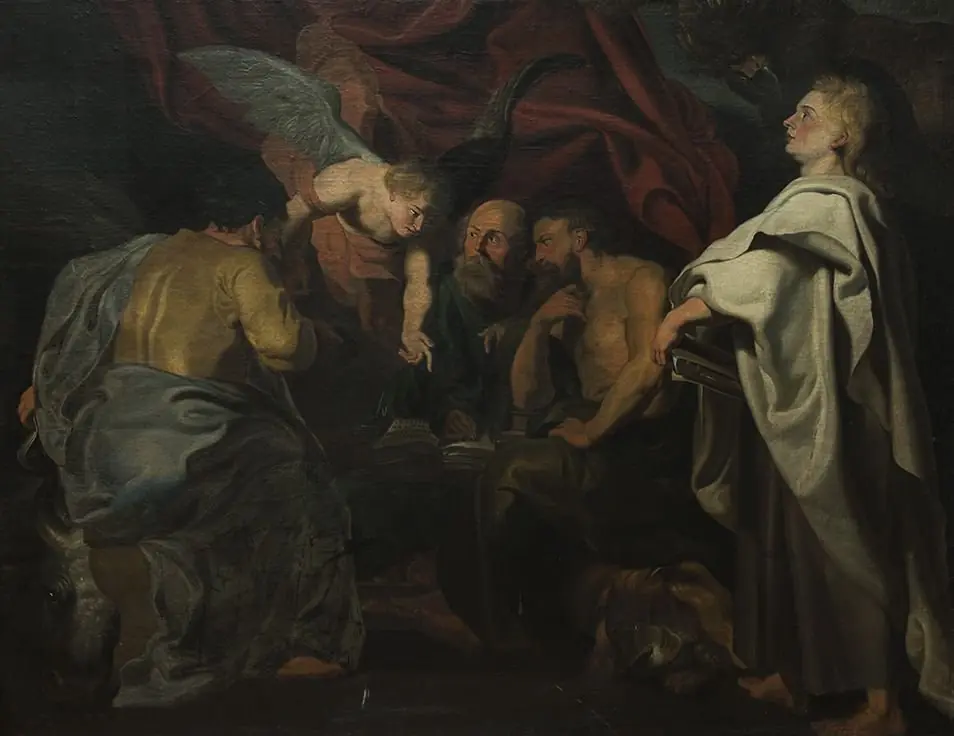 Four Evangelists
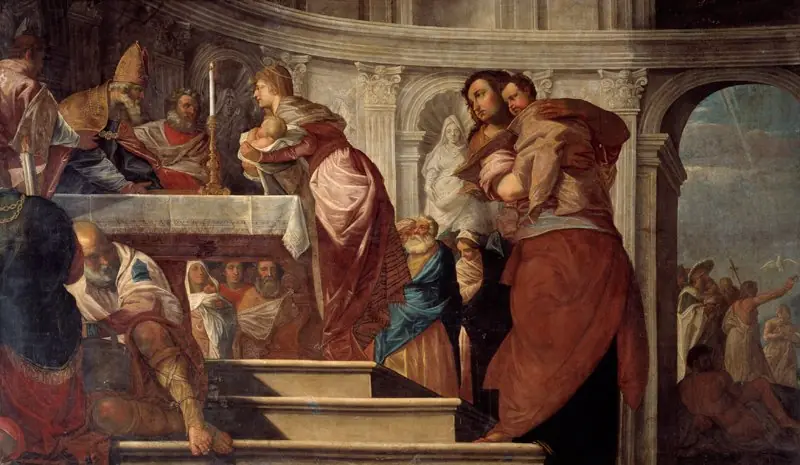 The Presentation of Christ in the Temple, and the Baptism of Christ
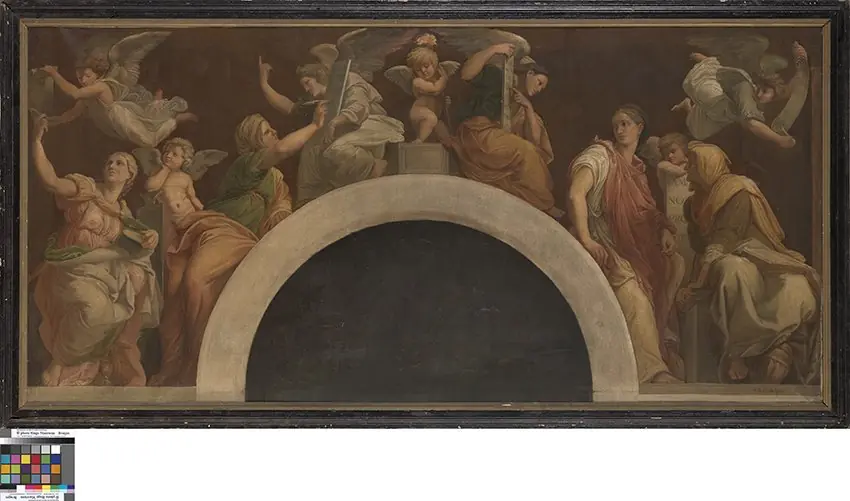 Allegorie
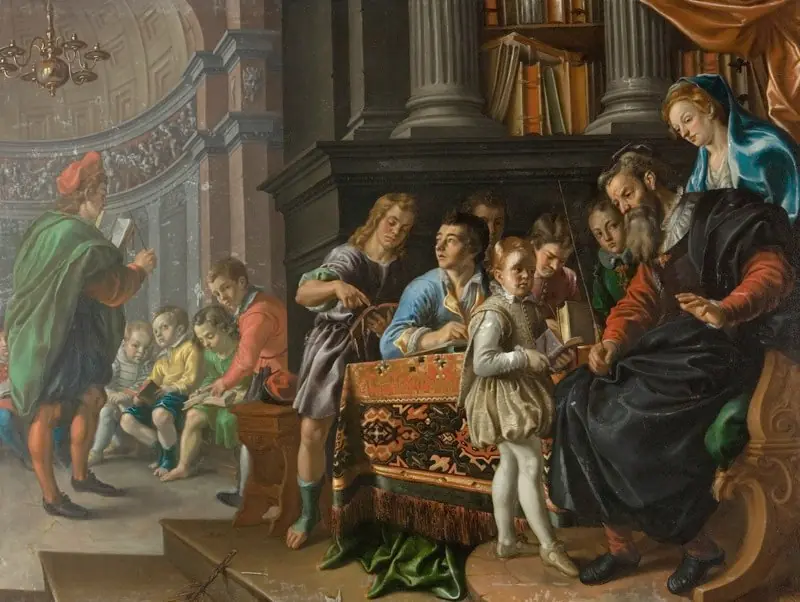 A Boys' School
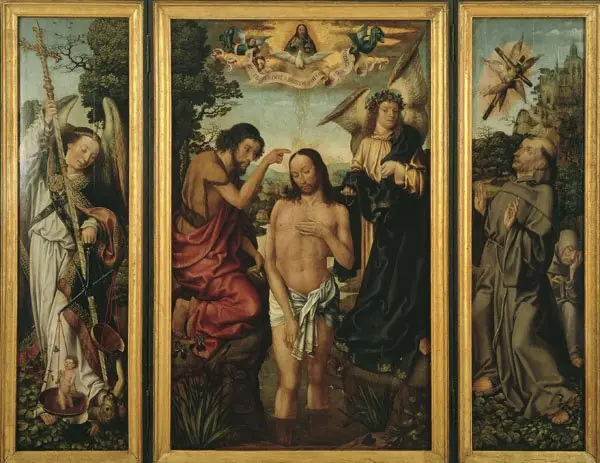 Triptych of the Baptism of Christ
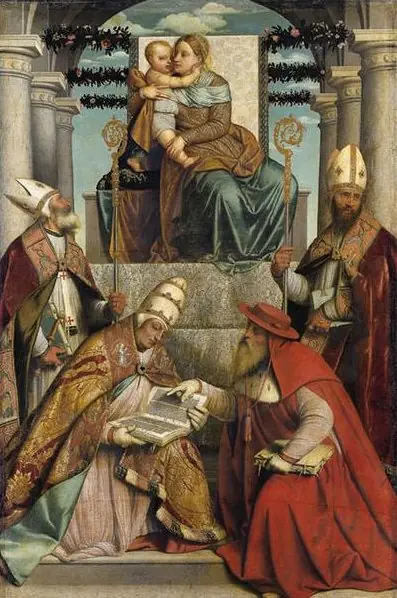 Madonna and Child with Four Doctors of the Church
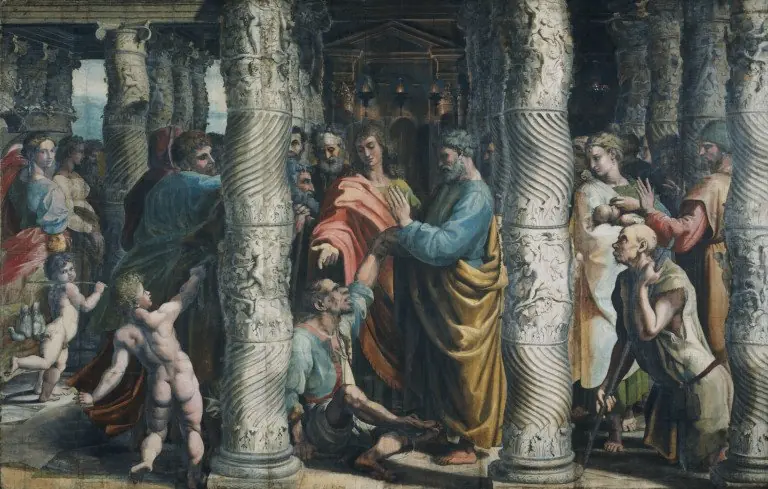 The Healing of the Lame Man
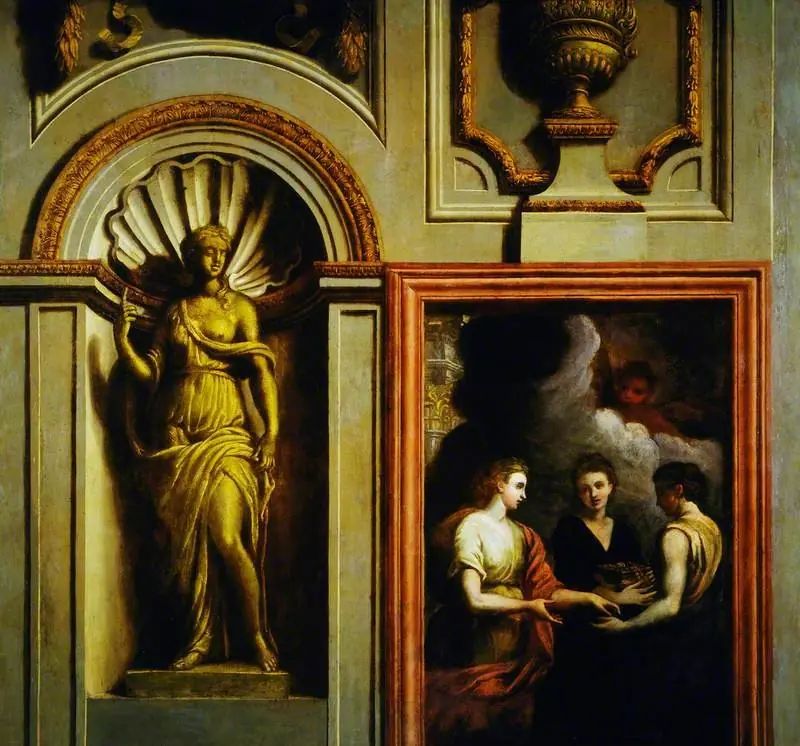 Psyche Giving Gifts to Her Sisters
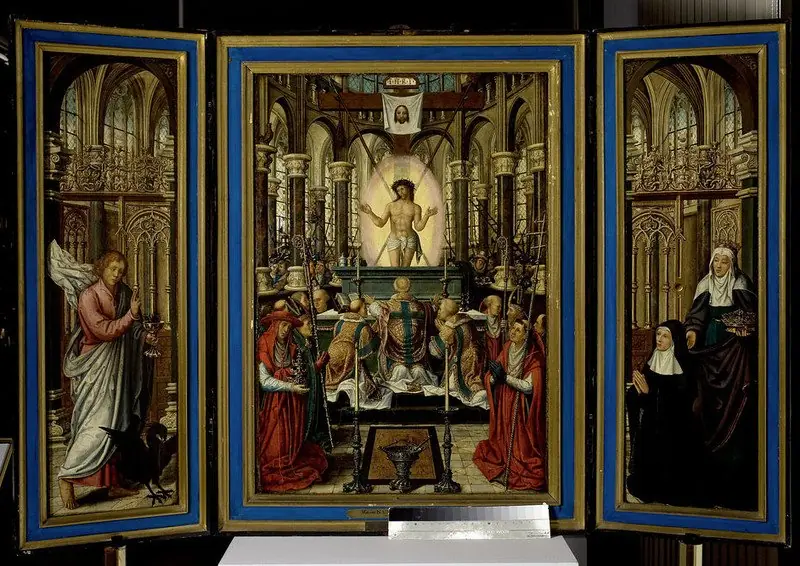 Triptych of the Mass of St. Gregory; left wing: St. John the Evangelist; right wing: St. Elisabeth of Hungary with the founder, Elisabeth van der Meren
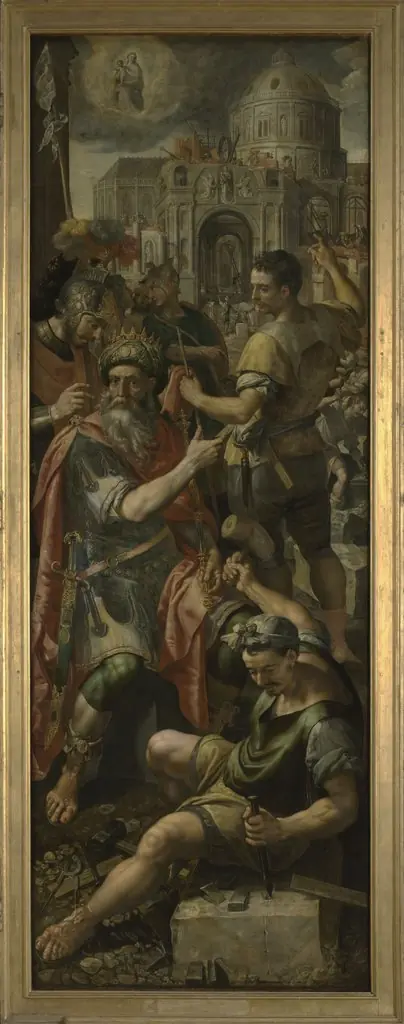 The Emperor Constantine erecting a church dedicated to Saint George
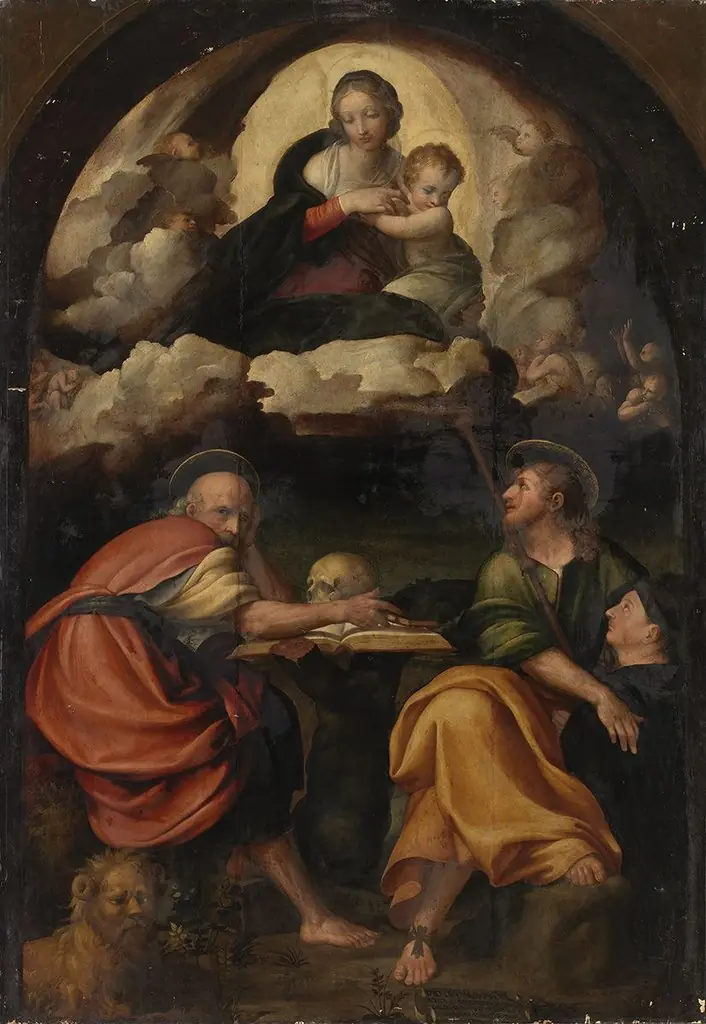 Maria mit Kind in der Glorie, den hll. Hieronymus und Jakobus mit Stifter (?)
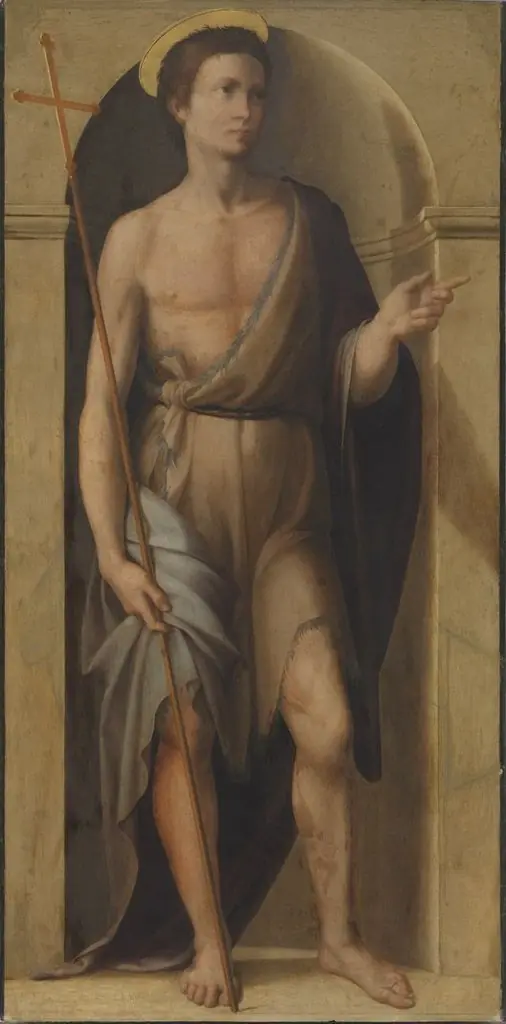 John the Baptist