Artwork
trittico con madonna dell'umiltà, ss. antonio abate jacopo
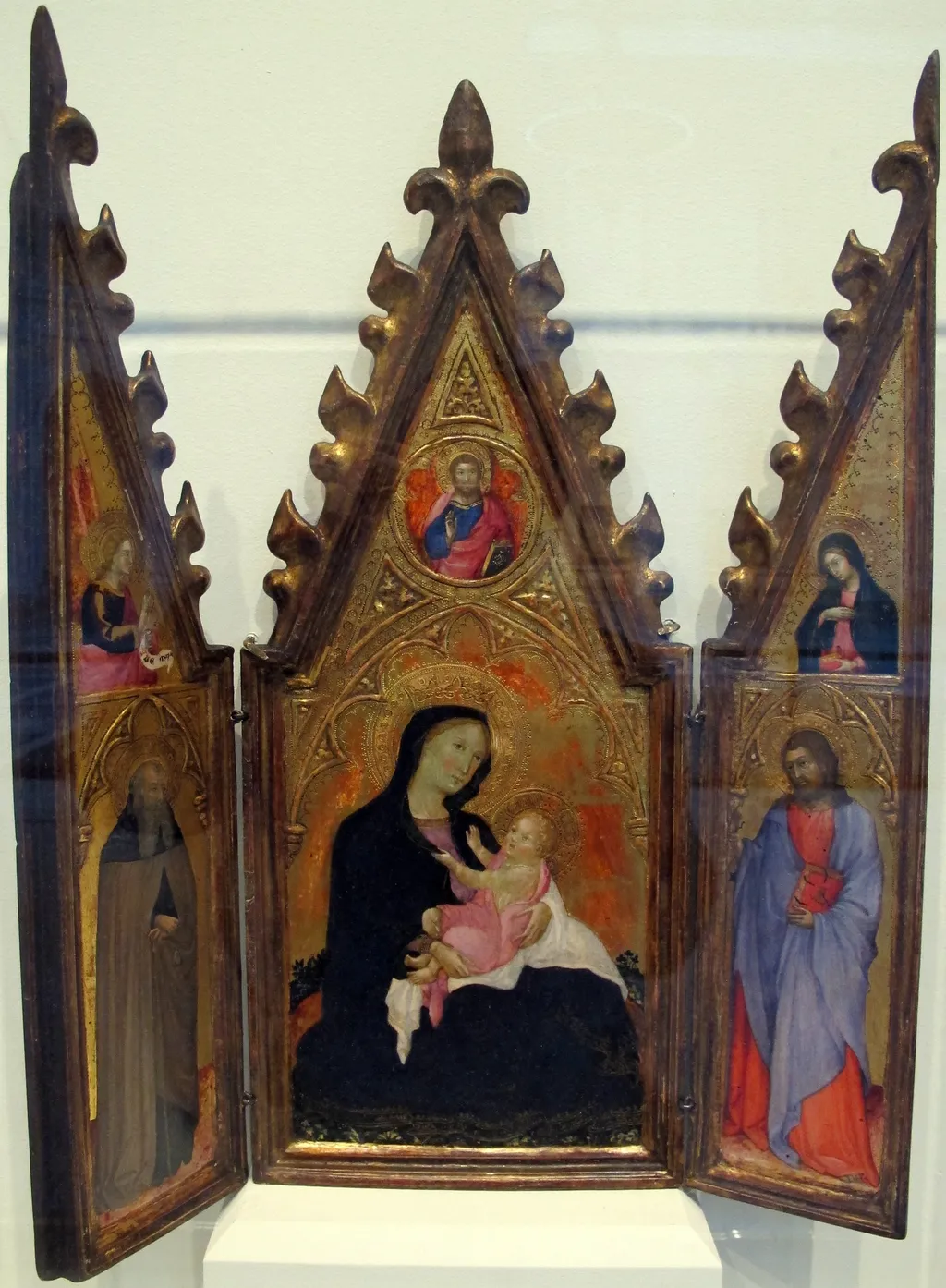
trittico con madonna dell'umiltà, ss. antonio abate jacopo is an unspecified painting by the Early Renaissance artist Andrea di Bartolo. It is held in the collection of the Brooklyn Museum.
About this work
Overview
Created around 1410, this early 15th‑century triptych is attributed to the Sienese painter Andrea di Bartolo. The work consists of a central panel flanked by two hinged wings, allowing it to be closed. It is presently part of the collection of the Brooklyn Museum, where it is displayed as an example of devotional panel painting from the Italian Trecento.
Subject & Meaning
The central image presents a woman in a black habit holding an infant, identified as the Madonna and Child, a common focus of private devotion. The left and right wings portray a man in a blue robe and a woman in pink, likely representing Saint Antonio Abate and Saint Jacopo, respectively, framing the central holy figures within a narrative of intercessory saints.
Technique & Style
Executed in tempera on wood, the panels are set against a luminous gold ground, a hallmark of Sienese painting that emphasizes spiritual radiance.
Executed in tempera on wood, the panels are set against a luminous gold ground, a hallmark of Sienese painting that emphasizes spiritual radiance. Intricate ornamental patterns adorn the background, while the figures are rendered with delicate linear modeling and rich, saturated pigments, reflecting the workshop’s skill in combining decorative surface treatment with graceful figural representation.
History & Provenance
The triptych was produced in the early 1400s for a devotional context, possibly a private chapel or confraternity. It entered the Brooklyn Museum’s holdings in the 20th century, having passed through several private collections before being acquired by the institution, where it contributes to the museum’s European medieval holdings.
Context
Andrea di Bartolo worked in the tradition of Siena’s golden‑age painters, inheriting stylistic traits from predecessors such as Duccio and Simone Martini. The use of gold leaf and the triptych format align the work with contemporary liturgical art intended for personal prayer, reflecting the period’s emphasis on intimate, contemplative religious experience.
Artist & collection


![Christ on the Cross [reverse], by Andrea di Bartolo](https://artifactworldgallery.com/img/andrea-di-bartolo--christ-on-the-cross-reverse--6bfe980f802a6327-w320.webp) Christ on the Cross [reverse]
Christ on the Cross [reverse]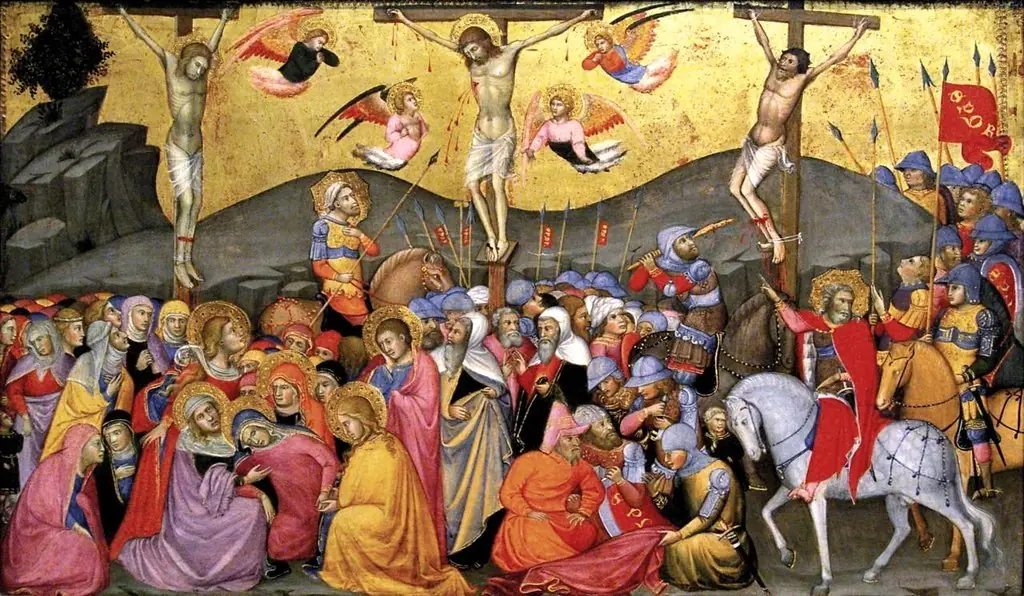 The Crucifixion
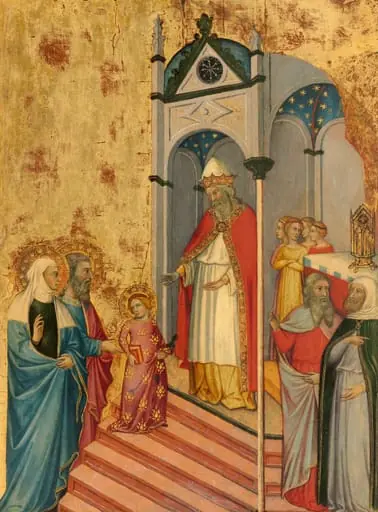 The Presentation of the Virgin in the Temple
![Madonna of Humility, The Blessing Christ, Two Angels, and a Donor [obverse], by Andrea di Bartolo](https://artifactworldgallery.com/img/andrea-di-bartolo--madonna-of-humility-the-blessing-christ-two-angels-and-a-don--d37c382429905539-w320.webp) Madonna of Humility, The Blessing Christ, Two Angels, and a Donor [obverse]
Madonna of Humility, The Blessing Christ, Two Angels, and a Donor [obverse]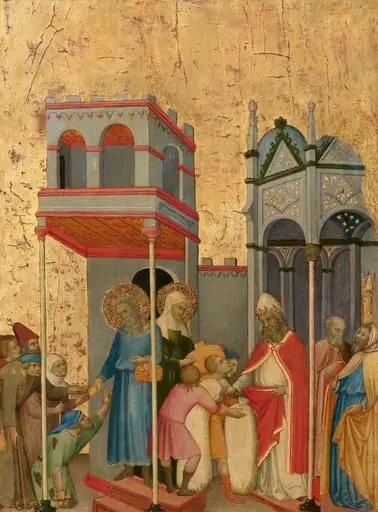 Joachim and Anna Giving Food to the Poor and Offerings to the Temple
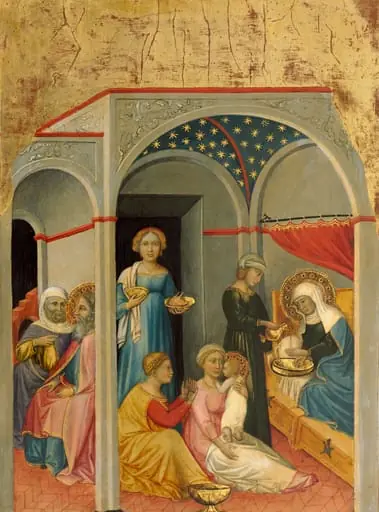 The Nativity of the Virgin
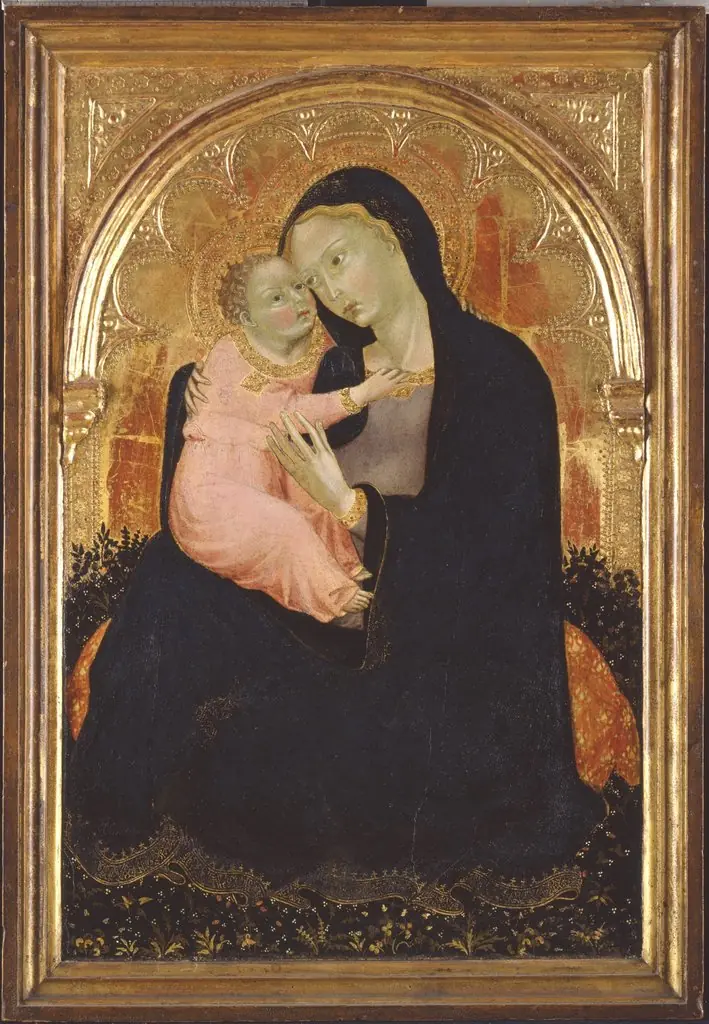 Madonna and Child
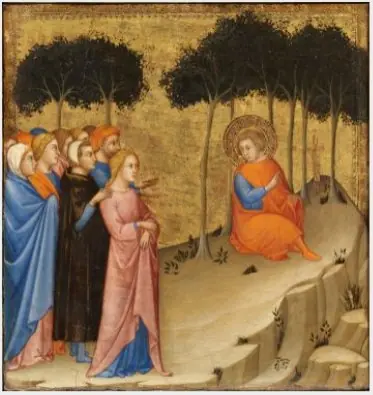 Saint Galgano Inviting the People to Adore the Cross
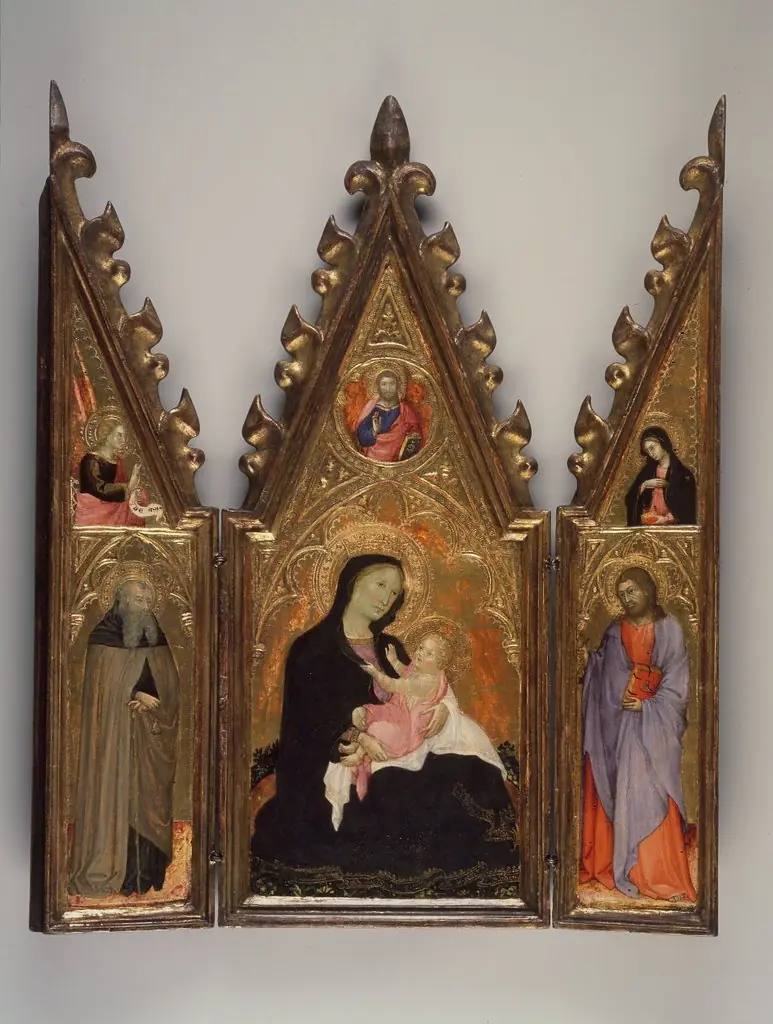 Madonna of Humility, portable altarpiece
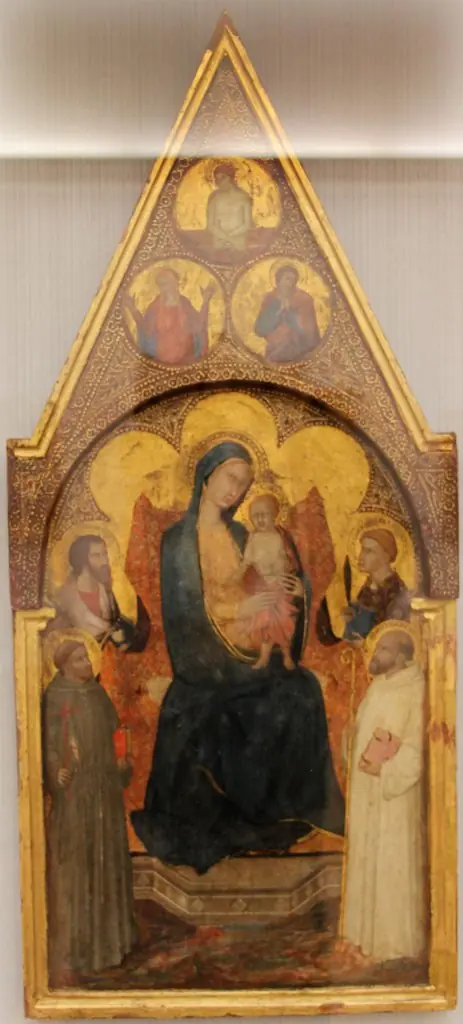 Thronende Maria mit dem Kind und vier Heiligen
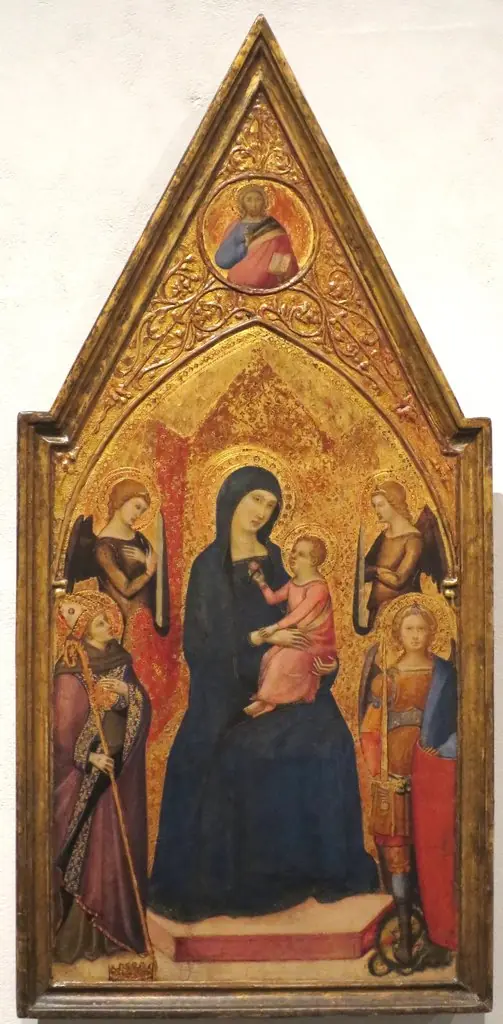 Virgin and Child with Sts. Louis of Toulouse and Michael
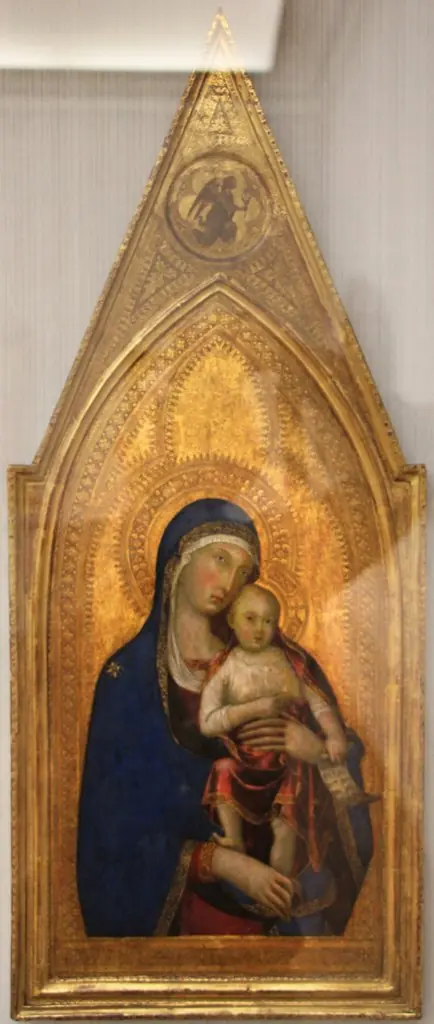 Maria mit dem Kind
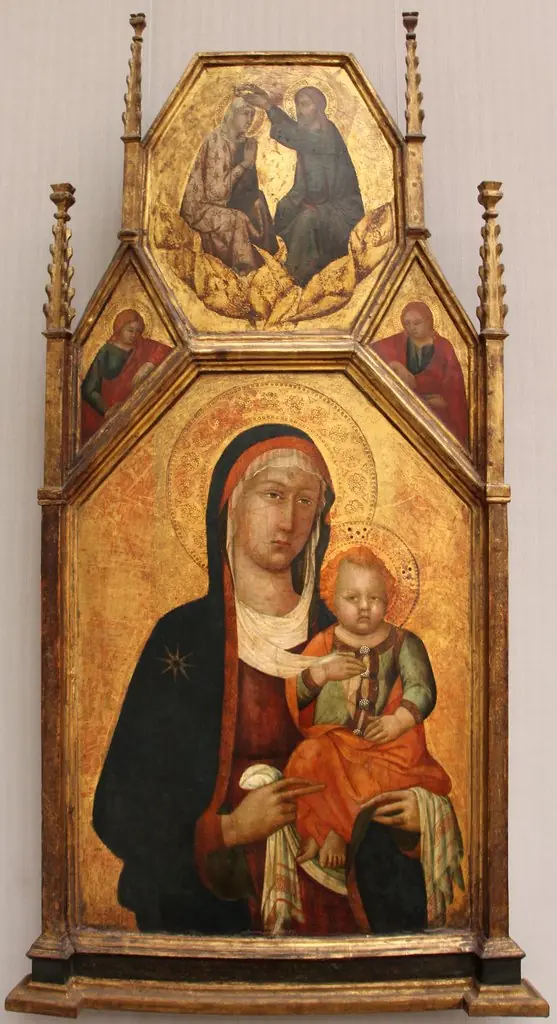 Maria mit dem Kind
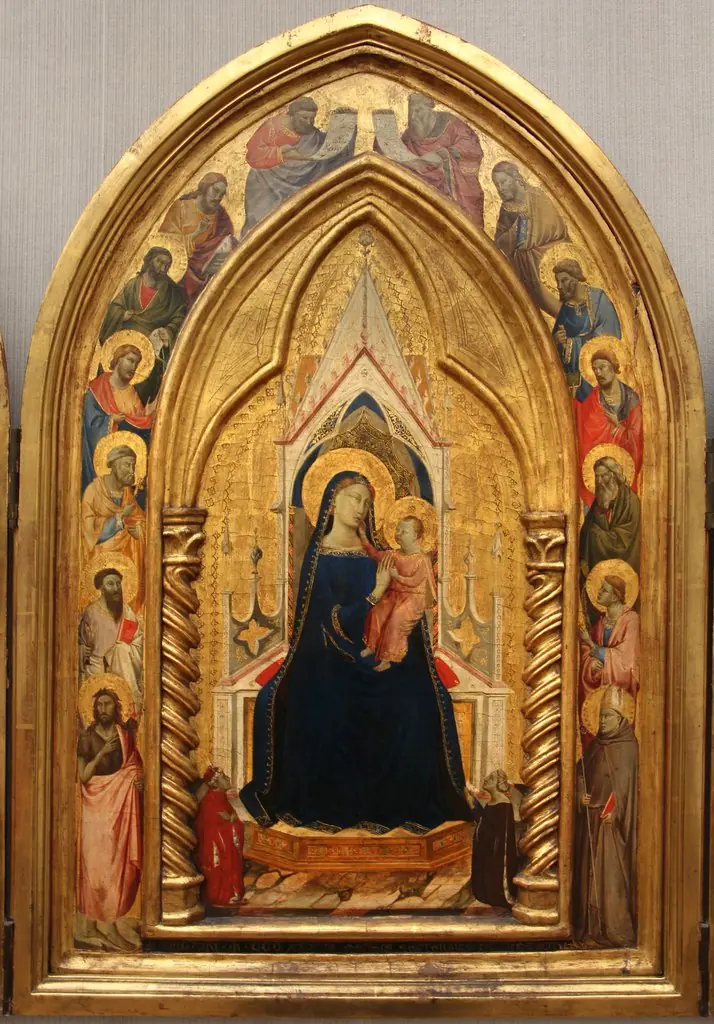 Central panel of the triptych
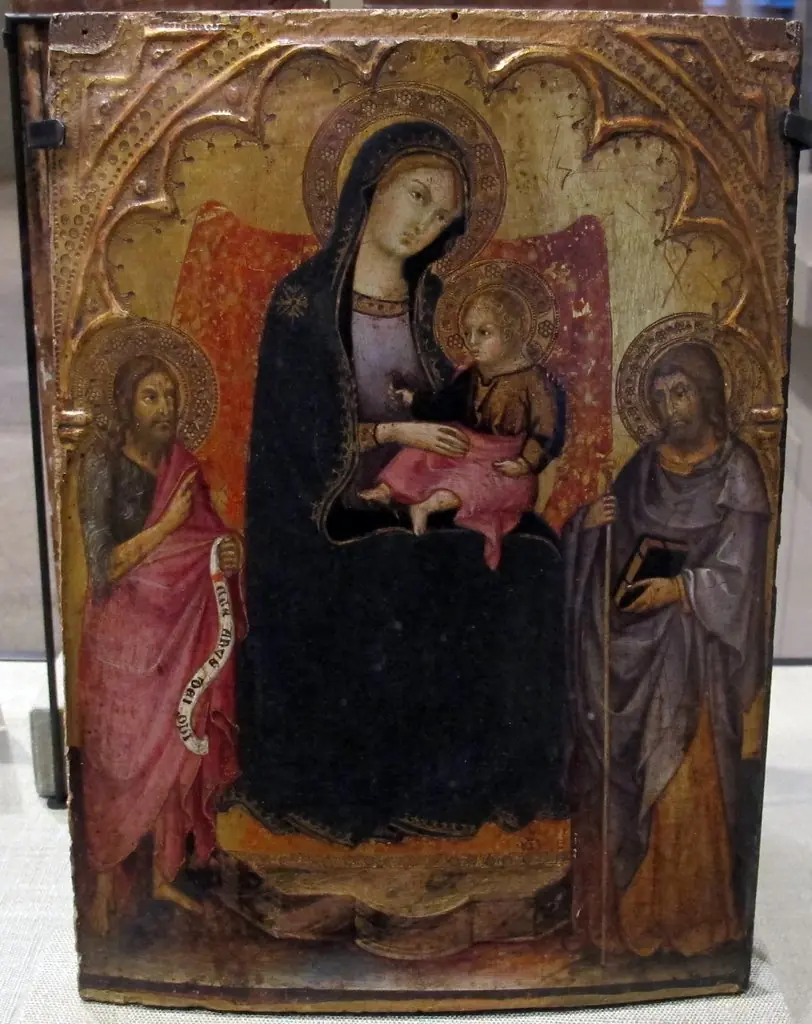 maestà coi santi g.battista e jacopo
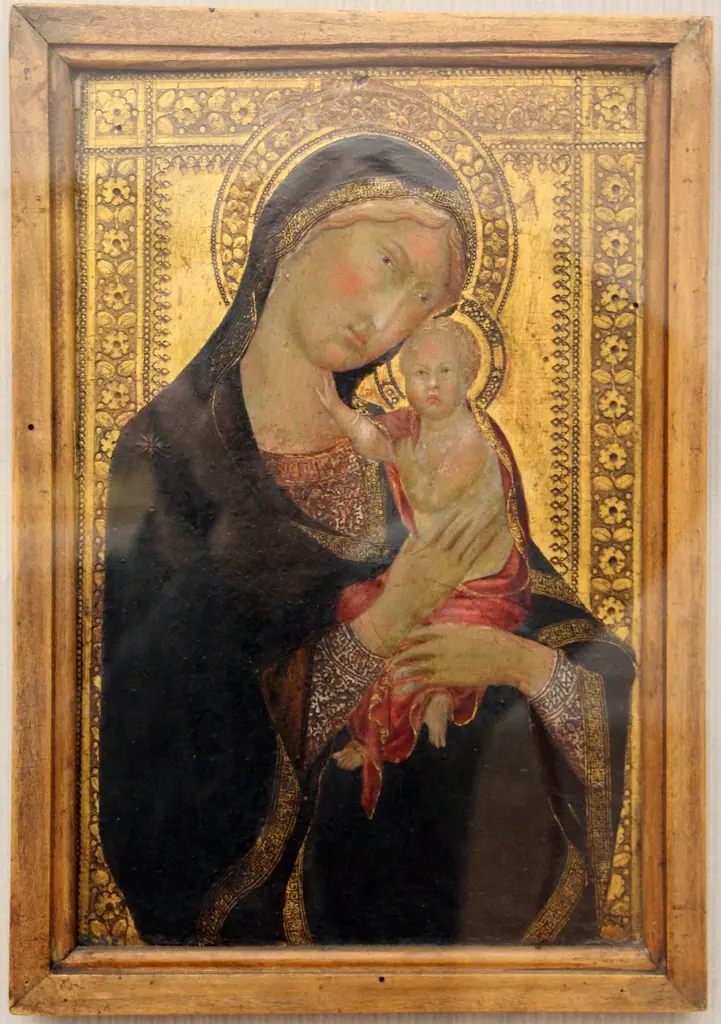 Maria mit dem Kind
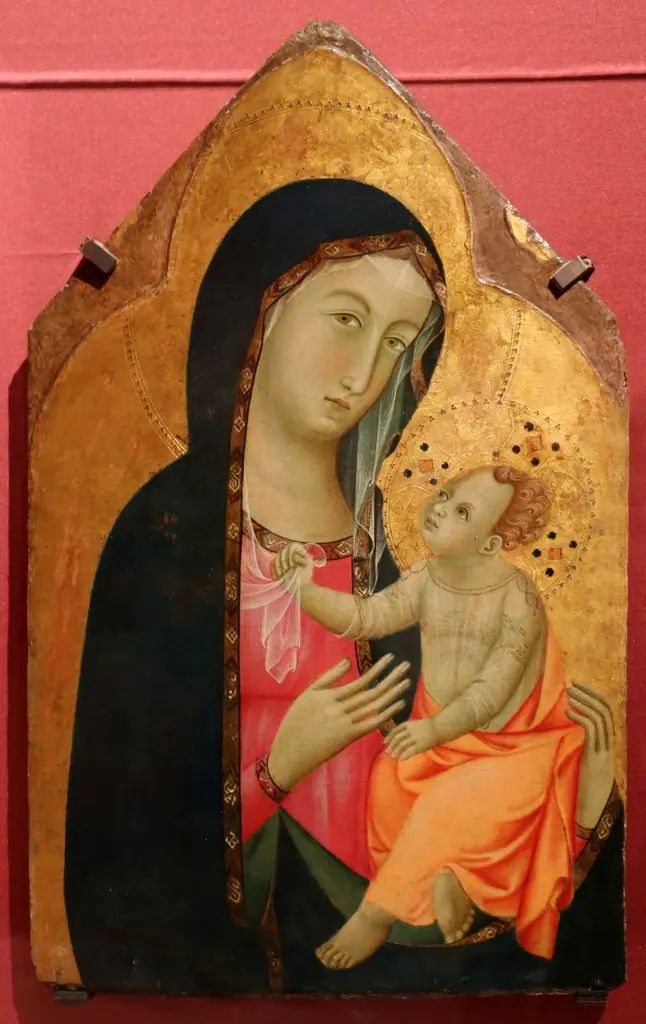 Madonna and Child
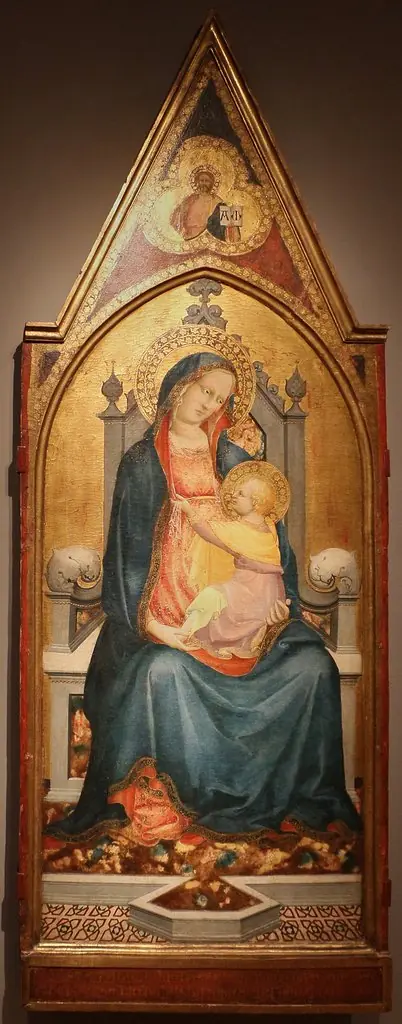 madonna col bambino in trono
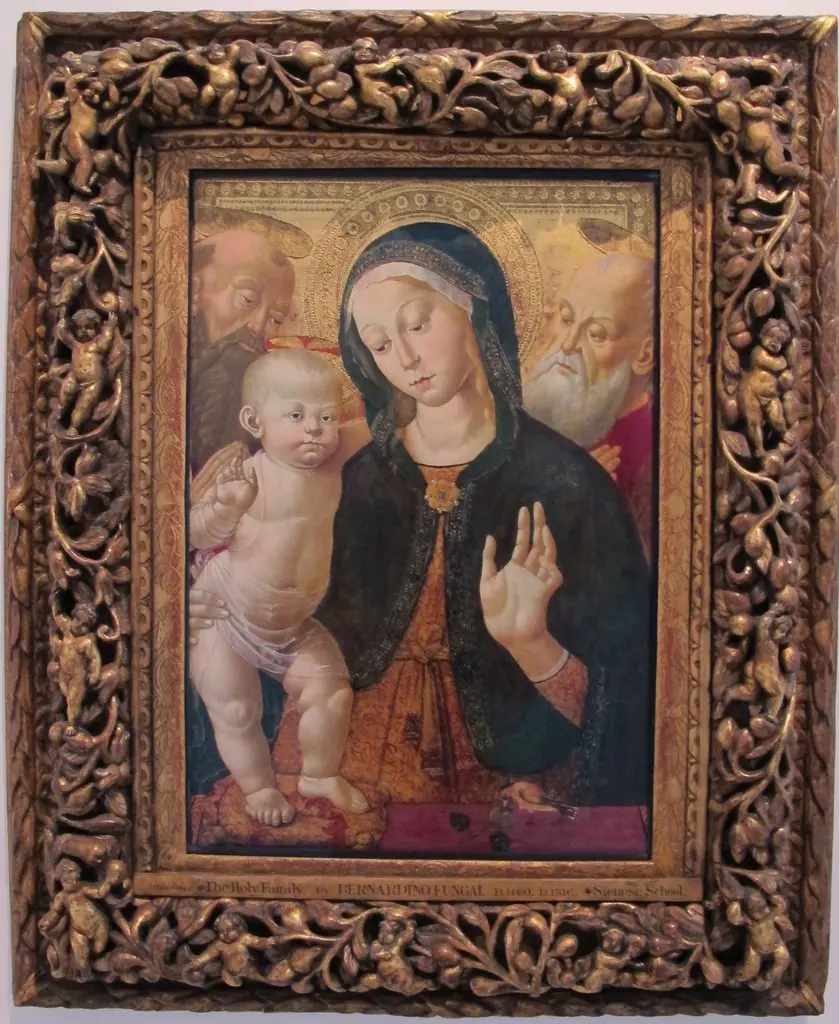 Vergine col bambino e due santi
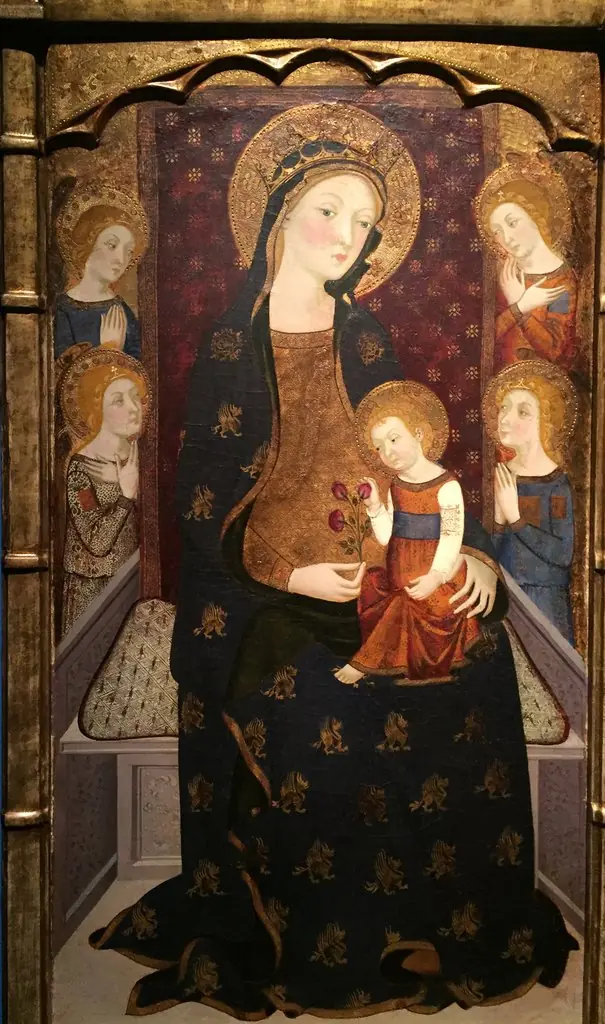 Mare de Déu amb Nen i àngels