Artwork
David mit dem Haupt des Goliath
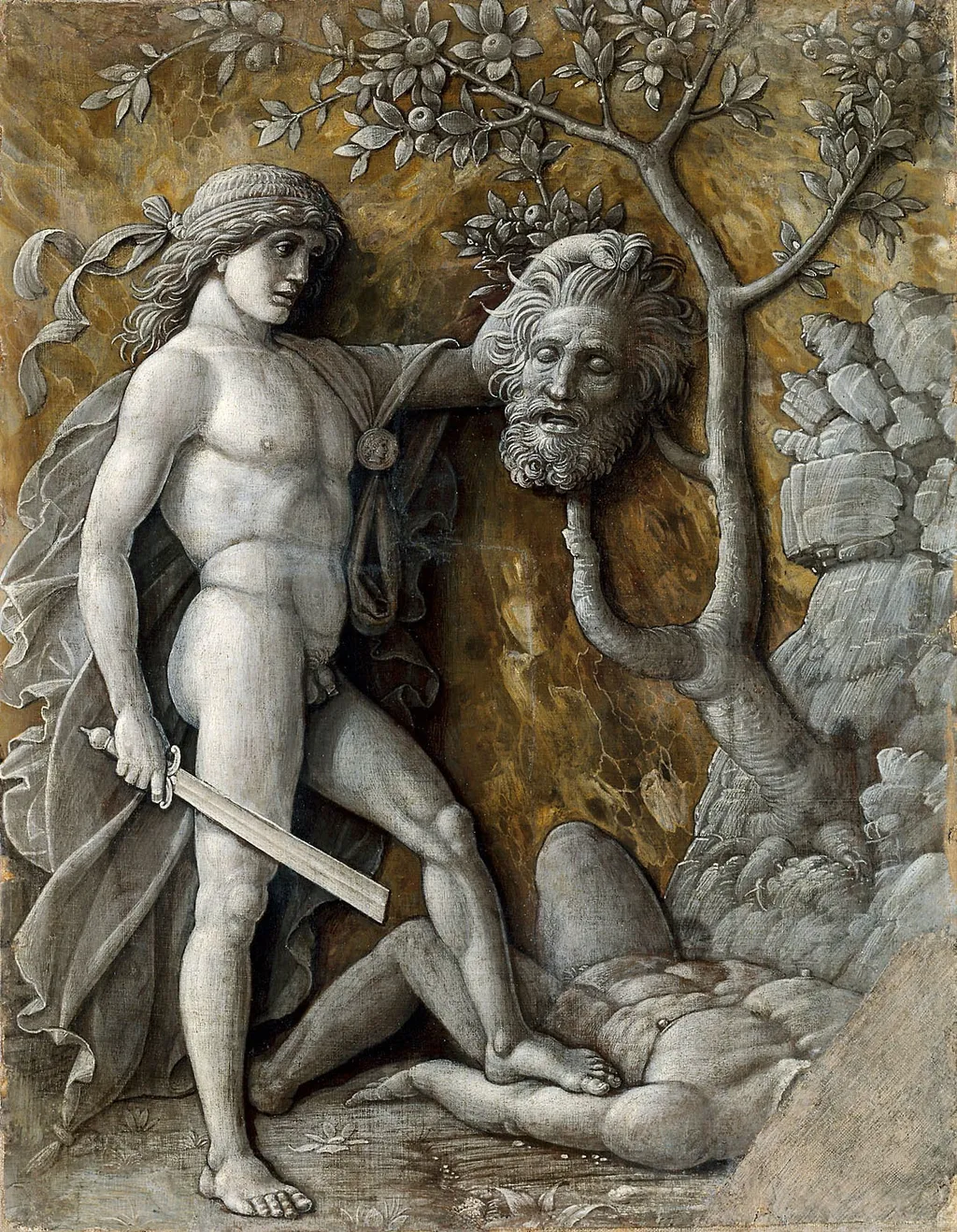
David mit dem Haupt des Goliath is an unspecified painting by the High Renaissance artist Andrea Mantegna. It dates from 1496 and is held in the collection of the Kunsthistorisches Museum.
About this work
Overview
Executed in the High Renaissance style, the painting reflects Mantegna’s lifelong interest in classical antiquity and spatial precision.
Painted in 1496 by Andrea Mantegna, this work portrays the biblical hero David after his victory over Goliath. Executed in the High Renaissance style, the painting reflects Mantegna’s lifelong interest in classical antiquity and spatial precision. It resides in the Kunsthistorisches Museum, Vienna, as part of a broader collection of Italian Renaissance works. Mantegna’s approach to form and structure distinguishes this piece within his oeuvre.
Subject & Meaning
The scene captures David in a moment of quiet triumph, standing over the severed head of Goliath, rendered here as a bestial, lion-like figure. The contrast between David’s composed demeanor and the creature’s snarling visage underscores the theme of divine justice over brute force. The inclusion of natural elements like flowering foliage suggests renewal following conflict, reinforcing the biblical narrative’s moral resolution.
Technique & Style
Mantegna employs chiaroscuro to model the figures with sculptural weight, enhancing their three-dimensionality. His use of a low horizon line amplifies the monumentality of David, while the metallic texture of the landscape echoes his fascination with ancient Roman reliefs. The rocky terrain and stylized foliage are rendered with precise, almost engraved lines, reflecting his background in printmaking and his interest in archaeological detail.
History & Provenance
Commissioned during Mantegna’s later years in Mantua, the painting entered the Habsburg collections before being transferred to the Kunsthistorisches Museum. Its survival through centuries of political and dynastic shifts highlights its perceived value among collectors. No significant alterations or restorations are documented, preserving the artist’s original execution and tonal balance.
Context
Created in the final years of the 15th century, the painting aligns with broader Renaissance trends that reinterpreted biblical subjects through classical ideals. Mantegna’s engagement with Roman sculpture and architecture informed his depiction of the human form and spatial organization. His work stood apart from Venetian colorism, favoring linear clarity and anatomical rigor rooted in antiquity.
Legacy
Though less widely known than his frescoes or engravings, this painting exemplifies Mantegna’s mature synthesis of classical form and biblical narrative. It influenced later artists interested in anatomical precision and psychological restraint. Its preservation in a major European collection ensures continued study of his unique contribution to Renaissance visual language.
Own this work as a print
Artist & collection
Artist
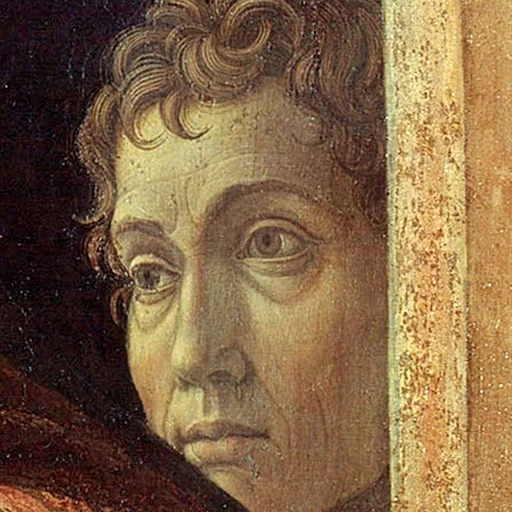
Andrea Mantegna (UK: , US: ; Italian: ; c. 1431 – September 13, 1506) was an Italian Renaissance painter, a student of Roman archaeology, and the son-in-law of Jacopo Bellini. Like other artists of the time, Mantegna…

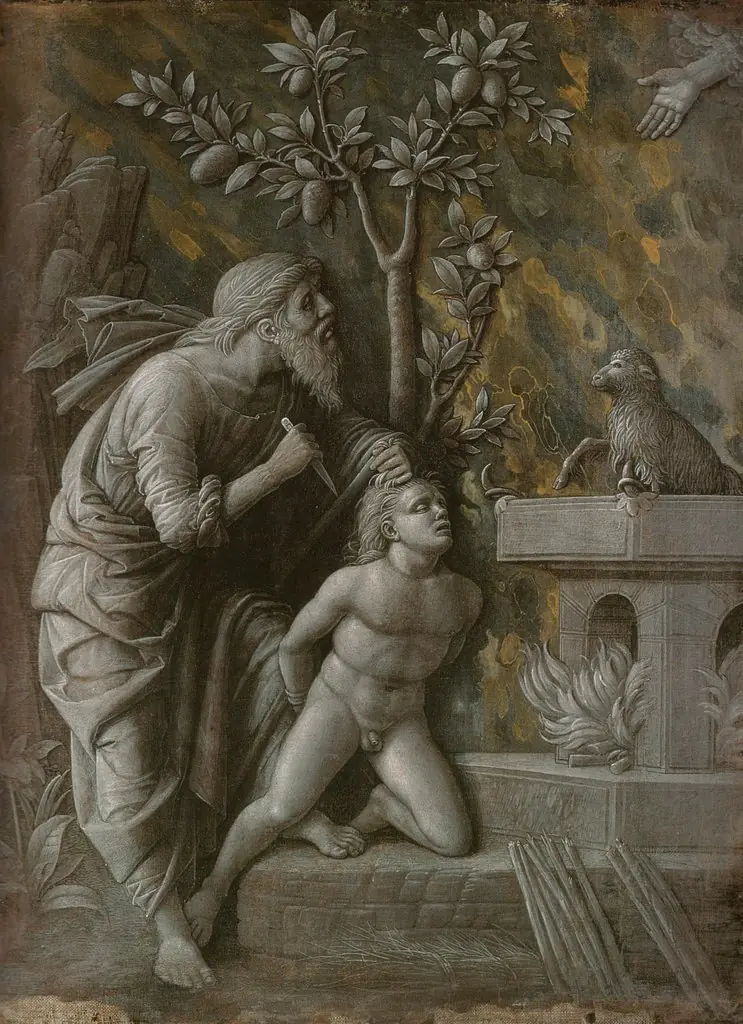 Sacrifice of Isaac
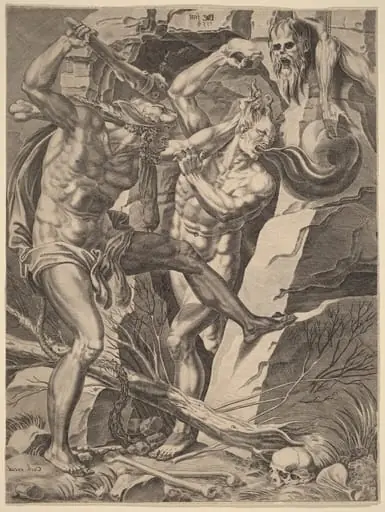 Hercules Killing Cacus
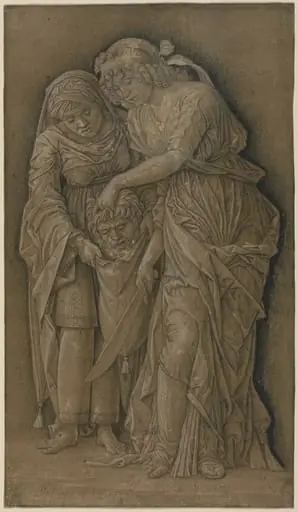 Judith with the Head of Holofernes
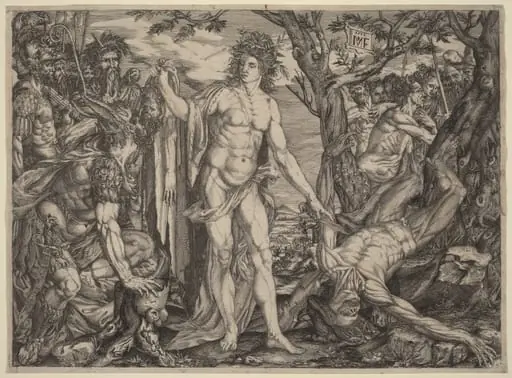 Apollo and Marsyas
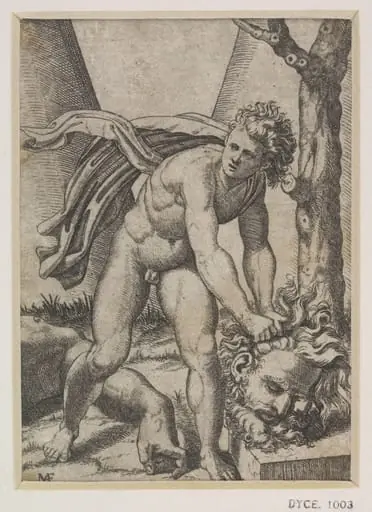 David raising the head of Goliath
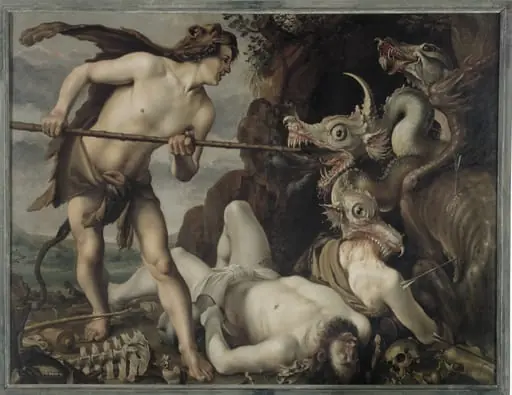 Cadmus Slaying the Dragon
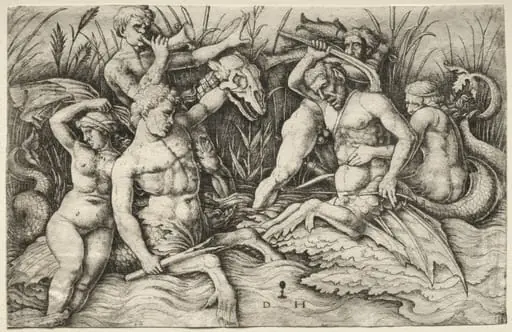 Two Tritons fighting - Battle of the Sea Gods (right portion)
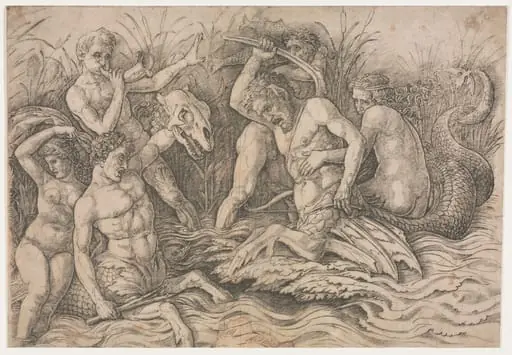 Battle of the Sea Gods - right portion
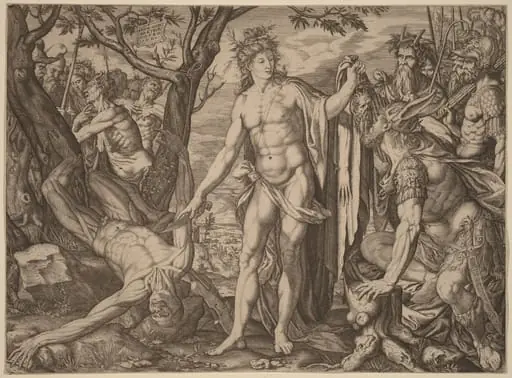 Apollo and Marsyas
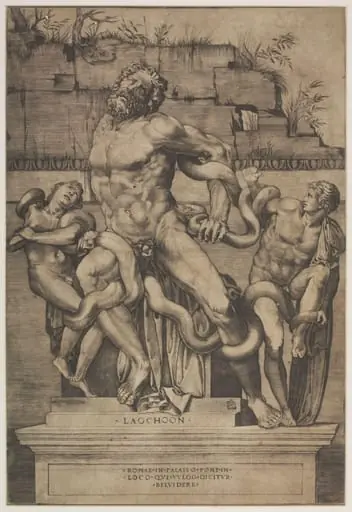 The Laocoon Before Restoration
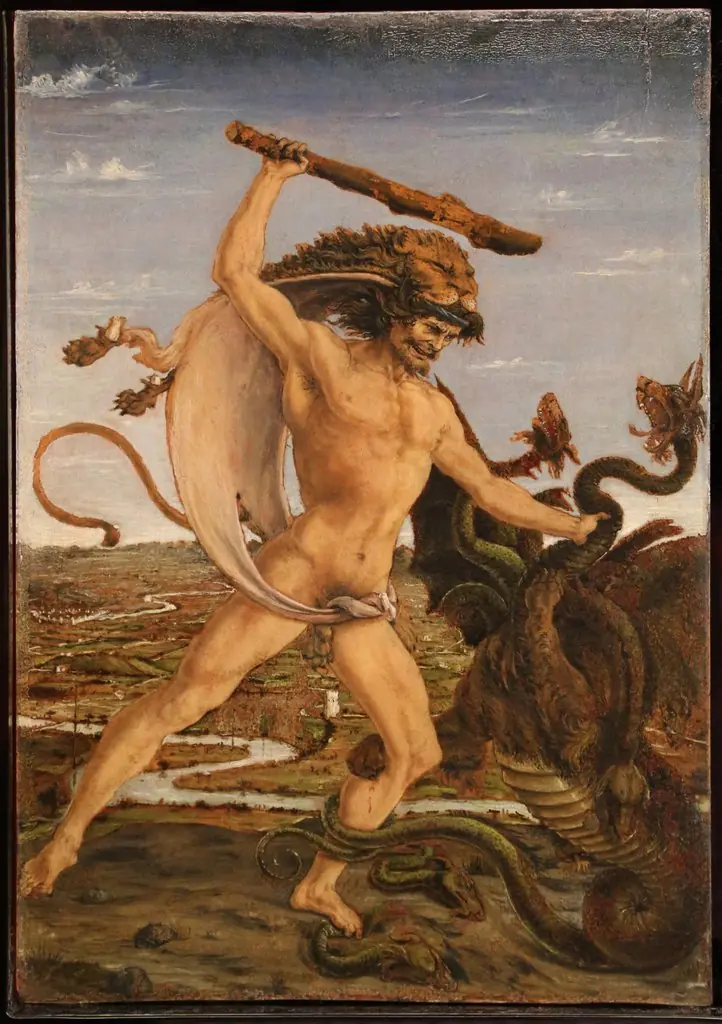 Hercules and the Hydra
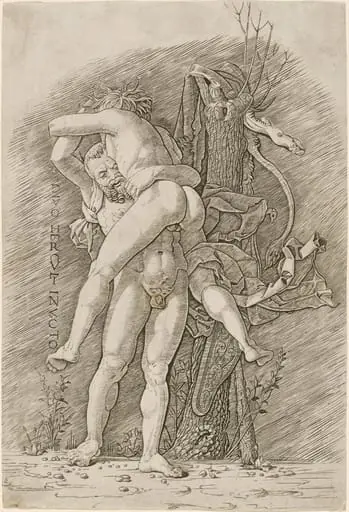 Hercules and Antaeus