Artwork
Madonna and Child and an Angel
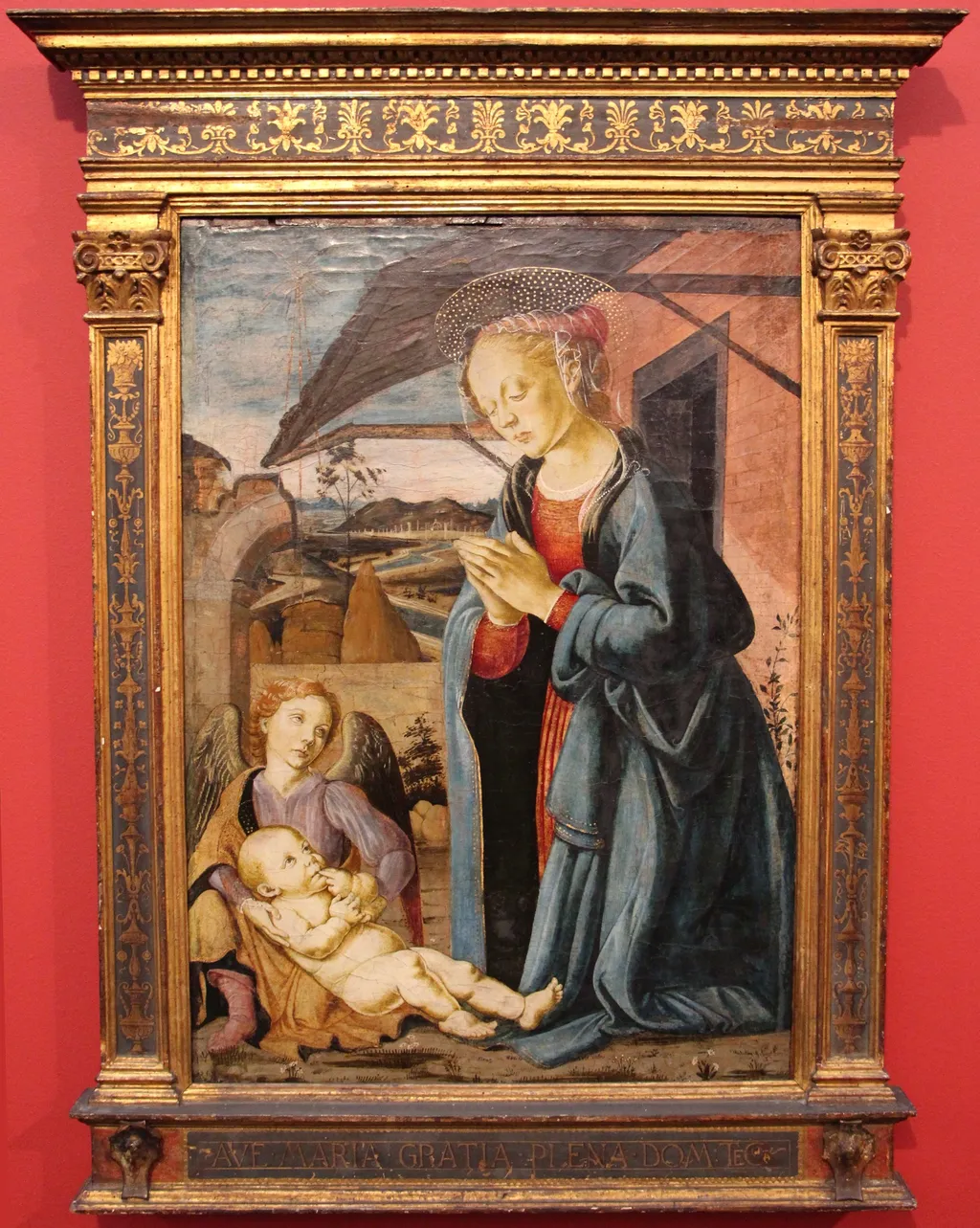
Madonna and Child and an Angel is a tempera painting by the Early Renaissance artist Biagio d'Antonio. It dates from 1475 and is held in the collection of the São Paulo Museum of Art.
About this work
Overview
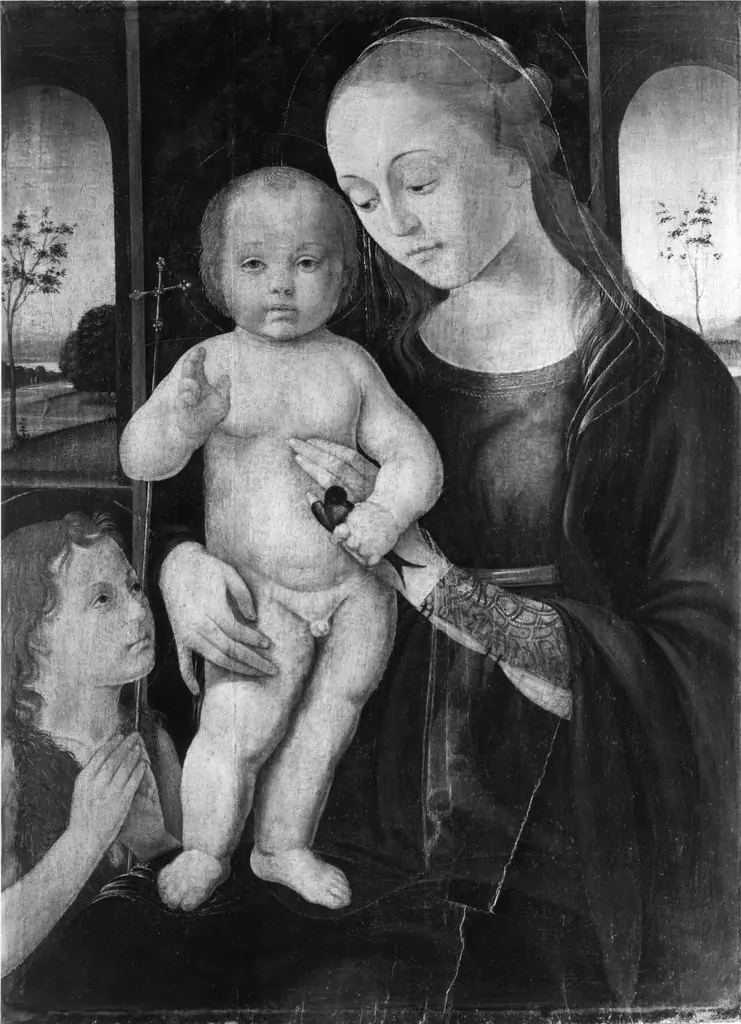
Painted around 1475 by Biagio d'Antonio, this tempera-on-panel work depicts the Virgin Mary, the infant Christ, and an angel in a devotional composition. It is part of the collection at the São Paulo Museum of Art. The use of egg-based tempera reflects a traditional Italian technique favored in the 15th century for its fine detail and luminous finish, suited to religious imagery of the period.
Subject & Meaning
The composition emphasizes tenderness and spiritual intimacy, aligning with devotional practices that encouraged personal connection with sacred figures.
The Virgin Mary, seated and serene, wears a blue mantle over a red undergarment, colors symbolizing heavenly grace and earthly humanity. The angel cradles the Christ child, who gazes outward, suggesting both divine presence and human vulnerability. The composition emphasizes tenderness and spiritual intimacy, aligning with devotional practices that encouraged personal connection with sacred figures.
Technique & Style
Tempera paint, made with pigment bound in egg yolk, allowed for precise brushwork and delicate layering. The artist rendered facial features and fabric folds with meticulous attention, using fine lines and subtle tonal shifts. The background, though simplified, includes a distant landscape with mountains and a bridge, grounding the sacred scene in a tangible, if idealized, world.
History & Provenance
The painting entered the São Paulo Museum of Art’s collection in the 20th century, though its earlier ownership remains undocumented. It reflects the Florentine workshop tradition of the late 15th century, where artists like d'Antonio produced devotional panels for private or small-scale ecclesiastical use. Its survival and preservation suggest it was valued within a collector’s context over centuries.
Context
Created during the height of the Early Renaissance in Tuscany, the painting aligns with a broader trend of intimate, humanized religious imagery. While larger altarpieces dominated public spaces, smaller works like this catered to personal devotion. D'Antonio’s style, influenced by Fra Angelico and Ghirlandaio, blends clarity of form with quiet emotional resonance.
Legacy
Biagio d'Antonio’s work, though less widely known than his contemporaries, exemplifies the craftsmanship of Florentine panel painting in the decades before the High Renaissance. This piece contributes to understanding how religious themes were adapted for private contemplation, preserving a quiet, refined aesthetic that bridged medieval piety and Renaissance naturalism.
Artist & collection


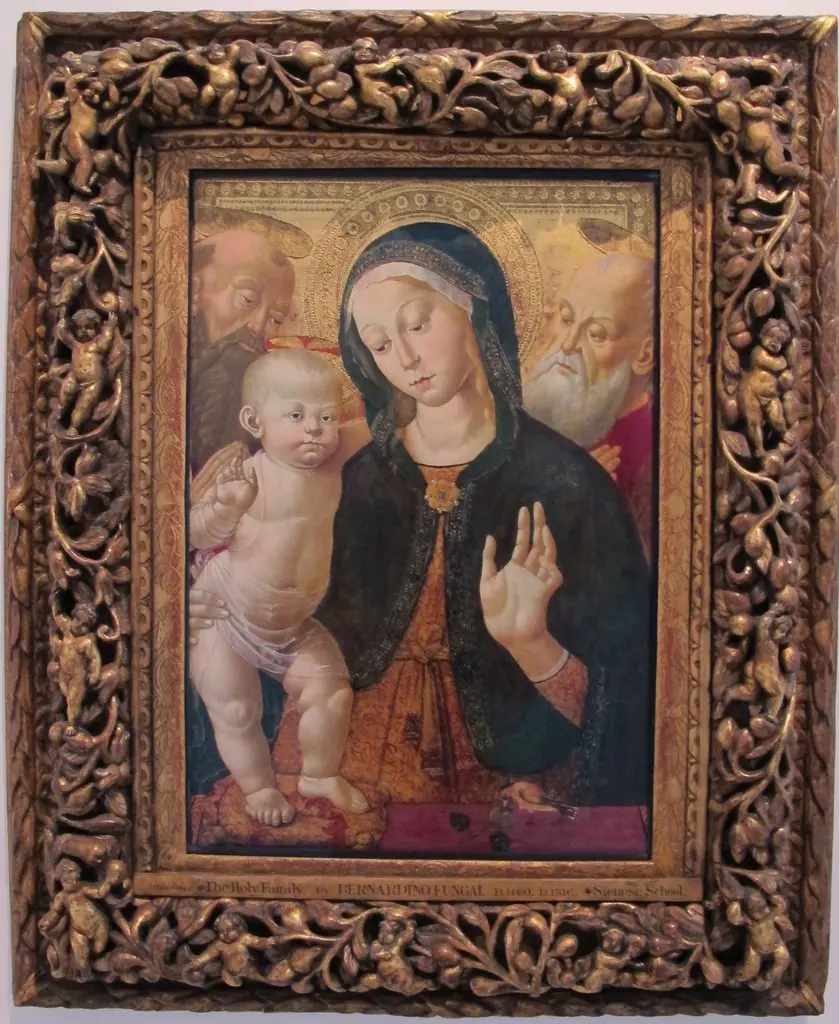 Vergine col bambino e due santi
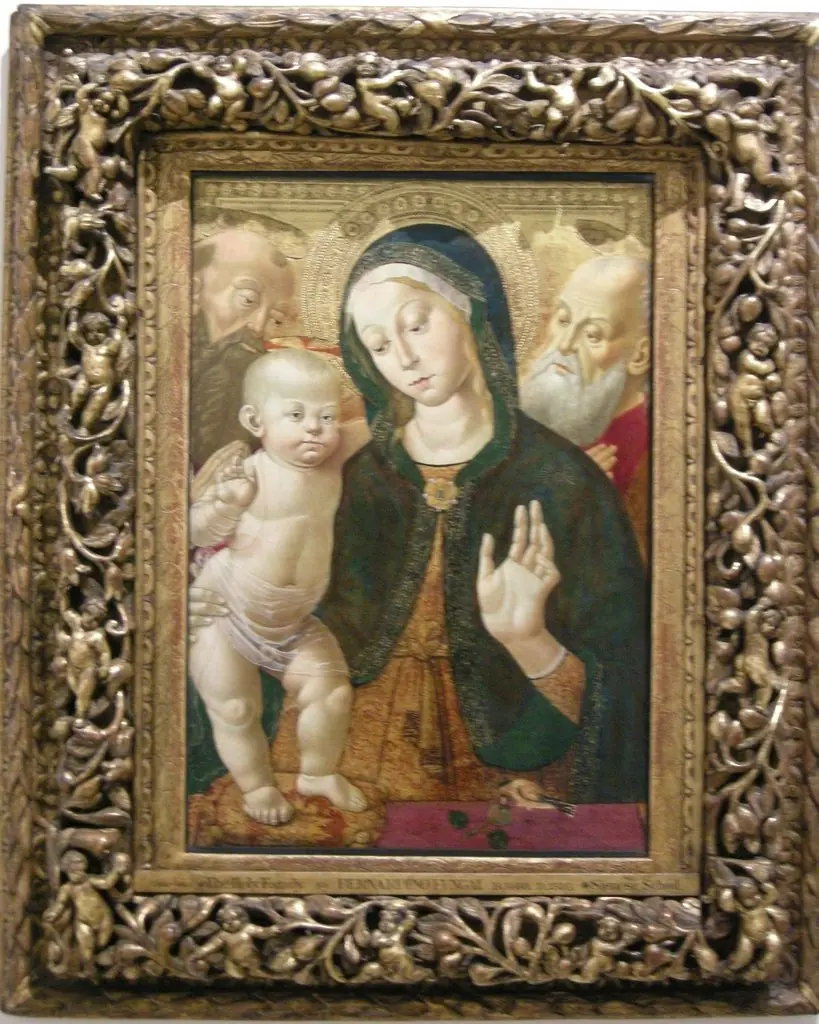 Madonna mit Kind
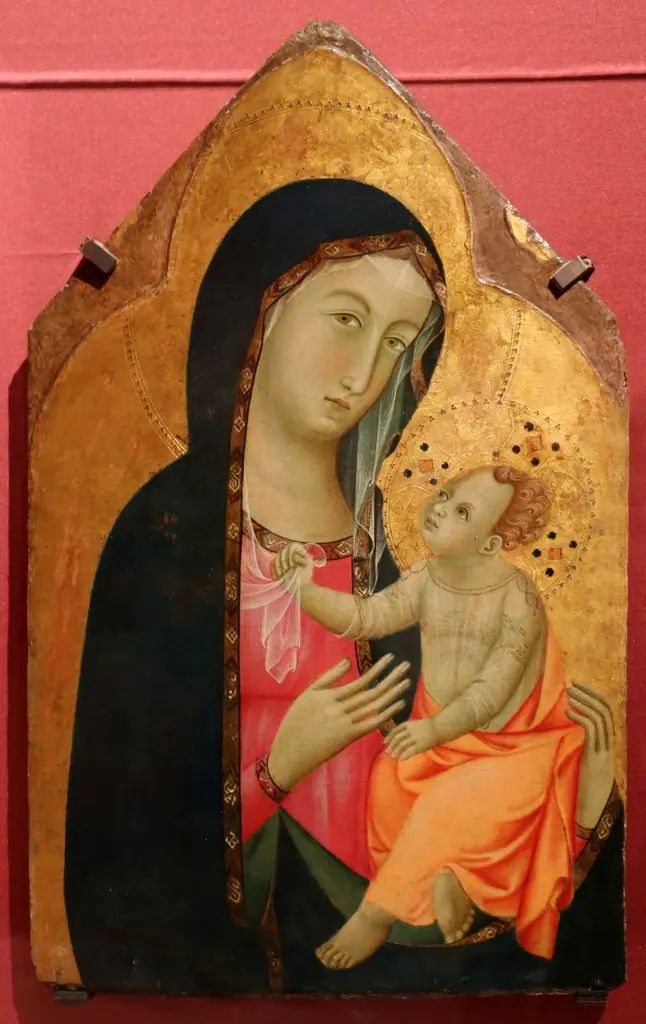 Madonna and Child
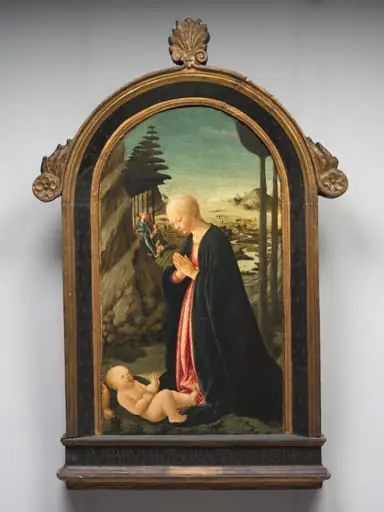 Madonna and Child with Tobias and the Angel Raphael
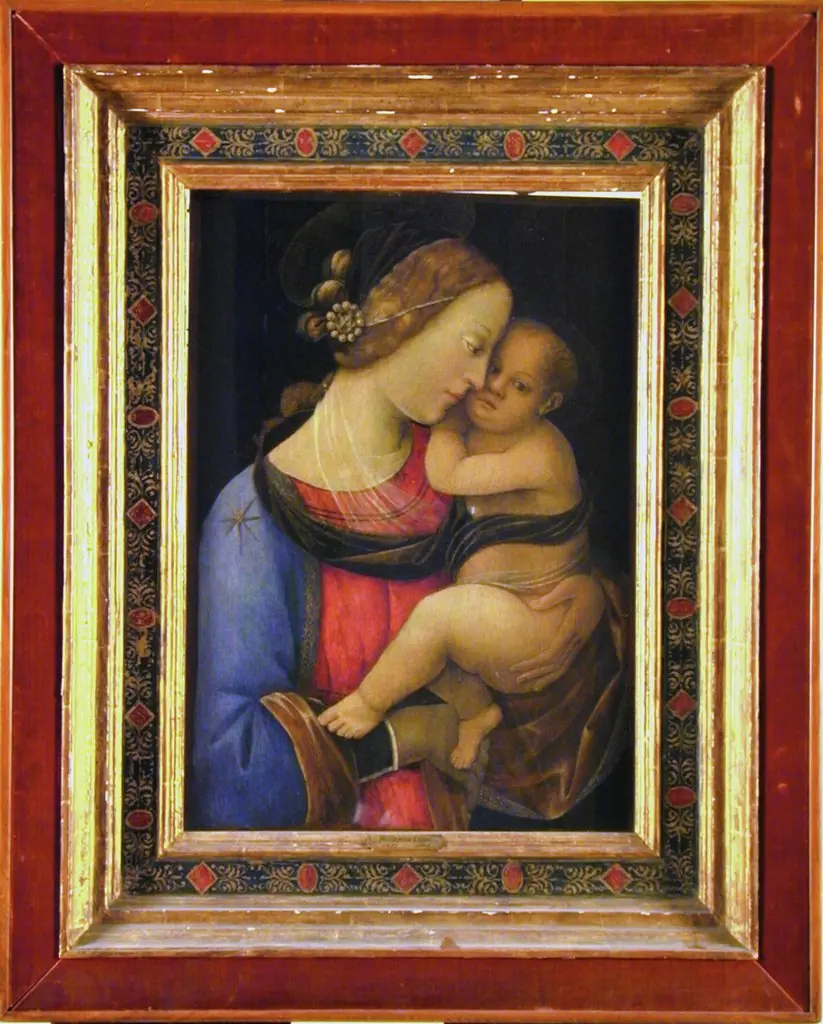 Madonna and Child
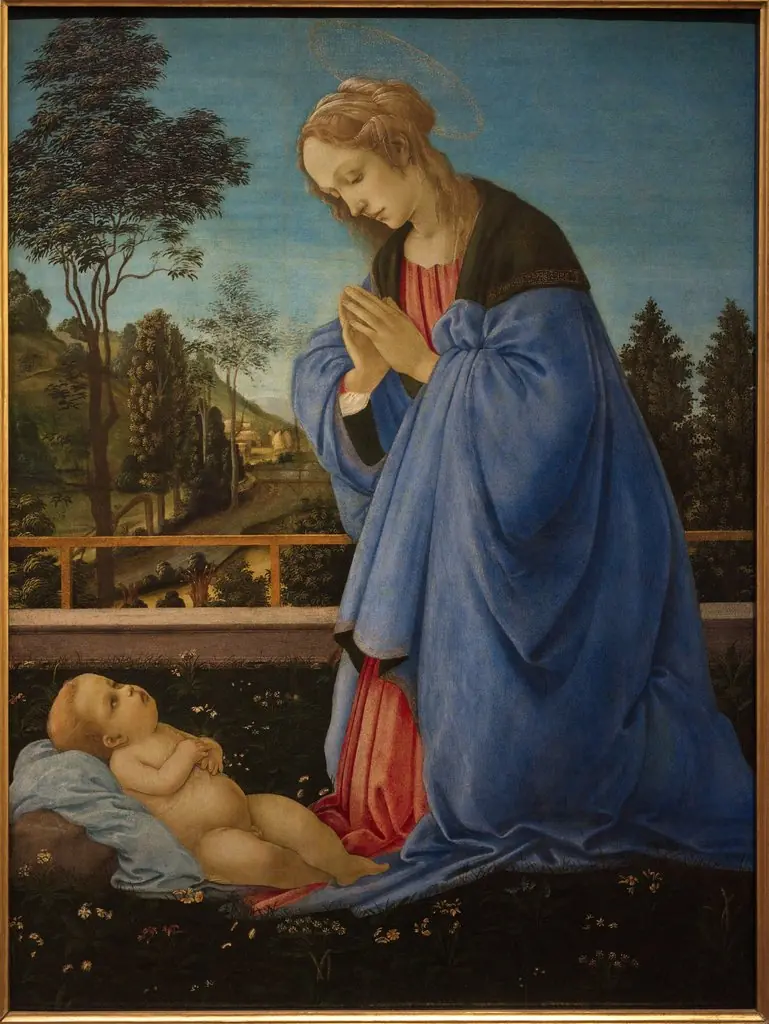 Adoration of the Child
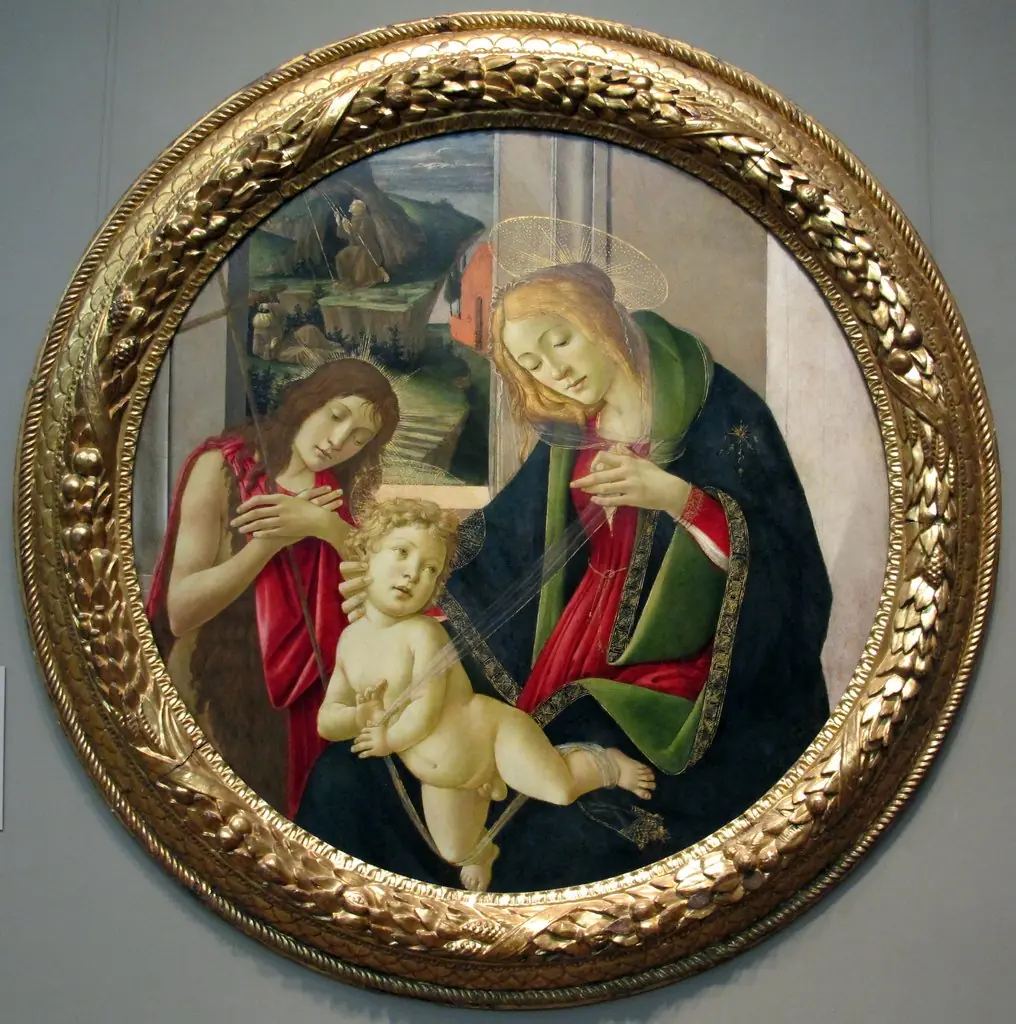 Madonna and Child with Saint John
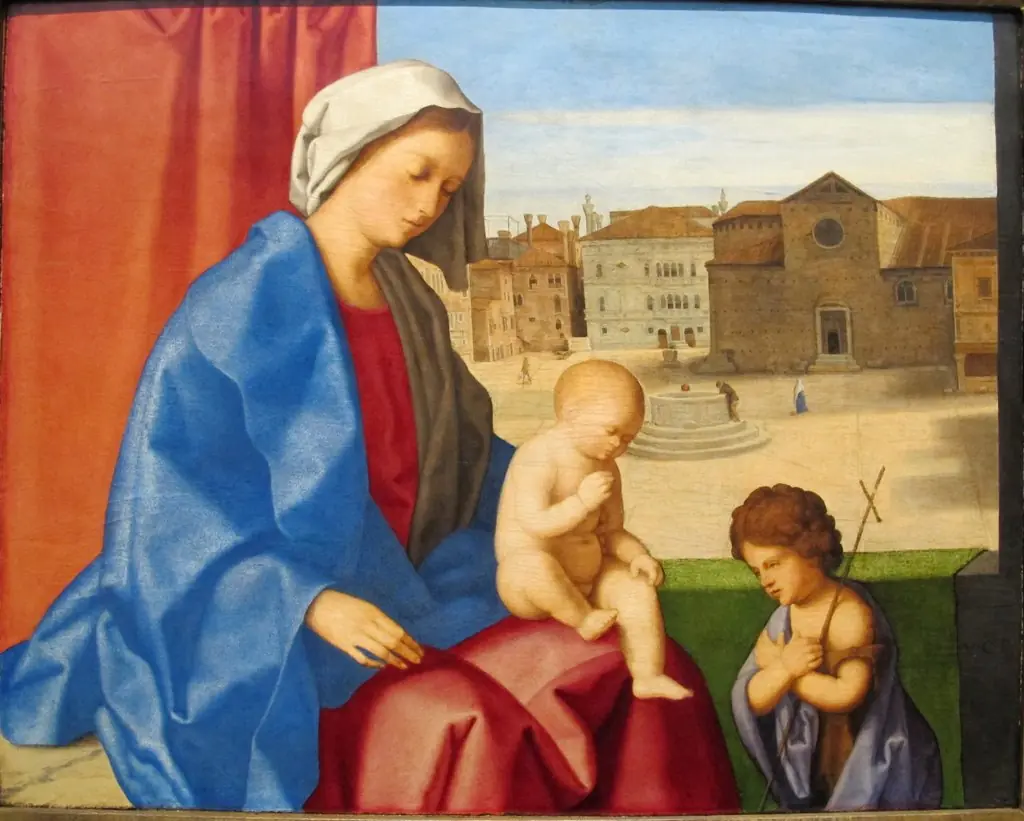 The Madonna and Child with the Infant Saint John the Baptist
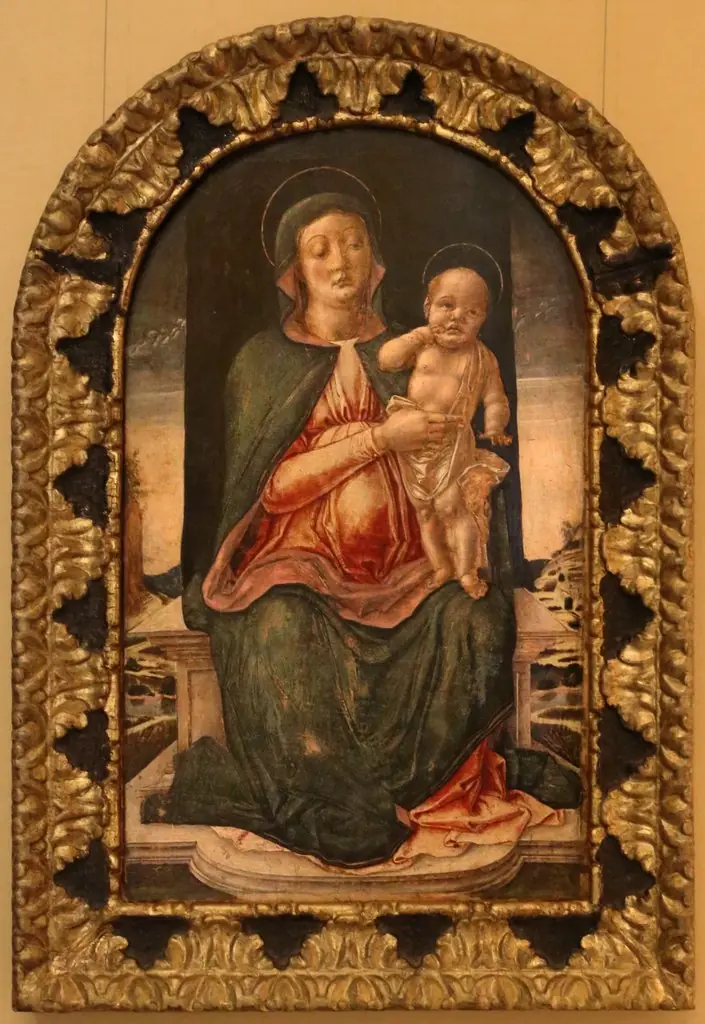 madonna col bambino
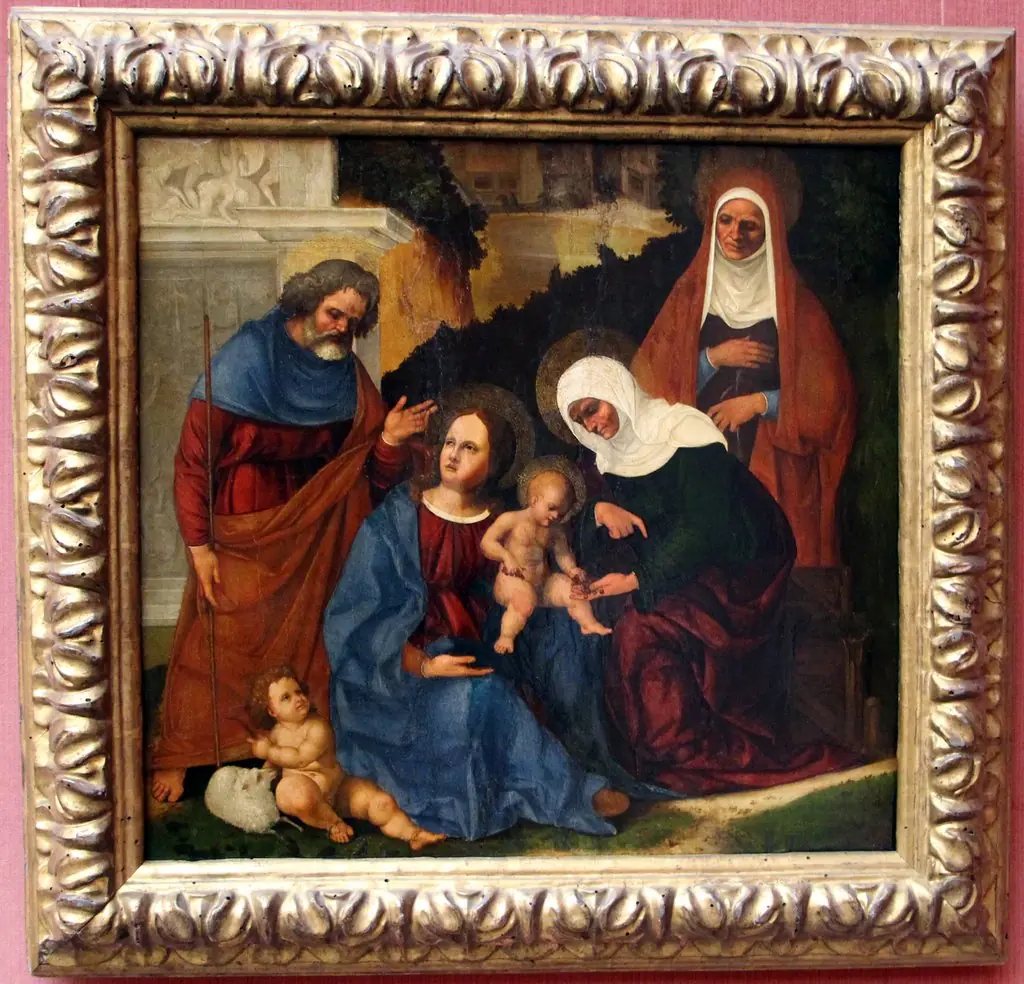 Die Heilige Familie mit Elisabeth, Anna und dem Johannesknaben
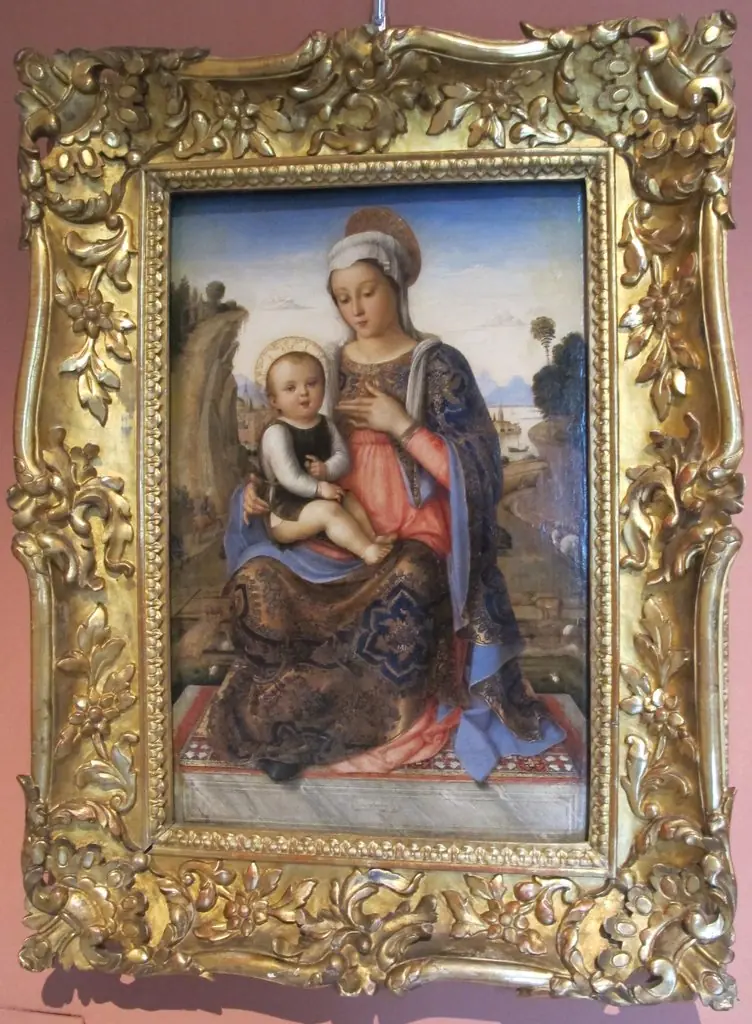 madonna col bambino
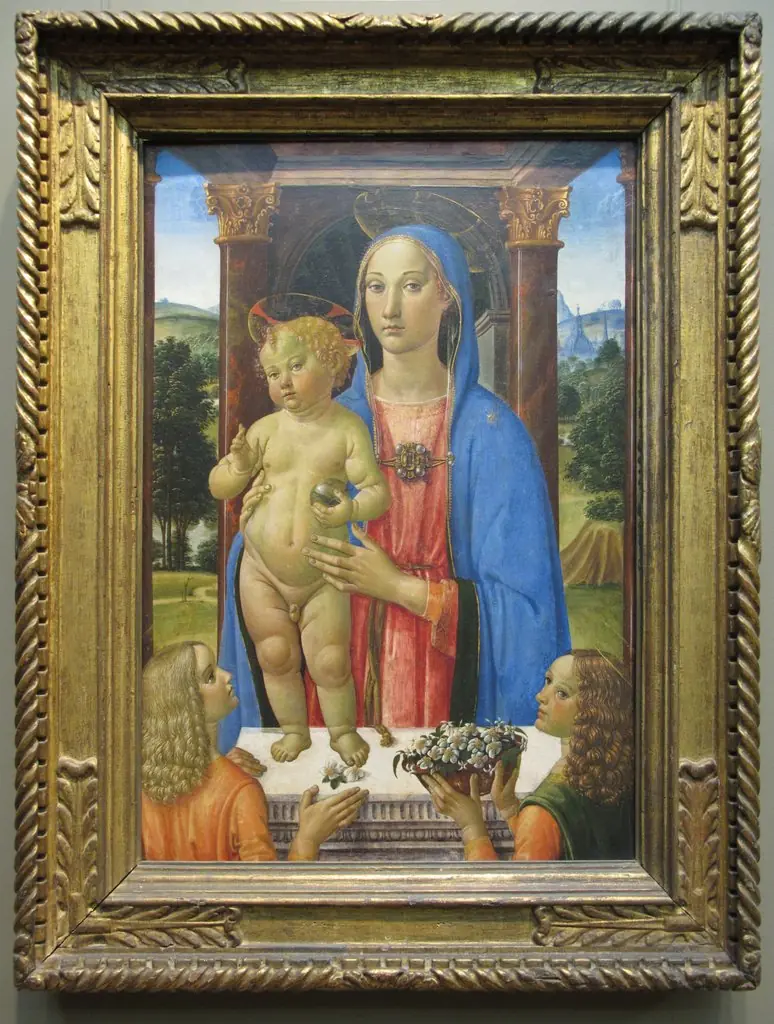 Madonna and Child with Angels