Artwork
Gladiators Fighting
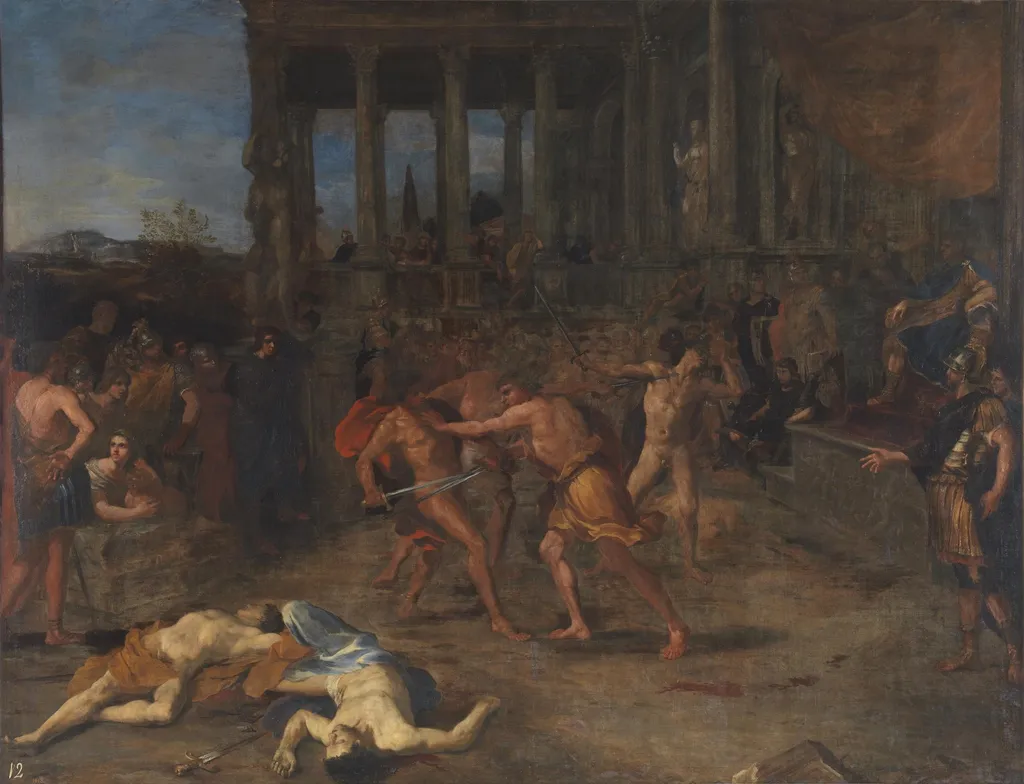
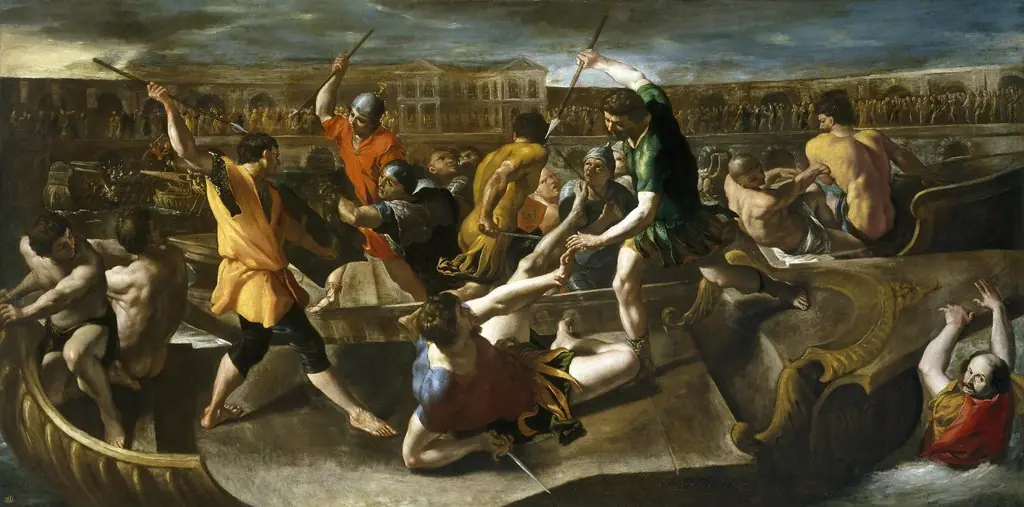
Gladiators Fighting is an oil painting by the Early Baroque Italian artist Giovanni Lanfranco. It dates from 1601 and is held in the collection of the Museo del Prado.
About this work
Overview
Giovanni Lanfranco’s oil painting *Gladiators Fighting* was executed in 1601. The work belongs to the early Italian Baroque period and is currently part of the Museo del Prado’s collection. It presents a vigorous tableau of two combatants locked in a gladiatorial duel, captured with the movement and tension typical of Lanfranco’s mature output.
Subject & Meaning
The canvas portrays a staged encounter between two gladiators, emphasizing the physicality and drama of ancient Roman spectacles. By focusing on the clash of bodies rather than narrative detail, the painting invites viewers to contemplate the raw intensity of combat and the timeless fascination with heroic struggle.
Technique & Style
Lanfranco employed oil on canvas to achieve a rich, layered surface, allowing for deep chiaroscuro and luminous flesh tones. The composition is marked by diagonal thrusts and a swirling arrangement of figures, hallmarks of the Baroque’s dynamic visual language, while the rendering of anatomy reflects the classicist influence of Annibale Carracci.
History & Provenance
Created in the early 17th century, the painting entered the Spanish royal collection before being transferred to the Museo del Prado, where it remains on display. Its provenance traces a typical path for works of the Bolognese school, moving from private patronage in Italy to institutional ownership in Madrid.
Own this work as a print
Artist & collection
Artist
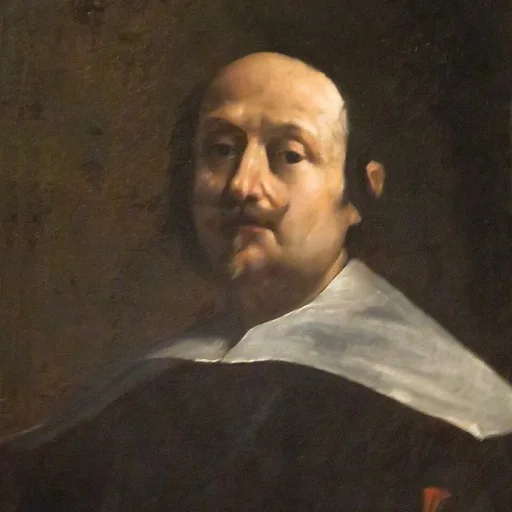
Giovanni Lanfranco (26 January 1582 – 30 November 1647) was an Italian Baroque painter. He was a distinguished artist of the Bolognese school, deeply influenced by Annibale Carracci's’ classicism.

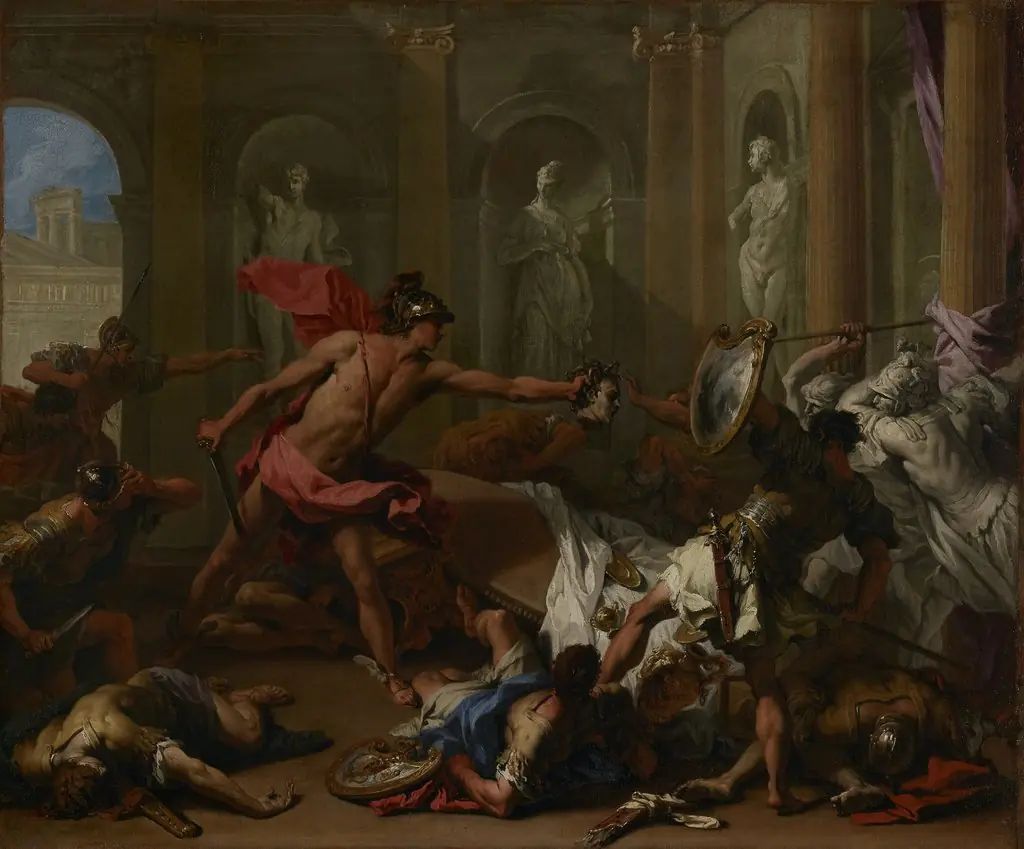 Perseus Confronting Phineus with the Head of Medusa
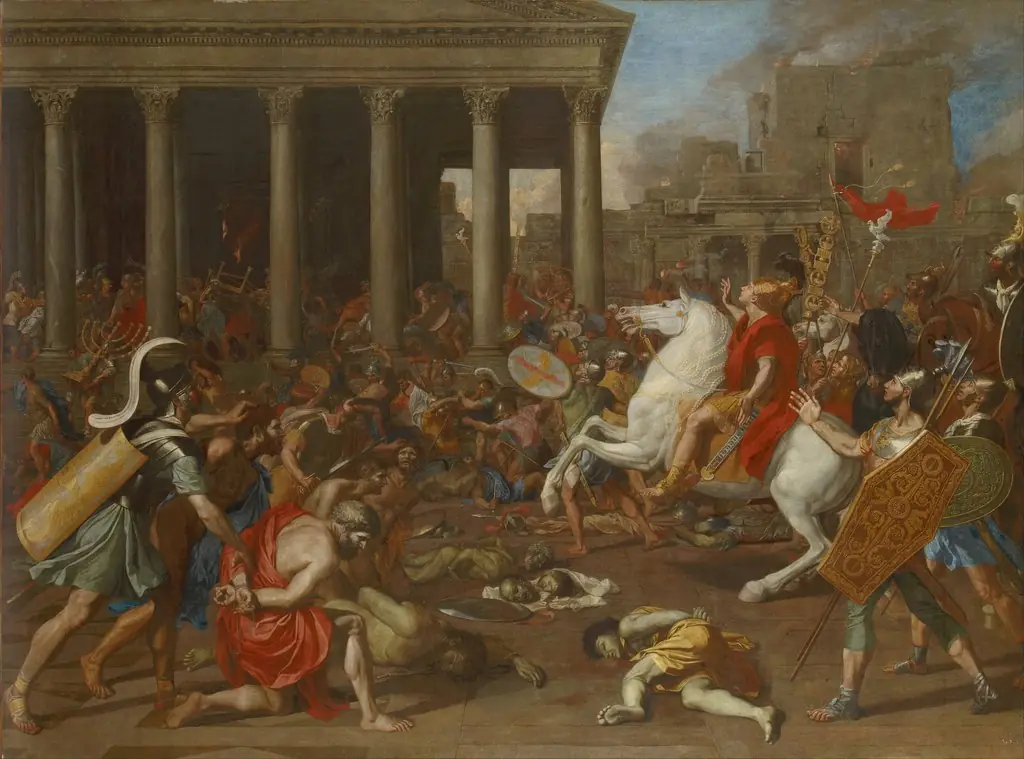 The Conquest of Jerusalem by Emperor Titus
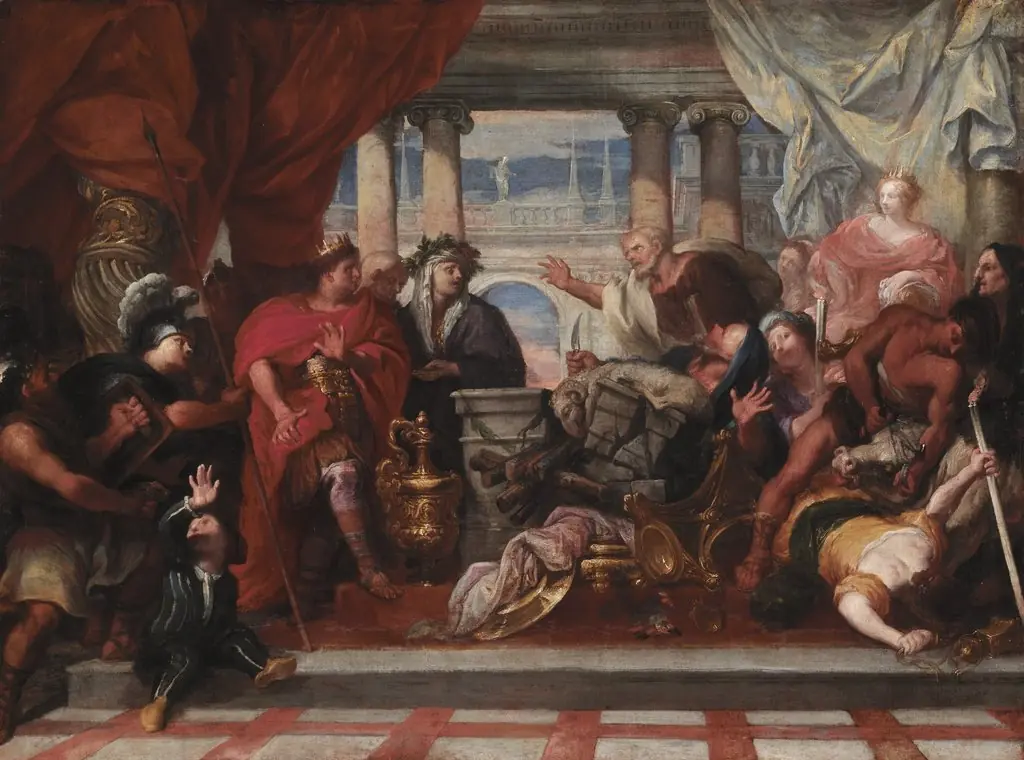 Scene of Sacrifice
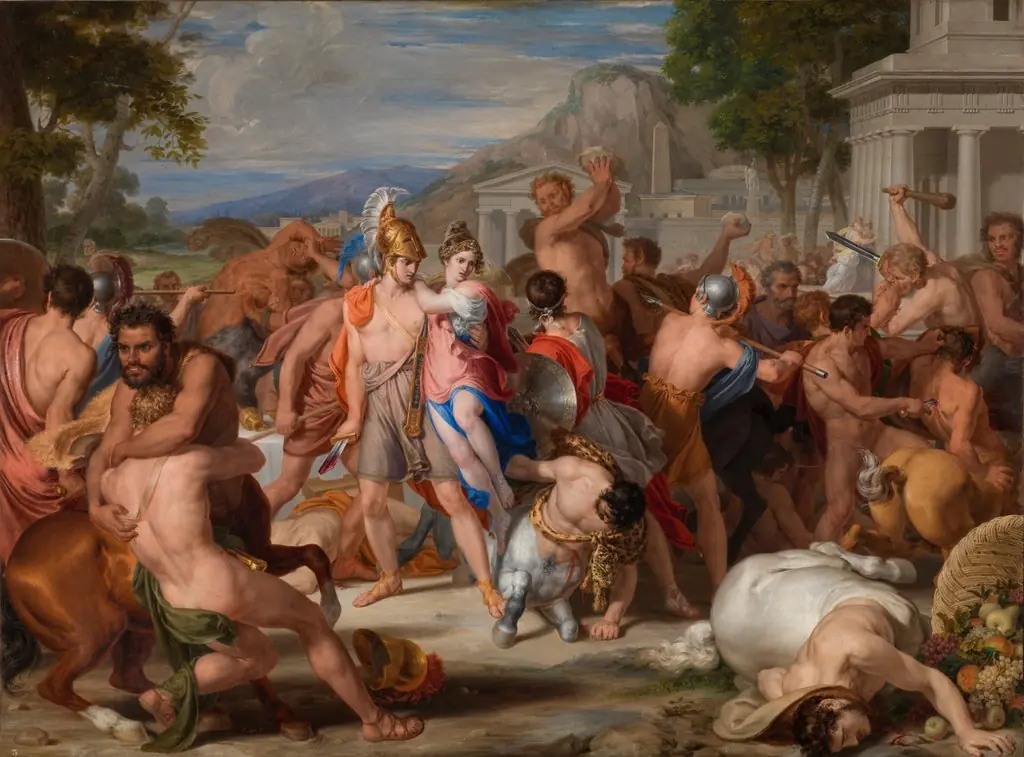 Batalla de lapitas y centauros.
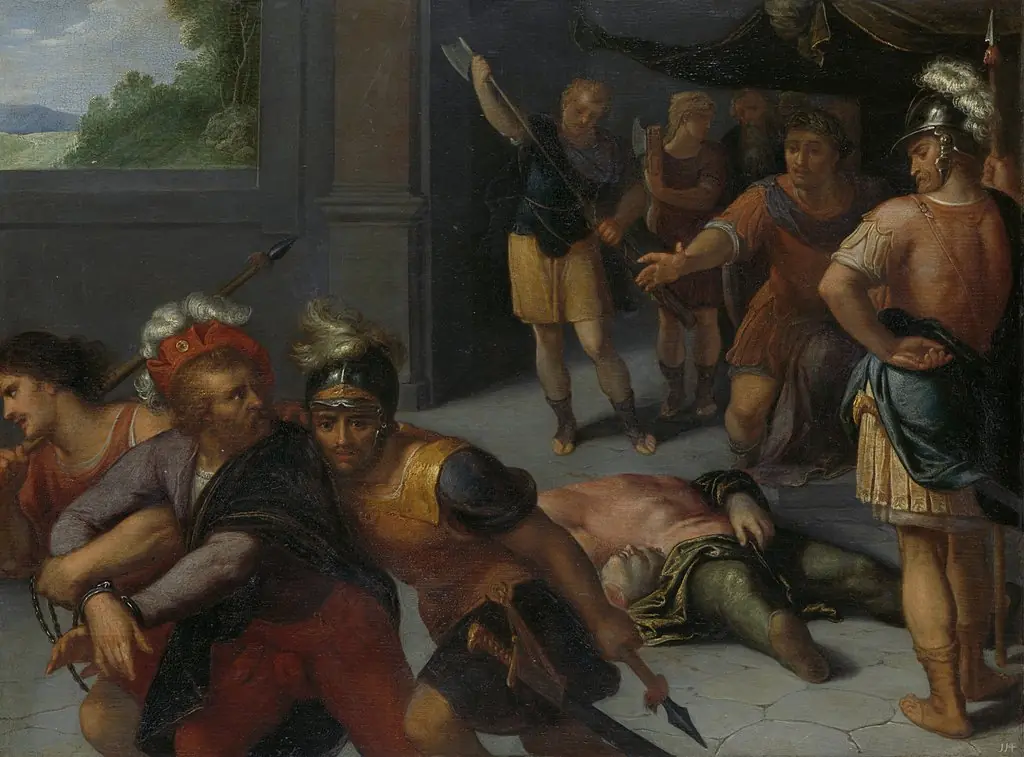 Beheading of Julius Paulus and Imprisonment of Claudius Civilis
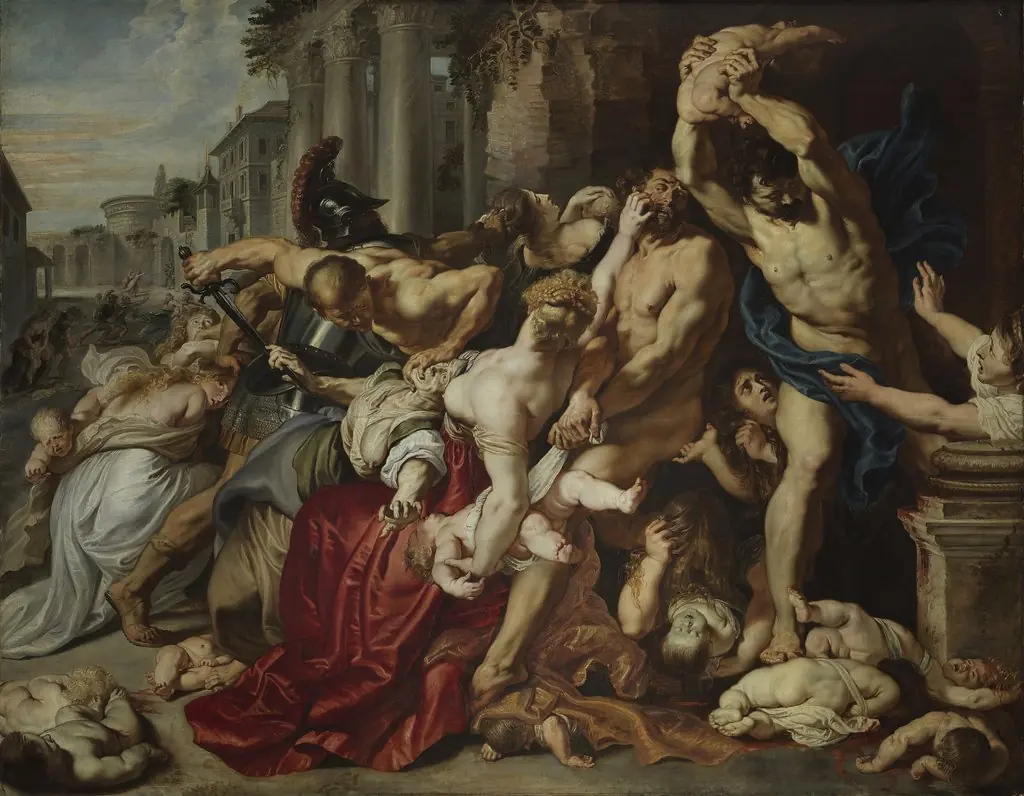 Massacre of the Innocents
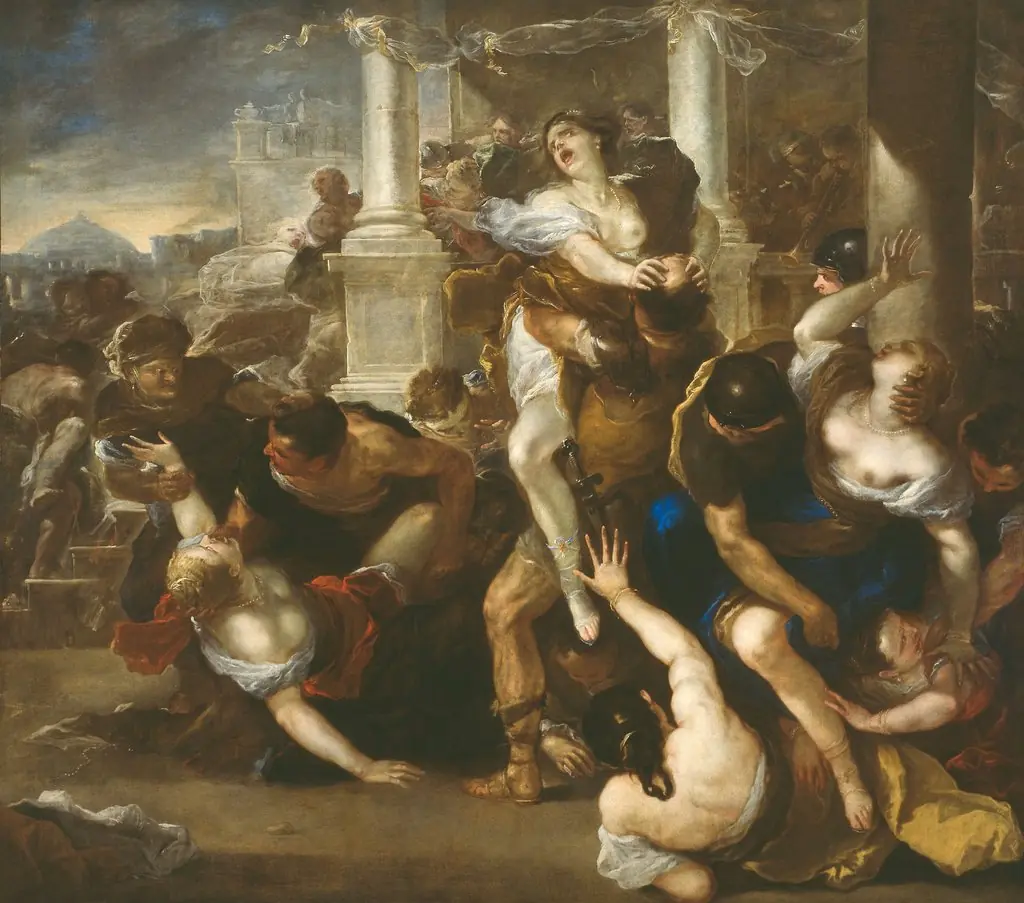 The Abduction of the Sabine Women
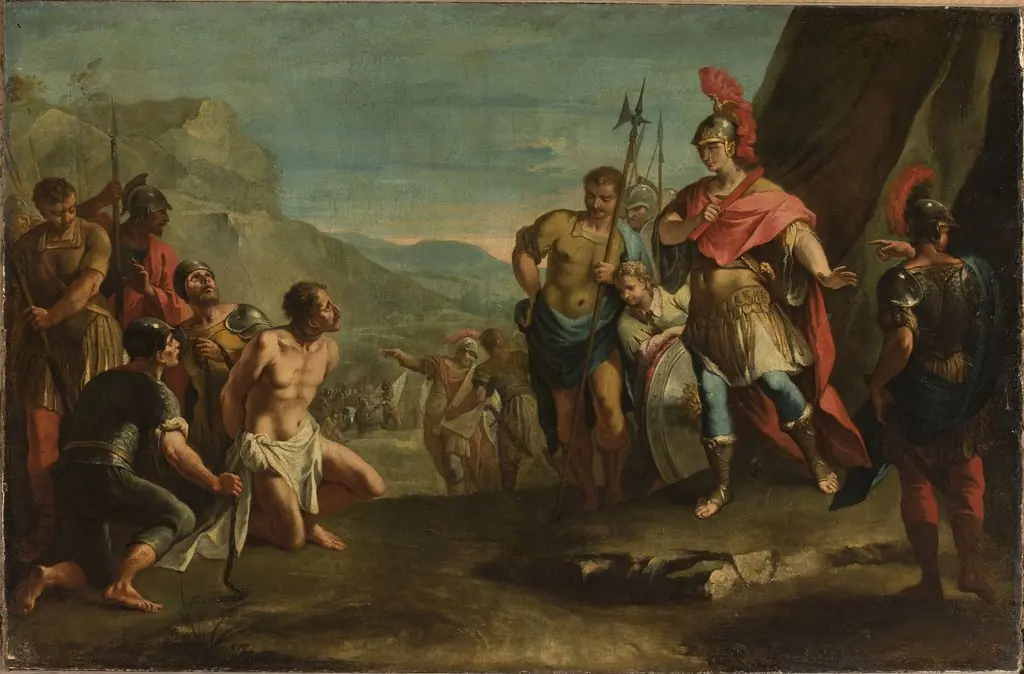 Killer of Darius before Alexander (King Porus and Alexander the Great)
 Atelierul lui Vulcan
 The Abduction of the Sabine Women