Artwork
La arat
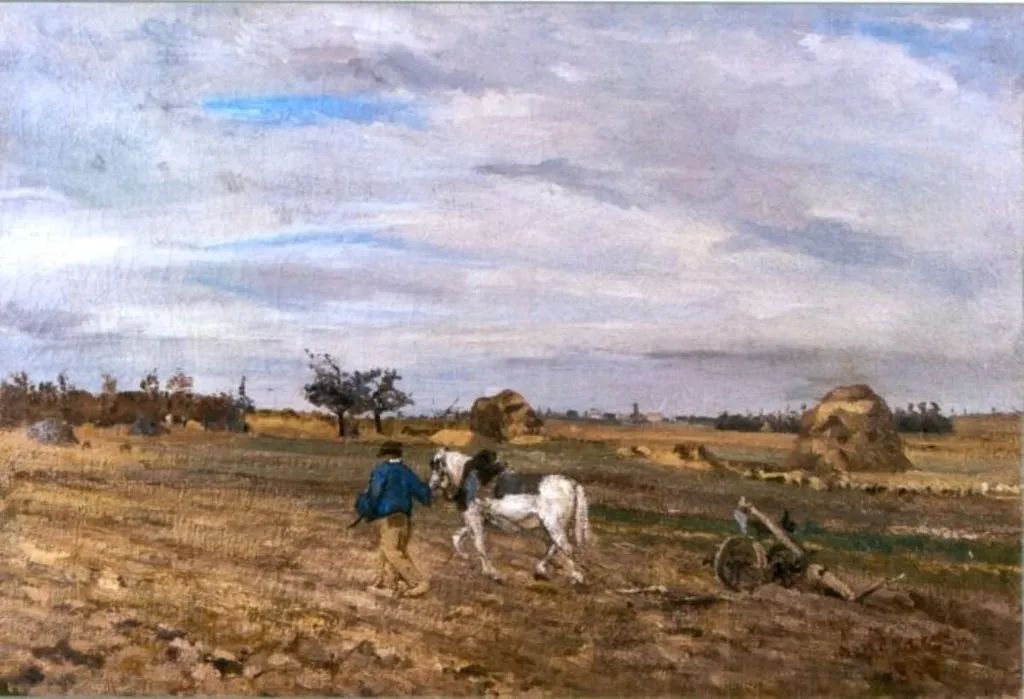
La arat is an unspecified painting by the Impressionist artist Ion Andreescu. It dates from 1880 and is held in the collection of the National Museum of Art of Romania.
About this work
Overview
La arat, painted by Ion Andreescu in 1880, depicts a rural labor scene in Romania. A man in a blue coat walks beside two horses pulling a cart across a dry, uneven field. The landscape is sparse, marked by patches of grass, scattered stones, and distant bare trees beneath a muted, overcast sky. The composition conveys quiet movement and the rhythm of agricultural work.
Subject & Meaning
The painting portrays a moment of everyday rural labor, emphasizing the quiet endurance of peasant life. The solitary figure and the slow progress of the cart suggest the repetitive, unglamorous nature of farming. There is no idealization—only the presence of work and the land it depends on, reflecting a realist concern with ordinary existence.
Technique & Style
Andreescu employs loose, fluid brushwork that prioritizes atmosphere over detail. The sky and terrain are rendered with swift strokes, capturing the play of light across dry earth and the sense of wind moving through the scene. This approach aligns with emerging naturalist tendencies, favoring immediacy and sensory impression over polished finish.
History & Provenance
Created in 1880, La arat emerged during a period when Romanian artists were turning toward native subjects and landscapes, moving away from academic traditions. The work was likely exhibited in early national art circles, contributing to a growing cultural identity rooted in rural life. Its current location remains undocumented in public records.
Context
In late 19th-century Romania, artists like Andreescu sought to depict the nation’s peasantry with dignity and authenticity. This movement paralleled broader European trends toward realism and plein air painting, though with a distinct regional focus. La arat reflects a national effort to define art through local experience rather than imported styles.
Legacy
La arat stands as an early example of Romanian naturalism, influencing later generations to value everyday scenes over historical or mythological themes. While not widely known internationally, it remains significant within Romanian art history for its honest portrayal of rural labor and its departure from academic conventions.
Artist & collection





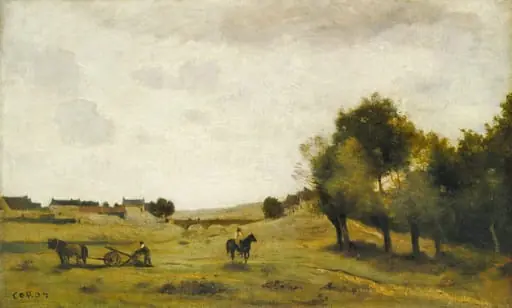 View near Epernon
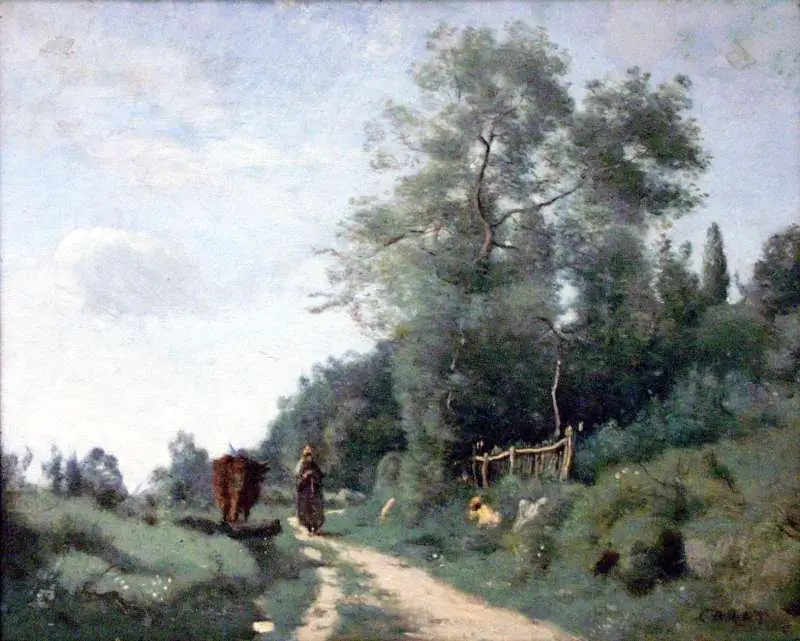 Mortefontaine: The Path to the Little Fence
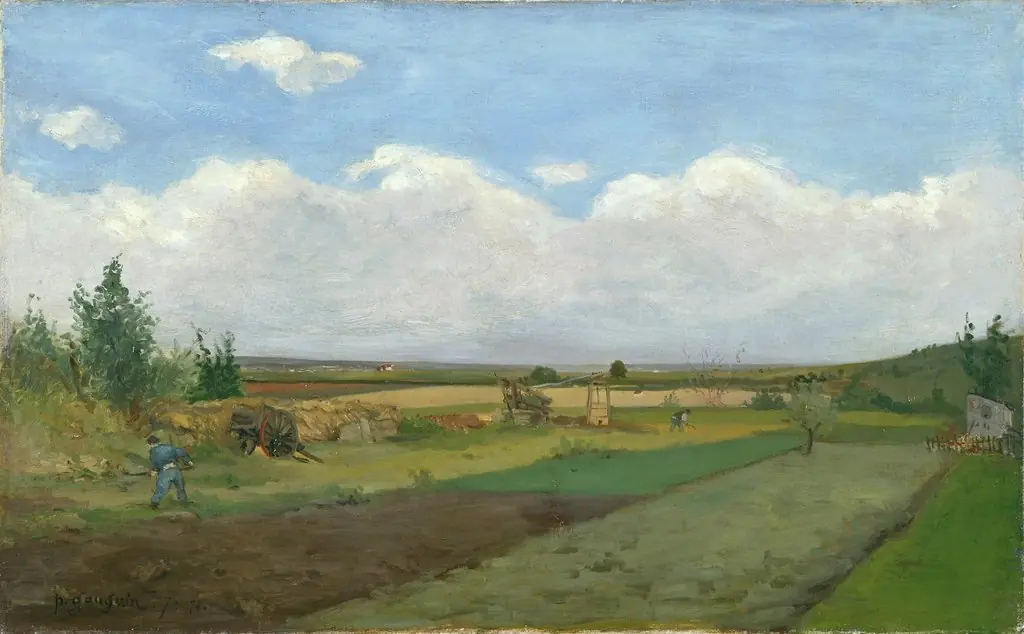 Landscape
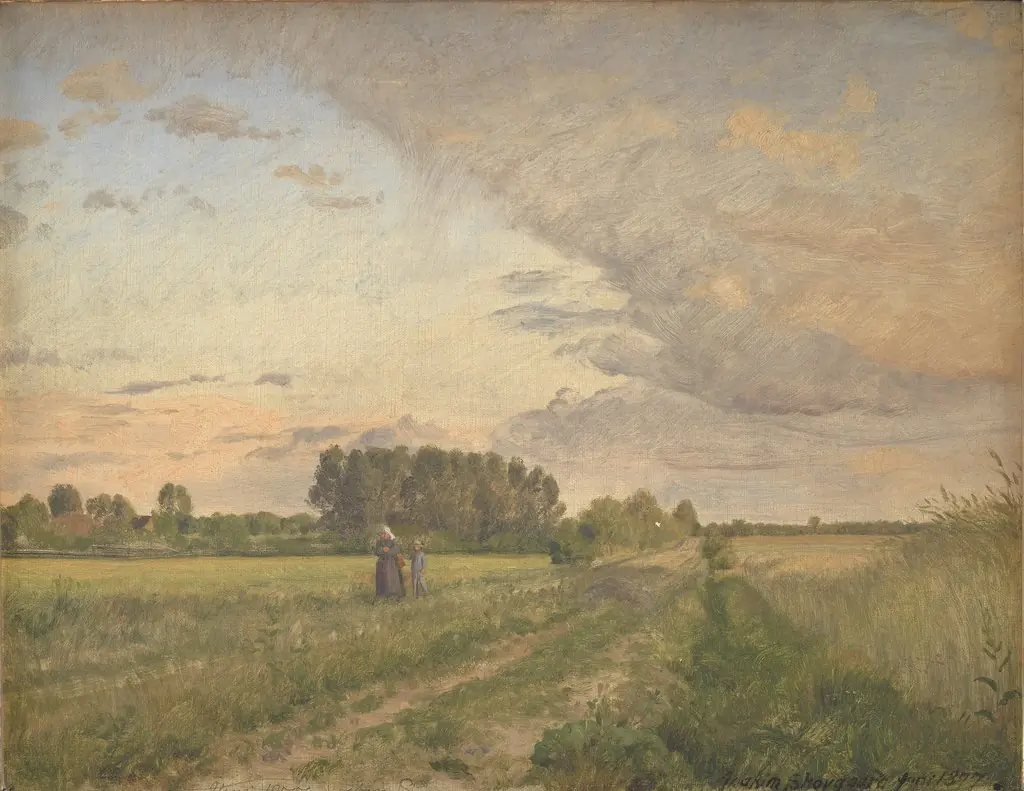 Sommerlandskab
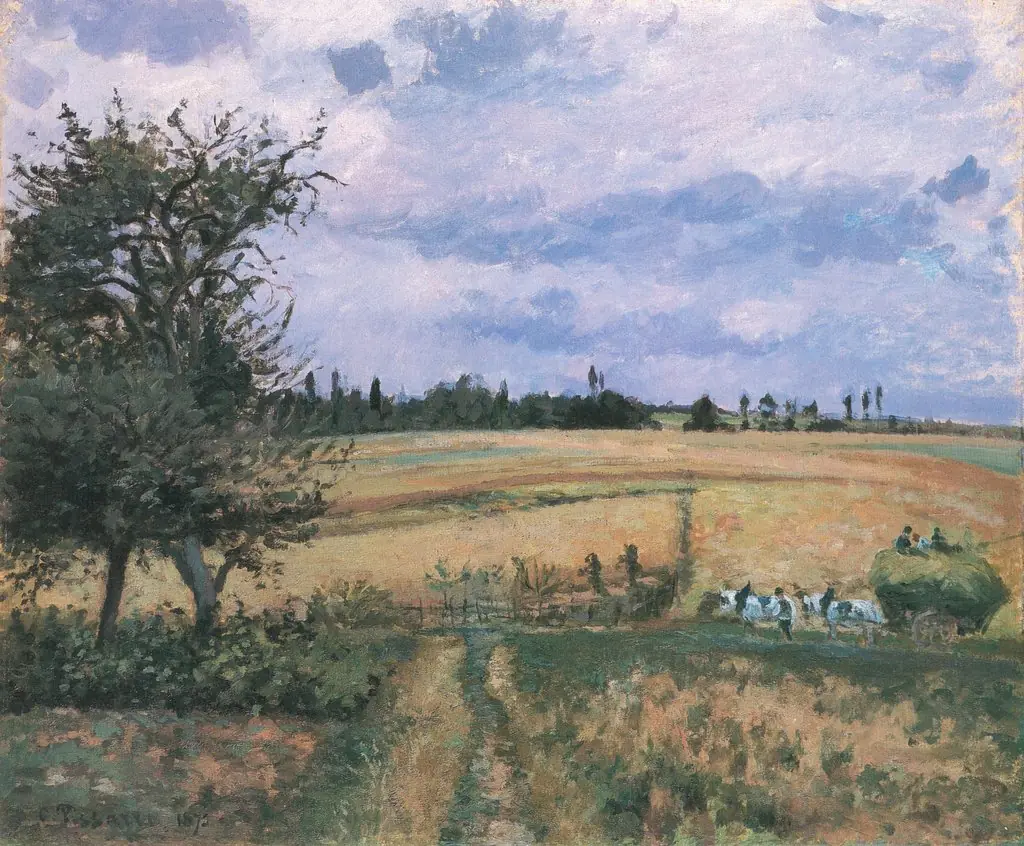 Landscape near Pontoise
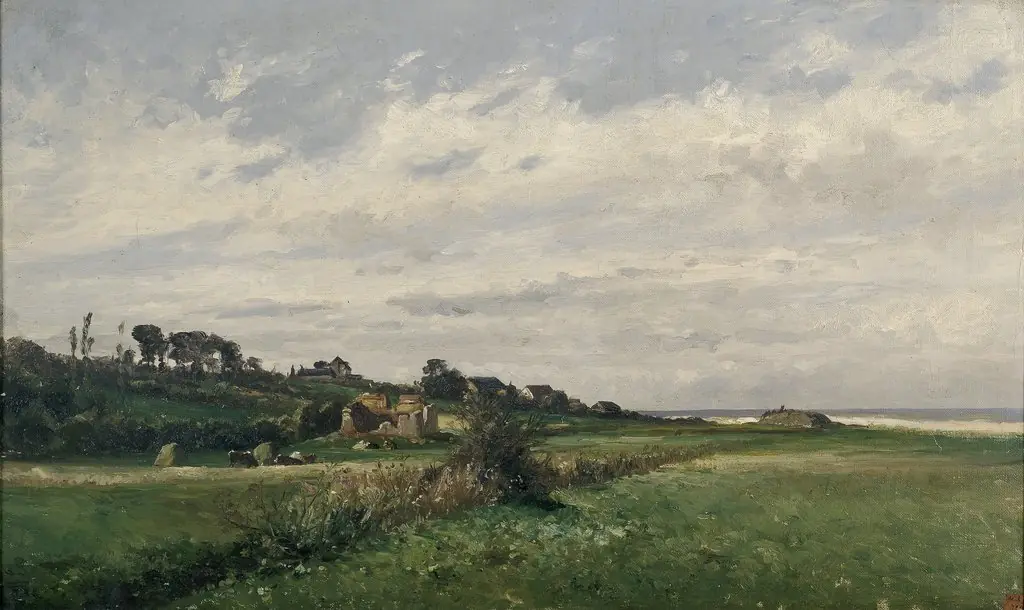 Praderas (Villerville)
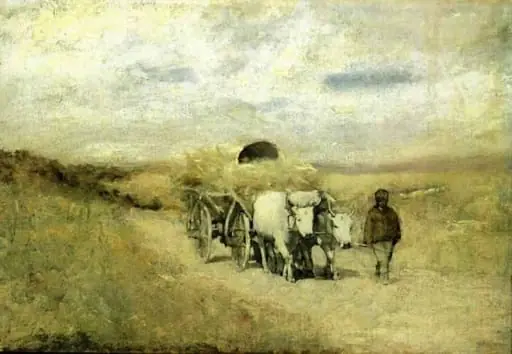 Car cu boi
 Derniers rayons du soleil
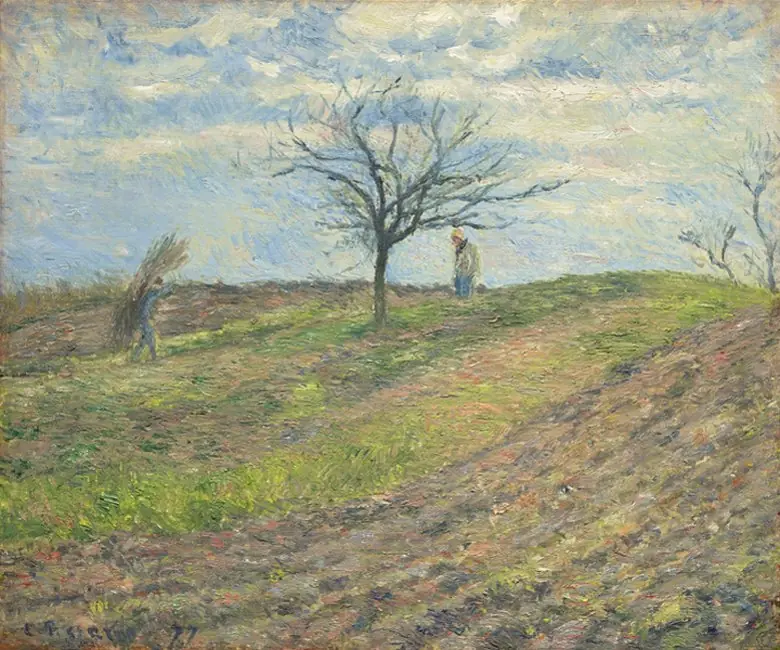 Ploughed Field in Winter with a Man Carrying a Bundle of Sticks
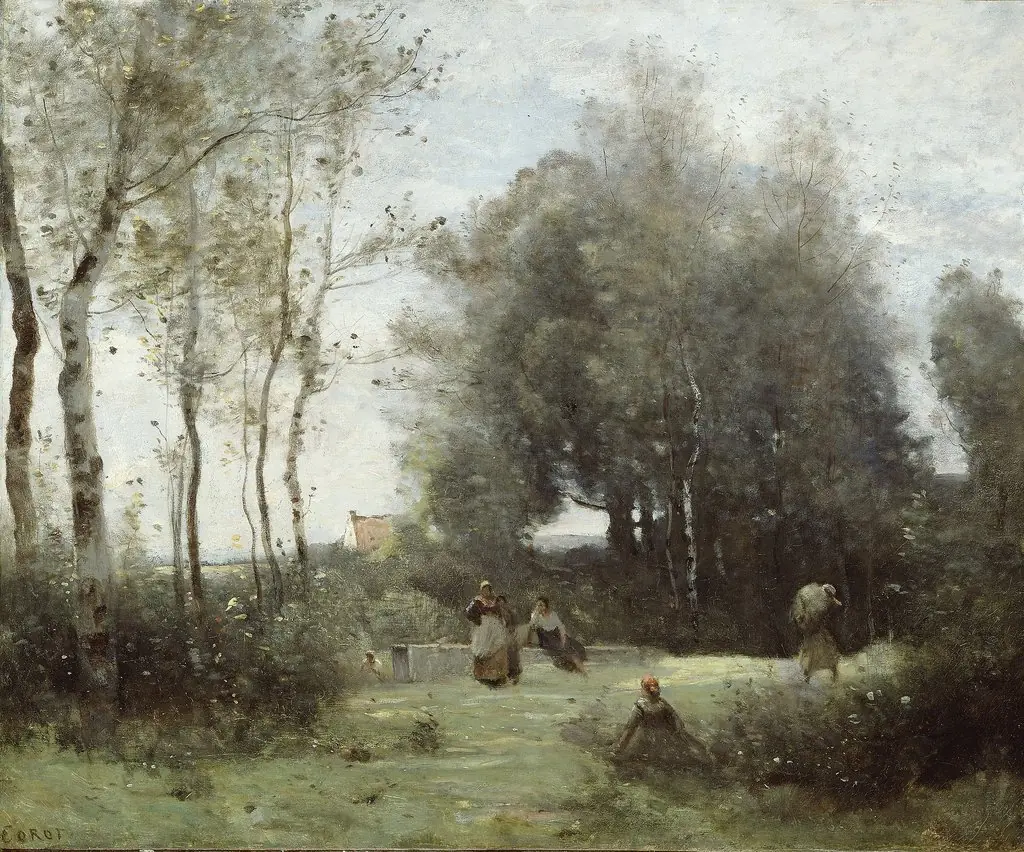 Arleux-Palluel, The Bridge of Trysts
 Landscape
 Landscape in the Environs of The Hague