Artwork
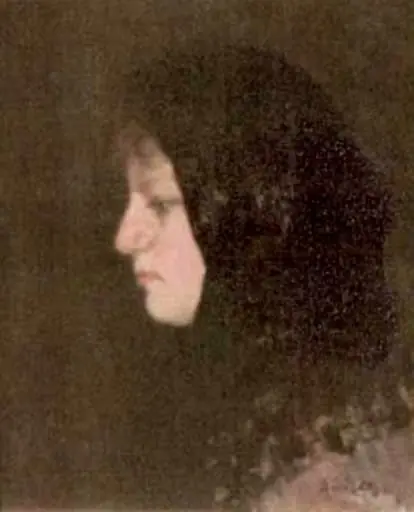
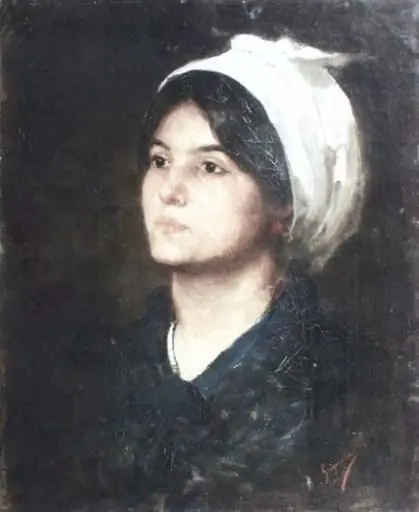
Țărancă cu broboadă verde
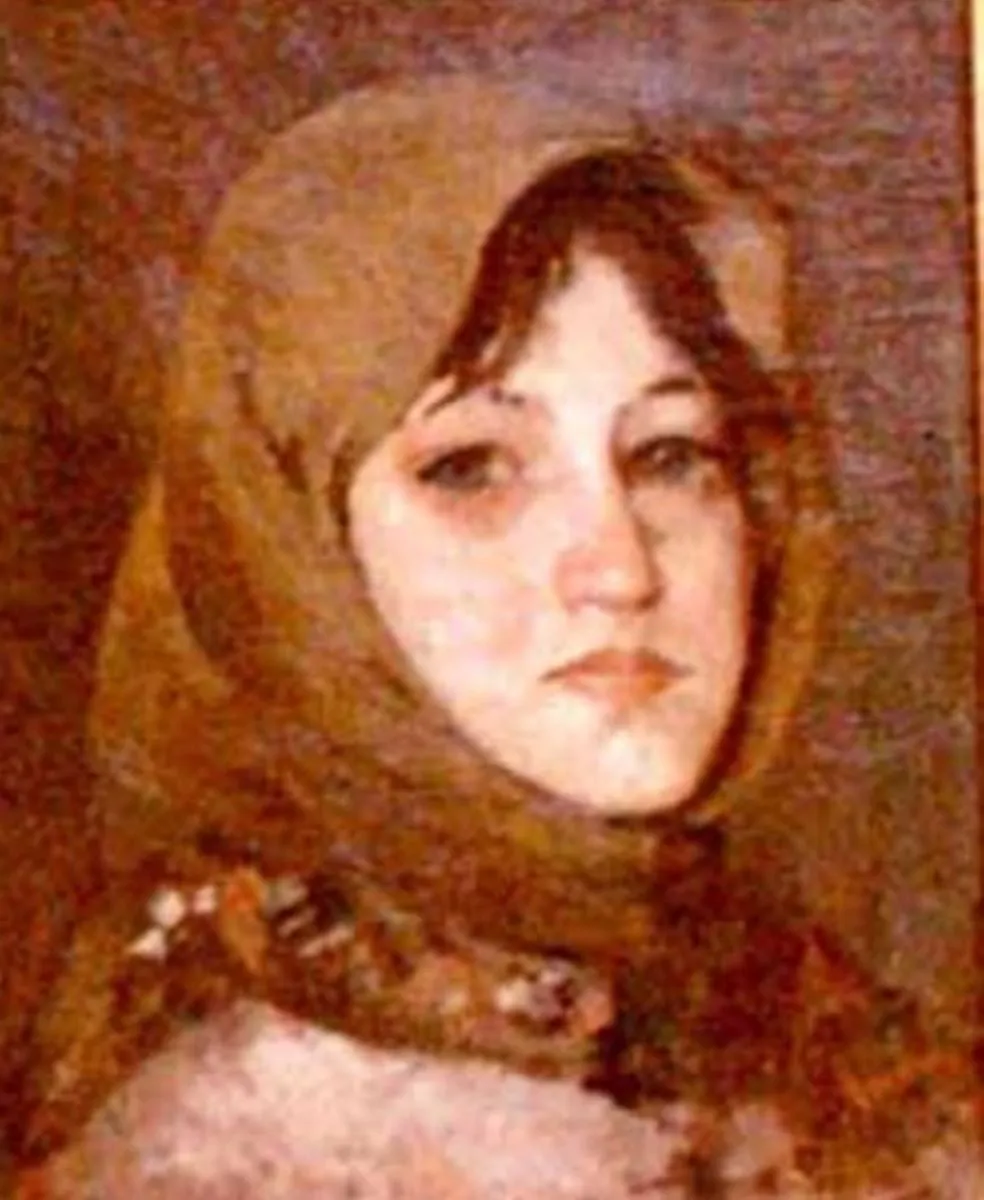
Țărancă cu broboadă verde is an unspecified painting by Ion Andreescu. It dates from 1850 and is held in the collection of the National Museum of Art of Romania.
About this work
Overview
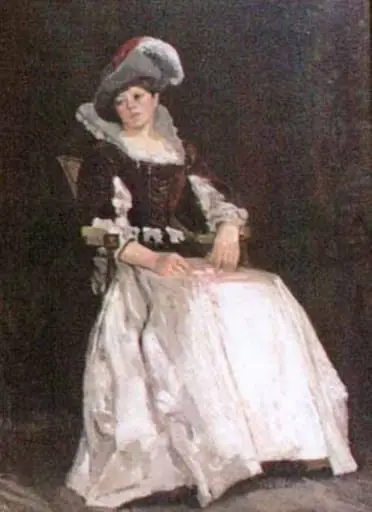
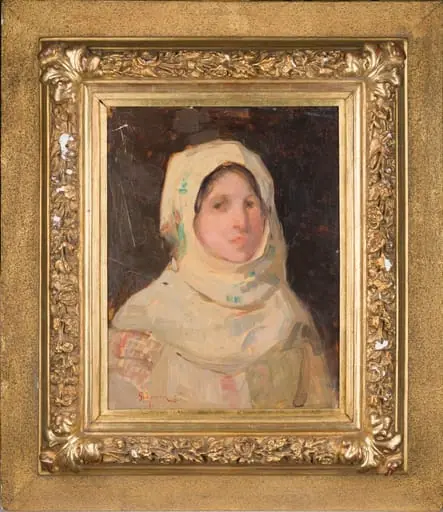
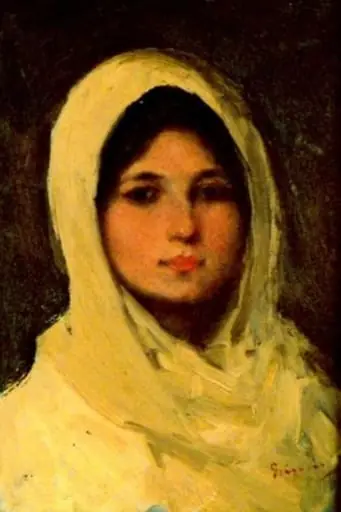
Painted around 1850 by Ion Andreescu, this portrait captures a rural Romanian woman in quiet repose. The work is executed in oil on canvas, emphasizing modesty and stillness. Its small scale and restrained palette reflect a focus on individual presence rather than narrative. The painting belongs to an early phase of Romanian academic art, where everyday subjects began to gain artistic legitimacy.
Subject & Meaning
The image resists romanticism, instead offering a quiet acknowledgment of ordinary life, common in Andreescu’s early studies of rural figures.
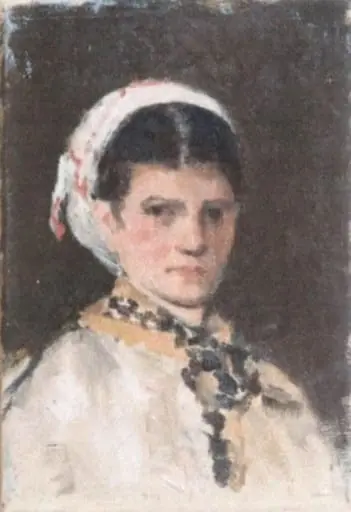
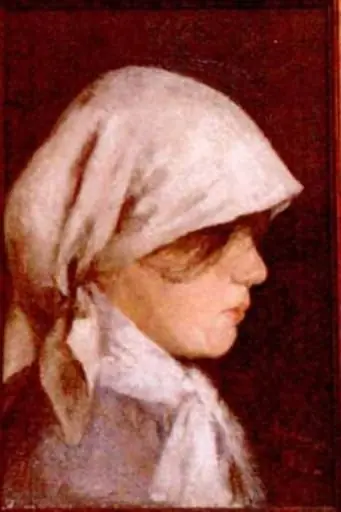
The subject is a peasant woman, her identity unspecified, rendered without idealization. Her green headscarf and simple clothing signal regional dress, grounding her in local tradition. The neutral expression and slight head tilt convey introspection rather than emotion. The image resists romanticism, instead offering a quiet acknowledgment of ordinary life, common in Andreescu’s early studies of rural figures.
Technique & Style
Andreescu employs soft brushwork and muted earth tones to create a subdued atmosphere. The green scarf stands as the only vivid element, drawing attention without disrupting the harmony. Light falls gently across the face and shoulders, modeling form without dramatic contrast. The background is deliberately indistinct, isolating the figure and reinforcing the painting’s intimate scale and contemplative mood.
History & Provenance
The painting’s early history is undocumented, but it is known to have been held in Romanian private collections by the late 19th century. It entered public ownership in the 20th century and is now part of a national art collection. Its attribution to Andreescu is consistent with his known output from the 1850s, though no exhibition records from the artist’s lifetime survive for this specific work.
Context
In mid-19th century Romania, artists began turning from mythological or aristocratic subjects to depictions of peasants and rural life, influenced by European realism and national identity movements. Andreescu’s work aligned with this shift, contributing to a visual language that valued authenticity over ornament. This portrait reflects a broader cultural interest in defining Romanian identity through its people.
Legacy
Though not widely exhibited during Andreescu’s lifetime, this painting has come to represent an early, sensitive approach to Romanian peasant portraiture. It influenced later generations of artists who sought to portray rural life with dignity rather than sentimentality. Its quiet composition and restrained palette remain a reference point in discussions of 19th-century Romanian realism.
Artist & collection