Artwork
El pintor Vicente Palmaroli
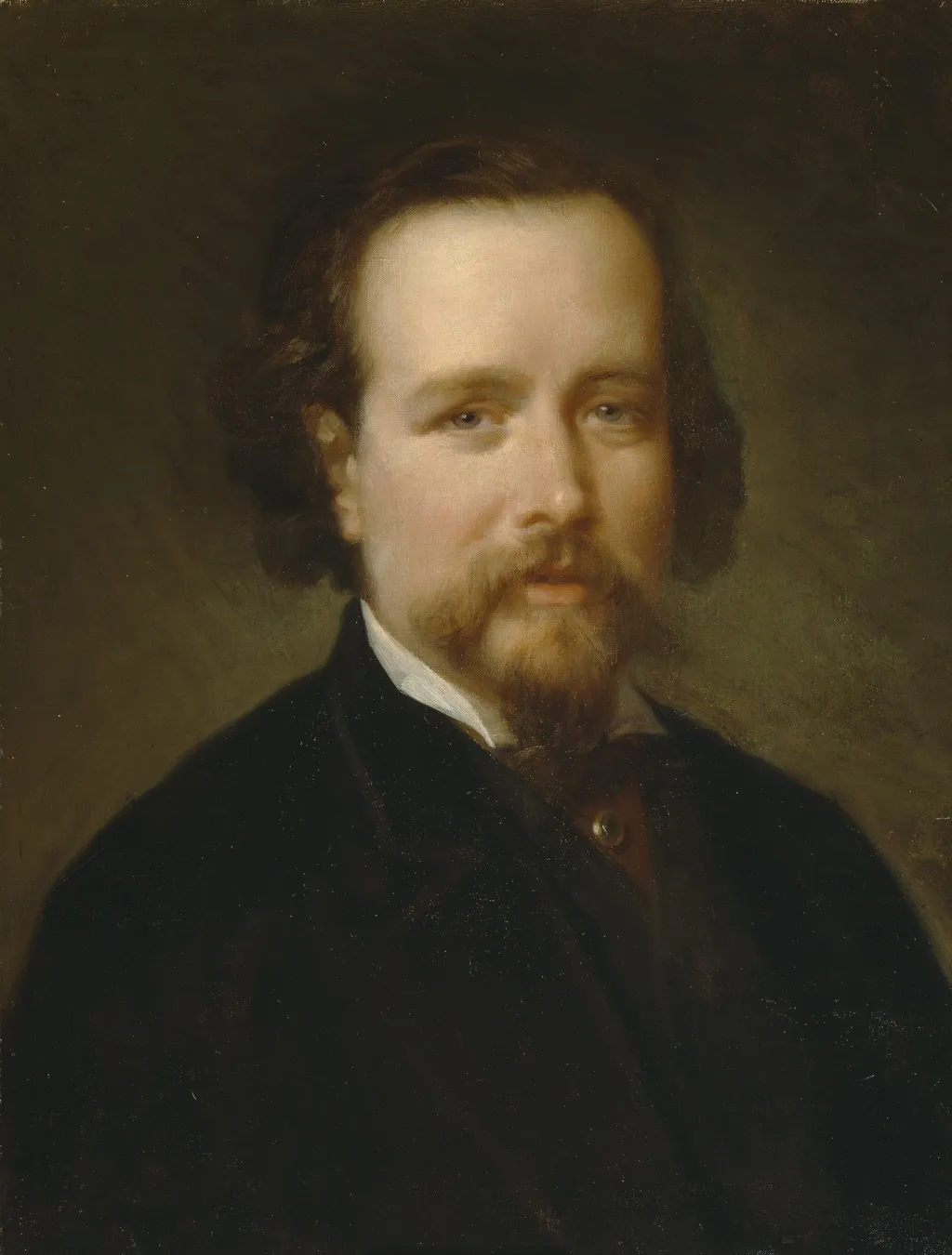
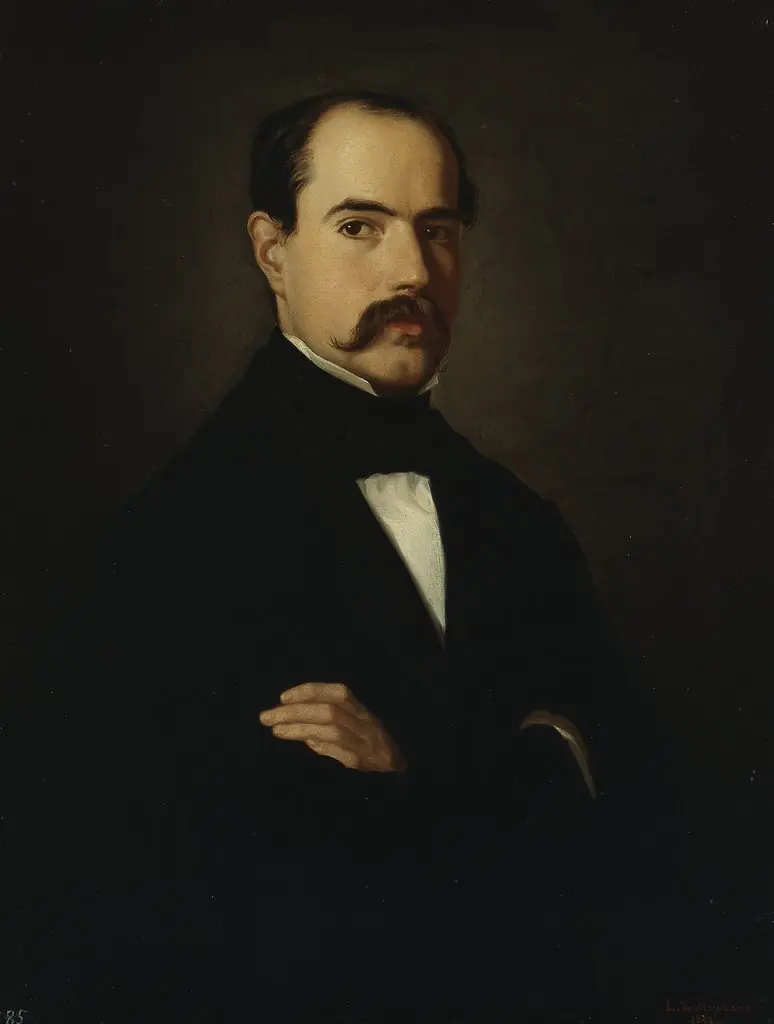
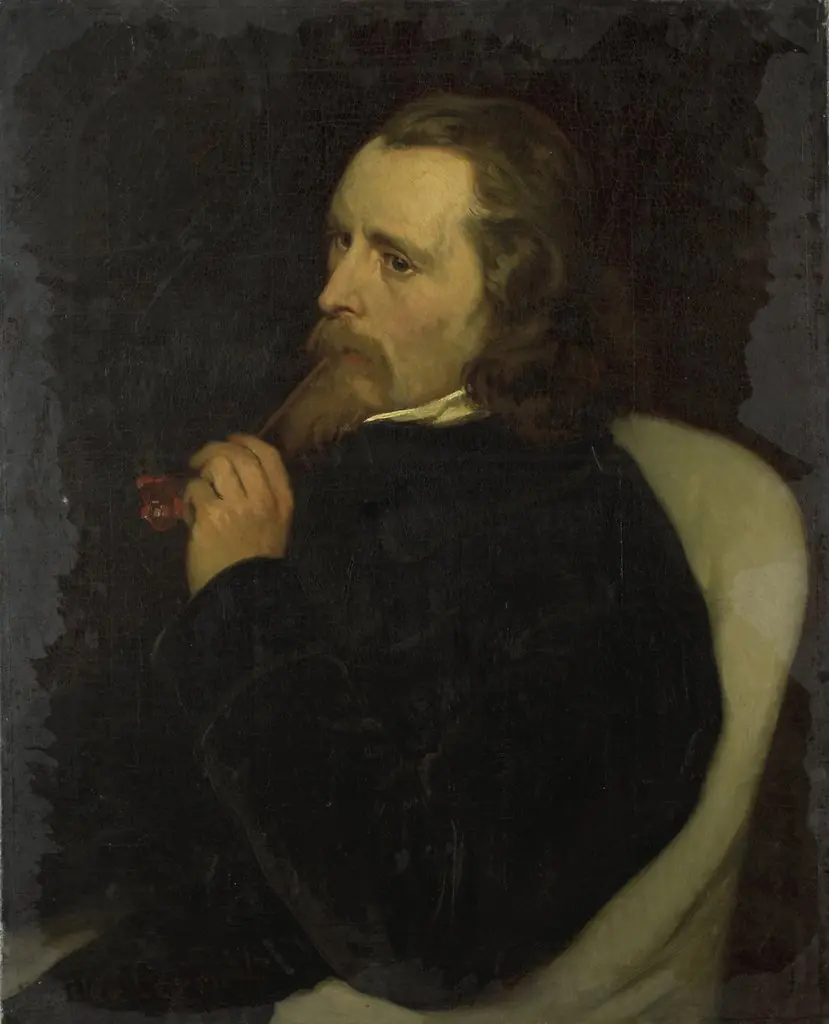
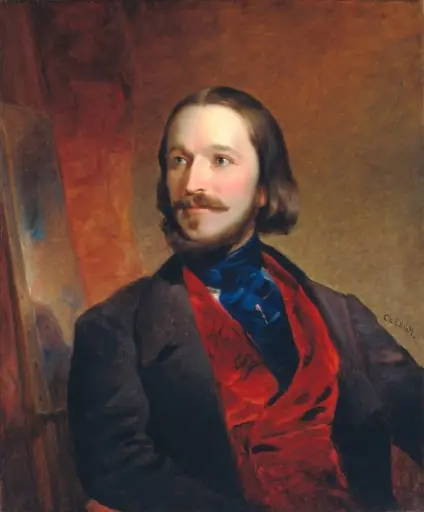
El pintor Vicente Palmaroli is an oil painting by the Realist artist Luis de Madrazo. It dates from 1866 and is held in the collection of the Museo del Prado.
About this work
This portrait painting features a man with dark hair and a beard, dressed in a black jacket over a white shirt and a dark tie.
This portrait painting features a man with dark hair and a beard, dressed in a black jacket over a white shirt and a dark tie. The background is a muted brown color.
The man's attire suggests a formal setting, possibly from the 19th century. The artist's use of oil paint adds depth and texture to the image.
If you're interested in learning more about the artist who created this piece, you might want to look up Luis de Madrazo.
Overview
Luis de Madrazo’s 1866 oil painting portrays the Spanish artist Vicente Palmaroli in a formal, introspective pose. Executed in the Realist tradition, the work captures a contemporary figure of the Spanish art world with restrained elegance. Madrazo, himself a member of a distinguished artistic lineage, rendered his subject with careful attention to texture and tone, avoiding theatricality in favor of quiet presence.
Subject & Meaning
The subject, Vicente Palmaroli, was a painter and academic figure active in 19th-century Spain. Madrazo depicts him not as an idealized hero but as a working artist: bearded, dressed in dark formal wear, and gazing directly at the viewer. The composition suggests a moment of pause between creation and reflection, emphasizing identity over narrative. The absence of symbolic objects grounds the portrait in realism, focusing on the individual’s demeanor.
Technique & Style
Madrazo employed oil paint to build subtle gradations of light and shadow across Palmaroli’s face and clothing. The black jacket and dark tie contrast with the pale shirt, creating a restrained tonal rhythm. The muted brown background recedes without distraction, allowing the figure to emerge with quiet authority. Brushwork is precise yet unobtrusive, prioritizing naturalism over decorative flourish, characteristic of mid-century Spanish Realism.
History & Provenance
Painted in 1866, the portrait entered the collection of the Museo del Prado in Madrid, where it remains today. Madrazo, part of a well-connected artistic family, likely painted Palmaroli during a period of mutual professional respect among Spanish painters. The work’s preservation in a national museum reflects its status as a documented representation of cultural figures from the era, rather than a commissioned vanity piece.
Context
In mid-19th-century Spain, portraiture served both personal and institutional functions, often documenting artists within academic circles. Madrazo’s approach aligned with broader European Realist trends that favored truthful representation over romantic idealization. Palmaroli’s inclusion among such portraits underscores the growing recognition of artists as subjects worthy of serious depiction, not merely creators of images.
Legacy
The portrait endures as a quiet record of artistic community in 19th-century Spain. While neither Madrazo nor Palmaroli achieved international fame, their mutual depiction preserves a moment of professional camaraderie. The work contributes to the Prado’s broader archive of Spanish artistic identity, offering insight into the lives of lesser-known figures who sustained the nation’s cultural institutions during a period of transition.
Own this work as a print
Artist & collection
Artist
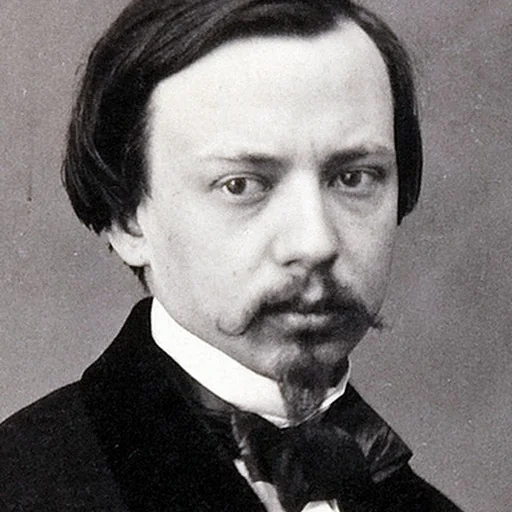
Luis de Madrazo y Kuntz (27 February 1825 – 9 February 1897) was a Spanish painter of portraits and religious scenes from a well-known family that included his father José (a painter), and his brothers Federico (also a…

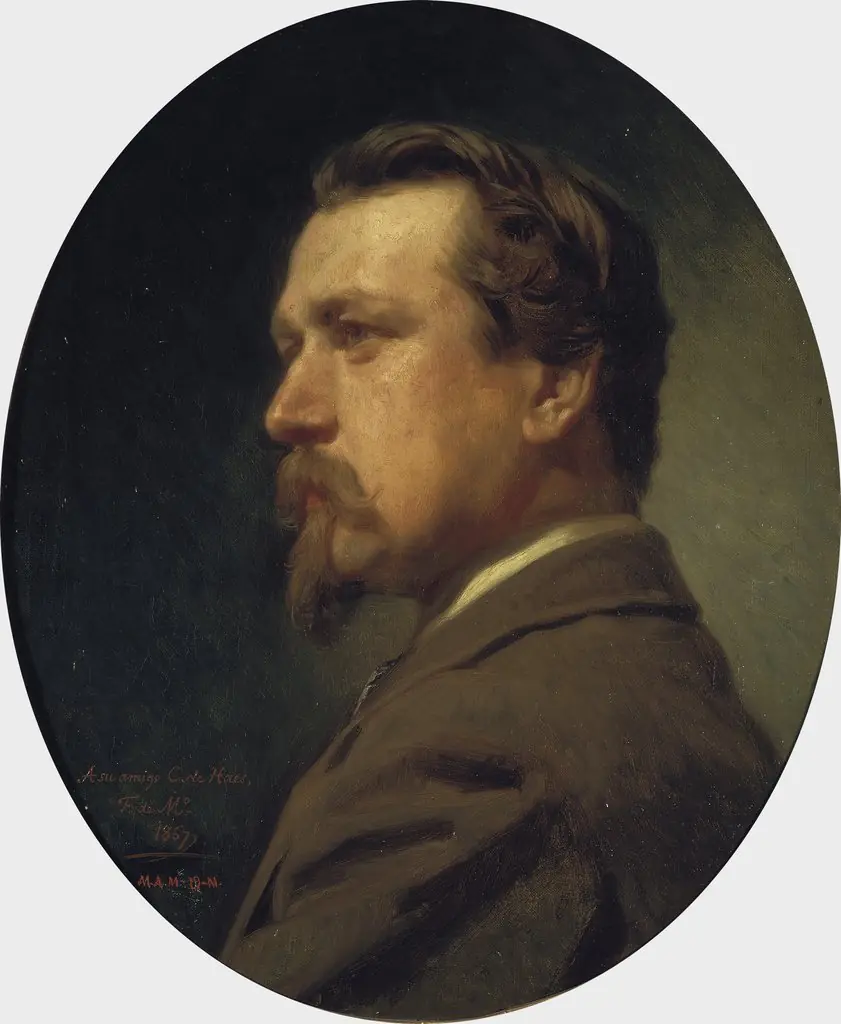 El pintor Carlos de Haes
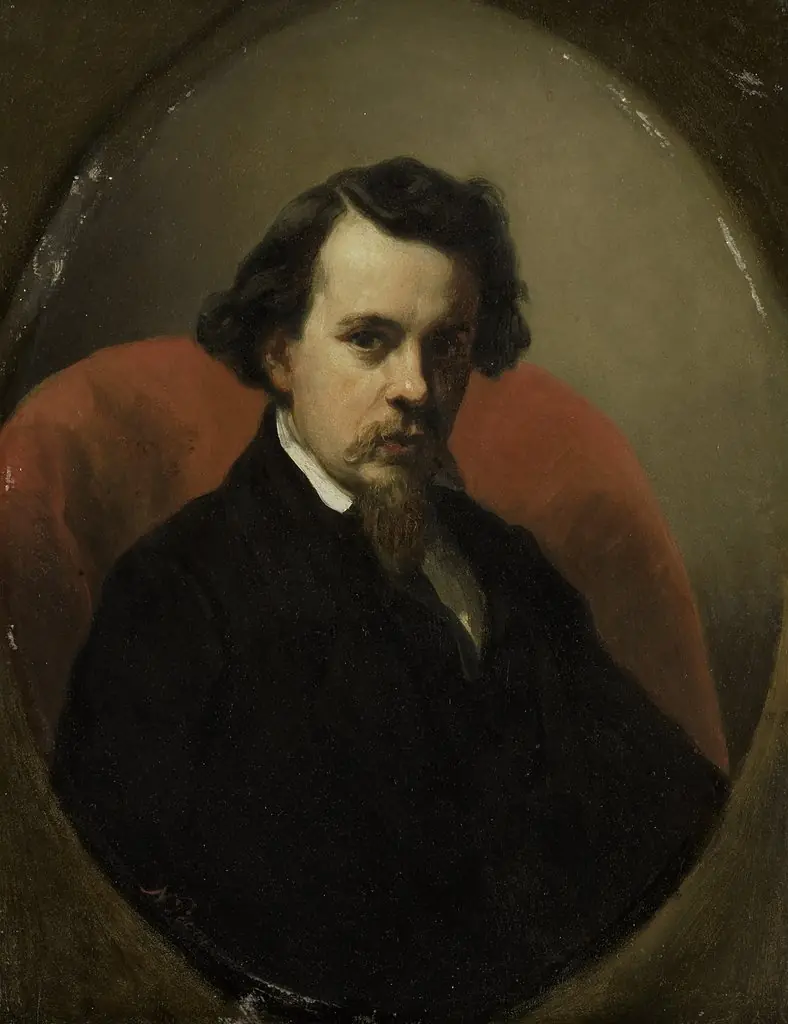 Portrait of Charles Henri Joseph Leicker, Painter
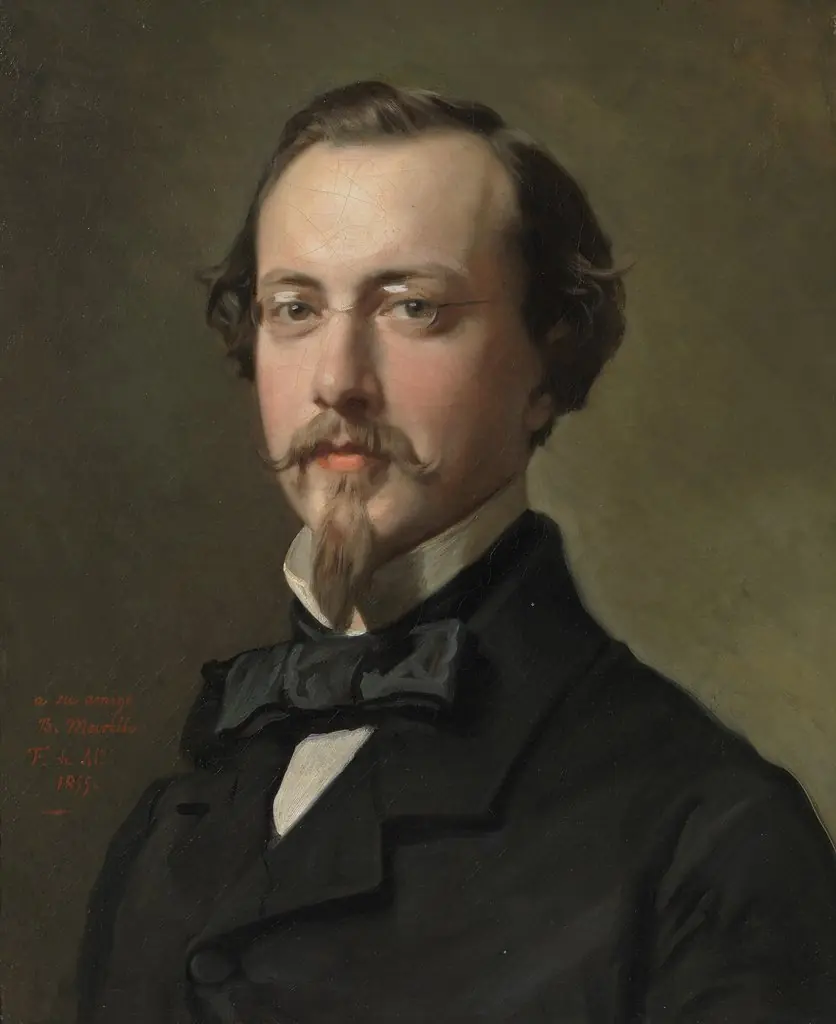 El pintor Benito Soriano Murillo
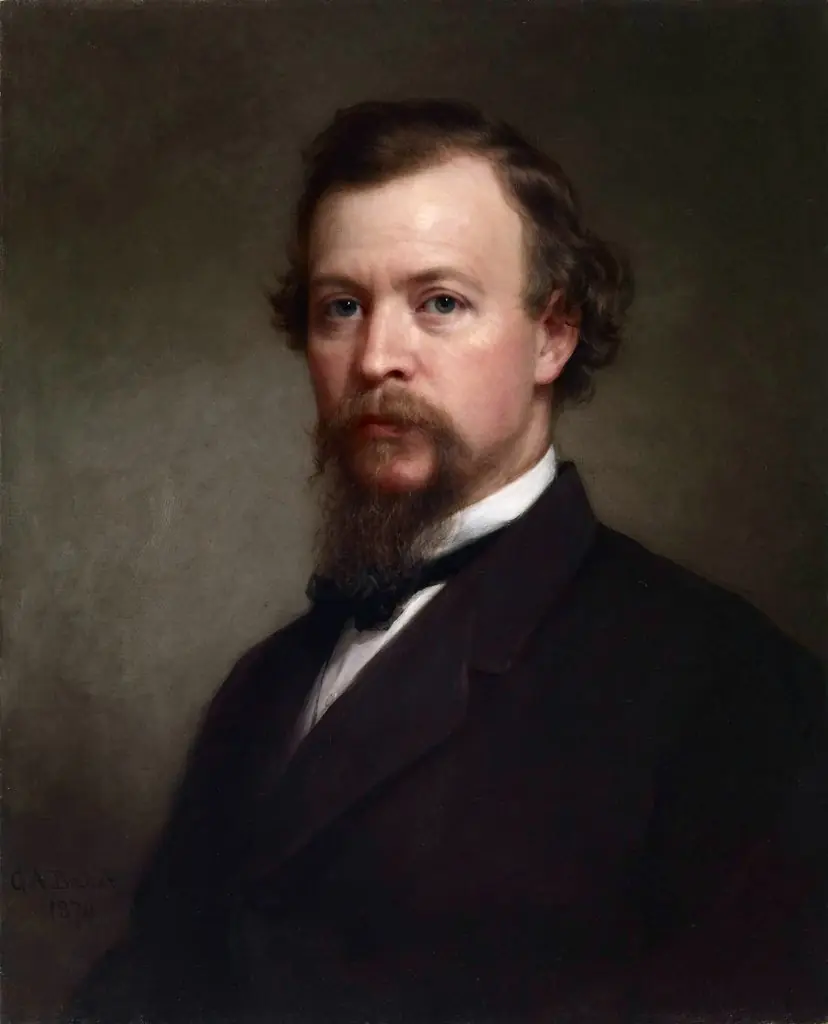 Portrait of the Artist
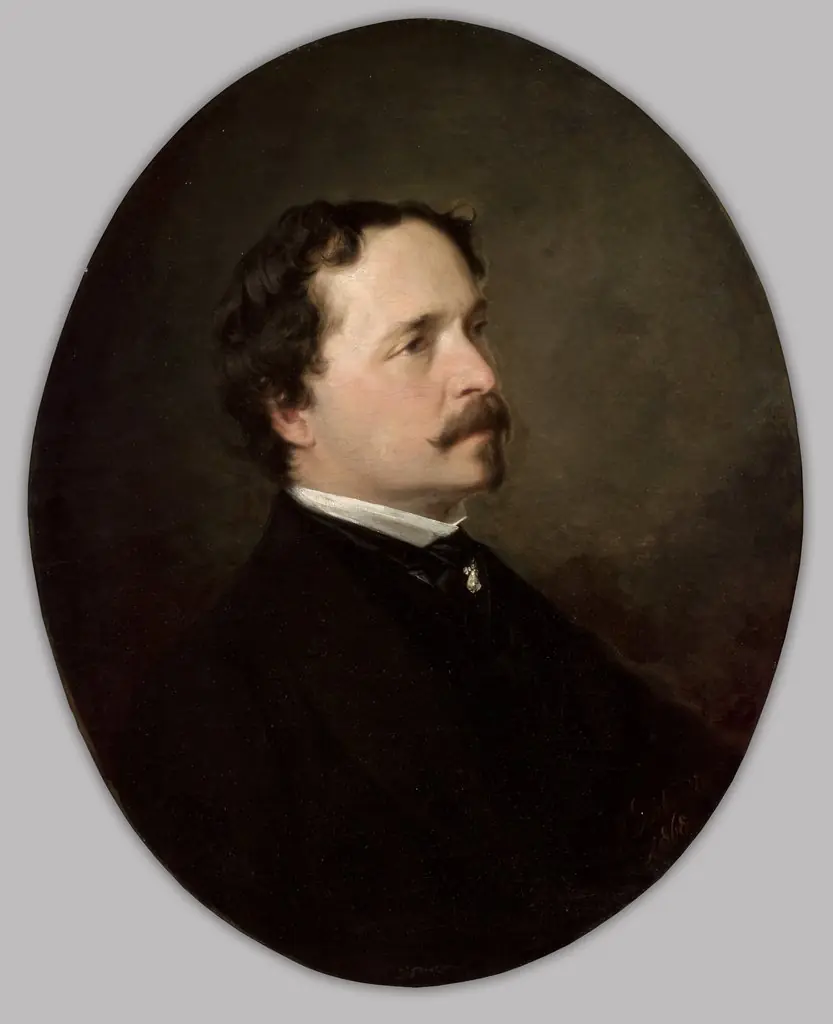 Portrait of Kornel Ujejski
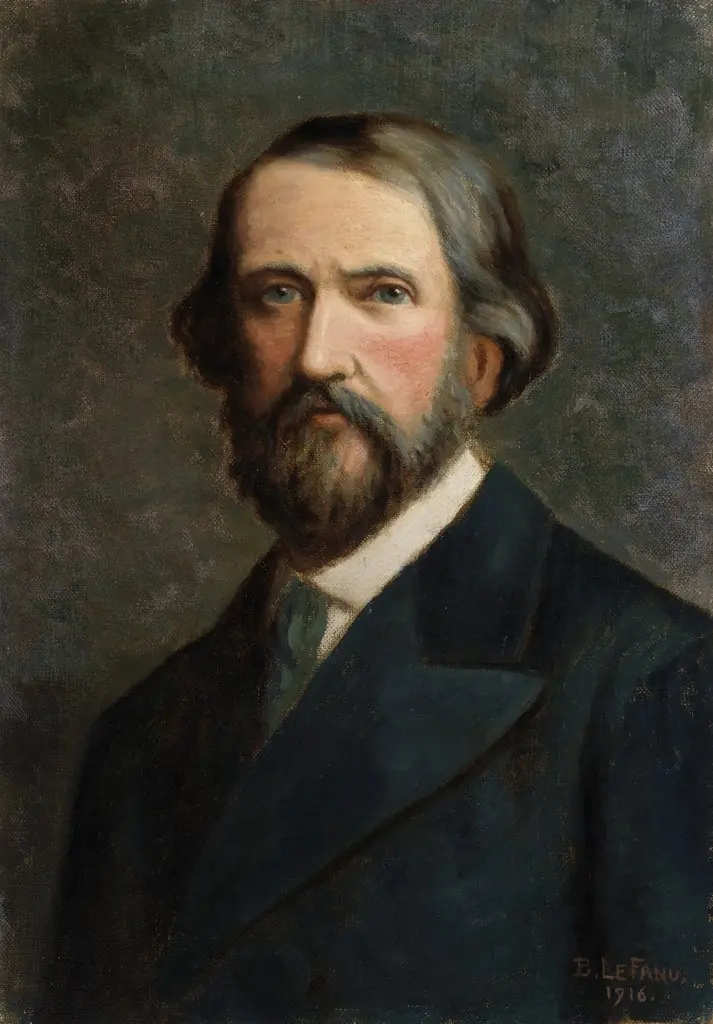 Joseph Sheridan Le Fanu
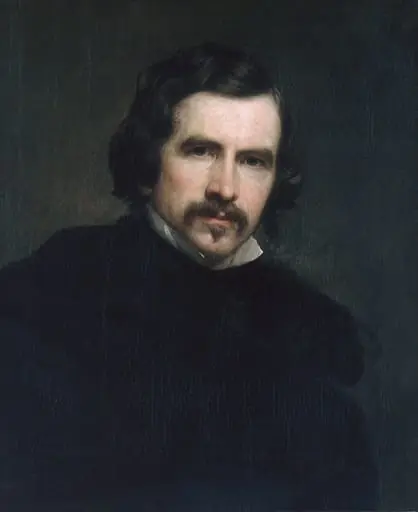 Portrait of the Artist
 Guillaume Anne van der Brugghen (1812-91)
 C. Edwards Lester
 Professor John Marshall (1818–1891), FRS, Surgeon
 Portrait of a Man
 William Sidney Mount