Artwork
Michael Novosielski (1750 - 1795)
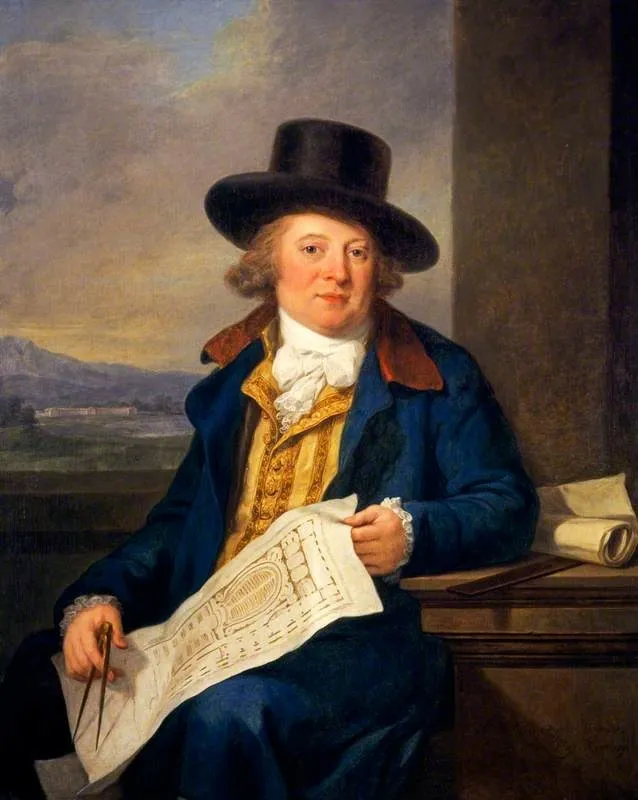
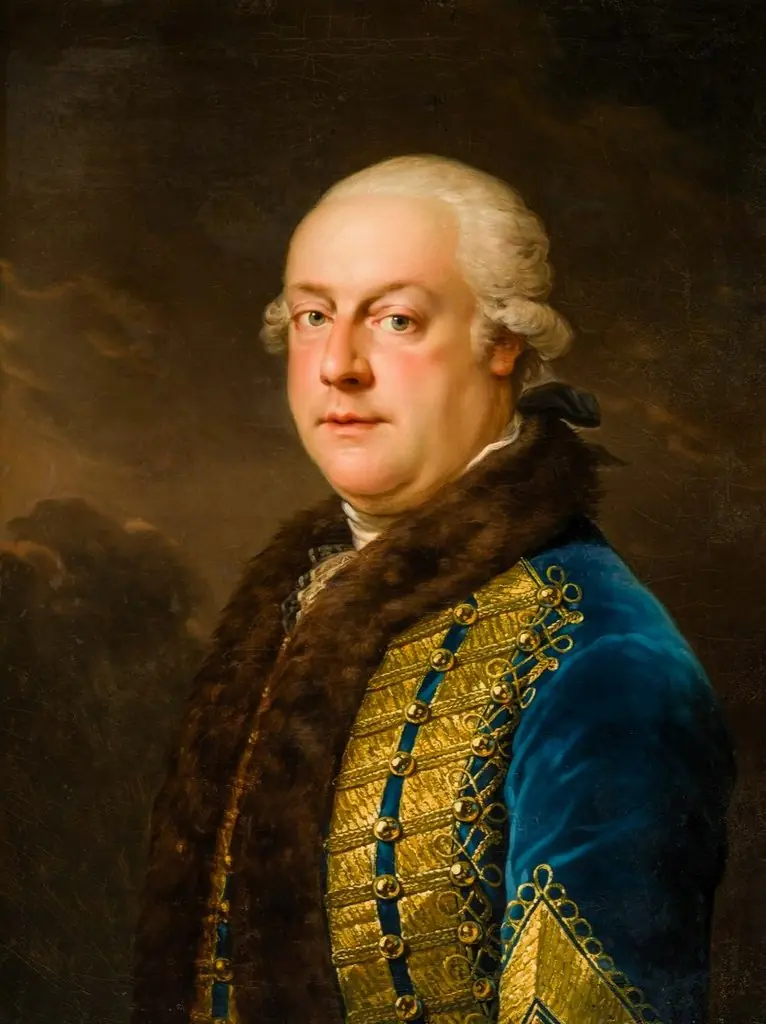
Michael Novosielski (1750 - 1795) is an oil painting by the Rococo painting artist Angelica Kauffmann. It dates from 1796 and is held in the collection of the National Galleries Scotland.
About this work
Overview
Painted in 1796 by Angelica Kauffmann, this oil portrait depicts Michael Novosielski, a Polish artist and engraver who lived from 1750 to 1795.
Painted in 1796 by Angelica Kauffmann, this oil portrait depicts Michael Novosielski, a Polish artist and engraver who lived from 1750 to 1795. The work is part of the Scottish National Gallery’s collection. It captures Novosielski in a moment of stillness, engaged with his work but aware of the viewer’s presence. The composition balances intimate focus with a subdued natural setting, reflecting Kauffmann’s interest in character and quiet dignity.
Subject & Meaning
Michael Novosielski is portrayed as a thoughtful intellectual, seated at a table with a large sheet of paper bearing a detailed drawing. His direct gaze invites the viewer into a silent exchange, suggesting the dignity of artistic labor. His attire—blue coat, yellow vest, white cravat, and black hat—signals his status as a cultured professional. The scene conveys no narrative drama, instead emphasizing introspection and the quiet authority of the creative mind.
Technique & Style
Kauffmann employs chiaroscuro to model Novosielski’s form with subtle gradations of light and shadow, lending volume and realism. The brushwork is refined but not overly detailed, favoring clarity over ornament. The background—softly rendered mountains, water, and clouded sky—recalls classical landscape traditions, yet remains secondary to the figure. The palette is restrained, with muted tones supporting the subject’s presence without distraction.
History & Provenance
The painting was completed shortly after Novosielski’s death in 1795, likely as a posthumous tribute. It entered the Scottish National Gallery’s collection in the 19th century, where it has remained since. Its preservation reflects early institutional interest in portraits of continental artists. No significant alterations or reworkings are recorded, and the painting retains its original frame and condition.
Context
Kauffmann, a leading Neoclassical painter, often portrayed intellectuals and artists in dignified, contemplative poses. This portrait aligns with her broader practice of elevating the artist’s role in society. Novosielski, a lesser-known figure, was part of a transnational network of engravers and draftsmen active in Europe. The painting reflects Enlightenment ideals that valued reason, craft, and individual character over aristocratic display.
Legacy
Though not widely reproduced, the portrait stands as a quiet testament to Kauffmann’s skill in capturing intellectual presence. It contributes to the historical record of 18th-century artists beyond the major names, offering insight into the lives of skilled practitioners who shaped visual culture through technical mastery. The work continues to be studied for its restrained elegance and its place in the broader context of Neoclassical portraiture.
Artist & collection

Artist
Maria Anna Angelika Kauffmann, usually known in English as Angelica Kauffman, was a Swiss painter who had a successful career in London and Rome.

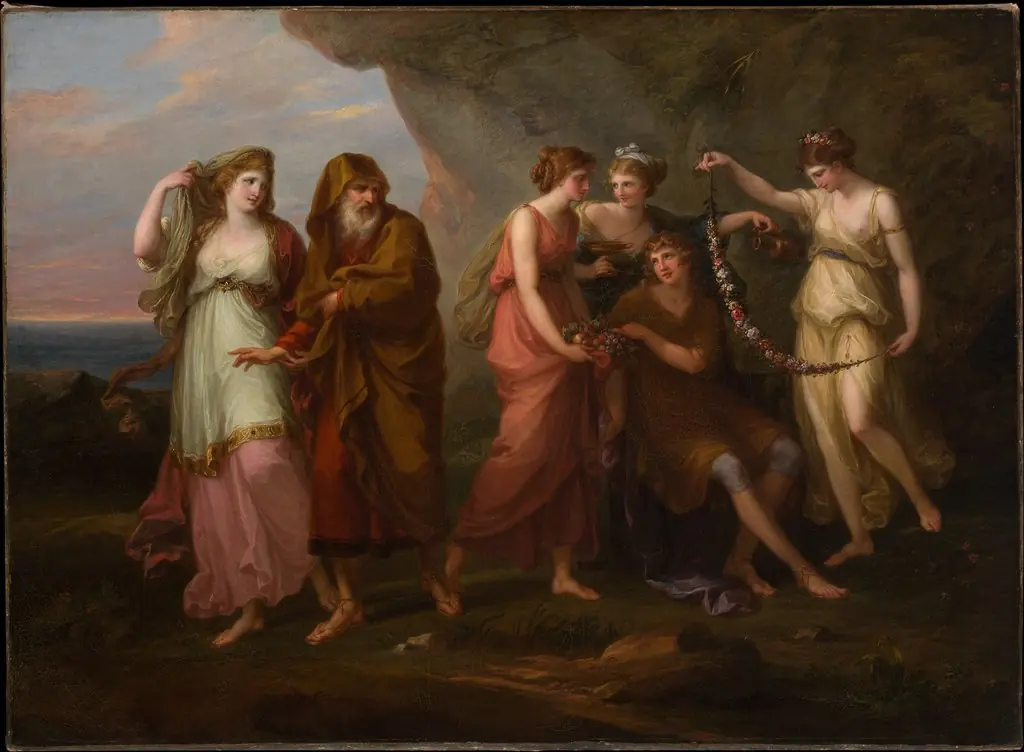 Telemachus and the Nymphs of Calypso
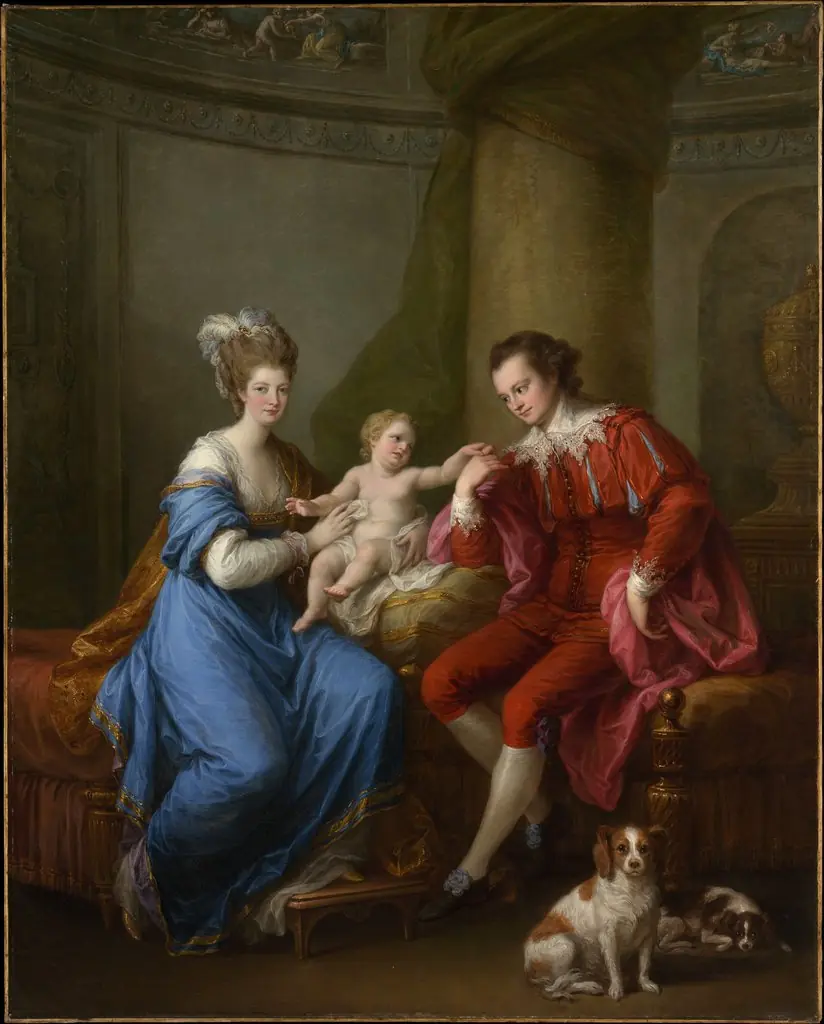 Edward Smith Stanley (1752–1834), Twelfth Earl of Derby, with His First Wife (Lady Elizabeth Hamilton, 1753–1797) and Their Son (Edward Smith Stanley, 1775–1851)
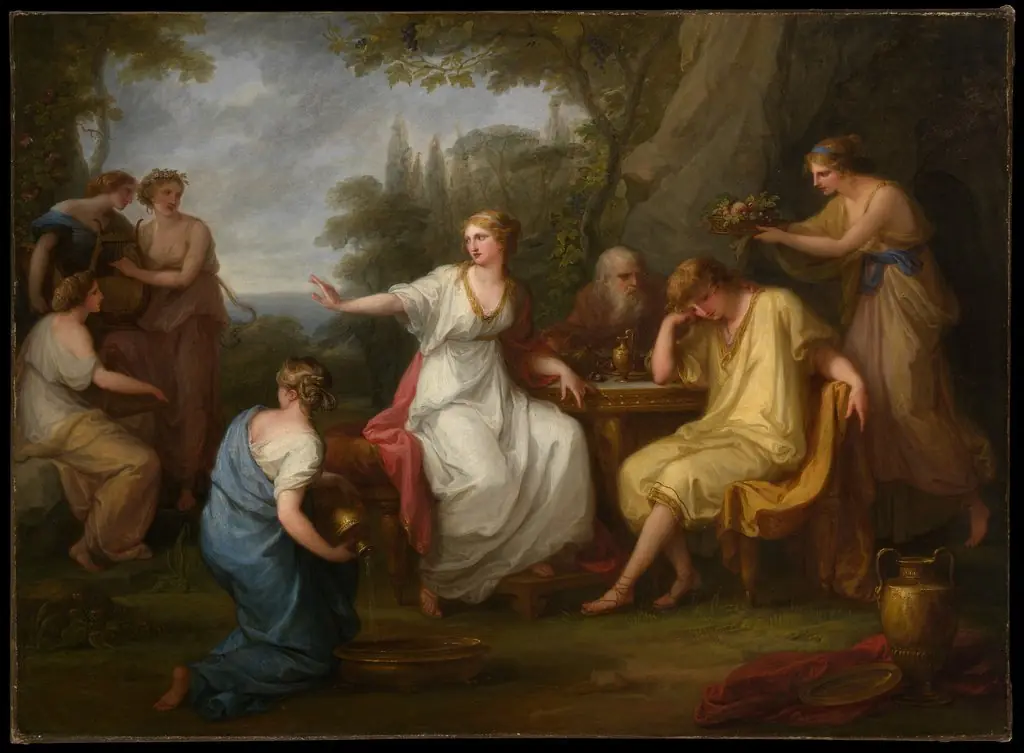 The Sorrow of Telemachus
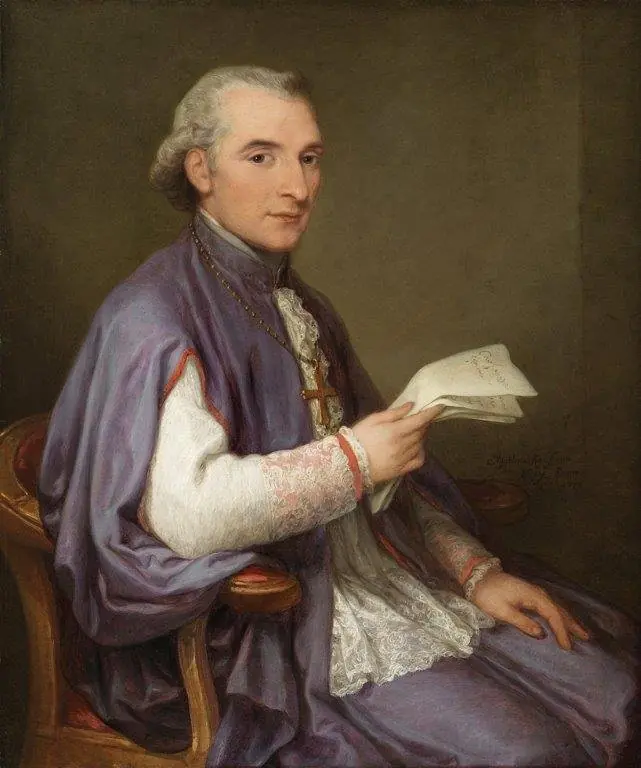 Monsignor Giuseppe Spina (1756–1828)
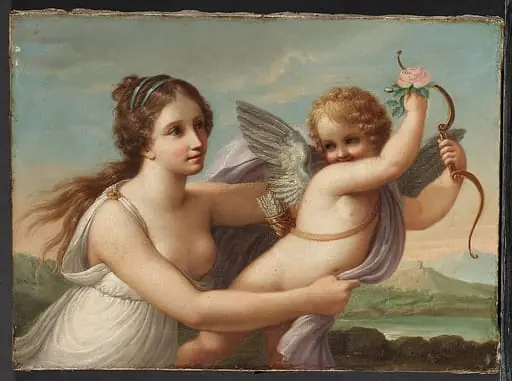 The Victory of Eros
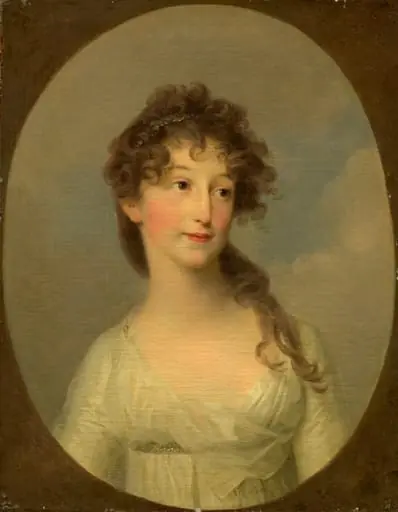 Possibly Franciska Krasinska, Duchess of Courland
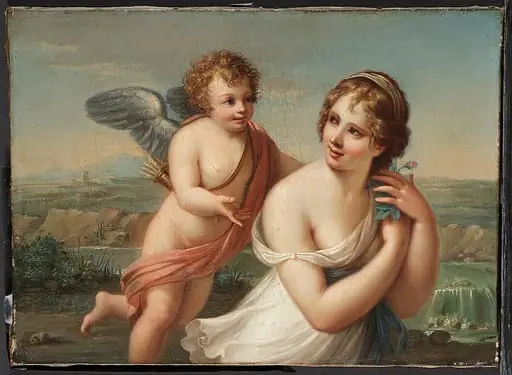 The Temptation of Eros
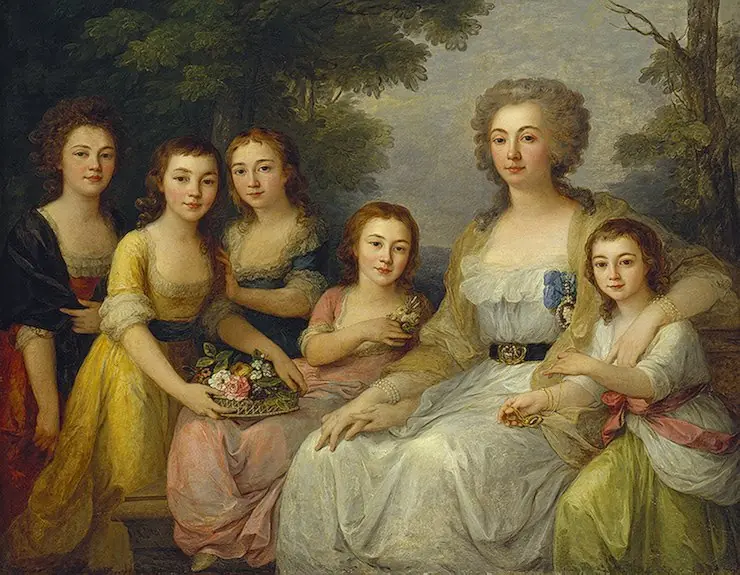 Portrait of Countess A.S. Protasova with her Nieces
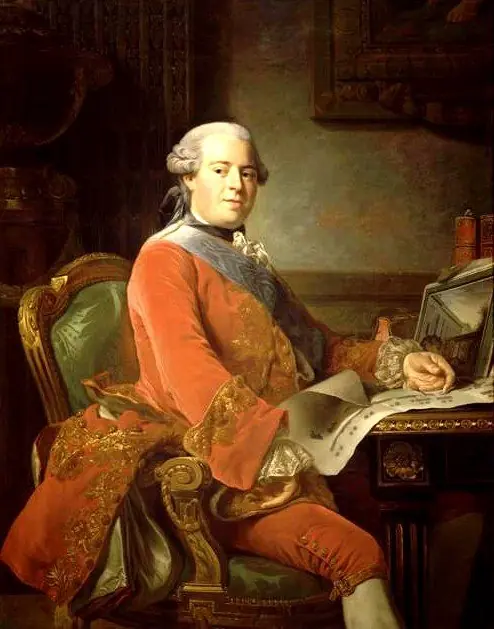 Portrait of Abel-François Poisson, marquis de Marigny
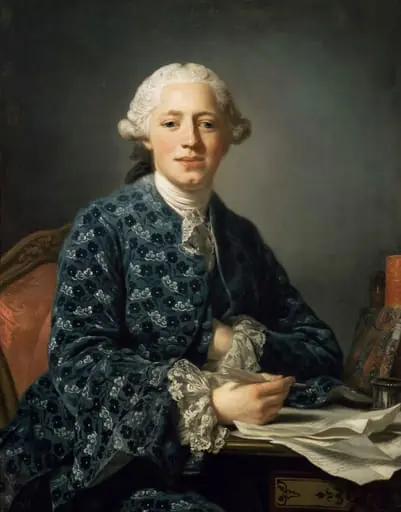 Vapaaherra Thure Leonard Klinckowström
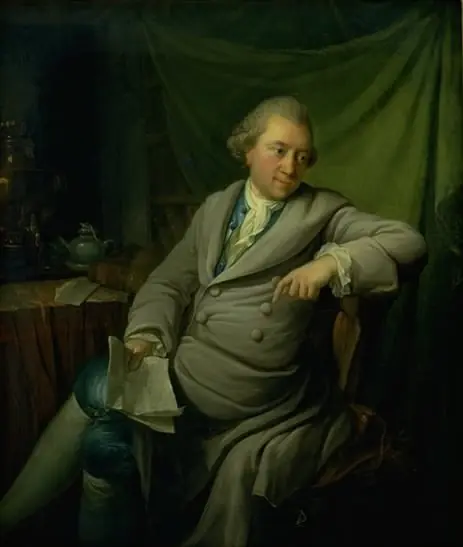 Postdirektør, justitsråd Johan Georg Pauli
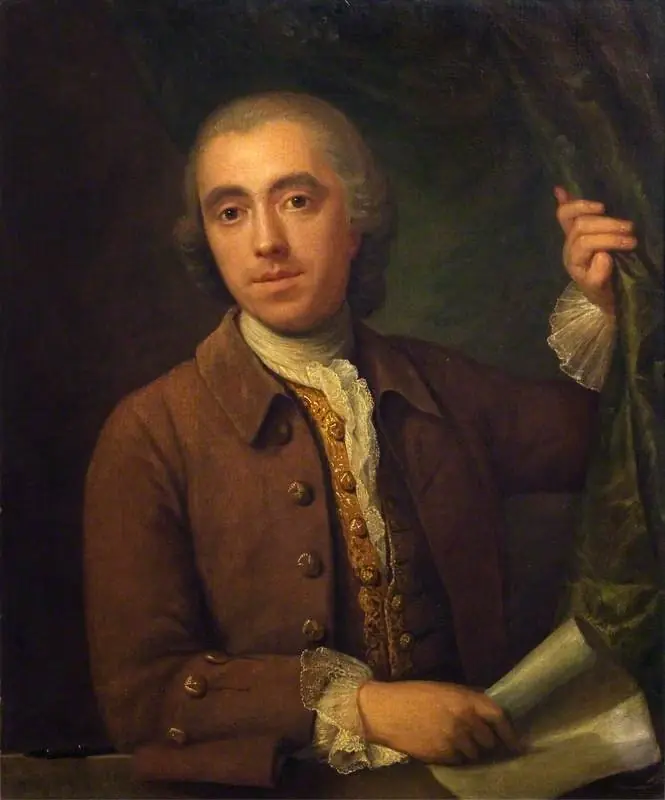 Portrait of an Unknown Man
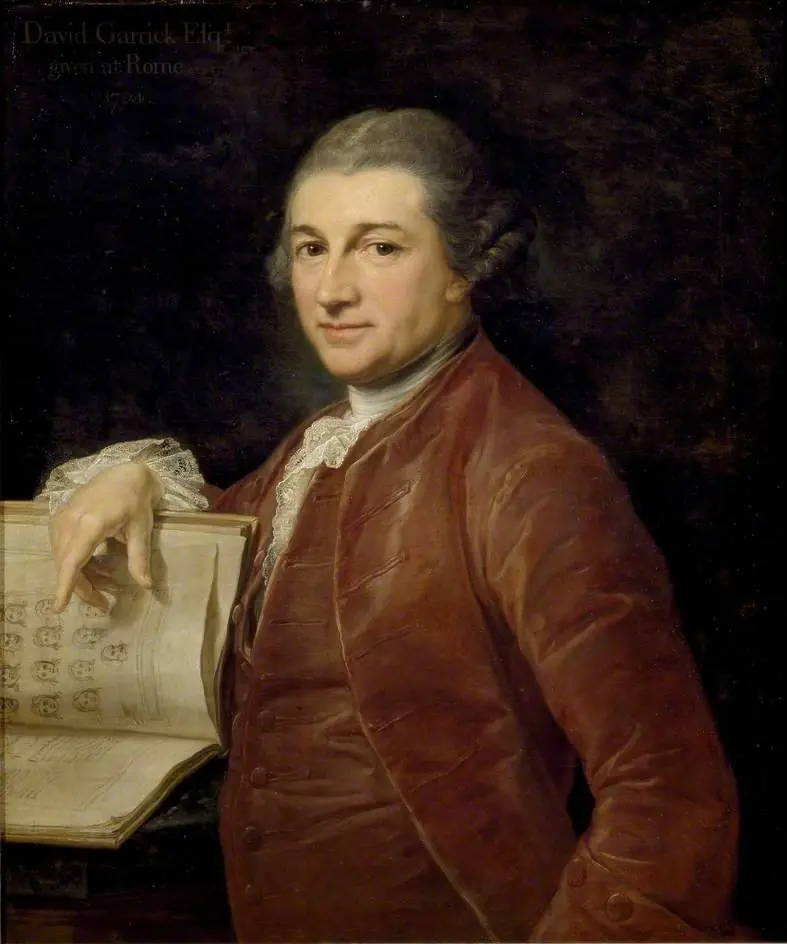 David Garrick
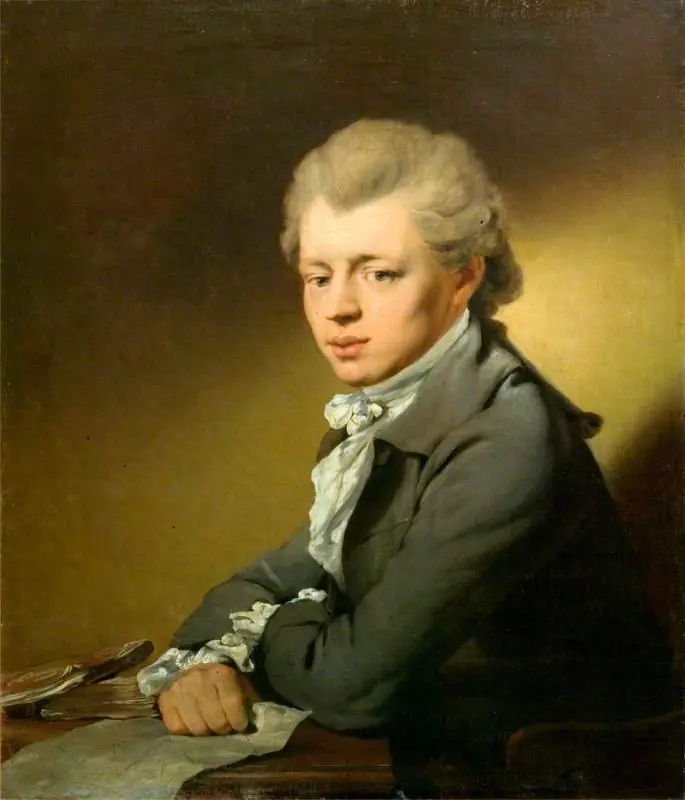 Charles Harvey (1757–1843), Later Charles Savill Onley
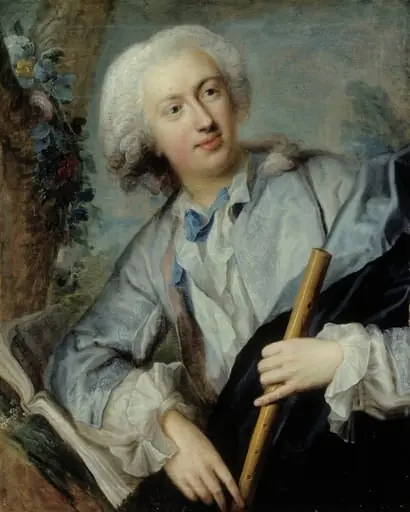 Huilunsoittaja
 Charles-Claude Flahaut de la Billaderie
 Poul Johan Schouw, guvernør i Ostindien
 Chamber Councilor Joachim Ulrich Giese
 Christian Andreas Cothenius
 Portrait of Count Miklós Esterházy