Artwork
Saint Charles Borromeo Bringing the Assistance of Religion to the Plague Victims of Milan
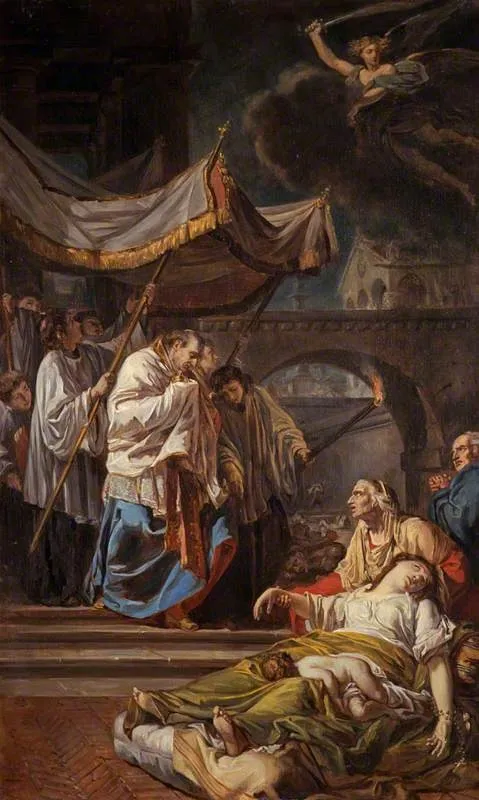
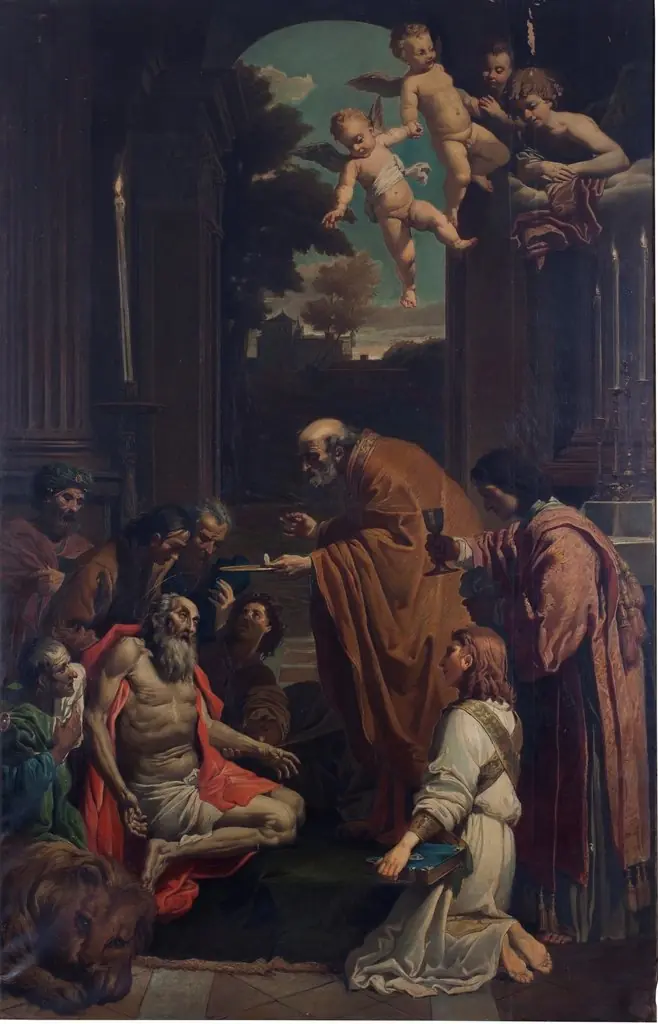
Saint Charles Borromeo Bringing the Assistance of Religion to the Plague Victims of Milan is an oil painting by the Rococo painting artist Anicet Charles Gabriel Lemonnier. It dates from 1792 and is held in the collection of the National Galleries Scotland.
About this work
Overview
Painted in 1792 by French artist Anicet Charles Gabriel Lemonnier, this oil on canvas depicts a moment of spiritual care during the plague in Milan.
Painted in 1792 by French artist Anicet Charles Gabriel Lemonnier, this oil on canvas depicts a moment of spiritual care during the plague in Milan. The work reflects Lemonnier’s interest in historical and religious narratives, created during a period of political upheaval in France. It is now part of the Scottish National Gallery’s collection, where it remains as a testament to late 18th-century devotional painting.
Subject & Meaning
The painting portrays Saint Charles Borromeo, Archbishop of Milan, ministering to victims of the plague in 1576. He is shown offering comfort through prayer and presence, embodying the Church’s role in times of crisis. Surrounding figures—sick, kneeling, or dying—emphasize human vulnerability, while the angel above suggests divine witness. The scene underscores religious duty amid suffering, not miraculous intervention.
Technique & Style
Lemonnier employs oil paint with restrained color and clear, controlled lighting to convey gravity. Figures are rendered with careful attention to gesture and drapery, though the composition avoids the ornamental excesses of Rococo. The background architecture frames the action without distraction, and the angel’s subtle presence in the sky introduces a spiritual dimension without overt theatricality.
History & Provenance
Commissioned during the French Revolution, the painting reflects a continued interest in religious themes despite secularizing trends. Lemonnier completed it in 1792, and it entered the Scottish National Gallery’s collection in the 19th century. Its journey from France to Scotland suggests it was acquired by a collector or institution drawn to its moral gravity and historical subject matter.
Context
Created amid revolutionary France’s anti-clerical climate, the painting stands as a quiet counterpoint to prevailing ideologies. While contemporaries turned to civic virtue or classical antiquity, Lemonnier returned to Catholic hagiography. The choice to depict a 16th-century Italian saint aiding plague victims may have resonated with audiences familiar with epidemic suffering and the Church’s enduring social role.
Legacy
Though not widely exhibited outside Scotland, the painting remains a significant example of late 18th-century religious narrative painting in France. It preserves a visual language of piety that persisted beyond the Revolution’s ideological shifts. Lemonnier’s work here contributes to a broader, often overlooked tradition of devotional art that continued to find patrons and meaning in turbulent times.
Artist & collection
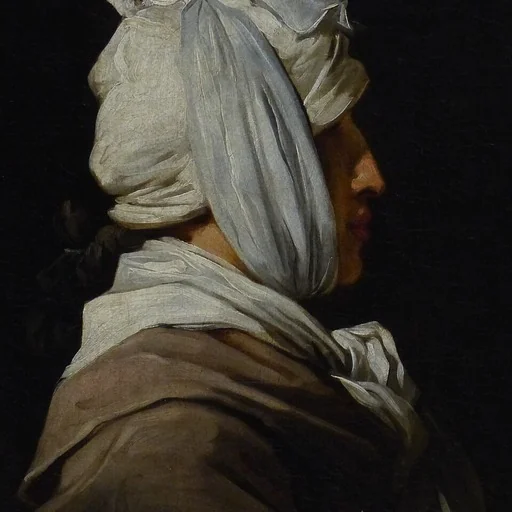
Artist
Anicet Charles Gabriel Lemonnier
Anicet Charles Gabriel Lemonnier (6 June 1743 – 17 August 1824) was a well-known French painter of historical subjects who was active before, during and after the French Revolution.

![Seated Angel in a Landscape [recto], by Anicet Charles Gabriel Lemonnier](https://artifactworldgallery.com/img/anicet-charles-gabriel-lemonnier--seated-angel-in-a-landscape-recto--17dbd8d92a970c98-w320.webp)
![Studies of Figures [verso], by Anicet Charles Gabriel Lemonnier](https://artifactworldgallery.com/img/anicet-charles-gabriel-lemonnier--studies-of-figures-verso--2ae0ee2ea775e42c-w320.webp)
 The Presentation in the Temple
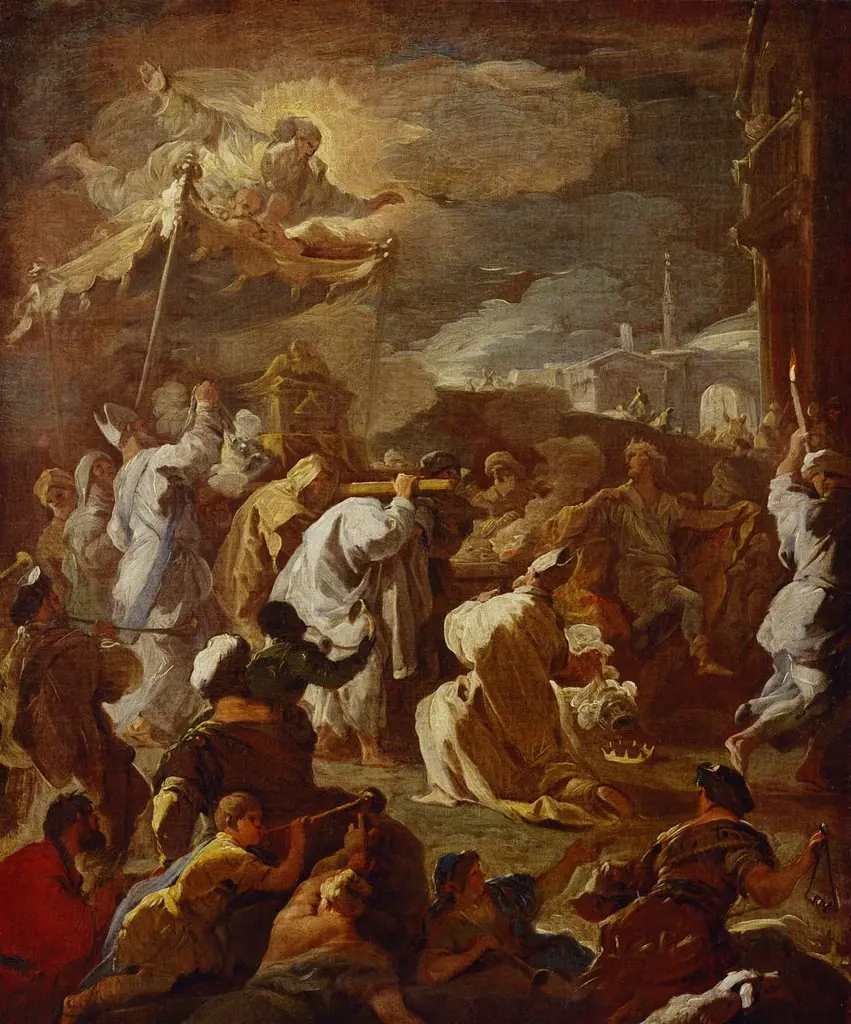 Transfer of the Ark of the Covenant by David
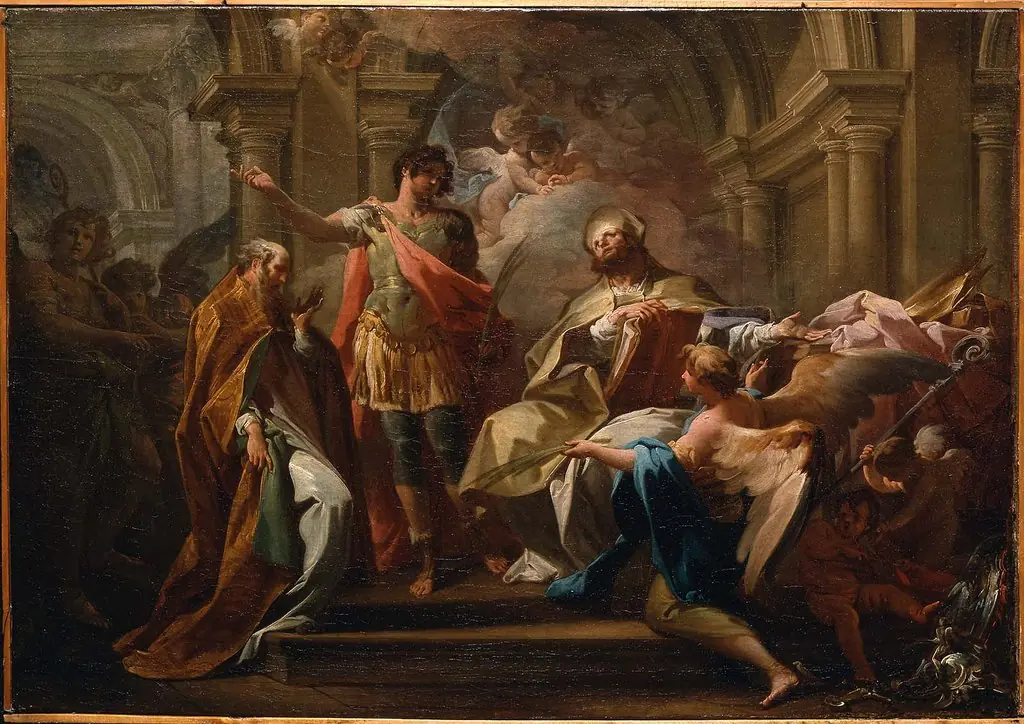 Saints Ippolito, Taurino, and Ercolano
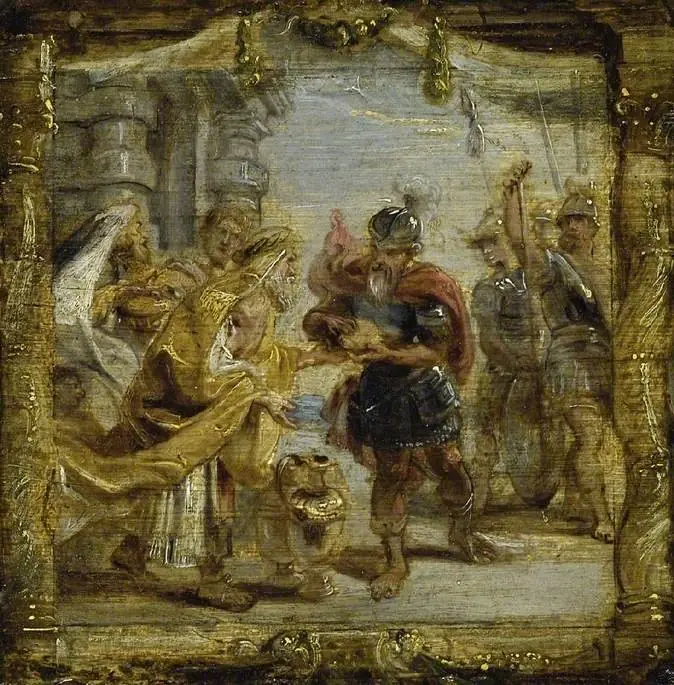 The meeting of Abraham and Melchisedek
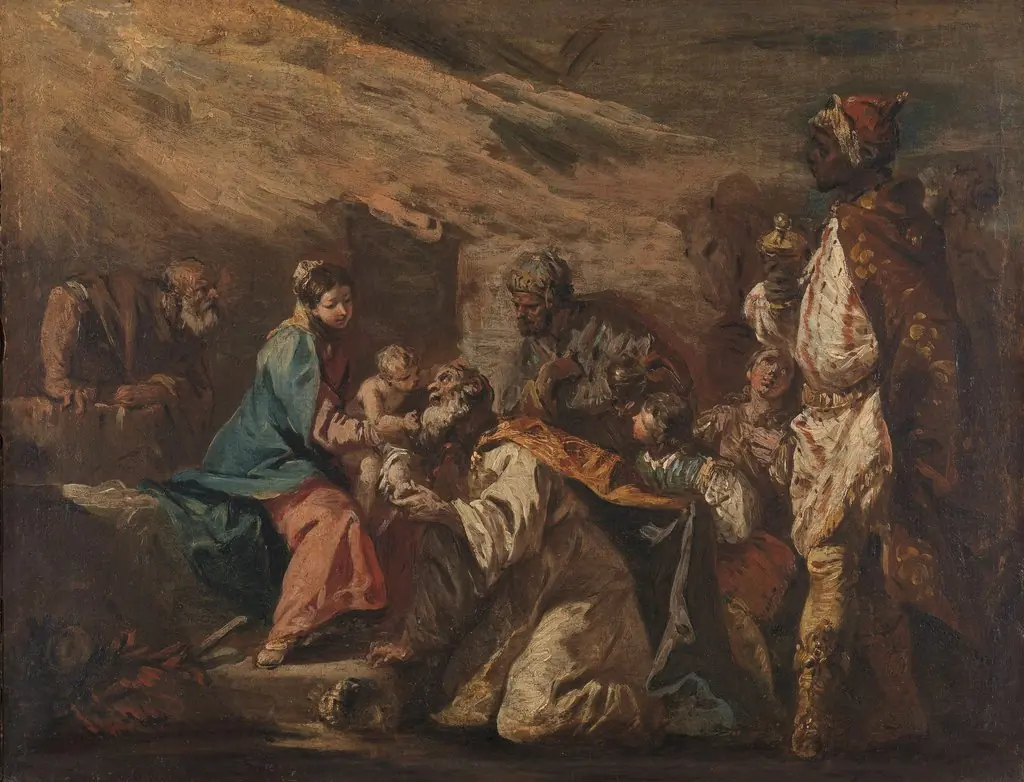 Adoration of the Magi
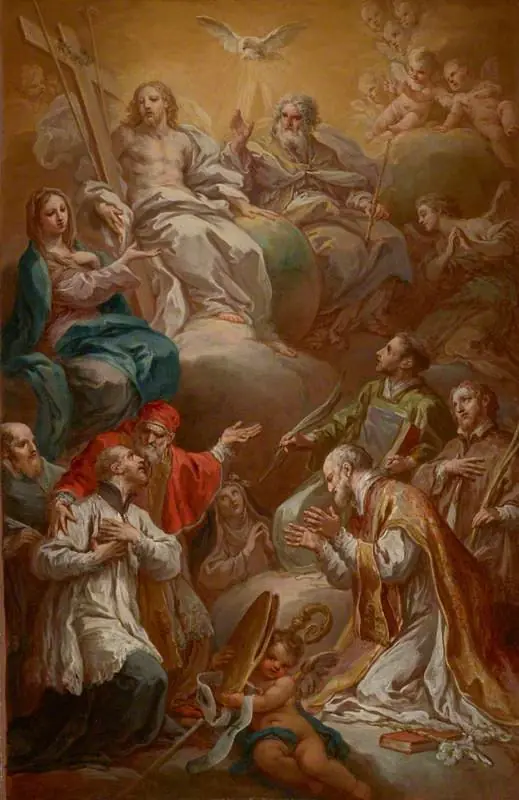 The Virgin recommending a group of Saints to the Holy Trinity
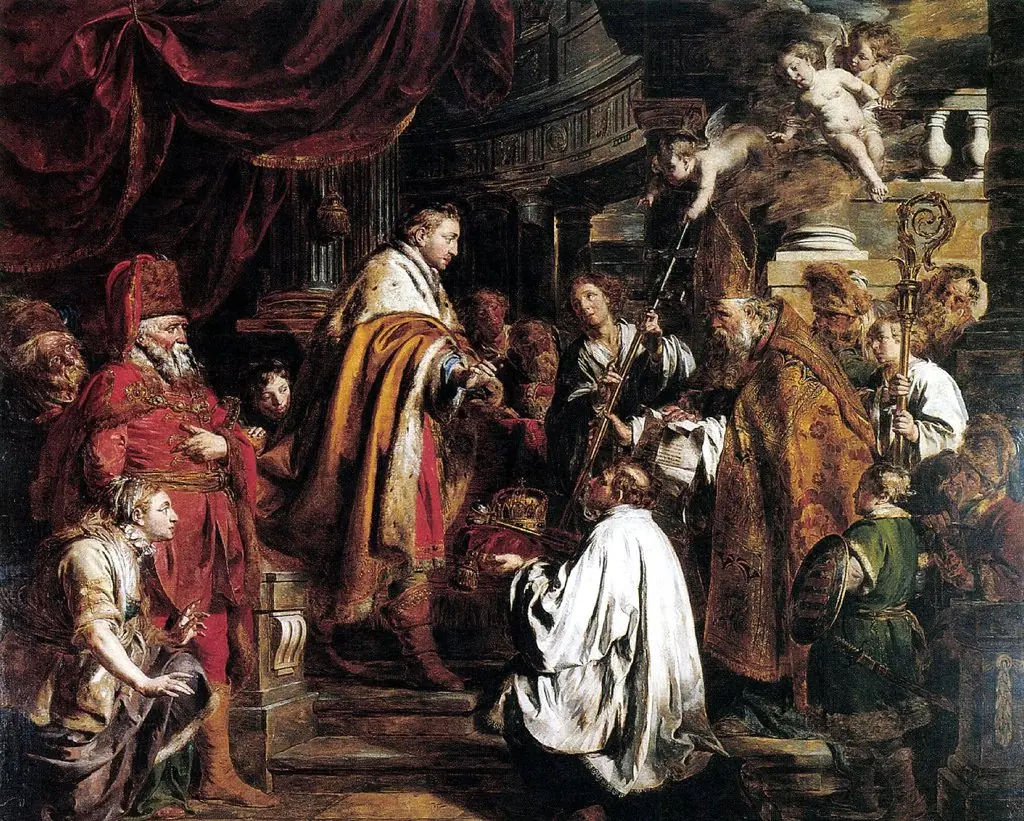 Saint Stephen, king of Hungary Receiving the Legate
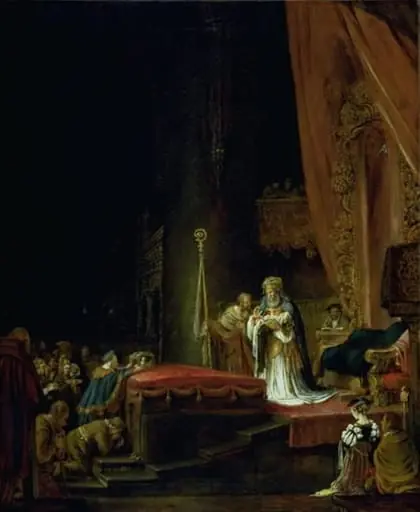 The Presentation in the Temple
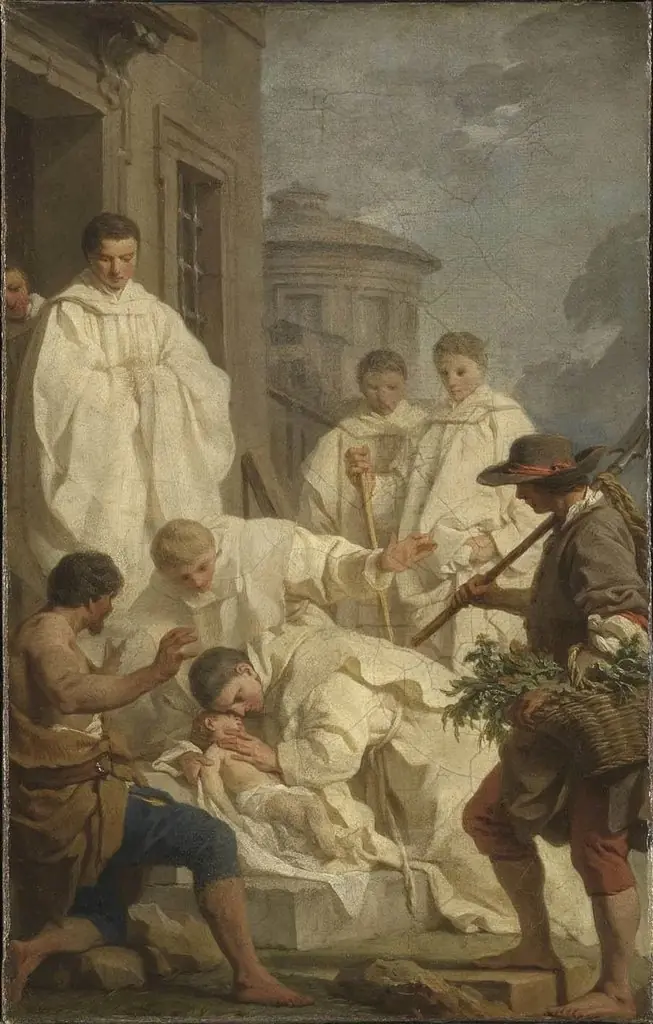 Der hl. Benedikt erweckt ein totes Kind
 Última comunión de san Jerónimo o El viático de san Jerónimo