Artwork
New Suite of Portfolios of Flowers Ideal to Use for Designing and Painting: Floral Fantasies
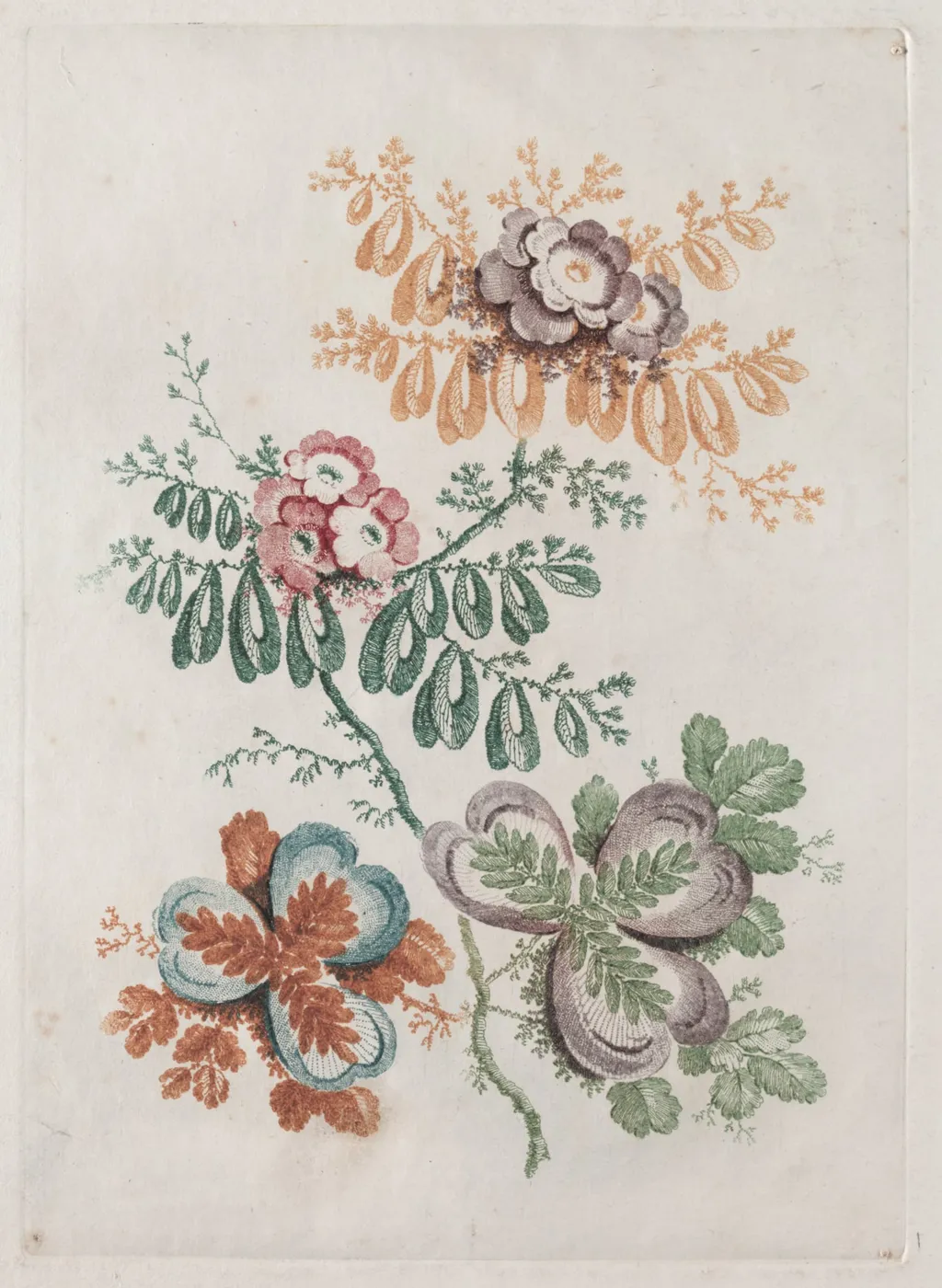
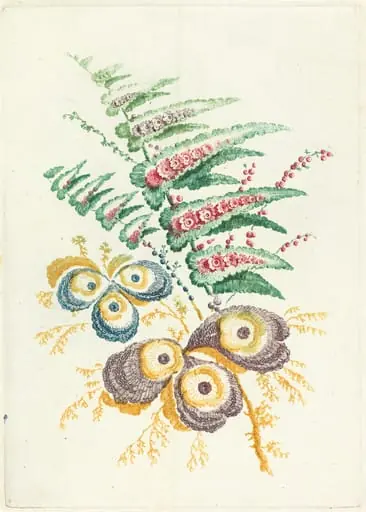
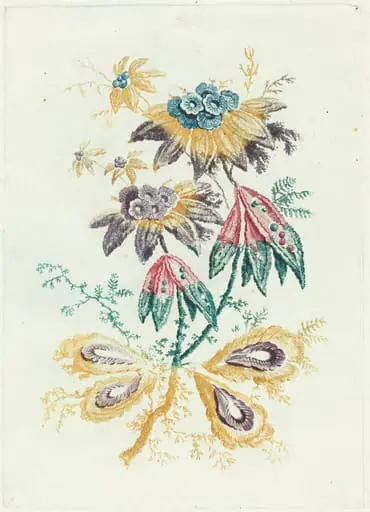
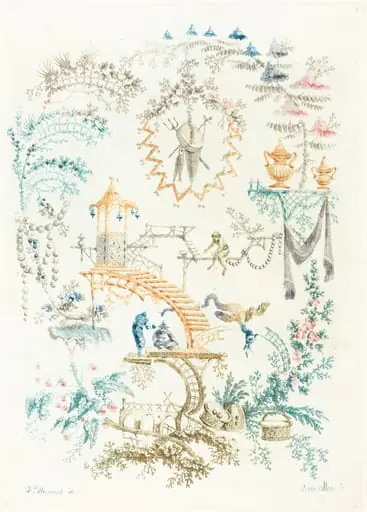
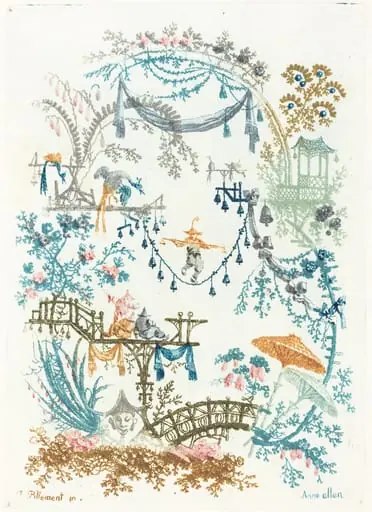
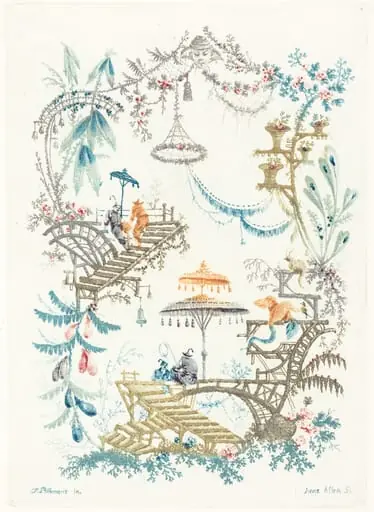
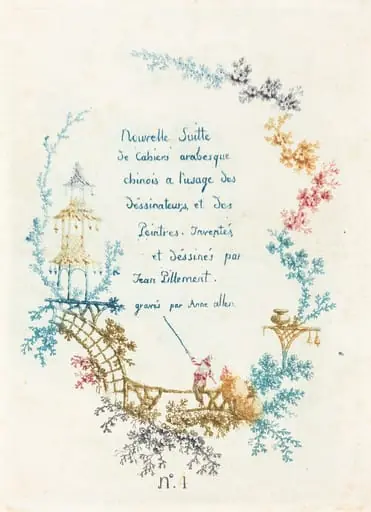
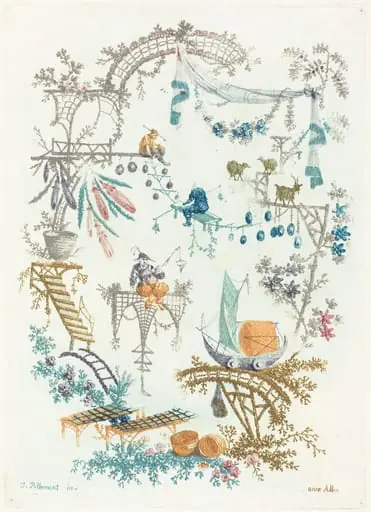
New Suite of Portfolios of Flowers Ideal to Use for Designing and Painting: Floral Fantasies is a print by the Romanticist artist Anne Allen. It is held in the collection of the Cleveland Museum of Art.
About this work
Overview
This print is part of a series of floral designs created by Anne Allen, a British artist known for her work in reproductive printmaking.
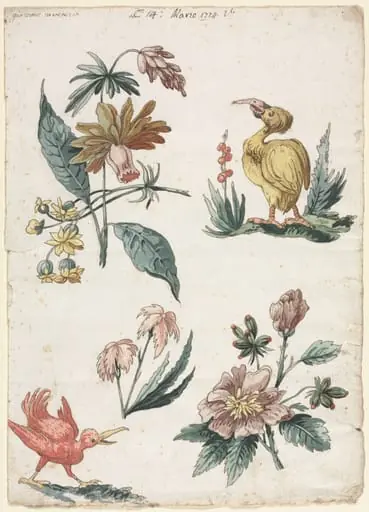
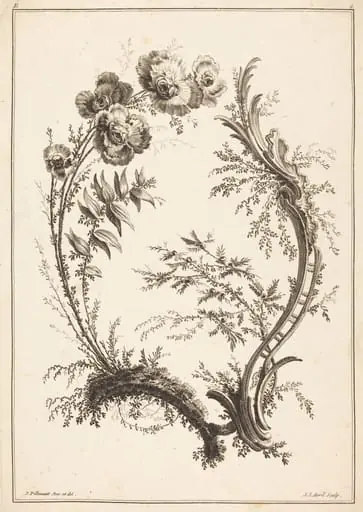
This print is part of a series of floral designs created by Anne Allen, a British artist known for her work in reproductive printmaking. The images were intended as templates for decorative arts, particularly ceramics and textiles. Allen worked from compositions originally drawn by Jean-Baptiste Pillement, adapting them through the à la poupée printing technique to produce richly colored impressions on a single plate.
Subject & Meaning
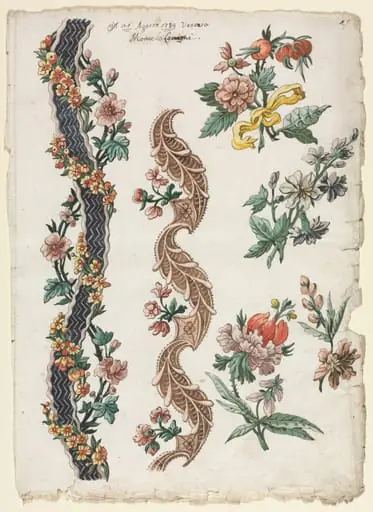
The composition presents a curated arrangement of flowering plants, selected for their visual harmony and botanical variety. Rather than depicting wild growth, the flowers are ordered with deliberate symmetry, reflecting 18th-century ideals of cultivated beauty. These designs served functional purposes in interior decoration, translating natural forms into repeatable patterns for domestic objects.
Technique & Style
Allen employed the à la poupée method, inking a single etched plate with multiple colors using small cloth pads—called poupées—to apply pigment selectively. This allowed subtle gradations and layered hues in one impression, avoiding the need for separate plates per color. The result is a delicate, painterly quality that mimics hand-painted decoration while retaining the precision of printmaking.
History & Provenance
The prints derive from designs by Jean-Baptiste Pillement, a French artist whose floral motifs were widely circulated across Europe in the mid-1700s. Allen, based in Britain, became one of the most skilled practitioners of his designs in print form. Her editions were distributed through London’s print trade and collected by artisans seeking models for textile and porcelain decoration.
Context
In the 18th century, floral patterns were central to decorative arts, reflecting both botanical curiosity and aesthetic trends. Artists like Pillement and Allen bridged fine art and applied design, supplying patterns for manufacturers. The demand for such prints grew alongside the expansion of domestic interiors and the rise of consumer culture in Europe.
Legacy
Allen’s prints contributed to the standardization of floral motifs in European decorative arts. Though her name was often overshadowed by Pillement’s, her technical skill in à la poupée printing elevated the quality of reproductive prints. These works remain valuable records of how fine art imagery was adapted for mass production in the pre-industrial era.
Artist & collection