Artwork
Sophie-Philippine-Elisabeth-Justine de France, dite Madame Sophie
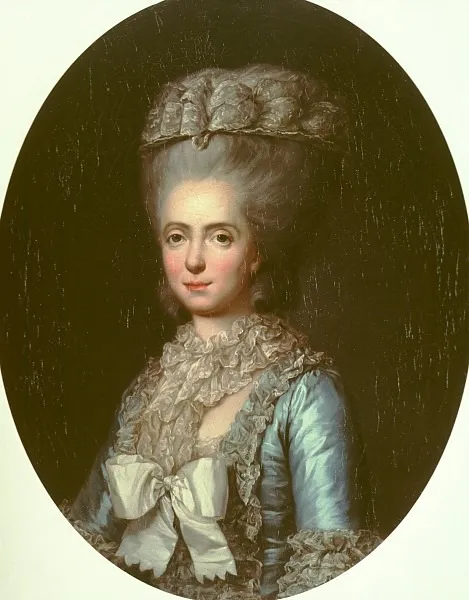
Sophie-Philippine-Elisabeth-Justine de France, dite Madame Sophie is an oil painting by the Rococo painting artist Anne Vallayer-Coster. It dates from 1790 and is held in the collection of the Palace of Versailles.
About this work
This painting depicts a woman with a pale complexion and dark hair, adorned with a large bow on her chest and a matching bow on her head.
This painting depicts a woman with a pale complexion and dark hair, adorned with a large bow on her chest and a matching bow on her head. She wears a blue dress with ruffles and a lace collar. The background is dark, with visible brushstrokes.
The woman's attire and hairstyle suggest a formal setting, possibly from the 18th century. The artist's use of oil paint and the visible brushstrokes add texture to the piece.
To learn more about the artist behind this work, explore the art of Anne Vallayer-Coster.
Overview
Painted in 1790 by Anne Vallayer-Coster, this oil portrait depicts Sophie of France, the youngest daughter of King Louis XV. Though primarily known for still lifes, Vallayer-Coster was commissioned to portray members of the French royal family. The work captures Sophie in formal court attire, rendered with careful attention to texture and detail, reflecting the artist’s technical precision and her position within the Académie Royale.
Subject & Meaning
Sophie-Philippine-Elisabeth-Justine, known as Madame Sophie, was a princess of the French royal family whose life was marked by the declining years of the monarchy. The portrait presents her in a restrained, dignified manner, avoiding overt theatricality. Her attire and adornments signify her status, while the somber background and minimal setting suggest a shift away from the exuberance of earlier Rococo portraiture, hinting at the political tensions of the era.
Technique & Style
Vallayer-Coster employed oil paint to render the fabric’s sheen, lace, and ruffles with remarkable clarity. The dark, loosely brushed background contrasts with the finely detailed figure, drawing focus to the subject’s form. Visible brushwork in the dress and hair adds tactile depth, while the pale complexion and dark hair create a quiet tonal harmony. Her approach blends the precision of academic training with a sensitivity to material surfaces, characteristic of her broader oeuvre.
History & Provenance
Commissioned during the final years of the Ancien Régime, the portrait remained in royal collections until the French Revolution. It was later transferred to the Musée du Louvre, where it is now held. Its survival through political upheaval underscores its significance as a record of royal identity at a moment of profound social change. The painting’s provenance reflects both its aristocratic origins and its subsequent preservation as a historical artifact.
Context
Created in 1790, the portrait emerges as France teeters on the brink of revolution. While Rococo elegance still influenced court aesthetics, the somber tone and lack of ornate surroundings signal a departure from earlier royal portraiture. Vallayer-Coster, one of the few women admitted to the Académie Royale, navigated a male-dominated art world by excelling in genres deemed appropriate for women—still life and portraiture—while quietly asserting her professional authority.
Legacy
The portrait stands as a testament to Vallayer-Coster’s ability to transcend her reputation as a still-life specialist and engage with high-status portraiture. It preserves the image of a royal child whose life was cut short by illness and revolution, offering a quiet, intimate glimpse into a vanished world. Her technical mastery and the painting’s historical resonance continue to inform studies of 18th-century French art and gender in the arts.
Artist & collection

Artist
Anne Vallayer-Coster (21 December 1744 – 28 February 1818) was a French painter best known for still lifes.

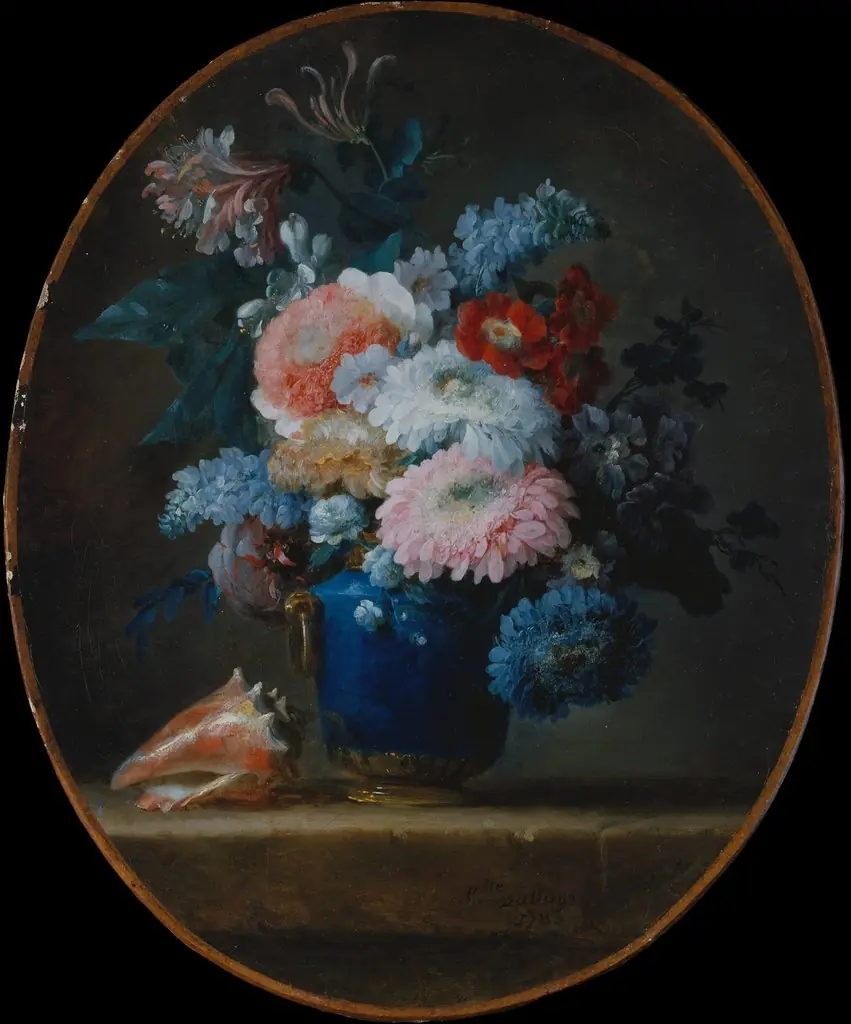 Vase of Flowers and Conch Shell
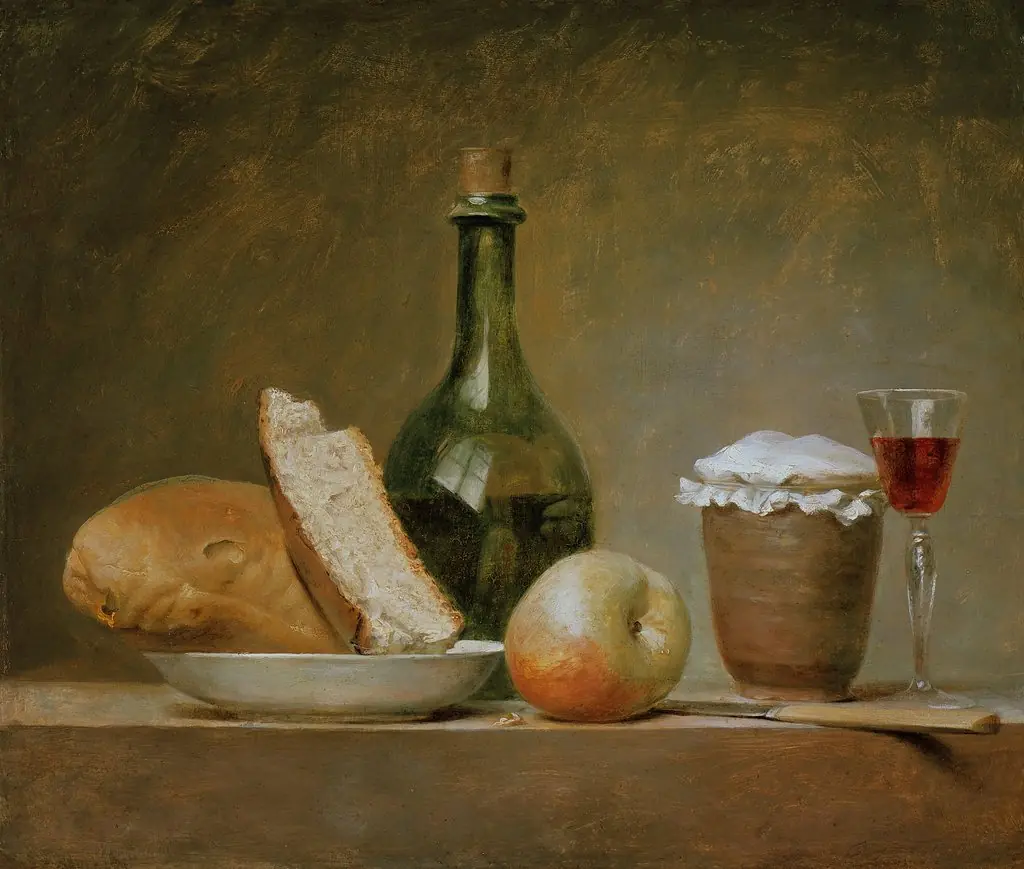 Still Life with a bulbous Bottle
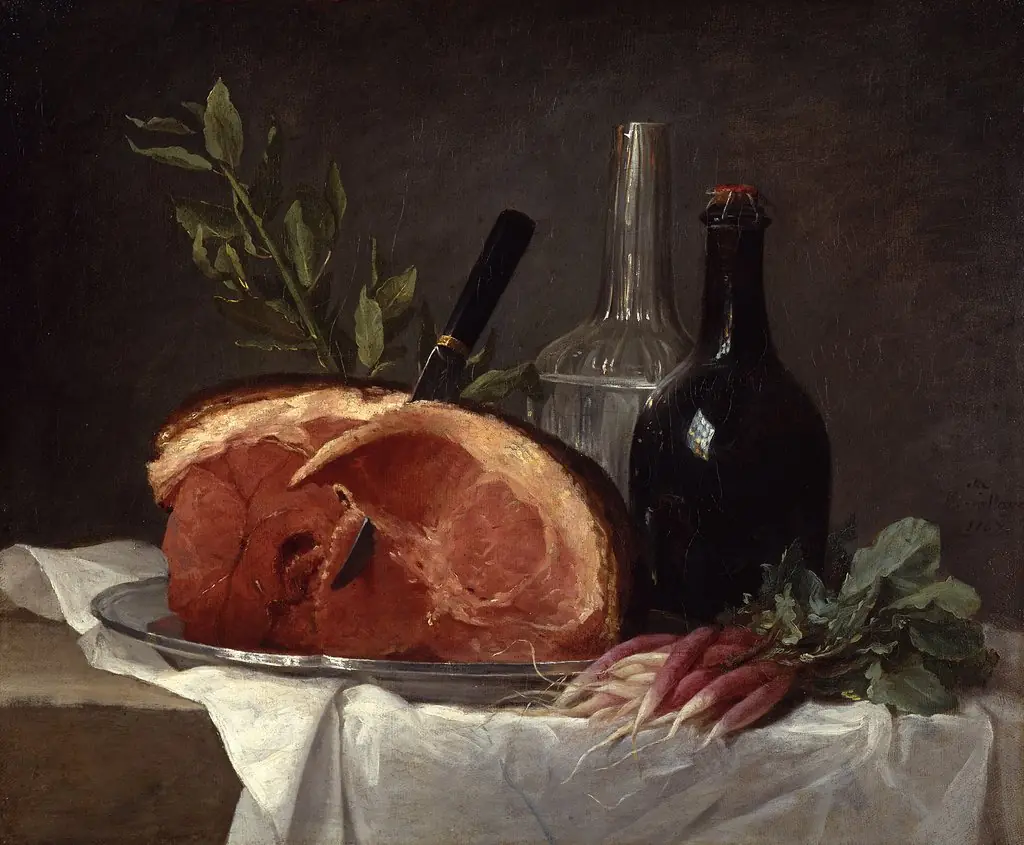 Still Life with a Ham
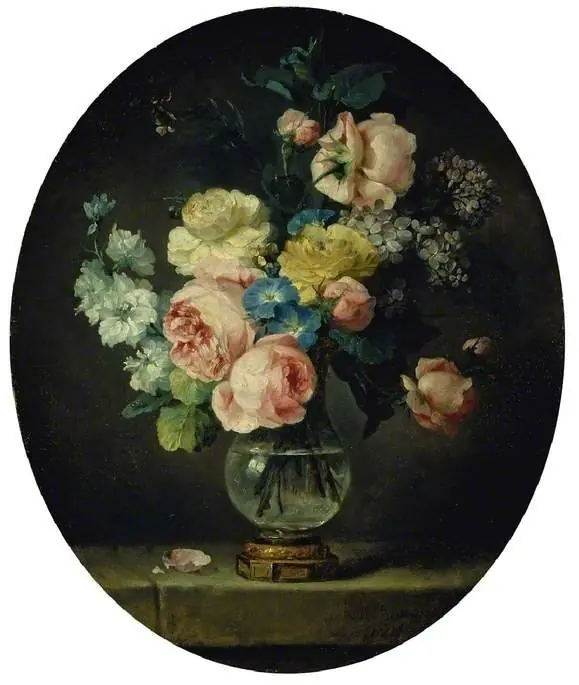 A vase of flowers
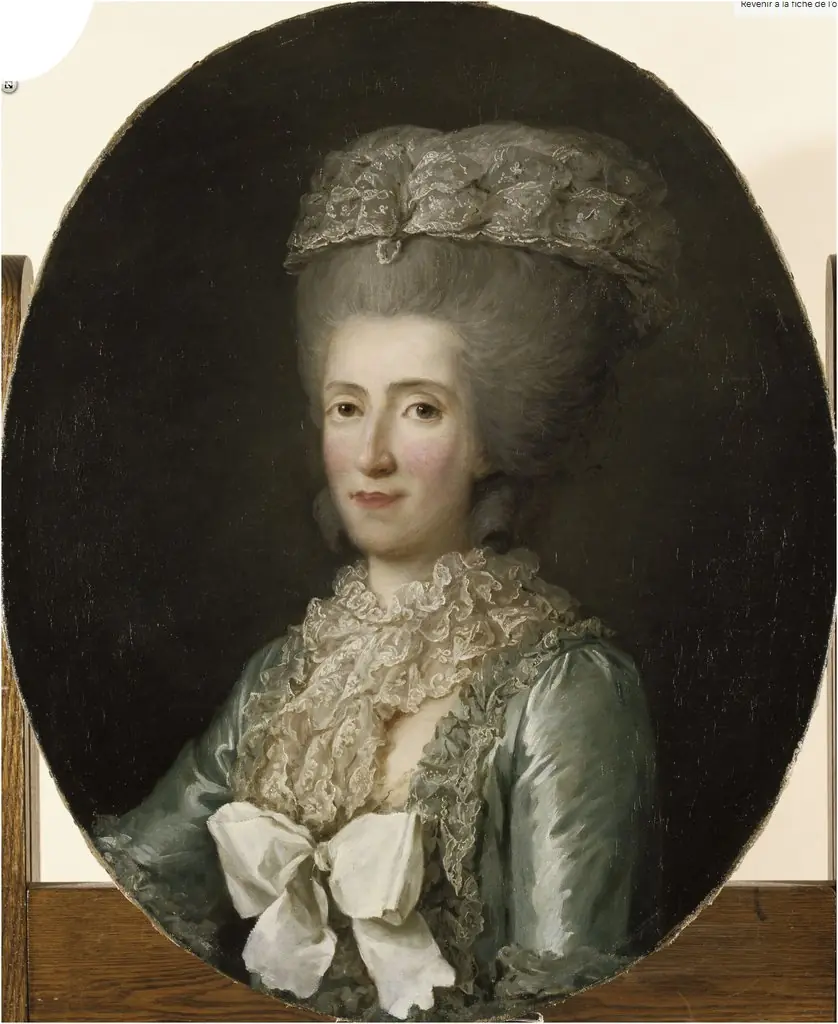 Marie-Adélaïde de France, dite Madame Adélaïde
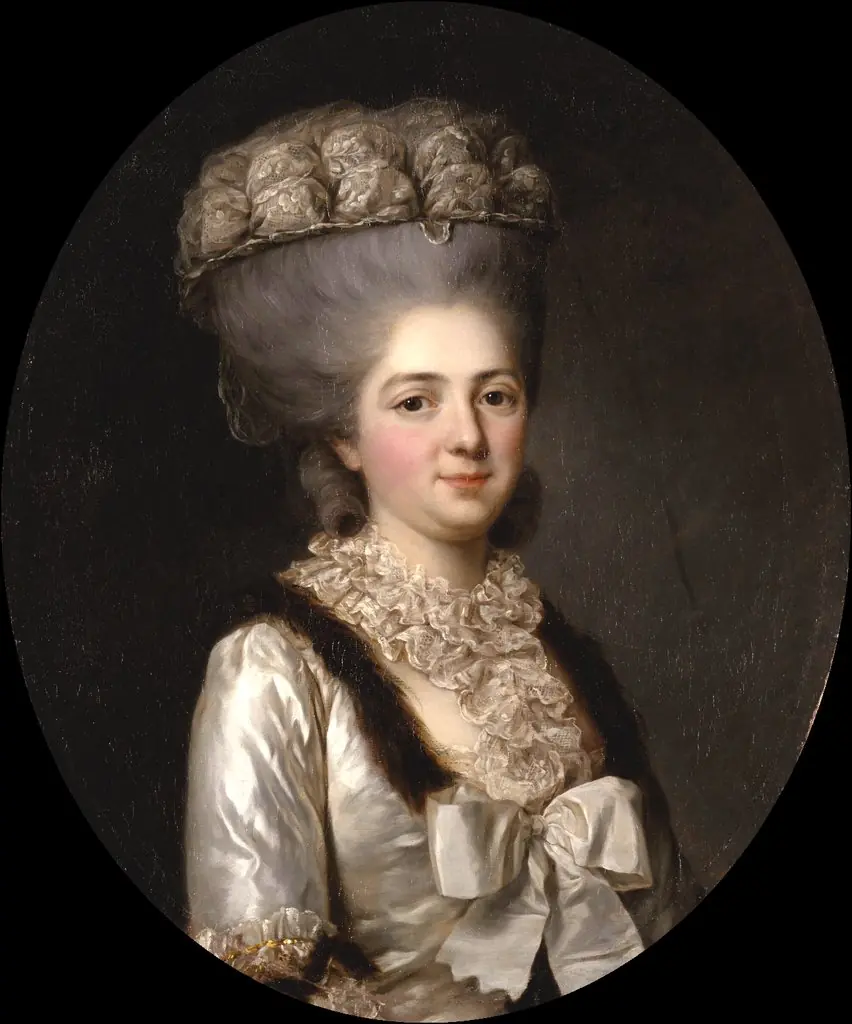 Marie-Louise-Thérèse-Victoire de France, dite Madame Victoire (1733-1799)
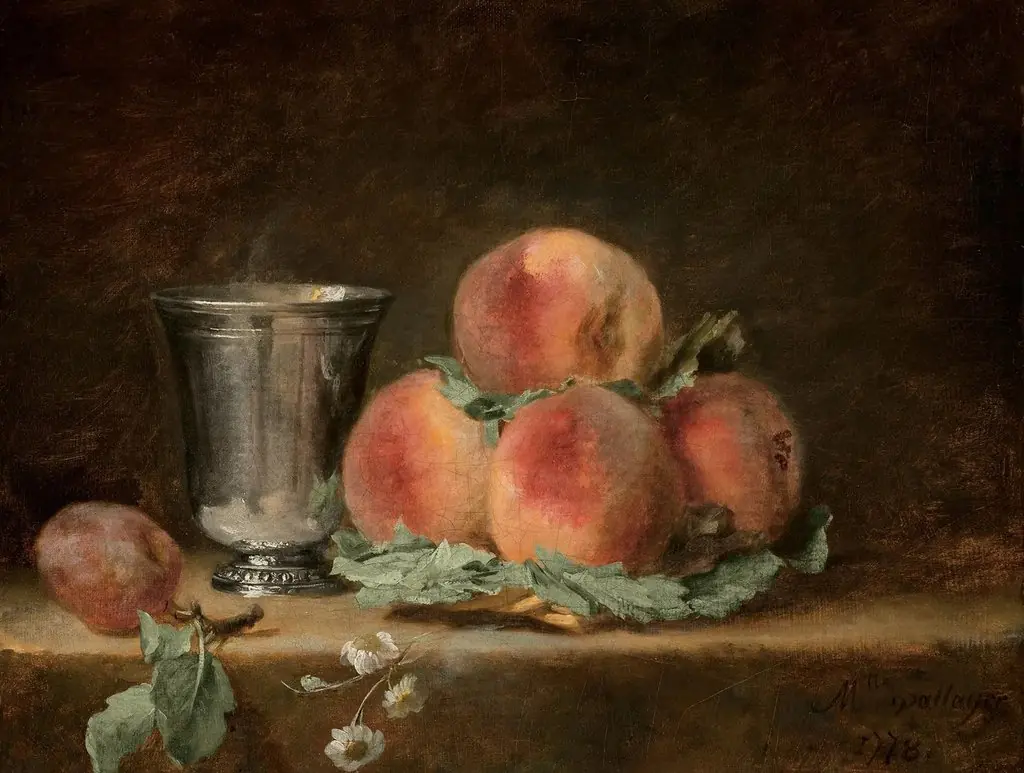 Still Life with Peaches and Silver Goblet
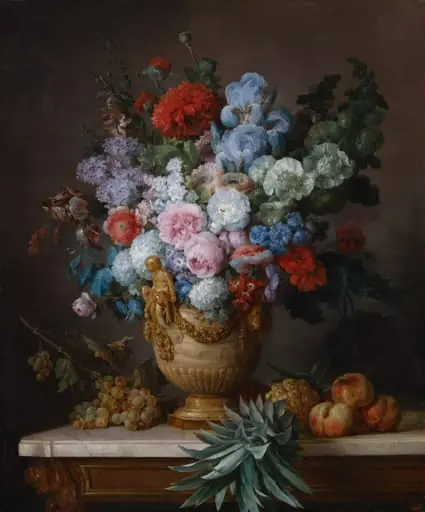 Still Life with Flowers in an Alabaster Vase and Fruit
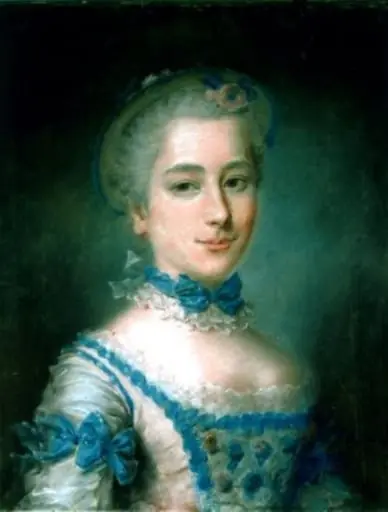 Portert de femeie
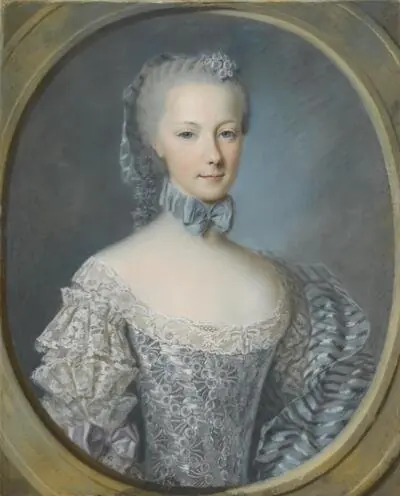 Archduchess Maria Elisabeth of Austria (1743–1808), daughter of Maria Theresa.
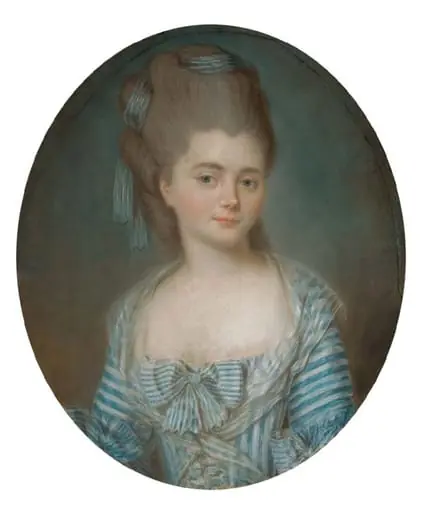 Portret de femeie
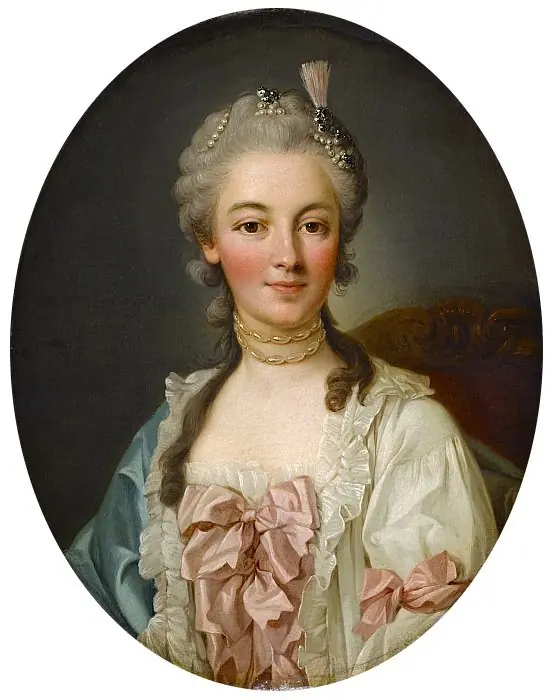 Countess Teresa Kinska Poniatowska
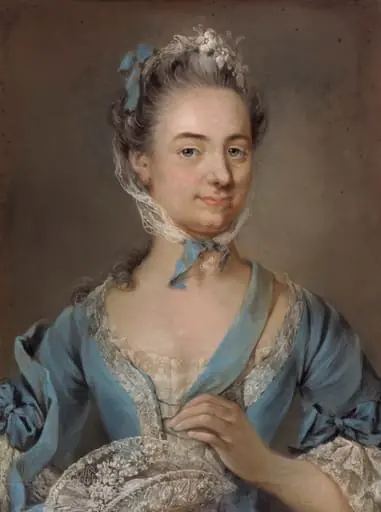 Maria Ulrika Dævel
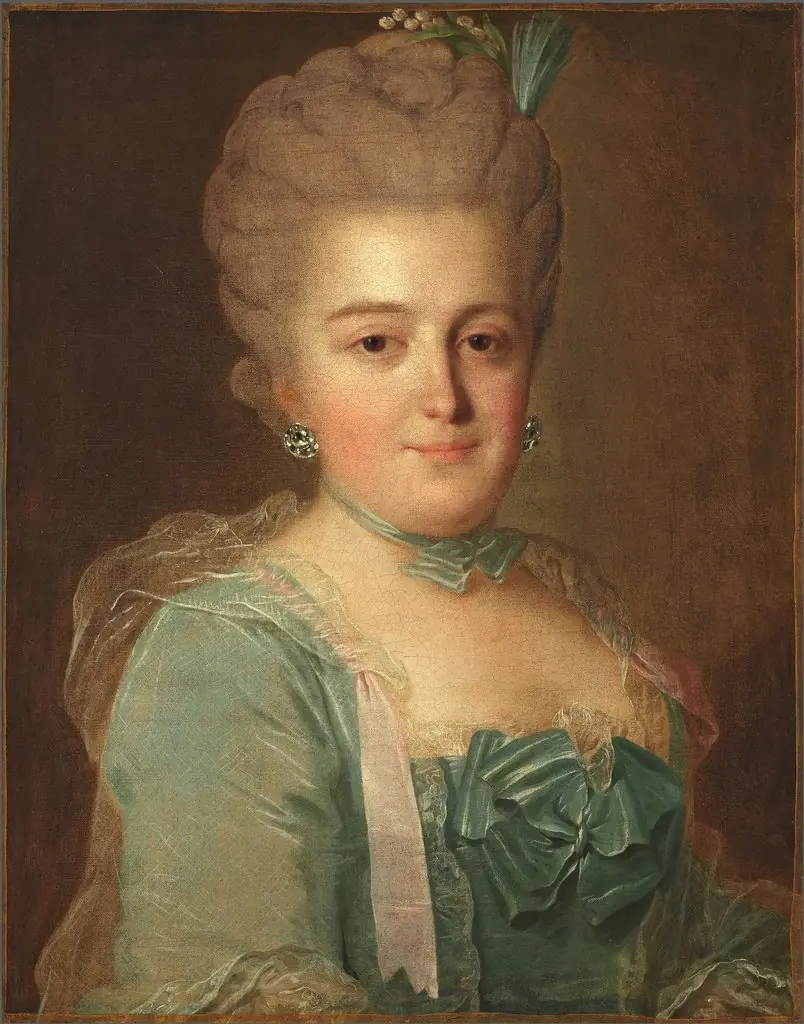 Portrait of Anna S. Tulinova
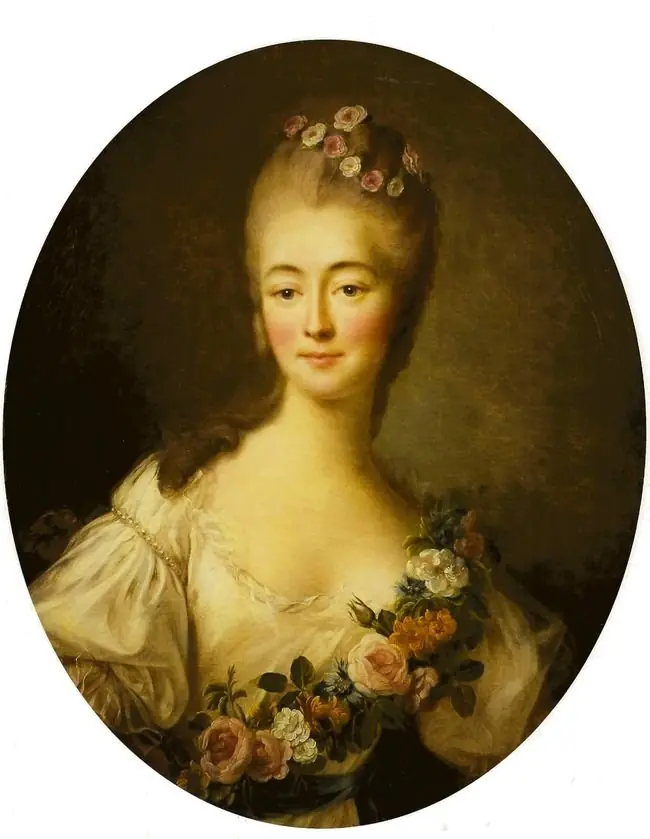 Portrait of the Countess Du Barry as Flora
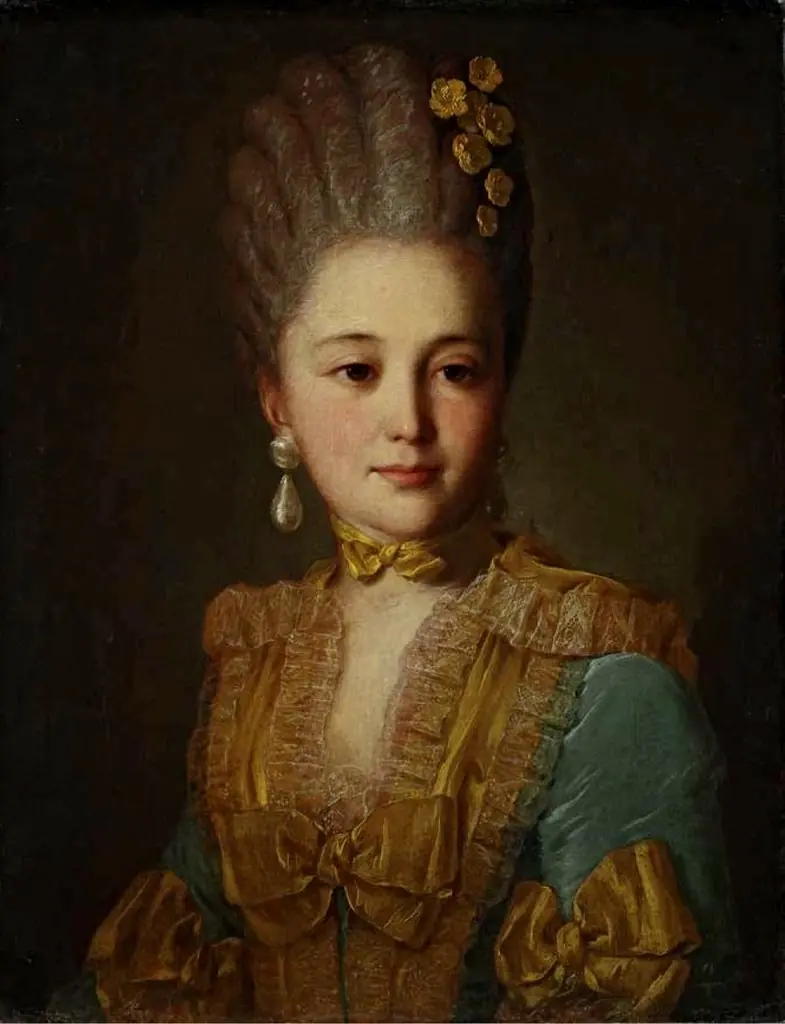 Portrait of an unknown woman in a Blue Dress with Yellow Trimmings
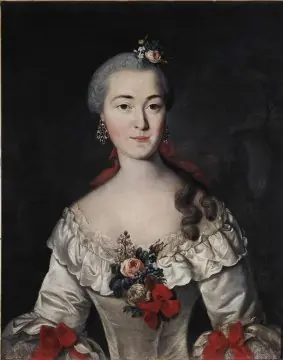 Portrait of M.I. Tatischeva
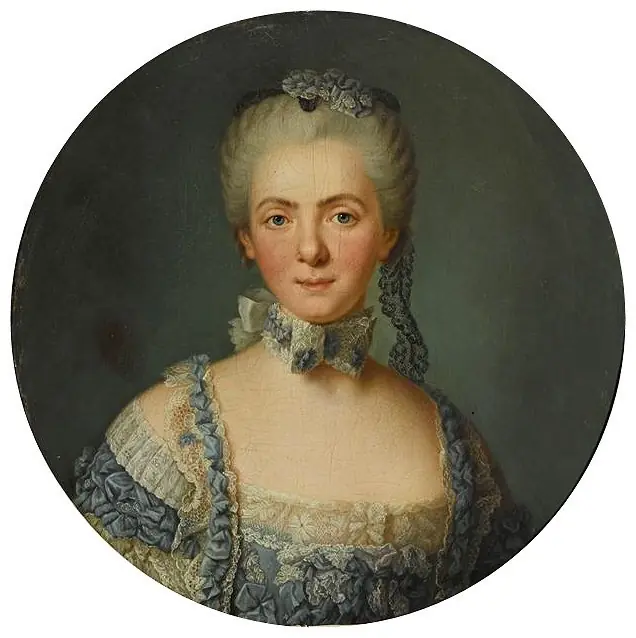 Drouais - Adélaïde of France