Artwork
A vase of flowers
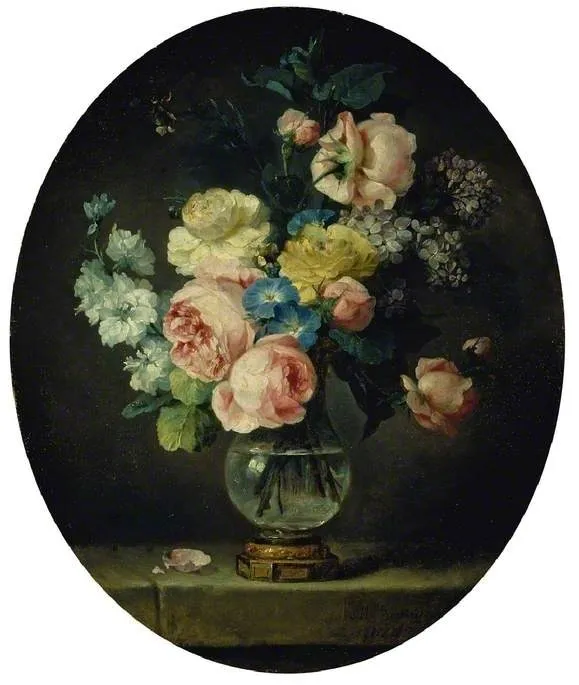
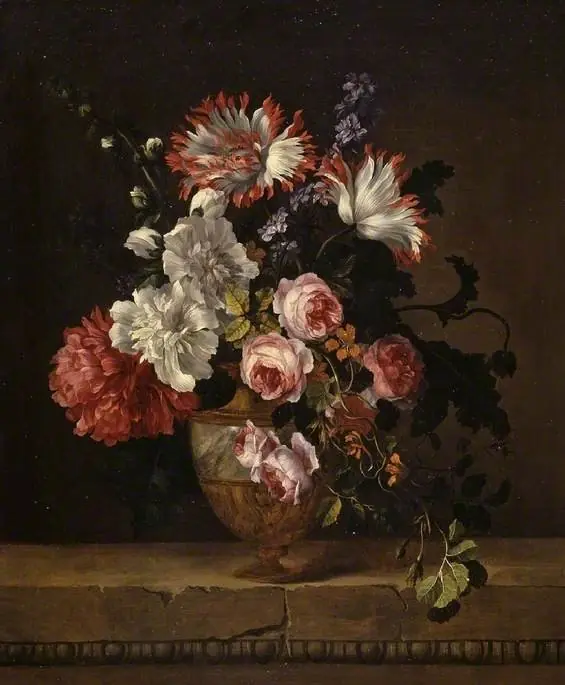
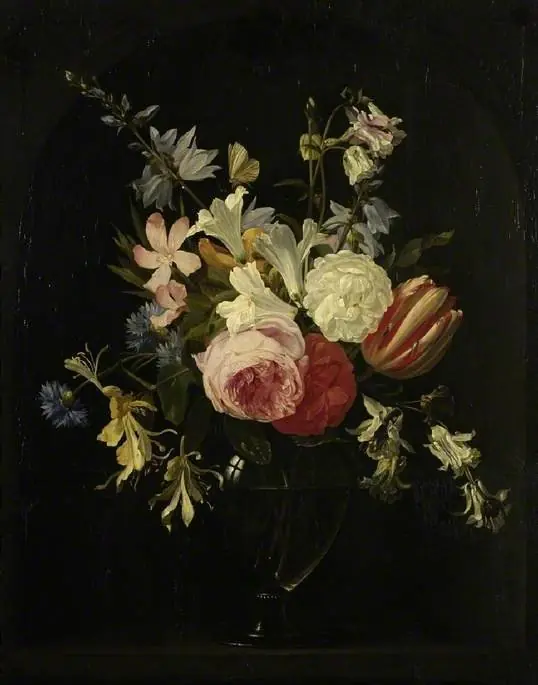
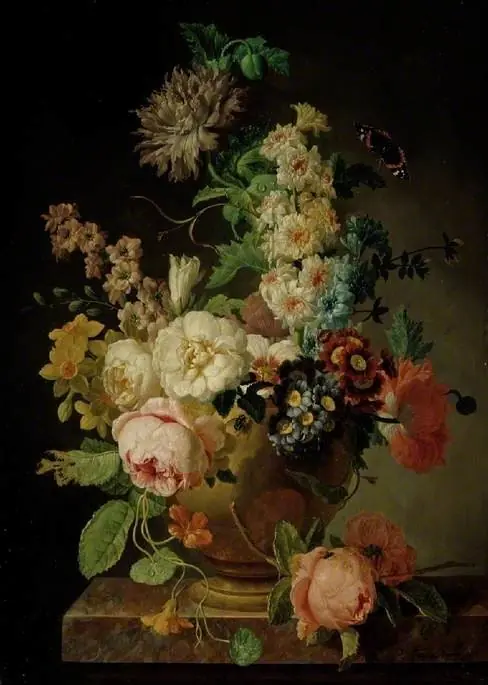
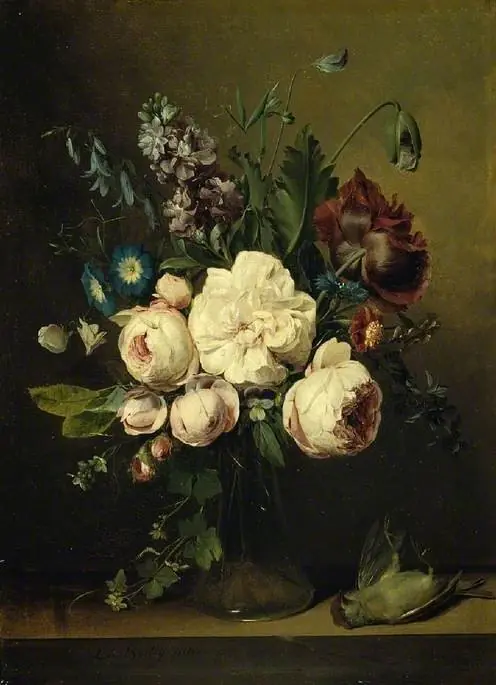
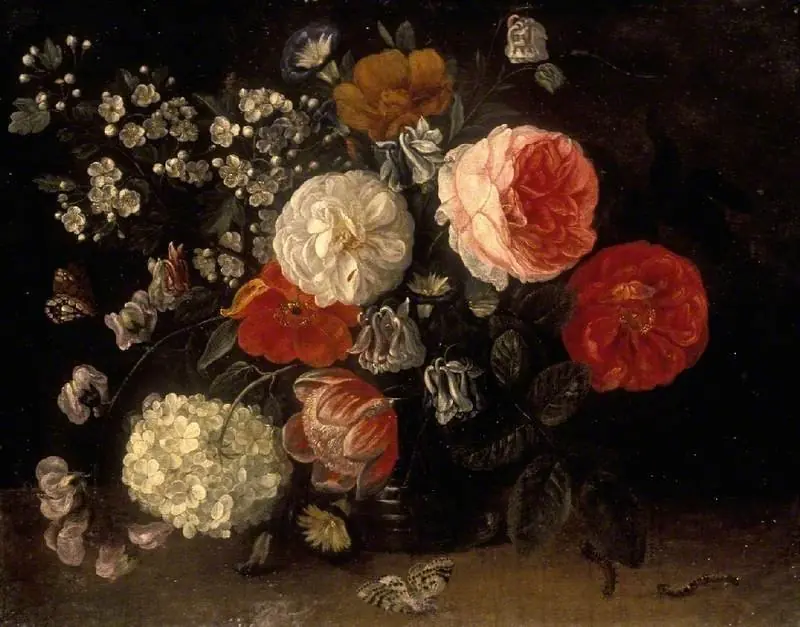
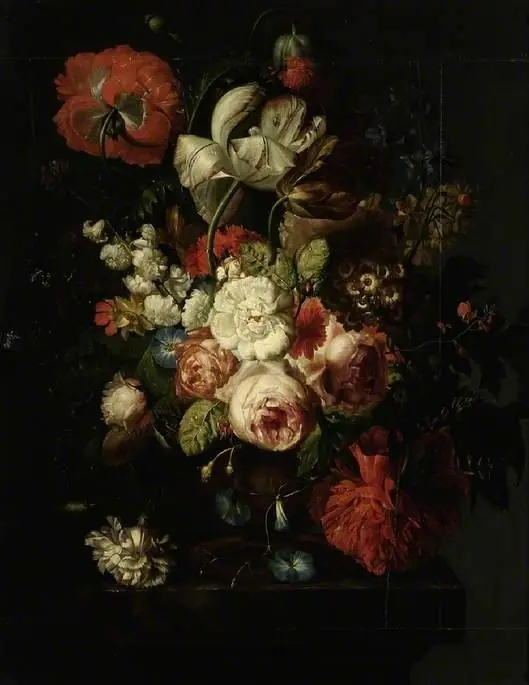
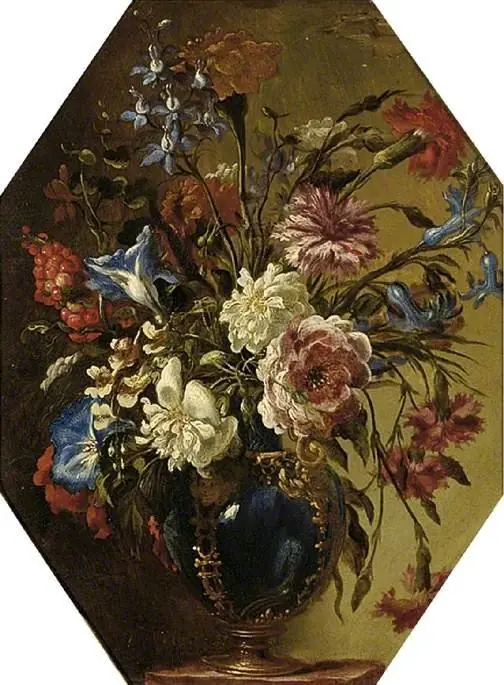
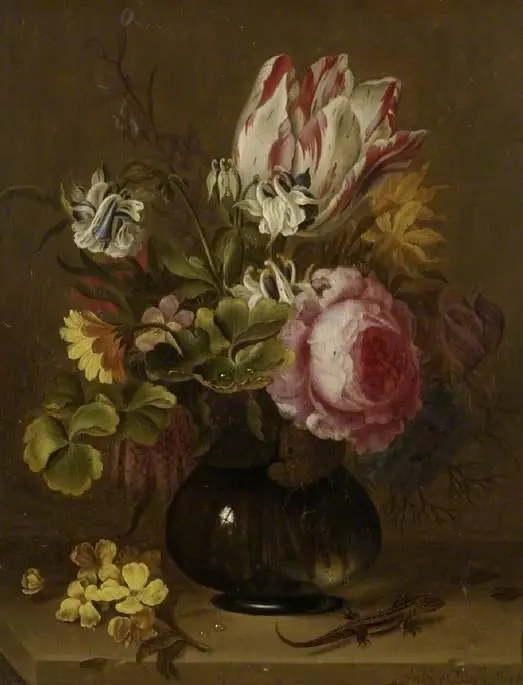
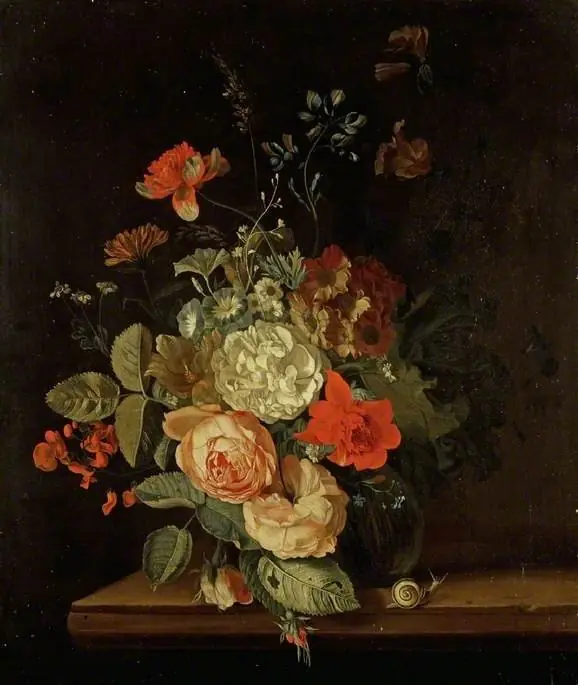
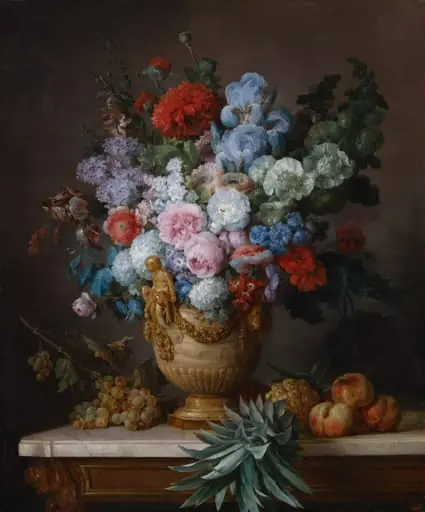
A vase of flowers is an oil painting by the Rococo painting artist Anne Vallayer-Coster. It dates from 1775 and is held in the collection of the Fitzwilliam Museum.
About this work
Overview
The composition avoids theatricality, focusing instead on quiet observation.
Painted in 1775, this oil on canvas still life by Anne Vallayer-Coster presents a modest arrangement of flowers in a transparent glass vase resting on a square pedestal. The composition avoids theatricality, focusing instead on quiet observation. Vallayer-Coster, one of the few women admitted to the French Royal Academy, elevated the genre of floral painting through meticulous attention to natural detail and subtle tonal shifts.
Subject & Meaning
The arrangement includes pink, white, blue, and yellow blooms, loosely gathered and slightly asymmetrical, suggesting a momentary pause in daily life. No symbolic allegory is overt; the work’s significance lies in its quiet celebration of transient beauty. The flowers, neither exotic nor rare, reflect an intimate, domestic aesthetic favored by aristocratic patrons who valued refinement over grandeur.
Technique & Style
Vallayer-Coster employed fine brushwork to capture the translucency of petals, the dewy texture of leaves, and the refractive qualities of glass. A dark, unmodulated background enhances the luminosity of the blooms, while soft chiaroscuro models each form with gentle gradations. The palette is restrained, avoiding vivid contrasts in favor of muted harmonies that reinforce the painting’s serene, contemplative tone.
History & Provenance
Completed shortly after Vallayer-Coster’s admission to the Académie Royale, the painting contributed to her rising reputation among elite collectors. It likely entered royal circles through patronage linked to Marie Antoinette, who acquired several of her works. The painting’s survival through the Revolution underscores its perceived value as an object of artistic merit rather than political association.
Context
In late 18th-century France, still life was considered a lesser genre, reserved for artists outside the hierarchy of history painting. Vallayer-Coster’s success challenged this hierarchy, demonstrating that technical mastery and compositional grace could elevate everyday subjects. Her work aligned with a broader courtly taste for refined, intimate scenes that contrasted with the exuberance of earlier Rococo.
Legacy
Vallayer-Coster’s floral still lifes set a standard for precision and restraint in French painting. Though overshadowed in later centuries, her work influenced 19th-century realist painters who sought to capture nature without idealization. Today, her paintings are recognized for their quiet authority and as rare examples of female artistic achievement in an institutional landscape dominated by men.
Artist & collection

Artist
Anne Vallayer-Coster (21 December 1744 – 28 February 1818) was a French painter best known for still lifes.

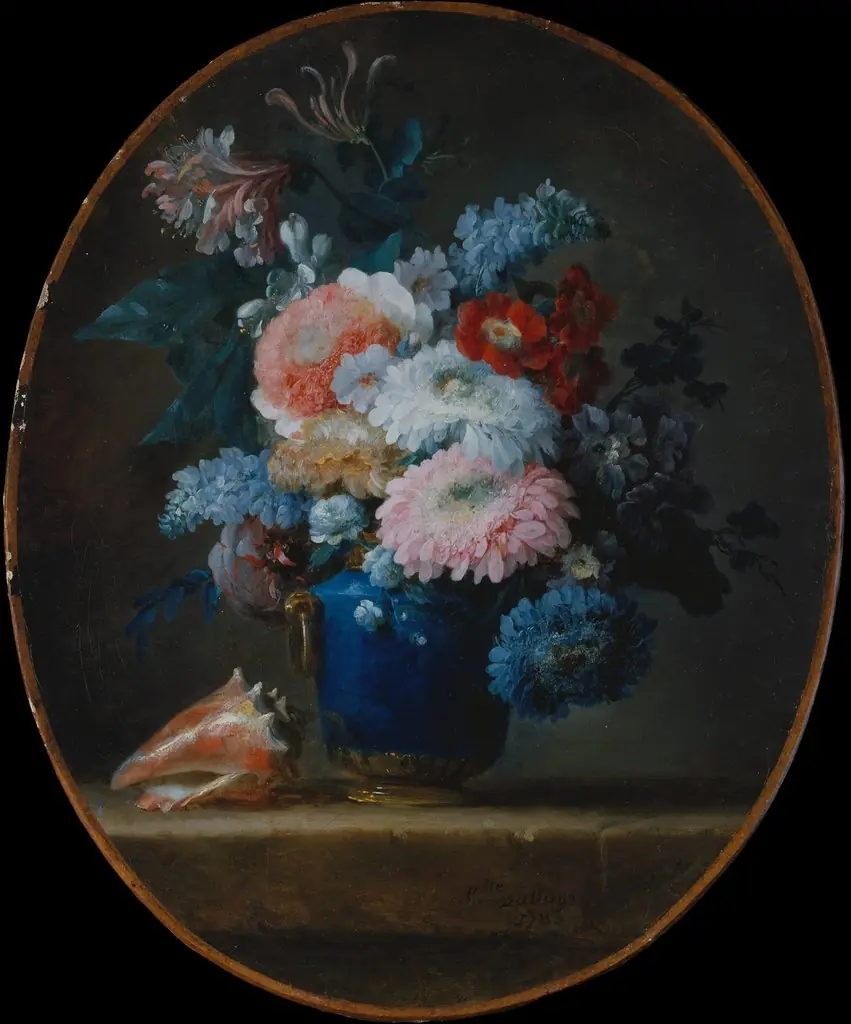 Vase of Flowers and Conch Shell
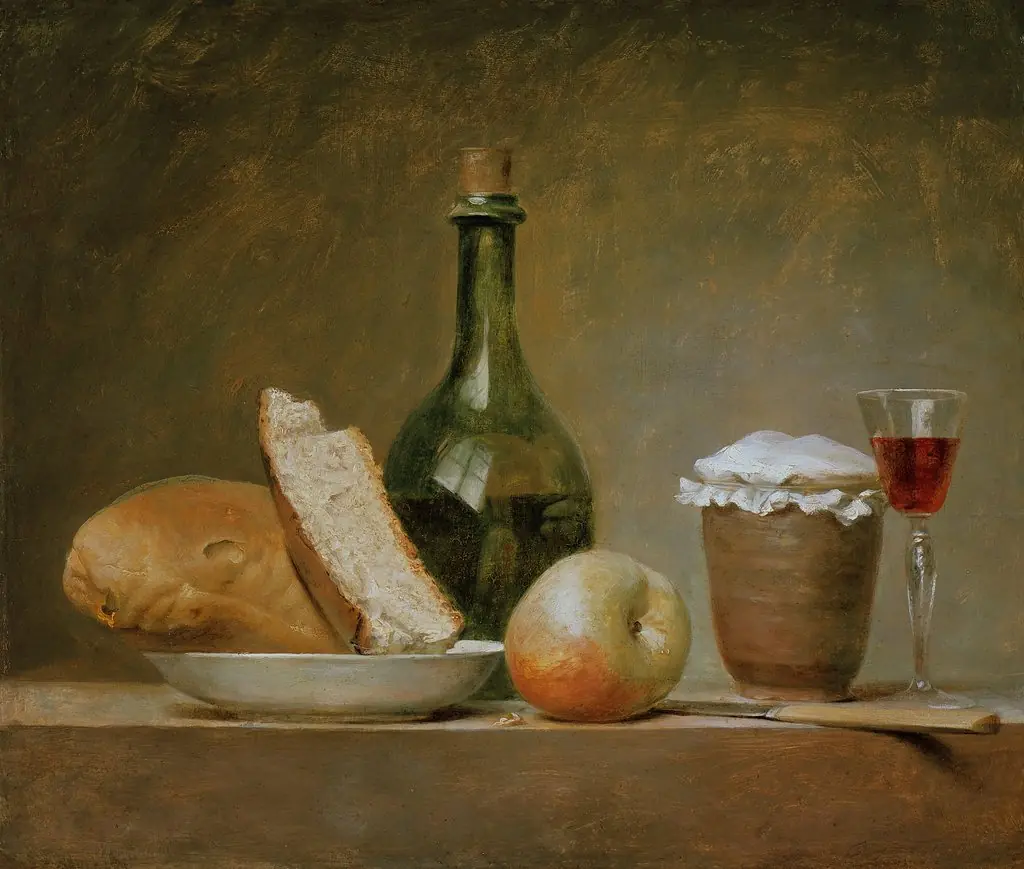 Still Life with a bulbous Bottle
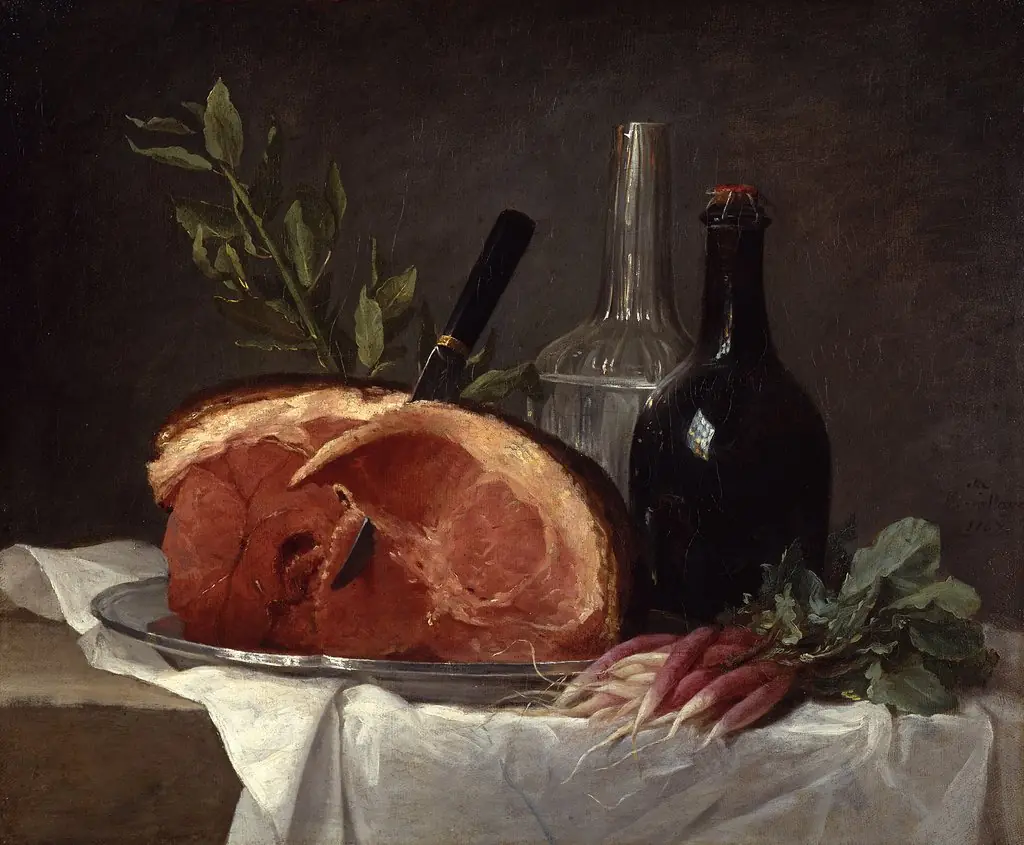 Still Life with a Ham
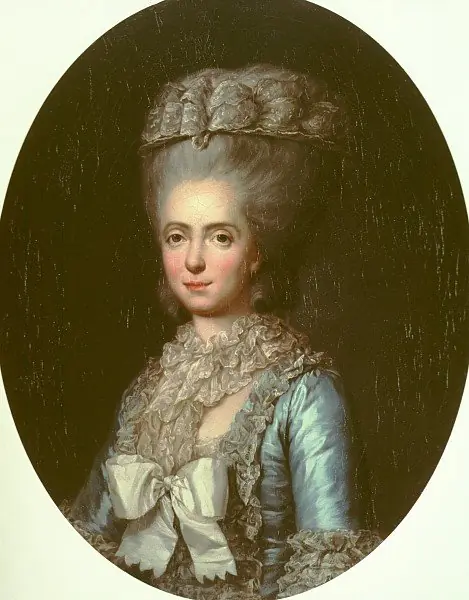 Sophie-Philippine-Elisabeth-Justine de France, dite Madame Sophie
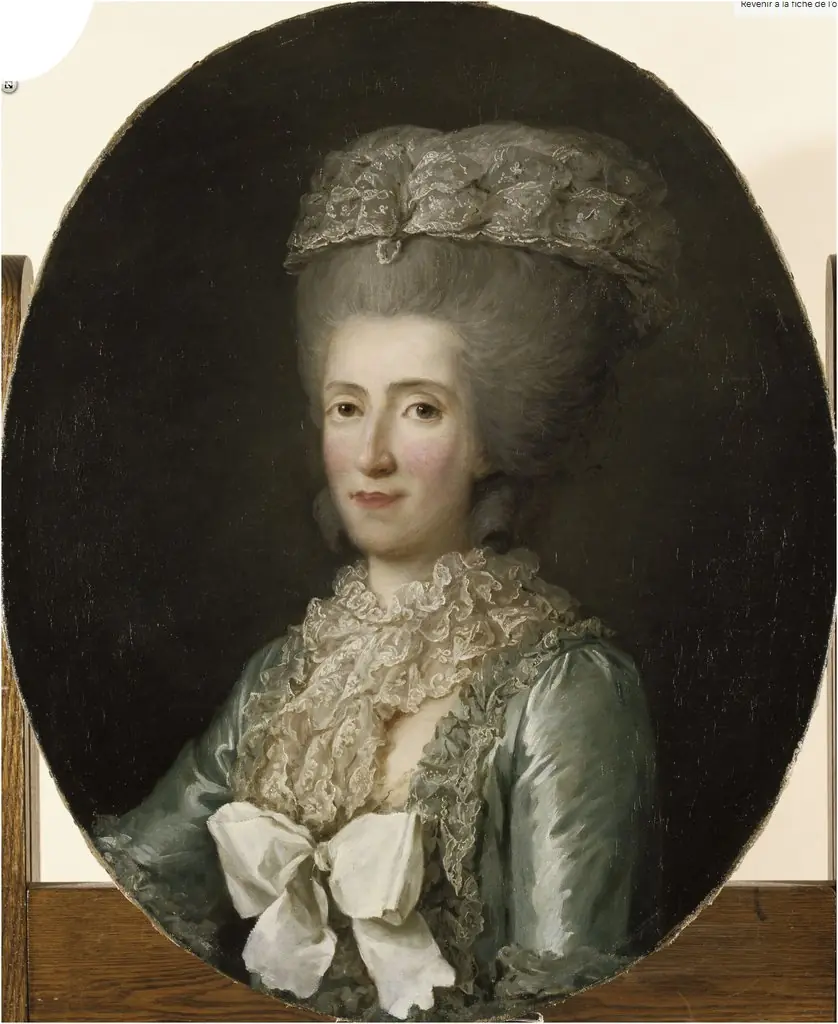 Marie-Adélaïde de France, dite Madame Adélaïde
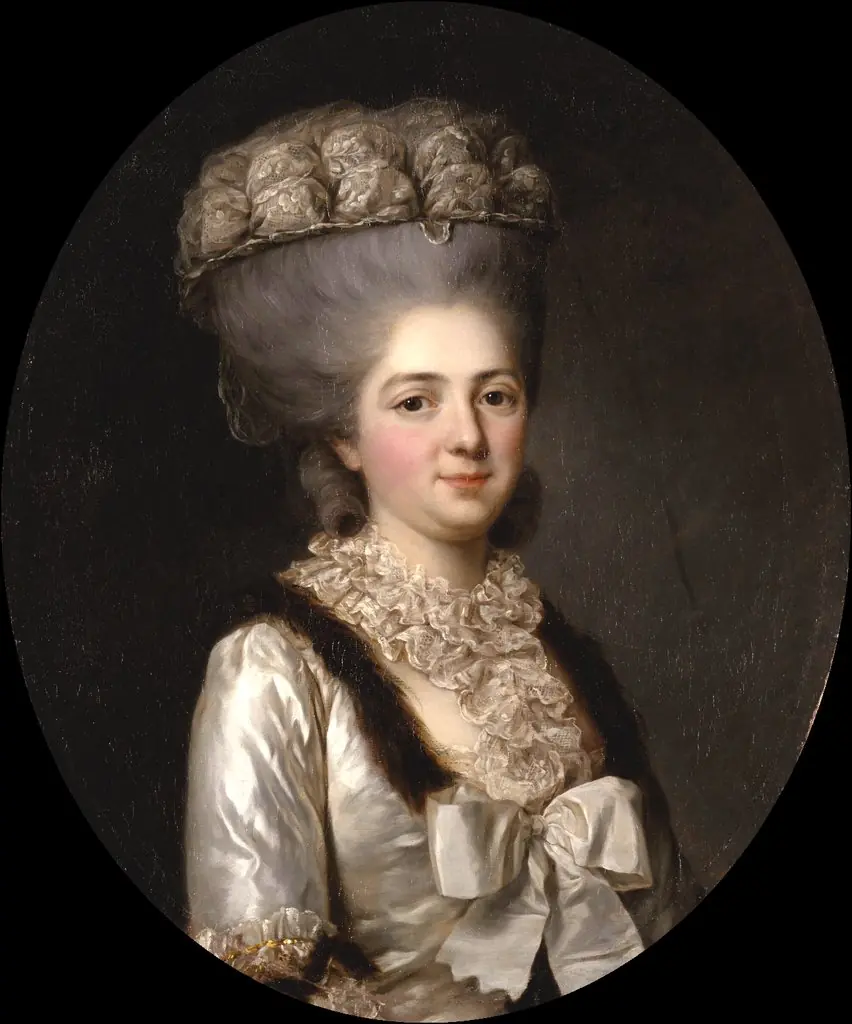 Marie-Louise-Thérèse-Victoire de France, dite Madame Victoire (1733-1799)
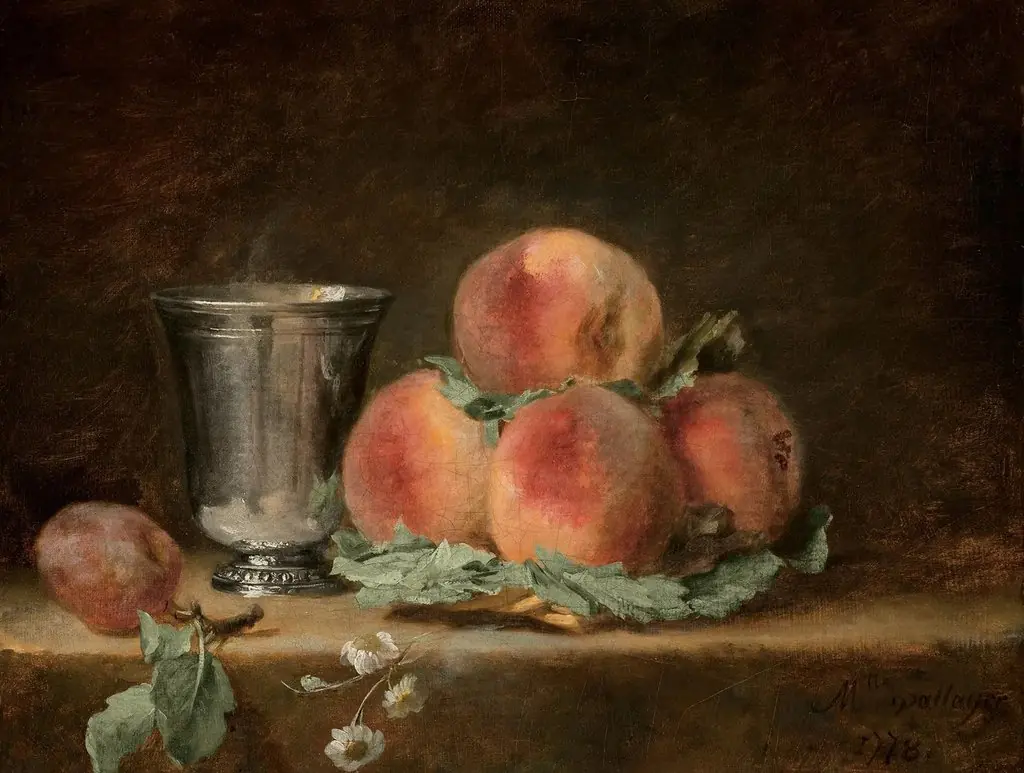 Still Life with Peaches and Silver Goblet
 Still Life with Flowers in an Alabaster Vase and Fruit