Artwork
Still Life with Peaches and Silver Goblet
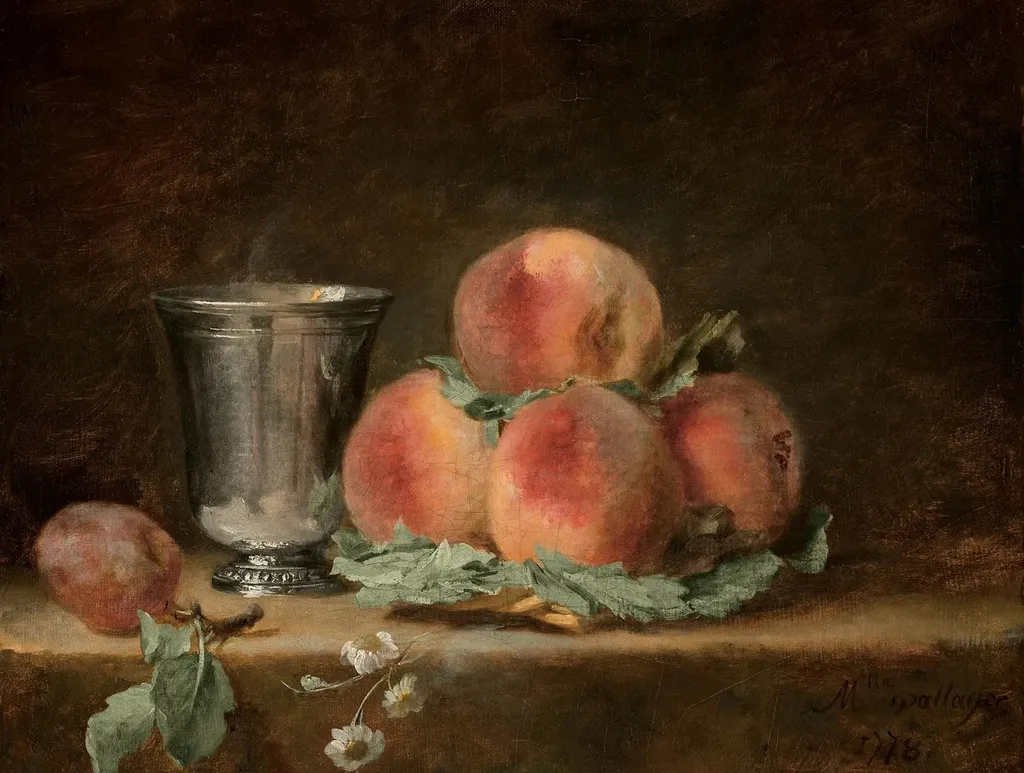
Still Life with Peaches and Silver Goblet is an oil painting by the Rococo painting artist Anne Vallayer-Coster. It dates from 1790 and is held in the collection of the Montreal Museum of Fine Arts.
About this work
Overview
Painted in 1790 by Anne Vallayer-Coster, this oil-on-canvas still life presents a carefully composed arrangement of peaches and a silver goblet.
Painted in 1790 by Anne Vallayer-Coster, this oil-on-canvas still life presents a carefully composed arrangement of peaches and a silver goblet. Vallayer-Coster, one of the few women admitted to the French Royal Academy in the 18th century, specialized in still lifes that combined precision with quiet elegance. The work exemplifies her mastery of texture and light, executed with the discipline expected of academic training.
Subject & Meaning
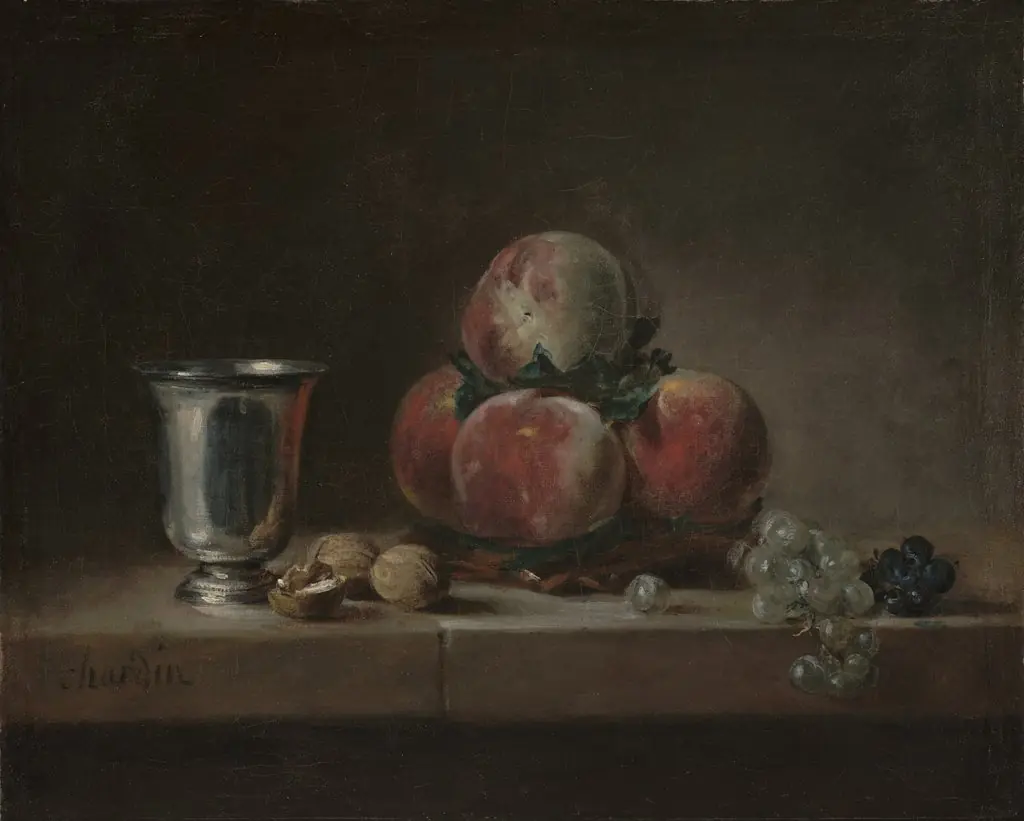
The composition centers on ripe peaches stacked in a pyramidal form, symbolizing abundance and transience, common themes in still life. The silver goblet, polished and ornate, suggests luxury and refinement. Together, the objects convey a sense of cultivated taste, reflecting the values of the French elite. No overt narrative is present; meaning arises from the quiet interplay of material wealth and natural decay.
Technique & Style
Vallayer-Coster employed a restrained chiaroscuro to model the peaches’ soft surfaces and the goblet’s reflective metal, enhancing their three-dimensionality. Warm oranges and yellows emerge from a dark, neutral background, drawing focus to the objects’ tactile qualities. Brushwork is precise yet unobtrusive, avoiding theatricality. The style aligns with late Rococo sensibilities but with a cooler, more controlled restraint characteristic of her approach.
History & Provenance
Completed in 1790, the painting was created during a period when Vallayer-Coster maintained a steady reputation among aristocratic patrons. It remained in private collections until entering the Montreal Museum of Fine Arts’ holdings, where it has been preserved as part of their European decorative arts collection. Its documented history reflects its status as a respected academic work rather than a widely exhibited public piece.
Context
In late 18th-century France, still life was considered a lesser genre compared to history painting, yet Vallayer-Coster elevated it through technical rigor. As a woman in a male-dominated institution, her success was exceptional. This painting reflects the enduring appeal of refined domestic objects among the French upper classes, even as revolutionary ideals began to challenge aristocratic aesthetics.
Legacy
Vallayer-Coster’s work, including this still life, contributed to the recognition of women artists within formal academies. Her attention to material detail and compositional balance influenced later generations of still life painters. Though less celebrated today than her male contemporaries, her paintings remain important examples of how technical mastery could assert artistic authority within restrictive social structures.
Artist & collection

Artist
Anne Vallayer-Coster (21 December 1744 – 28 February 1818) was a French painter best known for still lifes.

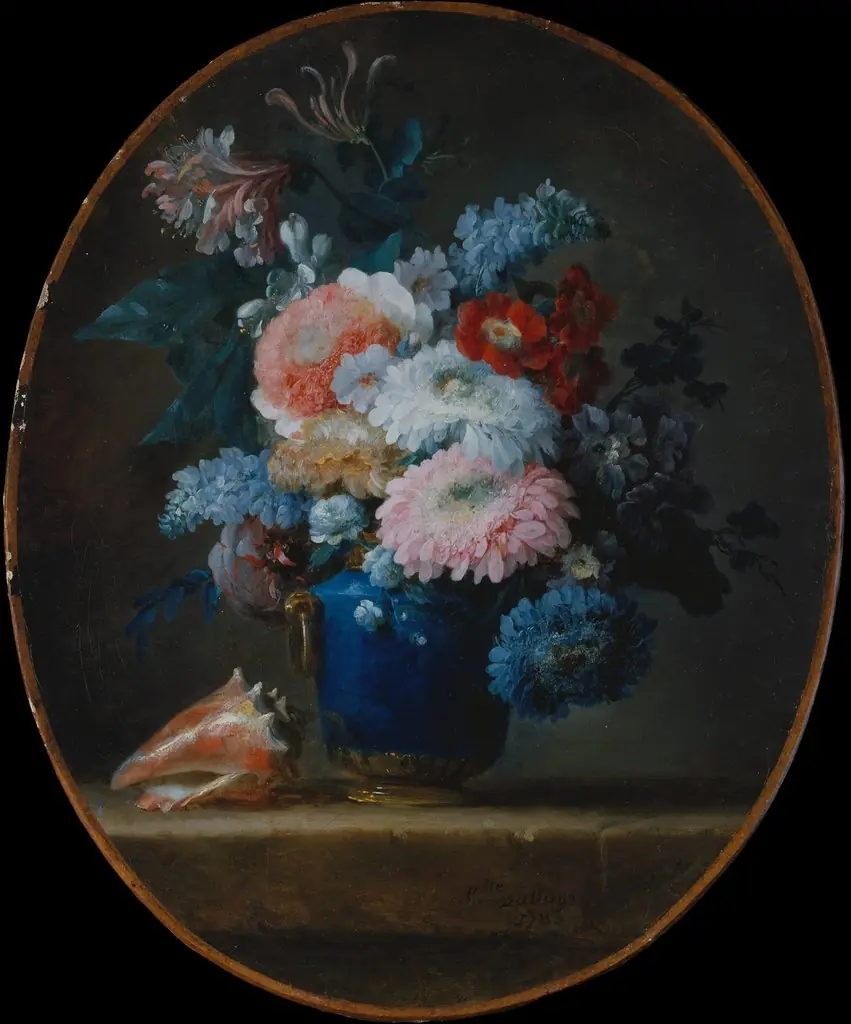 Vase of Flowers and Conch Shell
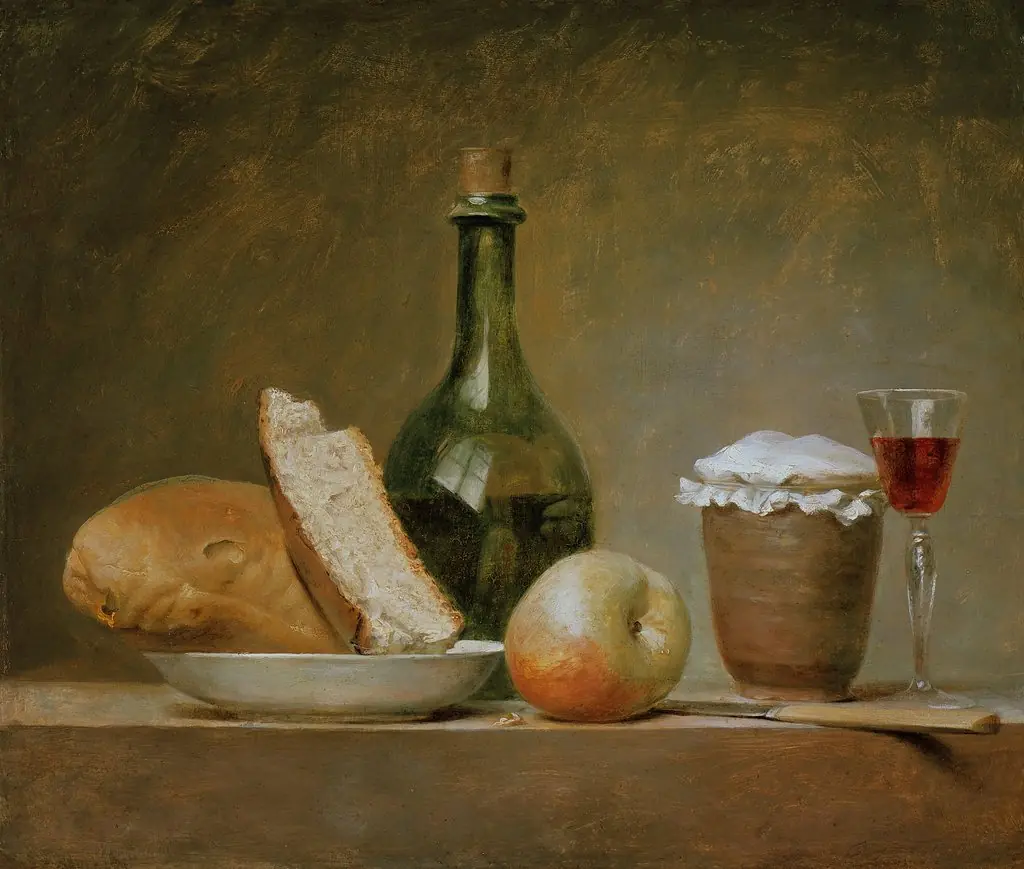 Still Life with a bulbous Bottle
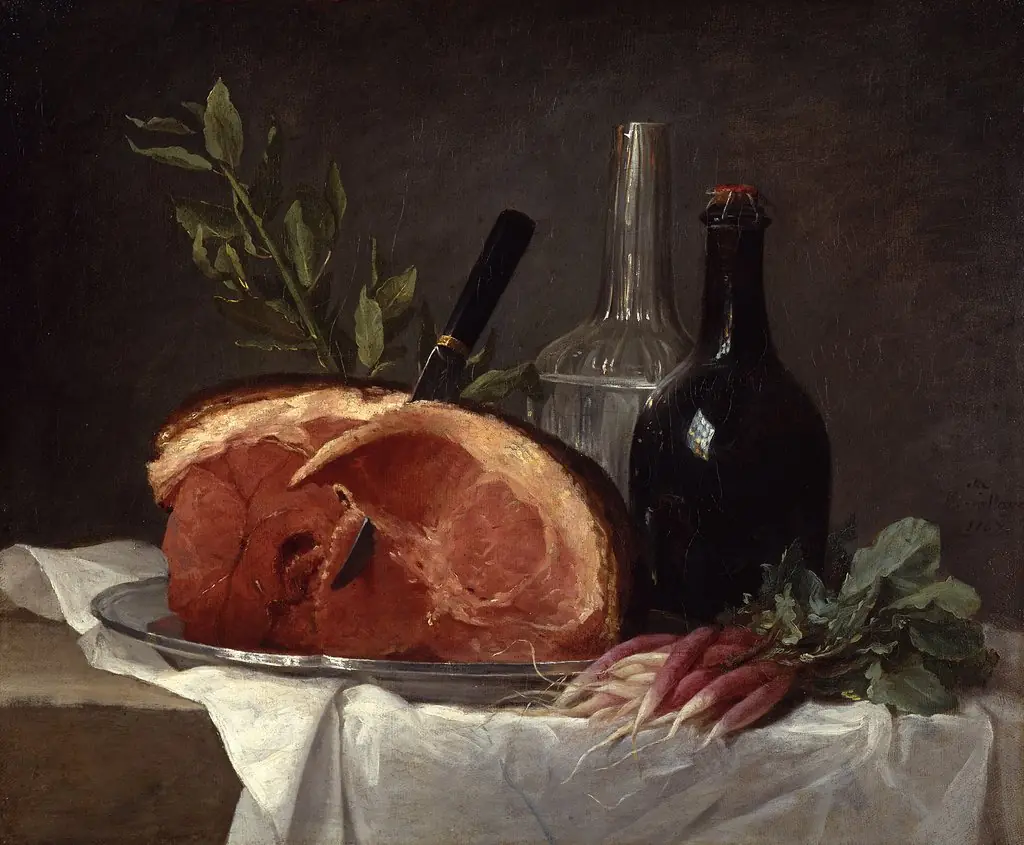 Still Life with a Ham
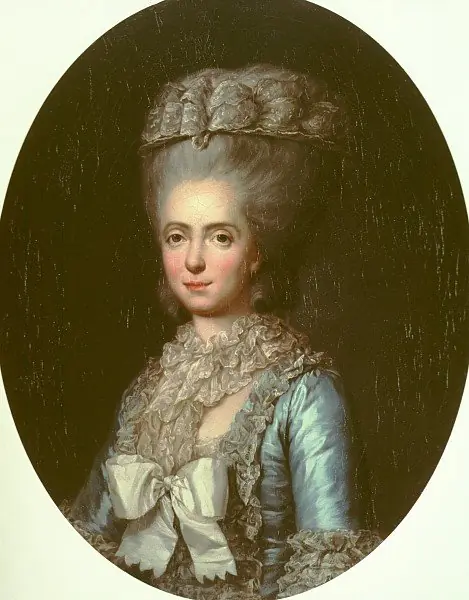 Sophie-Philippine-Elisabeth-Justine de France, dite Madame Sophie
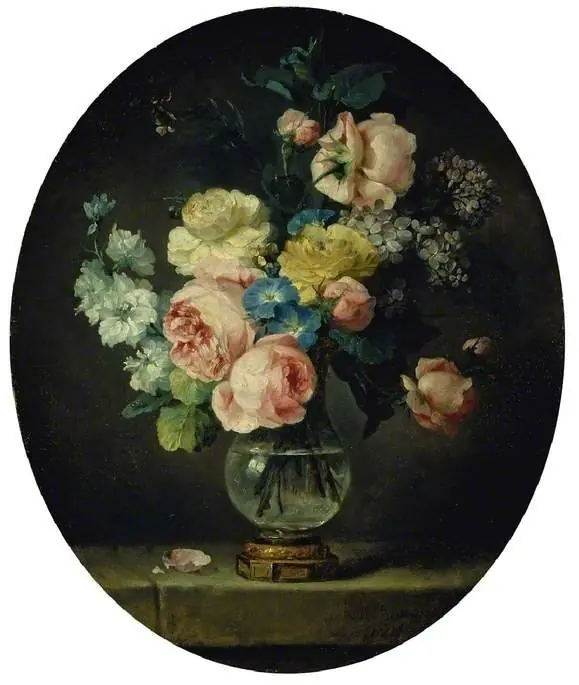 A vase of flowers
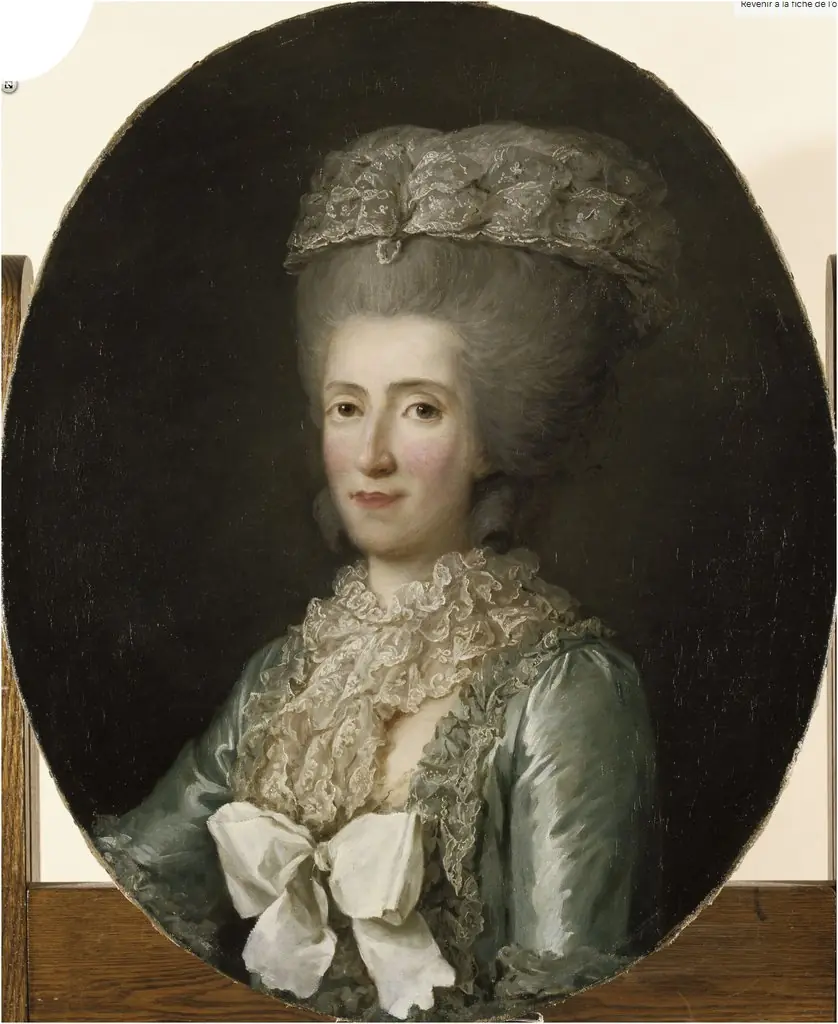 Marie-Adélaïde de France, dite Madame Adélaïde
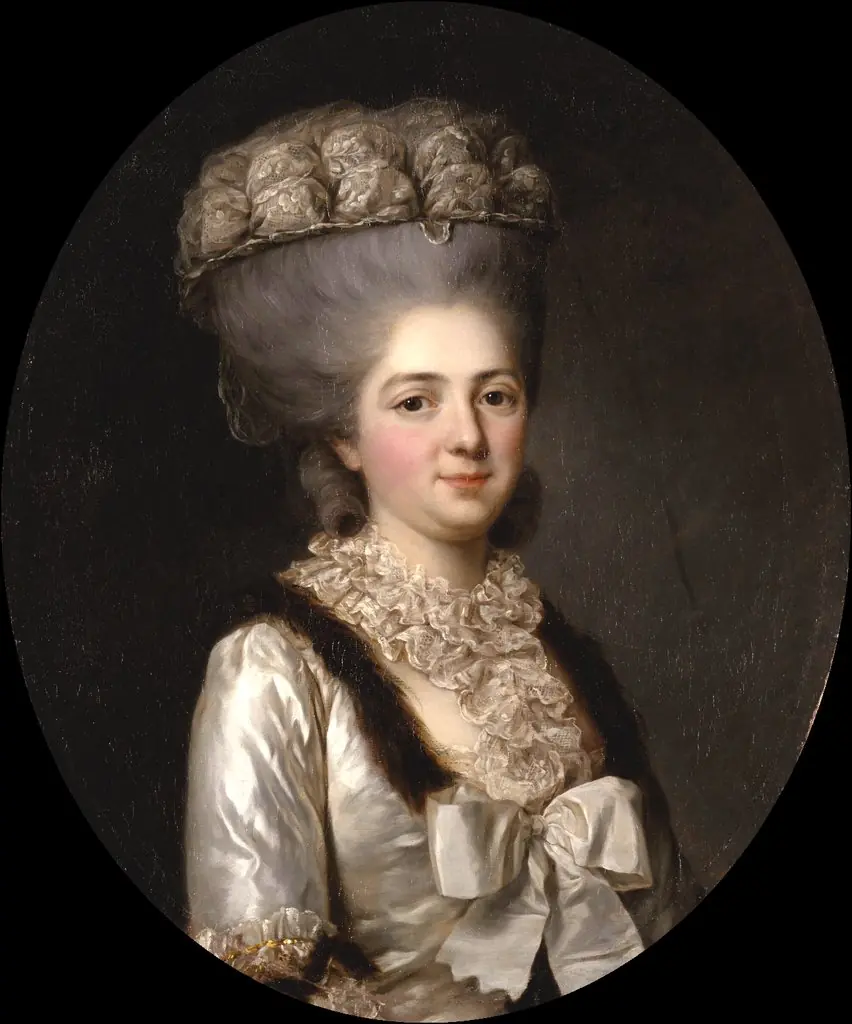 Marie-Louise-Thérèse-Victoire de France, dite Madame Victoire (1733-1799)
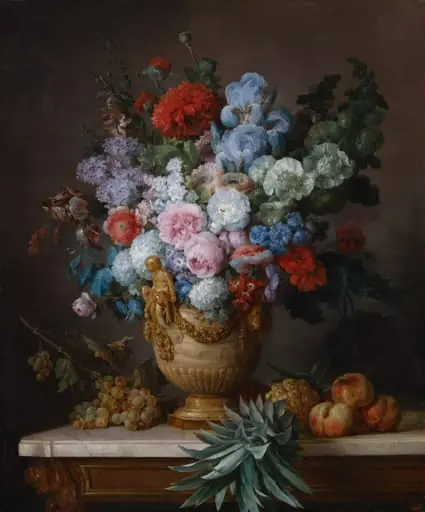 Still Life with Flowers in an Alabaster Vase and Fruit