Artwork
Christ wearing the Crown of Thorns, supported by Angels
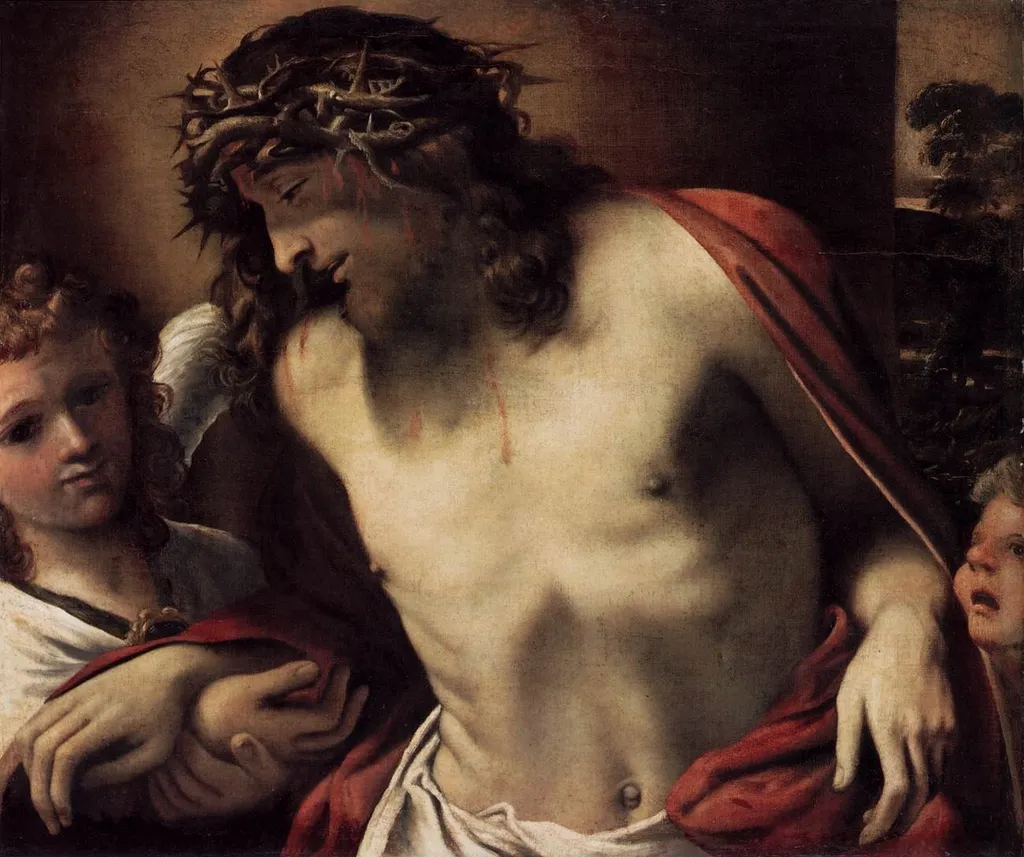
Christ wearing the Crown of Thorns, supported by Angels is an oil painting by the Early Baroque Italian artist Annibale Carracci. It dates from 1594 and is held in the collection of the Staatliche Kunstsammlungen Dresden.
About this work
Overview
Painted in 1594 by Annibale Carracci, this oil work presents a quiet yet intense depiction of Christ after his scourging, cradled by two angels.
Painted in 1594 by Annibale Carracci, this oil work presents a quiet yet intense depiction of Christ after his scourging, cradled by two angels. Executed in Rome during the early Baroque period, it reflects Carracci’s effort to merge classical restraint with heightened emotional presence. The painting resides in the Gemäldegalerie Alte Meister, part of a broader movement seeking spiritual gravity through naturalistic form.
Subject & Meaning
The scene captures Christ in a moment of vulnerability, crowned with thorns and physically supported by celestial figures. His closed eyes and bowed head suggest resignation, while the angels’ tender gestures convey reverence and sorrow. The absence of overt violence shifts focus to inner suffering and divine endurance, aligning with Counter-Reformation ideals that emphasized personal devotion and Christ’s humanity.
Technique & Style
Carracci employs chiaroscuro to model Christ’s form with subtle gradations of light and shadow, enhancing three-dimensionality and emotional weight. The dark, indistinct background isolates the figures, drawing attention to their physicality and interaction. Brushwork is controlled yet expressive, avoiding theatricality in favor of quiet intensity. The draped red cloth and bare torso ground the figure in tangible reality, reinforcing the painting’s devotional purpose.
History & Provenance
Commissioned during Carracci’s Roman period, the painting entered the collection of the Dukes of Saxony in the 17th century and later became part of the Gemäldegalerie Alte Meister in Dresden. Its preservation reflects its early recognition as a significant example of Bolognese reformist painting. No major alterations or restorations are documented, preserving its original tonal harmony and compositional balance.
Context
Created amid the Catholic Church’s push for clearer religious imagery after the Council of Trent, the painting responds to calls for emotionally resonant, theologically sound depictions. Carracci, alongside his brother and cousin, sought to move beyond Mannerist artificiality by returning to observed nature and classical proportion. This work exemplifies their effort to make sacred subjects accessible through dignified realism.
Legacy
Though less widely known than Carracci’s frescoes, this painting influenced later Baroque devotional art through its restrained emotion and sculptural clarity. It contributed to a shift away from ornate symbolism toward intimate, human-centered religious imagery. Its quiet power helped shape the aesthetic direction of 17th-century Italian painting, particularly in the portrayal of Christ’s suffering.
Artist & collection
Artist
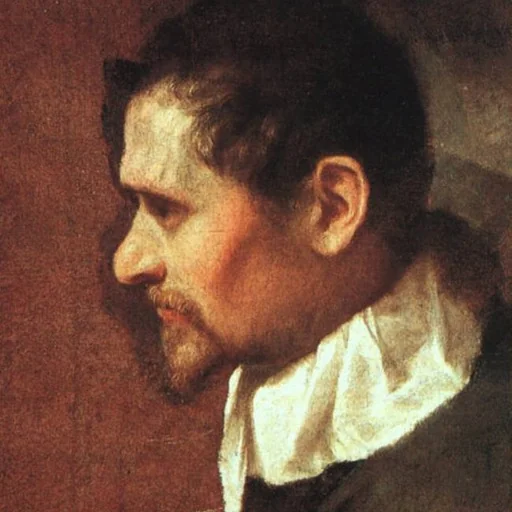
Annibale Carracci ( kə-RAH-chee, UK also kə-RATCH-ee, Italian: ; November 3, 1560 – July 15, 1609) was an Italian painter and instructor, active in Bologna and later in Rome.

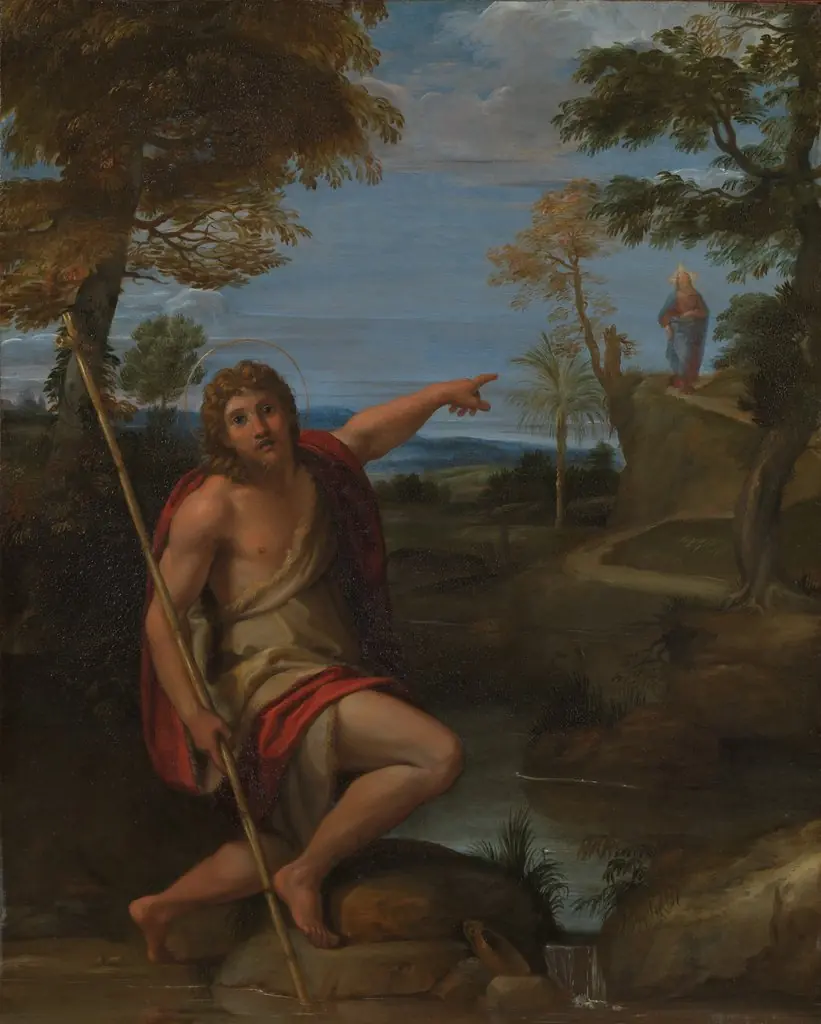
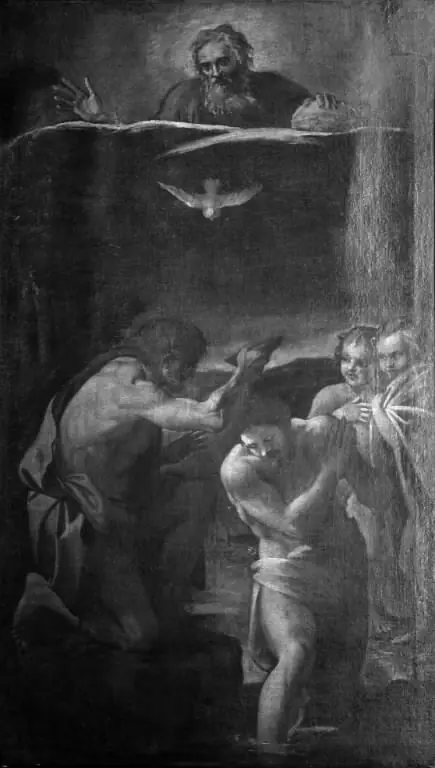
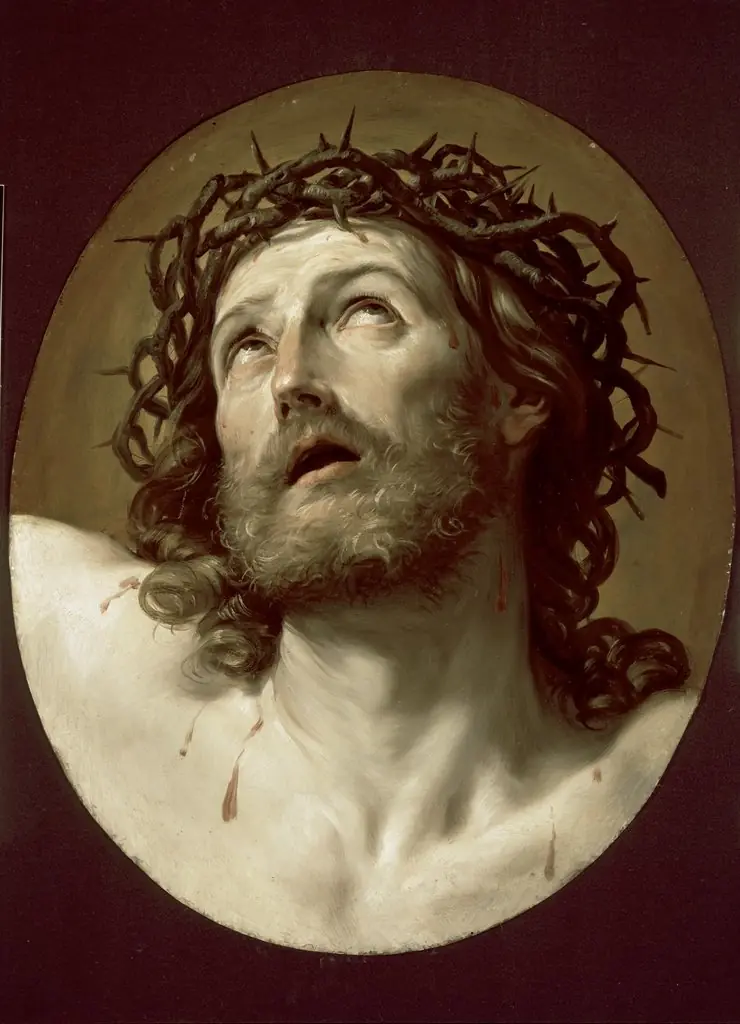 Head of Christ Crowned with Thorns
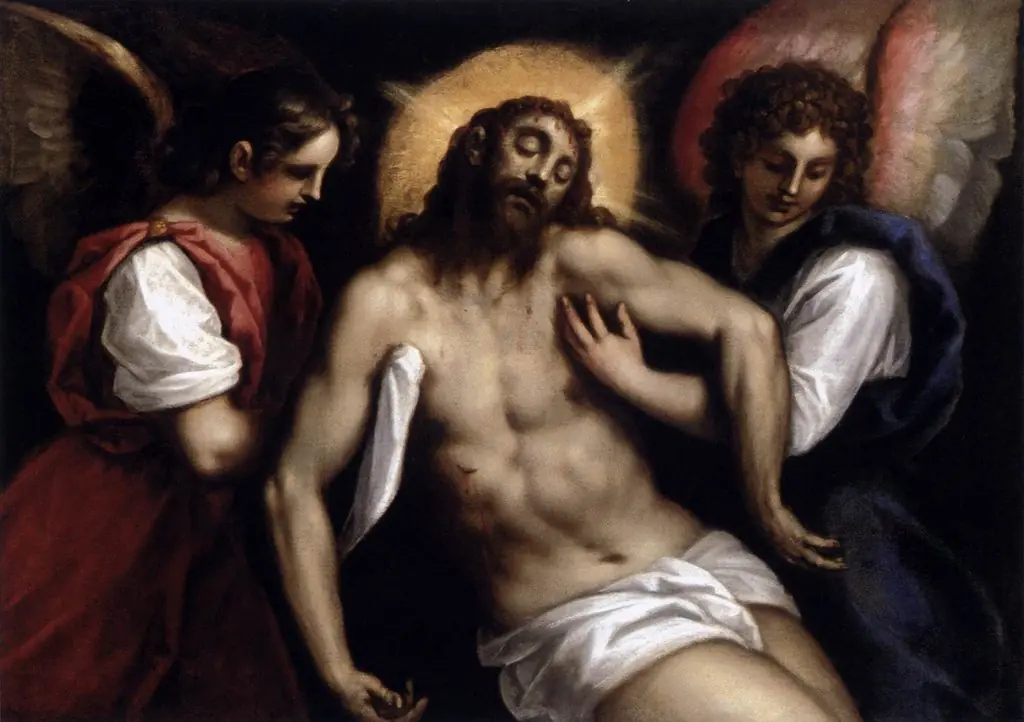 The Dead Christ with Two Angels
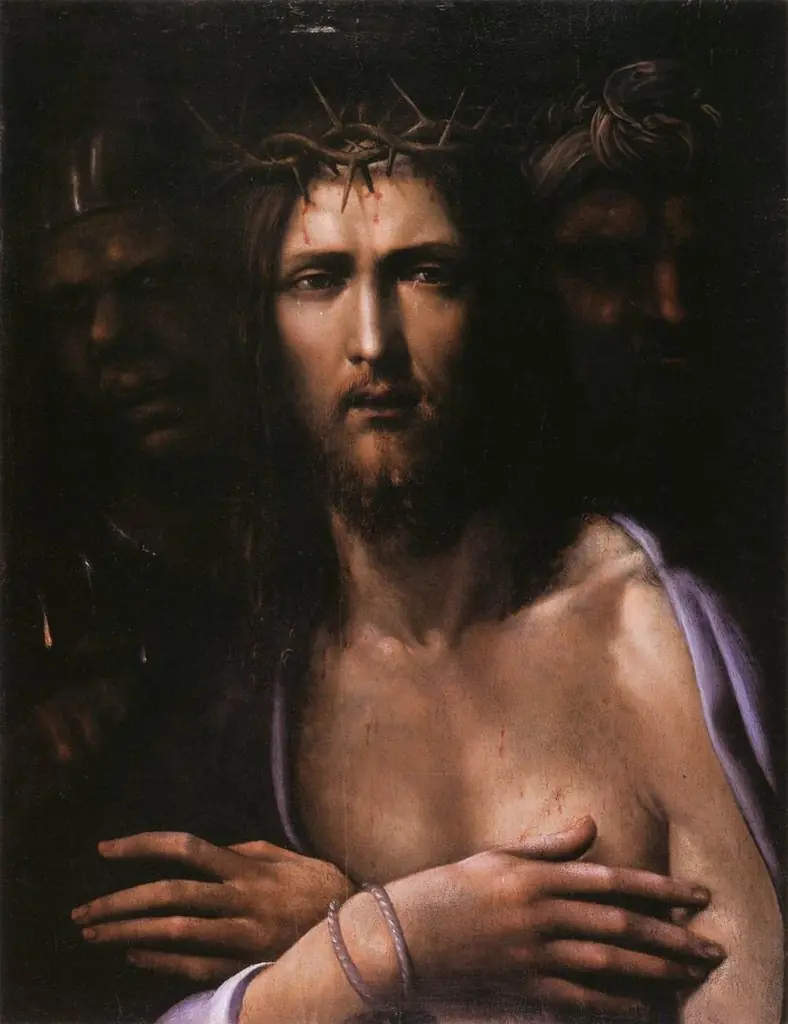 Ecce Homo
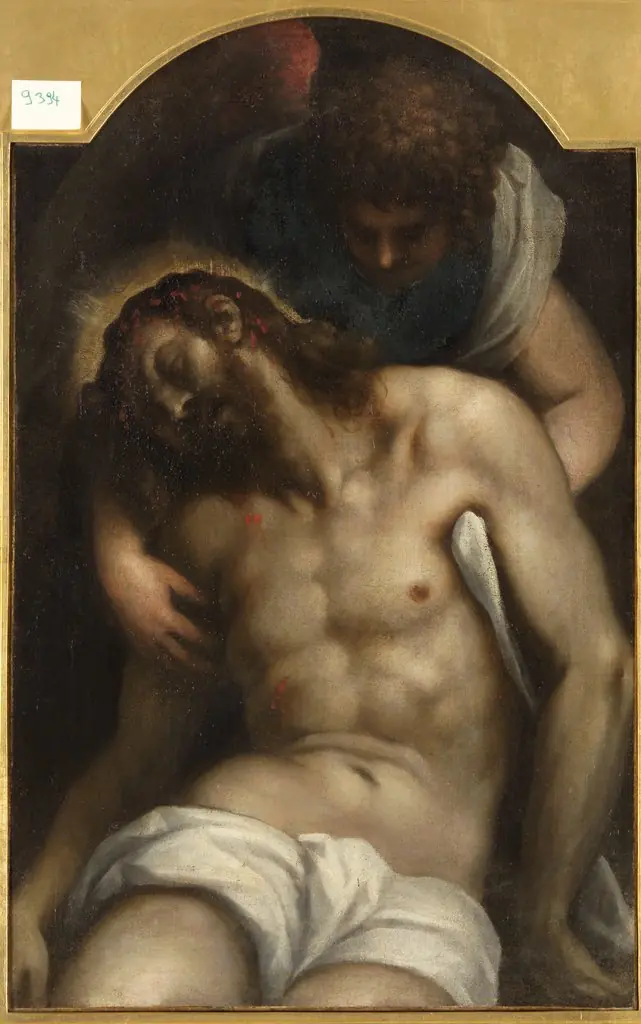 Dead Christ Supported by an Angel
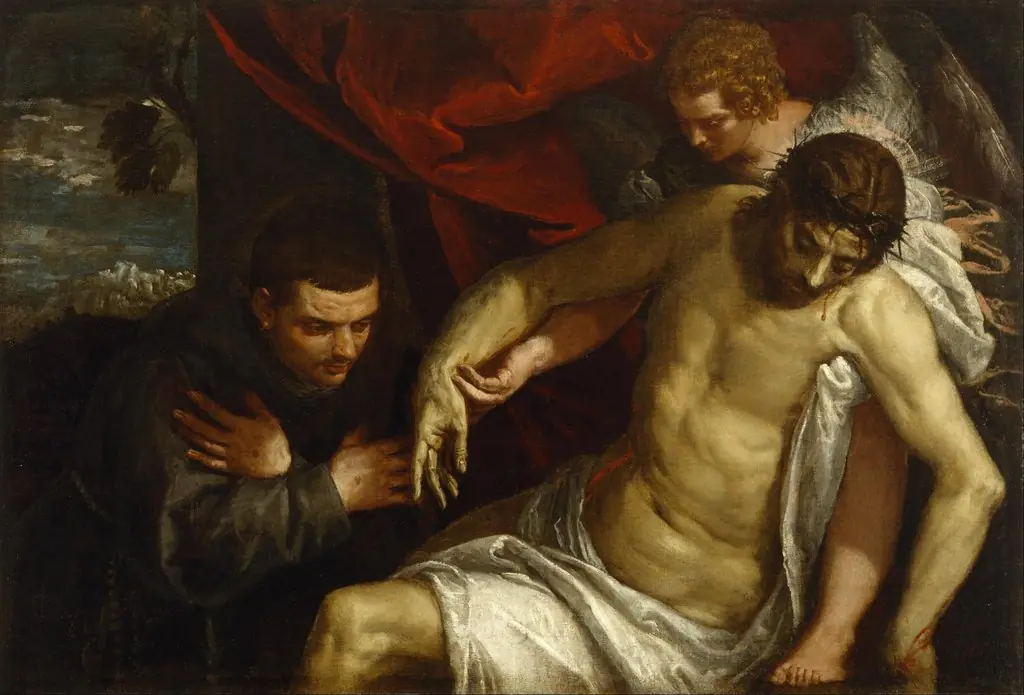 The Dead Christ Supported by an Angel and Adored by a Franciscan
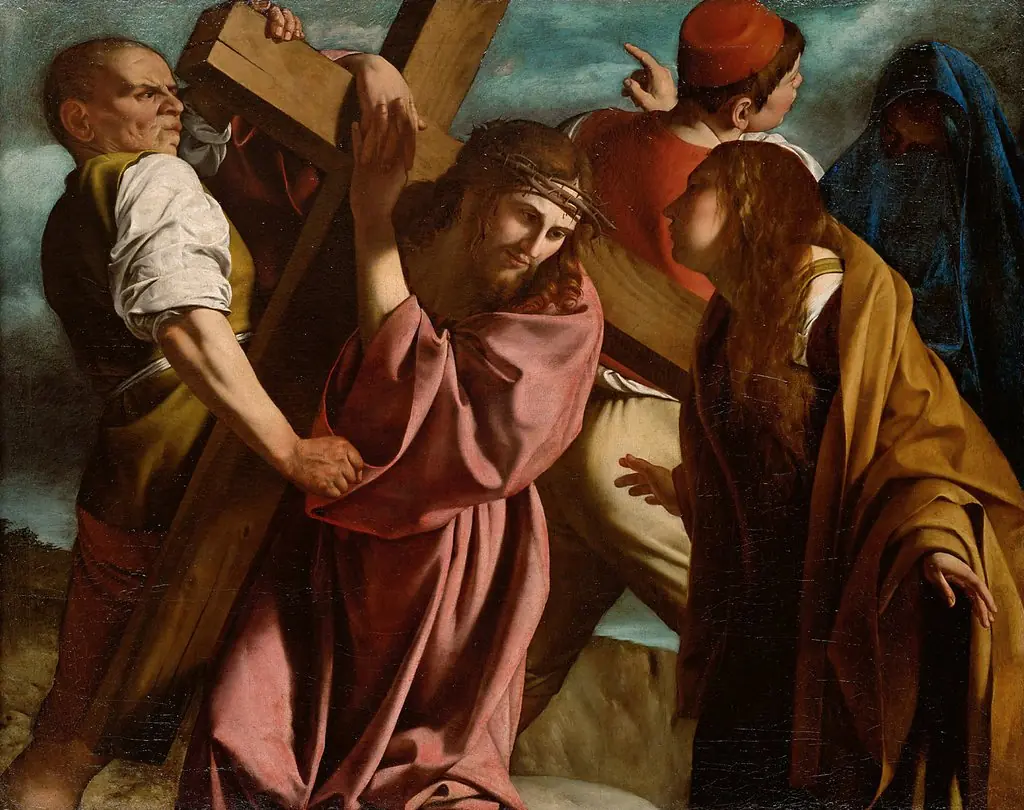 Carrying the Cross
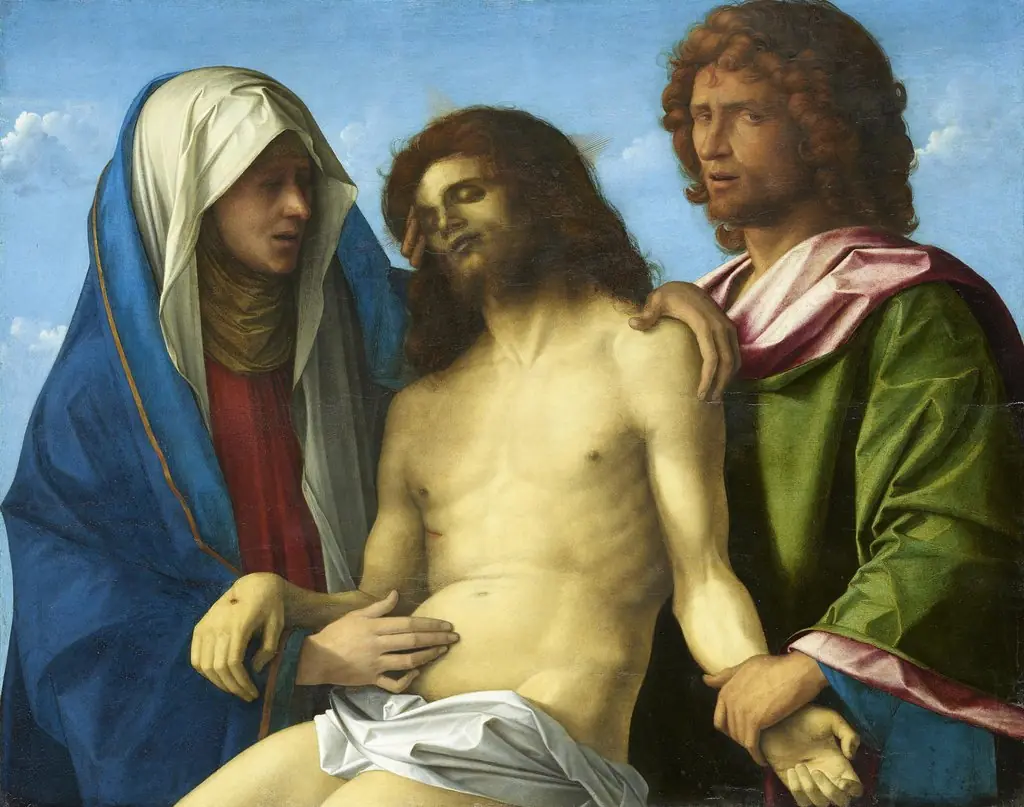 The Lamentation: The corpse of Christ held by Mary and St. John
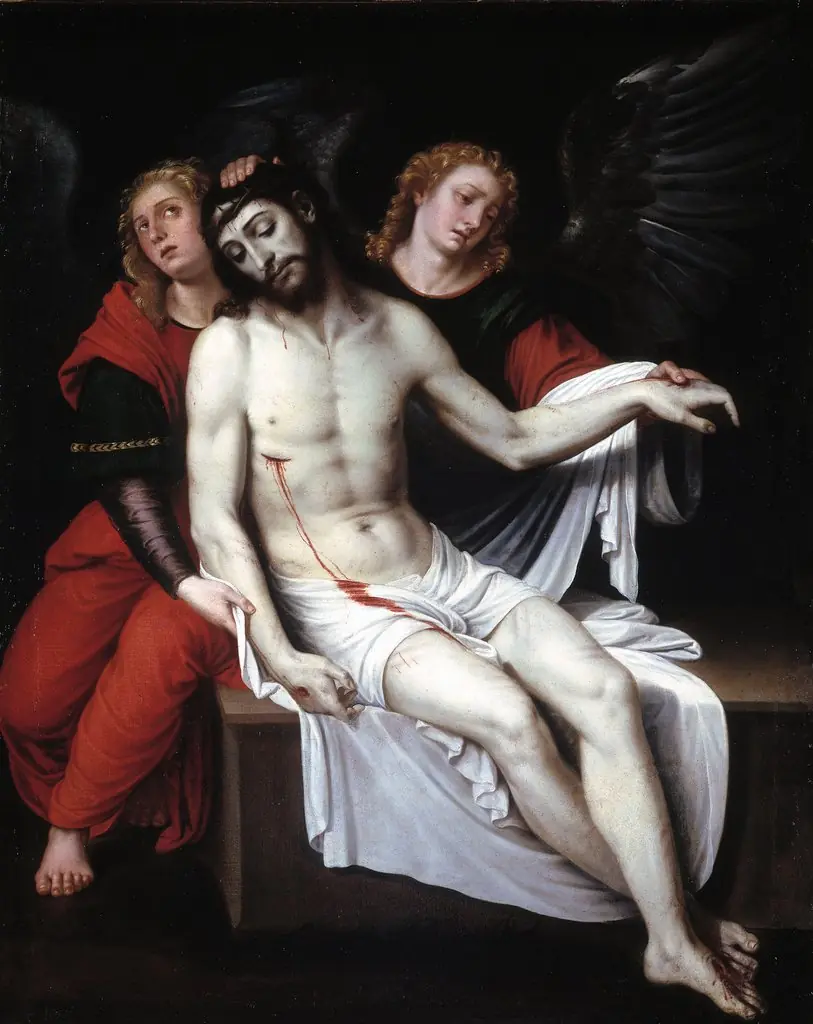 Cristo muerto sostenido por dos ángeles
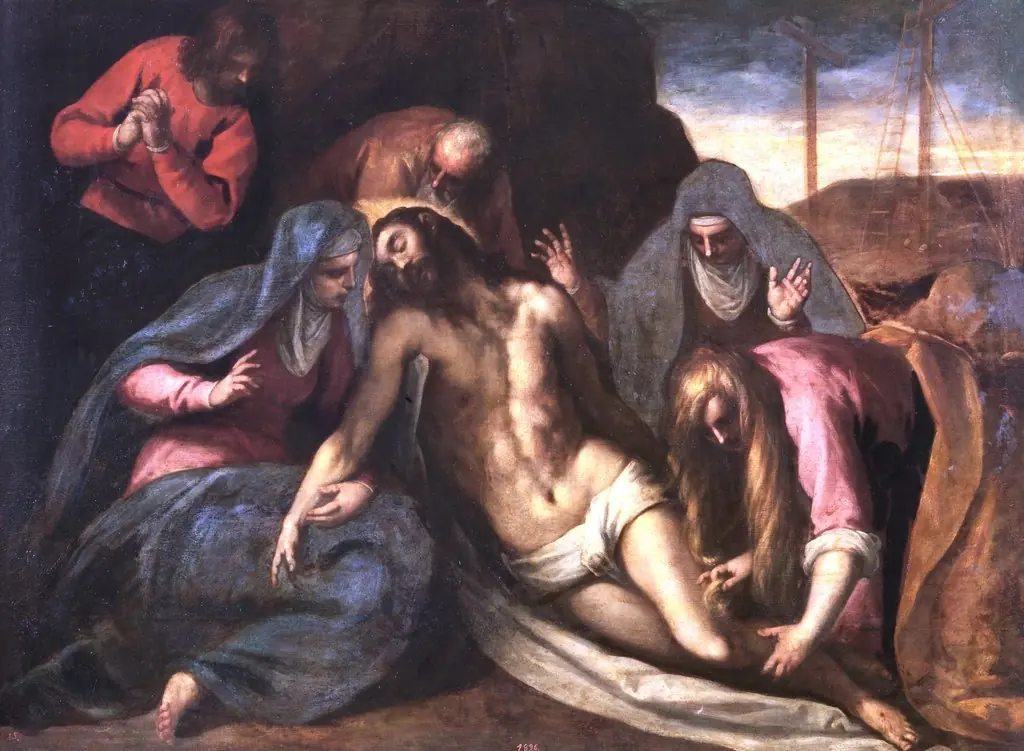 Pietá
Pietá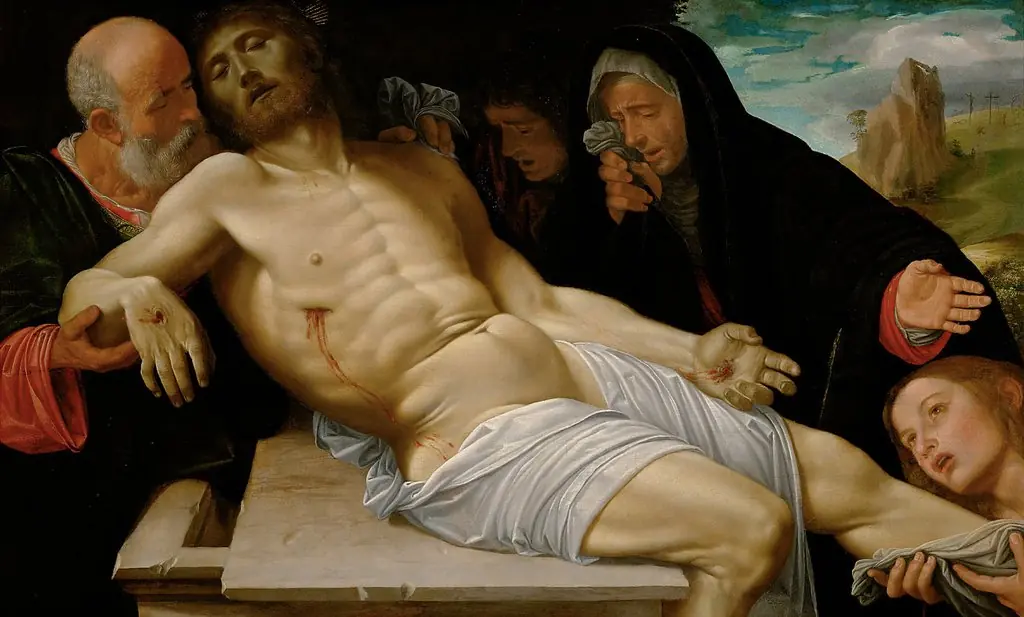 Lamentation
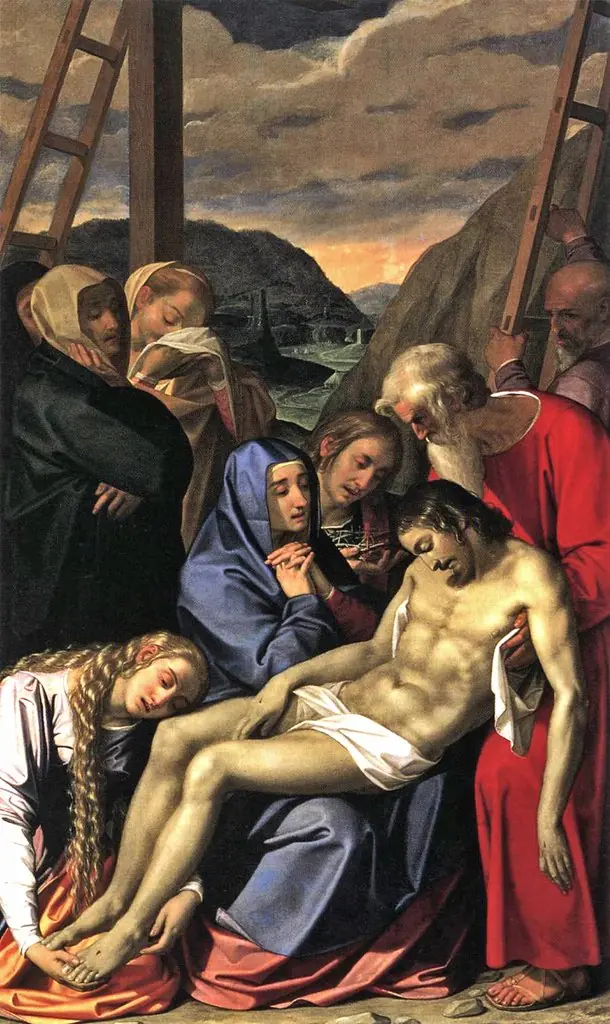 The Lamentation
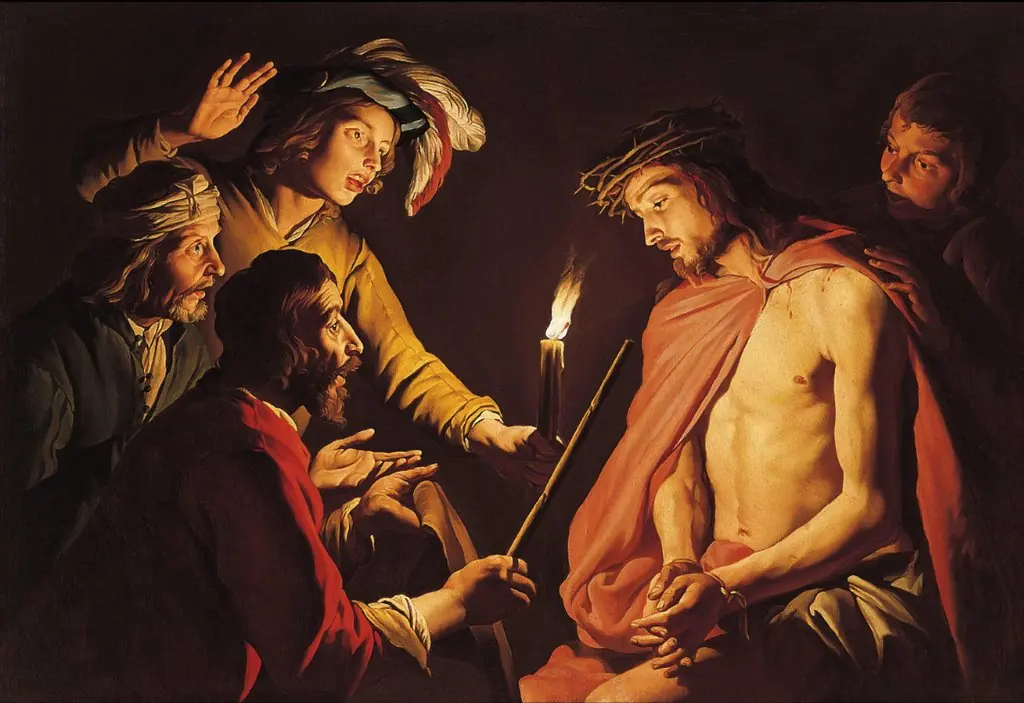 Christ Crowned with Thorns